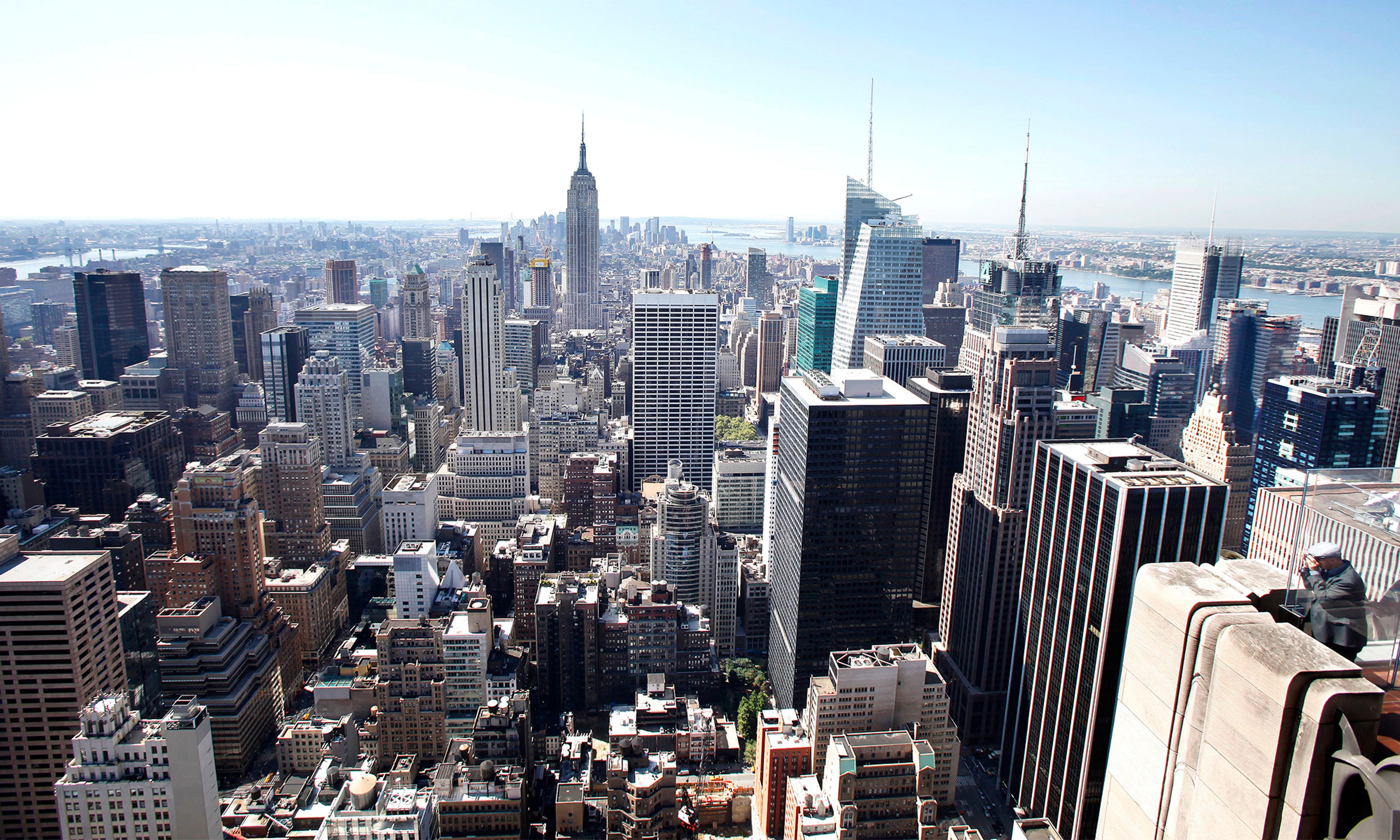
What if we never build another skyscraper?
I’m not talking about those absurd tall thin condos that rose in New York before the Wuhan flu — sorry, the disease whose origins are still completely baffling and might have come from a moldy piece of cheese in a small Scottish village, we just can’t say, although we probably shouldn’t even whisper the cheese theory lest someone go around with a tire iron looking for someone in a kilt to beat.
As I was saying. Before the completely mysterious disease hit, New York City developers built several super-expensive tall towers for the impossibly rich. A place to park your money for a year, or your mistress for a month, or perhaps even to live. Ah, to be a true lord of the world, standing on the 80th floor, looking out over the greatest city on earth (source: New Yorkers), feeling the tower sway slightly in the breeze, wishing you’d bought something on the 20th floor in a building with stone walls, because frankly you feel a bit ill. But the greatest city! Ever!
In the 1920s, the great early days of the skyscraper, they didn’t build many tall apartment buildings. They built office towers. They rose in frenzied competition, each clawing higher into the sky, each with its own distinctive top or architectural style. The apotheosis was the Empire State Building, conceived at the height of the boom, opening in 1931 to an economy that was unconscious in an alley with a concussion and six busted ribs. It took years to rent. But its design pointed to a certain future: All the historical ornament and classical gewgaws had been pared away in favor of a clean modern sensibility, with a florid phallic mast on top meant to moor airships. A rational, technocratic age. It’s somewhat fitting that this monument to man’s intellectual powers was almost immediately cast in the popular culture as a great place for a massive ape to swat away airships.
Oh, the urban planners of the era thought about super-tall housing units, but they were usually modernist madmen who wanted to raze 30 blocks of small-scale buildings and toss up some freestanding towers in empty plazas, packing people into concrete hives. Somehow the rich didn’t want to live like that, so the modernists had to make do with destroying neighborhoods and shoving poor proles into joy-smushing kennels.
I live in Minneapolis, which had a building boom under way before Scotch cheese contagion hit. Big schemes for big apartments. The designs aren’t bad, and since all the towers replaced parking lots, the density and influx of new residents is welcome. But only one tower is for offices.
It will be 37 stories of nothing special, a blue-glass slab that will probably age well, since it doesn’t adhere to any voguish school of design that looks as dated as a polyester leisure suit 20 years on. I pass the construction site often. It’s heartening to see it rise, to see the workers clamber high above, fitting pipes and framing steel. Perhaps the New Yorkers who watched the Empire State Building climb out of the pit at a time when the bread lines snaked around the block felt the same way: building for the future. Things will come back.
The question is whether they’ll bring the people with them. The greatest workplace innovation of the previous decade: working from home. The worst workplace development of this one: working from home.
Since everyone scurried to the bolthole and welded the lid shut, I have come to hate the atomized life of working from home. Since the pandemic began I have been resolute in my desire to go in, to drive downtown, park, and walk to the tall building as if nothing had happened. I sit alone in an empty newsroom, and write. The office is just as everyone left it in March, so you have that last-man-on-earth vibe: papers strewn on desks that note FIRST DEATH IN U.S. or MARKETS SWOON. A young woman in a mask comes by once a day to water the plants in silence.
It’s nicer at home. There’s no commute. No dress code! No crowds in the skyways at noon as everyone heads out to lunch. There’s also no interaction with a disparate set of fellow humans and no shared sense of purpose, but that’s a small price to pay. There’s also no fear of getting the Edinburgh Stilton Ebola, too.
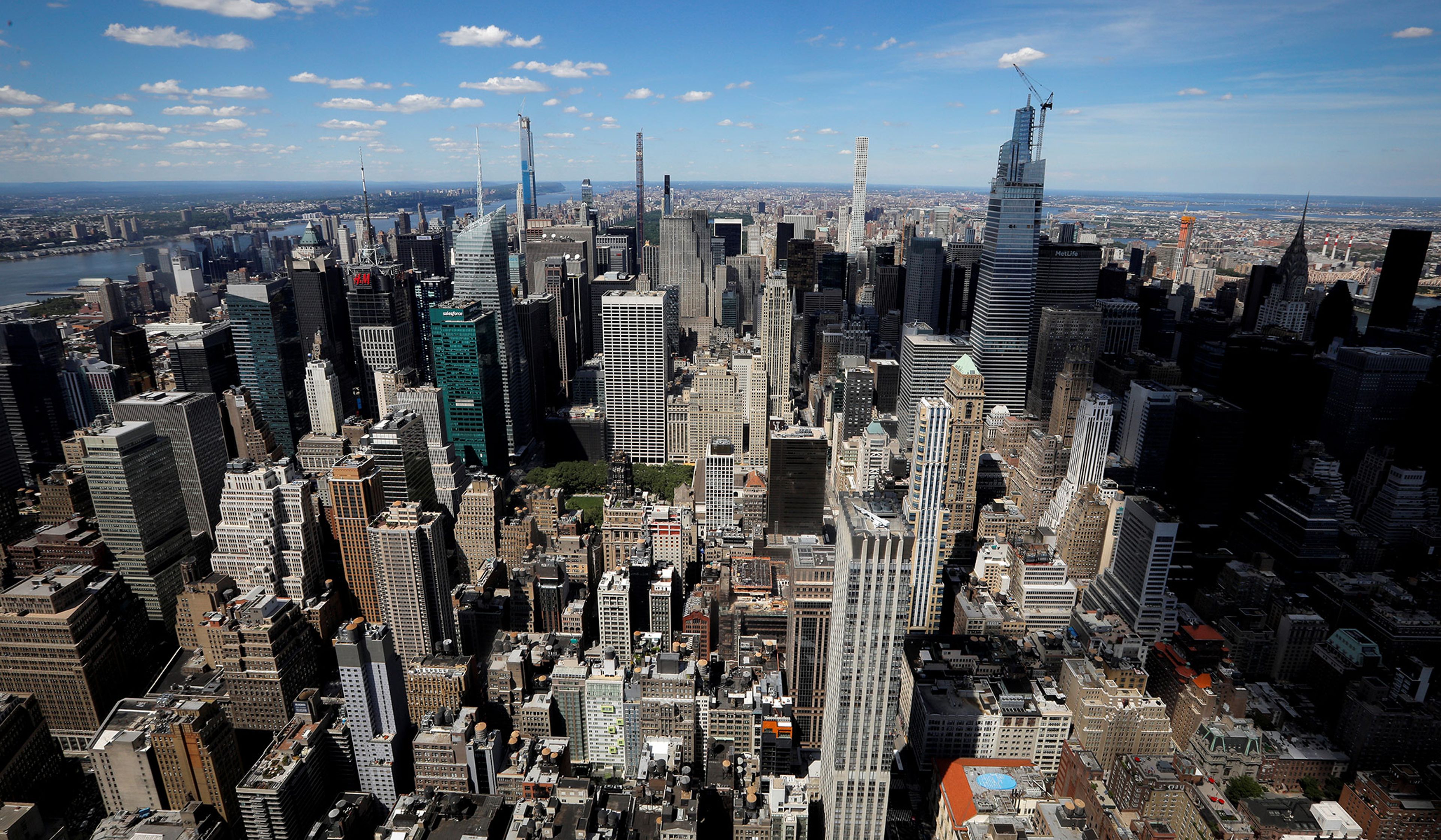
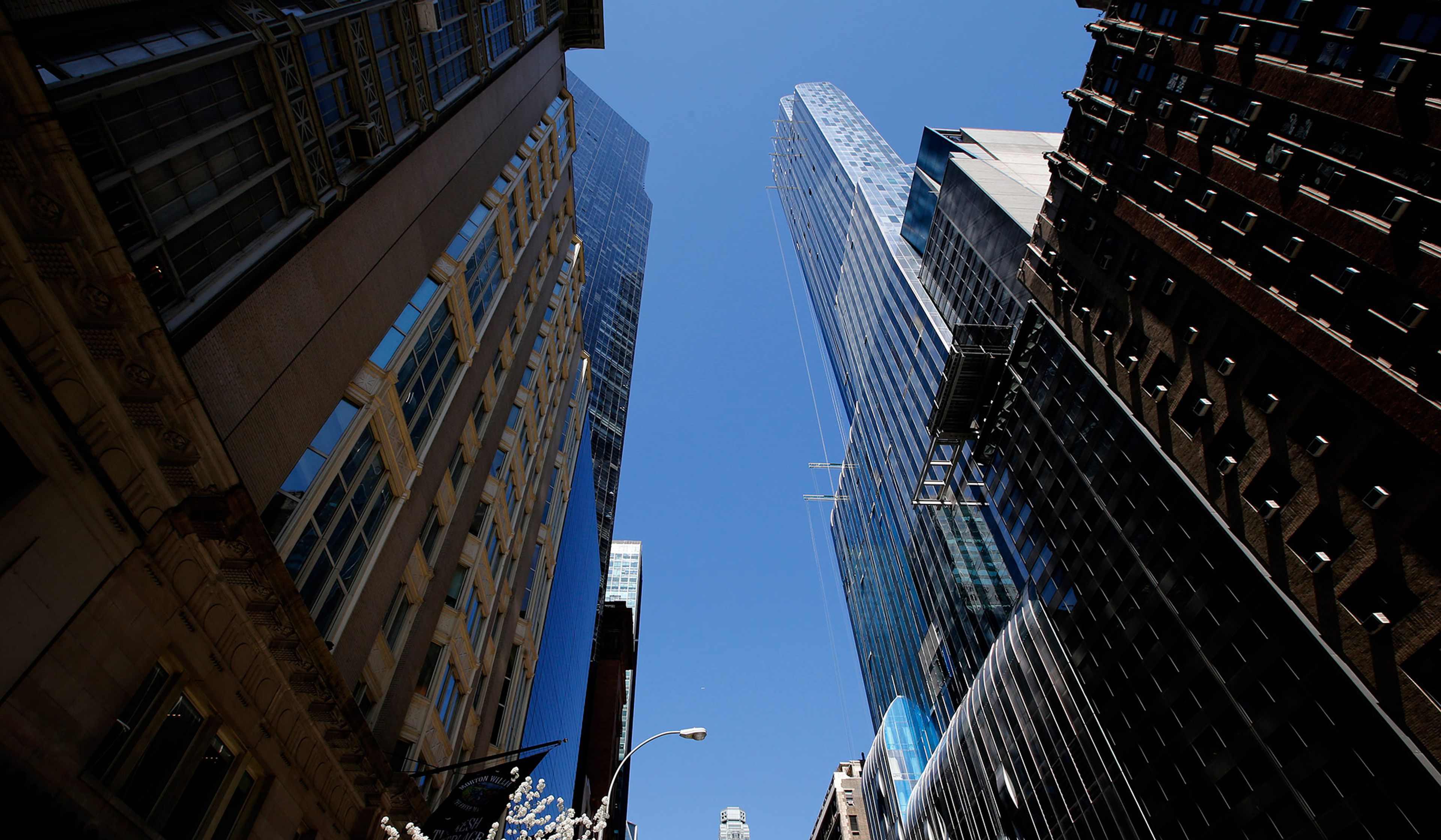
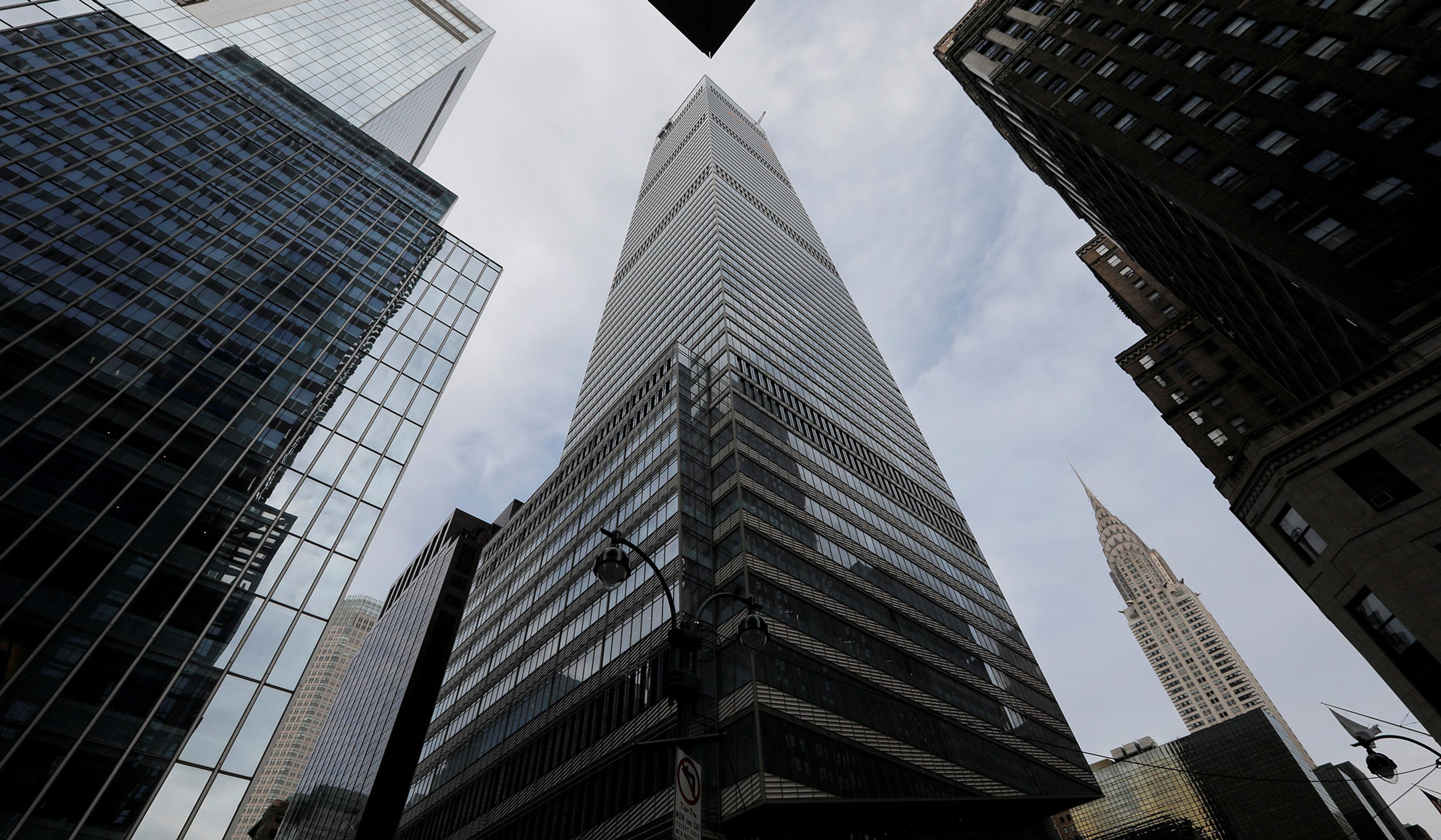
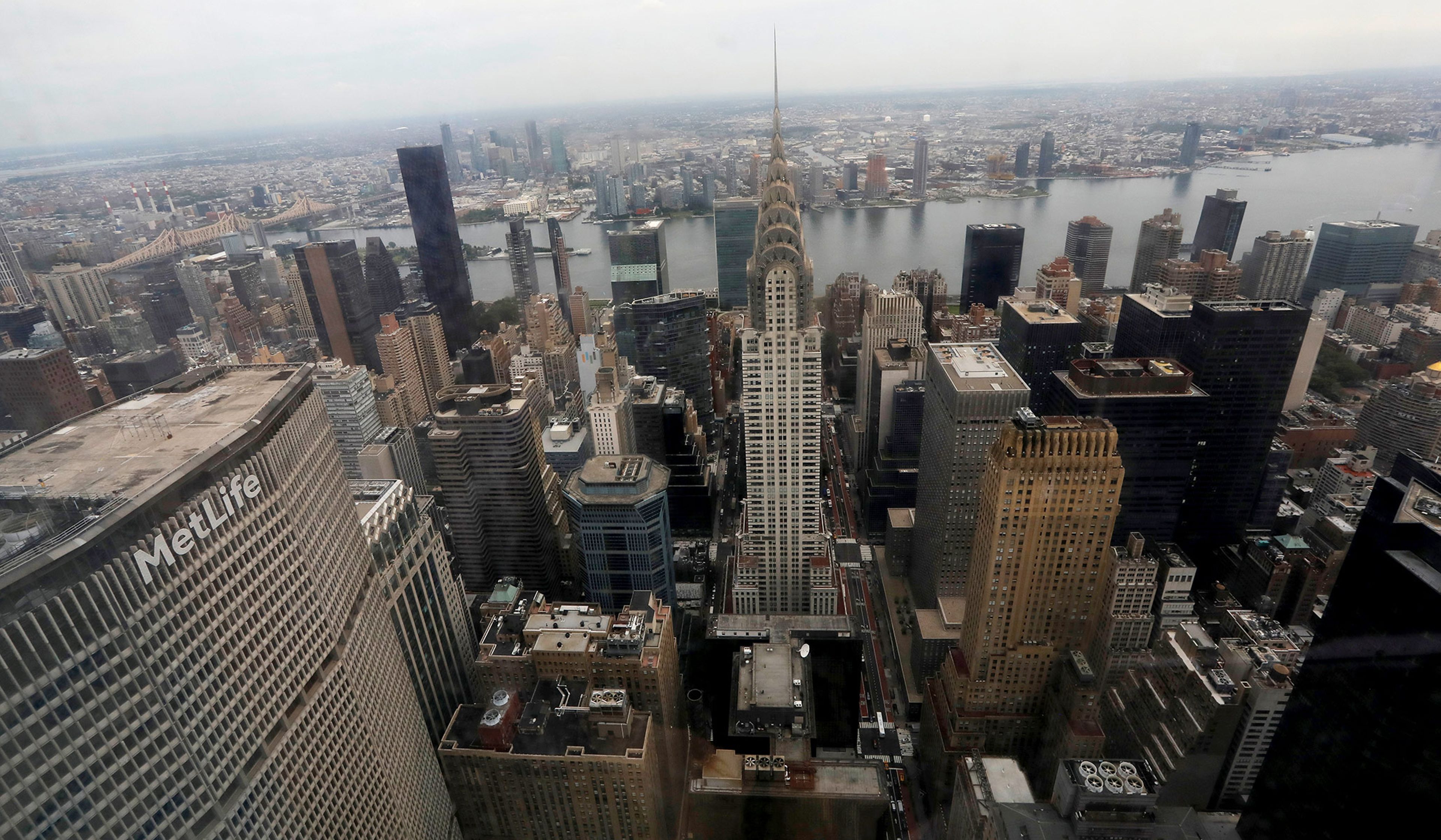
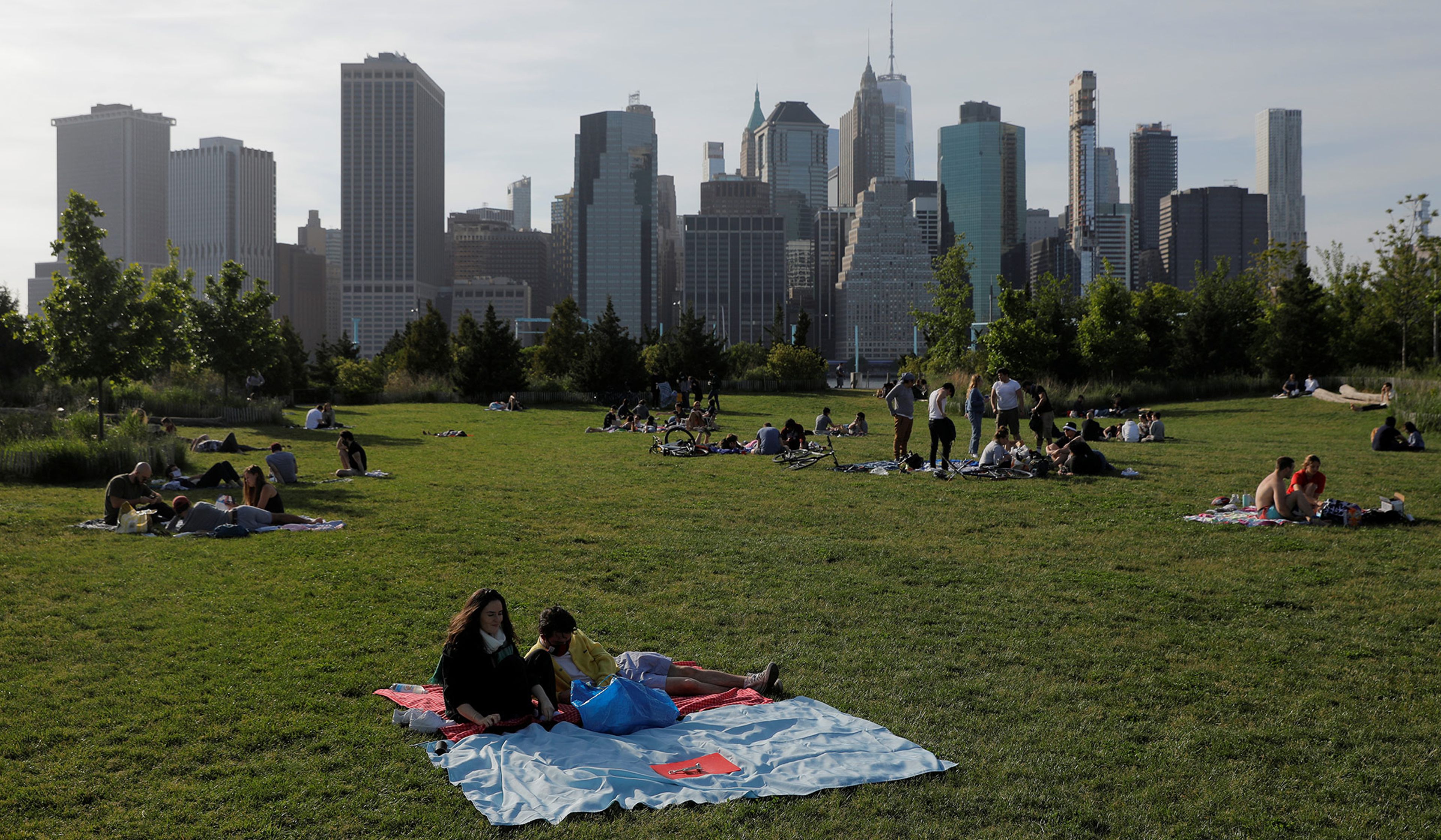
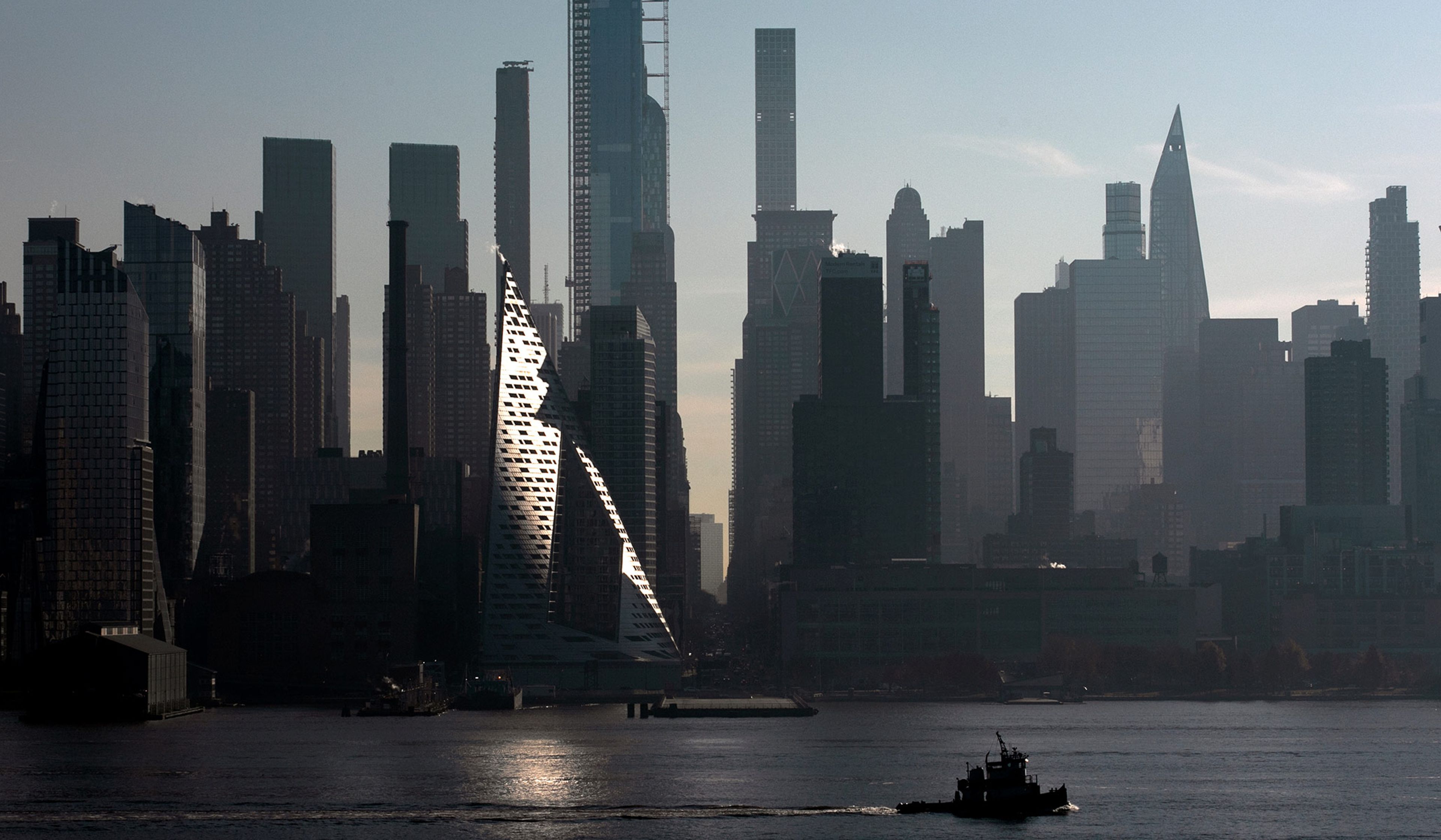
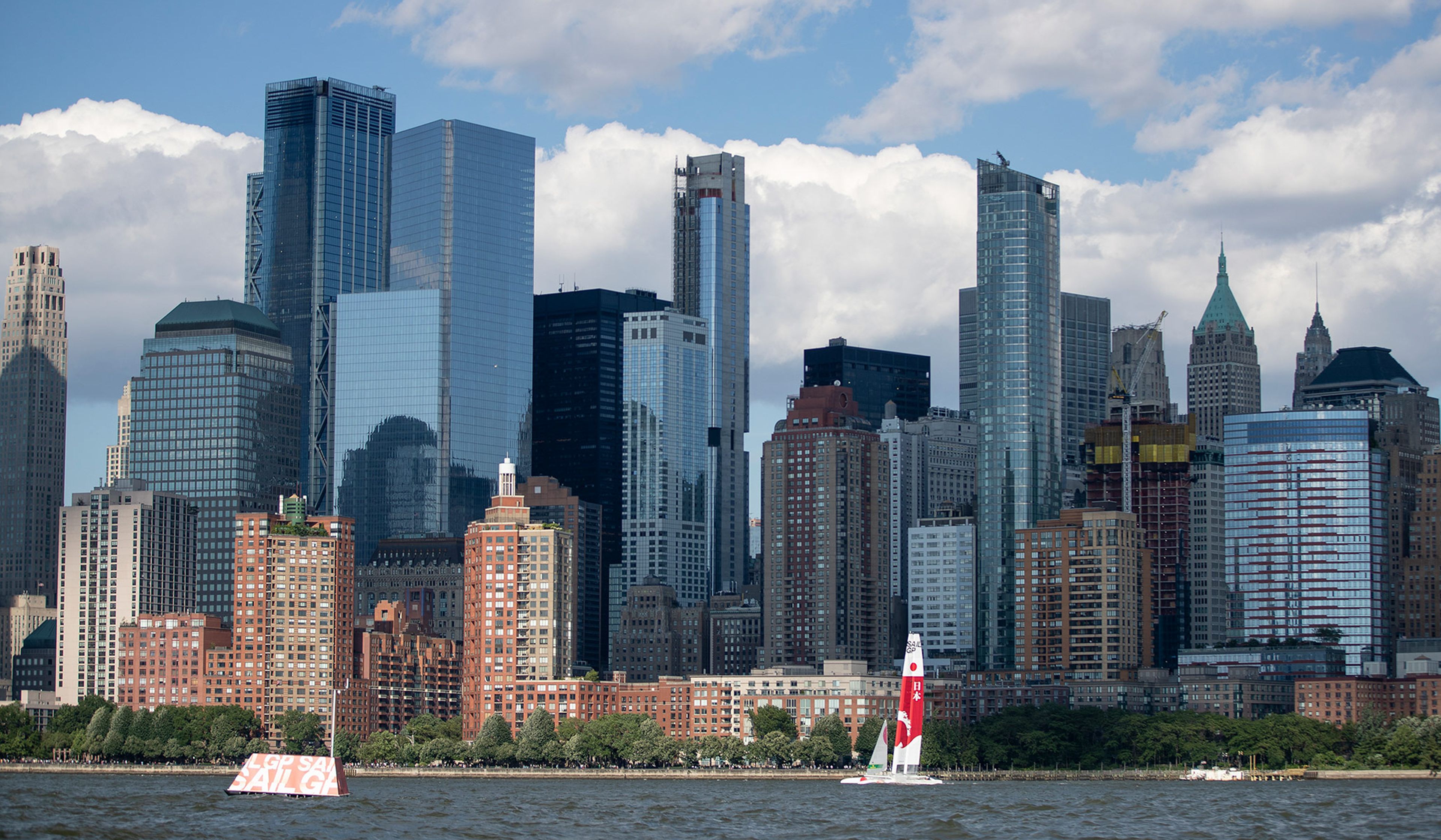
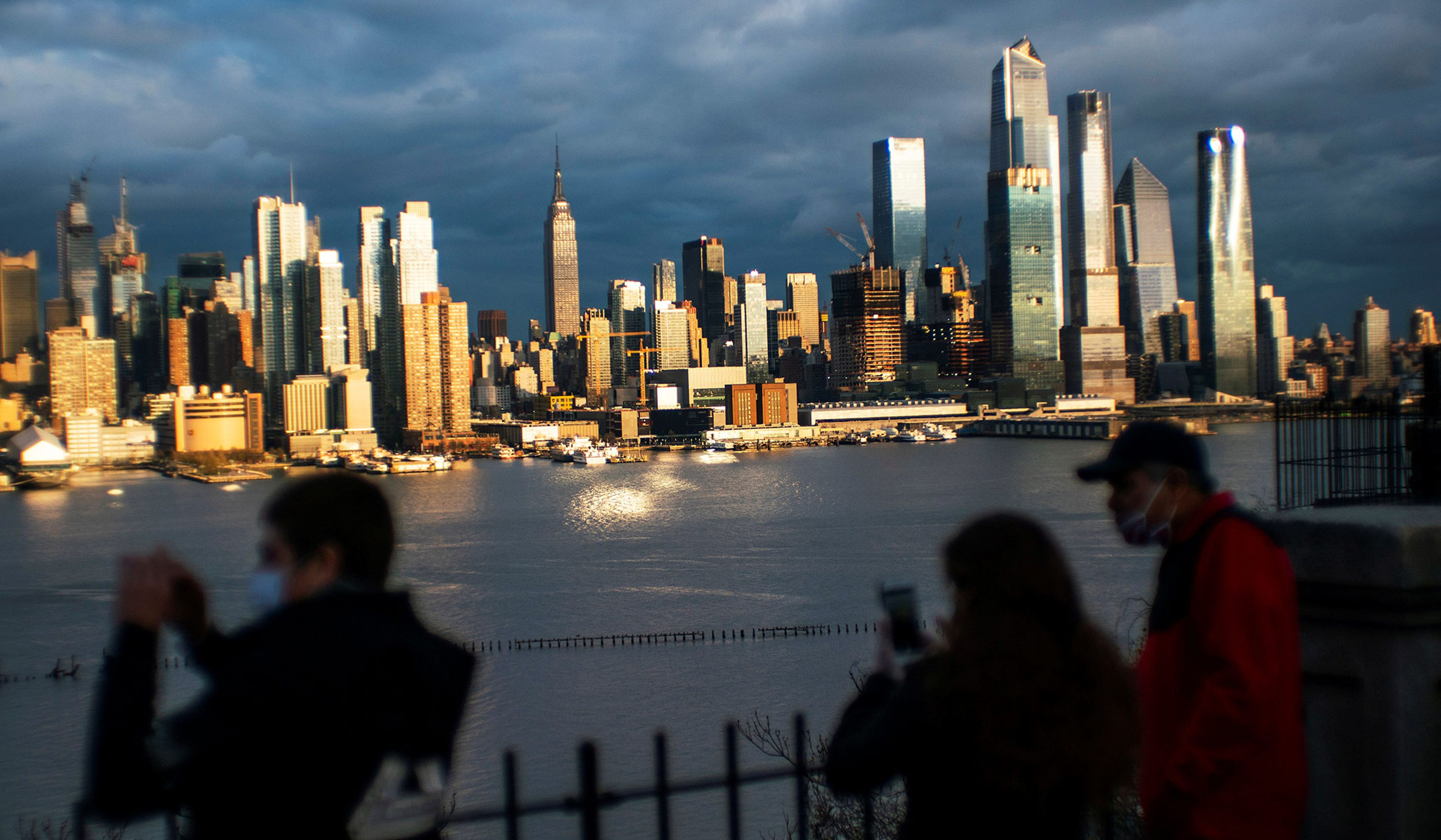
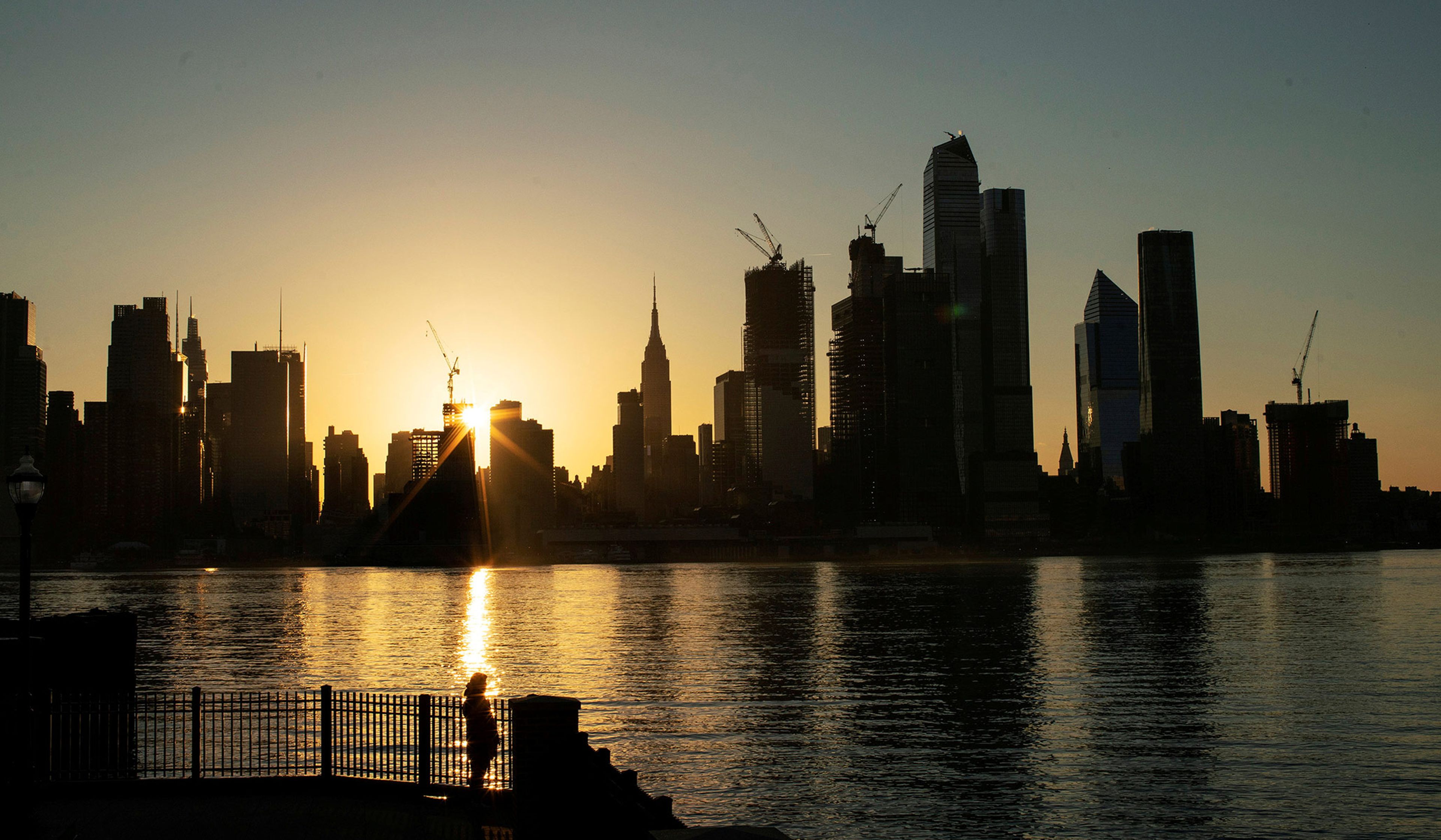
North view of the Manhattan skyline from the 86th floor observation deck of the Empire State Building in midtown Manhattan in New York City, June 24, 2020.
Mike Segar/Reuters
Once a week I visit a small hot-dog stand in an empty food court in the building next door. There were once many restaurants and a convenience store. All have emptied out. The hot-dog man is the last one left. He lived for the lunch trade. The lunch trade is dead. Two weeks to slow the spread turned into ten months to kill downtown.
Eventually people will trickle back, but the work-from-home model — well, it works, and employers want to give people options, so why not break up the old M–F / 9–5 model? A new paradigm for a connected future that accommodates the way we’ve learned to work today. Some of the buildings will fill up. Some of the restaurants will come back. Adapt, adopt.
But you wonder if anyone will look at the downtown office market, dig deep, and build high again. The office skyscraper was a unique American art form, an expression of strength, ingenuity, beauty, and faith in the future. We might build high again, someday. But we’d have to ditch the sweatpants and slippers for khakis with a crease and shoes with a shine, and that does seem like a lot to ask.












Comments