
Back to School — Eventually
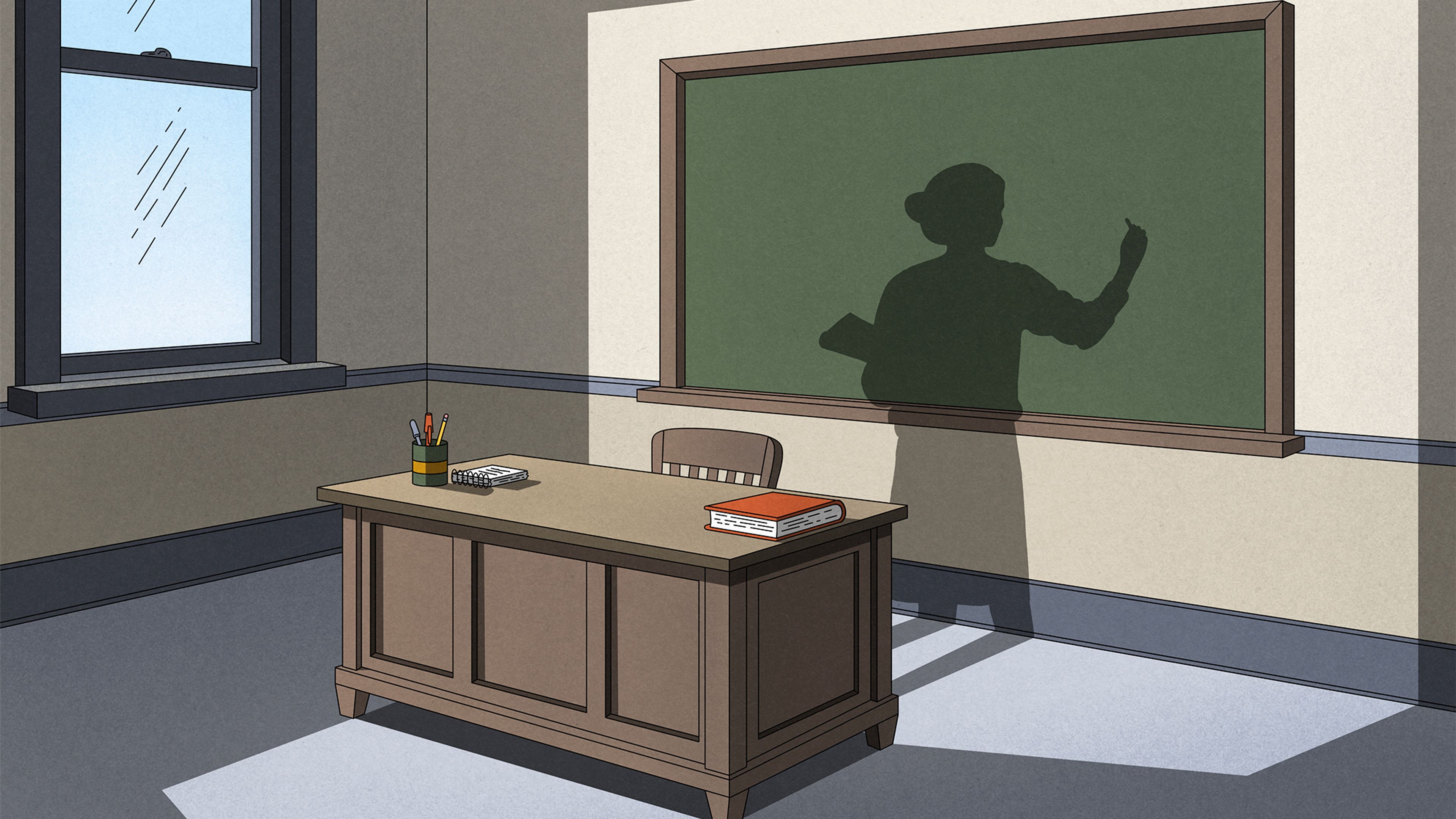
In the December 17, 2020, issue, a bullet point in the Week argues for keeping schools open with precautions. It is true that the schools appear to play a minor role in spreading the virus. As a teacher, I can attest to the fact that there is a small percentage of students who contract the virus. What has become most disruptive is the quarantining of students and teachers who may have been exposed to a student or staff member who has tested positive for COVID-19. While I understand that quarantines are necessary evils, they have taken valuable in-person class time and impacted family holidays (such as my own Thanksgiving) and athletics for many students and staff. While fully remote learning is not ideal by any stretch of the imagination, I feel it is the best way to proceed until this virus is under control. We learned many valuable lessons last spring that could help mold remote learning into the best option under the given circumstances.
Daniel Young Liverpool, N.Y.
The Editors respond: We appreciate Mr. Young’s observation, and of course it’s true that this school year will be difficult no matter what schools do. At this point, however, the harms of remote learning to students’ performance are clear enough that we believe in-person instruction needs to be available as the default, with online options for those who prefer them or need to quarantine.
Victor and Spoils
Jay Nordlinger’s story on the great composers buried in Brooklyn’s Green-Wood Cemetery (“ ‘To America,’ ” November 16, 2020) reminds me of the quip that Victor Borge used to make about any deceased writer of music: “He’s dead. He’s decomposing.”
Stefan A. D. Bucek Orange, Calif.
Where’s That Dictionary?
I appreciated Bryan A. Garner’s article “WFB’s Sesquipedality” (December 17, 2020), as it reminded me of how I discovered National Review. A few years ago, I came across a video clip of a well-dressed man with a wooden pencil and clipboard interviewing a younger Noam Chomsky. Although I was intrigued by his intellect and English-yet-American-sounding accent, I was most fascinated by the interviewer’s seemingly infinite cache of multisyllabic words I had never heard of. I later learned that this man founded the most influential conservative periodical of the 20th century, to which I subscribed that same year; ultimately, it was Buckley’s sesquipedality that attracted me to National Review. Unashamedly, I also announce that I correctly defined only three of the 25 “Buckleyisms” at the end of Mr. Garner’s article. (I hope this is more reflective of WFB’s wealth of knowledge than my lack thereof.) Thank you for your magazine.
John Pai Deerfield, Ill.











Comments