I check the return address of the package on the doorstep and my heart sinks: another one of those indeterminate-origin envelopes bringing me unsolicited Hollywood suck-up crapola.
Several times a week I receive a mailer full of junk originating from an otherwise unidentified “Shipping Department” in someplace like Rancho Cucamonga or Calabasas. The latest package contains two small Japanese-style lunch boxes. Within one are two tiny, square, black ceramic saucers and plastic cutlery; the other has ten fine little paper pyramids, each containing a bag of green tea. There’s also a tiny machine with a crank on it, and two tiny white scrolls. I wonder if it’s some sort of sushi-making instrument but it turns out to be a tiny music box, and the white scrolls have notation on them that makes music. I crank the little handle and some strangled sounds emerge. It’s all very delicate and exquisite and expensive-looking and pointless. I shrug and throw away the lot.
It’s the least wonderful time of the year: awards season. I am a member of two groups that bestow awards on movie people, and to nudge me to vote for their films, from Thanksgiving until Oscar night the studios deluge me with DVDs, bound scripts, invitations to “special screenings” hosted by celebrities (this year, they’re virtual), autographed photos (Anthony Hopkins, Bradley Cooper), and strange little gifts. The package of Japanese swag (which turns out to be Chinese swag — I didn’t notice the fortune cookies) is intended to direct my attention to an animated short film I haven’t seen called “Windup.” The only useful gift I ever get is liquor. This year some studio (not sure which; my wife threw away the box) sent me a nice fifth of single-batch bourbon. Last year I got, from Netflix, a somewhat ominously marked bottle of Chianti. “Courtesy of The Irishman,” read the label. “It’s what it is.” In context, this slogan means, “Put your affairs in order, a bullet is about to be introduced to the back of your head,” but I drank the wine anyway, and did not die.
I’m a member of the New York Film Critics Circle (which prides itself on being the vanguard of awards season and so has long since voted on its honorees, back in December) and the Critics Choice Association, which hands out the Critics Choice Awards (this year televised on the CW on March 7 — our host is Taye Diggs!). The Critics Choice Association was called the Broadcast Film Critics Association when I joined it, and since I’m not a broadcaster I have no idea why I was invited, but I signed on anyway, figuring it would help keep me on the publicists’ lists for screenings. This is important because there are hundreds of film publicists spread around scores of companies who issue invitations to advance screenings of movies, and after publishing regular movie reviews for 16 years, I’m still not on every film publicist’s screening list. I hate having to track down the right publicist for a screening, so it’s better for me if they are aware enough of my existence that they seek me out.
As punishment for my life choices, each awards season I get strafed with reminders that this or that film is being offered “for your consideration.” The phrase has become so ubiquitous that it has begun to be shortened to “FYC,” and in recent years I’ve noticed that advertising targeted at the general public, such as movie posters at bus stops in Manhattan, has started to carry the FYC tag. Even in Manhattan, less than 1 percent of the population is a member of a Hollywood-awards clique, which proves that movie companies seeking awards are willing to waste more than 99 cents out of a dollar in pursuit of certificates, paperweights, and statuettes for their trophy cases.
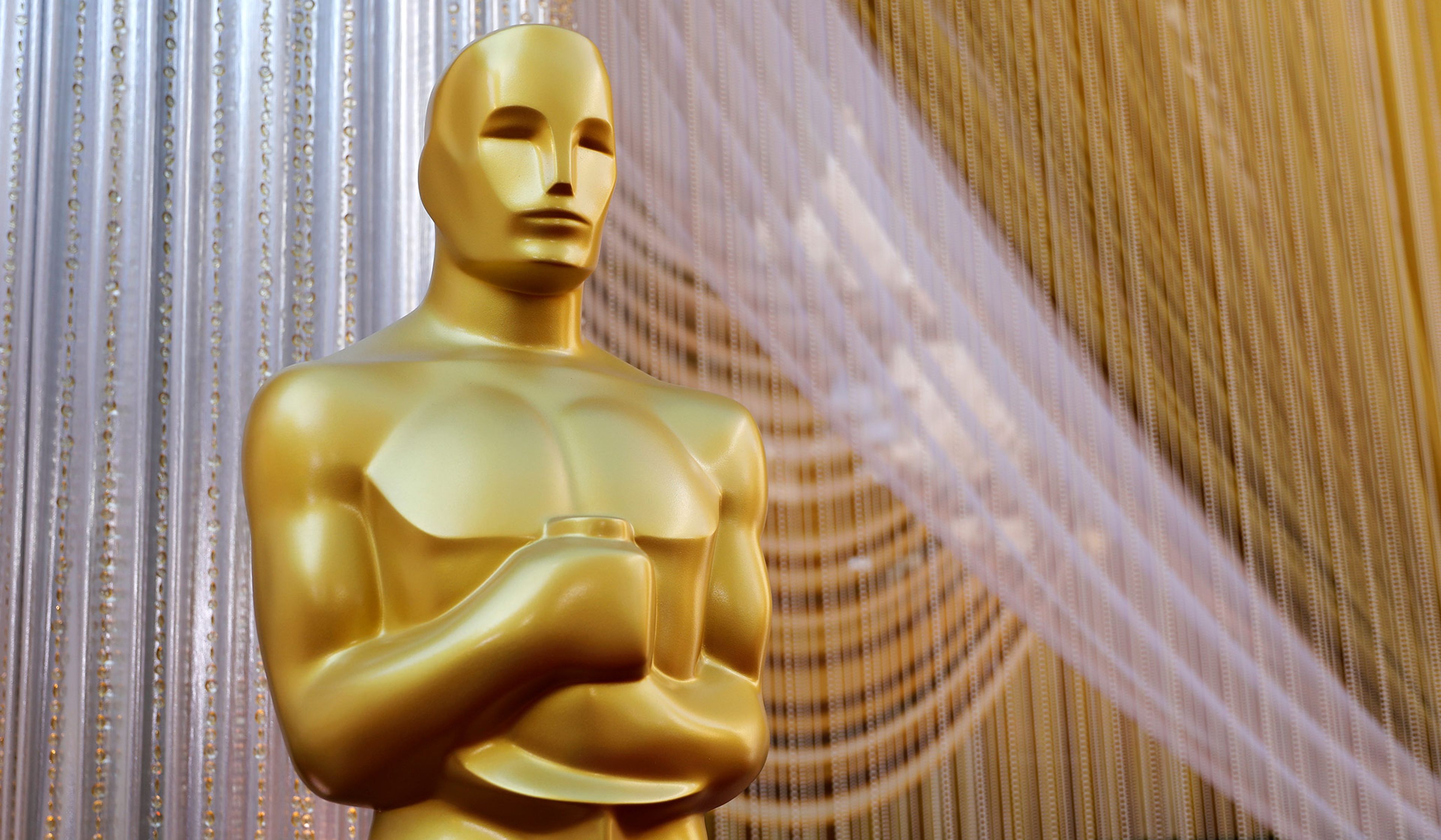
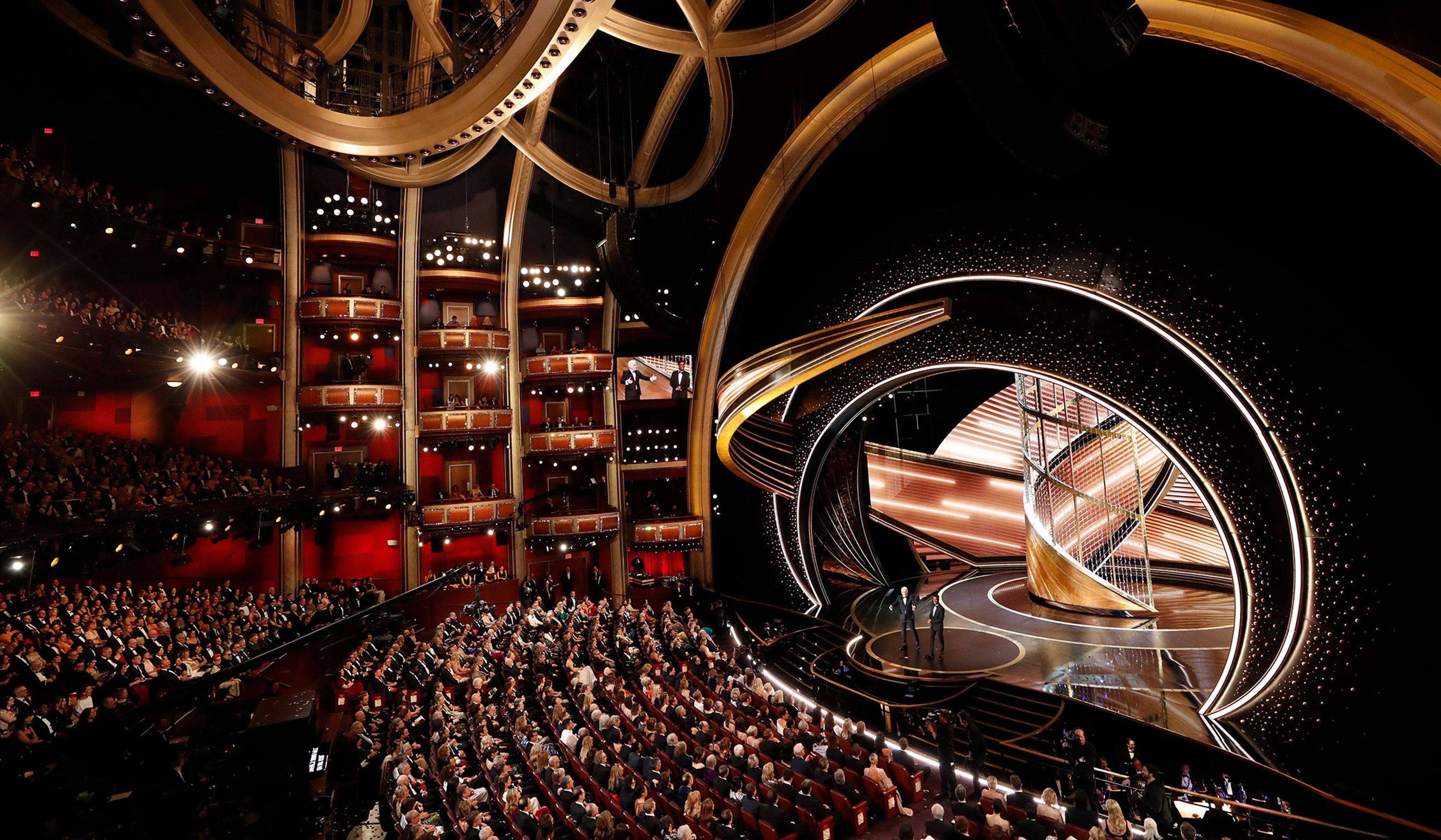

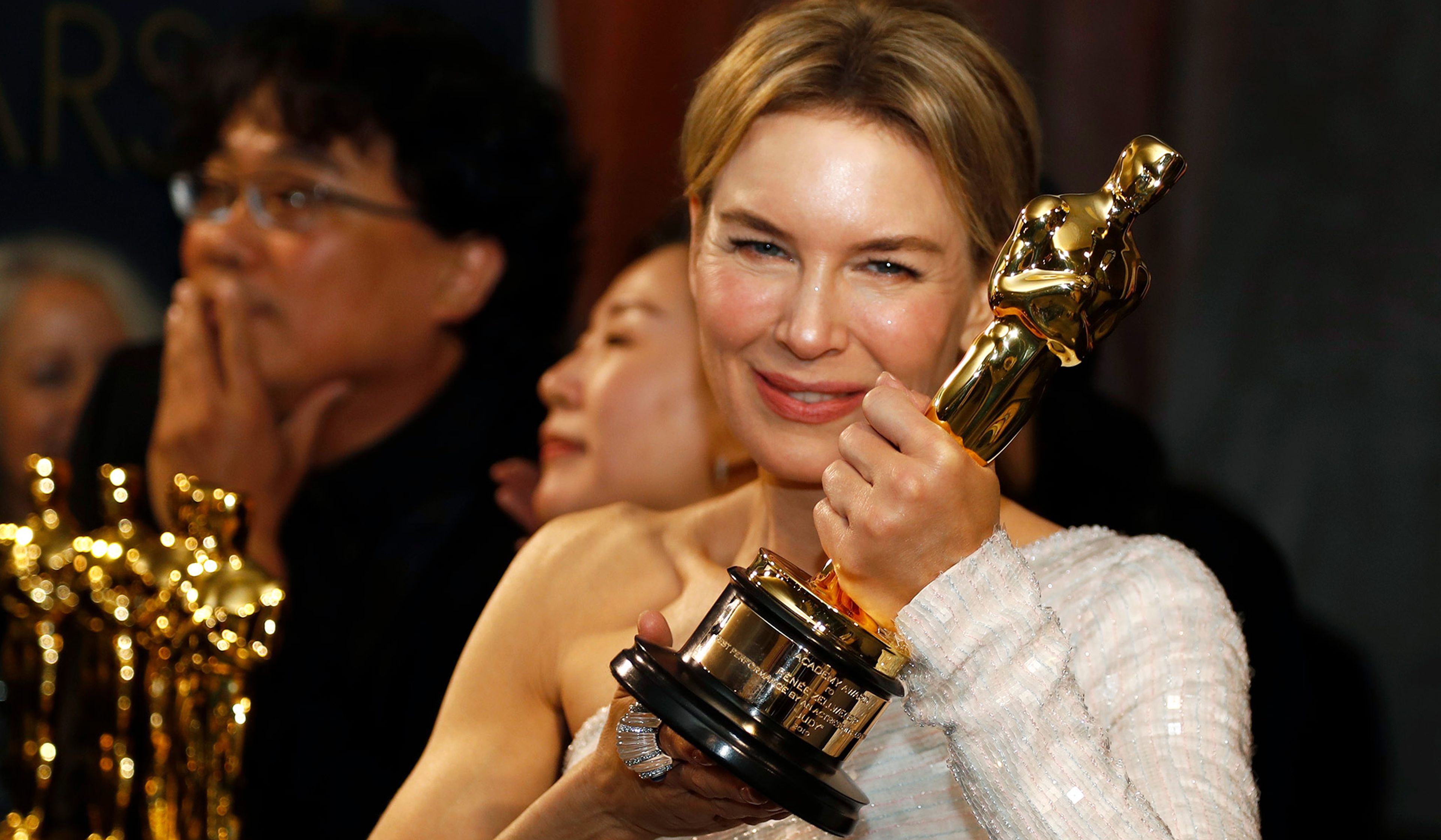
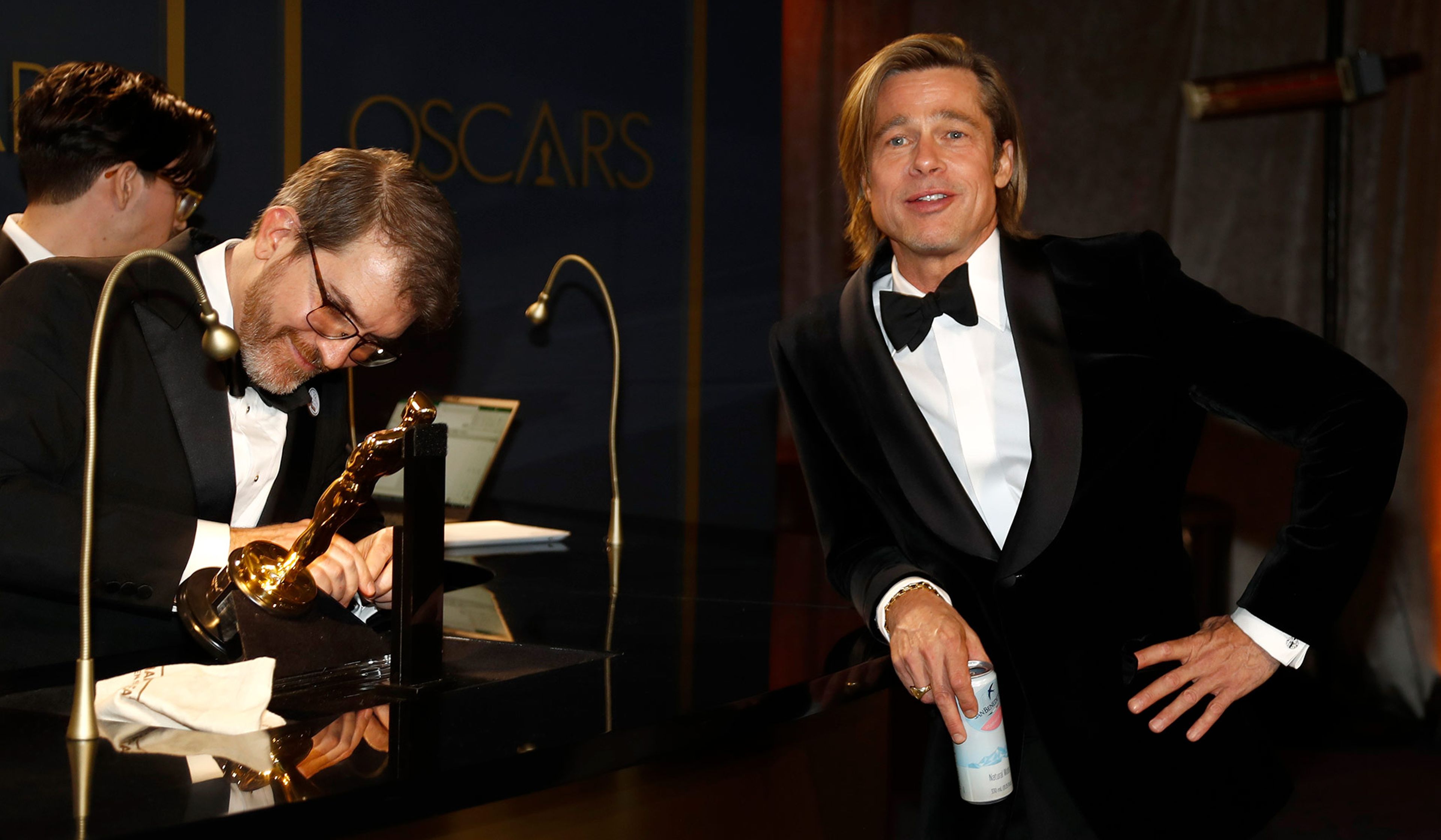
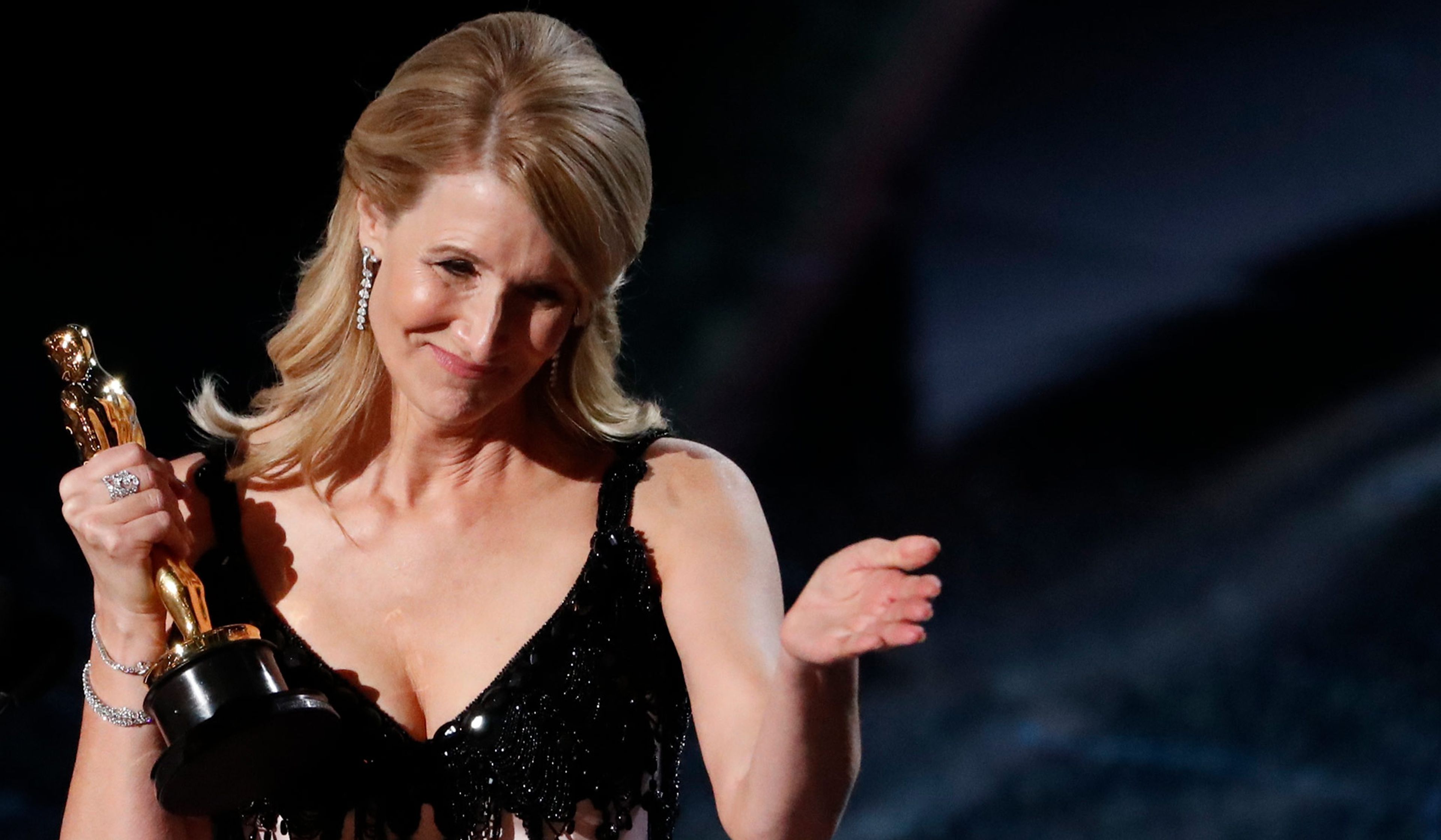

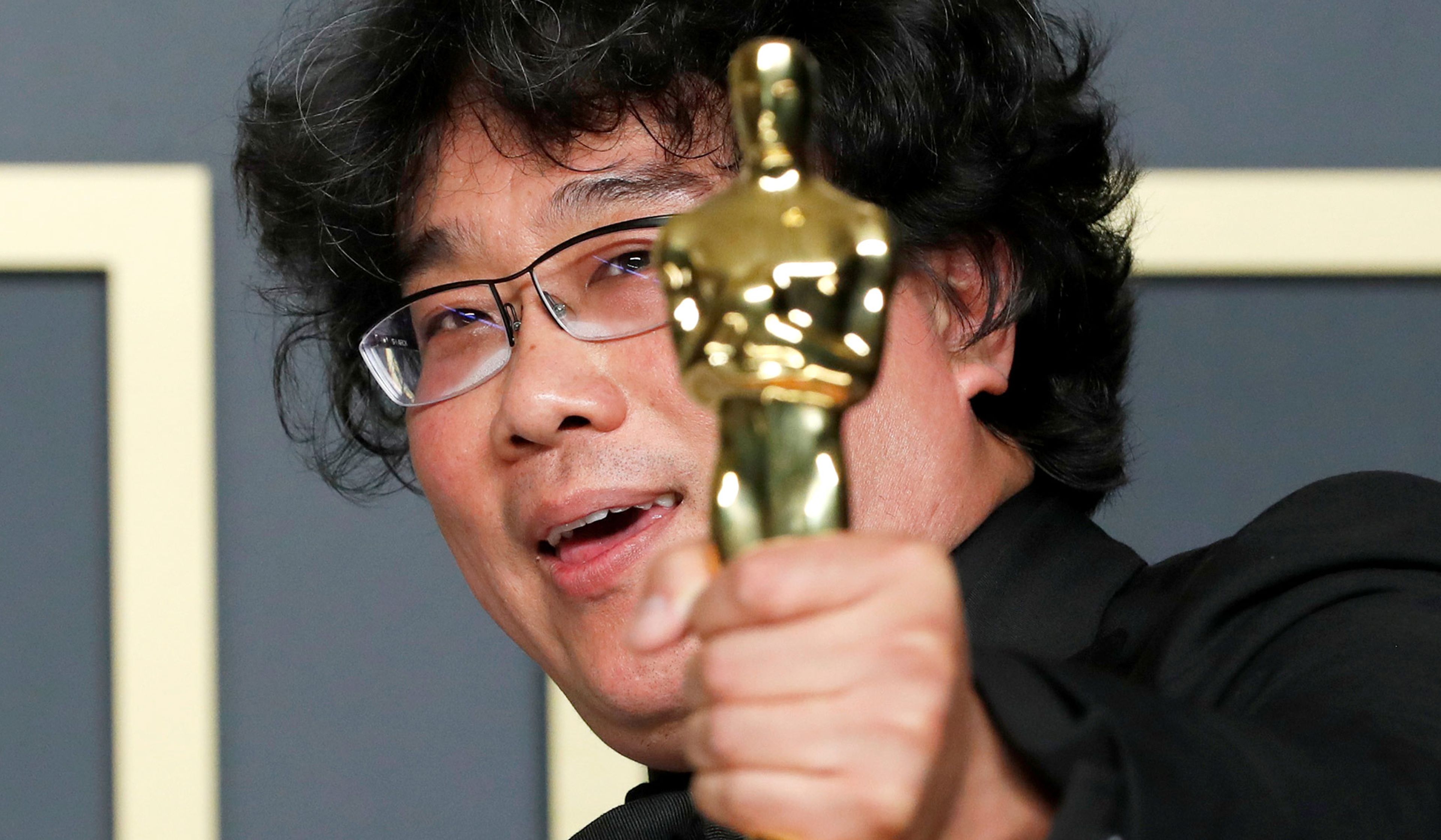
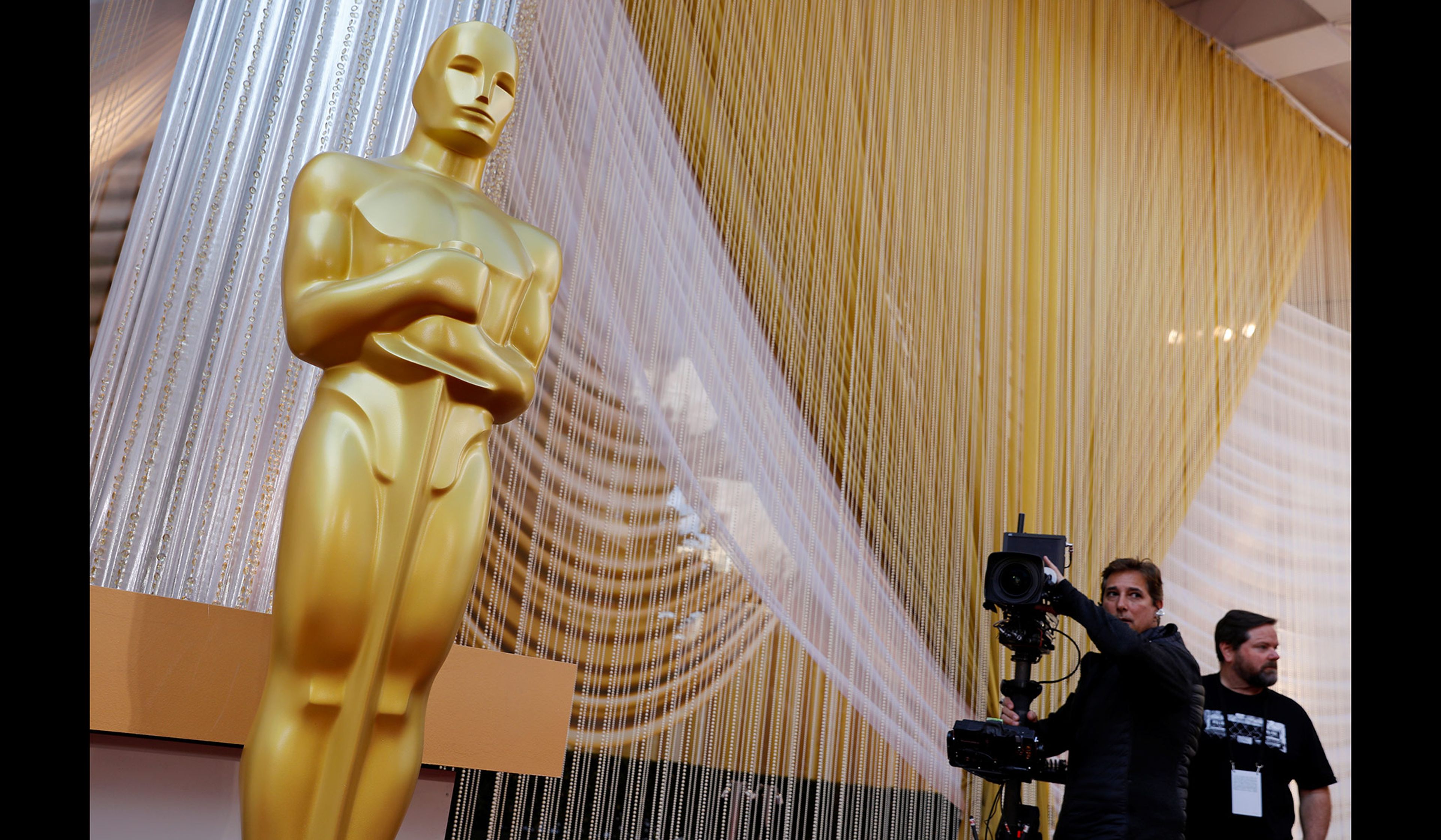
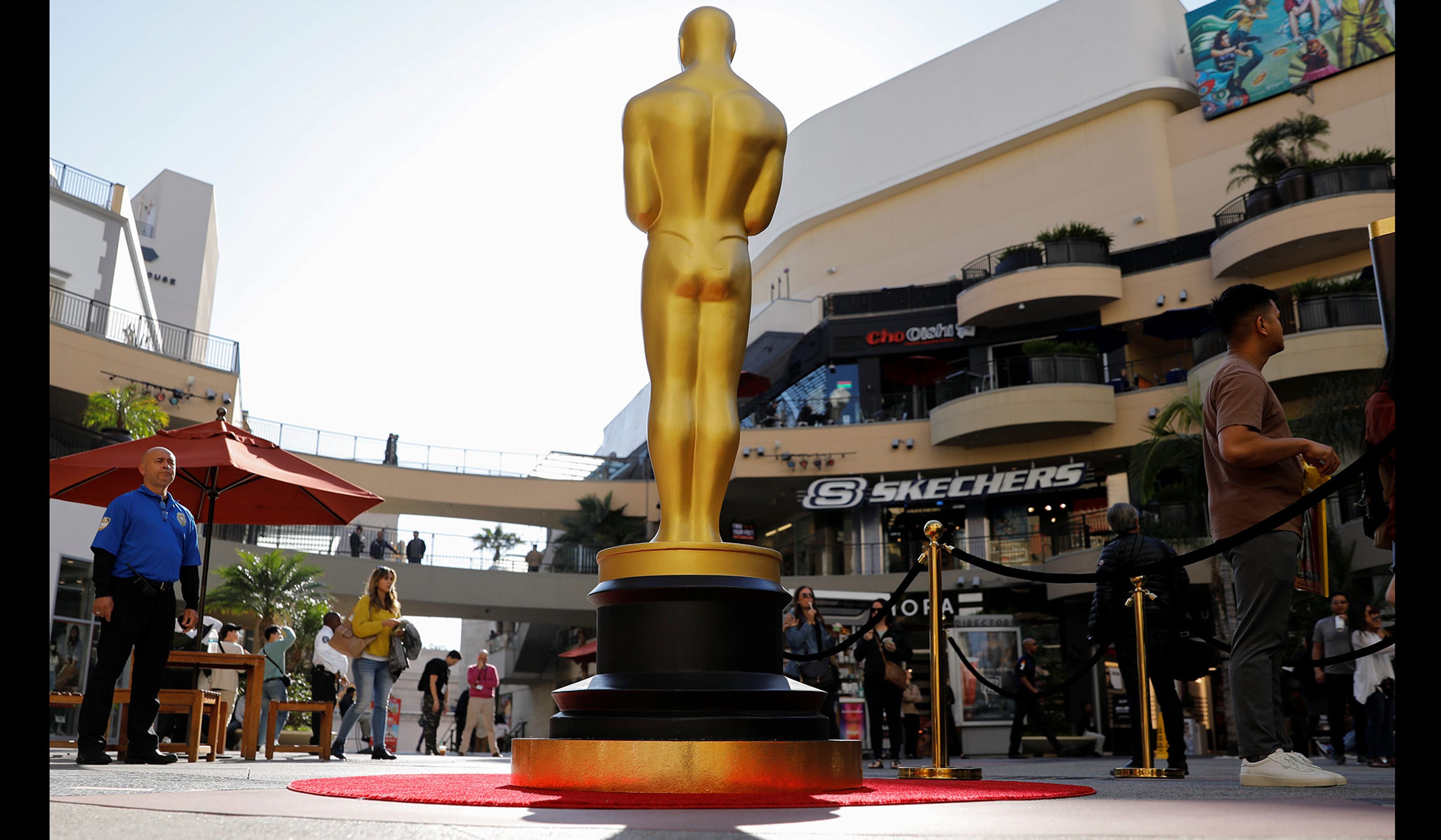
An Oscar statue stands in the red carpet arrivals area in preparation for the 92nd Academy Awards in Los Angeles, Calif., February 8, 2020.
Mike Blake/Reuters
You might think the most glamorous people on earth would not care much about a Critics Choice Award (even though we have Taye Diggs!). But you would be wrong. According to Hollywood thinking, every seemingly meaningless award you win is a publicity coup — an indicator that your stuff is awards-caliber to the only group that really matters, the Oscar voters. An Oscar is probably the most valuable award on earth and certainly the one that inspires the most frenzied spending. I doubt Malala spent much lobbying for her Nobel Prize, but film studios that think they’ve got a contender spend millions on awards campaigns. So costly is this spree that it was reported years ago that the seeming hit movie No Country for Old Men burned its entire box-office profit campaigning for Oscars it eventually did win. An ancillary economy depends on the FYC extravaganza: Trade publications such as Variety receive what looks like the vast majority of their year’s advertising revenue in awards season, when the trade papers deluge awards voters with dictionary-thick, barely disguised advertorial editions whose purpose is to pump up the awards potential of as many films as possible — the same films whose FYC ads in these publications keep the lights on at Variety.
One studio sends me far more dumb stuff than all others combined: Netflix. Every year I receive from them a staggering stack of huge hardcover limited-edition coffee-table books, one for each of their awards-bait movies. As much as I admired Ma Rainey’s Black Bottom, though, I don’t need a mammoth book of glossy photos to remind me it exists. These books (like politicians’ campaign manifestos) aren’t even meant to be read; they exist merely to signal importance. Pity the forests being put to the buzzsaw to stoke the egos of Hollywood environmentalists. Is it worth it for a Critics Choice Award? Even one presented by Taye Diggs?












Comments