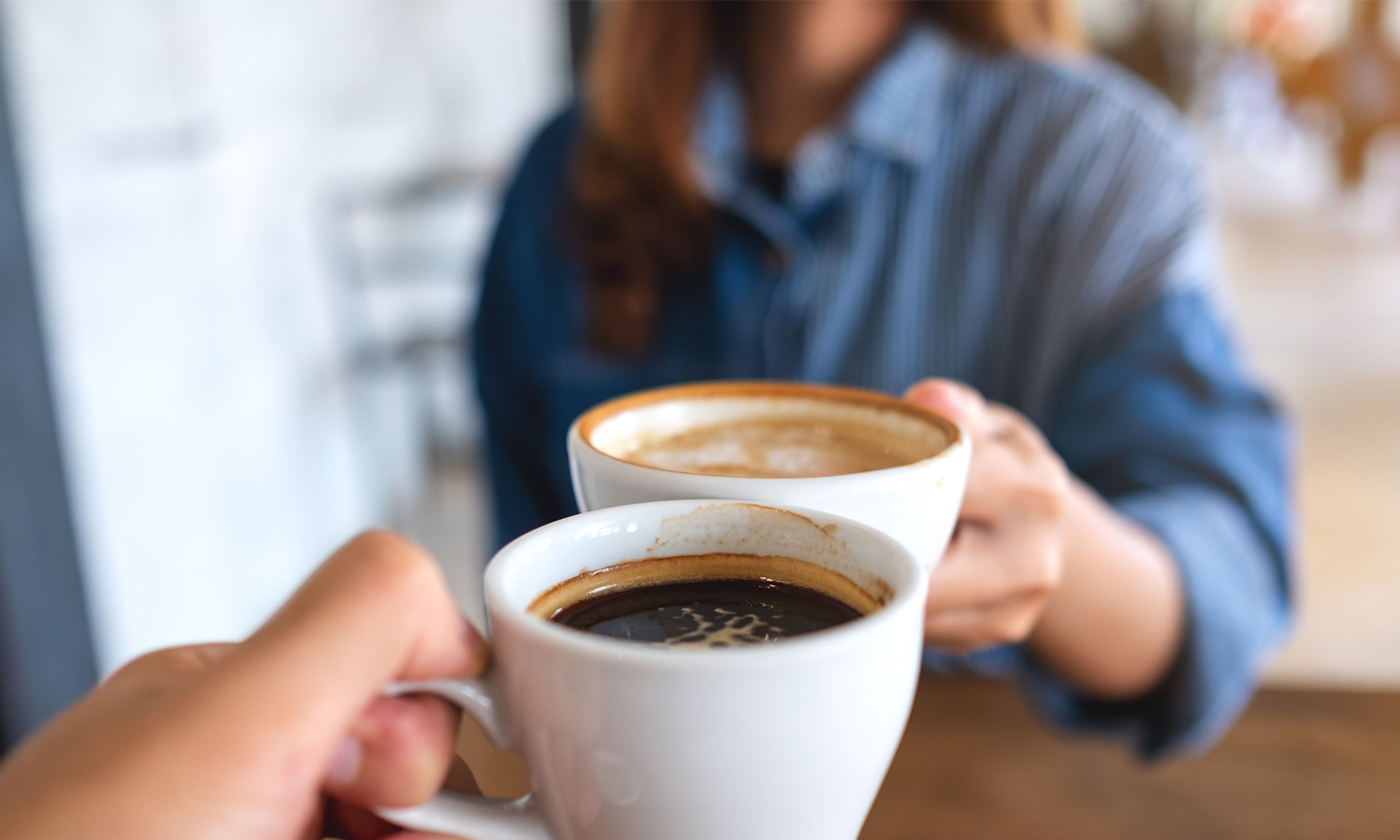
News: Coffee is good for us. There was a time when medical professionals nixed it, believing it to be a carcinogen. But they now conclude that its mix of chemicals, including antioxidants alongside renowned caffeine, blocks or blunts an array of afflictions: heart failure, heart disease, Parkinson’s, Alzheimer’s, colon cancer. Coffee strengthens the liver (Irish coffee obviously would be a wash). “Research,” the paper of record concluded, “found that those who drank moderate amounts of coffee, even with a little sugar, were up to thirty percent less likely to die during the study period.” If we can just knock out that remaining 70 percent, we’ll really have something.
The praise of the white coats is fine but needless, for we city-dwellers would drink the black god anyway. If science reverted to its censorious past and worse, and told us that coffee was fatal, we would shrug and say, “Fine,” so long as we could have a cup first.
As a child I disliked it. When my parents let me sip what they drank, I did not ask again. It looked like cocoa, but wasn’t. When I first began to take it in college, I would always add sugar, not a little but many spoonsful — a farewell nod to my childish tastes. Only after I came to the city did I appreciate the real thing.
Diner coffee came in china mugs, deli coffee in blue-and-white paper cups (colors of the Greek flag) with Parthenon imagery and a proclamation in a pseudo-Greek font, Happy to Serve You. Old coffeehouses served espresso, actual Greek restaurants served Greek coffee, bistros served au lait in fat little bowls with lion heads for handles. Late in the day came the conglomerate, hip and un-unionized. Forget all these styles and stylings, savor with me the thing itself.
It is hot. Why does heat console? Do we remember blankets, warm embraces? What is the temperature of mother’s milk? (I will not ask my lactating friends.) Even as heat soothes, it fortifies. On all-nighters, when the after-midnight room begins to chill, coffee won’t. Strong in the morning, strong at evening, coffee is the original geothermal heat source.
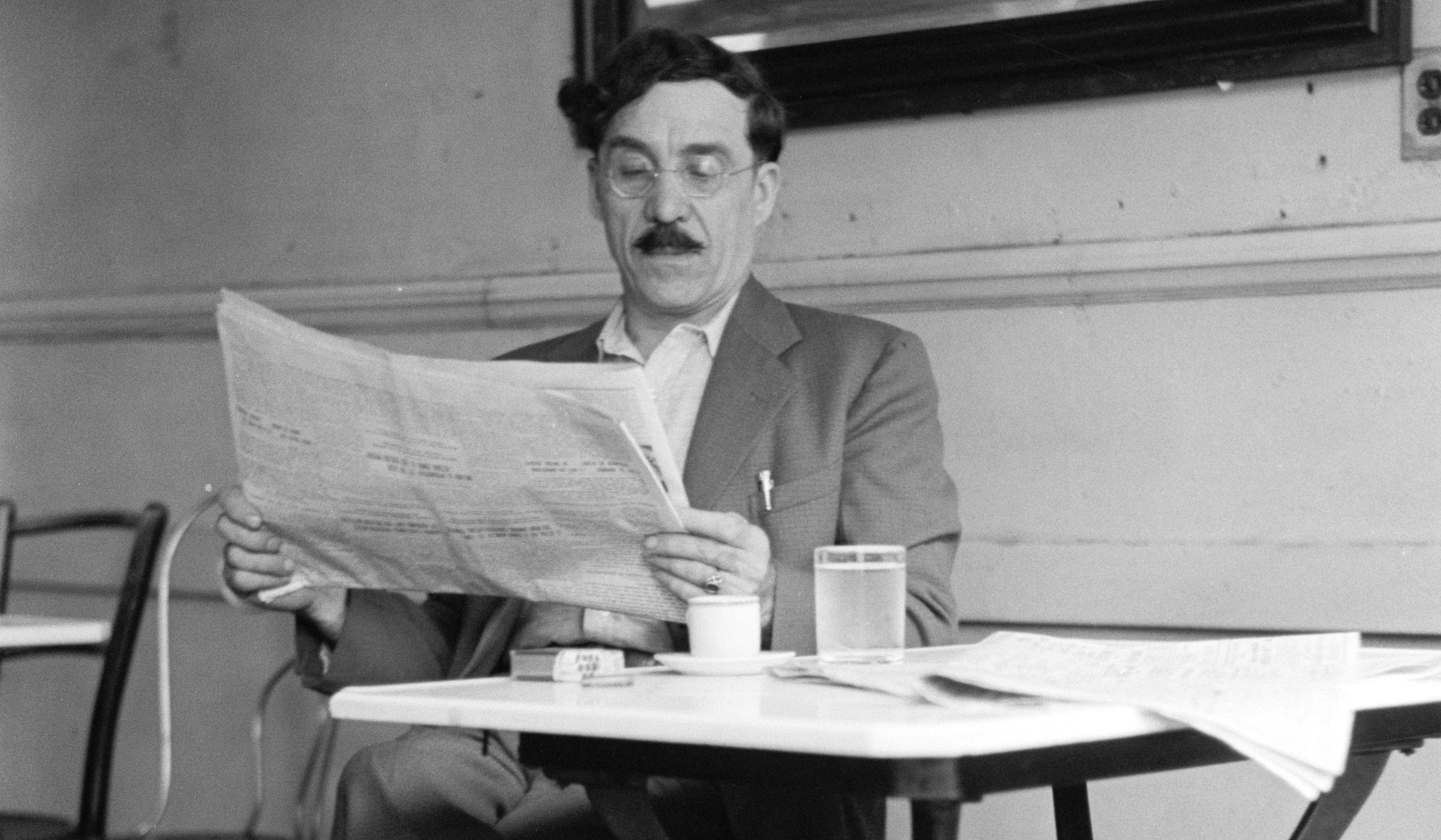
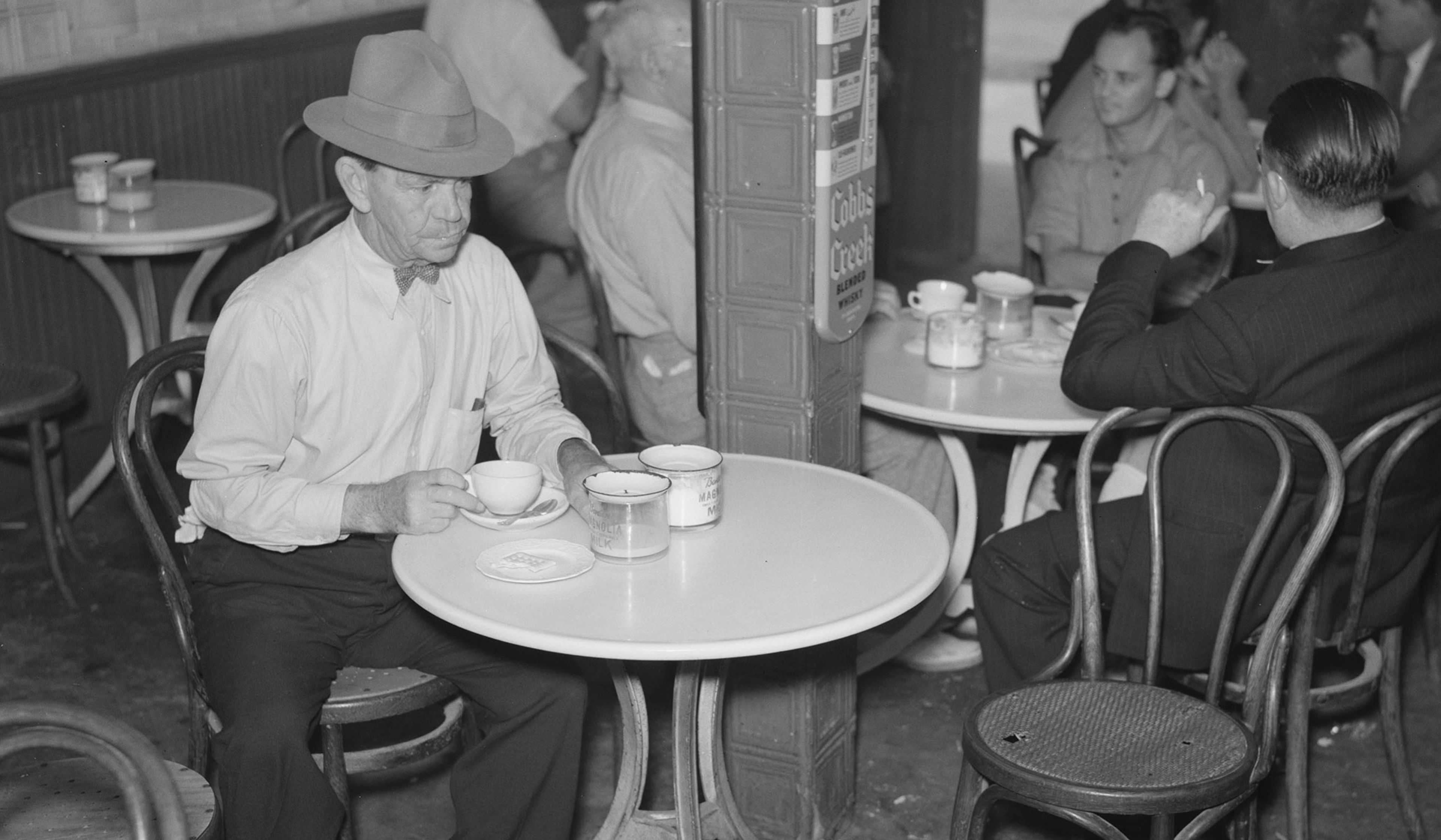
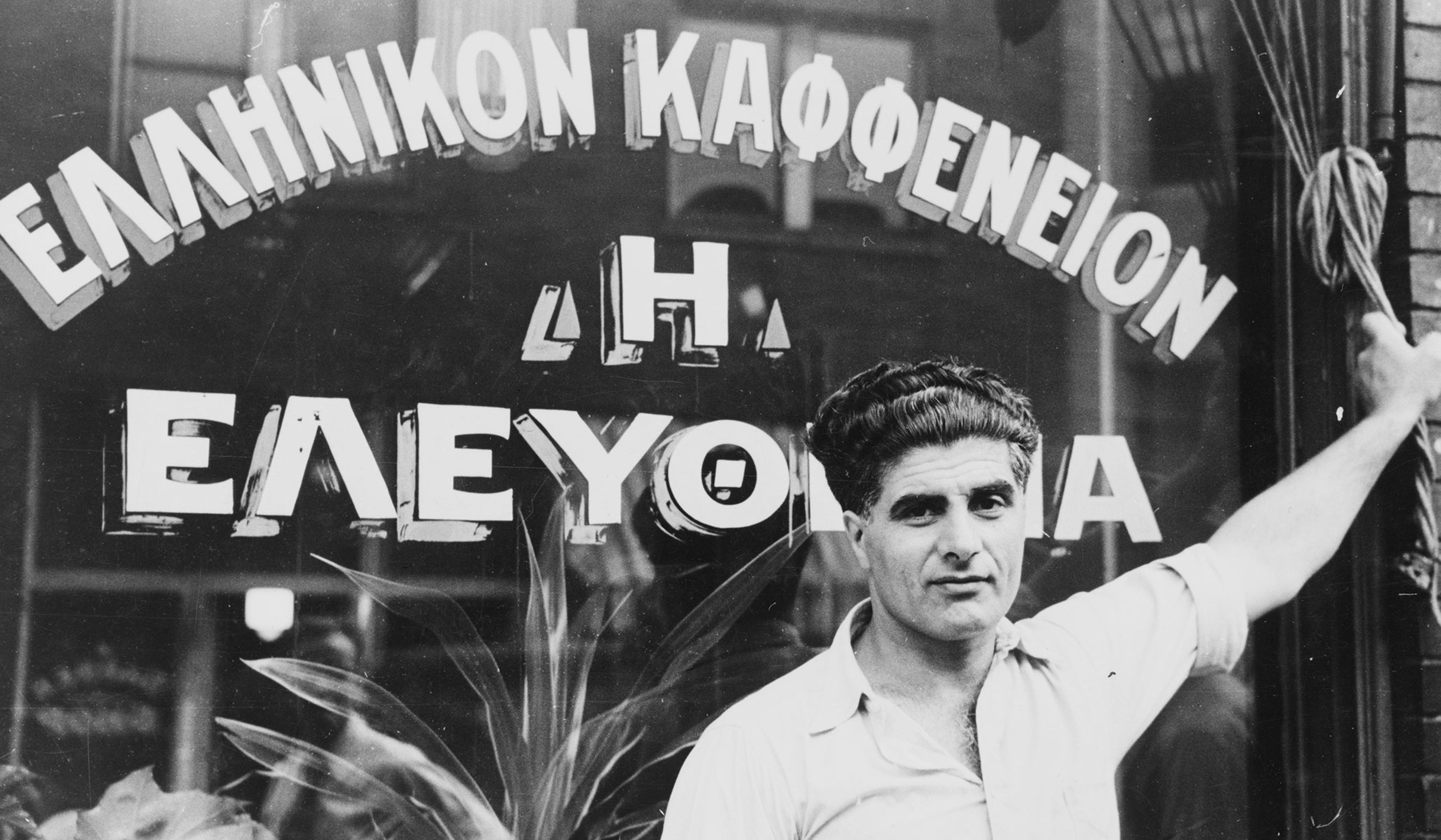
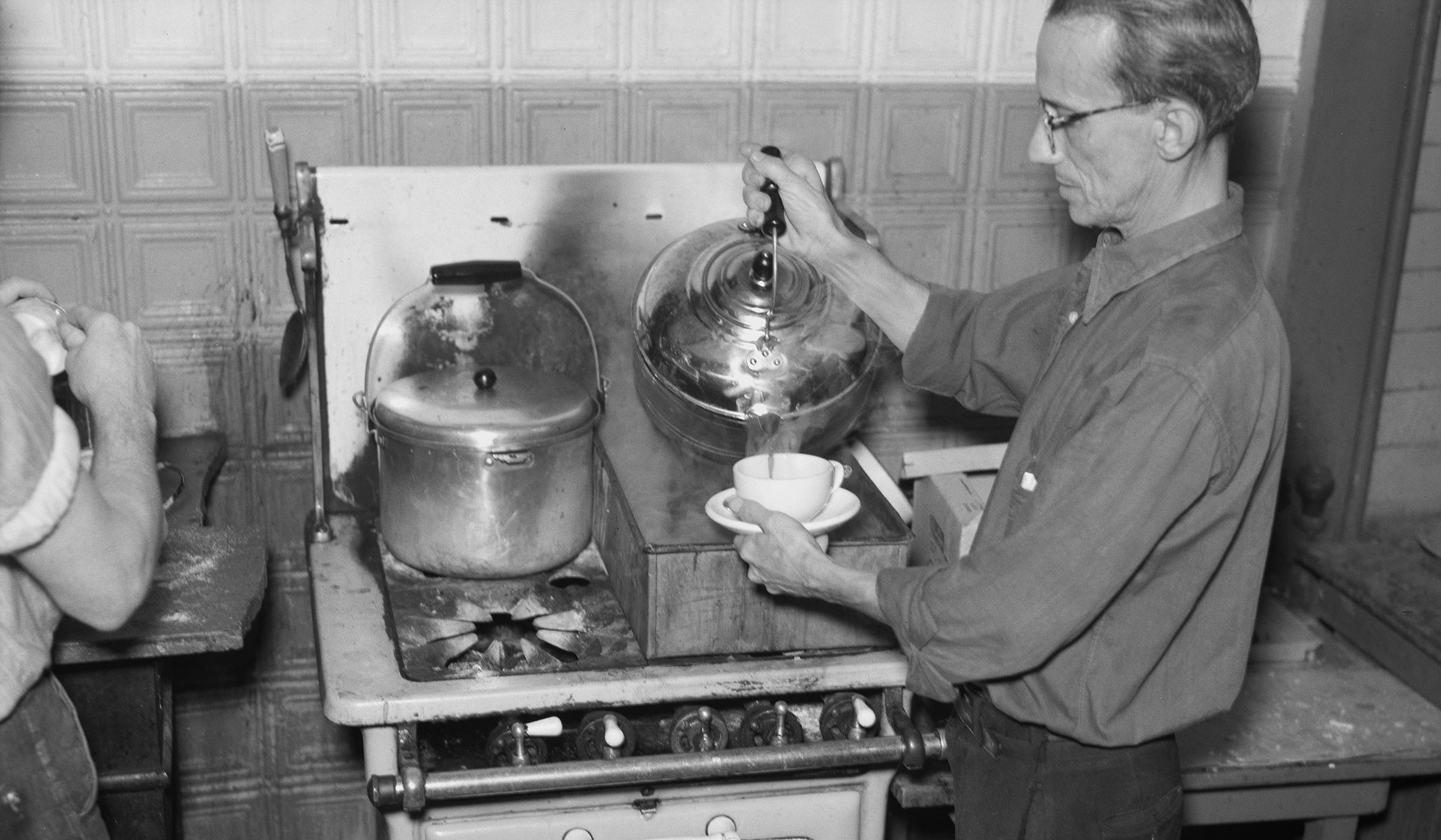
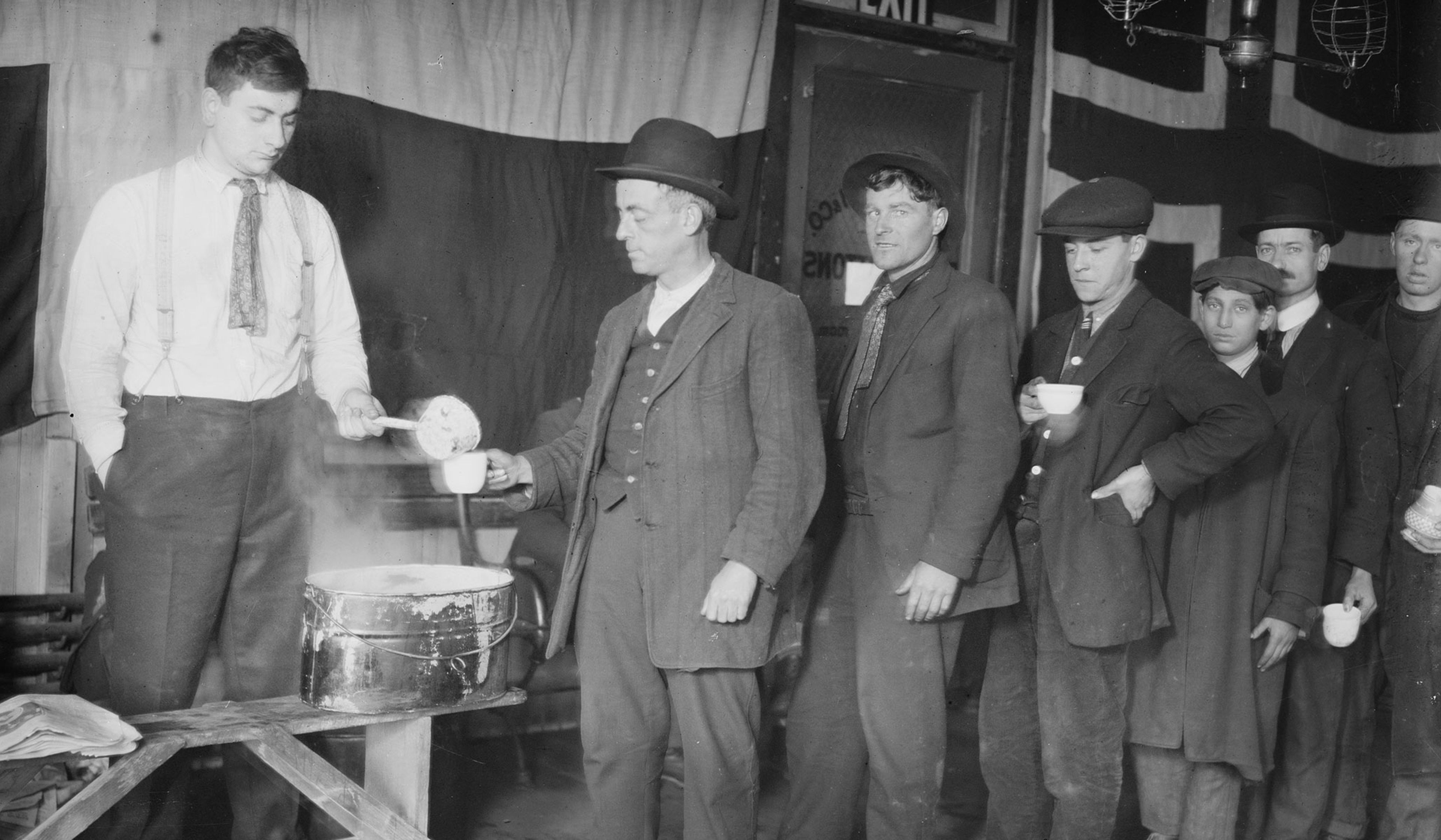
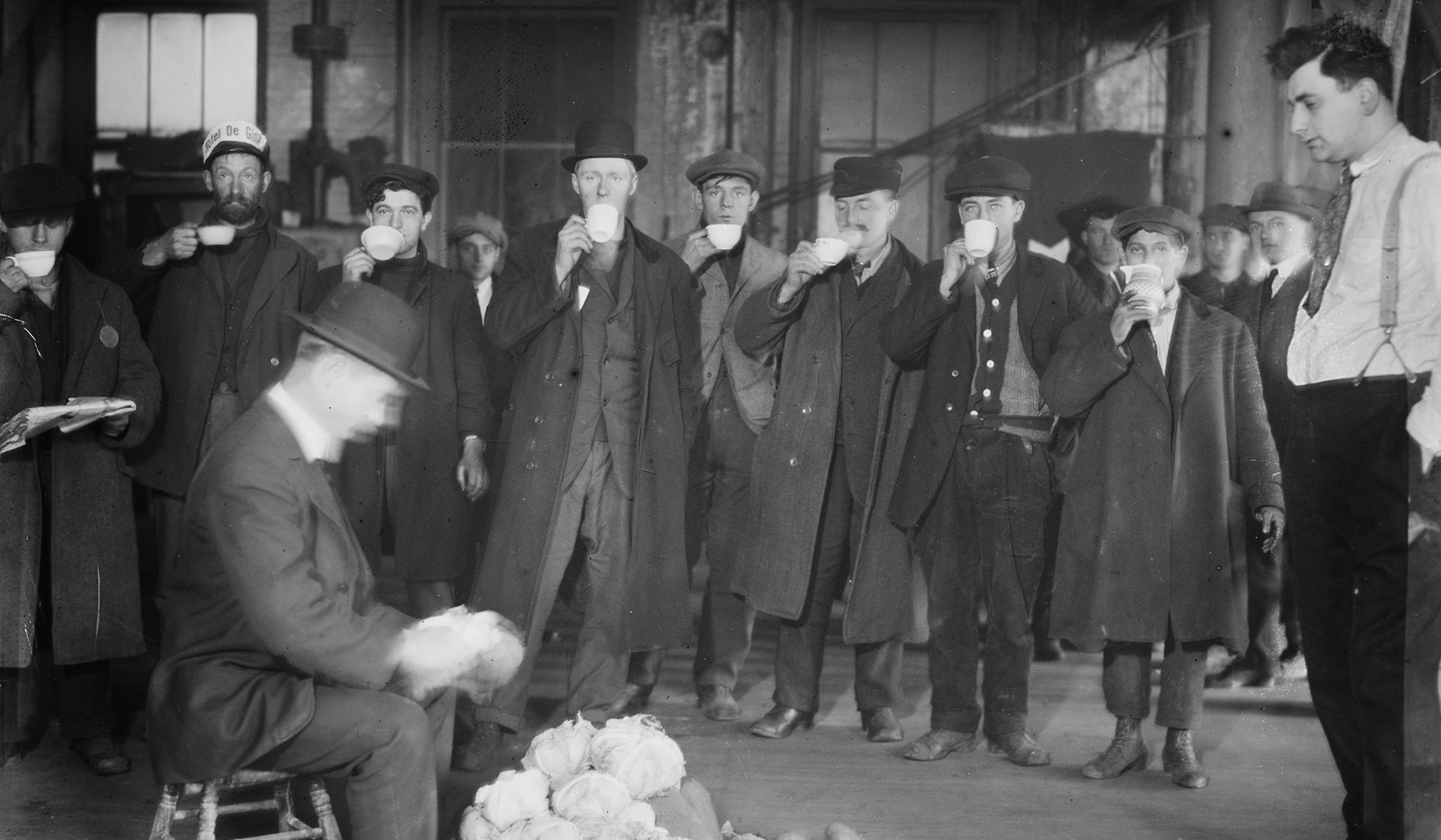
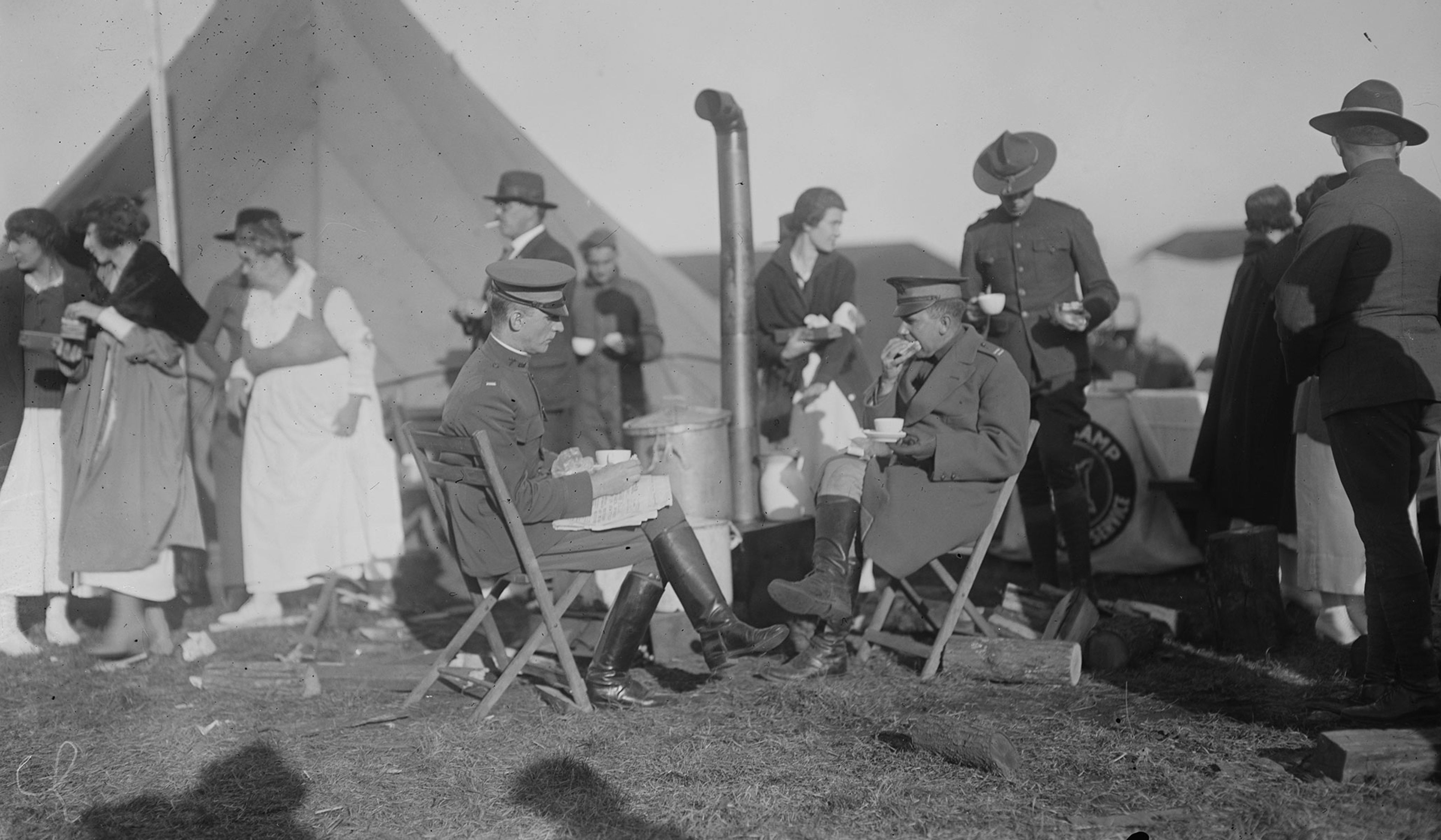
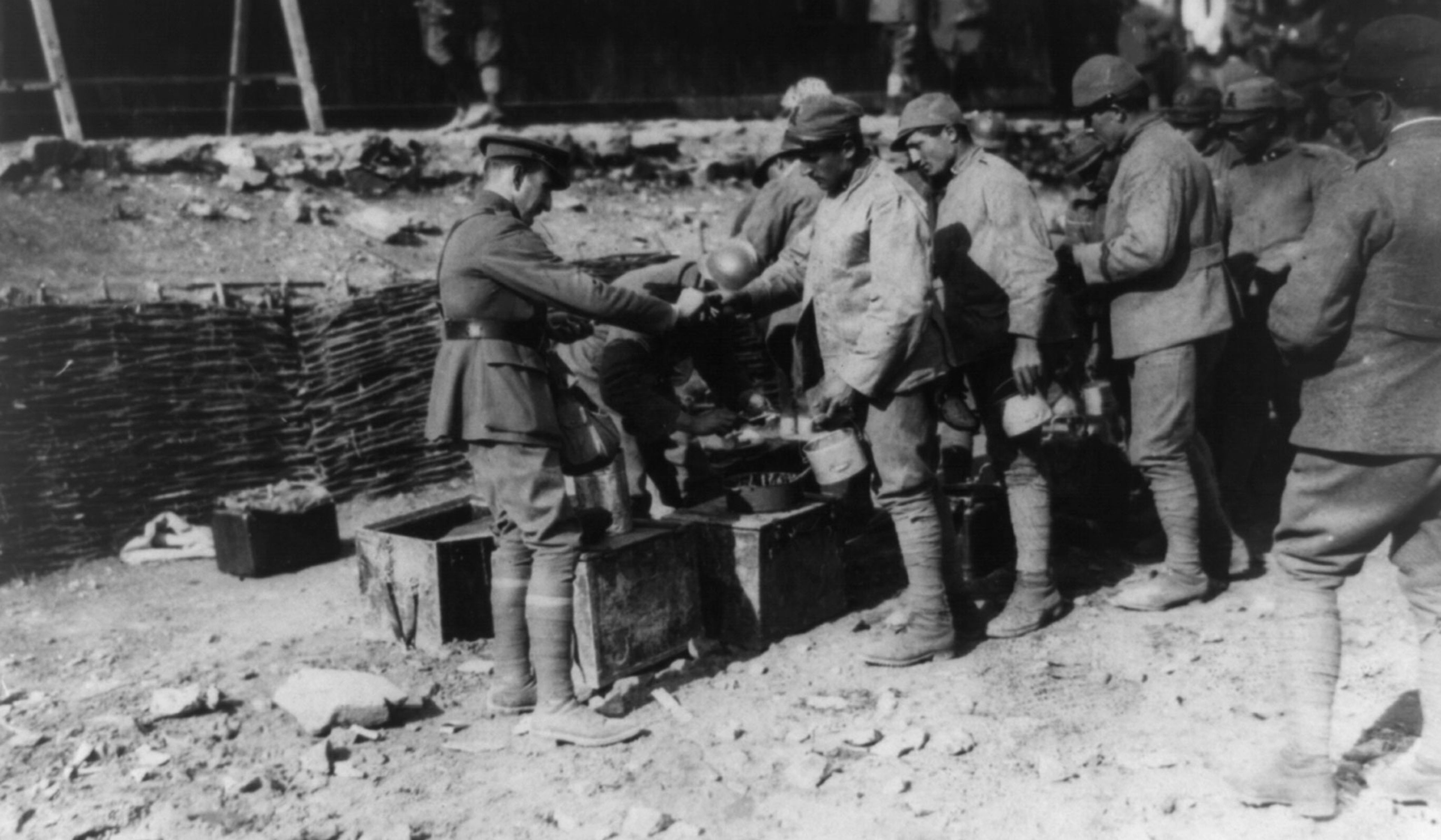
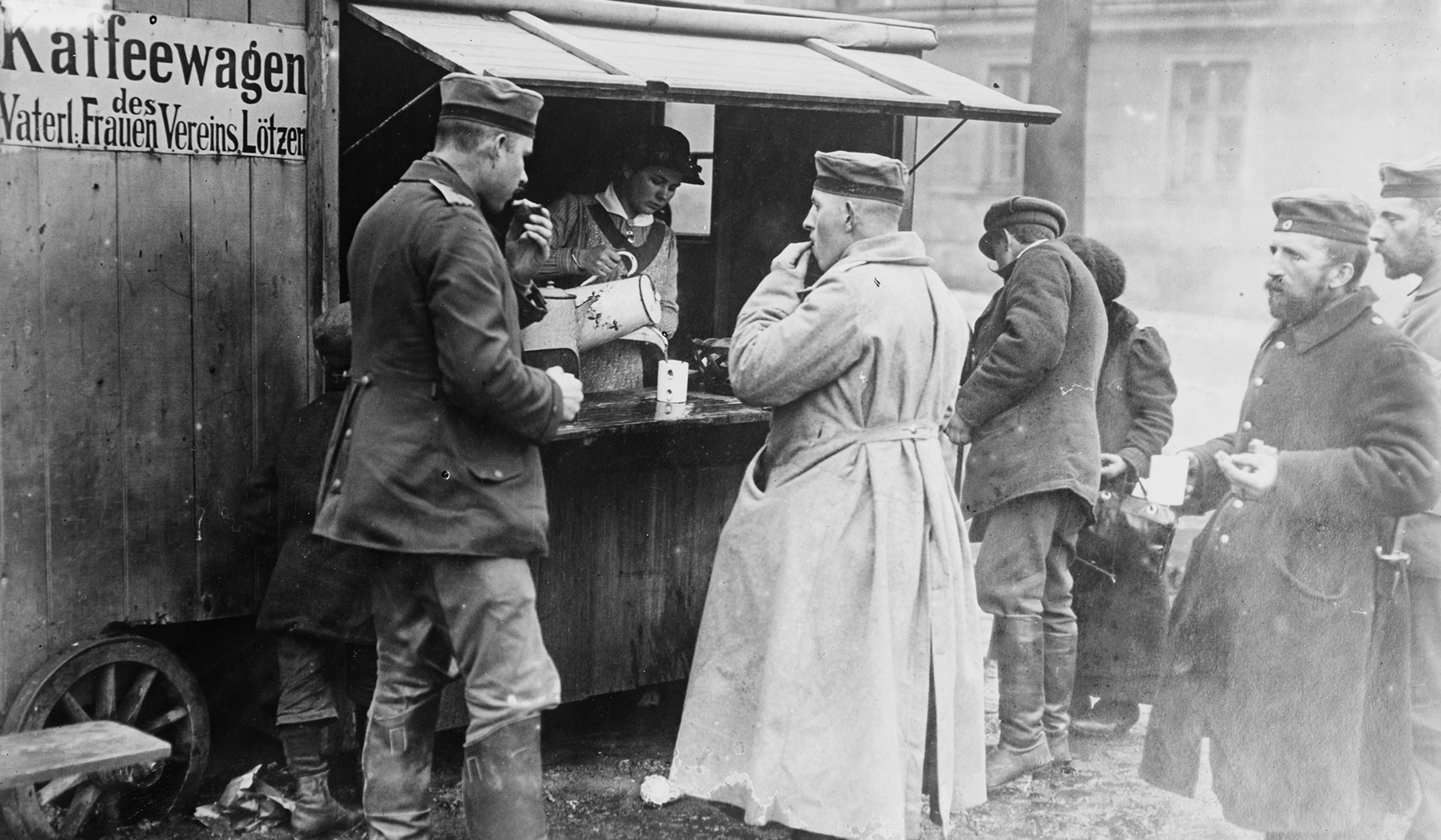
A Greek steelworker in a coffee shop in Aliquippa, Pa., July 1938.
Arthur Rothstein/Office of War Information. Overseas Picture Division/Library of Congress
It is black. Warmth may summon breasts and motherhood, blackness is night and Old Nick. Wild dogs roam there, galaxies keep indifferent watch, only 24-hour gas stations are open. Coffee is the color of adulthood, of no longer having to obey a curfew. What else are the nighthawks drinking? Club soda?
Coffee gives that jolt. This is the caffeine speaking, not the antioxidant first-aid squad. You want to read that last report, finish writing that scene, make the point that you know will win the bull session, prolong the date one more inning? Coffee will carry you. You need to pry open those eyes on the commuter-train platform, step into the rig to cross another state, greet the dawn wind and the pelicans with brightness equal to their own? Coffee is there. Is it better at these tasks than cigarettes or fortified soft drinks? Than drugs? We haven’t run a test, but coffee is still legal, and hallowed by tradition. On your mark.
All these advantages are obviously half mental, the residue of associations (though no less real for that). The hard-boiled detective asked for coffee, made this year; the hard-boiled diplomat wanted his black as the devil, hot as hell, pure as an angel, sweet as love. (What could he have known of the last two?) In my daily life I have put coffee into routines that ritualize its consumption and its effects. Between showering and shaving, and my wife seeing her first patient, we walk two and a half blocks along the still-shaded street, step down into the converted basement of the walk-up, take our place in line behind the other morning drinkers, and tell the youngsters born in the Clinton or W administrations what we are having. Every ten punches in our frequent-flyer card gets us a free coffee; we collect them often. As we sit on our heart-back wrought-iron chairs and drink, we comment on the ambient scene: obnoxious voices, dogs of noble breed, noteworthy fashion choices. Midafternoon we make the same visit. We would do it at night if the place still kept its pre-Covid hours (as if with the mind of a considerate attendant, coffee stimulates but never seems to deprive us of sleep).
Speaking of youngsters, I notice my fellow drinkers preferring other brews. Tea, our forefathers would be interested to know, has made a big comeback (we tax ourselves now, by God). Youth drinks fermented tea, ground tea leaves, tea infused with bubbles. When I was in Argentina everyone drank yerba mate, a caffeine-delivery system, discovered by the natives, based on ground-up holly leaves. Etiquette dictated that it be sipped from gourds through metal pipes. I have not seen it here yet, but I am sure it will arrive. Part of me says, Though we all act according to our national customs, these customs are not mine. Another part says, By taking all comers, everything comes to us; we triumph by yielding. How pure a coffee-drinker could I be anyway, since I always take mine with milk? Foamed in the winter, iced now: What would the diplomat say?
Prices meanwhile go in only one direction. The automats (there was still one in Midtown when I first moved here) filled your cup for a nickel. Now the barista taps an order onto a computer screen, flips it over to you to present your tip options and the line on which you write your name with your finger (alte, I still try to scrawl something legible, the savvy just leave a dash or a twirl). When the little eye on the terminal that deep-kisses your credit card changes color, your payment is made. Desire makes the world go round.











Comments