The decline of Pixar can be charted with relative precision from its acquisition by Disney in 2006. After a few artistic high points that had been in the works before the acquisition — most notably 2008’s Wall-E — the studio responsible for a remarkable decade of originality began to descend into sequelitis and mediocrity. There were occasional bright spots, from Toy Story 3 to Inside Out, but the brand gradually passed from a certificate of excellence to a firm promise of “just okay.”
In 2017, Christopher Orr declared the Pixar golden age over and done with in the pages of the Atlantic. But after that memorialization the decline stabilized a bit, with fewer naked cash-in sequels in the style of Cars 3, more attempts at originality that evoked the golden age while falling somewhat short.
Until this summer, that is, which has brought us an intensification of Pixarian decline, via the movie known as “Lightyear.”
To the naïve Pixar fan the name may suggest a solo adventure for Buzz Lightyear, co-hero of the Toy Story tetralogy, but this is in fact something weirder. In the original Toy Story, Buzz (then voiced by Tim Allen) was presented as the main character in a space opera beloved by the pre-teen Andy, the owner of the movie’s toys. The implied source material for the toy, a cocksure spacefarer with no idea that he was actually made of plastic, was some variation on Star Wars and Flash Gordon — a sci-fi movie with the spirit of a 1930s serial, pitting Lightyear’s Space Rangers and something called “Star Command” against the nefarious Emperor Zurg.
The new Lightyear is, officially, the movie Andy loved, the franchise that produced the Lightyear toy and gave the plastic Buzz his confidence and brio. This alone would be quite a feat of corporate-IP ransacking: Remember that fictional movie that gently mock the Star Wars–toy economy? Well, we’re making it for real. Please buy the associated merchandise! But in theory something impressive could still have come of it: One of the best superhero movies, Brad Bird’s The Incredibles, was a Pixar offering that improved on most of Marvel and DC, and after so many lousy Star Wars sequels and prequels one could imagine an animated space opera that likewise recaptured some of the old Skywalker magic, but with a different galaxy and cast.
The reason The Incredibles worked so well, however, is that it wasn’t afraid to be a straightforward superhero movie — cheeky and comical and self-deprecating rather than brooding and self-serious, but with the genre structure still intact, the supervillain and his lair, the world-destroying weapons, the works. But Lightyear, as Steve Greydanus of Catholic World Report has pointed out, “evokes the world of space opera only to debunk it; it’s an anti–space opera for an era in which heroism is viewed with skepticism at best.”
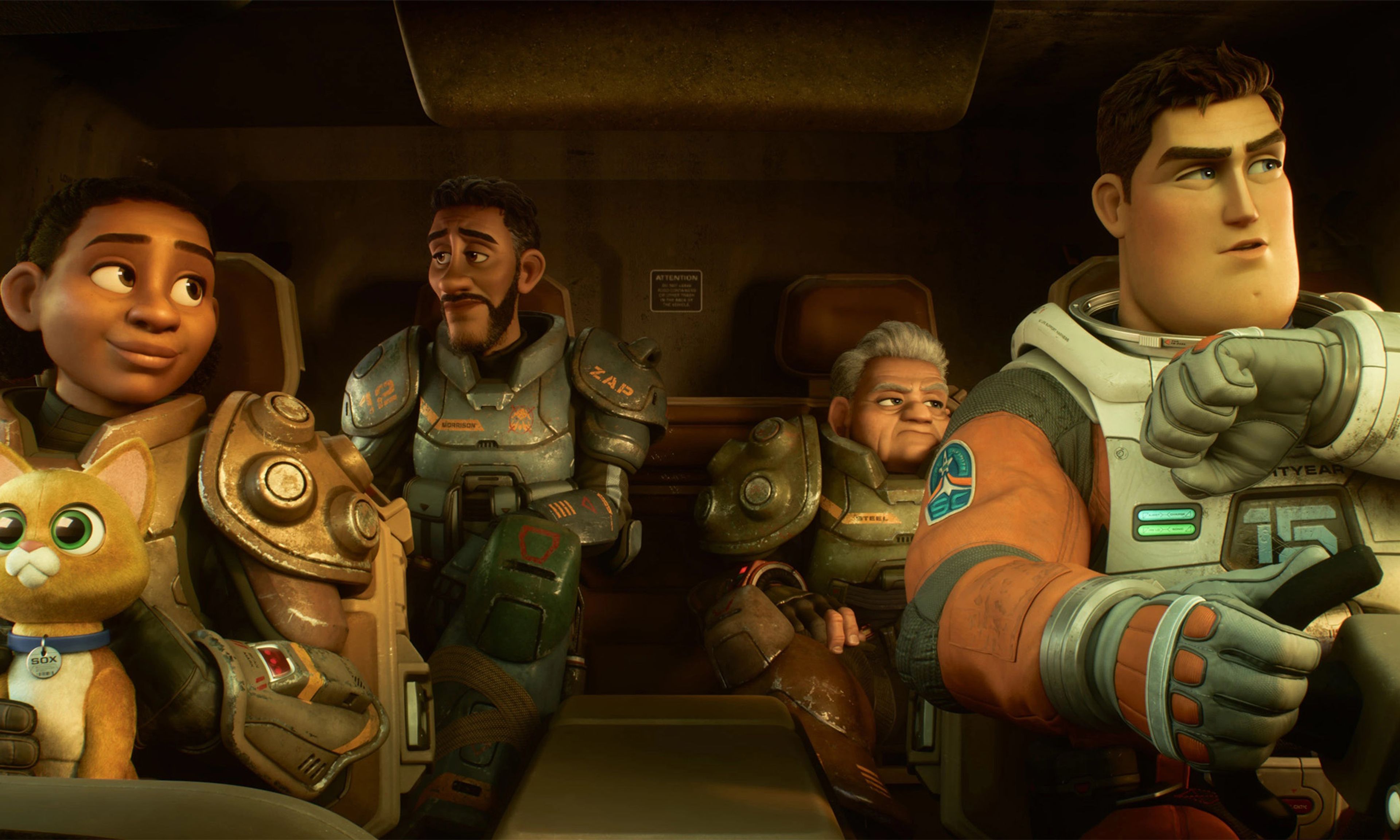
The plot starts with Buzz (now voiced by Chris Evans) and his fellow Space Ranger Alisha Hawthorne (Uzo Aduba) shepherding an exploration ship filled with colonists in hypersleep. A fateful mistake leads to the ship setting down on T’Kani Prime, a hostile planet from which they can’t escape without hyperspeed fuel, which needs to be forged from planetary resources and then tested in micro-missions by our hero. Because of time dilation, in each mission four years pass in what feels to Buzz like mere instants, so that the colony develops, Hawthorne gets married (to a woman) and has a child and grows old, and by the time Zurg (James Brolin) arrives to menace the colony the Space Ranger has to team up with his old partner’s grandchild, Izzy (Keke Palmer), to save a world that’s passed him by.
All of this is very Pixarian, using the promise of sci-fi adventure to hook the kids on a story that’s really about wistful regret and reconciliation with one’s past choices. But it’s deeply untrue to the genre that it’s working with: I can imagine the movie’s plotline working as a lesser episode on Star Trek: The Next Generation, but there is no plausible world — and certainly no version of the 1990s — where it would fire the imagination of a kid like Andy or achieve a Star-Warsian dominance over youth culture. And rather than justifying the crassness of churning out a pseudo-prequel like this, the midlife-crisis theme just saddles the obvious cash-in with equally irritating pretension: We’re selling toys, but don’t worry, we’ve seen Tarkovsky’s Solaris.
Worse, it casts a shadow back over the entire Pixar operation. If the creative model where you sell action to kids and heartstring-tugging to their parents ends in this kind of mediocrity, was it really ever quite as brilliant as we imagined? Is there a reason that my own kids rewatched The Incredibles obsessively but were one-and-done with critically garlanded fare like Up and Ratatouille, or even the later Toy Story movies? When we look back on the Pixar age, will we see artistic glory — or just the clever manipulation of parental vulnerabilities, which became stale and obvious with repetition?
It’s too soon to say: Ask me again after a lightspeed jump to a future where the misbegotten Lightyear is forgotten.
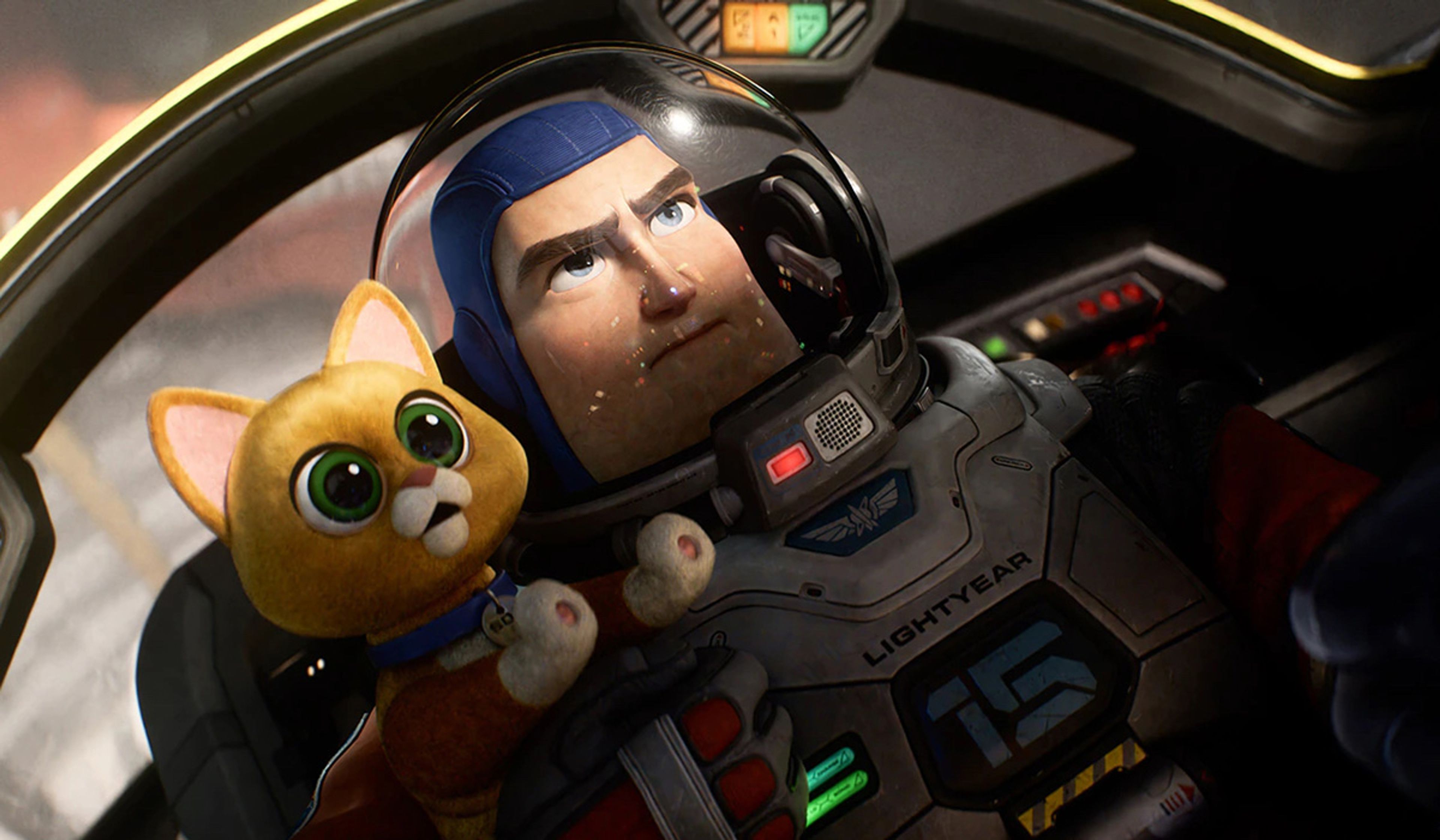

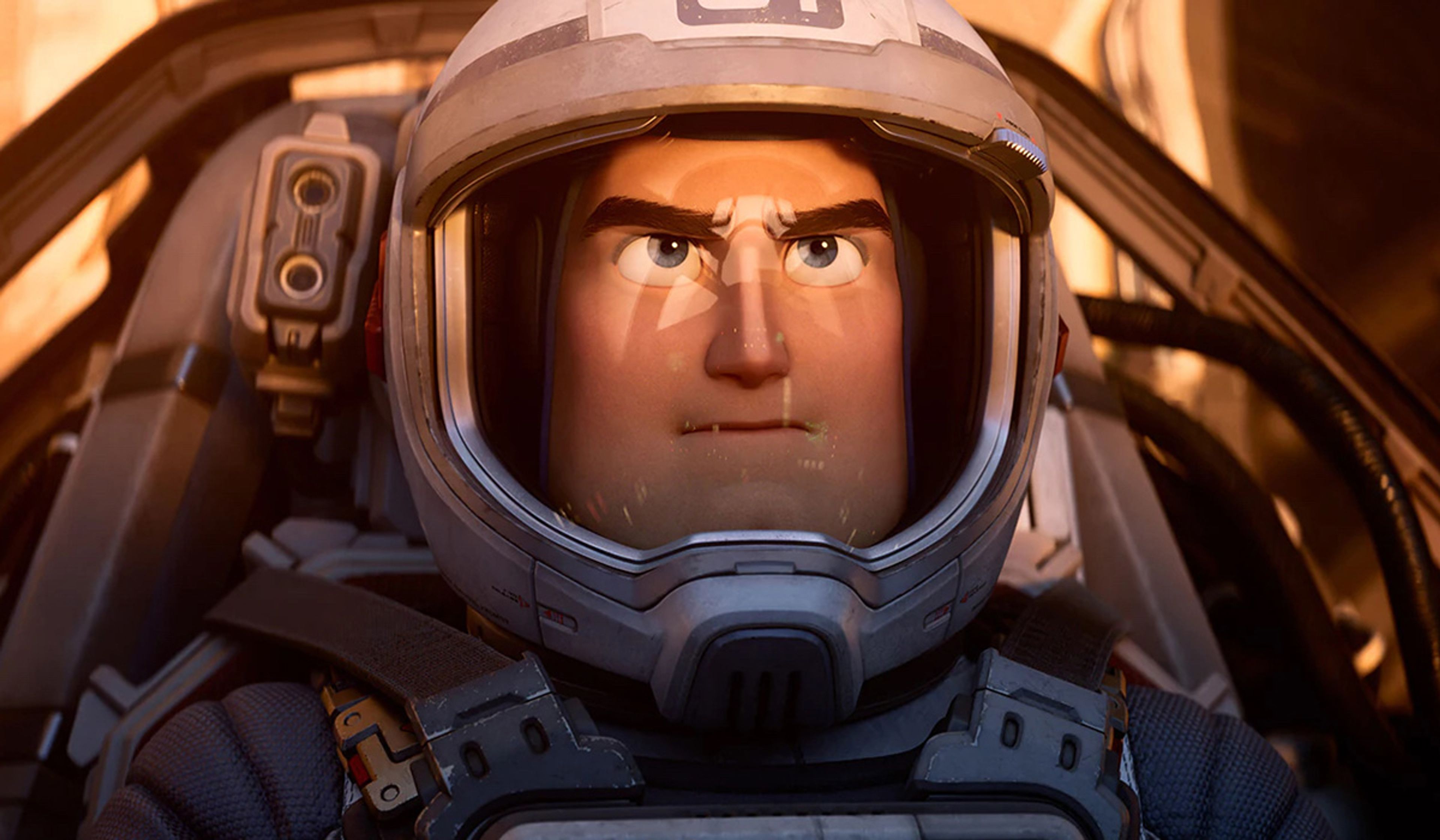
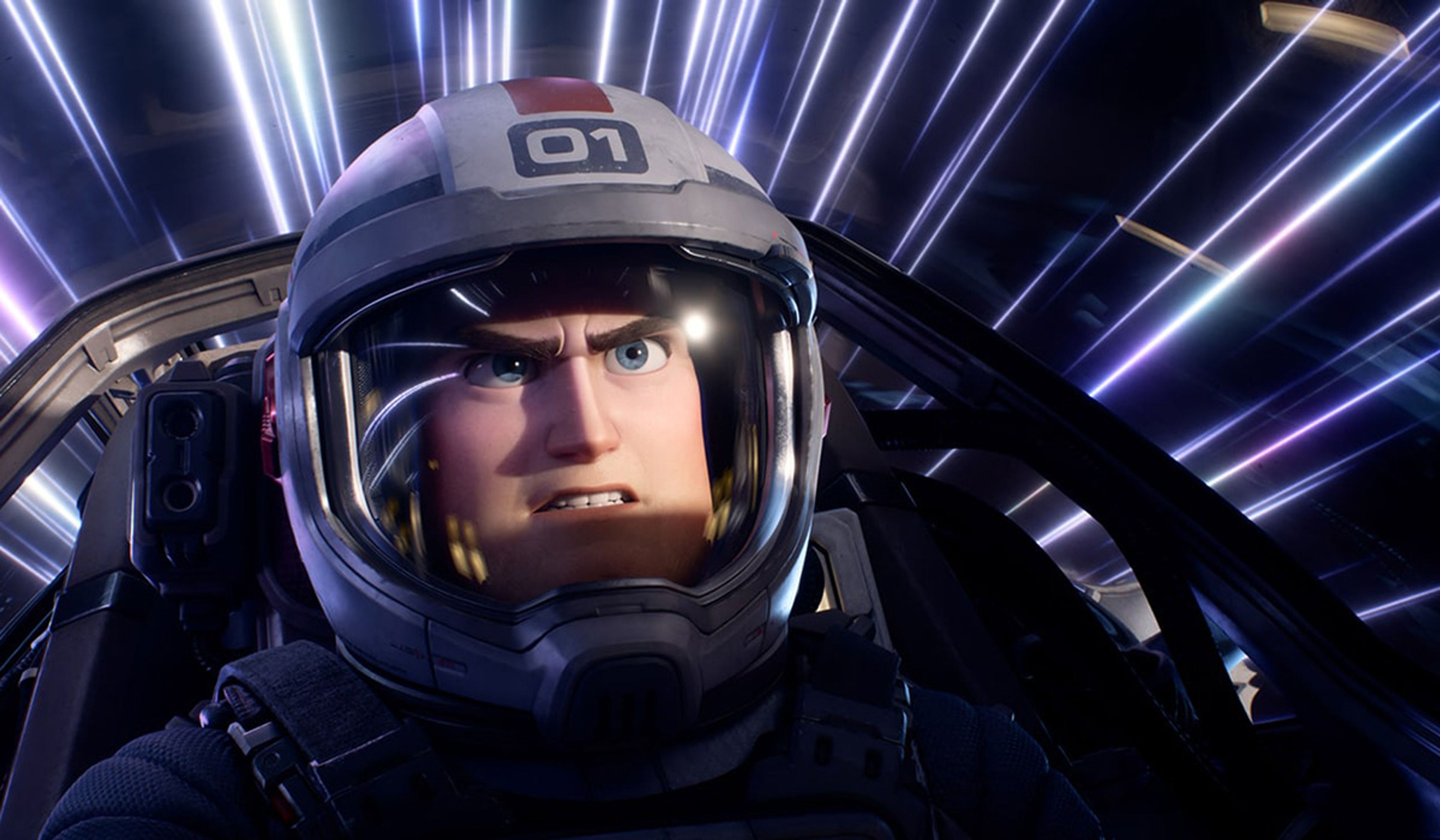
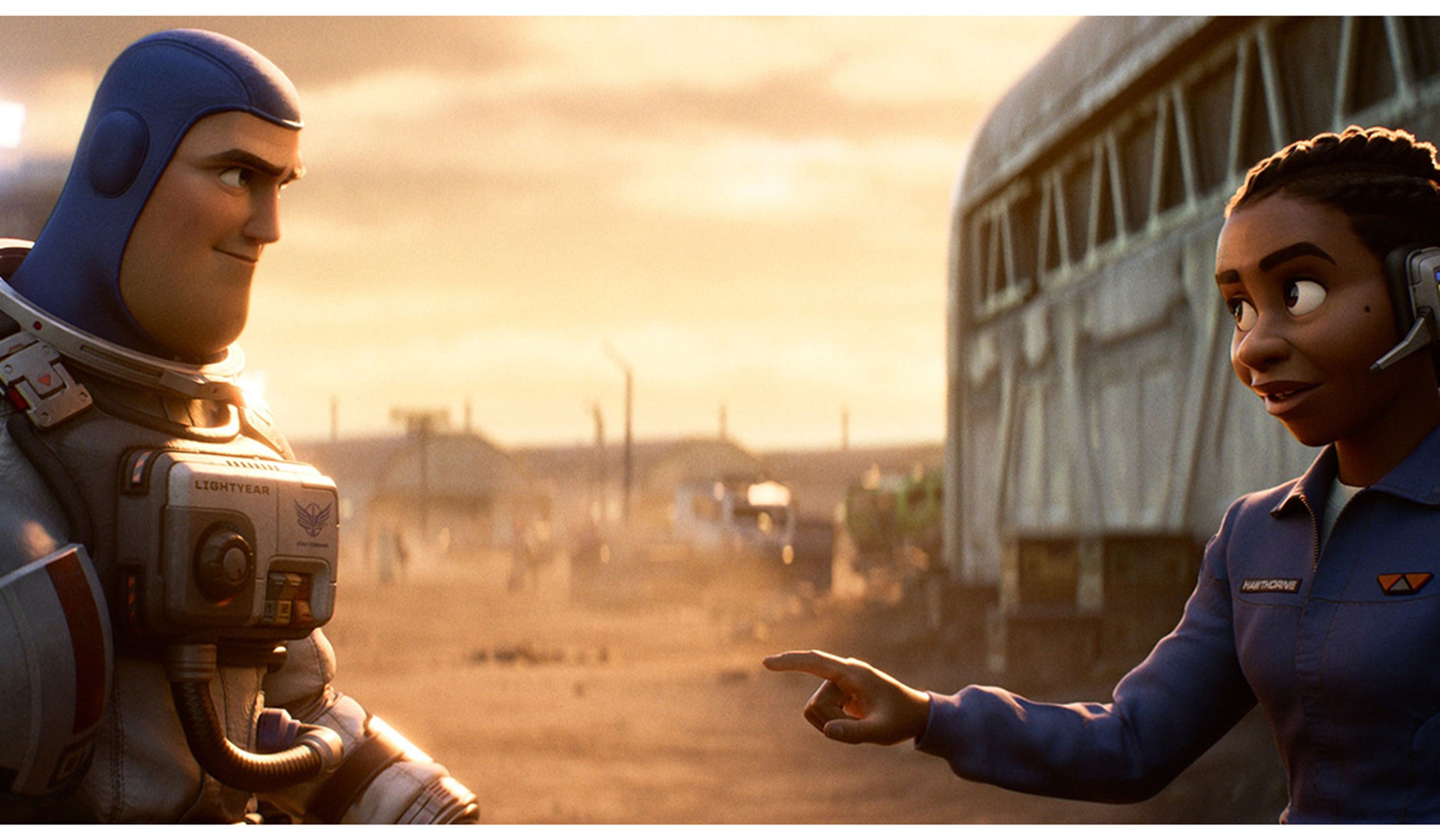
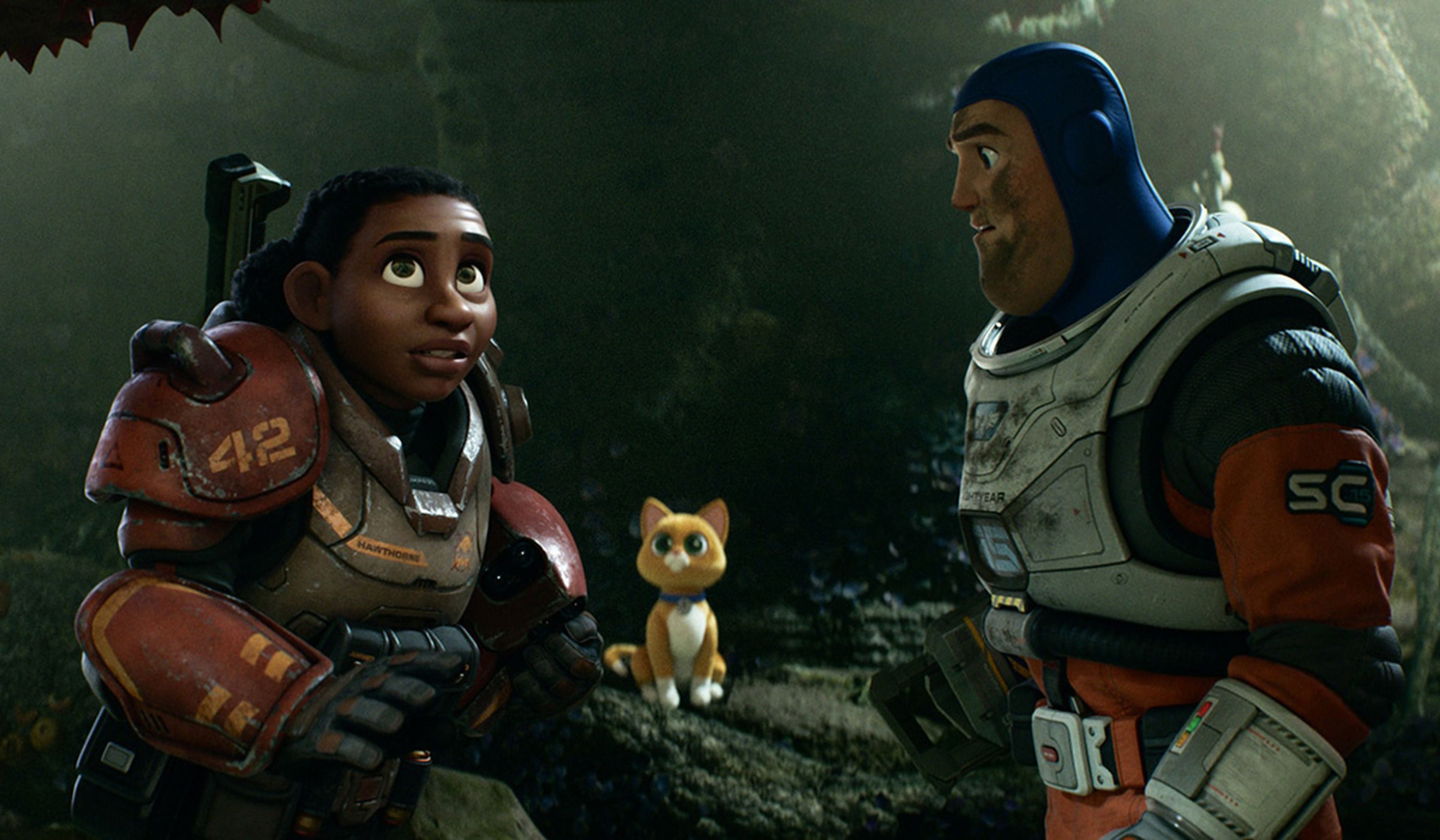
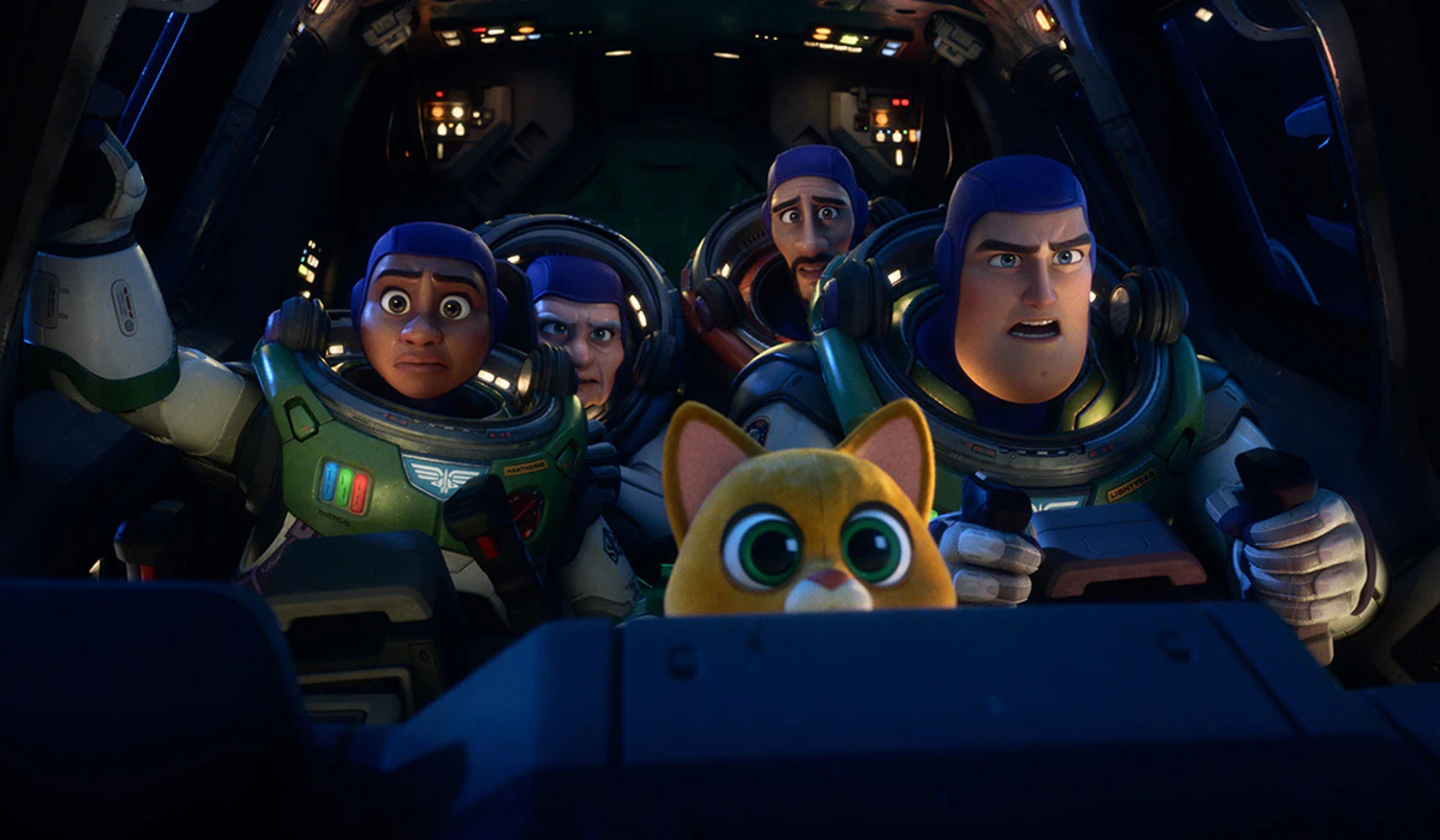
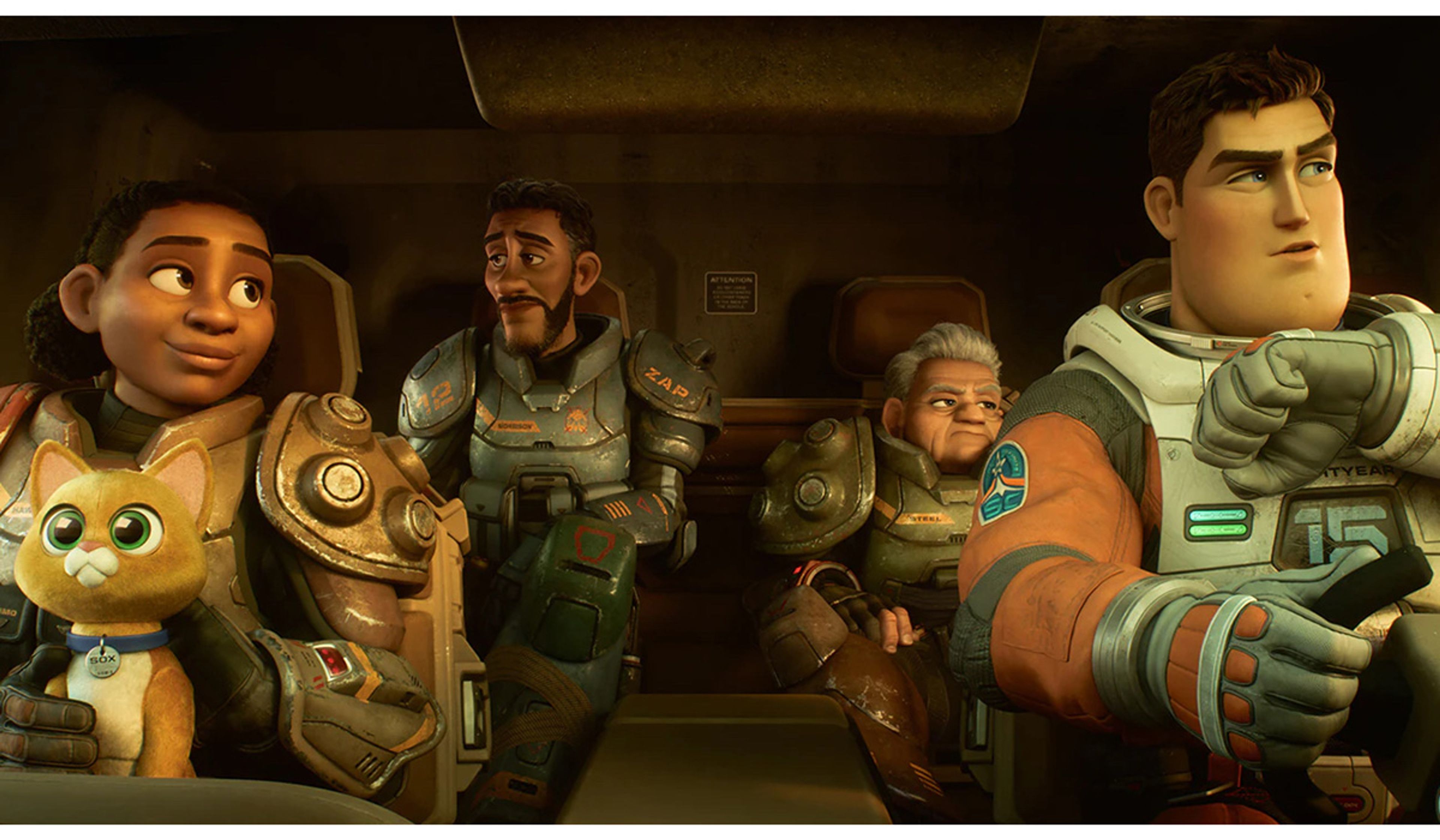

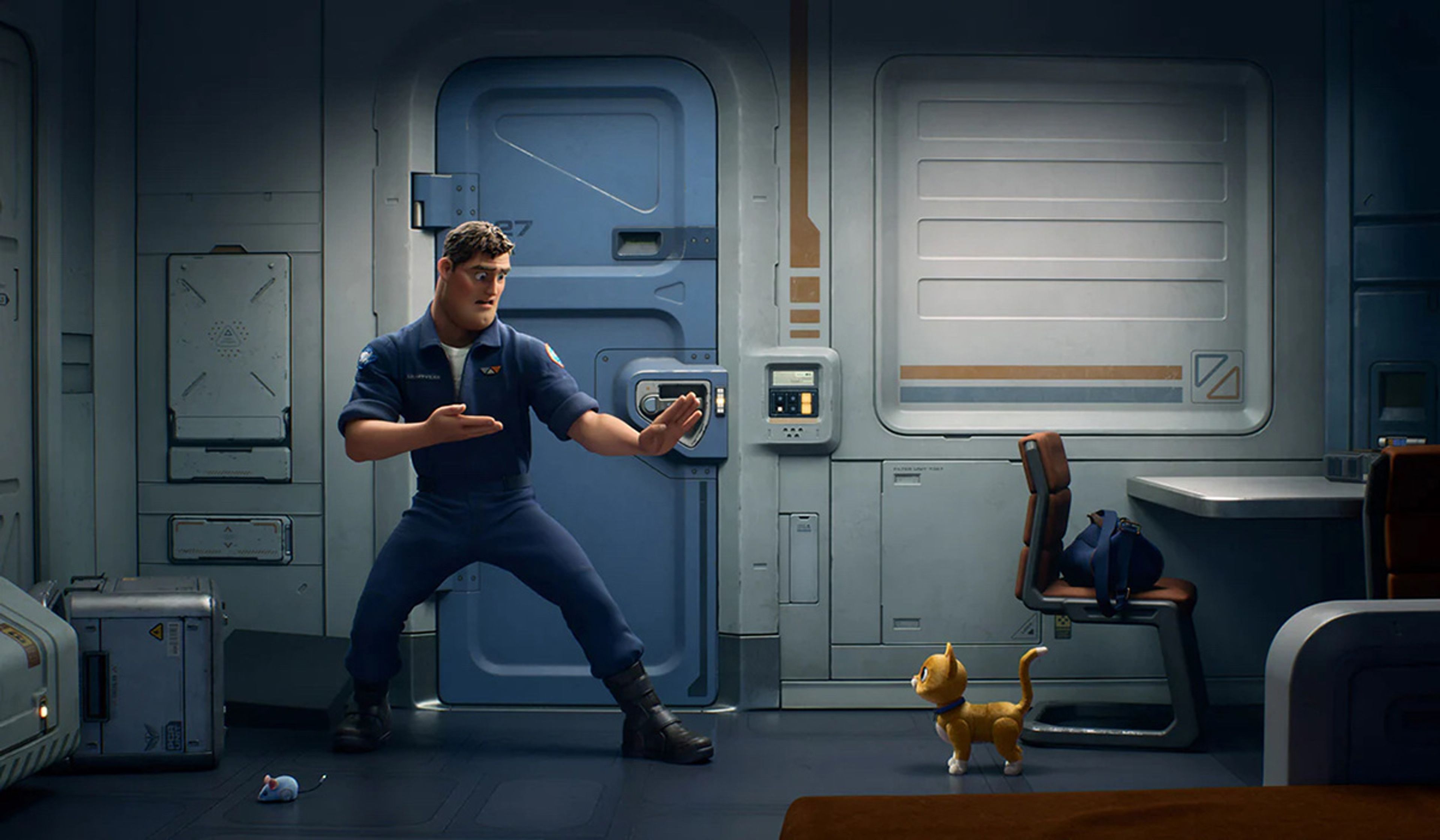

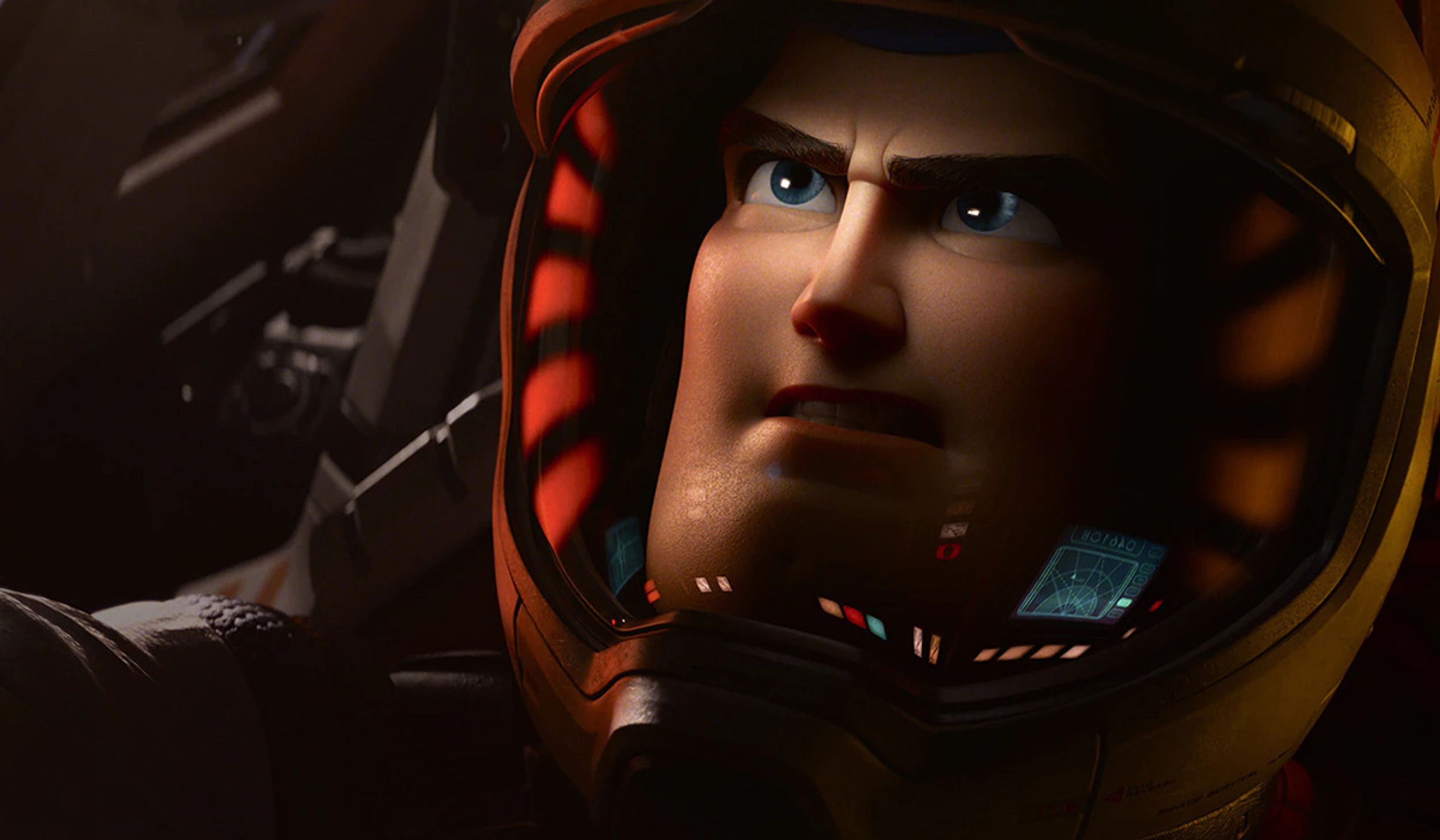

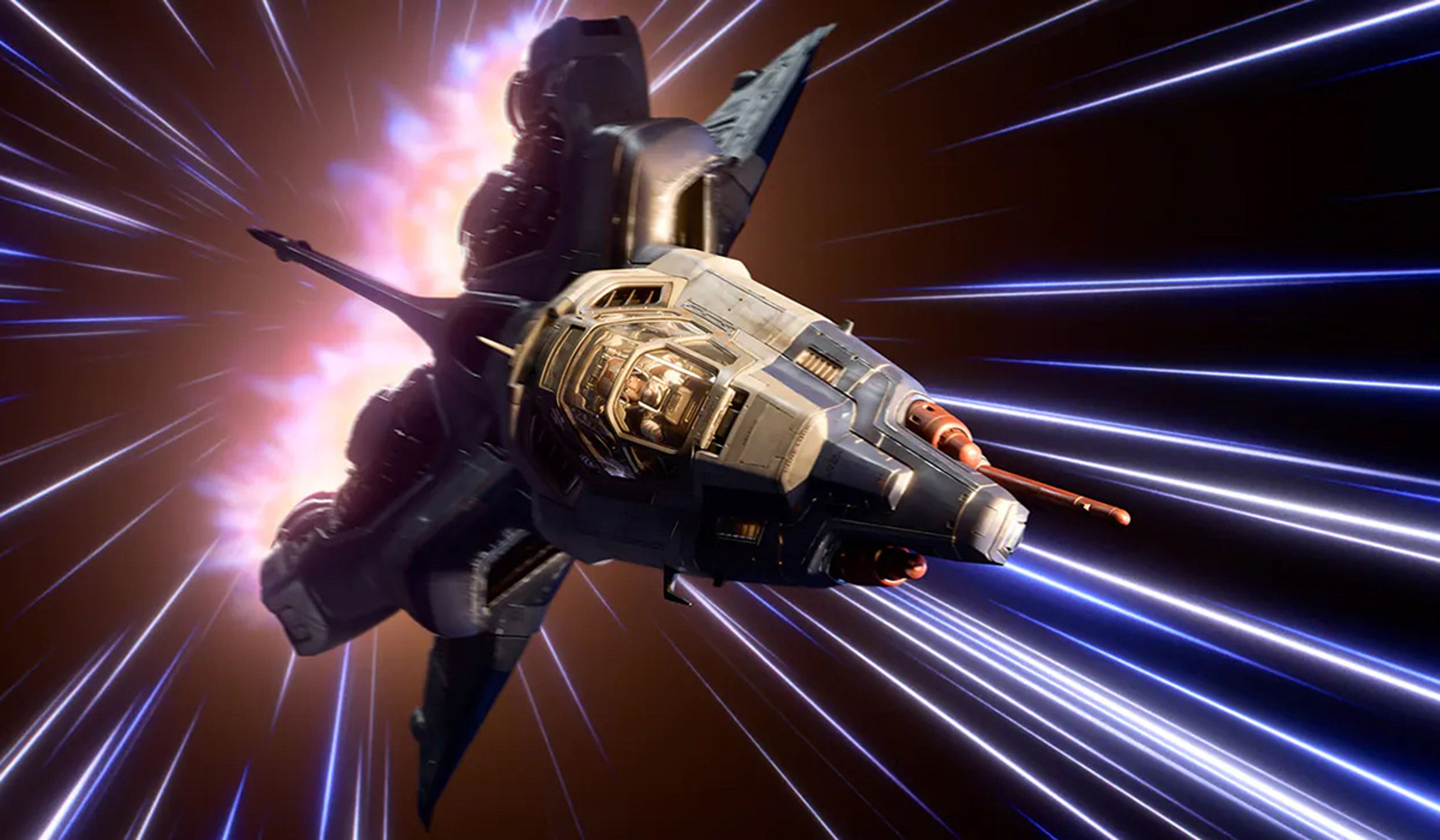
Buzz Lightyear in Lightyear.
Disney/Pixar
Editor’s note: This article initially did not identify James Brolin as the voice of Zurg.











Comments