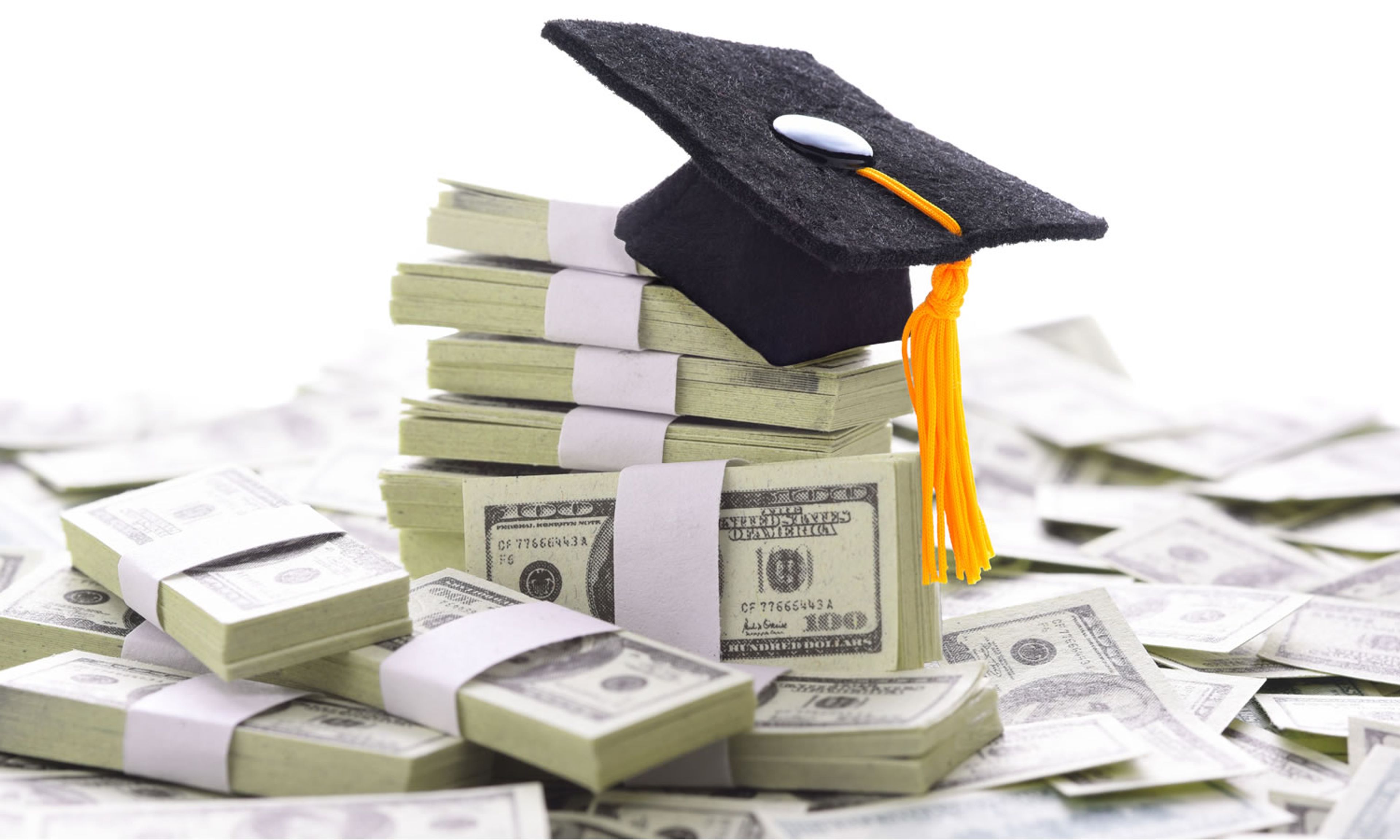
You have amazing kids. They’ve spent years diligently doing their schoolwork. And you’ve done your part as well. You played classical music for them while they were still in the womb. You signed them up for Montessori nursery school as toddlers — because it’s never too early to learn how to stack geometric cubes. You took seemingly every book out of the local library. You bought them chemistry sets and telescopes. You dramatically overpaid for a modest home because it sits in a marginally better public-school district than your last one. You doled out cash for AP tests and college-level courses on exotic subjects like calculus. You cheered on all their extracurricular activities — because everybody knows making the honor roll is the bare minimum these days. You drive them to math club and manga club. You sit in the cold watching them march across soggy football fields holding their expensive instruments while wearing Napoleonic War–era uniforms.
And then, when it is all over, after they’ve done everything asked of them — and more — you realize you’re screwed.
Years ago, an astute colleague offered me a piece of counterintuitive advice: Parents, he explained, would be better off working to become poorer during their children’s high-school career. Quit your job, he explained. Move to Alaska. Get off the grid! And then, maybe, you’ll be able to send your kids to a good school. The less you own, the less they take in tuition — a bill, he promised, that would be the equivalent of the GDP of a midsize Central American nation.
Now I’m not much of a classist, but if you happen to be in the middle strata, don’t plan on staying. Maybe the wealthy can drop $50,000 yearly on their kid’s education. You, on the other hand, will be downsizing into a mobile home. And your offspring will still be carrying a loan the size of your first mortgage.
What’s even worse, you realize, is that your soon-to-be graduate lives in a country teeming with hundreds of thousands of other hyper-accomplished know-it-alls willing to spend hundreds of thousands of dollars on their education. You probably didn’t do nearly enough to prepare your child for this moment.
Contra the critics of our educational system, America’s young aren’t all waddling around with Twinkies in hand, unable to perform basic arithmetic. Many of them are in an intense competition to get into STEM programs. If that wasn’t tough enough, they’re now competing with some impressively ambitious kid from Bangladesh.
In 2020, around a million international students were studying in the United States — mostly from Asian nations. Most of them were engineering, math, computer-science, or business majors. Why did they come? According to a recent Reuters study, the five most innovative schools in the world are in the United States — and eight of the top ten, and 46 of the top 100. And, obviously, these aren’t just Ivy League schools. Among the most innovative universities are UNC Chapel Hill, Southern Cal, the University of Texas, Cal Tech, and the University of Florida. Second-place Germany, where the educational system is purportedly far superior to ours, is home to a mere nine schools in the top 100. France has only eight.
American universities attract extraordinary human capital. In 2020, every Nobel prize was awarded either to an American, a team of Americans, or a team with an American member. In the past century, there have been 383 Nobel laureates from the United States — by far the most in the world. But nearly 40 percent of the Nobel prizes won by Americans in chemistry, medicine, and physics were awarded to people born in other nations or to the children of immigrants.
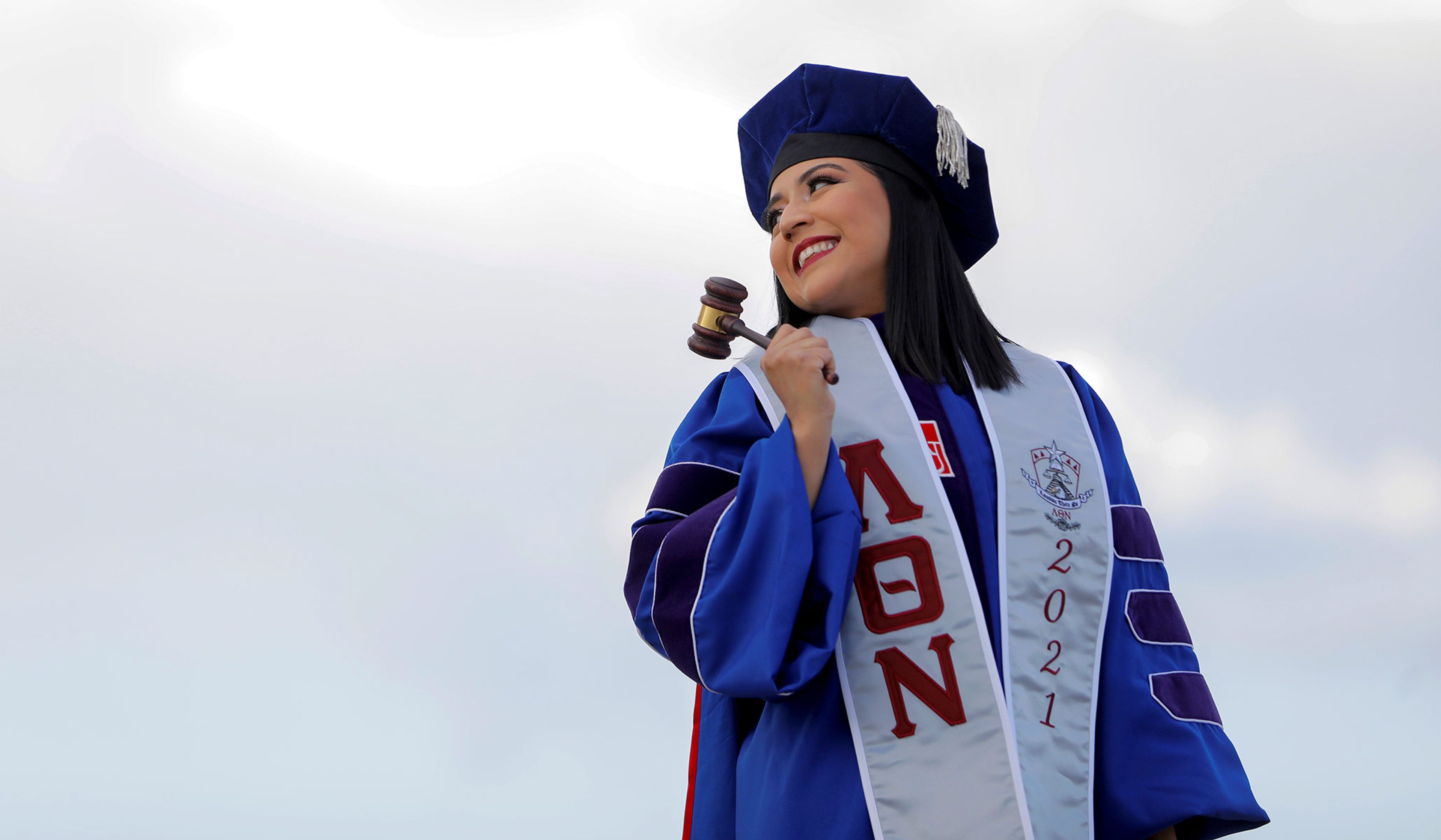

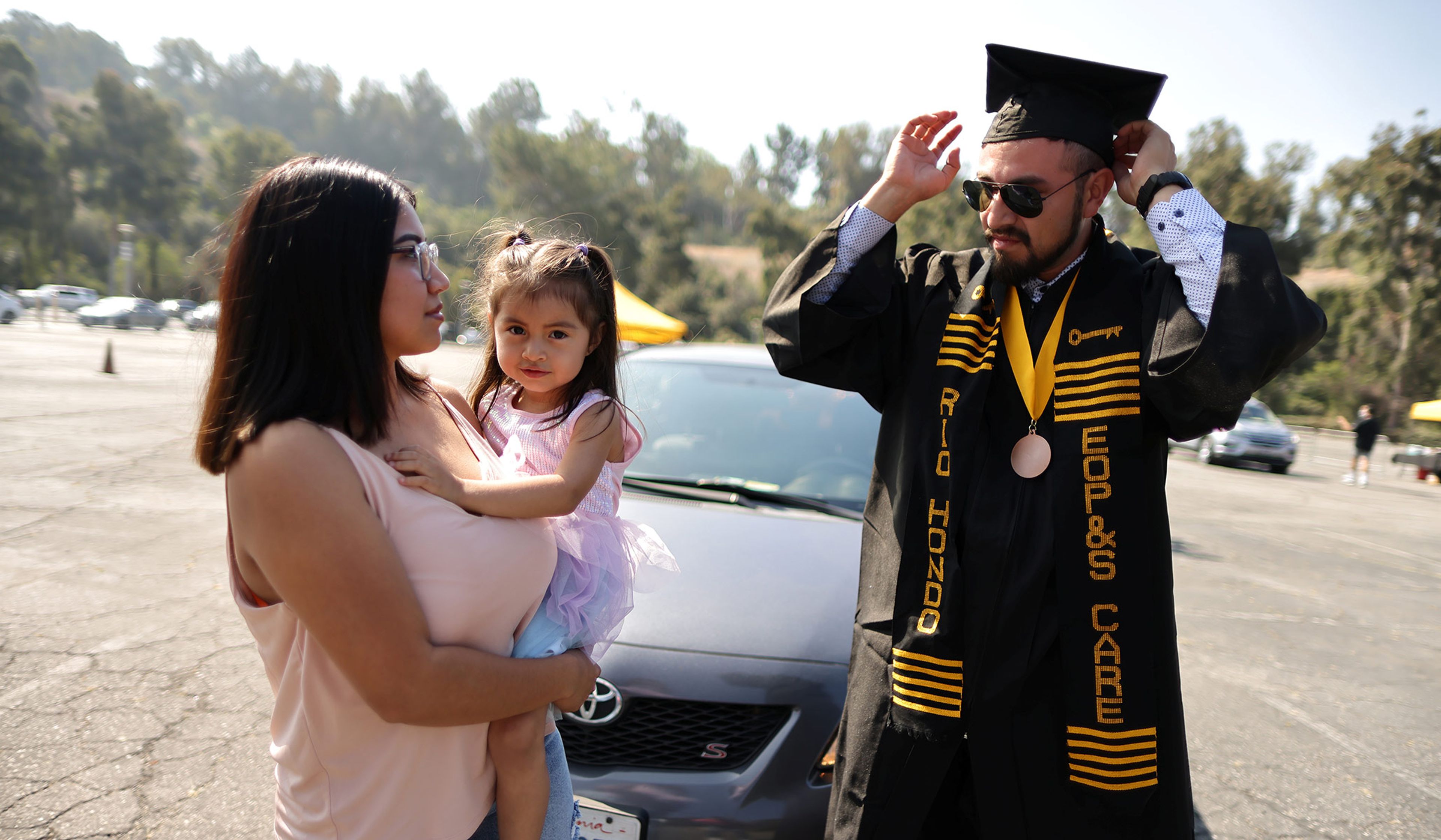
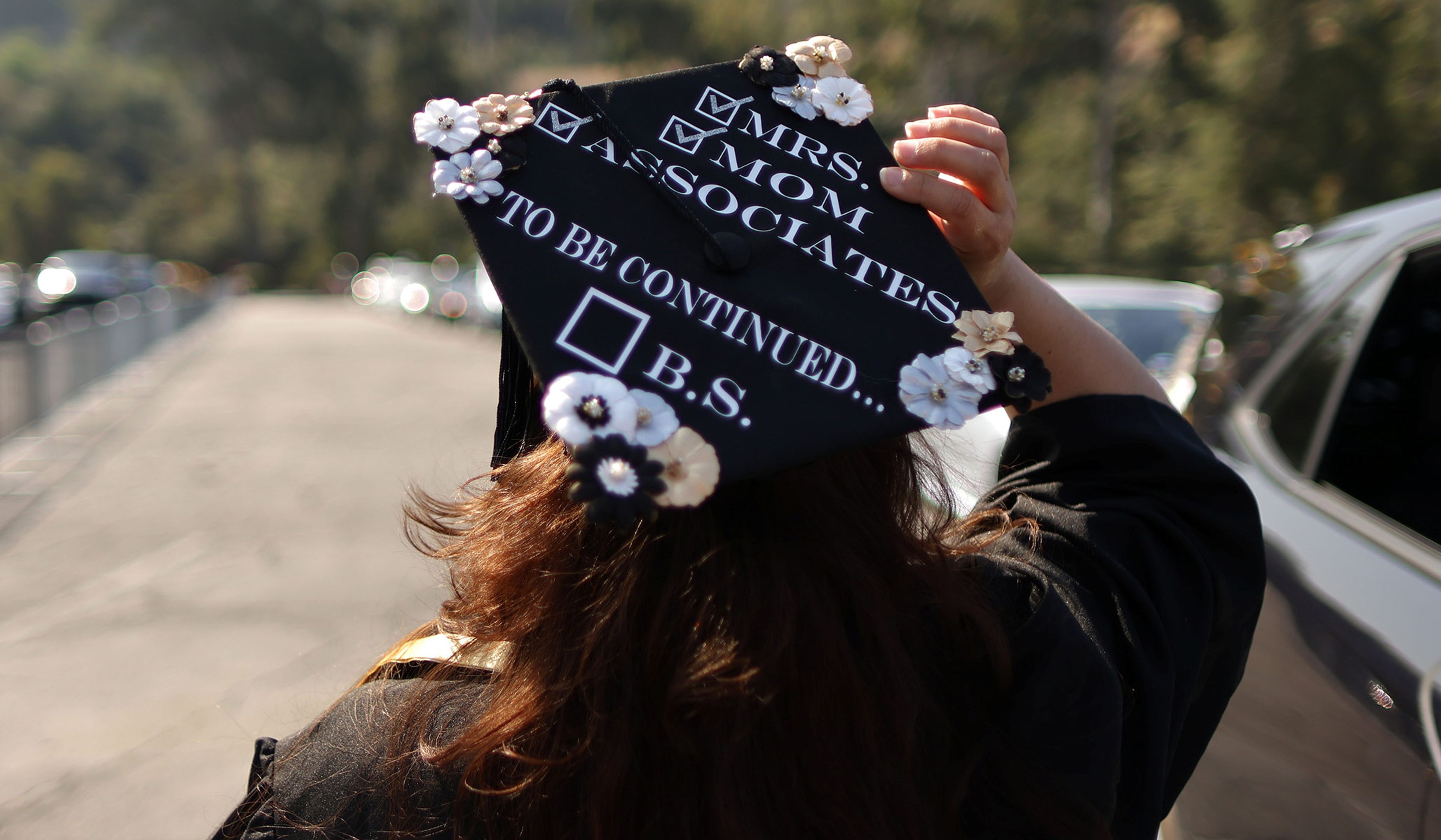
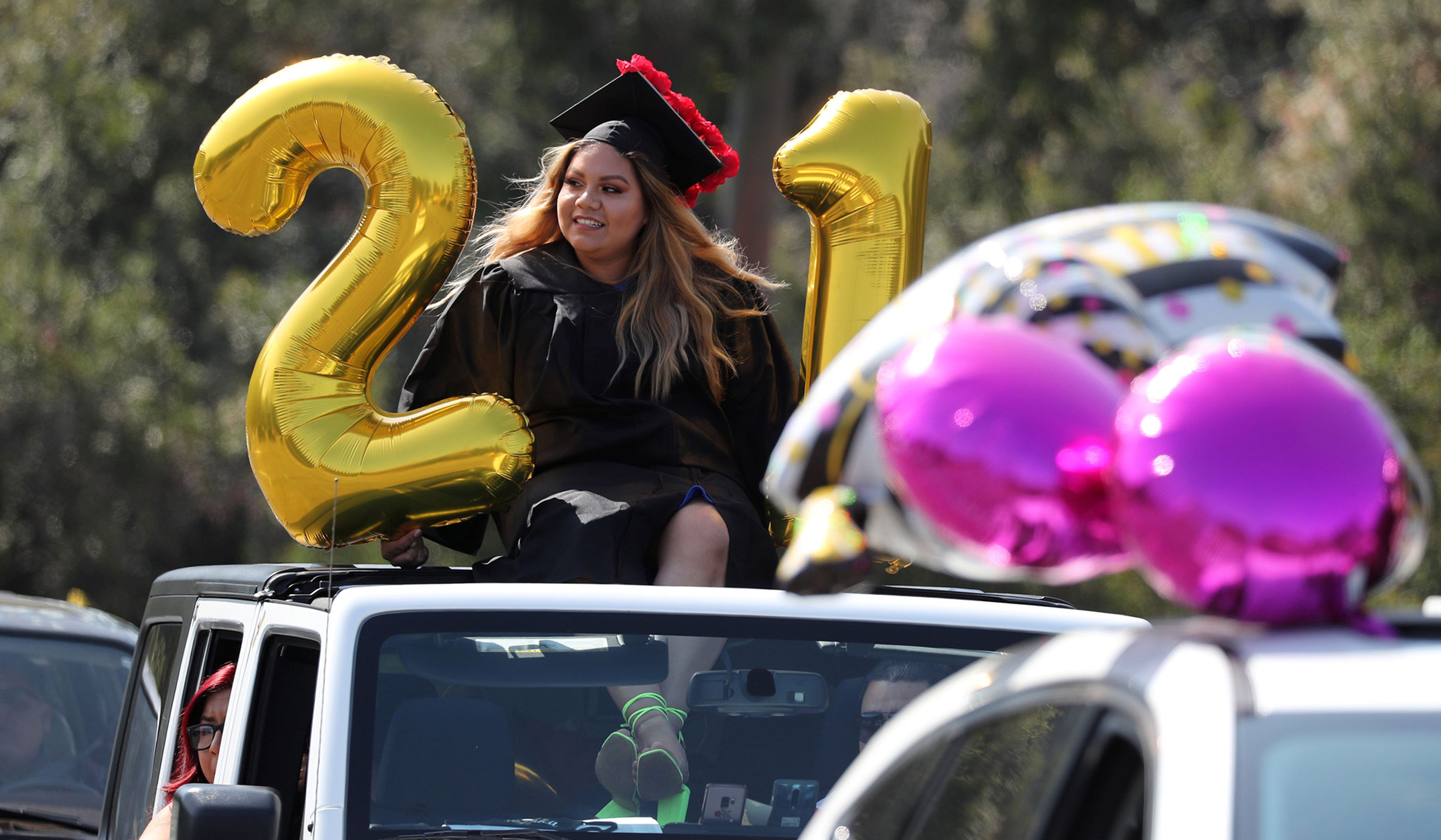
Sandy Arce, 29, holds a gavel during a photoshoot to celebrate her graduation from the American University Washington College of Law in Washington, D.C., May 14, 2021.
Andrew Kelly/Reuters
The idea for Google was first concocted at Stanford, the spreadsheet at Harvard Business School and MIT, the nicotine patch at the University of California; seatbelts were developed at Cornell, Gatorade at the University of Florida, and plasma screens at the University of Illinois, to name just a few. Some schools, most notably Stanford, now participate in commercial licensing, partaking in the bounty of the inventions devised on campus, making the school, in essence, a business partner. The results of these programs are advances in gene splicing, a boon to mankind in both agriculture and medicine; a process for the remediation of contaminated groundwater; a global-positioning system accurate enough to permit fully automated landing of airplanes; fiber-optic amplifiers for telecommunications networks; injectable collagen for plastic and cosmetic surgery; and many other inventions.
I can’t even properly fill out these federal student-aid forms.
Around 340,000 Americans study abroad every year, it’s true, but usually for a semester, and usually in programs set up by American universities. If you’re interested in learning about culinary arts or the Fauvists, you might go to France. If you’re forging a future in science and tech you want to be in the United States.
Your kids are blessed. They’re already here. It’s become fashionable to mock the college experience. The sticker shock is often quite intense. When you see the bill, you may try to convince yourself that higher education is a sucker’s bet. You tell yourself that these institutions are filled with tenured radicals who will attempt to brainwash your kids with their pseudo-histories, half-baked dogmas, and dumb ideas. They might. It’s true, as well, that not everyone is made for college, and not everyone needs college. It’s true that not everyone makes the right choices in college.
Yet, in many ways, these schools represent the impressive intellectual capabilities and ingenuity of the American people. I wish they were cheaper. But, in the end, I suspect it’s still worth it.












Comments