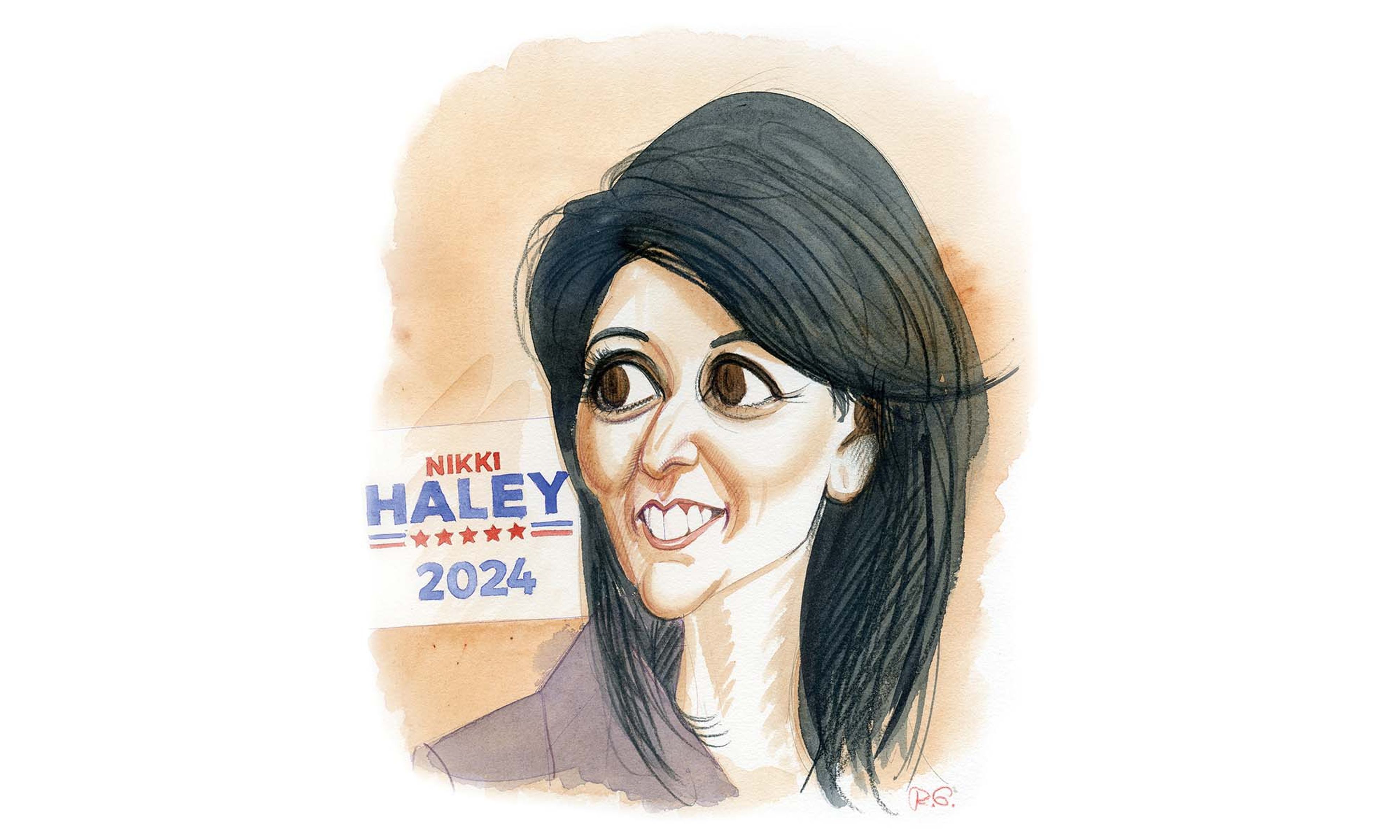
In February, when Nikki Haley, Republican former governor of South Carolina and Donald Trump’s United States ambassador to the United Nations, announced her candidacy for president, some predictable things happened.
First, leading lights of the so-called progressive Left confirmed that their devotion to eliminating injustices such as racism and sexism extends only to the injustices experienced by people who agree with them.
For example, CNN host Don Lemon said it was unrealistic for Haley to point out President Biden’s advanced age: “Nikki Haley isn’t in her prime. Sorry. When a woman is considered to be in her prime is in her 20s and 30s and maybe 40s.” (Haley is 51.)
Others embraced an odd version of birtherism about Haley’s name. Atlantic contributor Jemele Hill tweeted a clip of Haley’s announcement speech in which Haley says, “Take it from me, the first minority female governor in history: America is not a racist country.” Hill asked her followers, “So why did [Haley] change her name then?” “Nikki” is Haley’s middle name, which she has used most of her life; she did not change it.
MSNBC contributor Asha Rangappa (whose own first name is “Renuka”) was even more conspiratorial, claiming that Indian parents rarely give children middle names (her own parents being the exception, evidently) and urging “an enterprising person out there” to go digging around in South Carolina’s probate records for Haley’s original birth certificate. And pundit Wajahat Ali told MSNBC’s Mehdi Hasan that Haley should not be understood as a positive example of how successful minorities can be in the U.S. because she “uses her brown skin to launder white-supremacist talking points.” She’s “an alpha Karen with brown skin,” he added. Mary Trump, a favorite of the political Left for her excoriations of her uncle Donald, simply tweeted, “First of all f*** you Nimrata Haley.”
Also predictable was the reaction of many pundits who began discussing Haley’s candidacy as a litmus test for the continued appeal of Trumpian populism. Would she try to outflank both Trump and potential rival Governor Ron DeSantis by rebranding herself as a genteel populist in heels? Or is her campaign a doomed effort to revive establishment conservatism in the post-Trump era?
If Haley is trying to revive establishment conservatism, which by the evidence thus far seems to be her intention, she will not be able to follow the playbook of many Republican women who came before her, such as Elizabeth Dole, Jeane Kirkpatrick, Carly Fiorina, and Haley’s fellow Trump-administration official Elaine Chao.
Haley fits comfortably amid that old guard; she is professional and cautious rather than gratuitously caustic in her self-presentation. The tone of a former president of the National Association of Women Business Owners, which Haley was, is clear in her demeanor. She often talks in the “leaning in” language of a now-dated Sheryl Sandberg–style corporate feminism.
But this style of Republican free-market feminism has been on the wane for some time. The transitional figure was another governor, Sarah Palin, who briefly offered a salty, lipstick-on-a-pit-bull contrast to the more traditional gravitas of her running mate, Senator John McCain, during the 2008 election.
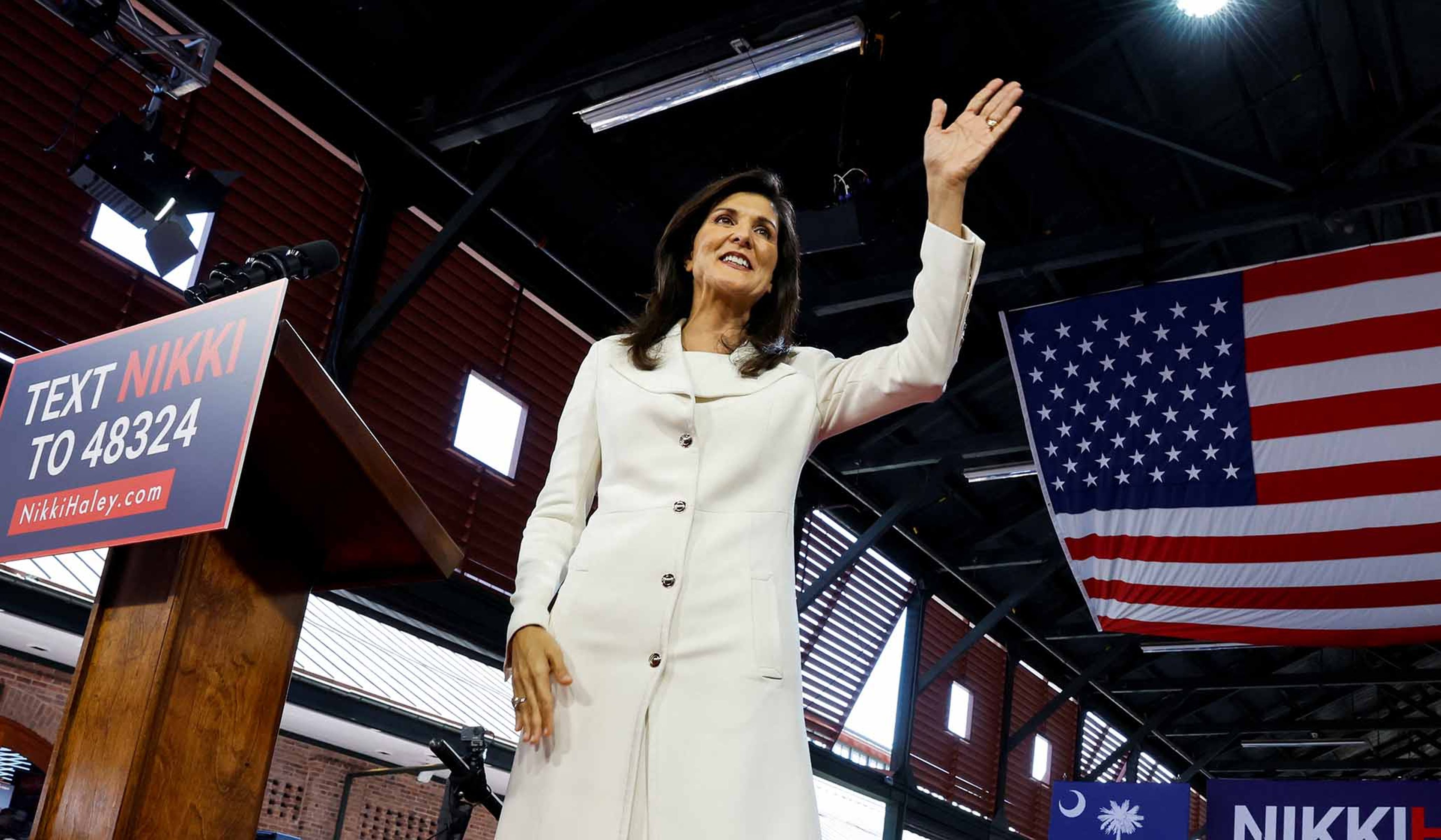
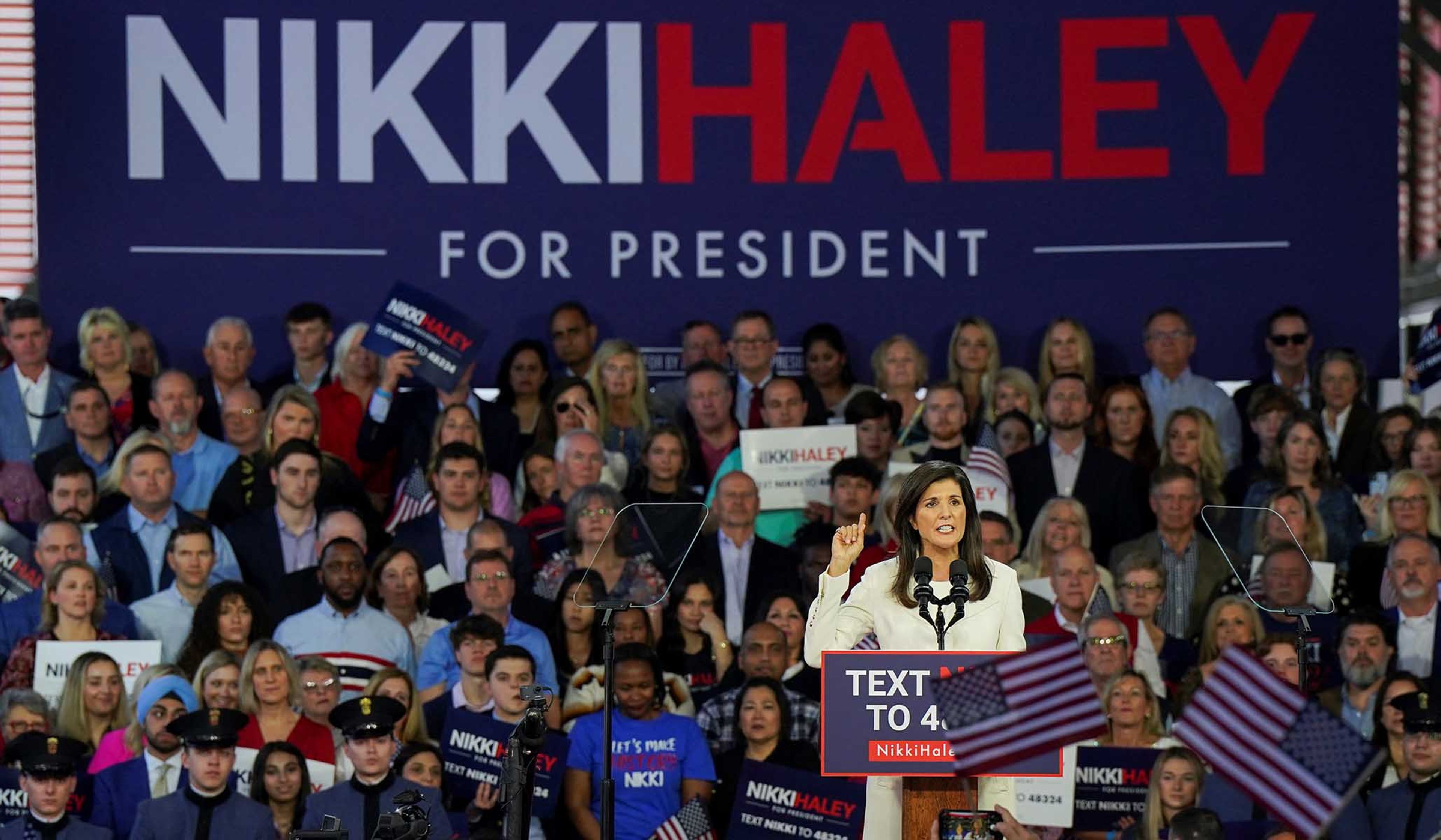
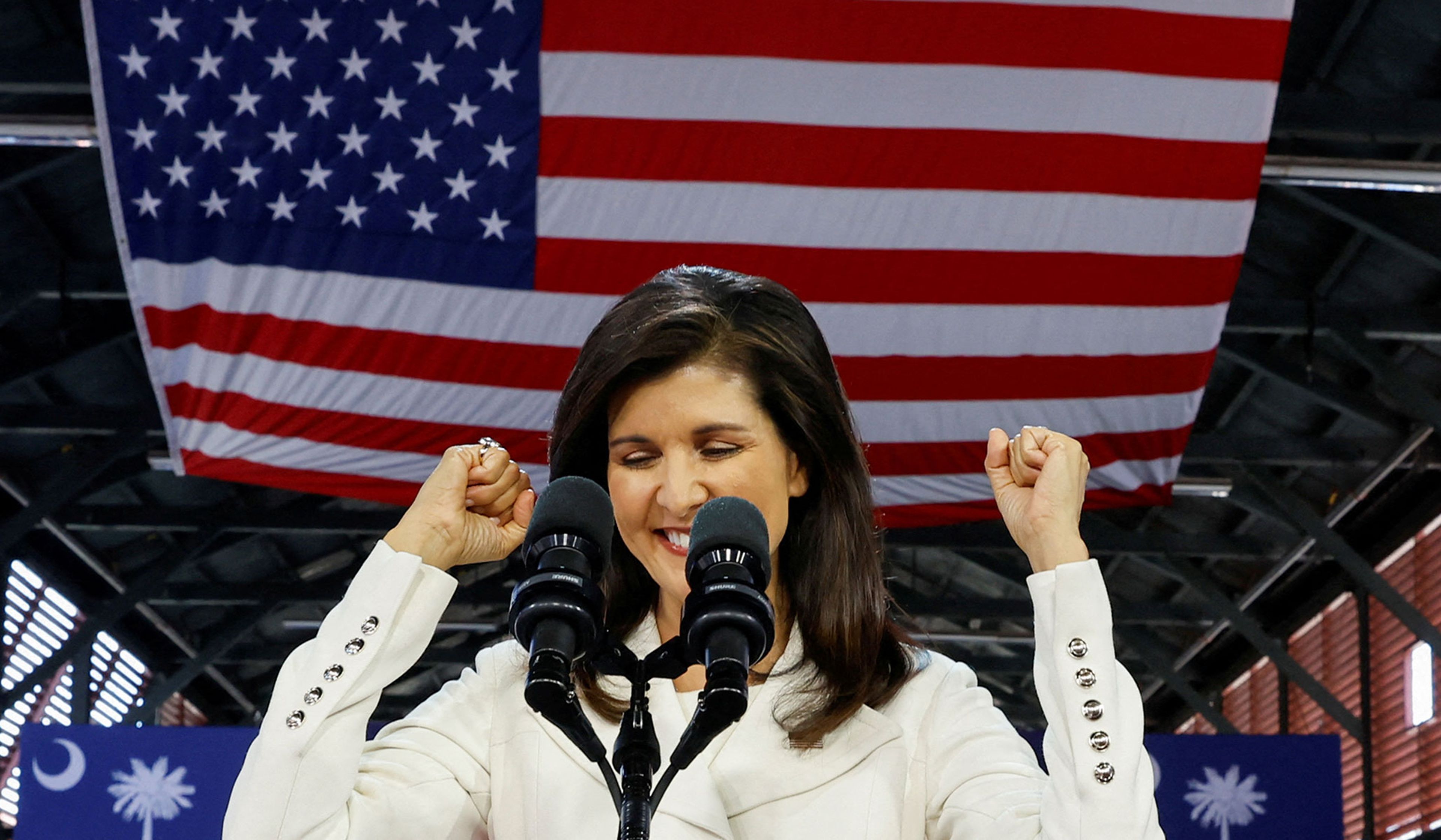
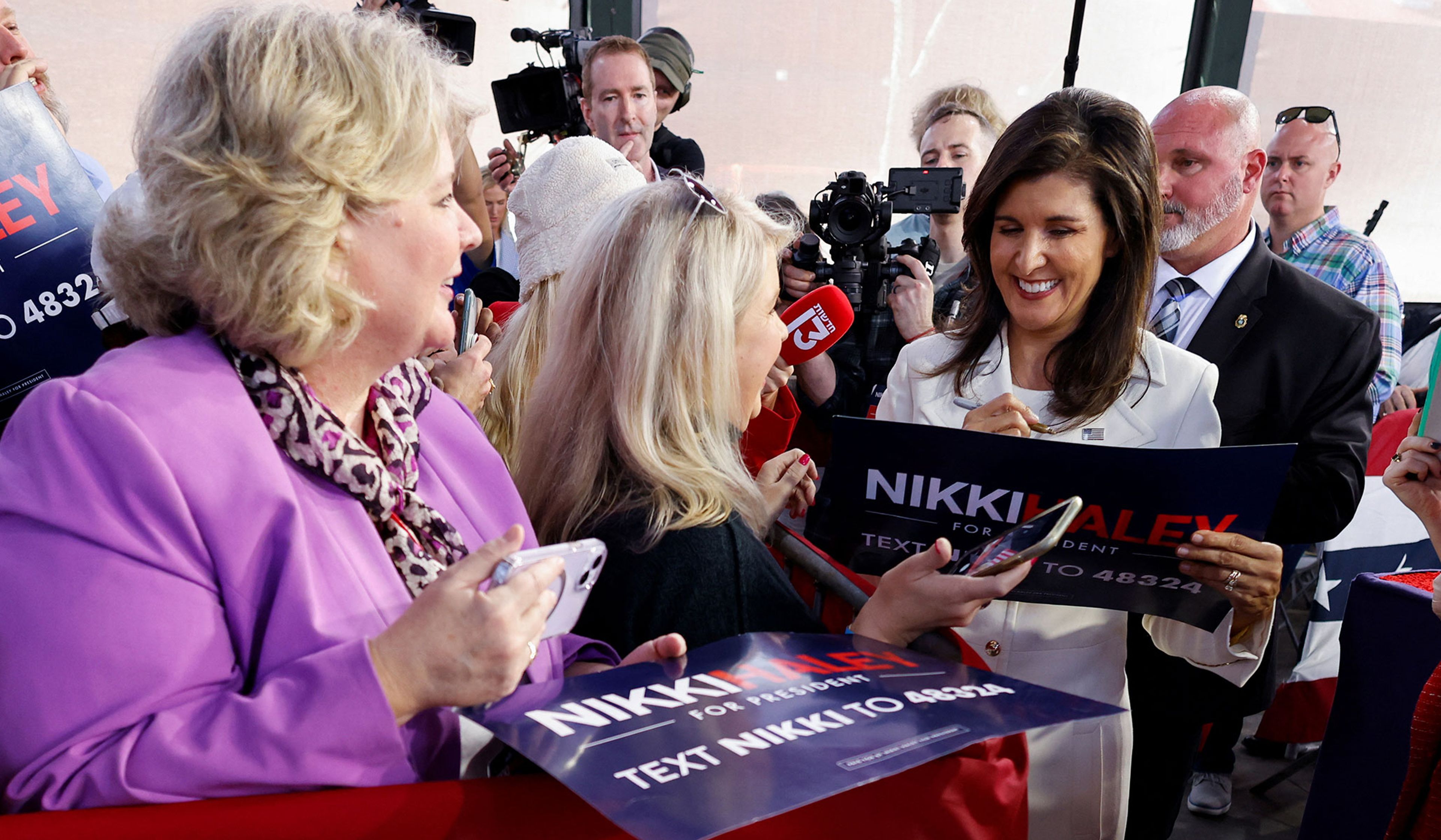
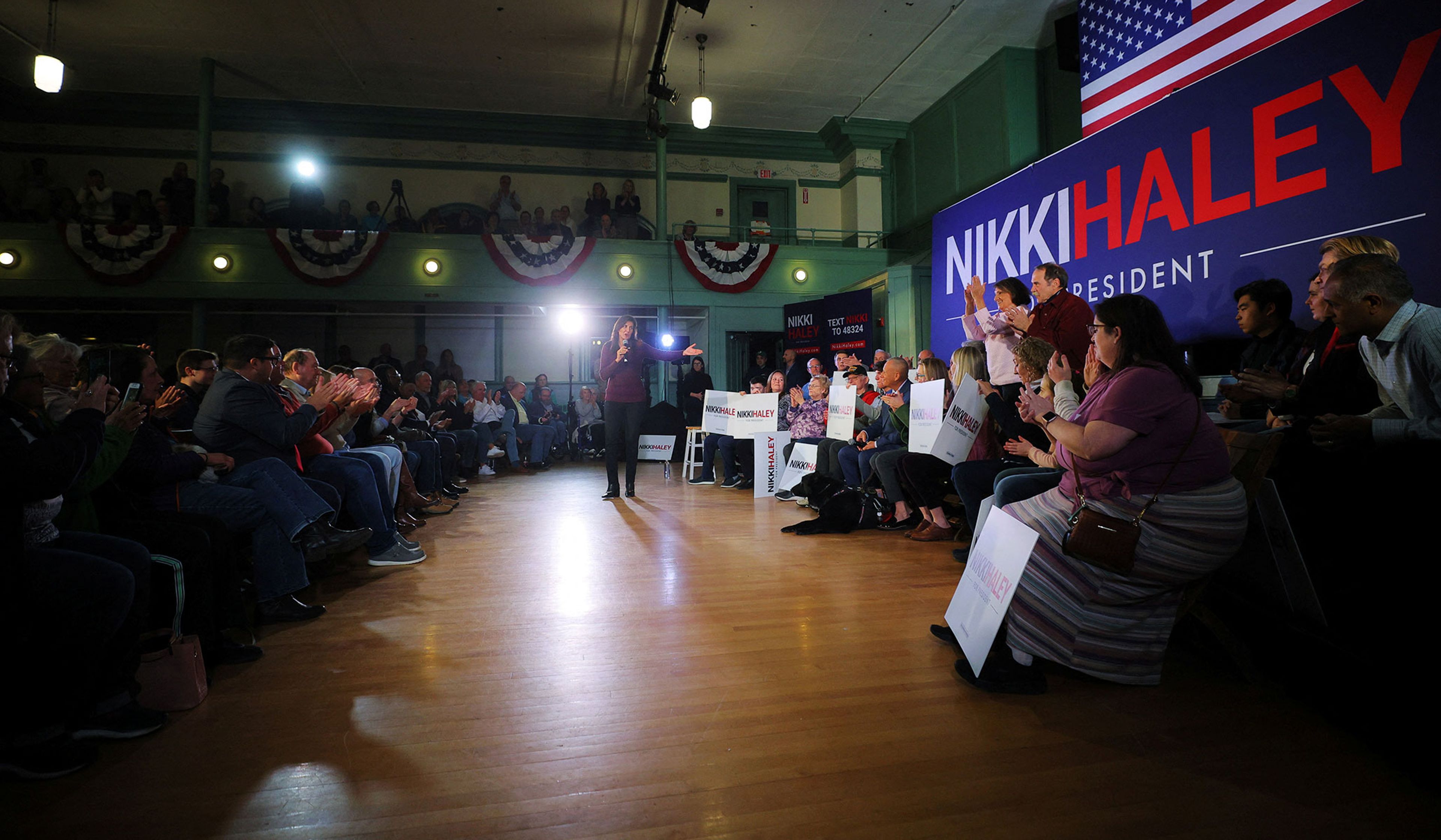
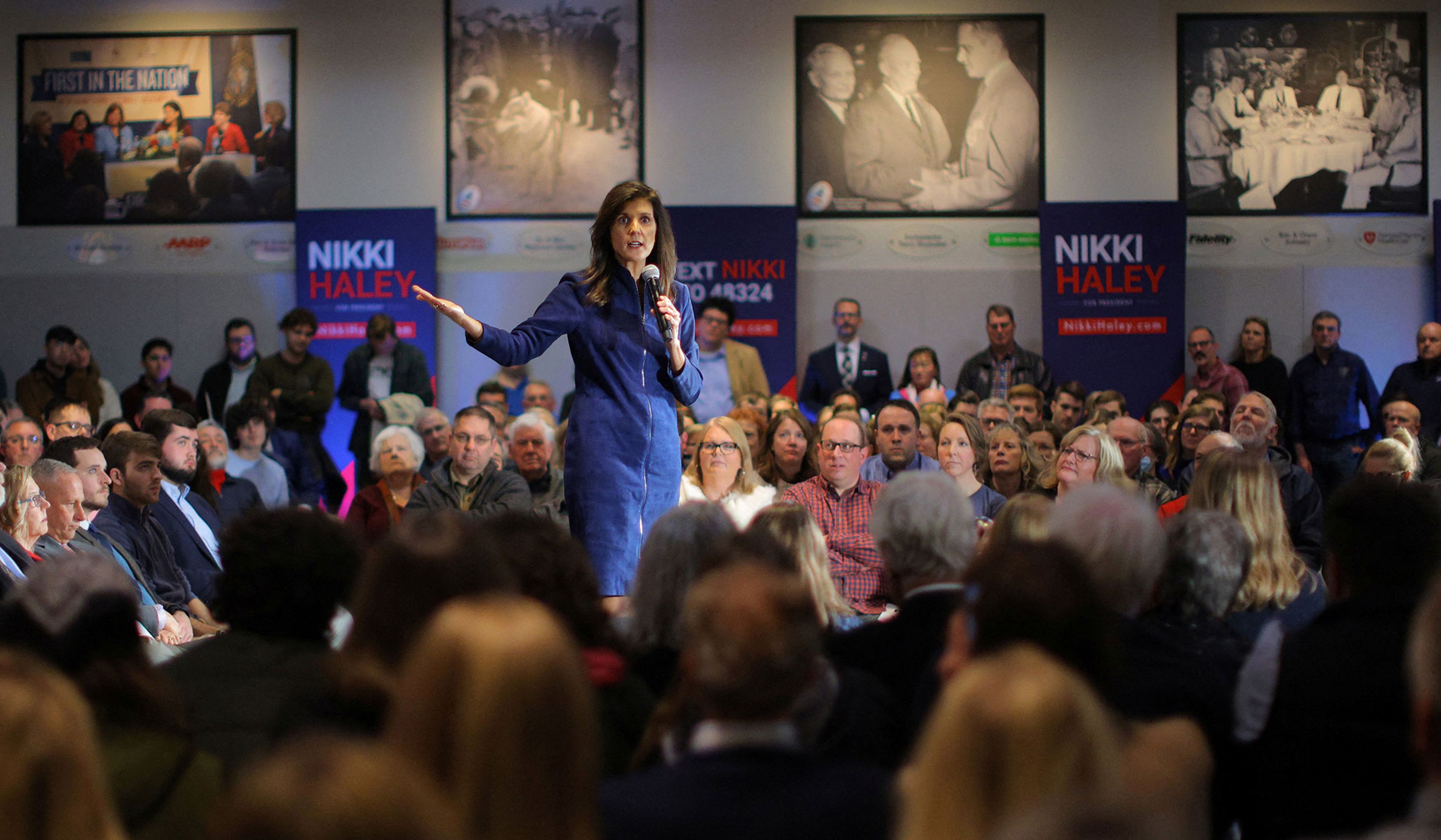
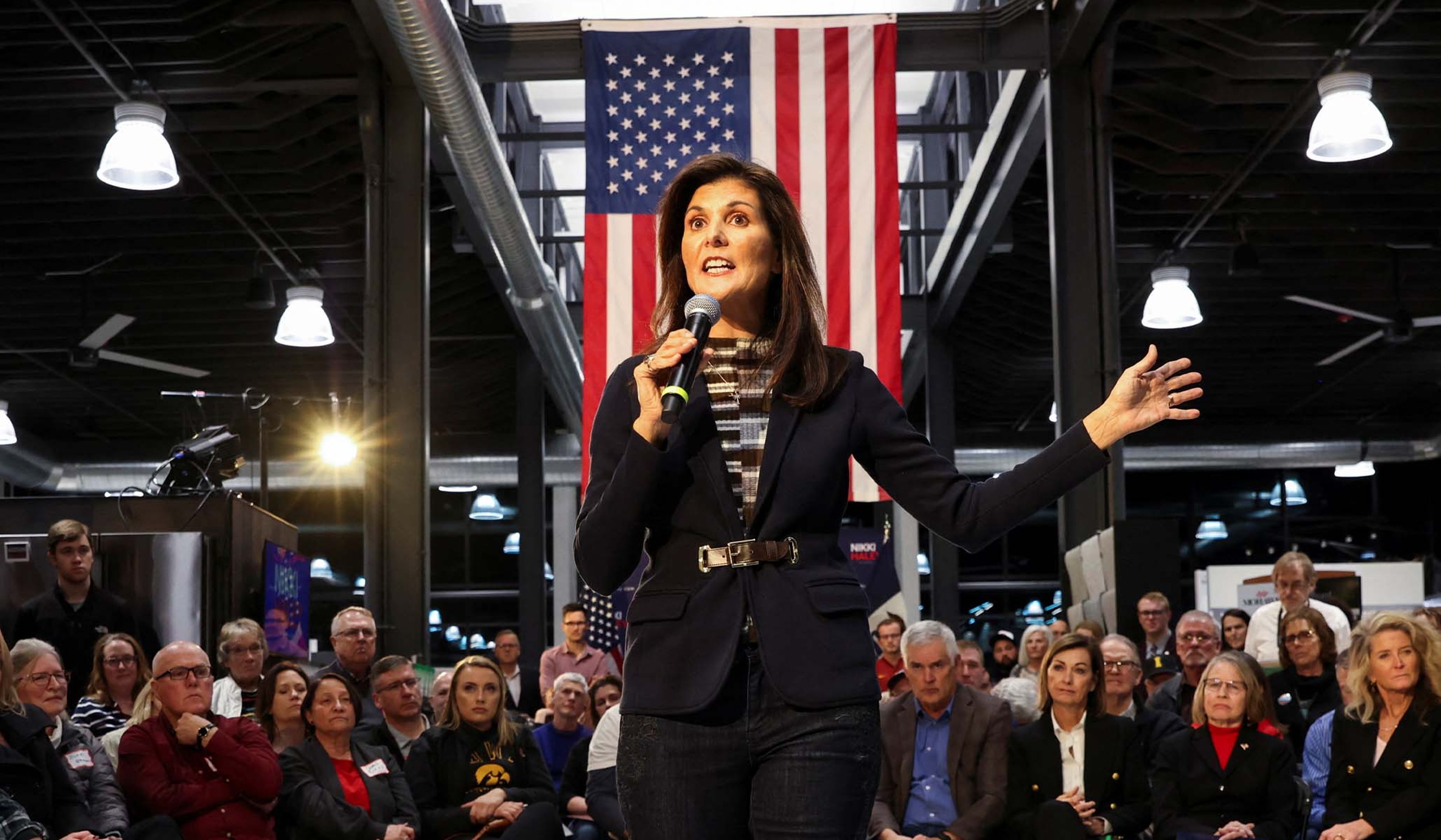
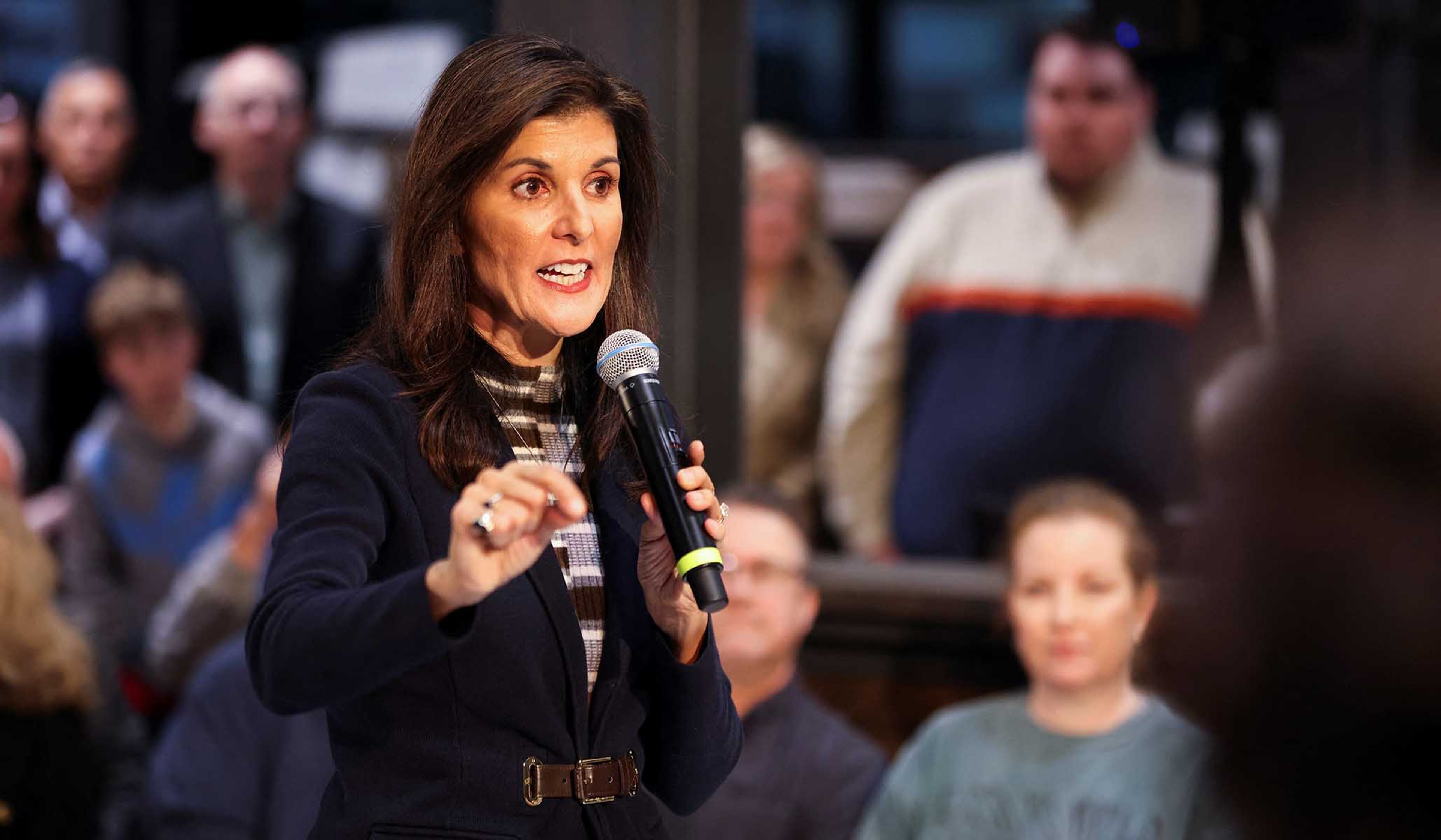
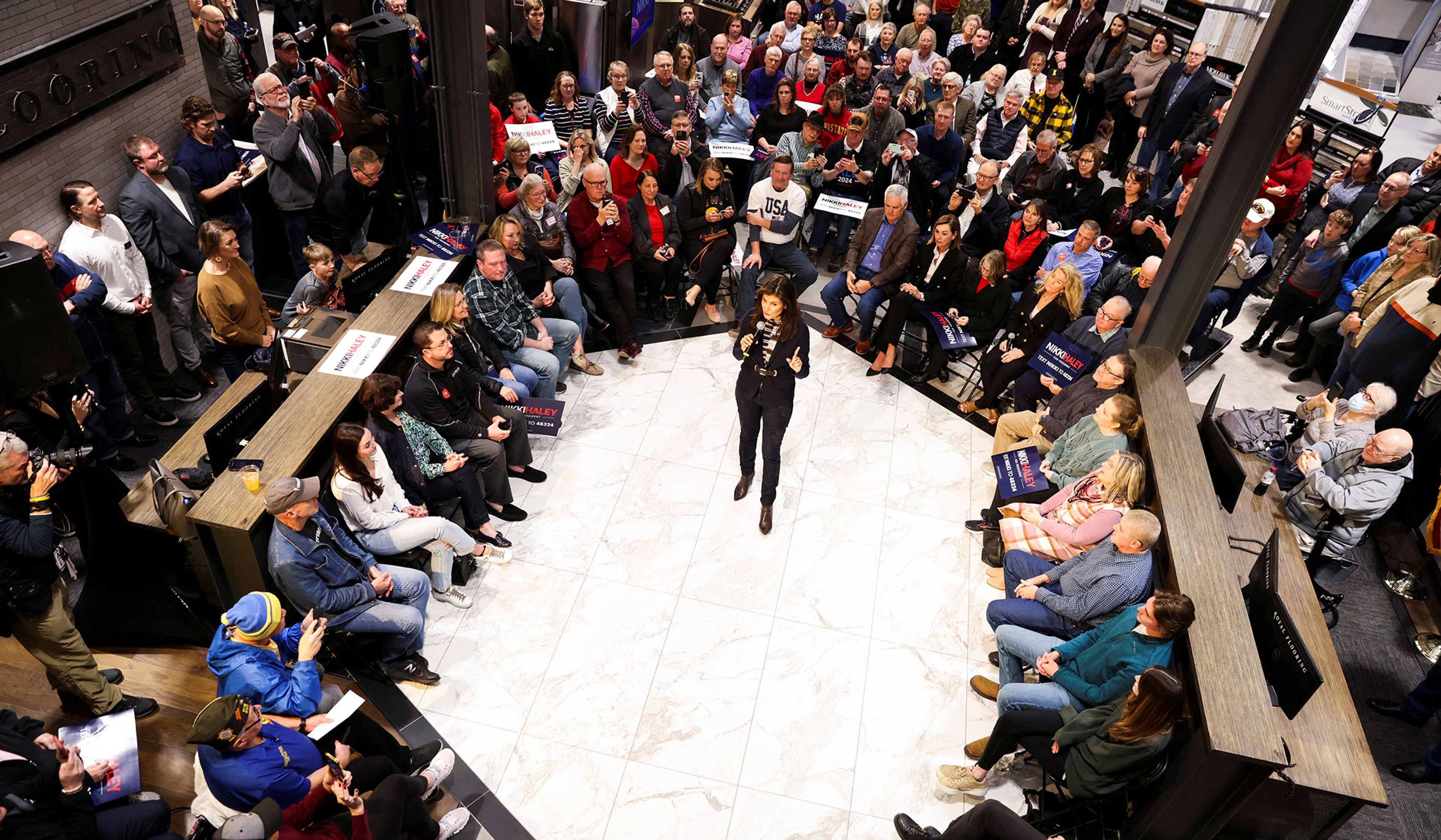
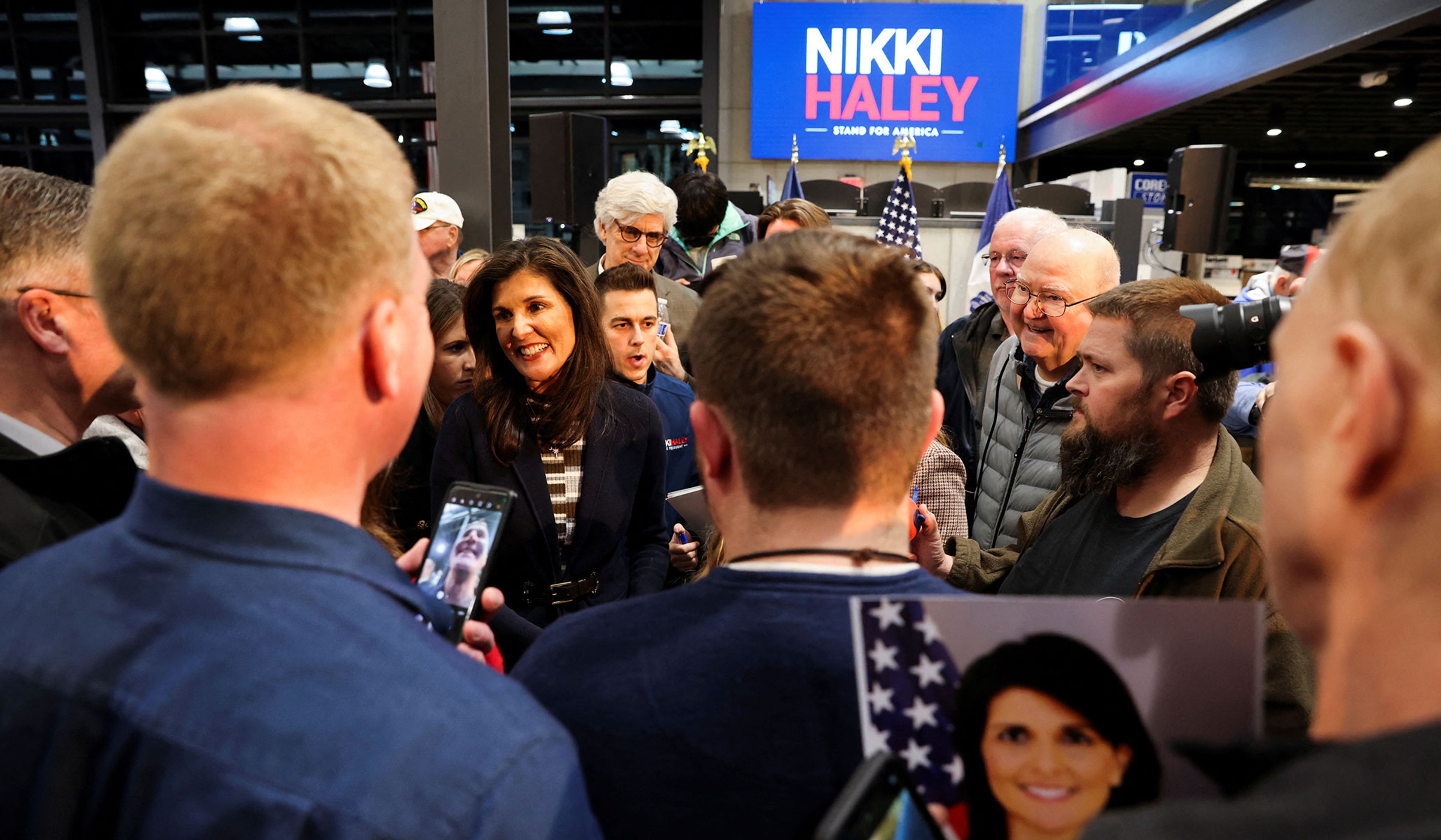
Nikki Haley announces her run for the 2024 Republican presidential nomination at a campaign event in Charleston, S.C., February 15, 2023.
Jonathan Ernst/Reuters
If Palin enjoyed portraying herself as a “mama grizzly” and a fighter, today’s prominent Republican women are more like ground-and-pound brawlers in the octagon. Representatives Marjorie Taylor Greene and Lauren Boebert, for example, revel in taunting political opponents on social media and appear to mistake regular cable-news appearances for the job of governing. Like a parody of a hysterical woman who feels herself wronged by a man, Greene recently appeared on Hannity to demand a “national divorce” from the Left.
Even Representative Elise Stefanik (R., N.Y.), once seen as a rising-star moderate in the party, has now morphed into a Republican who calls herself “ultra-MAGA and proud of it” and was once described by Trump as “one of my killers.”
Haley, by contrast, even while appearing Trump-adjacent because of her brief service in the administration, has retained her establishment mien. When talking about hot-button culture-war issues such as “wokeness,” she sounds more like a well-intentioned, ideologically neutral HR manager than a firebrand, which is not necessarily a bad thing in our polarized political culture.
However, this posture poses a challenge for Haley’s messaging. Like many politicians she has a platitude problem, but it is compounded by the need to demonstrate that she is conversant in the language and tactics of contemporary culture-war sparring. This creates contradictions. In her campaign-announcement video, for example, Haley says, “This is not about identity politics. I don’t believe in that. I don’t believe in glass ceilings either.”
Fair enough. But at a recent New Hampshire town hall, she said of her own family’s experience of race: “We weren’t white enough to be white, weren’t black enough to be black,” and in other remarks she has used her experience as a woman of color as evidence of her ability to reach a broader and more moderate group of voters. She relishes repeating a line from her campaign video: “I don’t put up with bullies. And when you kick back, it hurts them more if you’re wearing heels.”
In a GOP primary dominated by a candidate who has repeatedly made noxious racist remarks, most recently about Chao, his own former transportation secretary, and who openly mocked candidate Fiorina’s appearance in the 2016 primaries, Haley’s subtle nods to her race and sex are in tension with her vows not to play identity politics. She ought to be bolder and say what she’s thinking: She looks like America and its future, and her life story represents the ideals of freedom and opportunity that most Americans cherish. Donald Trump looks like someone’s old racist uncle who still thinks it’s funny to mock people who don’t look or sound like him.
Haley has plenty of domestic, foreign-policy, and national-security experience to tout; she does not need to promote silly (and likely unconstitutional) proposals such as mandatory cognitive tests for politicians over the age of 75. She can simply repeat the fact that, when she became South Carolina’s governor in 2011, she was the youngest governor in the country. After the Trump and Biden presidencies, generational change is already at the top of most voters’ minds; even Democrats are growing tired of the gerontocracy they’ve elected.
Haley has a long slog to the Republican nomination, and so far, voters aren’t ready to buy the new and improved version of Republican female leadership that she’s selling: A recent University of New Hampshire poll of GOP voters had Haley as the preferred nominee of only 8 percent of respondents, compared with the 30 percent who prefer Trump and the 42 percent who’d like to see Governor Ron DeSantis become the party’s nominee.
Still, if her candidacy succeeds in reminding voters of a time when GOP candidates for president tussled over policies and ideas — and didn’t just trade personal insults on social media and cable news — she’ll have performed a public service. That old style of big-tent Republican-family jousting had its drawbacks, but it now appears quaint compared with the performative sectarian brawling that has replaced it.










Comments