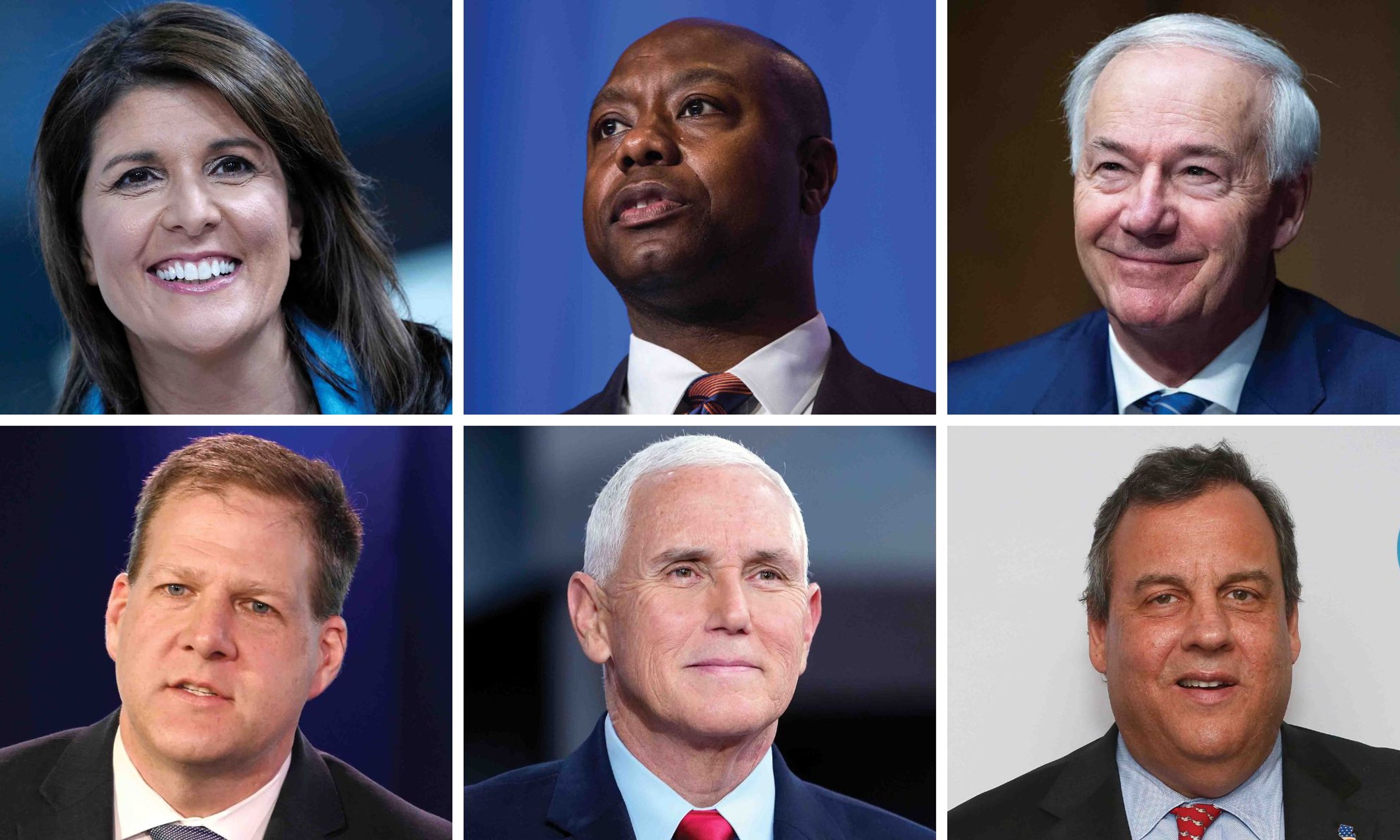
Donald Trump vs. Ron DeSantis: It’s maybe the most anticipated fisticuffs since the first time Muhammad Ali stepped into the ring with Smokin’ Joe Frazier. But Trump and DeSantis won’t be alone between the ropes. The rest of us must wonder what the other Republican candidates are thinking.
There’s a long American tradition of “dark horse” candidates who were chosen when leading figures couldn’t close the sale and a political party was deadlocked. But most of them, such as James K. Polk and Abraham Lincoln, were nominated by conventions, not through popular-vote primaries. Conventions are less about name recognition and more about dealmaking among factions.
In the modern primary age that began for Democrats in 1972 and Republicans in 1976, popular-vote primaries and caucuses, rather than party regulars at the convention, have chosen presidential nominees. Since then, most races have started out with either two leading candidates, one front-runner, or no clear favorite. Campaigns that looked like a two-horse race (such as Hillary Clinton vs. Barack Obama in 2008 or George W. Bush vs. John McCain in 2000) usually ended that way.
If the front-runner does not collapse — as when Gary Hart withdrew from the 1988 presidential contest after a scandal — dark horses need an open field. The races we most associate with a dark horse had no dominant front-runner or had an expected one who didn’t run. When poll leaders Ted Kennedy and Hubert Humphrey didn’t run in 1976, it opened the door for Jimmy Carter. When Mario Cuomo didn’t run in 1992, it did the same for Bill Clinton. Trump entered the 2016 race at a time when there was no true front-runner. Jeb Bush had money and name recognition, Ted Cruz had grassroots organizing, Scott Walker had an imposing statewide record, and Rand Paul, Marco Rubio, and Chris Christie all had media boomlets, but none of them regularly cracked 20 percent in the polls.
The closest to an exception to this rule came in 1972, when Kennedy and Humphrey were also the early leaders. When Kennedy decided not to run, Edmund Muskie became the second leading contender and won Iowa and New Hampshire. Only after Muskie’s campaign unraveled did George McGovern consolidate the liberal wing of the party and defeat Humphrey and George Wallace. But if we have to go back to the very first popular-primary race, it may not tell us that much about today.
Trump presents a unique obstacle: No former president has run in a modern primary. Nor has a dark-horse candidate ever beaten a figure of any comparable stature. Aside from favorite-son home-state polls, virtually every national or state opinion poll shows Trump winning between 30 and 50 percent of the likely vote, with DeSantis between 20 and 40 percent and everybody else between 0 and about 7 percent. At this writing, the poll averages show the top two with a combined 75 percent of the vote nationally, 70 percent in New Hampshire, and nearly 70 percent in South Carolina. The victory of a dark-horse candidate would require not just his or her emergence from the single-digit tier but also the collapse of both Trump and DeSantis. That’s possible, given that Trump is almost 77 and under one indictment, with more potentially on the way. But the odds are grim.
Yet at this writing there are eight other candidates: former South Carolina governor and United Nations ambassador Nikki Haley, South Carolina senator Tim Scott (who has not announced his candidacy but has formed an exploratory committee), former Arkansas governor and DEA director Asa Hutchinson, commentator and 2021 California gubernatorial candidate Larry Elder, former Cranston, R.I., mayor Steve Laffey, former Montana secretary of state Corey Stapleton, and businessmen Vivek Ramaswamy and Perry Johnson. At least five other prominent figures are publicly mulling a candidacy: Christie, former vice president Mike Pence, New Hampshire governor Chris Sununu, Miami mayor Francis Suarez, and former Texas congressman Will Hurd. Other than Christie, all would be first-time presidential candidates.
The field may yet be smaller than the 17-candidate pile-up of 2016. Arkansas senator Tom Cotton, Florida senator Rick Scott, former Maryland governor Larry Hogan, and former secretary of state Mike Pompeo have all declined to run. Virginia governor Glenn Youngkin recently told the New York Times that he was focused entirely on this year’s legislative elections in his state, and Texas governor Greg Abbott is likewise not taking steps toward a run. The same is true of Cruz, Rubio, and other 2016 contenders.
This field could feature five governors who have also served in Congress or major federal executive-branch roles, including DeSantis, Pence, Haley, Hutchinson, and Christie (the latter two were both U.S. attorneys). Before Trump, Republicans frequently ran governors for the big job, including Mitt Romney, George W. Bush, and Ronald Reagan.
Do any of the long shots have a realistic path to victory? Talk of “lanes” can miss the need for a candidate to broaden his or her appeal, but without a loyal base of voters it is hard to gain the poll standing, money, and endorsements needed to stay in the game and get a shot. Several of these candidates can raise enough money to get launched but may struggle to continue fund-raising unless they have a single big super-PAC donor.
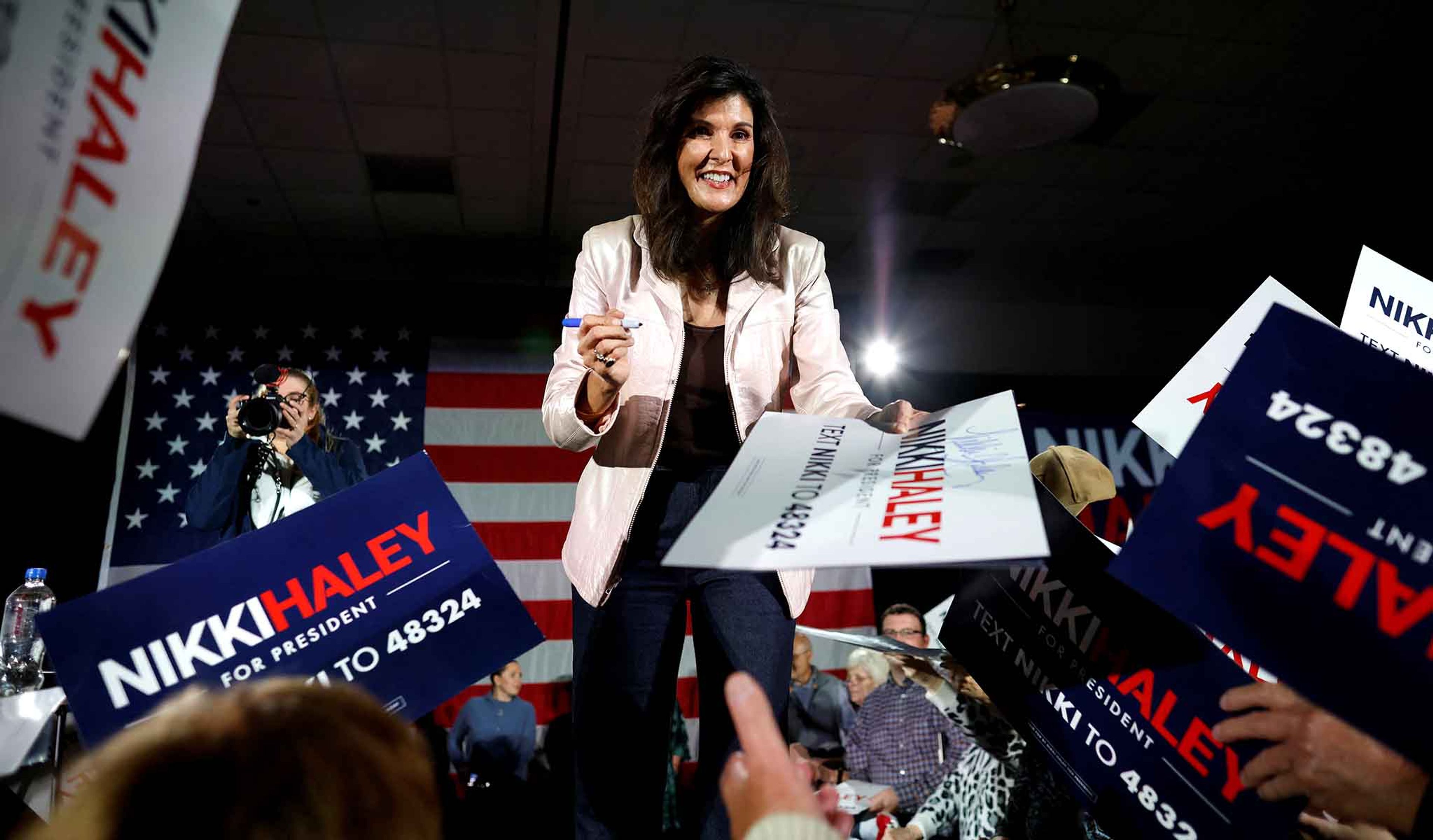
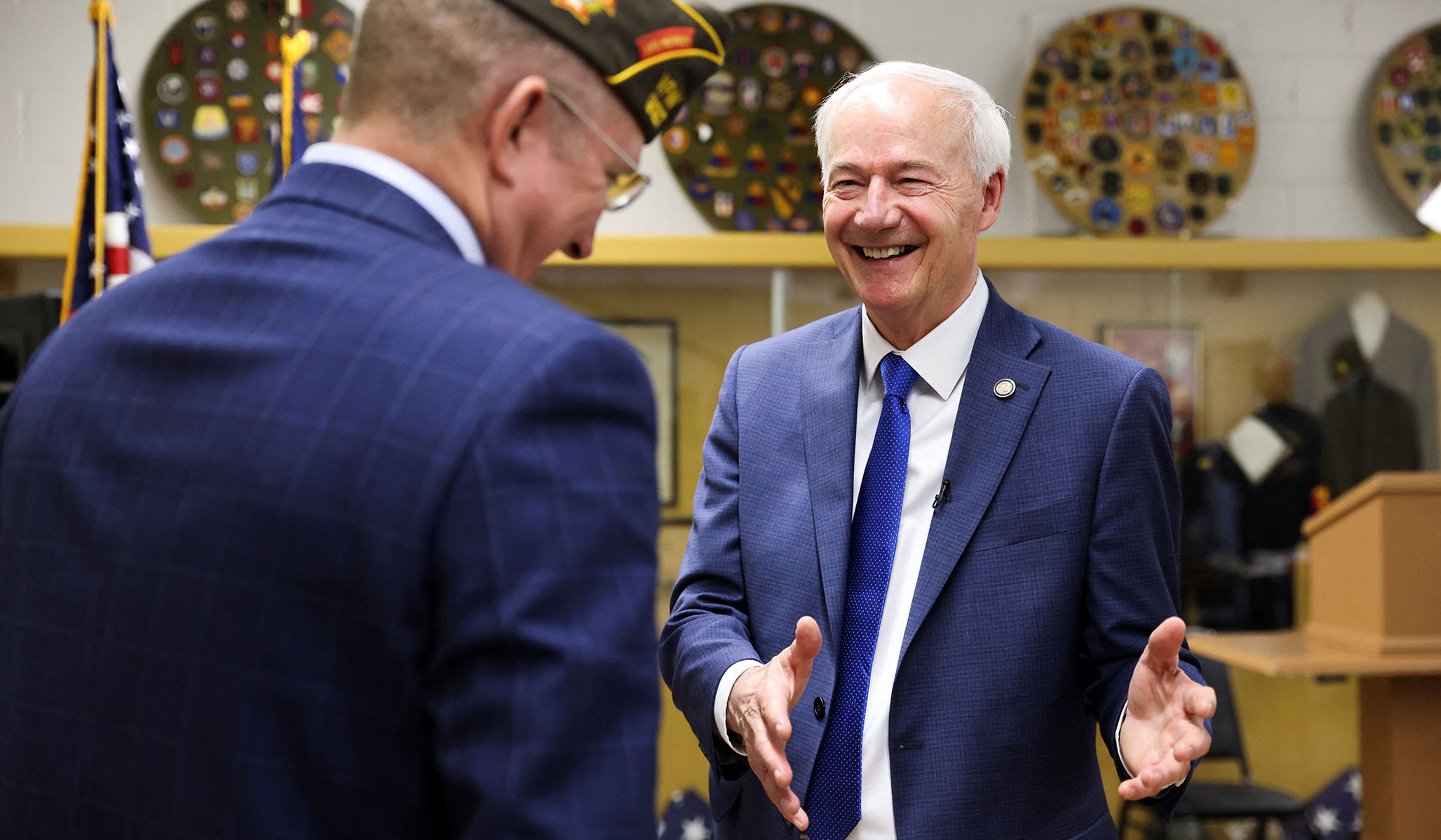
Republican presidential candidate Nikki Haley holds a rally in Myrtle Beach, S.C., March 13, 2023.
Randall Hill/Reuters
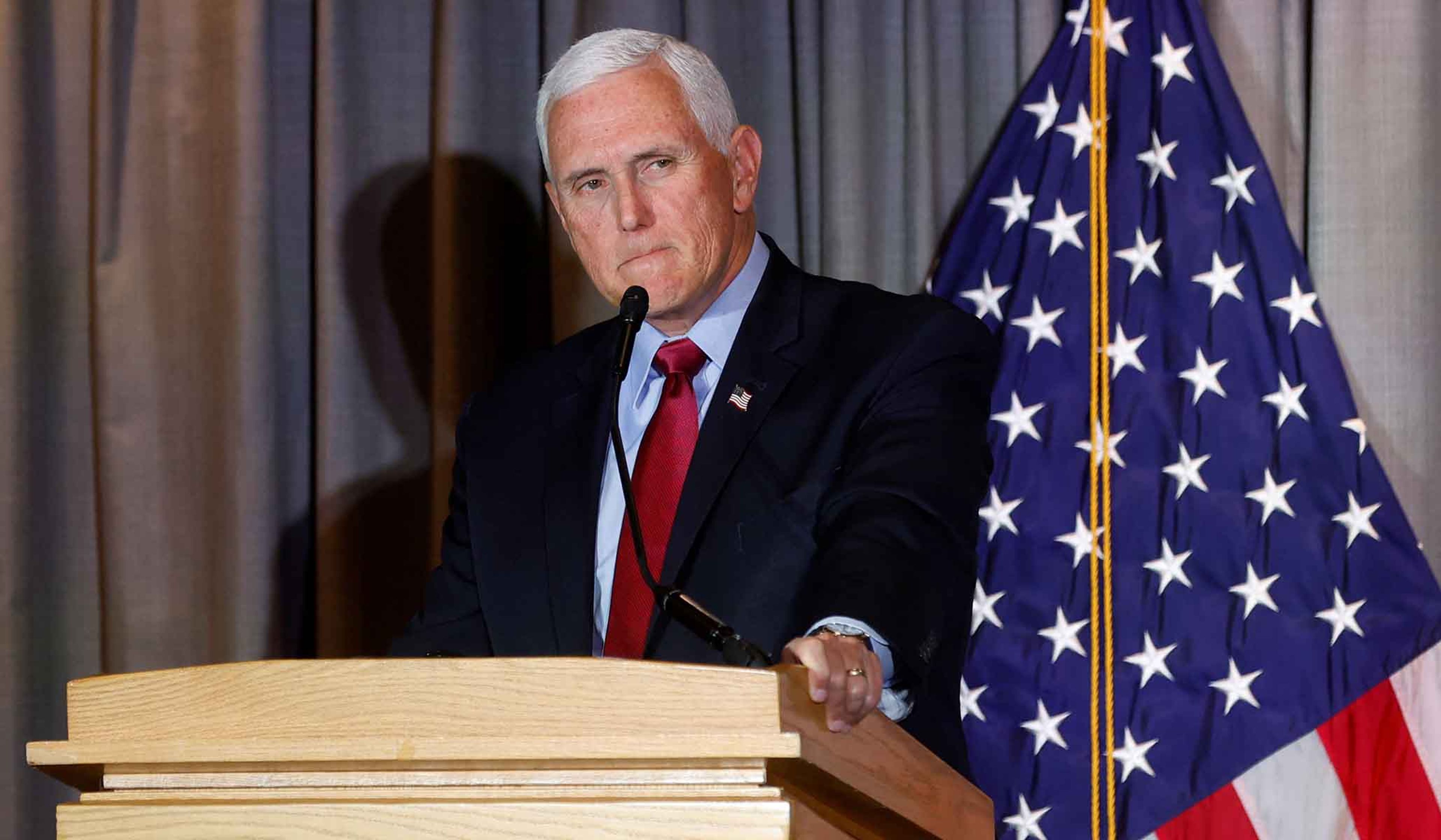
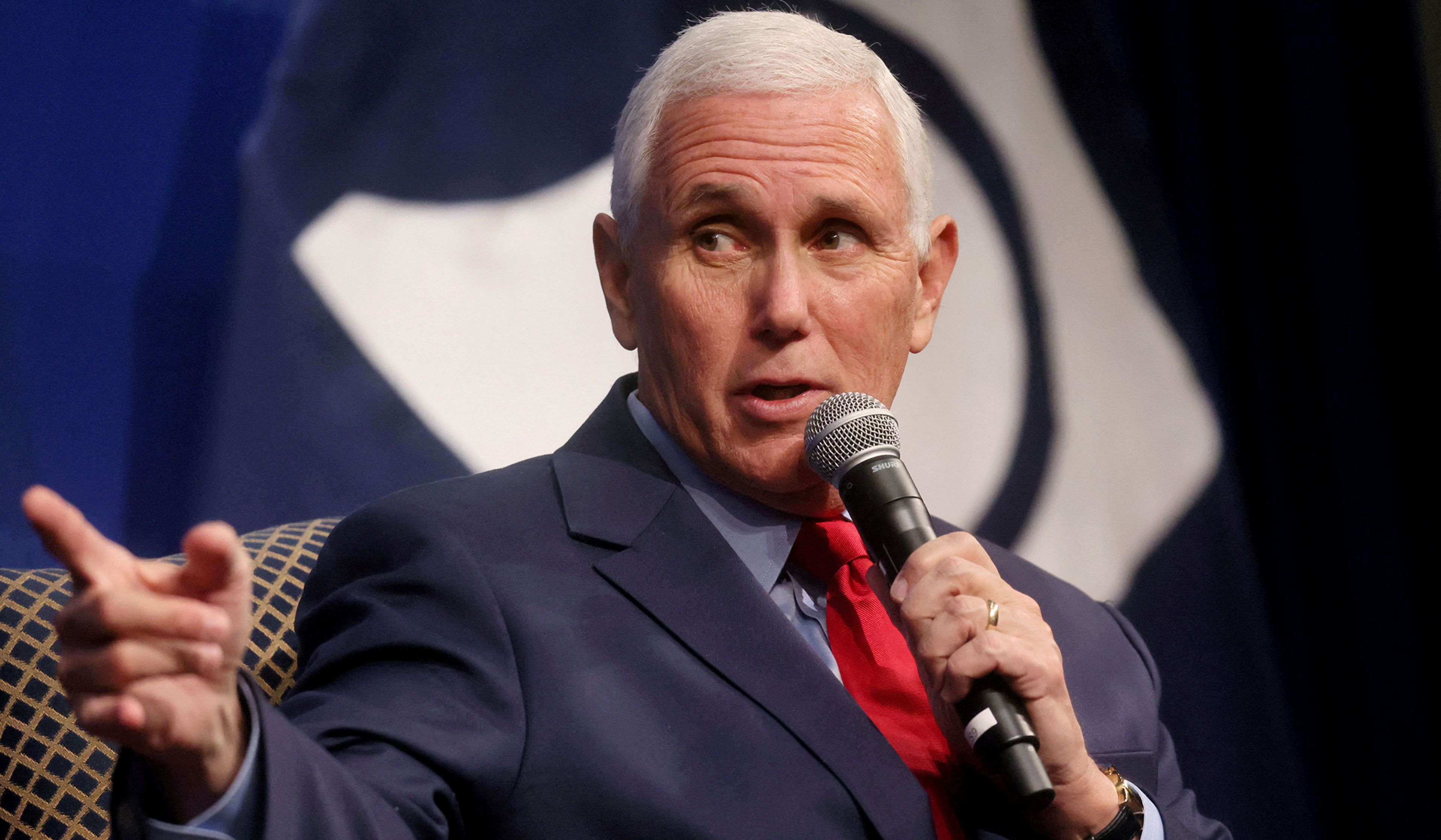
Pence would start out with the highest name recognition and a natural bond with the Evangelical Christian voters who matter so much in early contests in Iowa and South Carolina. But he also has the most baggage. It is hard for those within the blast radius of Trump’s campaigns and his White House to run as themselves rather than run on where they stood in relation to Trump. Nobody has this problem more than Pence does. Voters who despise Trump see Pence’s loyal service as vice president and insistence on never breaking with Trump in public as forms of complicity. Voters who still love Trump and believe he was robbed of reelection in 2020 see Pence’s final stand against Trump on January 6 as a profound betrayal. Polling seems to confirm that a great many Republicans simply can’t support Pence.
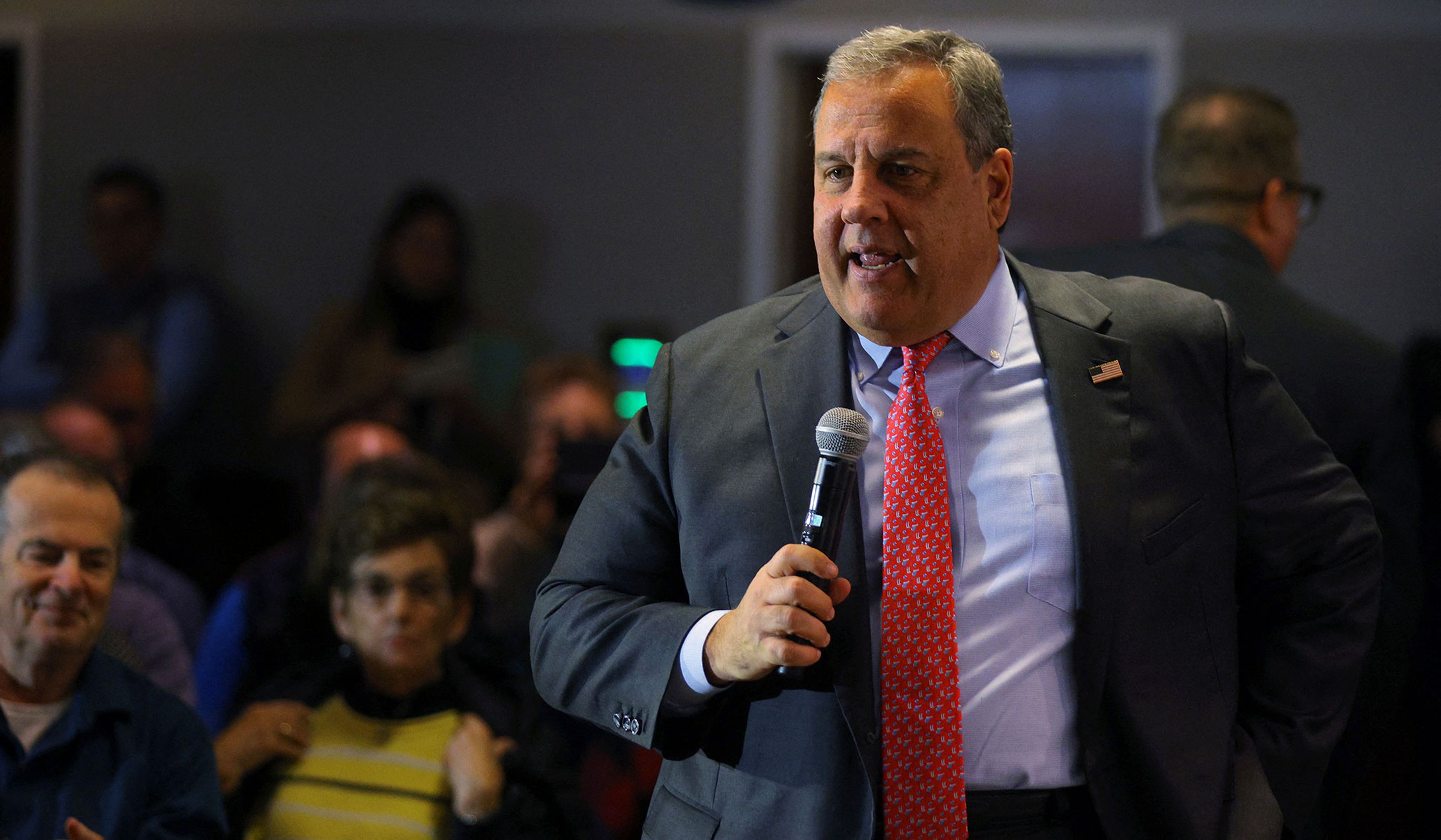
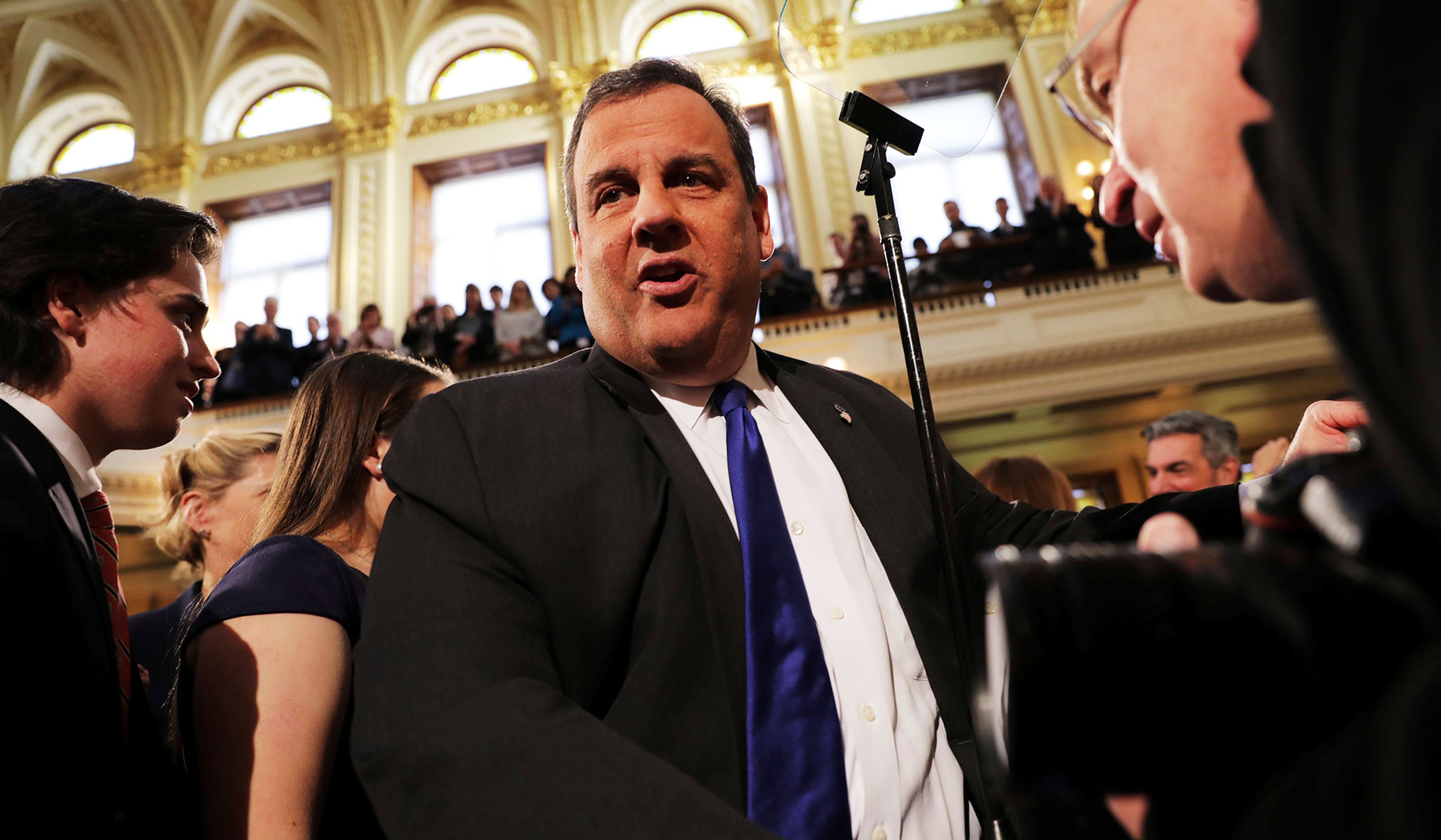
Christie and Haley each have versions of the same problem. In the 2016 campaign, Christie fatally wounded Rubio on the New Hampshire debate stage and later gave Trump a key early endorsement. He worked with Trump on the presidential transition in 2016 and helped him prepare for debates in 2020, yet he was never given a formal role in the administration. He ended up diminished in the public eye.
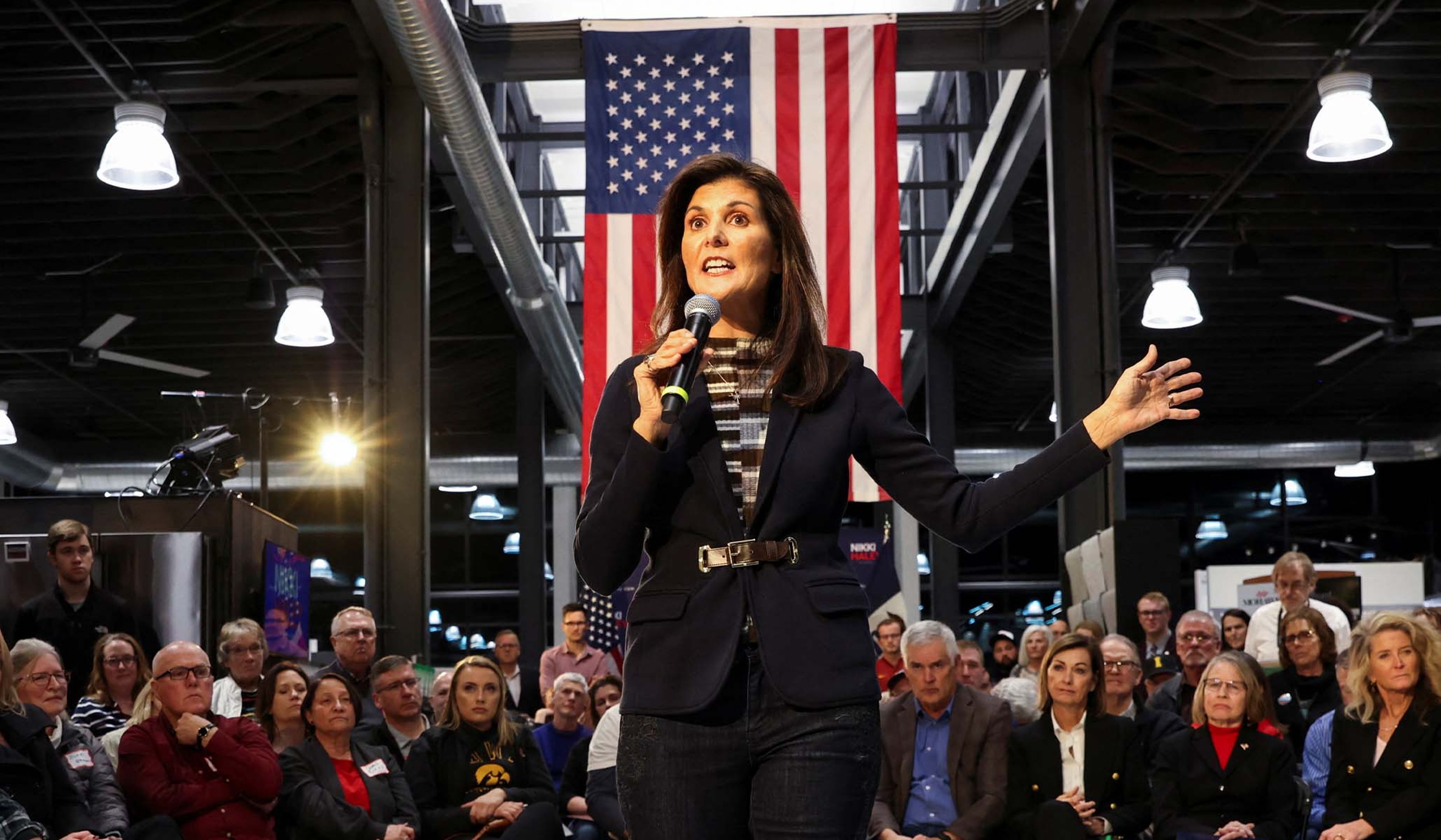
Haley, more than most people who served under Trump, seemed unscathed when she left the U.N. in 2018. Had Republicans been asked to choose a new nominee in 2018 without Trump or Pence in the field, Haley might well have been the consensus pick. But she has struggled to navigate the increasingly perilous minefield of Trump’s actions since then, and more than four years after leaving office, in an issue environment that has shifted to the pandemic and education wars, she is without a headline-grabbing platform. That Haley would be the first woman president is a political asset, but she has also tended to put too much stress on her gender. More fundamentally, while Haley is broadly popular across many factions of the party, it is difficult to see where her political base lies.
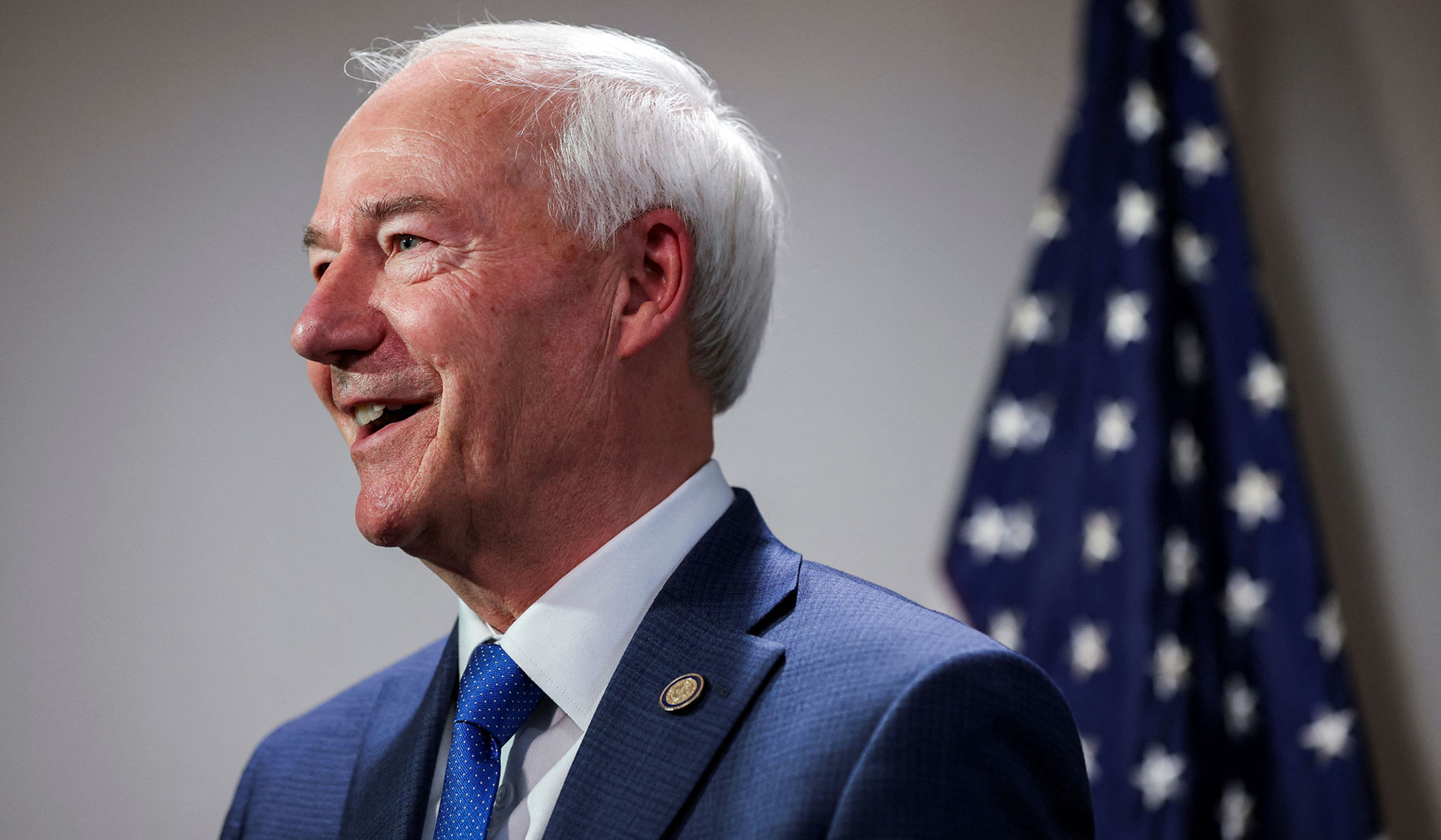
Hutchinson, a figure little known on the national stage, has that problem and then some. Like Jon Huntsman in 2012, he seems to be rebranding himself away from a mostly conservative governing record and toward mainstream-media criticisms of the party. It was in an ABC News Sunday-show interview that he announced his intention to run, not on a stage before a crowd of cheering supporters.
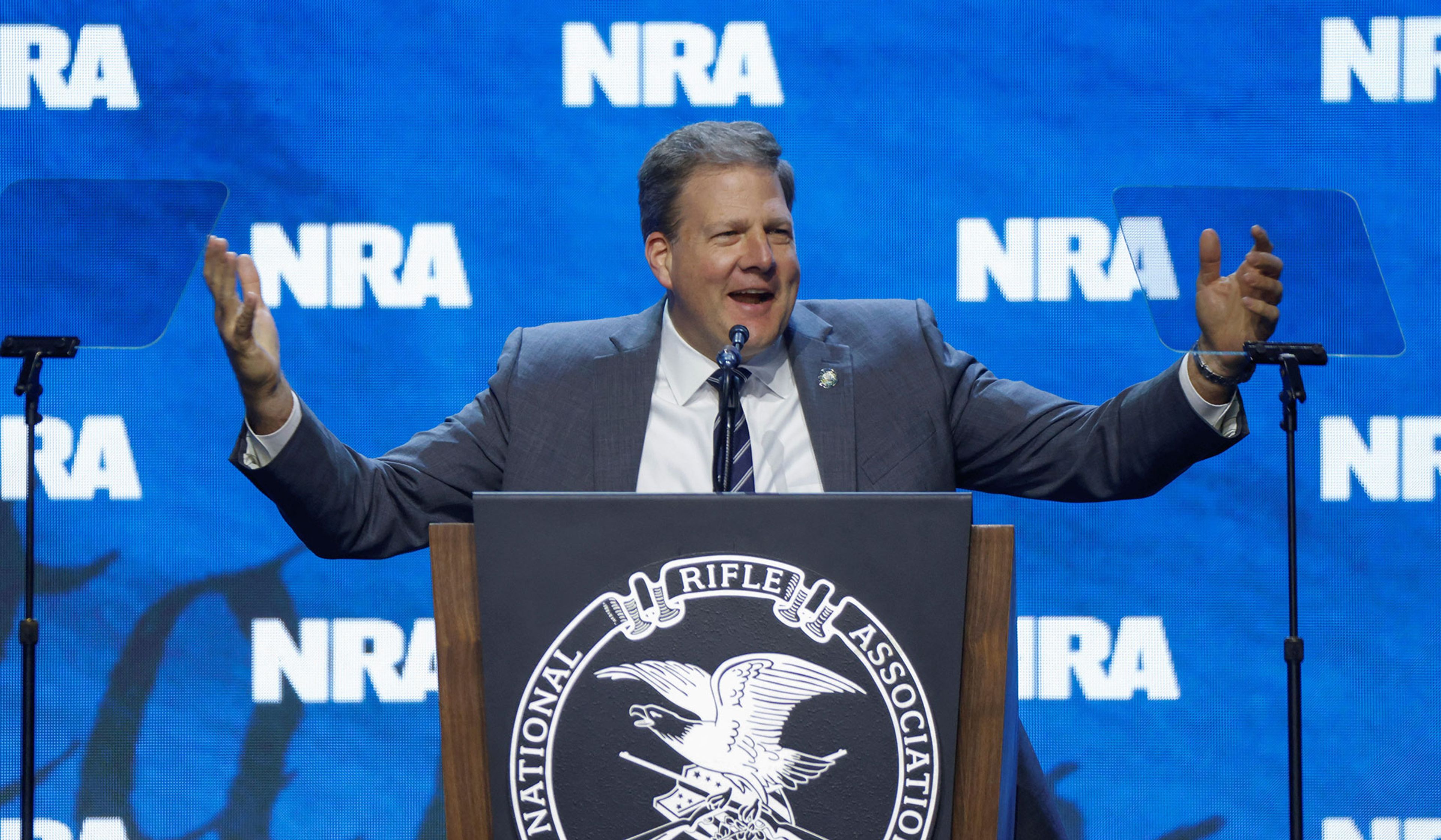
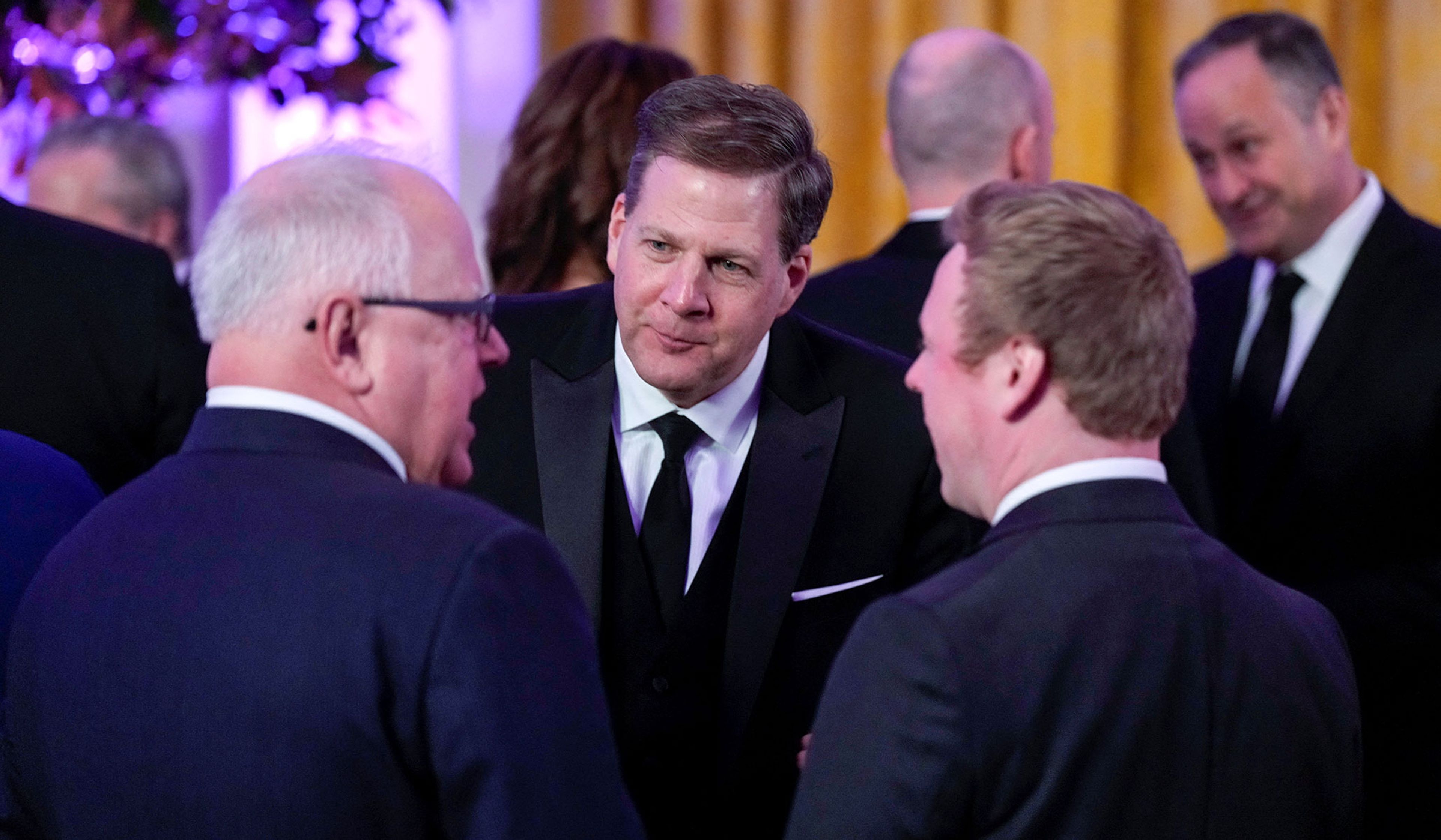
Sununu, if he runs, would be a more natural choice for genuinely moderate voters. But while there is a market for Sununu in New Hampshire, it is hard to see a path for a social moderate to be anything but a spoiler, and hard to see Sununu winning even his home state outright.
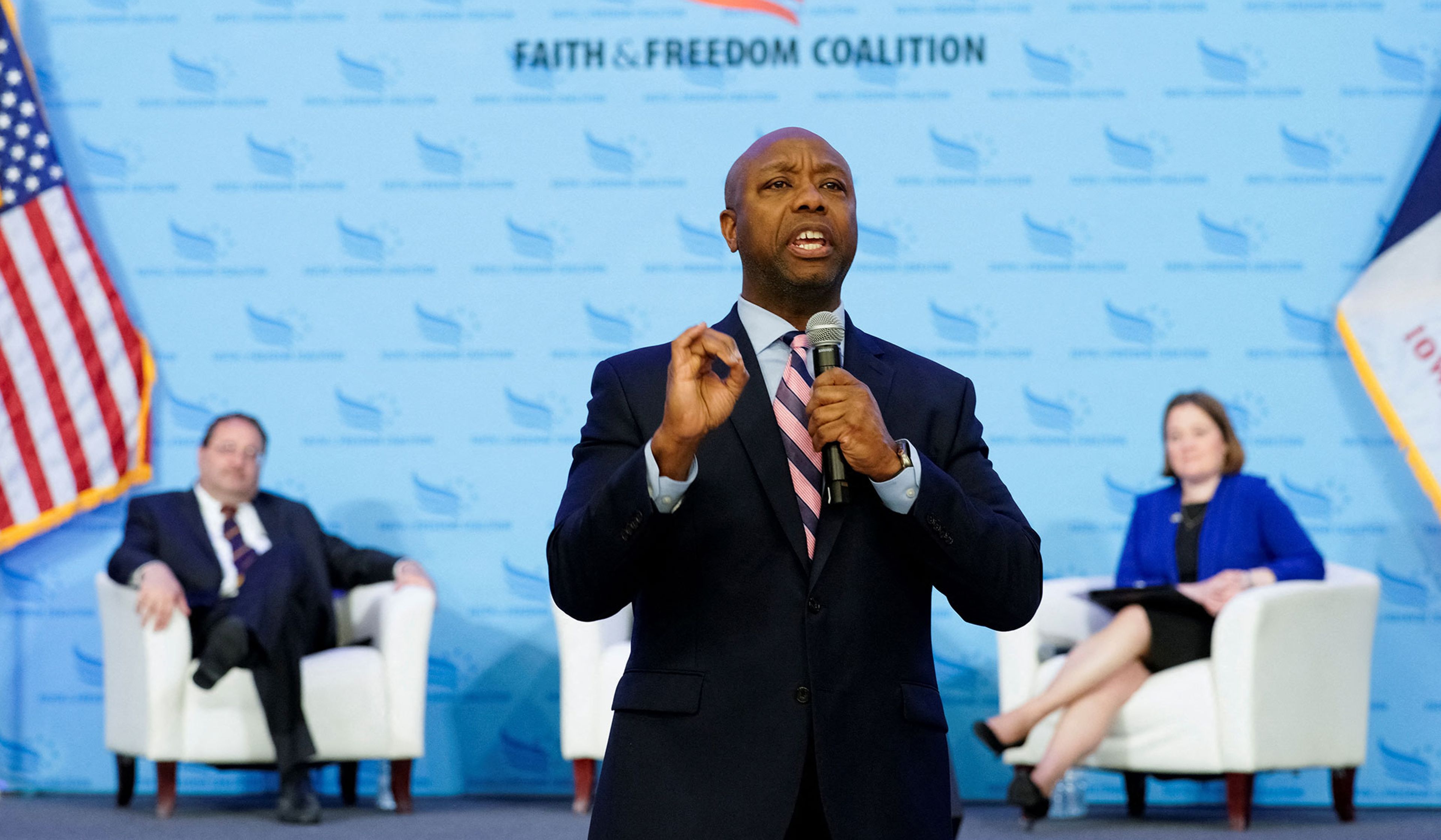
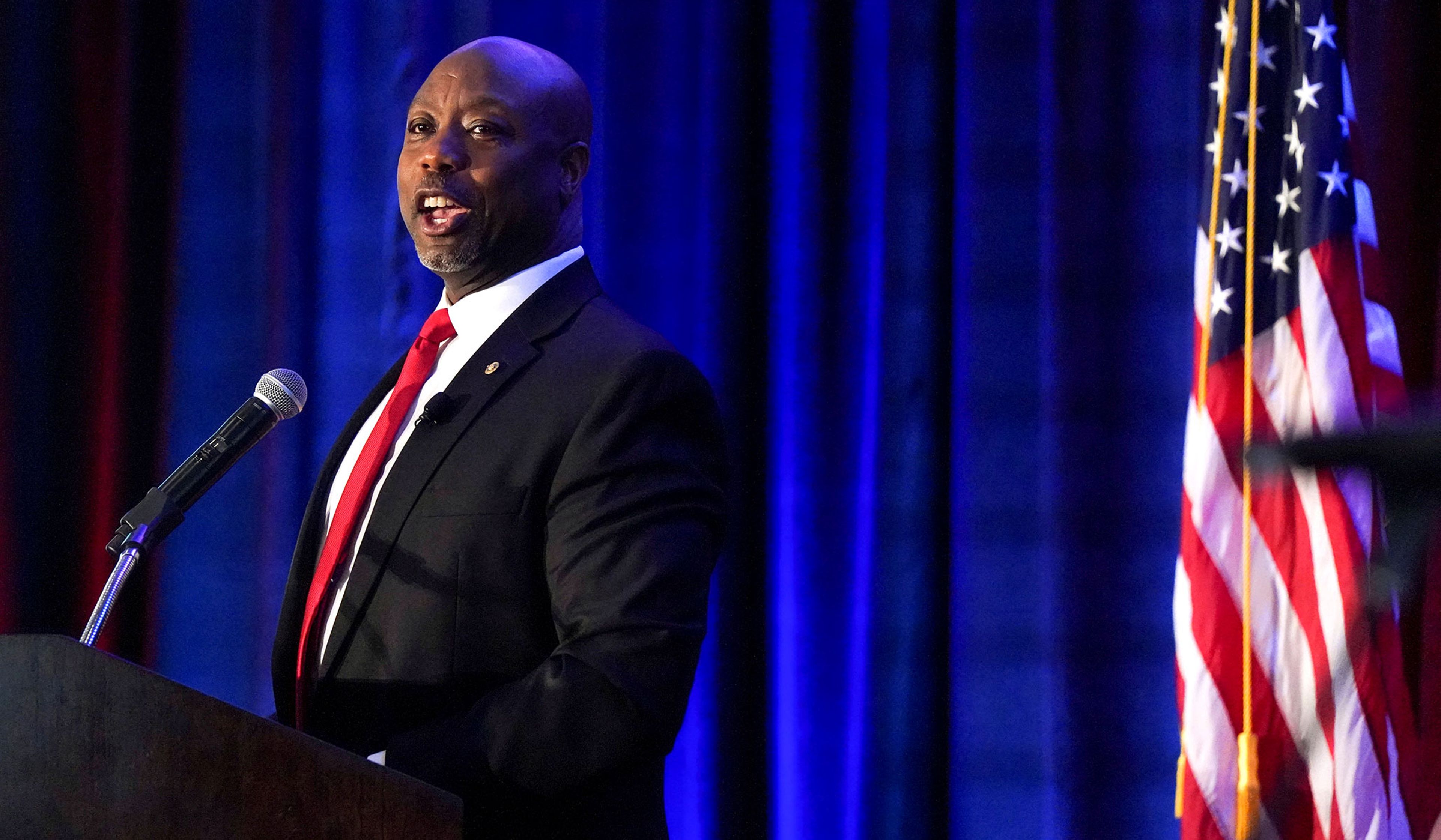
Tim Scott is perhaps the most interesting of the alternative contenders, a proven fund-raiser and the successor to Rubio as an inspirational, upbeat figure. Republican voters have a soft spot for up-by-the-bootstraps black conservatives: Ben Carson was the only candidate to briefly lead Trump in national polling in 2016. But Scott lacks signature issues and a natural base, and his aura of possibility would be diminished if he went nowhere. He might better serve the party by remaining in the Senate.
Geography is also a complicating factor. Christian conservatives in Iowa tend to unite around a champion. What if that is Pence, while New Hampshire independents rally around Sununu and South Carolina favors Haley and Scott? Trump could end up with three or four early wins (including Nevada) with little more than a third of the vote, DeSantis could easily end up the No. 2 vote-getter with nothing to show for it heading into Michigan, and the other candidates could notch moral victories with no path to Super Tuesday. DeSantis also might find Suarez to be a spoiler in Florida. We know how a divided opposition to the front-runner ended in 2016, or for that matter in 2012.
If Republicans are to be offered a real choice, the long shots will need to drop out if they don’t see a path to a win. A plague of 2016 and other past primaries has been candidates who stayed in too long, serving no purpose but to preclude conservative voters from coalescing around an alternative.
Aside from blind optimism, what is the rationale for any of these campaigns? Long shots can gain different things from a failed presidential bid. First, they can position themselves for the vice-presidential nomination. That holds no appeal for Pence, but it is possible to see Haley or Scott as a VP choice. Second, they can raise their national name recognition in hopes of running another year. Again, this may be a path for Scott or Haley. Third, they can run interference for the ultimate winner and be rewarded with a position in the administration. That didn’t work out for Christie last time; it might work for Ramaswamy, Suarez, or Elder. Fourth, they can promote a personal brand, which is particularly useful for Hutchinson or Ramaswamy. Fifth, they can duck a harder statewide bid: Sununu demurred on a 2022 Senate run against Maggie Hassan on the grounds that he would rather stay governor than go to Washington, Ramaswamy is declining to challenge Sherrod Brown in the Senate, and Elder is trying to recover from a failed effort to become governor of California.
Even with high favorability ratings and a significant share of Republican voters in his corner before launching a campaign, DeSantis will need to prove one way or another that he has a real chance to knock out the champ. The other contenders carry an even heavier burden. None of the long shots has a natural path to the nomination unless a great misfortune befalls Trump or DeSantis or both — a good argument for insurance policies, but not for a field that remains crowded for many months. Much can change at the first scheduled debate in August. But if it doesn’t, Republicans yet again may have more candidates than anyone needs.











Comments