‘Can you provide a definition for the word ‘woman’?” asked Senator Marsha Blackburn during the confirmation hearings that would decide whether Ketanji Brown Jackson would serve on the U.S. Supreme Court. In an instantly infamous exchange, Jackson hemmed and hawed — “I’m not a biologist,” she offered by way of pitiful explanation — but if, say, the great Russian choreographer George Balanchine had been on the receiving end of Senator Blackburn’s question, he would have responded without hesitation. A woman, of course, was a person to put in one of his dances.
“The ballet is a purely female thing,” Balanchine, who co-founded New York City Ballet in 1948 and was its artistic director up to his death in 1983, wrote in a 1965 article in Life magazine. “It is a woman, a garden of beautiful flowers, and man is the gardener.” Balanchine, all of whose four marriages were to ballerinas, added, “I believe the same is true of life, that everything man does he does for his ideal woman. You live only one life and you believe in something and I believe in a little thing like that.”
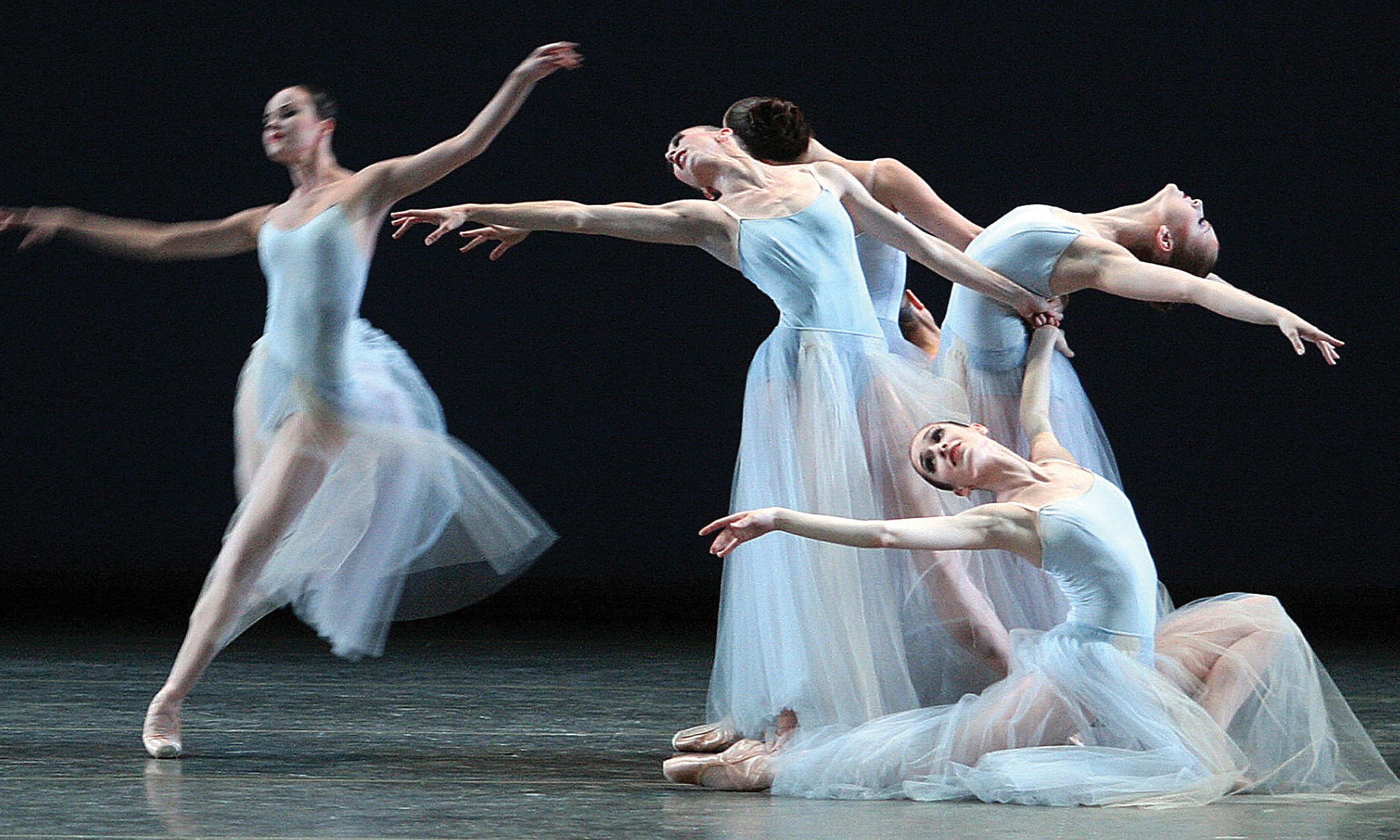
In 1934, just a year after Balanchine, at the behest of his benefactor Lincoln Kirstein, settled in New York and, with Kirstein, co-founded a ballet school that prepared the way for what became New York City Ballet, the choreographer created an early masterpiece that featured, during any given performance, a multitude of his “ideal women.” From the tranquil dignity of the famous opening image — 17 motionless ballerinas, each with her right arm outstretched and palm turned outward, positioned in a pattern resembling a figure 8 — to the sometimes exuberant, sometimes doleful dancing that follows, Serenade captures better than any ballet Balanchine made before or after his appreciation for femininity. This strikingly unembellished ballet, which tells no easily discernible story, features only the vaguest of “characters,” and includes no scenery, starkly yet poetically focuses the spectator’s attention on the female form: its precision, its strength, its fragility, and, finally, its nobility.
“The truth is that there has never been a more beautiful ballet than Serenade, and there has never been a ballet that so brazenly declared the beauty, the power, of women — and the trials that make them so,” writes Toni Bentley in Serenade: A Balanchine Story, her brilliant new book-length meditation on Balanchine’s greatest ballet. Bentley is a former New York City Ballet dancer who worked under Balanchine in the 1970s and ’80s, appeared in productions of Serenade, and, after arthritis in her right hip brought the curtain down on her career at age 27, became a widely published arts writer with a singularly insightful perspective on dance.
Bentley covers everything the reader would ever wish to know about the ballet, from its inception to its rocky first performance to its ascension to the status of one of Balanchine’s most beloved works. The book pauses for biographical sketches of Balanchine himself; of Pyotr Ilyich Tchaikovsky, whose Serenade for Strings in C Major, Op. 48, provides the stirring musical score for Serenade; of the Russian ballet eminence Marius Petipa; as well as of lesser-known figures, such as John Taras, the longtime assistant ballet master at New York City Ballet, whose diagrams of the action in Serenade, several of which are reproduced here, help illustrate the geometric complexity of the work. Threaded throughout the narrative is a virtually scene-by-scene breakdown of the ballet. (“After one minute and five seconds of Tschaikovsky’s strings, we are still palms up to the lunar light . . .”)
Yet the book is ultimately far more interesting than just another cultural history: With her rare combination of access to Balanchine and her genuine literary ability — “Ah, the writer,” the choreographer said to her, from his deathbed, during their last meeting — Bentley incorporates innumerable personal details about her own life and career as well as an unusually intimate perspective that illuminates the work, the man who made it, and the women who danced it. “In its portraits of women — its glorious, untethered women who display such tenderness, such vulnerability, and yet are propelled by a ferocious independence — lie[s] a vision so clear as to render Serenade his autobiography,” Bentley writes, in a typical passage.
This much is sure: In terms of sheer numbers, Serenade unambiguously demonstrates that its maker favored the fairer sex. A total of 20 female dancers dash and dart throughout the ballet, while just a handful of male dancers turn up, largely to support the women. “Placing us all onstage, alone together, he freed us from male instigation and interference,” Bentley writes. “Men come — though mainly go — in Serenade, but they are transient, neither our raison d’être nor the determinators of our fate.”
To some ears, these and other of Bentley’s pronouncements might sound uncomfortably like an attempt to impose a 21st-century feminist agenda on an Old World figure — Balanchine was born in Russia in 1904 and, as Bentley writes, experienced both the splendor of the last days of the czars and the deprivations following the revolution — but, happily, Bentley is not only a sensitive, exacting writer but one seemingly unmoved by the pressures of political correctness. For example, she displays little interest in challenging the gender norms that govern what remains, even in our current confused cultural environment, the most traditional of art forms in its presentation of how the two sexes relate to each other.
Bentley is at ease with the traditional ballet-world practice of referring to ballerinas as “girls” during rehearsals and “ladies” when onstage. “We are unconcerned with words, much less semantics — physical manifestation is our sole interest,” Bentley writes, and, recalling the period when she herself was dancing in Serenade, adds, “Besides, we are girls. I am not yet twenty.” Later, she writes with affectionate appreciation of Balanchine’s preference for female dancers who wore their hair long, as did, in time, those cast in later productions of Serenade. (Earlier performances featured women wearing their hair in buns or French twists.) “A woman’s soft, long hair denoted the intimacy of the erotic, the vulnerability of the bedroom, though, of course, he never said as much,” she writes.
In fact, throughout the book Bentley advances an argument subtler and more sophisticated than her cursory comment that Serenade “freed” women from men: Though the ballet demonstrably loosed ballerinas from male partners and the other clunky accoutrements with which they were encumbered in earlier warhorses such as Giselle — “Balanchine looked at women dancers and found that we were more than enough, so he dispensed with wings, veils, princes, cads, mothers, fiancés, and pending nuptials,” Bentley writes — it was still a ballet dreamed up, and executed, by a man. “Our individual ambitions subsumed in our far larger common goal: to dance Balanchine’s ballets as he wanted them,” she writes. “It was his vision for ourselves, individually and together, to which we were devoted. Devoutly devoted.”
What’s more, Bentley understands in her bones that ballet is predicated on the rather martial values of discipline, repetition, control, and fidelity to the steps envisioned by the choreographer. Uninhibited self-expression is not tolerated. “The language of classical ballet, an entirely new language indicating very precise — very precise — positions, movements, and modes of execution,” Bentley writes, is altogether distinct from the “swaying and jumping and stepping that human beings have so joyously, so naturally, done since Adam and Eve sashayed about, one assumes, in the Garden of Eden.” You might say, then, that Serenade is a man’s vision of women’s emancipation, and Bentley is unusually attuned to the unusual intimacy inherent in any dancer–choreographer partnership.
For example, Bentley recalls an almost overwhelming moment of spiritual contact and physical closeness that took place during that last meeting with Balanchine before his death at age 79 in 1983. He reached for her left hand, then her wrist, then her forearm, elbow, left shoulder, right shoulder, and then back down to her right hand — “a symmetrical surveillance,” she writes, with grace and gratitude. “Never has anyone touched me with such gentle deliberation as Mr. B did on his deathbed that day,” she continues. “In what was likely only a minute in clock time, he made, in his dying grace, an invisible girl feel visible — one final adjustment.”
It’s Bentley’s personal voice that makes this book consistently engaging, and her enthusiasm is catching. At times, she overshares — as in a long, mostly comic account of being seduced by a lothario in the ranks of New York City Ballet after she had inadvertently called attention to herself onstage with a major mistake during a performance of Serenade — and at other times, she seems to be the vessel for some vague ballet-world score-settling likely to be incomprehensible to the average reader, as when she describes Jerome Robbins, Balanchine’s colleague at City Ballet and the choreographer of, among other works, West Side Story, as “a second-, if not third-rate, artist — and man — beside Balanchine,” adding, “Unlike the world at large, we all knew it.” It’s the excessive “if not third-rate” that diminishes her credibility in this instance.
Yet, by and large, Bentley’s closeness to Balanchine gives her, perhaps counterintuitively, a measure of humility about the limits of her insights. For example, she ponders for pages why he asked the 17 ballerinas at the opening to raise their right arms and turn their palms outward. Was the image a reference by the super-patriotic Balanchine to the Statue of Liberty? (“He was conservative, Republican,” Bentley notes of her mentor.) She considers the idea but judges it too sentimental. Kirstein wrote in a diary entry that the ballet was “a hymn to ward off sin,” though Bentley’s scrutiny of his handwriting casts ambiguity on the last word — could he merely have written that it was “a hymn to ward off the sun”? Finally, she considers the notion that the memorable image was intended as a rebuke to the Nazi salute. “Did Balanchine, in fact, intend to appropriate Hitler’s choreography of fascism and hate and reshape it, convert it, into one of beauty and freedom?”
Of course, neither we nor Bentley will ever really know, but this book is written from the heart as much as the head. At one point, she writes that all of Balanchine’s ballerinas carried on “a full-blown romance — conscious or not — with this man, the kind only young girls can have: unconsummated, consuming, life-changing, and one-sided.” Bentley is no longer a young girl, but her love for Balanchine has remained true, and with this splendid account, she has honored an incomparable artistic romance.
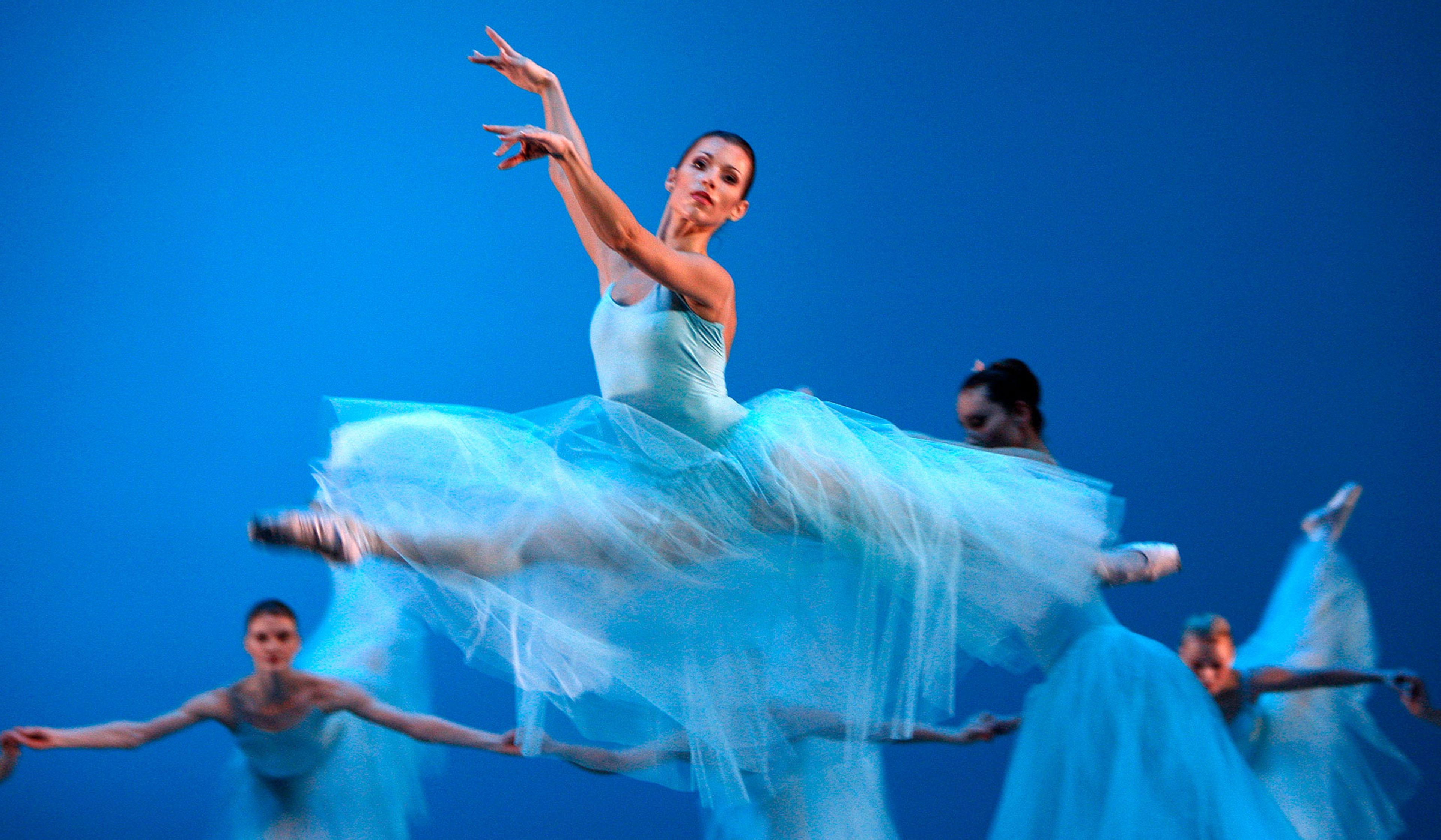
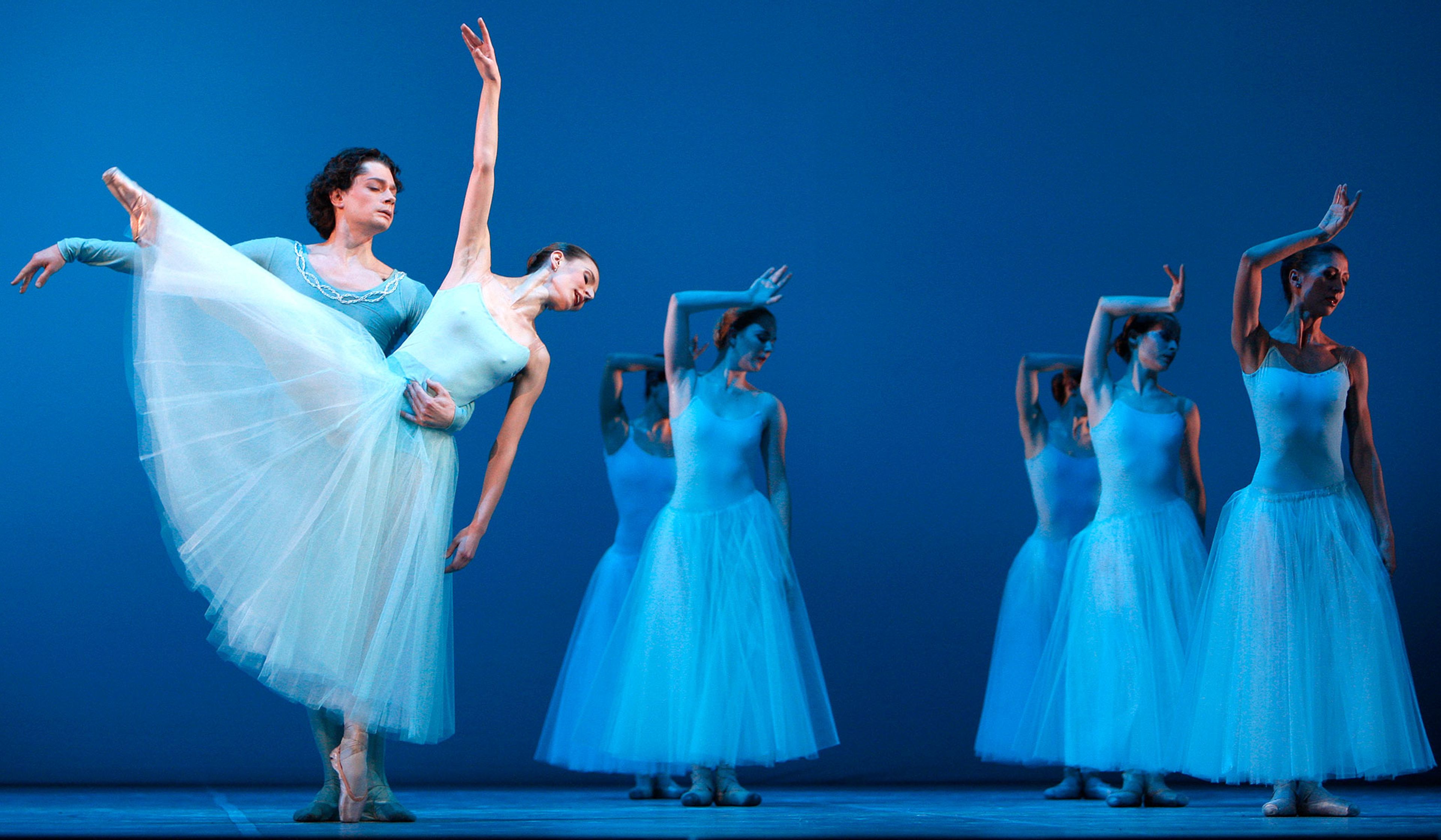
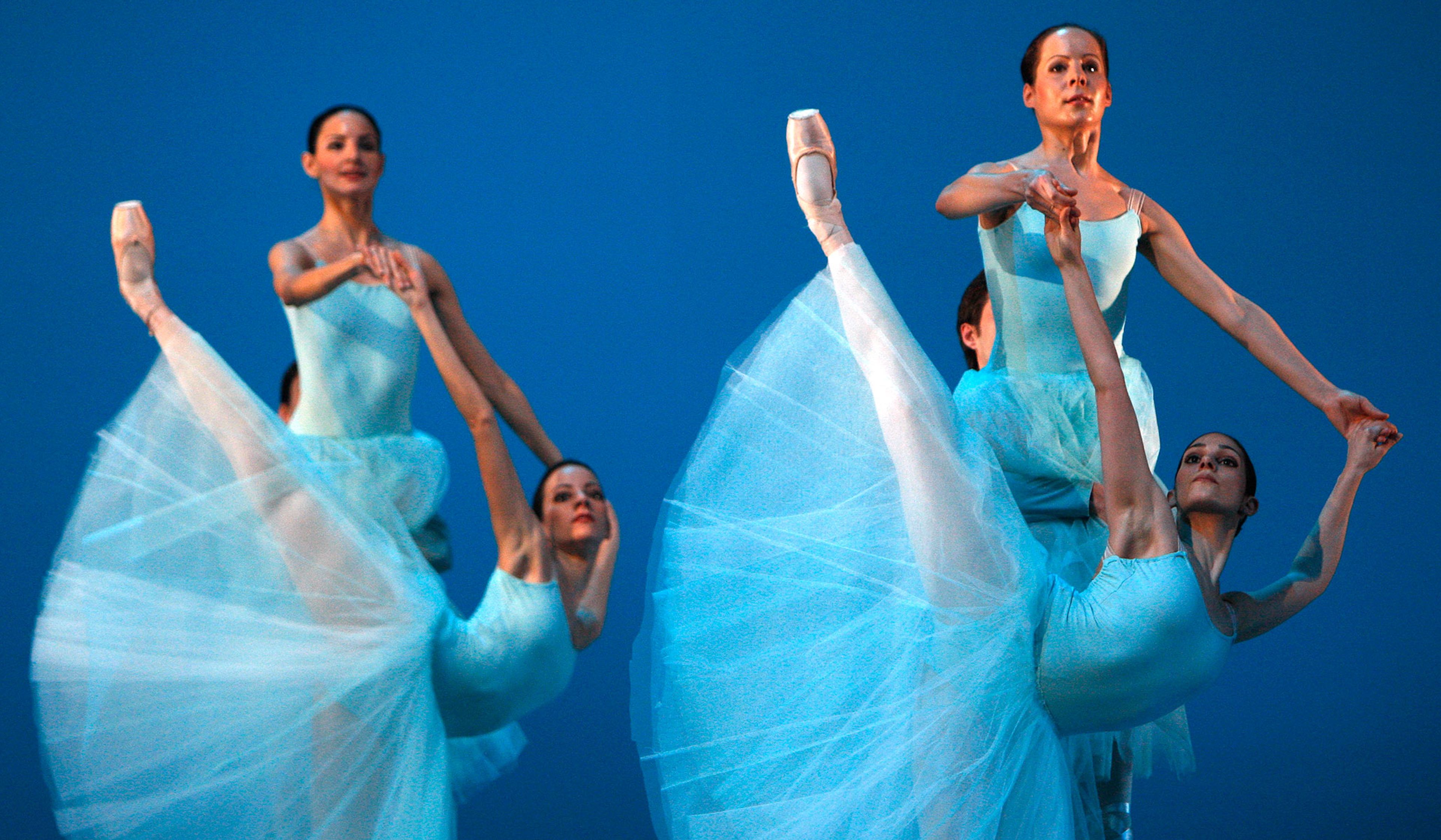
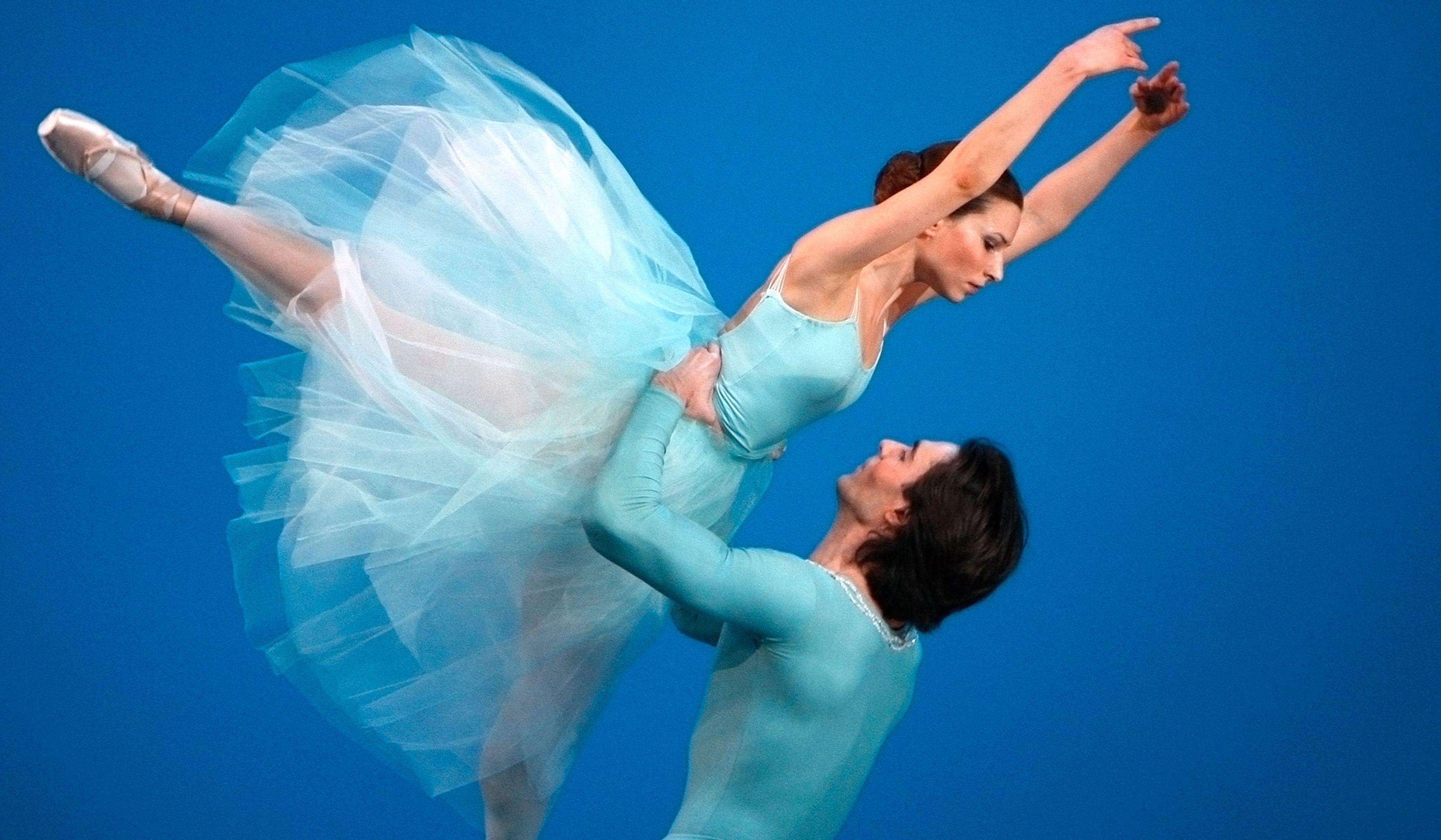
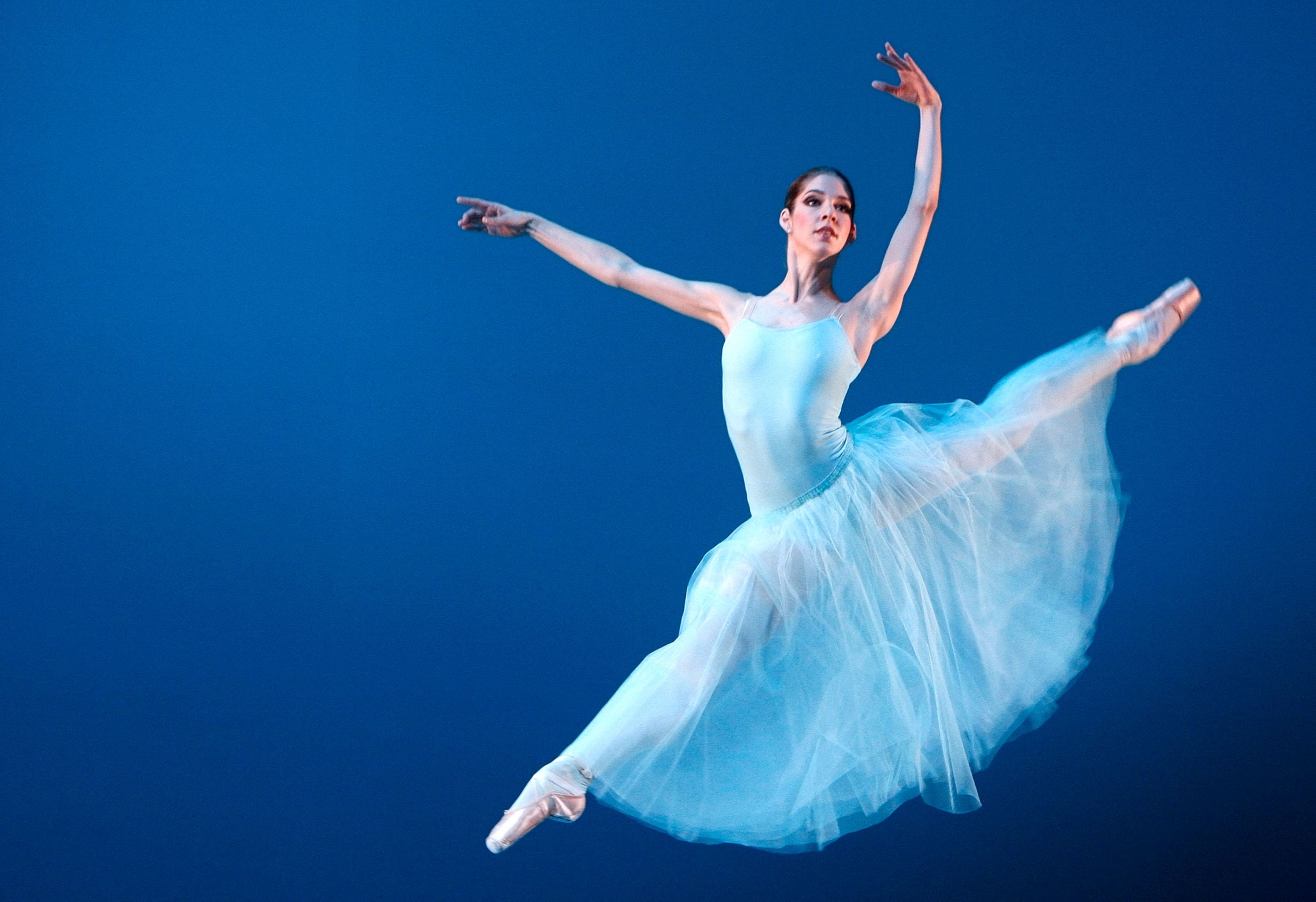
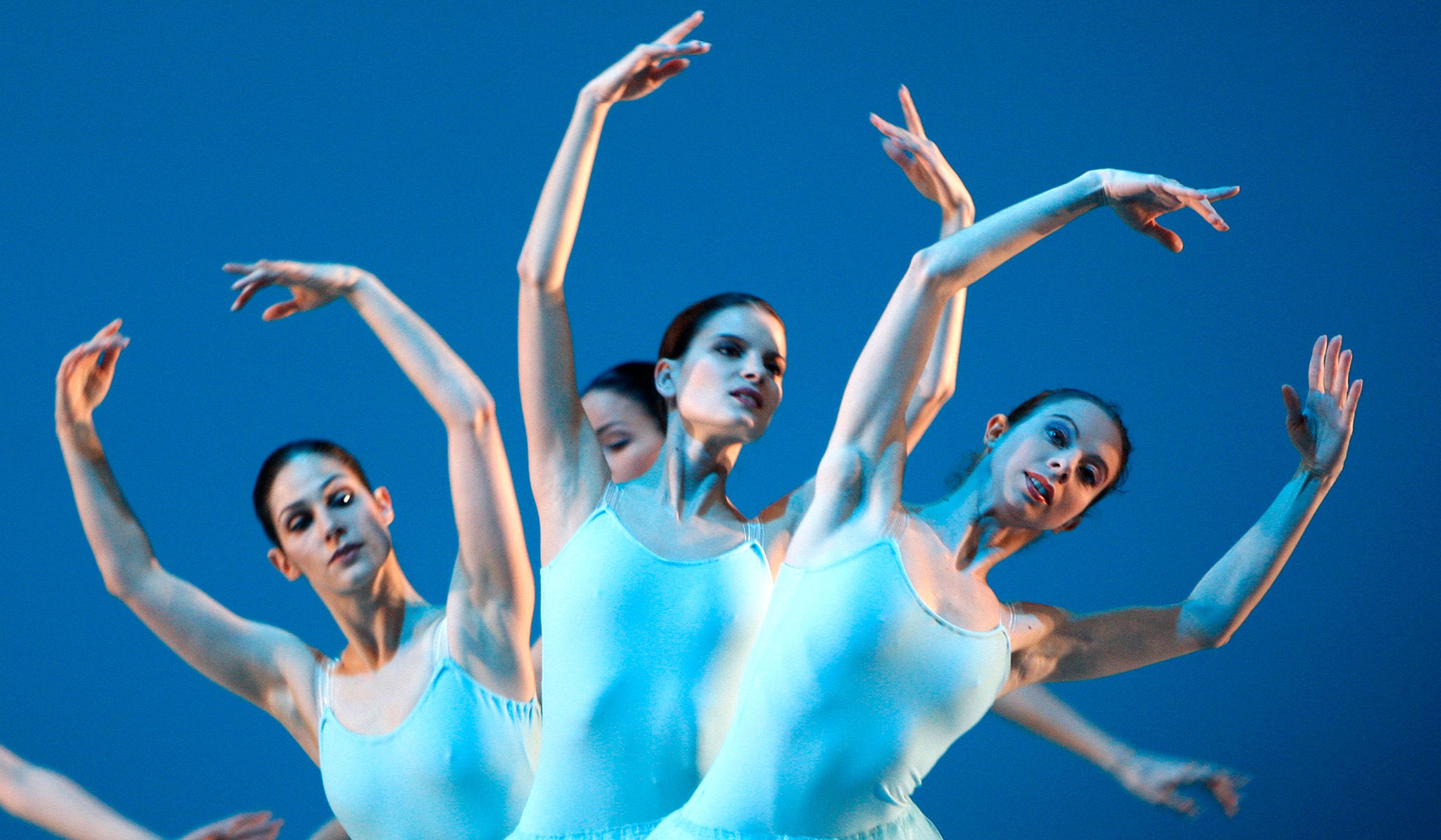
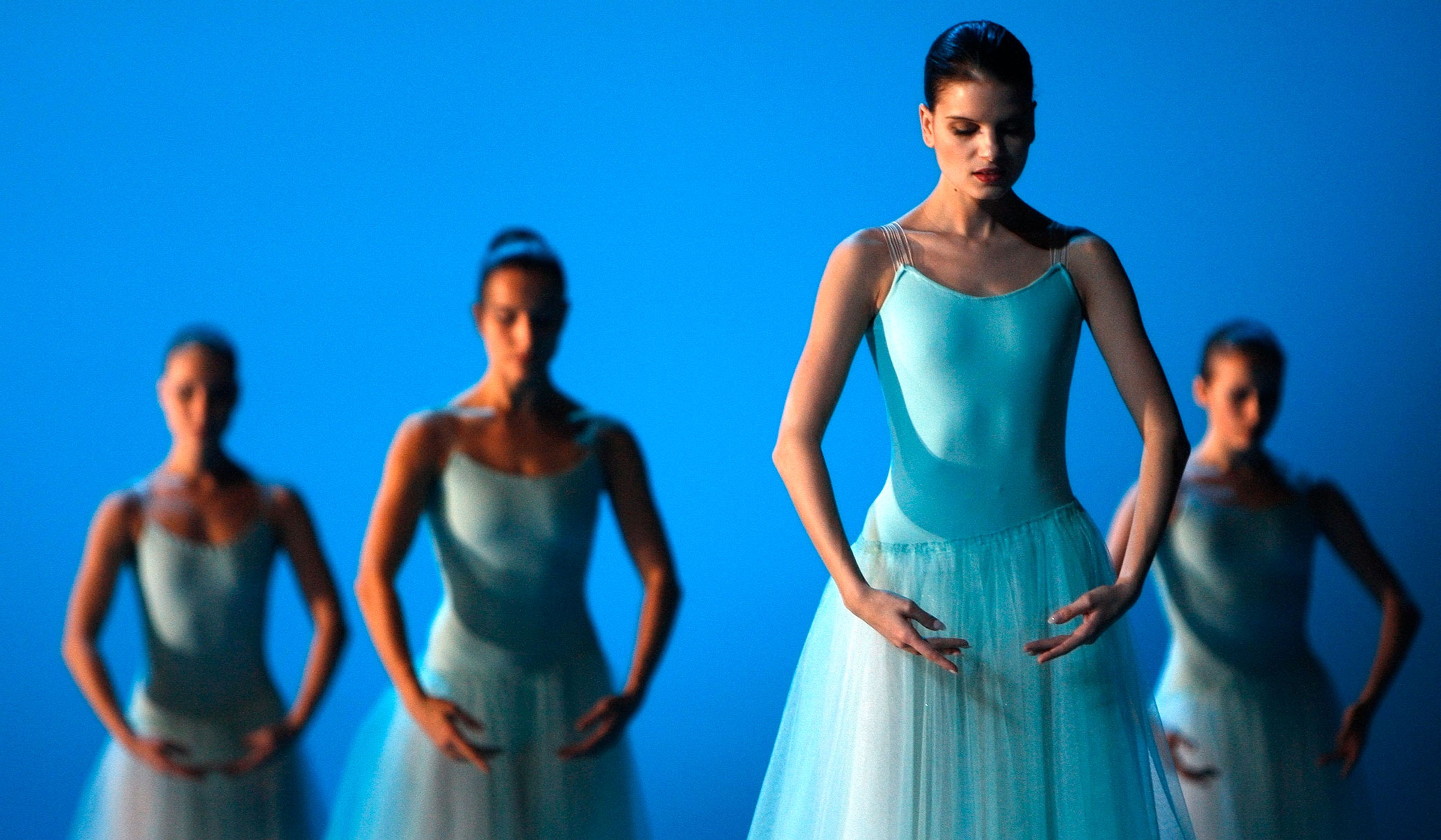
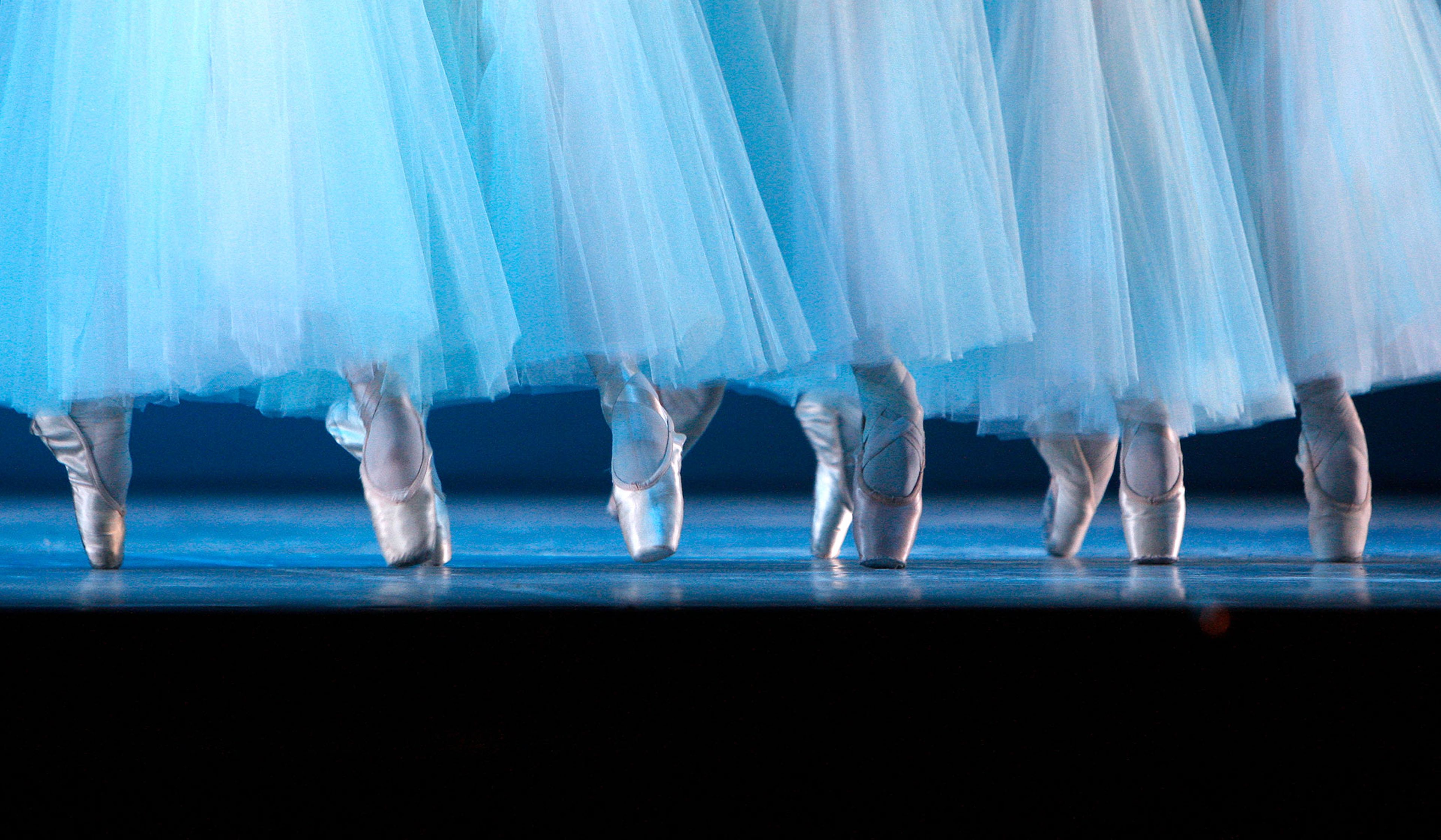
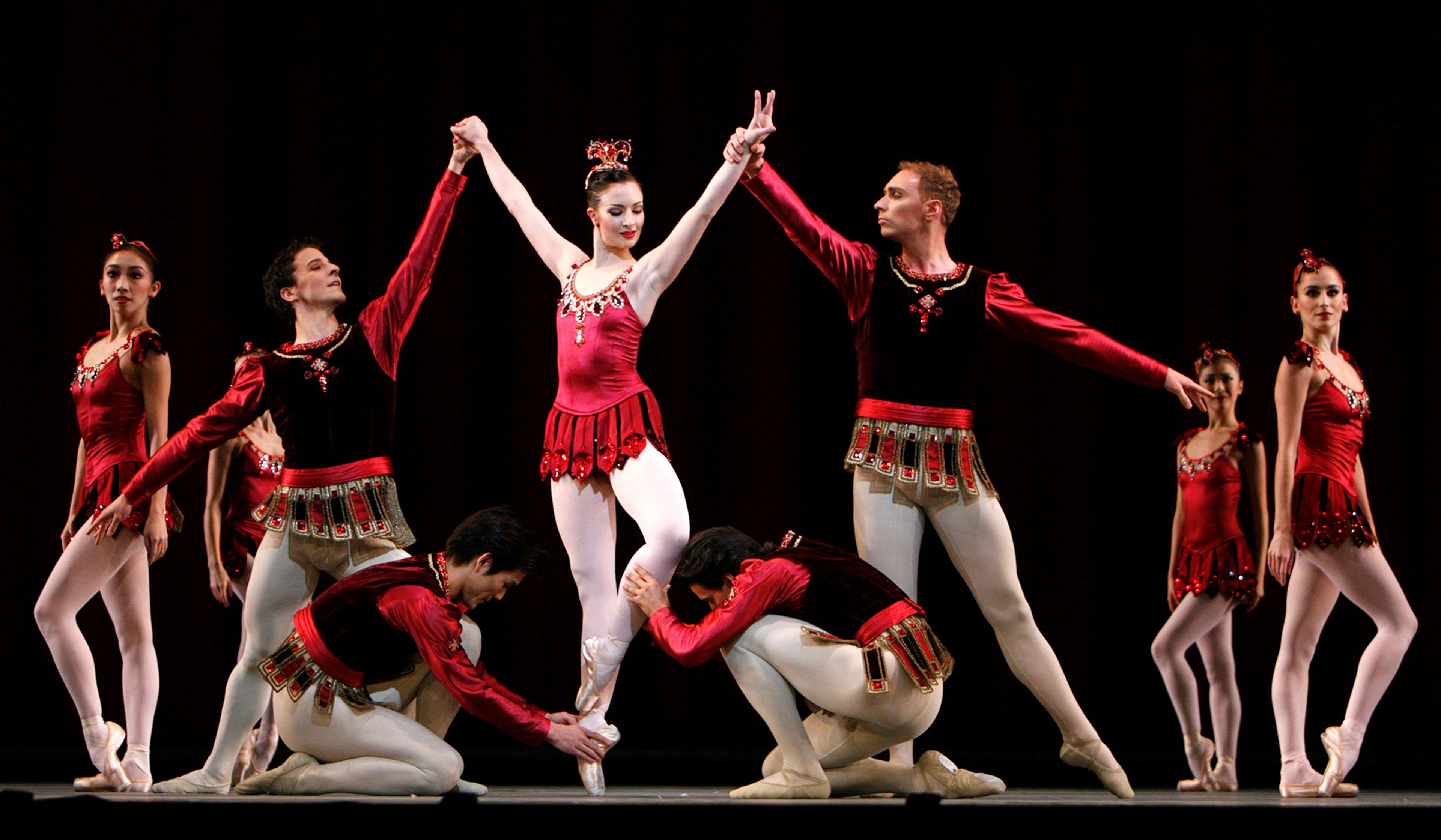
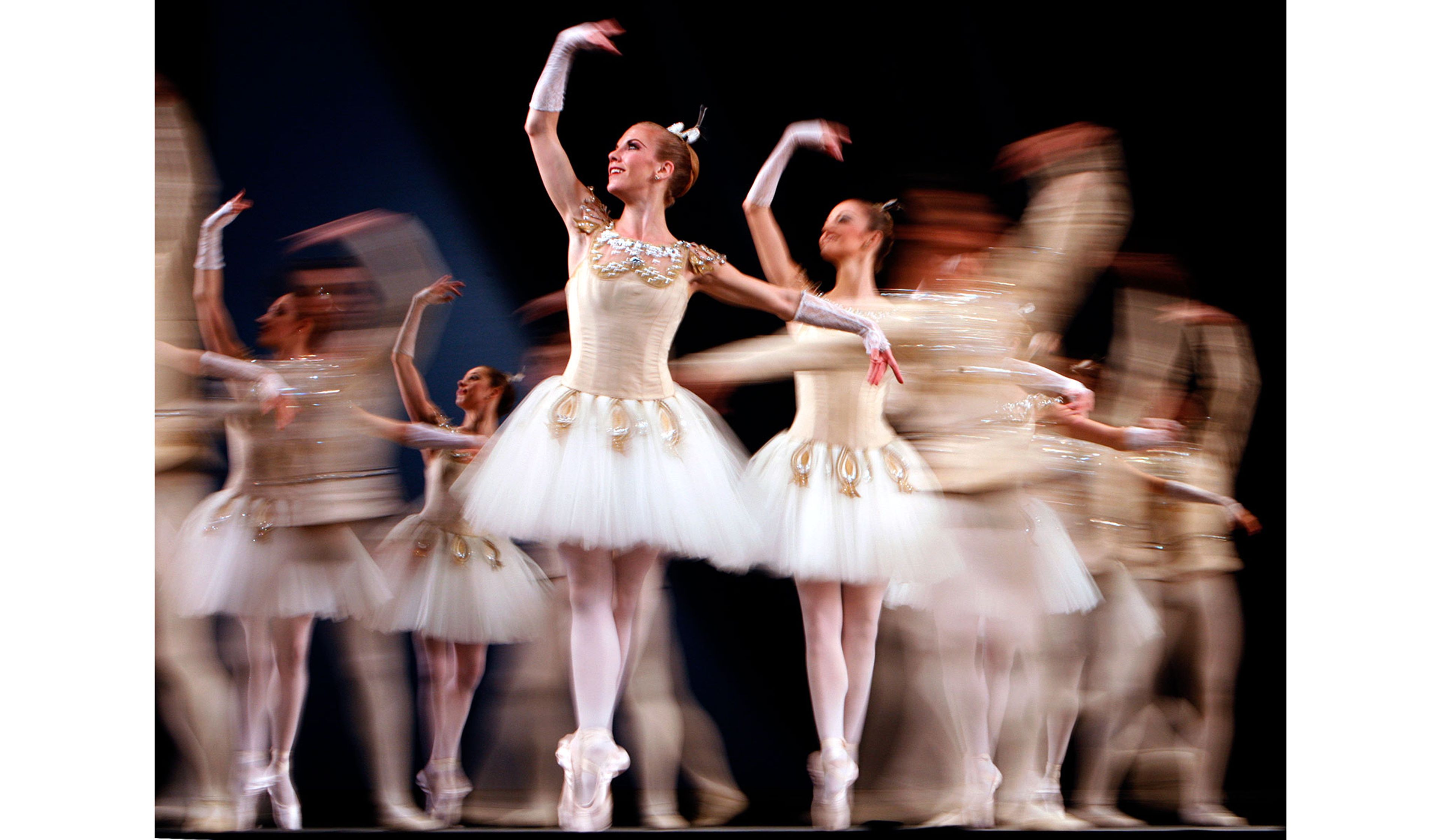
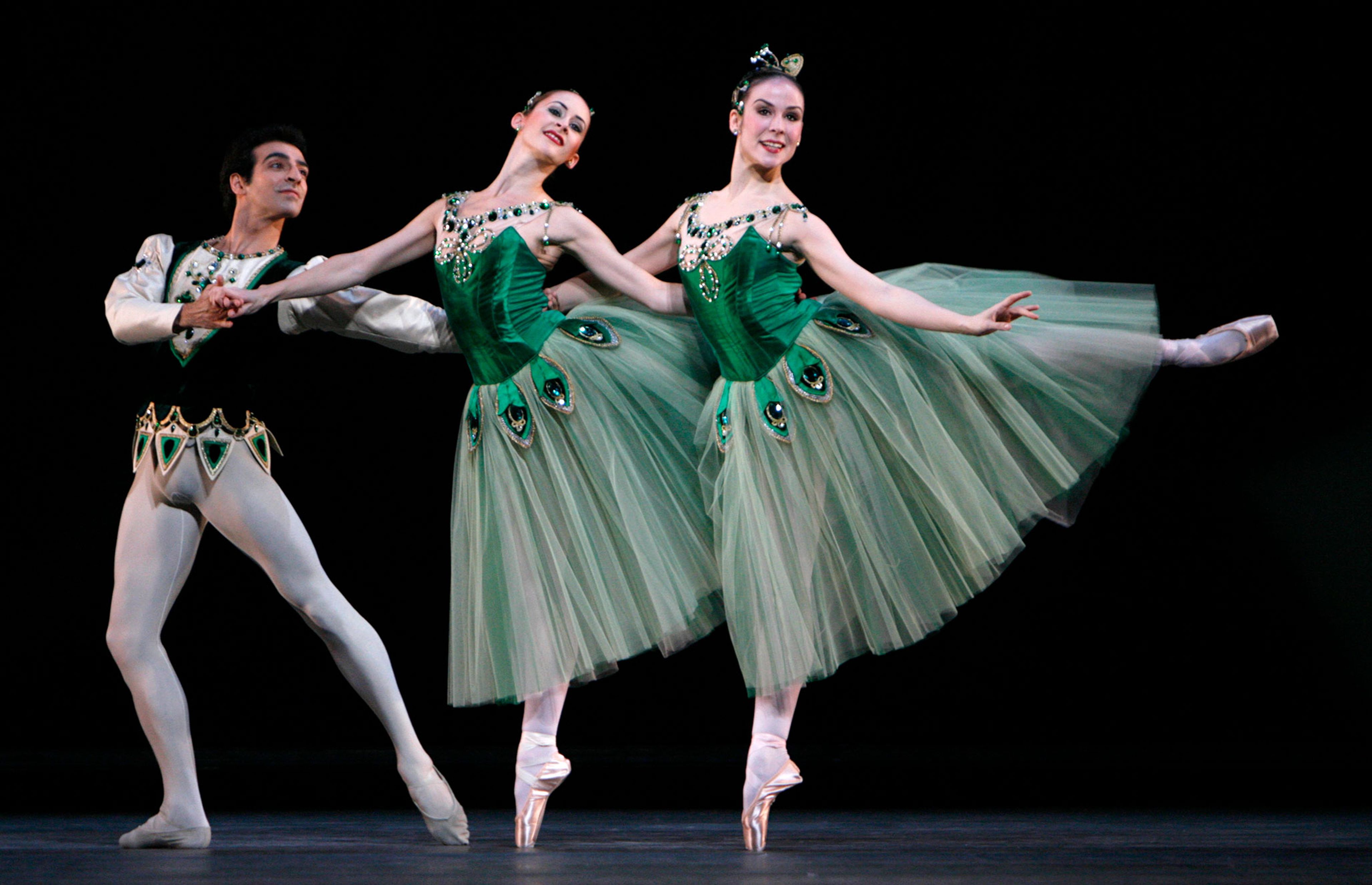
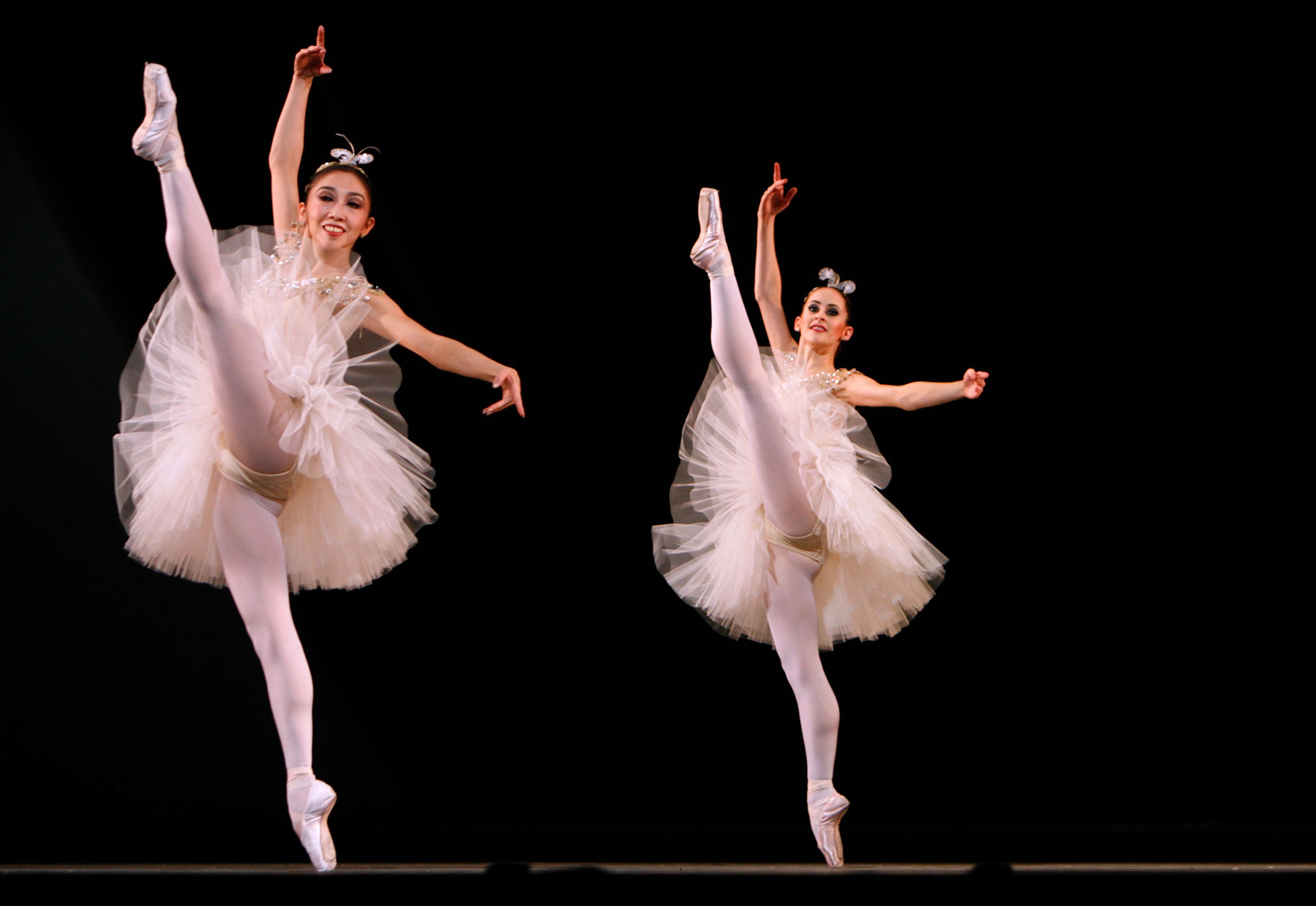
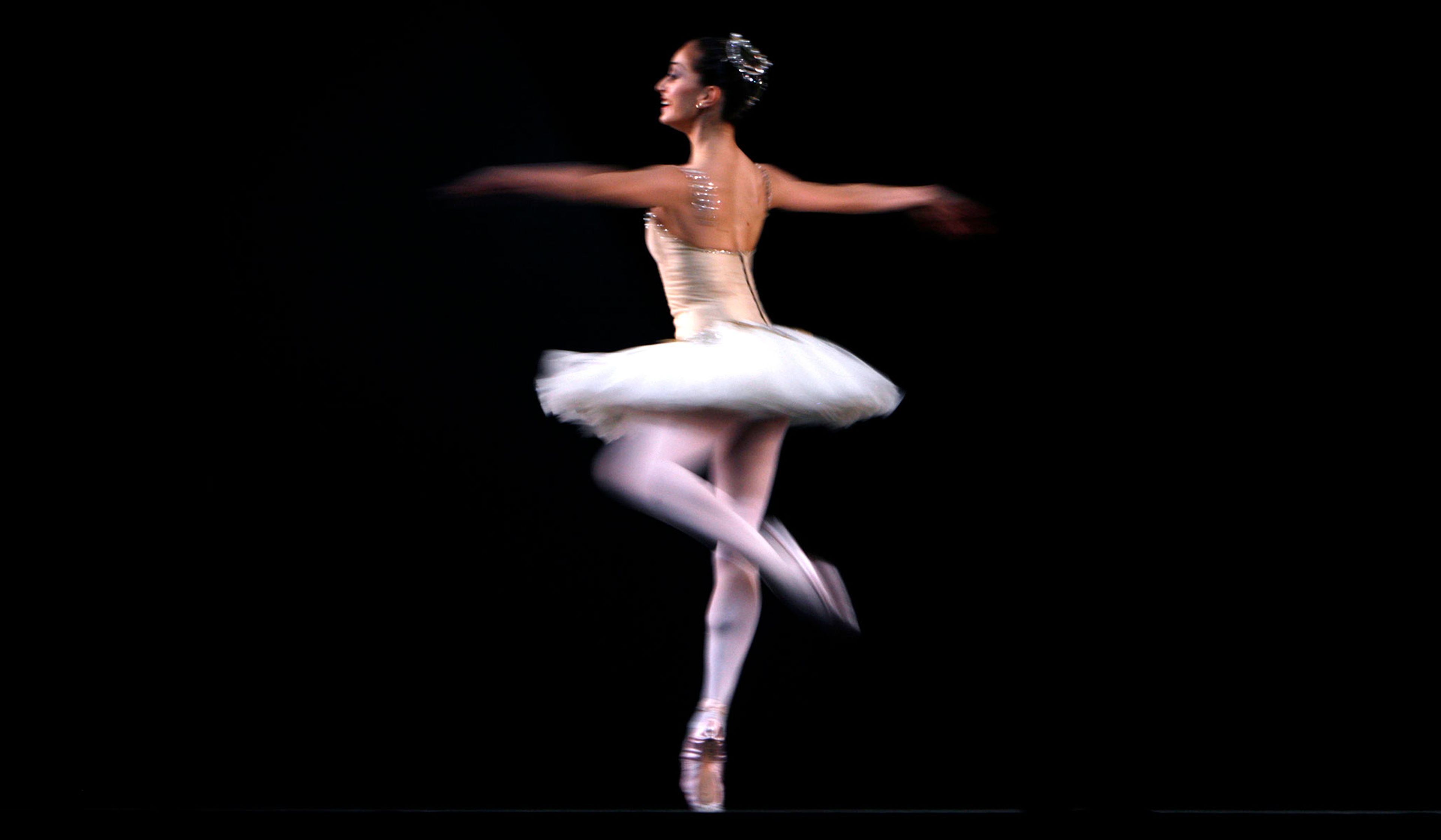
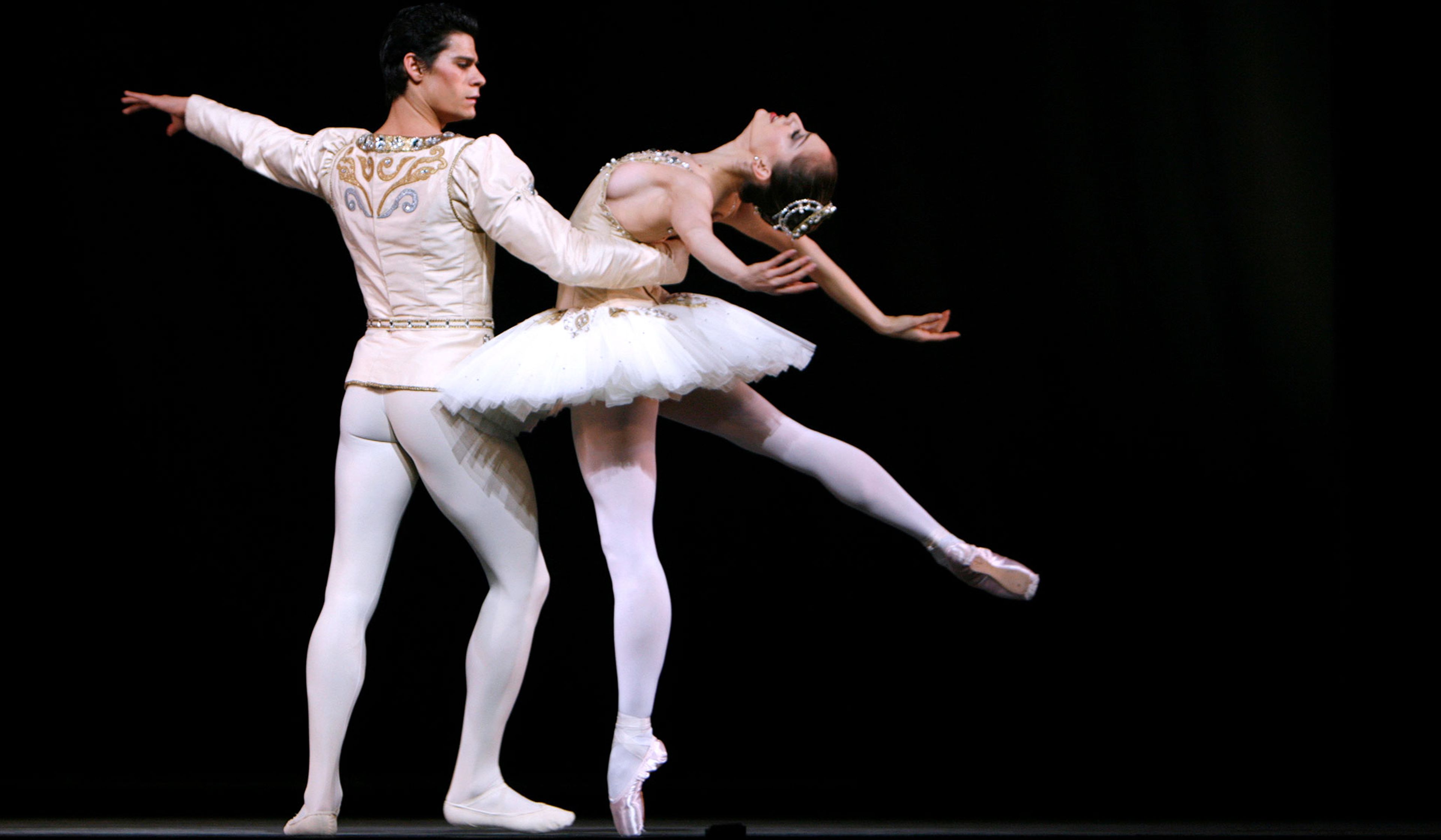
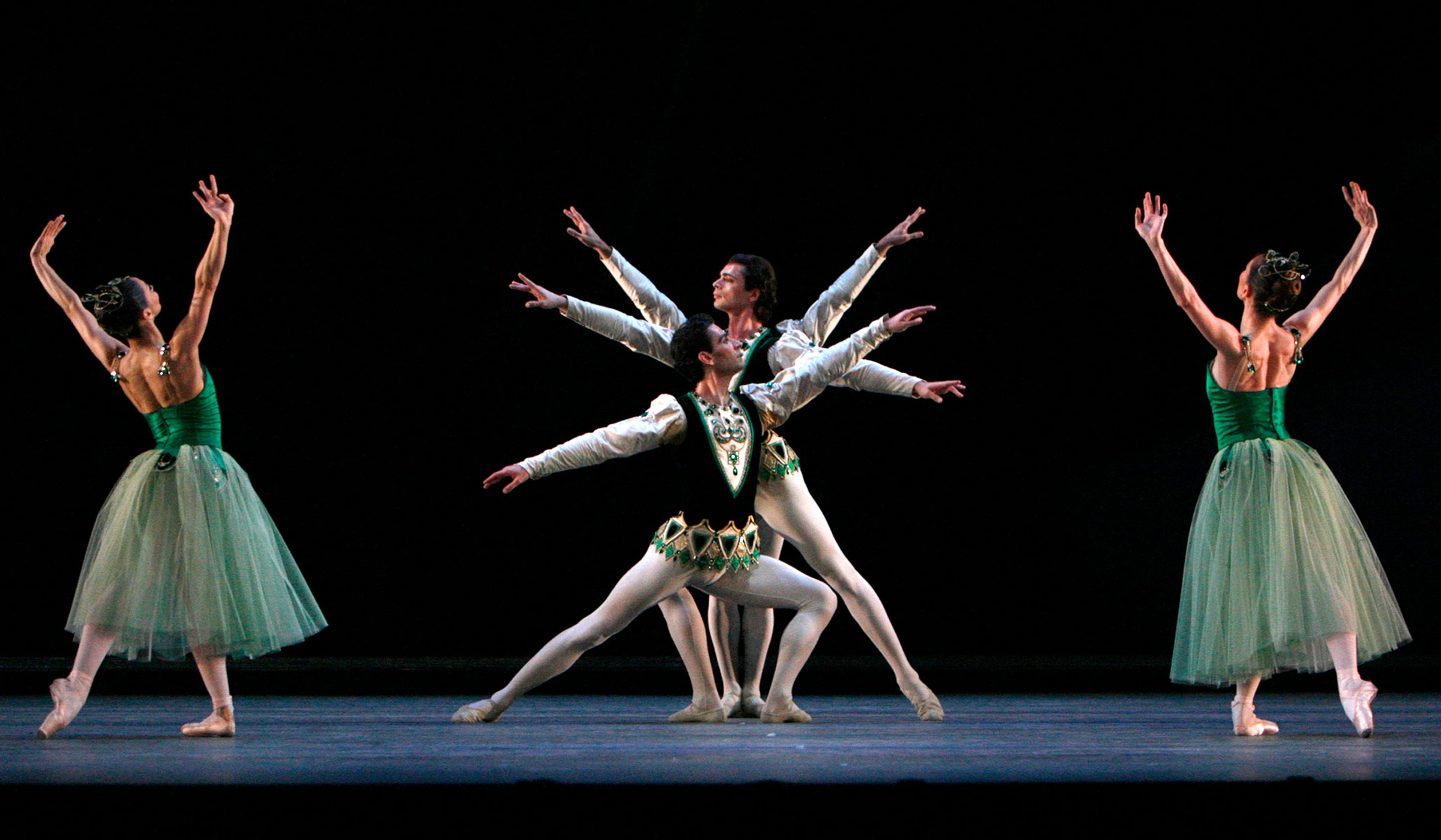
Ballet dancers perform Tschaikovsky’s Serenade based on a choreography by George Balanchine at Budapest’s State Opera in Budapest, Hungary, 2009.
Laszlo Balogh/Reuters












Comments