Across more than 40 years of Star Trek — the five television incarnations, the eleven motion pictures, the galaxy knows how many novels — there have been few sequences as arresting as the opening moments of this spring’s J. J. Abrams big-screen reboot.
A small starship, the USS Kelvin, glides through deep space to an encounter with a vast and terrifying vessel. The Kelvin is sleek and white, a miniature of the familiar Enterprise; the intruder is an immensity of interwoven steel and shadow, like a space-born thornbush or a tangle of interlocking scimitars.
In a matter of moments, the smaller ship is attacked and disabled, its captain is captured and murdered, and a young officer named Kirk takes the helm and orders an evacuation. One of the evacuees is his wife, pregnant and on the verge of delivery. As she’s rushed to a shuttlecraft, her husband clears the bridge and steers his wounded craft toward the enemy’s maw. The shuttles leap away, and a communications channel knits the doomed commander to his sobbing, laboring wife. “Name him Jim,” he tells her, just before the Kelvin collides with the enemy ship — and the last thing we see before the score swells and the familiar Star Trek logo sweeps across the screen is a long shot of the dark vessel engulfed in flame from the collision, and the shuttles, like a flock of swans, floating to safety across the sweep of stars.
If only the film that followed lived up to this kick-off. In fairness, Abrams’s Star Trek has a nearly impossible task: It’s supposed to be a new Trek and an old one all at once, an origin story for the heroes of the 1960s-vintage show, with a crop of twentysomething actors trying to fill the shoes of William Shatner, Leonard Nimoy, DeForest Kelley, and all the other old familiars. You can imagine all sorts of worst-case scenarios unspooling from this mission — a misbegotten blend of sci-fi and soap opera, for instance (think Star Trek: The College Years), or a thudding Trek equivalent of George Lucas’s godawful Star Wars prequels, with the charms of the original saga embalmed in special effects.
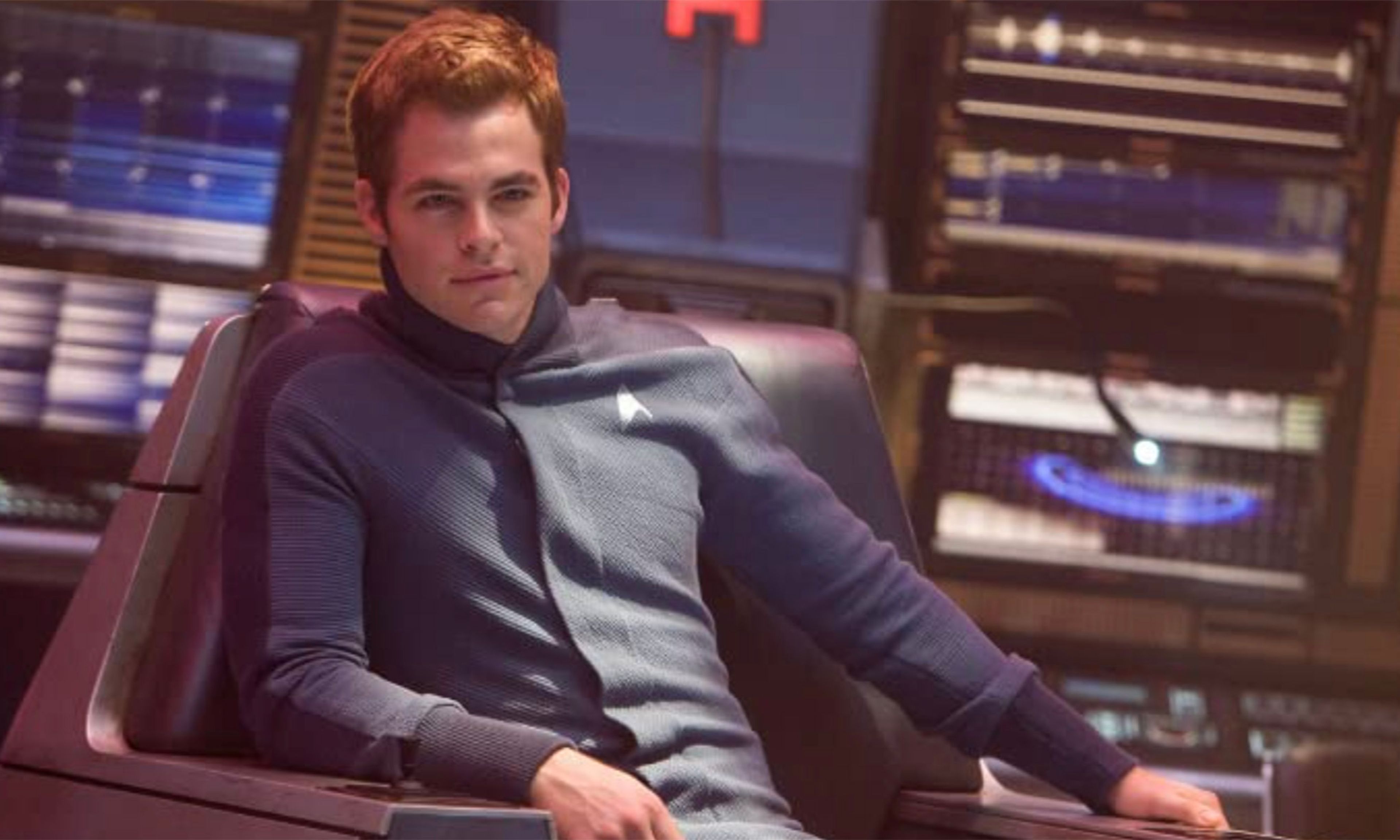
The movie is better than this; indeed, at times it’s very good indeed. The cast, all youth and inexperience, are nearly perfect for their roles. You probably haven’t heard of Chris Pine and Zachary Quinto, who take on the daunting tasks of playing Kirk and Spock respectively, but they strike just the right blend of homage and innovation, channeling aspects of Shatner’s alpha-male buoyancy and Nimoy’s eyebrow-hoisting cool without ever risking caricature. And the gang around them is similarly stellar: Karl Urban is mint-julep cool as Leonard “Bones” McCoy; Zoe Saldana smolders as a young Uhura; Simon Pegg, the genius behind Shaun of the Dead and sundry other Britcomedies, has a bright-eyed blast as Scotty. And as Sulu and Chekhov, John Cho and Anton Yelchin . . . well, they do more with their ethnic caricatures than you might expect, at least.
The feel of the thing, likewise, nicely updates the original series’s aesthetic. The special-effects wizardry is reserved for battling starships and flaring nebulae, and the physical environment in which the characters operate is reassuringly tactile and undigitized. The prevailing style is future-retro, blending iPod sleekness with the bells and whistles of mid-century sci-fi — gleaming buttons, bright lights, and a big captain’s chair at the center of it all. So too with the fashions, which nod to the show’s Sixties roots — there are miniskirts on the female officers, and if you watch closely you’ll see a crewmember sporting an afro — without running to Austin Powers–style camp.
So the details are just right; the devil’s in the big picture. There are two broad paths to reinventing a storied, somewhat cheesy slice of popular culture like Star Trek. You can be faithful to the ham and silliness, the caricatured characters and the familiar one-liners. Or you can really reimagine it, going for grit and realism, and trying to coax out higher drama and richer themes than the source material possessed.
We’ve seen a lot of the latter approach of late in genre entertainments, from the superheroes-meet-Shakespeare melodrama of Christopher Nolan’s Batman Begins and The Dark Knight to the brutality and heartbreak woven into the Daniel Craig reboot of the Bond franchise. The most successful recent example is probably the updated Battlestar Galactica, whose creators — led by a former Star Trek writer, Ronald Moore — took a clunky cult classic from the Seventies and made something dark and gripping and quasi-adult out of it.
Going into Abrams’s Trek, part of me wanted to see the original story given the Battlestar treatment; part of me something more faithful to the gee-whiz spirit of the original. In the event, though, the movie is trapped somewhere in between. Moment to moment, the script seems designed to be punctuated by fanboy applause, not critical chin-stroking: All the familiar tropes and catchphrases get a workout, and the plot, featuring a time-traveling Romulan villain (Eric Bana, tattooed like an MS-13 gang member) with a planet-destroying weapon and a grudge against Spock, is a shameless pastiche of elements from Treks gone by.
But then midway through, the movie throws a curveball. The point of the time-travel device, it turns out, is to change Kirk and Spock sufficiently to kick off an alternative timeline — a different Trek-world in which the chronology of the shows and movies gets wiped away, and anything can happen. And the movie punctuates that point by having something happen (two somethings, technically, if you include the far-future calamity that sets the events in motion) that’s way too weighty and tragic, and way too much of a departure from Star Trek as we’ve known it, for an otherwise superficial film to bear.
If J. J. Abrams wanted to rip away a crucial part of the Star Trek universe, then he needed to earn the right to do it, by making a movie that boldly went where no Trek film has gone before. Instead, his Star Trek is too faithful to count as a reinvention of its source material — but just unfaithful enough to count as a betrayal, and a blunder.












Comments