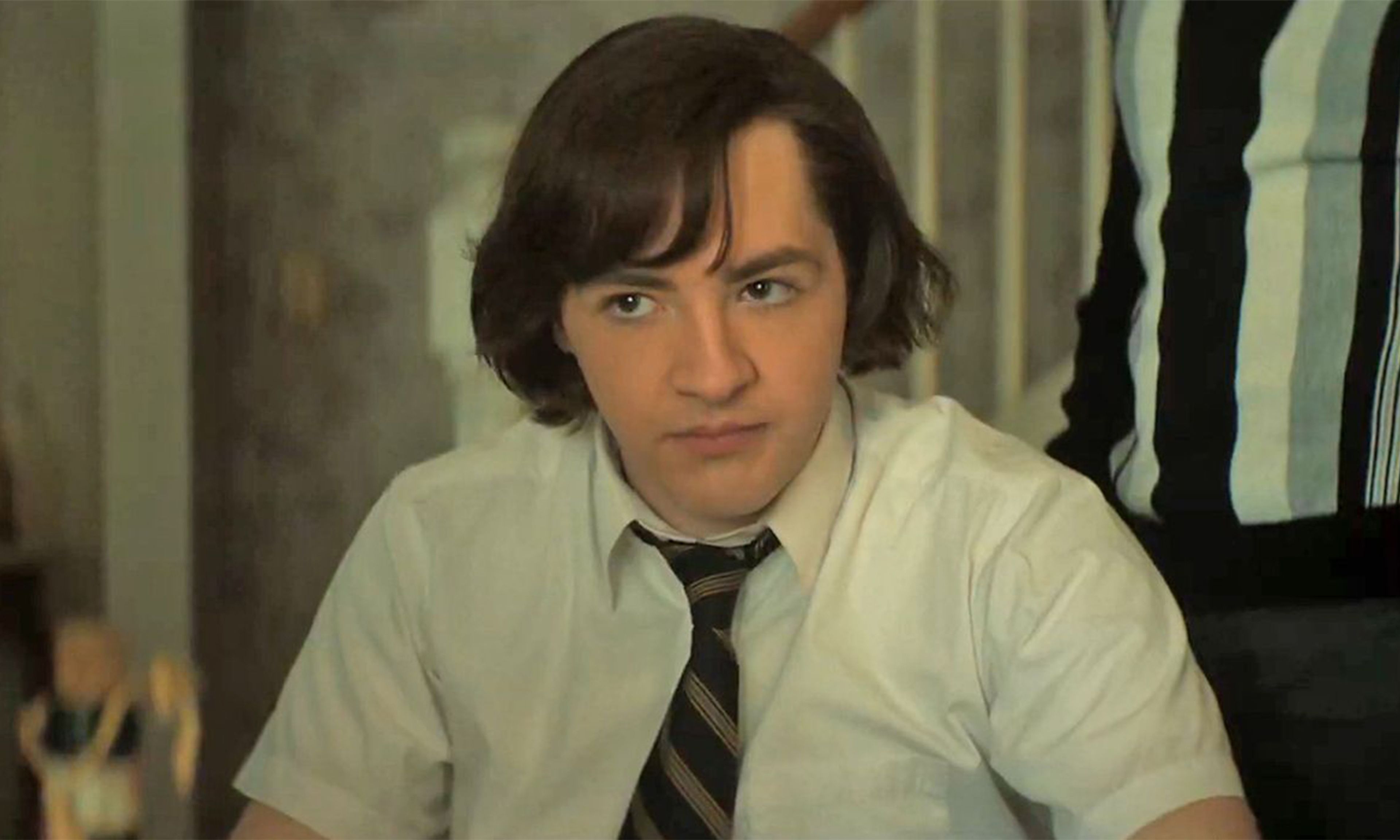
The Many Saints of Newark, David Chase’s feature-film return to the world of Tony Soprano, has been getting middling-to-negative reviews and it deserves them. It’s a somewhat odd movie, caught between originality and fan service, with a story that’s too intertwined with the HBO show to make much sense to somebody who isn’t already a Sopranos fan, but too separate in its storytelling to shed much new light on the famous characters portrayed here as their younger selves.
The result is an undistinguished mob movie with a lot of stapled-on scenes that look forward in time or explain some detail of the series that didn’t necessarily need explanation. The film it most evokes is the aggressively okay, mostly pointless Star Wars prequel Solo: Dropping in on teenage Tony Soprano, his family, and the older guys who would eventually become his crew turns out to add about as much to the Sopranos canon as hanging out with twentysomething Han Solo and Chewbacca added to the Star Wars universe, and that’s not a compliment.
The key difference from Solo is that here young Tony is not the main character but the second lead. The biggest part belongs to his family friend “Uncle” Dickie Moltisanti, a soldier in the same slice of the mob as Tony’s dad and the father of Christopher Moltisanti, here represented via occasional Michael Imperioli voice-over, who will grow up to be Tony’s lieutenant in the show and end up damned through the association. In Many Saints we get his dad as a swashbuckling young mobster, embodied by one of my favorite actors, the coolly charismatic Alessandro Nivola, and playing mentor to his “nephew” Tony — who’s played by William Ludwig as a kid and then by Michael Gandolfini, son of the late James, as a teenager.
Their world, in the first half of the movie, is Newark before the riots, when the Italians still rule the city and Dickie still lives in the shadow of his aging dad — “Hollywood Dick,” played by Ray Liotta, who brings back a young second wife from the old country, a luscious and passionate stereotype of Italian womanhood played by Michela De Rossi, for whom Dickie inevitably falls hard.
The movie pivots on the 1967 riots, when Dickie takes over his father’s role, and then its second half extends into the ’70s, giving us white flight, the suburbanization of the Mafia, and a war between Dickie’s crew and an ambitious black gangster (a terrific Leslie Odom Jr.) who wants to claim the city as the Italians bail out. This is where all the show’s familiar characters loom larger: Livia Soprano (Vera Farmiga, very good and surprisingly sympathetic), Uncle Junior (Corey Stoll), Paulie Walnuts and Silvio Dante (impersonated effectively by Billy Magnussen and parodically by John Magaro). And of course Tony himself, whose embodiment by the younger Gandolfini is effective to a point — he looks the part and acts competently enough — but lacks a certain intensity and charisma that the role needs; as it stands, other characters are constantly talking about how young Tony is a “leader” without our seeing his dominance in action.
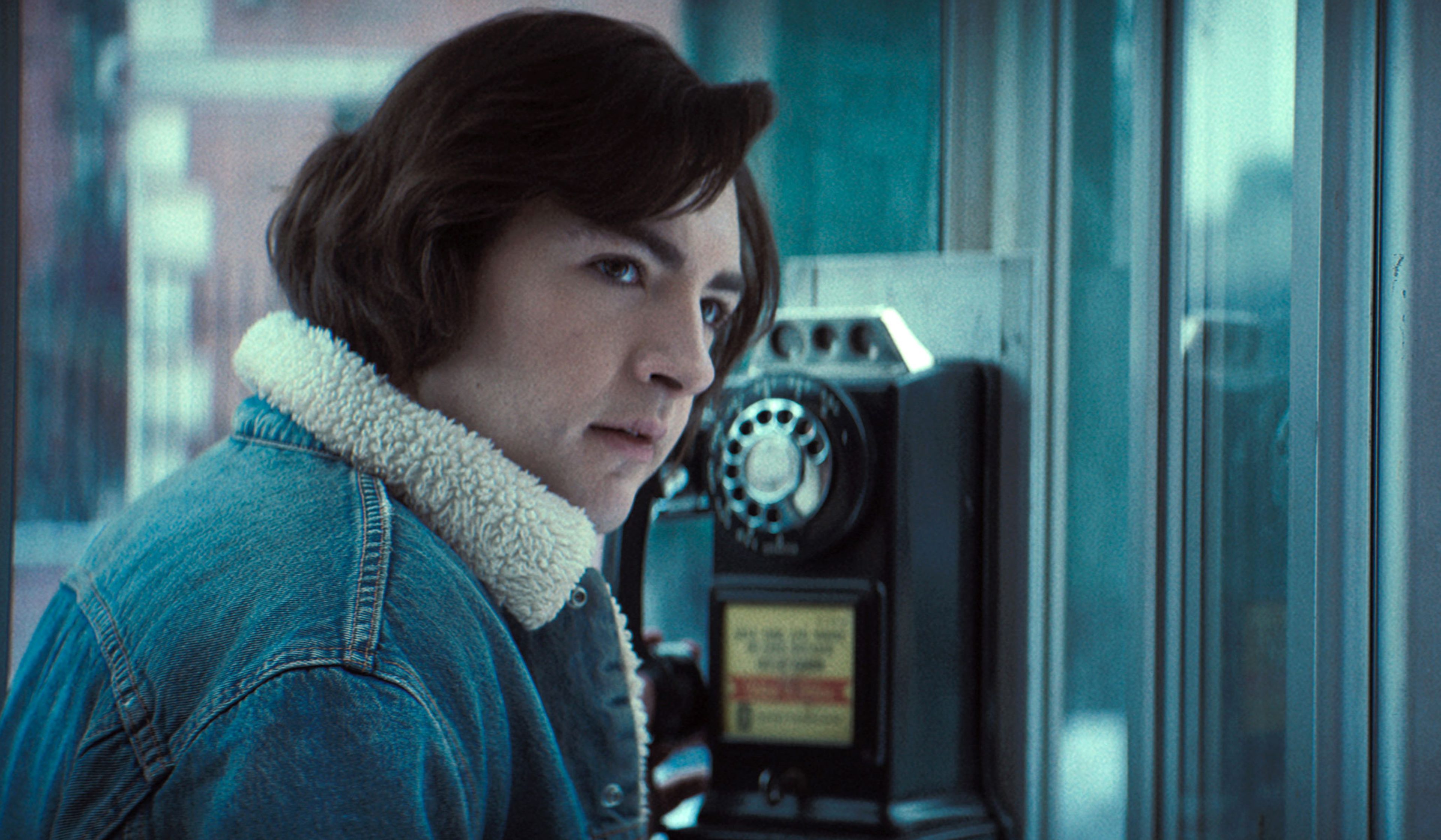
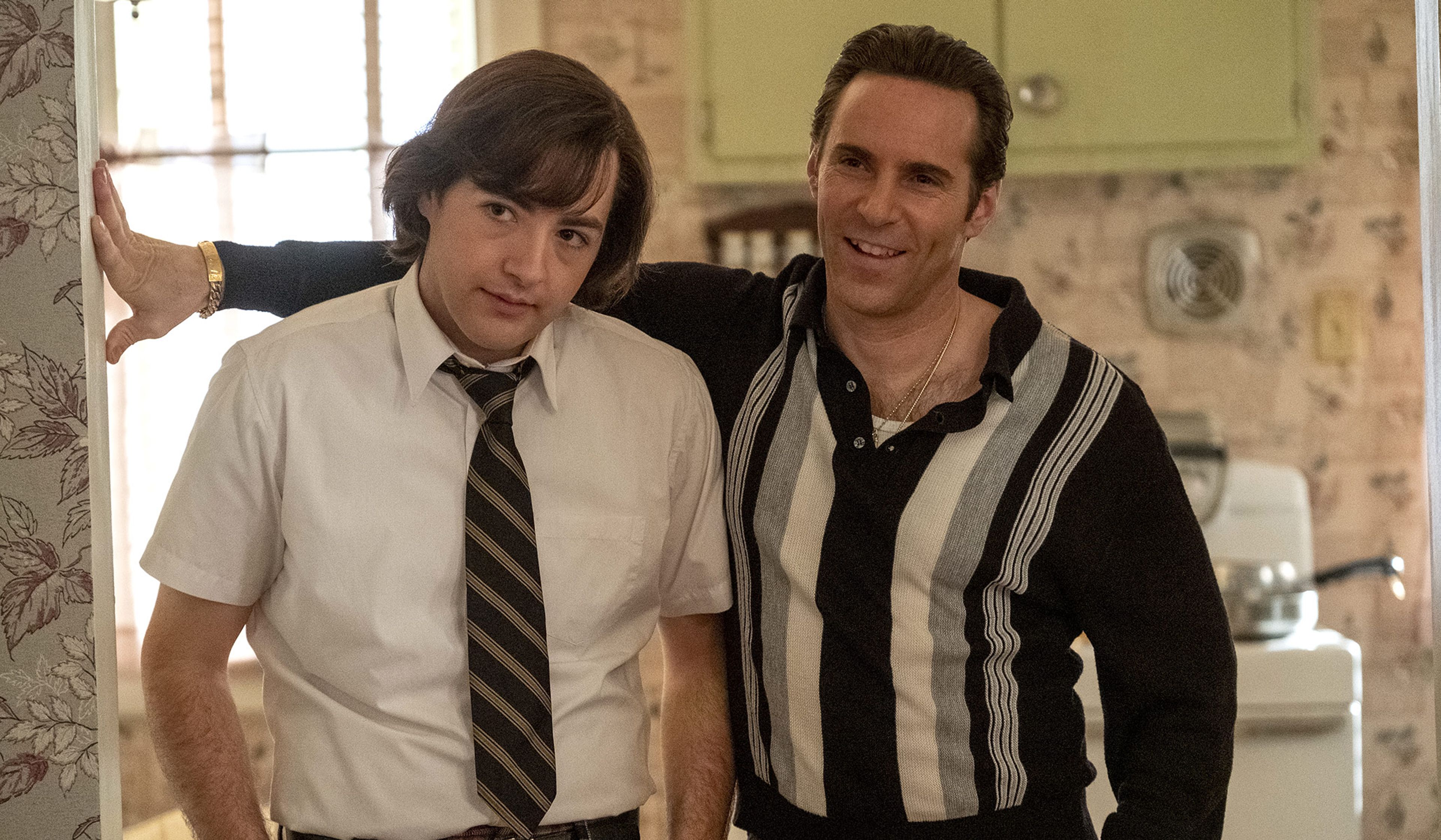
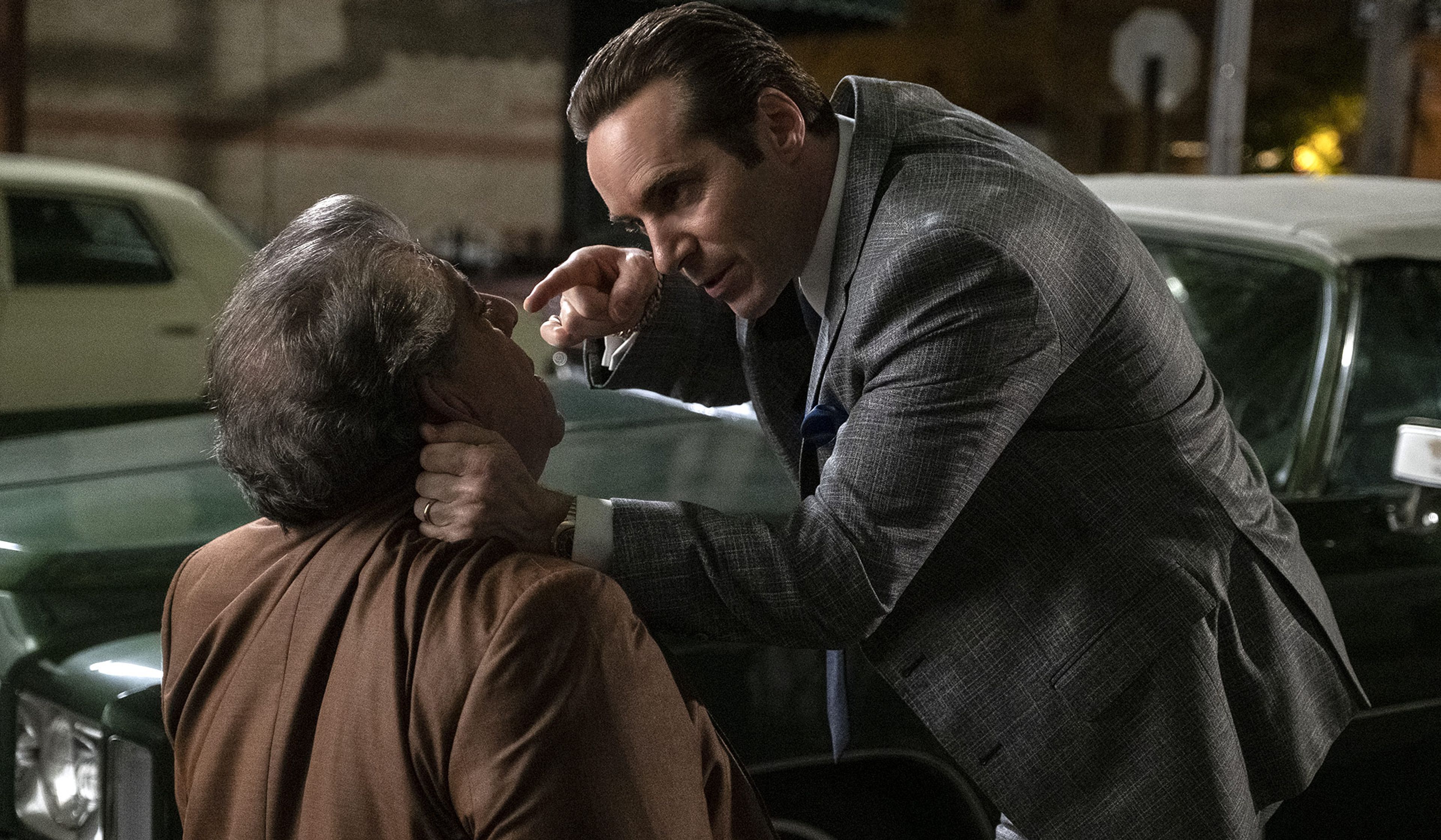
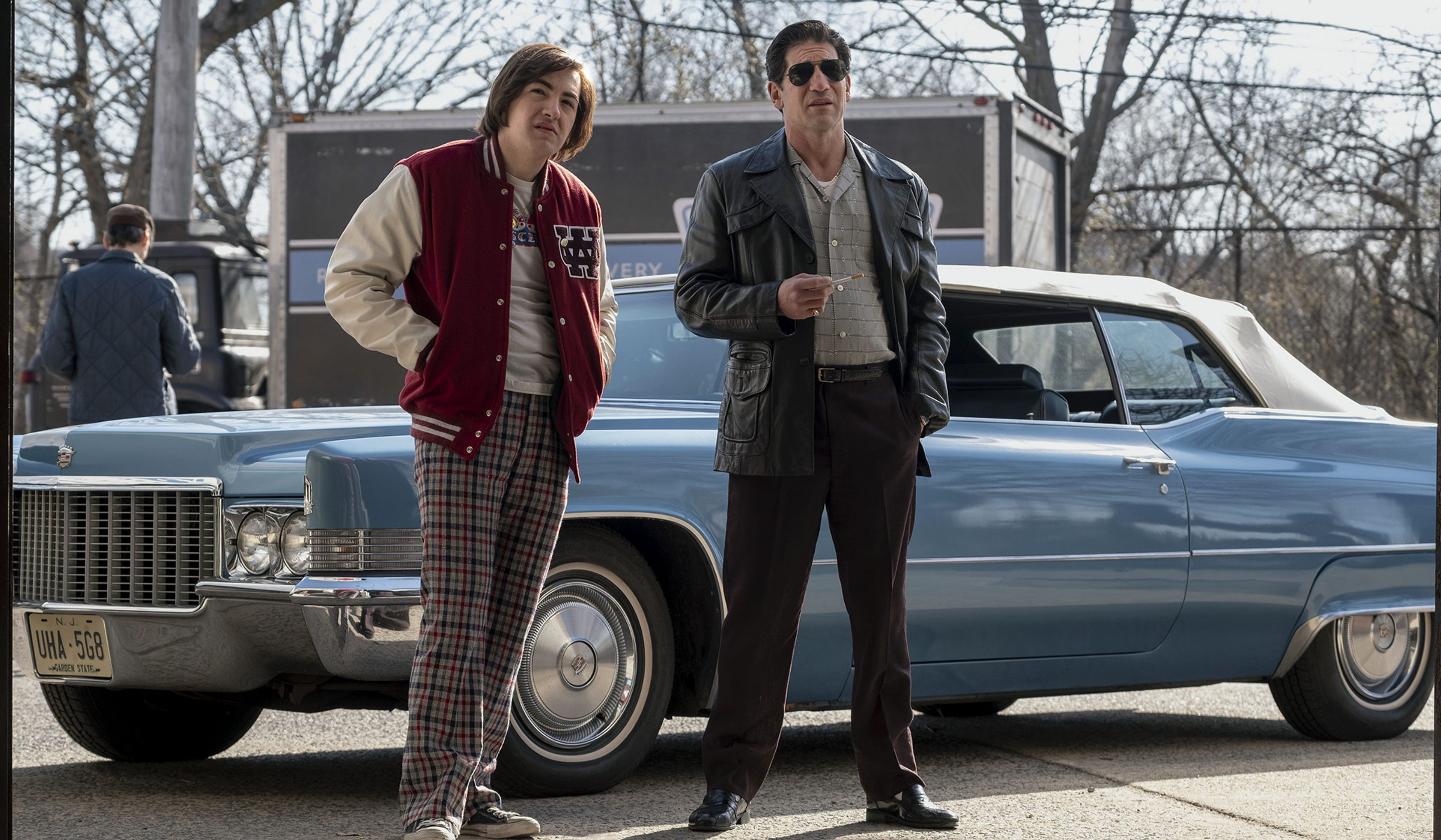
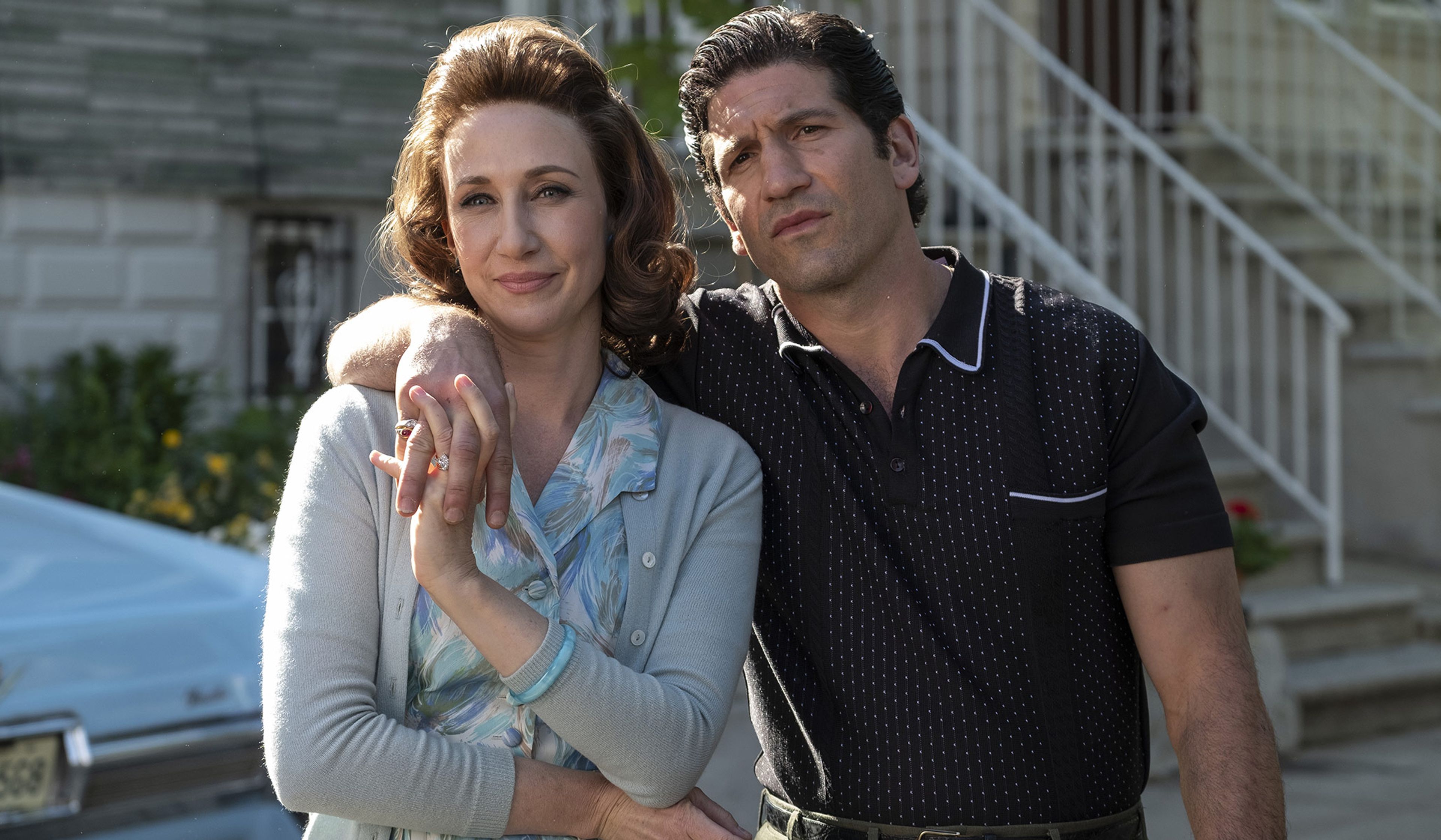
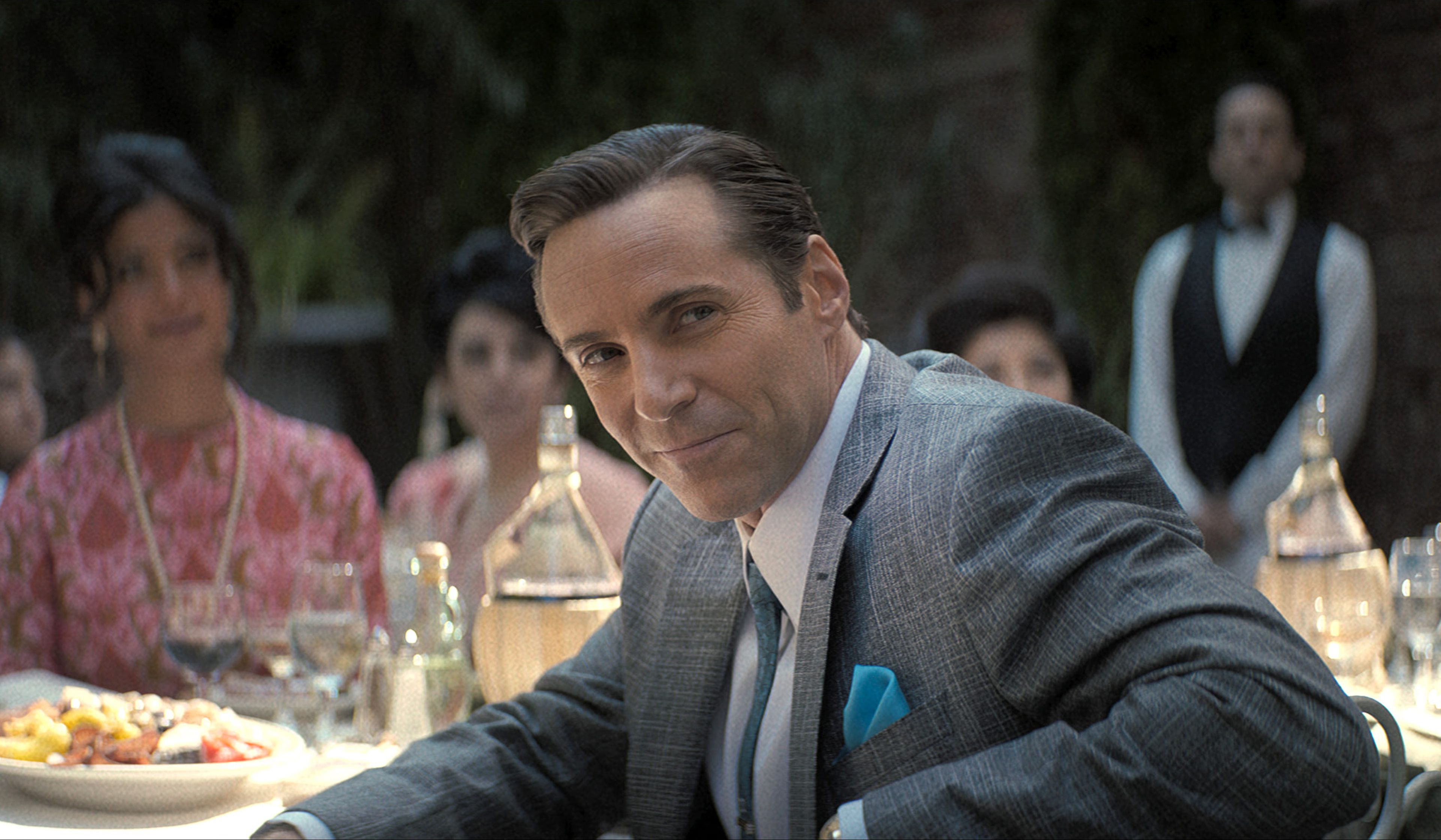
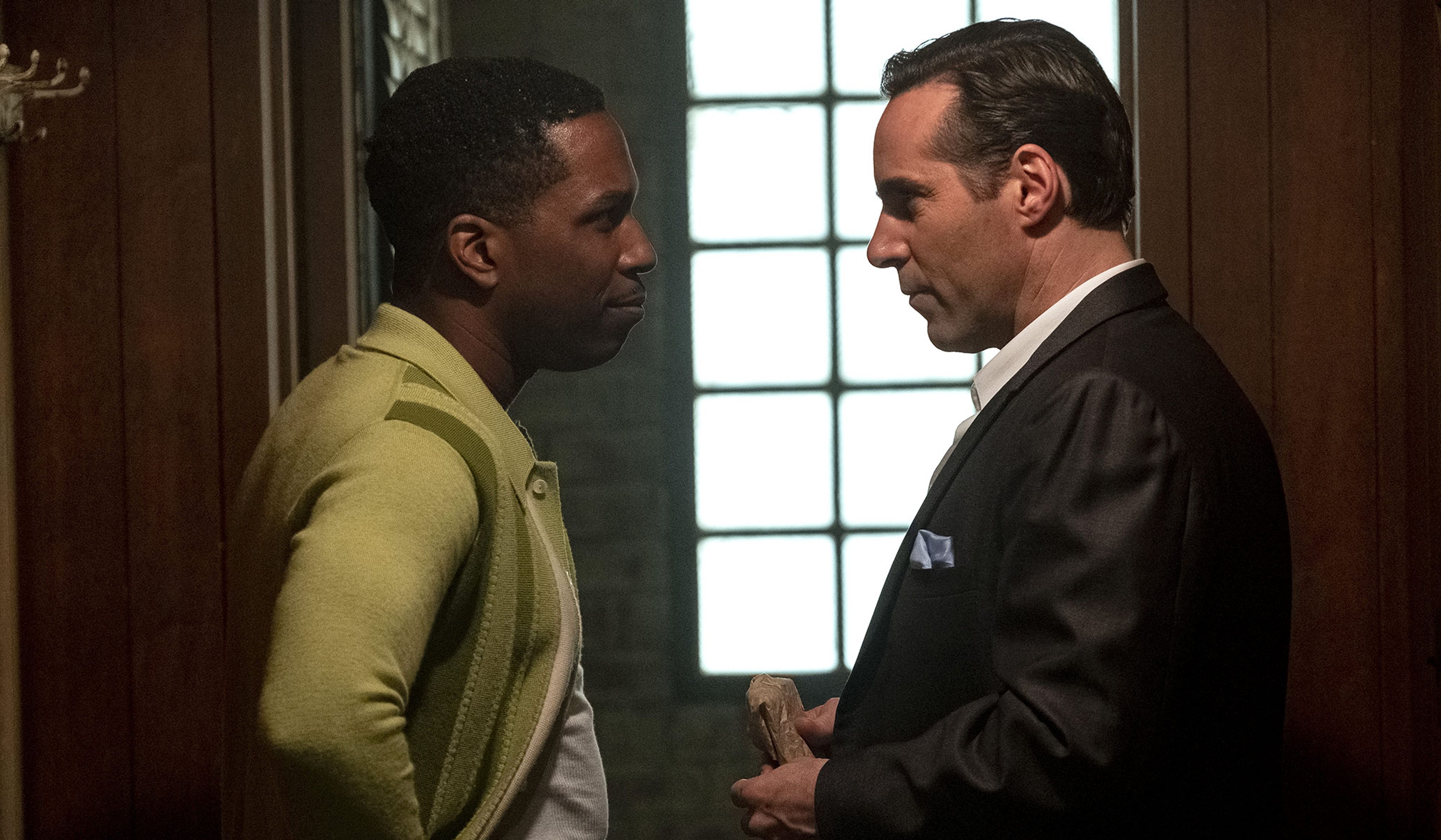
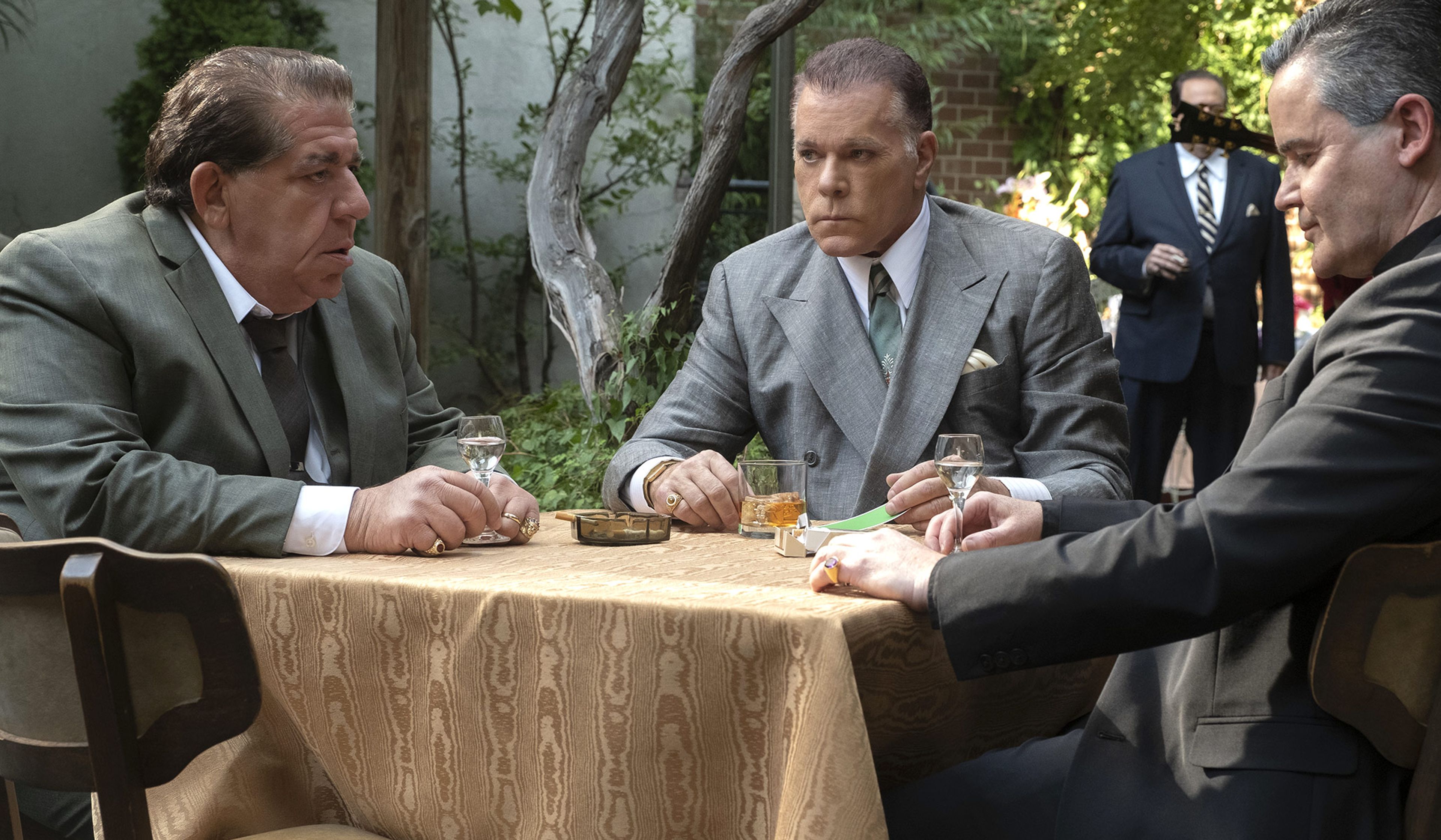
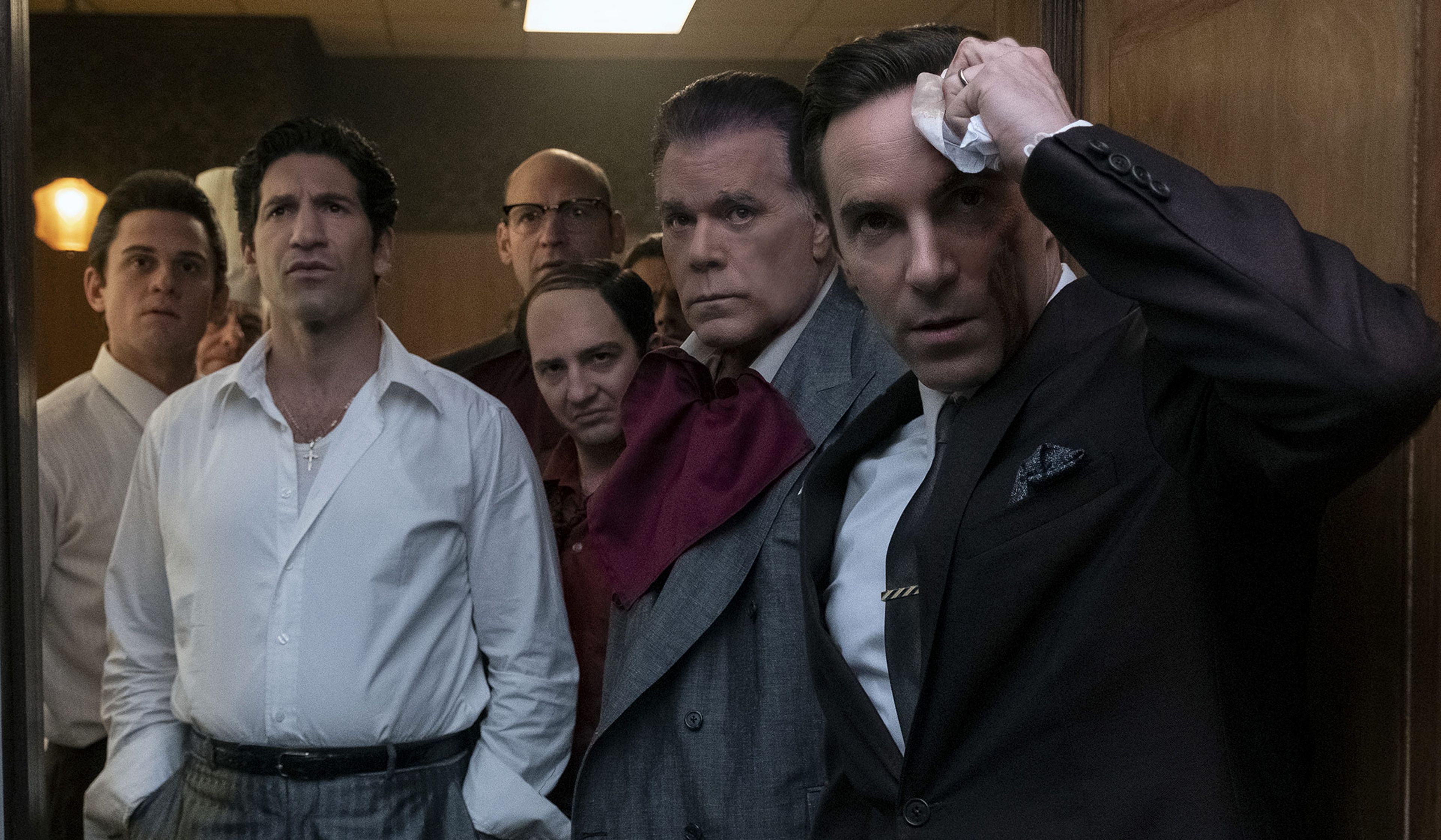
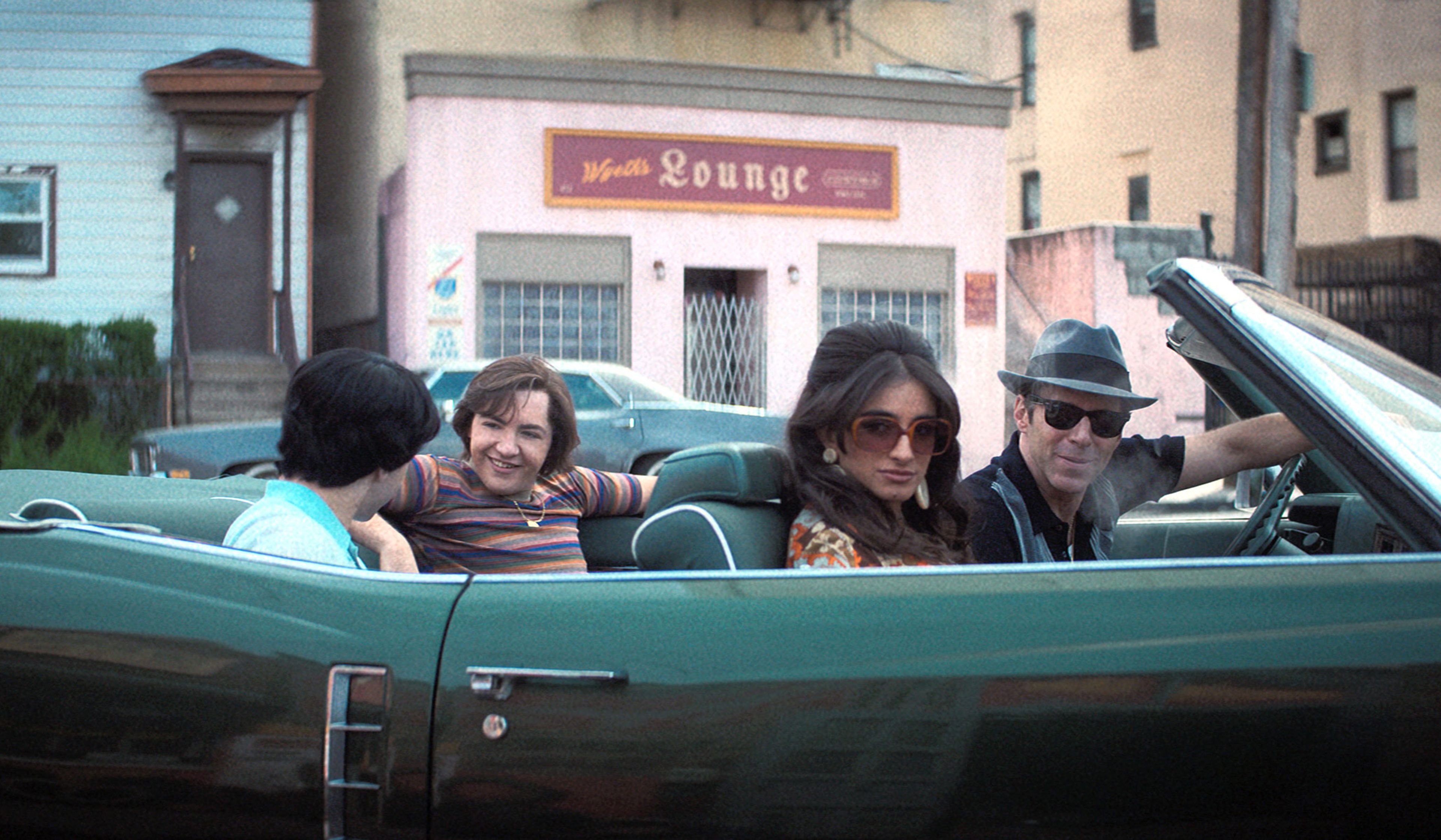
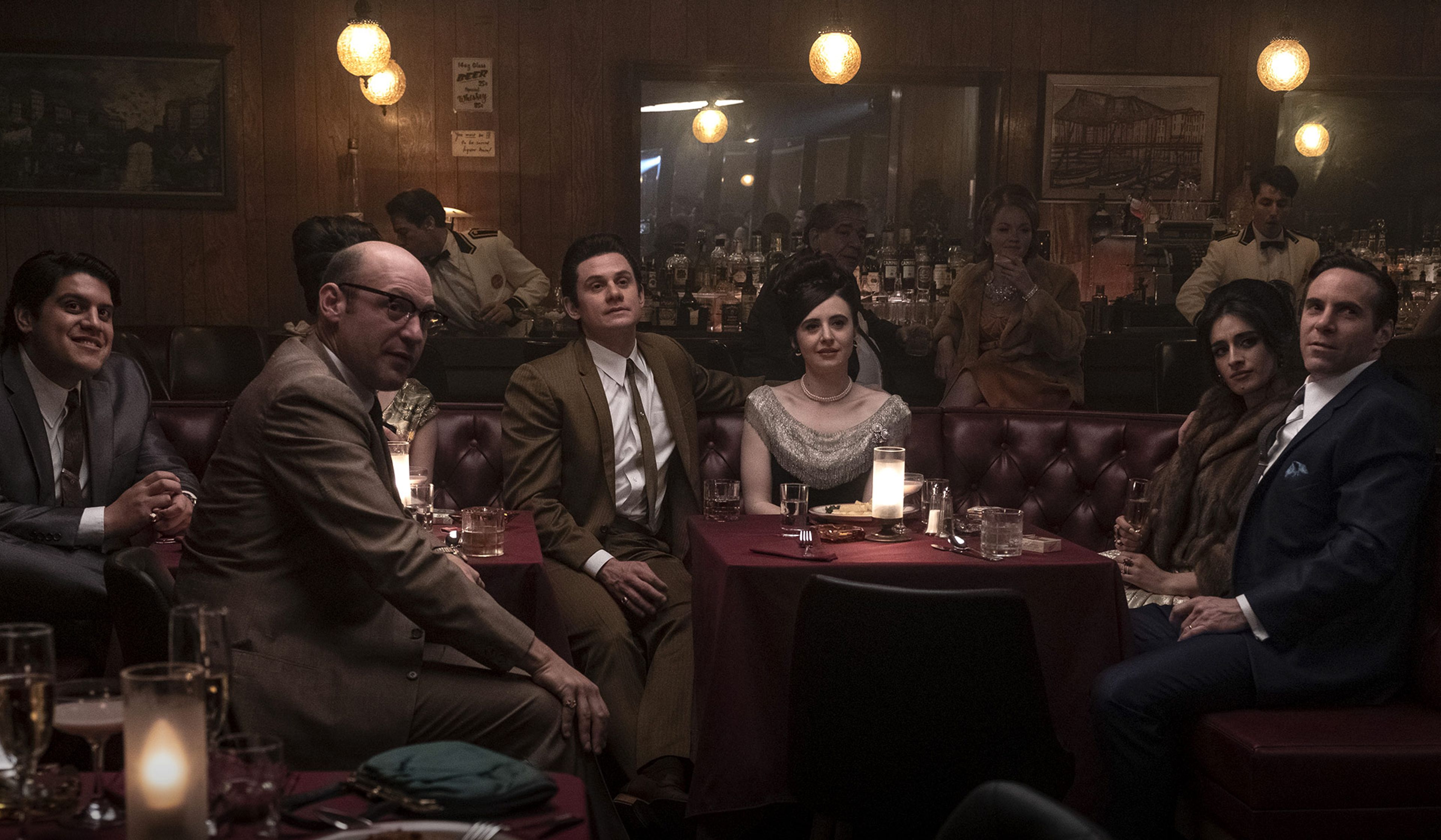
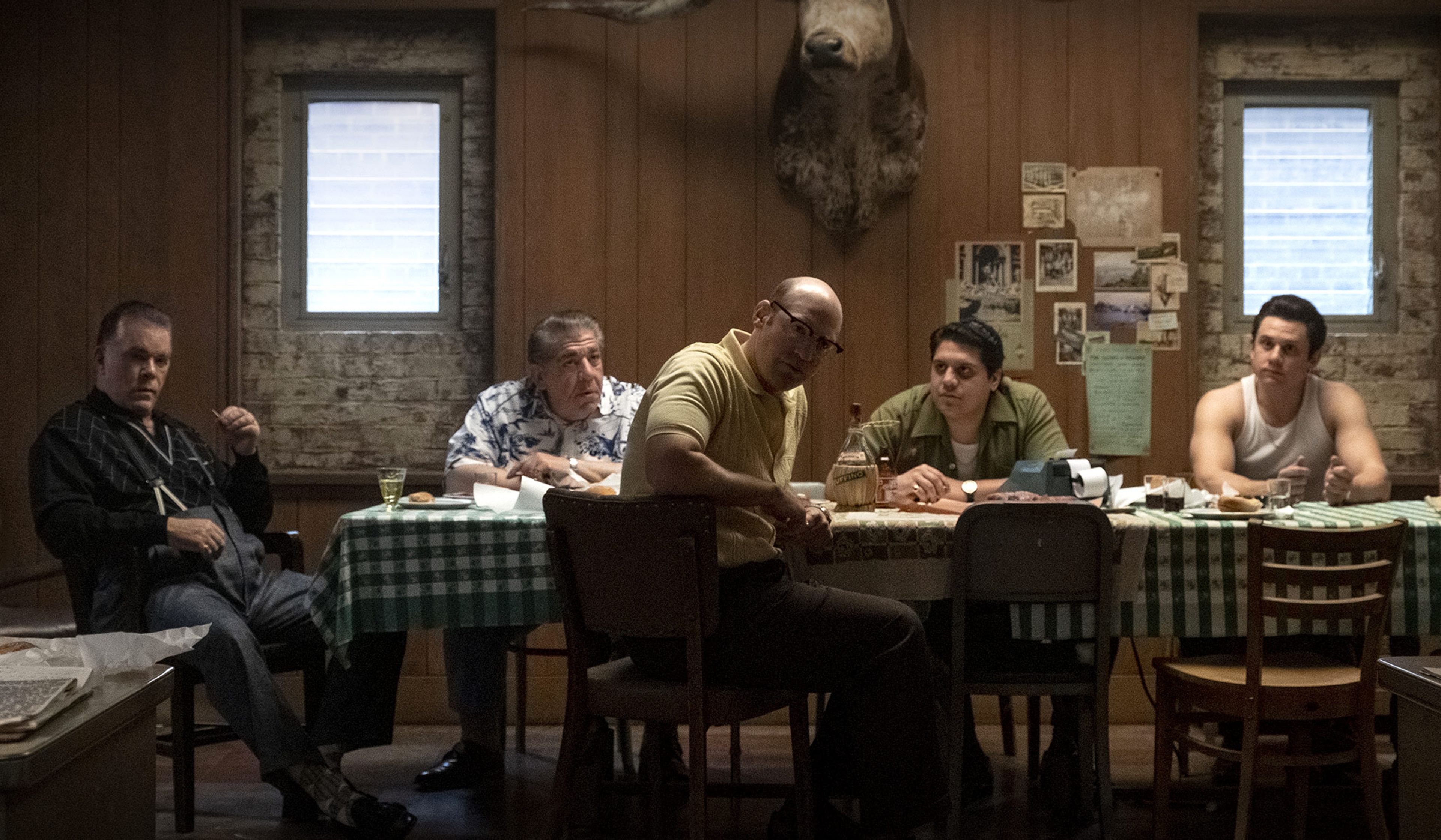
Michael Gandolfini in The Many Saints of Newark.
Warner Bros. Pictures
But then that’s a problem with the whole movie: From the initial voice-over from Imperioli through many of the crucial scenes, it’s constantly telling instead of showing, with a haste and crudeness that were foreign to Chase’s Sopranos storytelling.
Some reviewers have suggested that this is all a problem of compression and that Chase would have been better using the limited-series format currently in vogue, giving us a Mare of Easttown–style six hours for whatever he wanted to convey.
This is plausible, but I would frame it slightly differently: I think Many Saints of Newark should have been two movies, linked together in the style of The Godfather and The Godfather, Part II. The first movie would have been devoted to fully fleshing out the world that the adult Tony is nostalgic for — the mid-century, pre-RICO heyday of the urban Mafia. Like the original Godfather it would have ended darkly, with the riots and some dark choices by Dickie ringing down the curtain, but for most of its running time it would have given us a clearer sense than the rushed first act of Many Saints for why a middle-aged Italian guy in the Jersey suburbs circa 1999 would have pined for the world of his childhood, the world of his parents’ generation — and it would have tried more overtly to seduce the audience as well.
Then the second movie, set in the ’70s, would have been consistently darker, showing Dickie gradually becoming the wickedest version of himself — like Michael Corleone in The Godfather, Part II — and trying to find a little redemption in his relationship with the young Tony. Except that through that relationship he would be setting in motion a cycle whereby the promising young Tony would grow up to be the corrupt Tony Soprano, ready to ruin another generation in his turn.
Both of these movies are present in The Many Saints of Newark, and I think they probably represent the fuller story that David Chase imagined as justifying his return trip to The Sopranos universe. Which makes it that much more disappointing that we ended up with this truncated, mediocre version, wedged together in two forgettable hours that mostly made me just want to fire up season one of the genuine article once again.












Comments