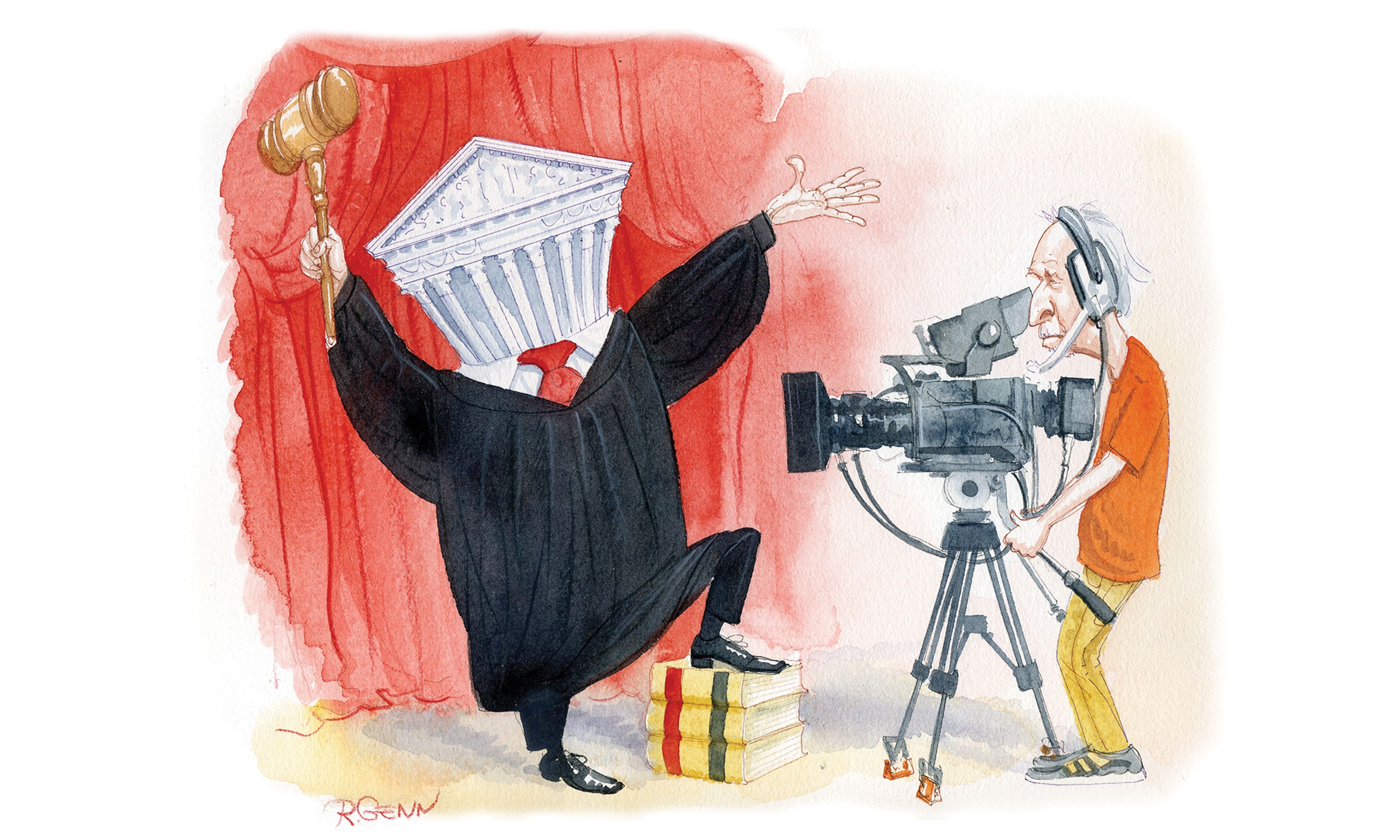
In the midst of Amy Coney Barrett’s Supreme Court confirmation hearing, Senator Chuck Grassley asked the nominee about her views on having cameras in the Supreme Court. “I would certainly keep an open mind about allowing cameras in the Supreme Court,” she answered.
This was very nearly a disqualifying remark by the otherwise exceptionally qualified nominee. Barrett surely understands that the Founders would never have approved of justices’ being subjected to the passions and pressures ignited by the vulgar transparency of mass media. When Hamilton, arguing for the creation of a supreme court in Federalist No. 81, mentions the “pestilential breath of faction” that may “poison the fountains of justice,” he might as well have been speaking about CNN’s prime-time lineup.
How many meaningless Senate confirmation hearings must we endure before we finally put this idea to bed — and then smother it with a pillow? Not only shouldn’t there be cameras in the Supreme Court, but the national conversation would be far better off if we ripped all electronic devices from the halls of Congress and smashed them with hammers like zealous Luddites.
Washington is teeming with shameless self-promoters. Every one of them is made worse by the presence of a camera. We’re talking about the kind of leaders who deliver impassioned hour-long speeches to empty congressional chambers simply because a voter somewhere might accidentally land on C-SPAN when flipping through channels in the middle of the night.
One need not look any further than Barrett’s own confirmation hearing to comprehend the corrosive power of filming people in Washington. Democrats on the Senate Judiciary Committee, shilling for their preferred policies and leveling their partisan attacks, had more props than they did questions regarding Barrett’s judicial philosophy. In fact, they boycotted the committee vote on Judge Barrett’s nomination altogether, filling their seats with poster-sized photos of people who they intimated would be consigned to die should Barrett cast the deciding vote against the severability of Obamacare. Such crass emotionalism doesn’t work without visuals.
According to the Congressional Research Service, the first bill proposing camera use in the federal courts was introduced in 1937 — the same year, perhaps not by happenstance, that FDR was attempting to destroy the judicial system with his Court-packing scheme. Both destructive ideas were rejected. Cameras were outright prohibited in the courtroom in 1946. By 1972, the rule was mercifully expanded to include television crews. Justices, for the most part, have also been opposed to the idea. Indeed, perhaps the wisest words former justice David Souter has ever uttered are “The day you see a camera come into our courtroom, it’s going to roll over my dead body.”
Souter abdicated his seat on the Court in 2009. Grassley, born more than a decade before the first mass-produced television had been sold to an American consumer, co-sponsored bills to open the nation’s highest court to cameras in 1999, and he hasn’t given up introducing “sunshine” legislation since. An agreement was reached to release audio of oral arguments after they’d concluded. This was already a step too far. If people are interested in learning about case-law arguments, decisions, and dissents, they should do it the old-fashioned way: by reading.
The very notion that Congress should be empowered to dictate how the Court operates is an assault on the doctrine of separation of powers. Chuck Schumer should no more dictate how the Court runs its proceedings than Clarence Thomas should dictate how senators run their judicial confirmations.
Justices don’t owe Americans instant access to oral arguments. The Supreme Court is, in fact, intentionally shielded from the vagaries of democracy. If you want to understand their thinking, you can find it in their opinions and dissents.
Camera enthusiasts often argue that, having been bestowed lifetime appointments, justices have no incentive to impress anyone. I contend that the human condition might have something to say on the matter. It is almost certain that justices with cameras pointed at them would become more self-conscious about their public persona and legacy, seduced into grandstanding and politicking. Such a situation would begin to foster animosity within the institution — something that has been largely avoided in recent decades. “If you introduce cameras,” Justice Anthony Kennedy once noted, “it is human nature for me to suspect that one of my colleagues is saying something for a soundbite. Please don’t introduce that insidious dynamic into what is now a collegial court.” Even more likely, however, the lawyers and state advocates who participate in arguments, many of whom will one day run for public office or seek high-stakes political positions, would certainly be motivated to play to the cameras — and the mob.
The introduction of cameras wouldn’t only fundamentally change the way justices and lawyers interact; it would also alter the way the public views the Court, which, in turn, would affect the way presidents choose nominees. As Barrett’s intellectual mentor, the late justice Antonin Scalia, noted in April 2005, the media can’t be trusted with cameras:
I wouldn’t mind having the proceedings of the Court, not just audioed, but televised, if I thought it would only go out on a channel that everyone would watch gavel to gavel. But if you send it out on C-SPAN, what will happen is for every one person who sees it on C-SPAN gavel to gavel so they can really understand what the Court is about, what the whole process is, 10,000 will see 15-second takeouts on the network news, which, I guarantee you, will be uncharacteristic of what the Court does.
Justices do not live hermetically sealed existences free of external influences (unfortunately), but making them a spectacle for political entertainment would only further corrode the republican ethos of American governance. The deliberative answers and questions — many of them theoretical and of a probing nature — will be susceptible to out-of-context editing and thrown into a cauldron of social-media misrepresentation and hysteria. Every flub or mistake will be highlighted on YouTube, further undermining confidence in the Court. A televised Supreme Court would, as with most things in our contemporary political life, elevate the facile above the substantive.
Indeed, the least compelling argument for putting cameras in the Supreme Court is the claim that Americans would be more enlightened on the issues of the day by witnessing oral arguments. Years ago, the late senator Arlen Specter argued in favor of cameras because the “legitimacy of the Court itself is at stake”; he believed that the matters the Court was considering “ought to be subject to really close public scrutiny.” More recently, Representative Mike Quigley, an Illinois Democrat, maintained that it wasn’t “unreasonable for the American people to have an opportunity to hear firsthand the arguments and opinions that will shape our society for years to come.”
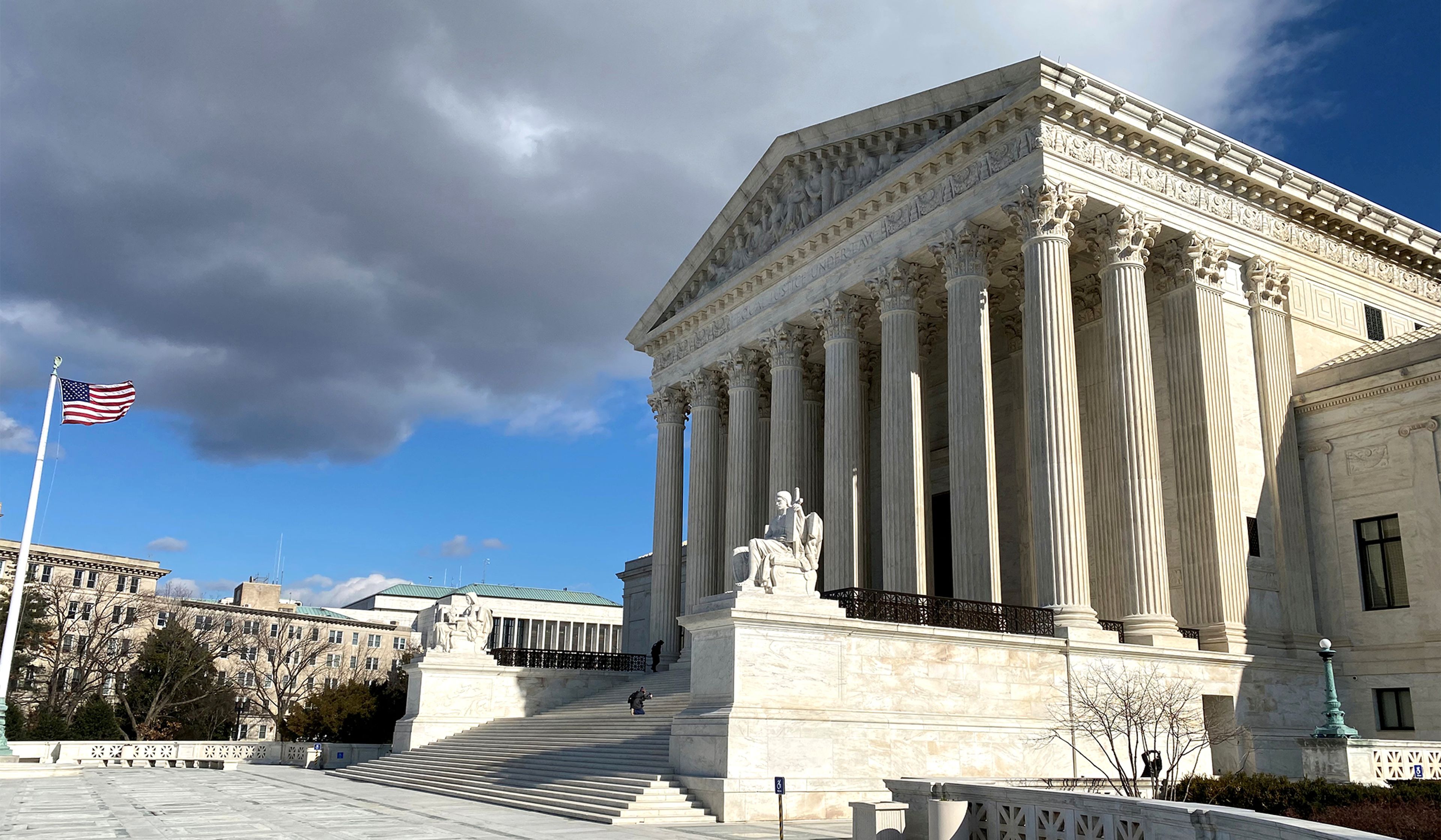
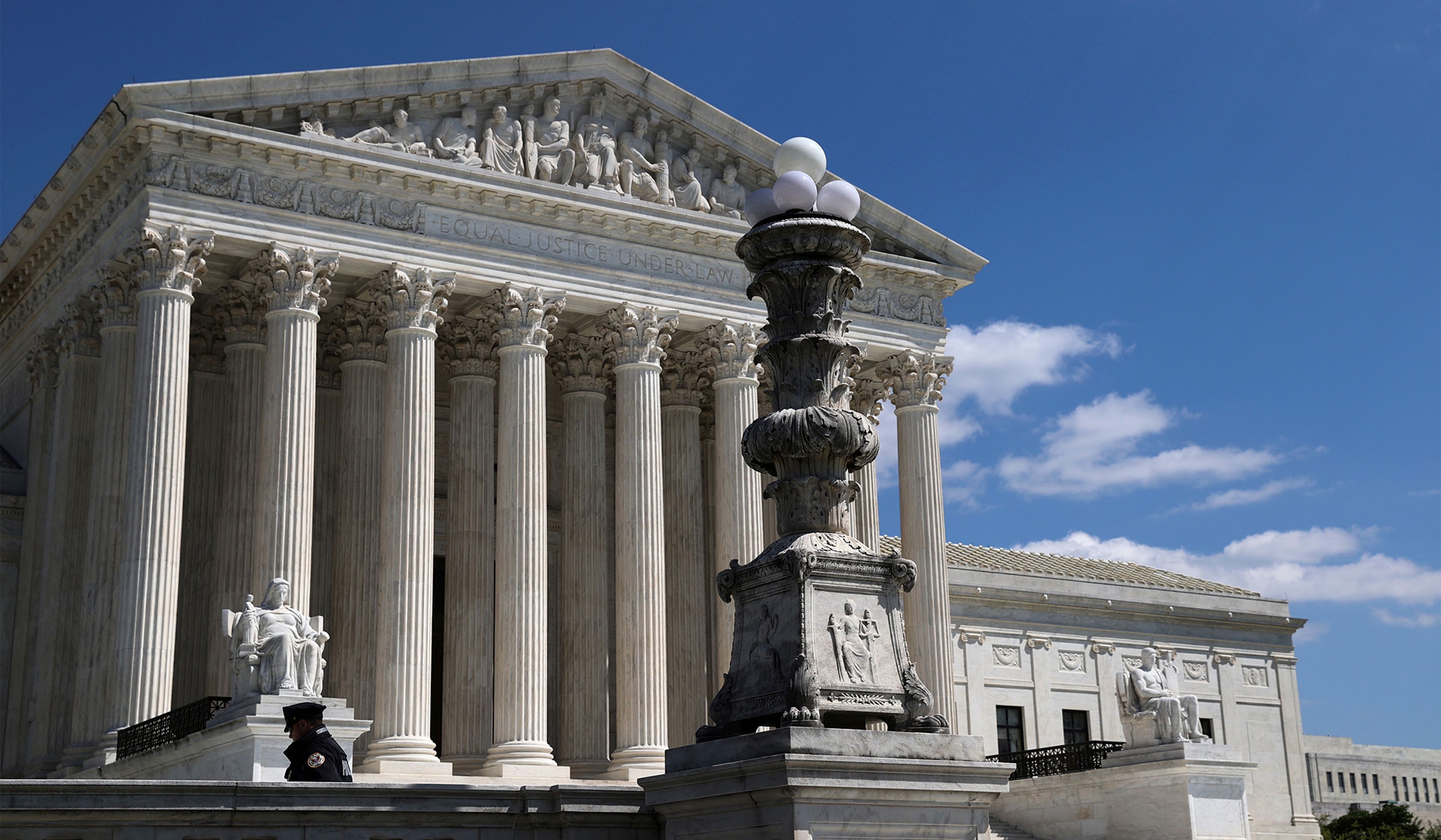
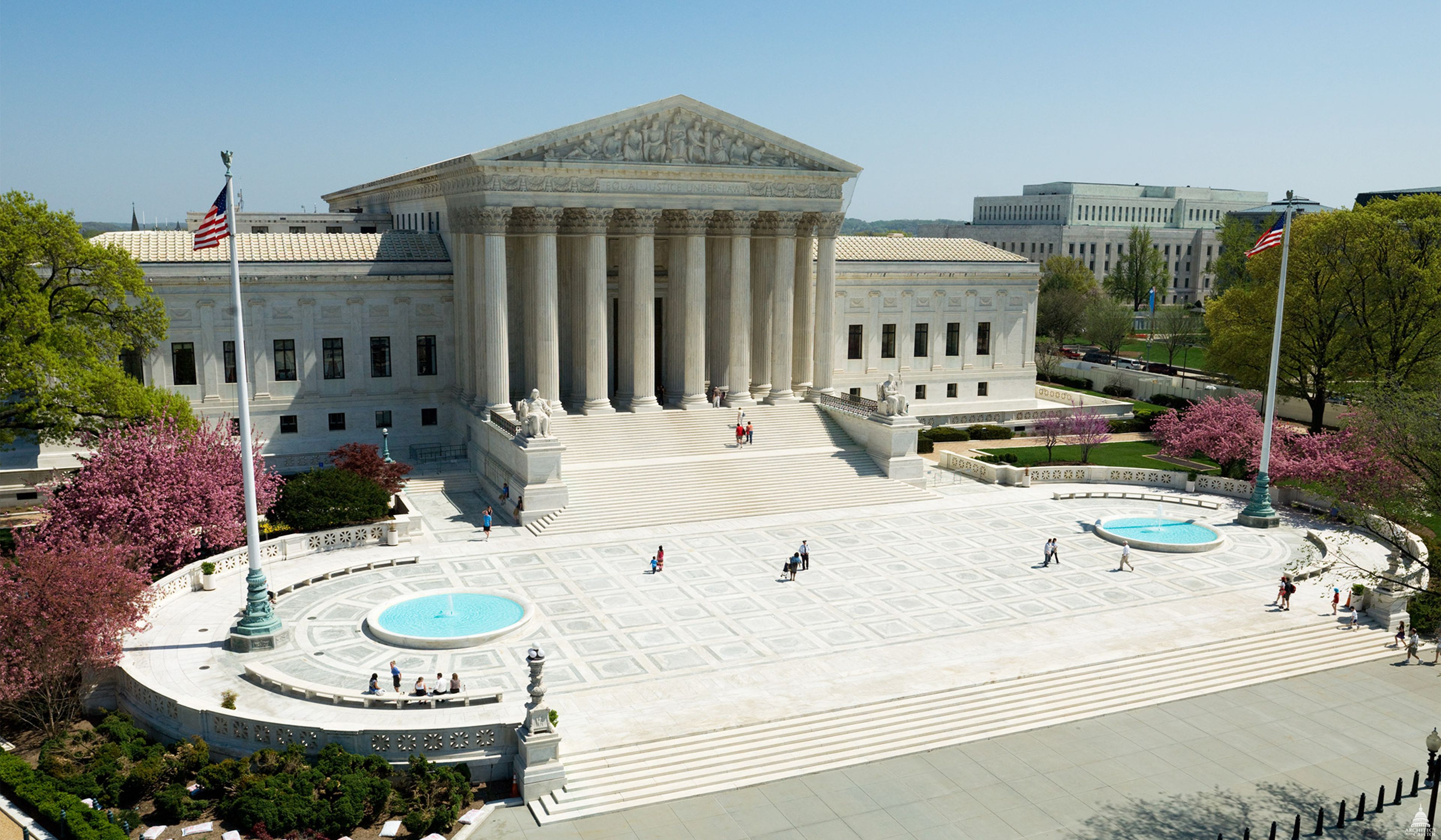
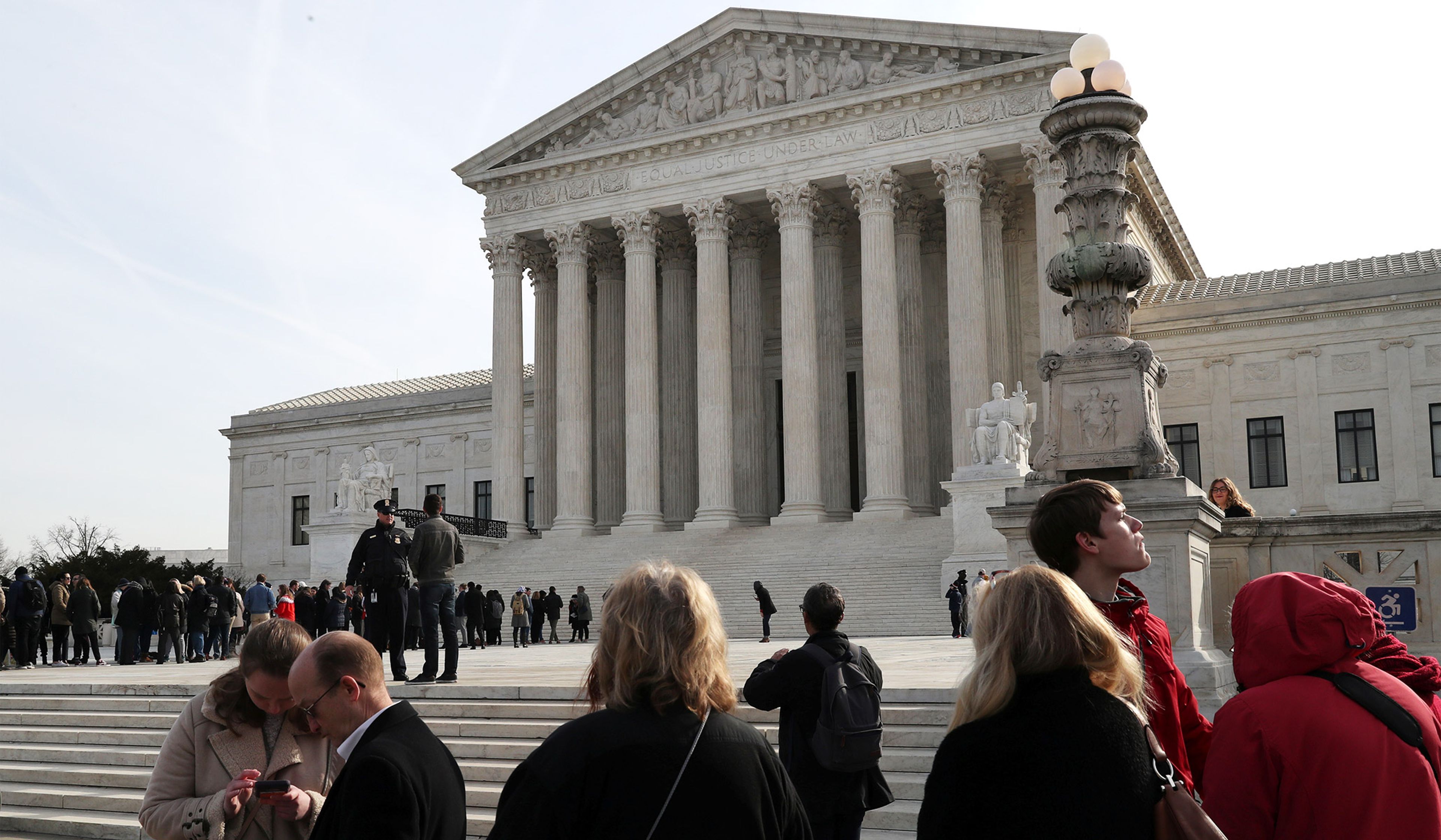
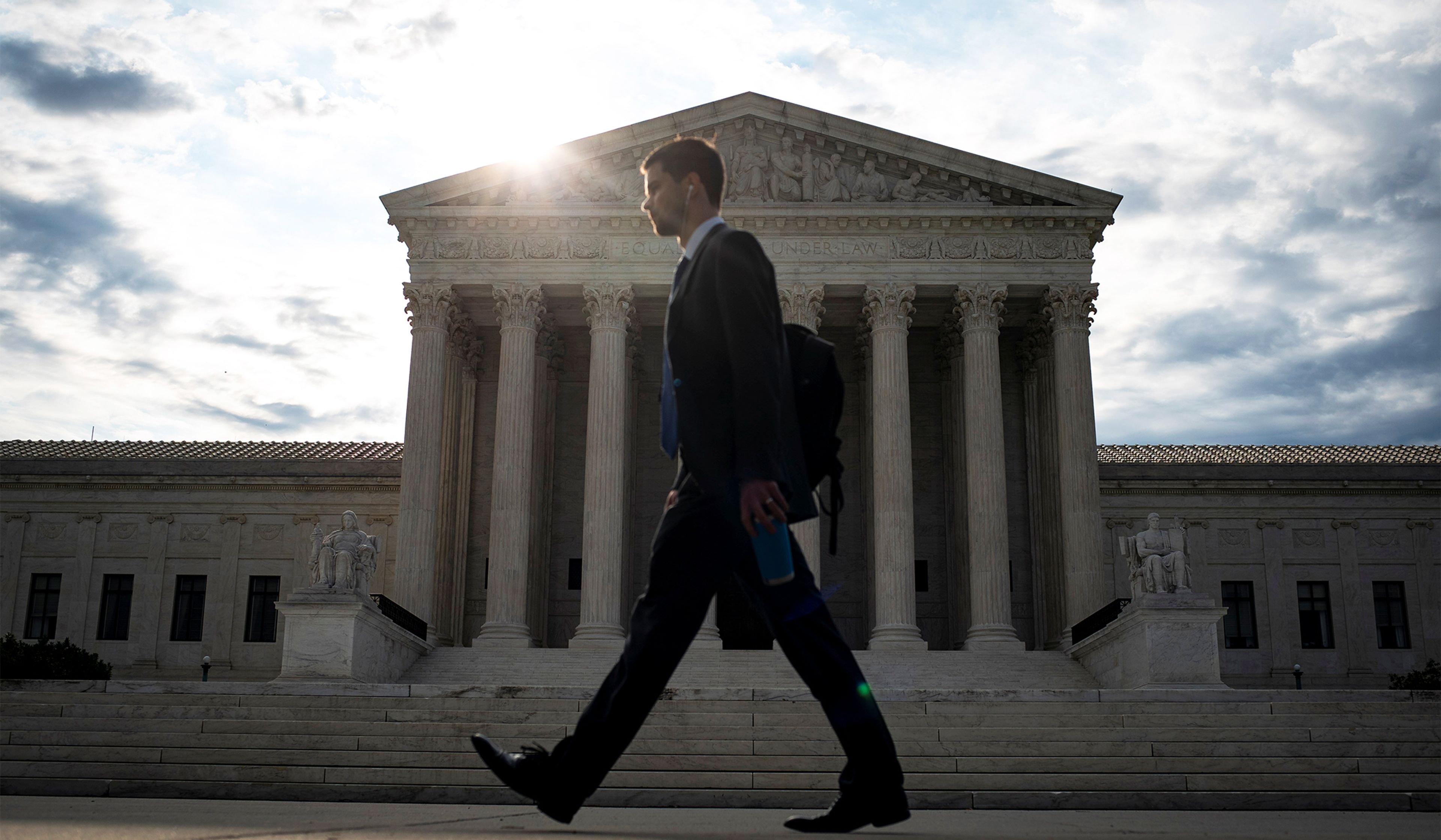
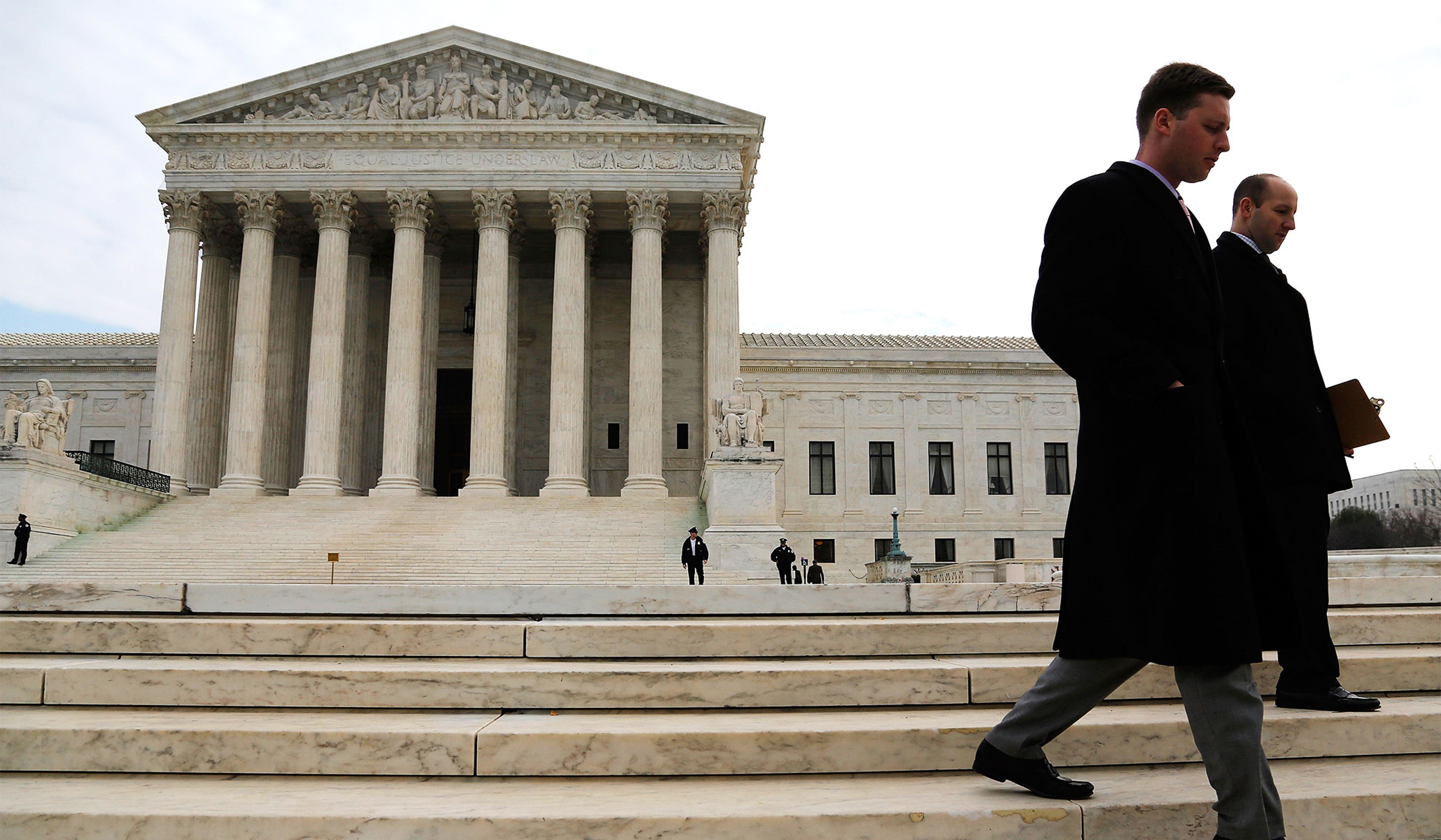
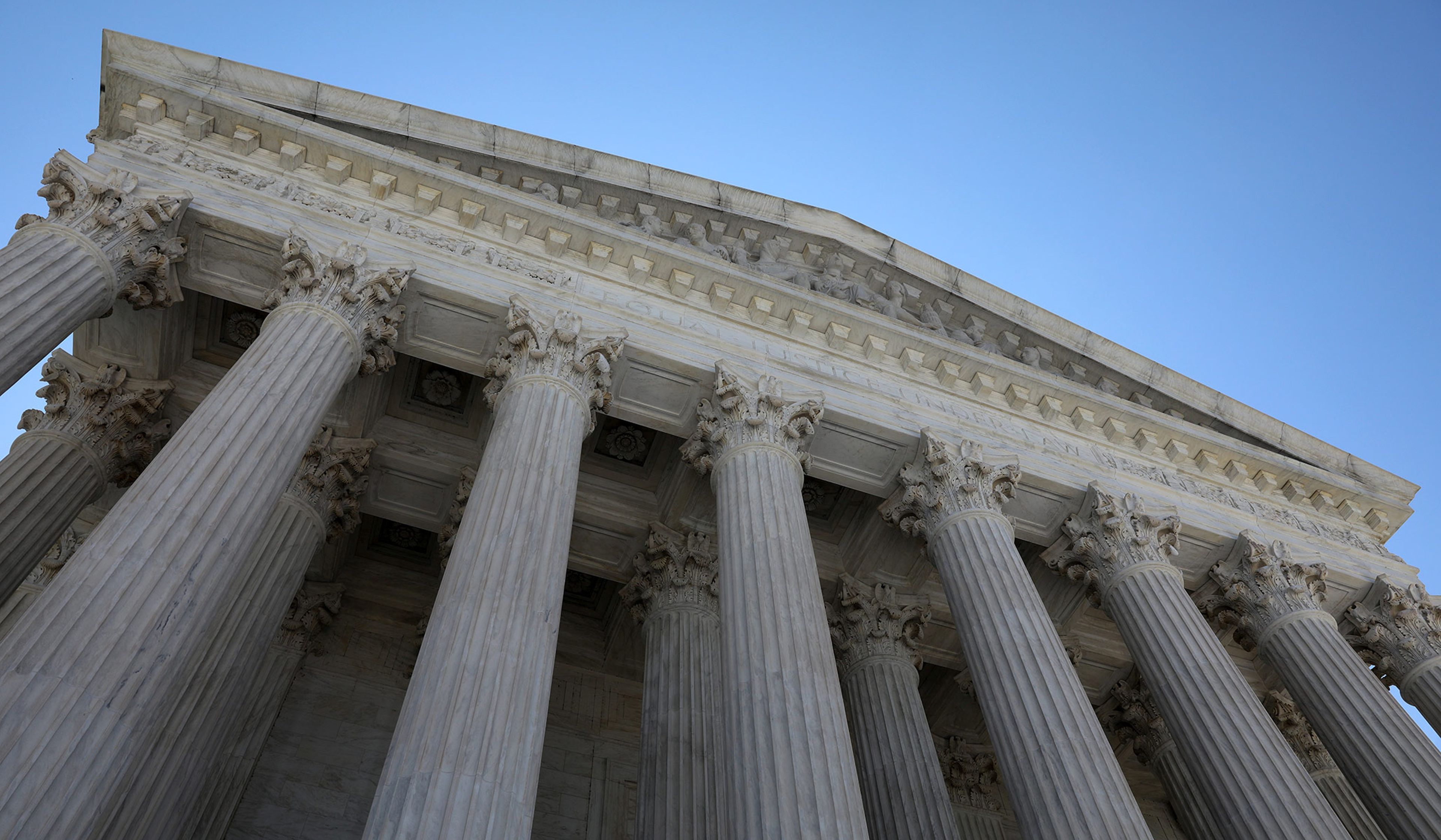
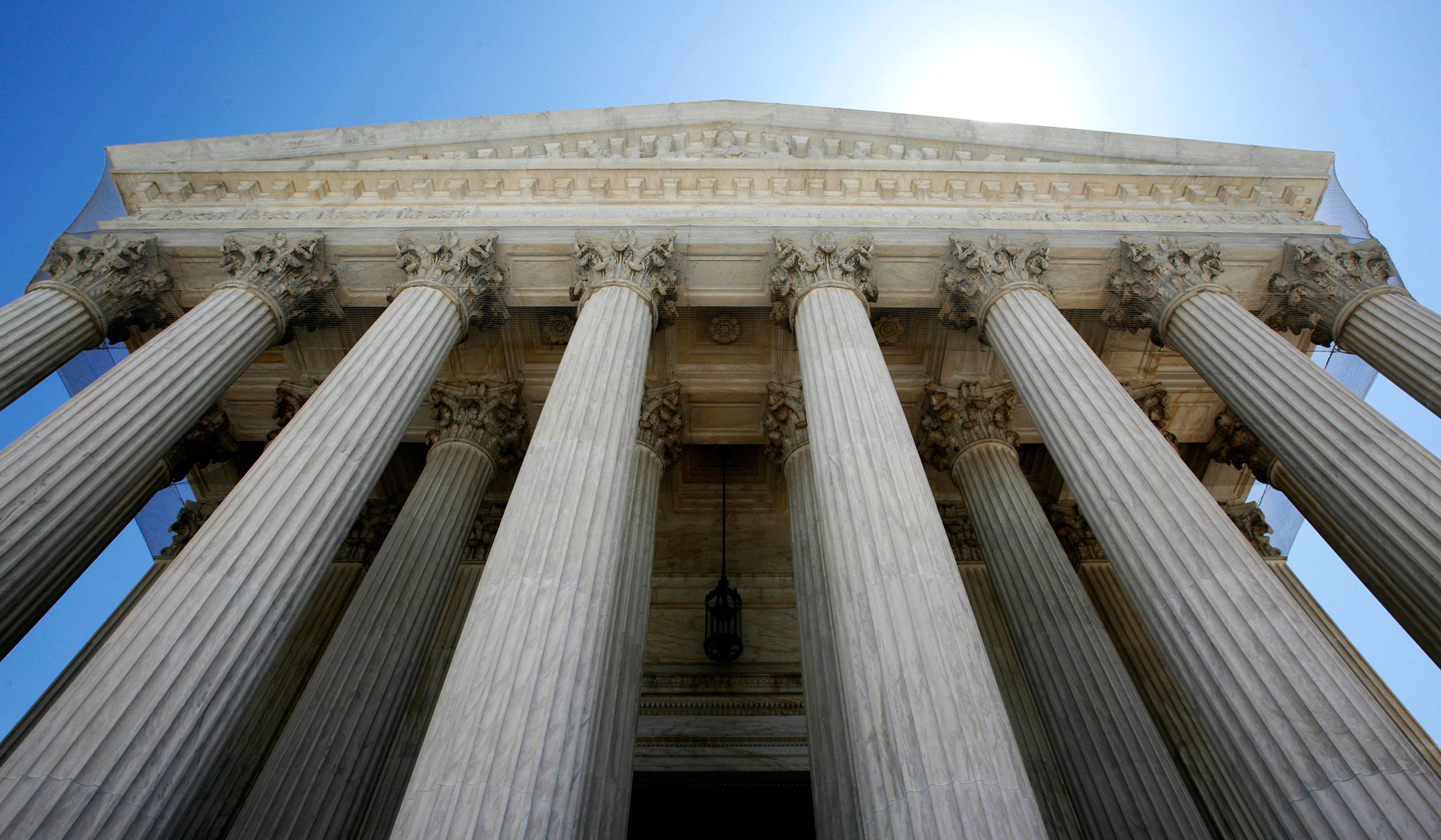
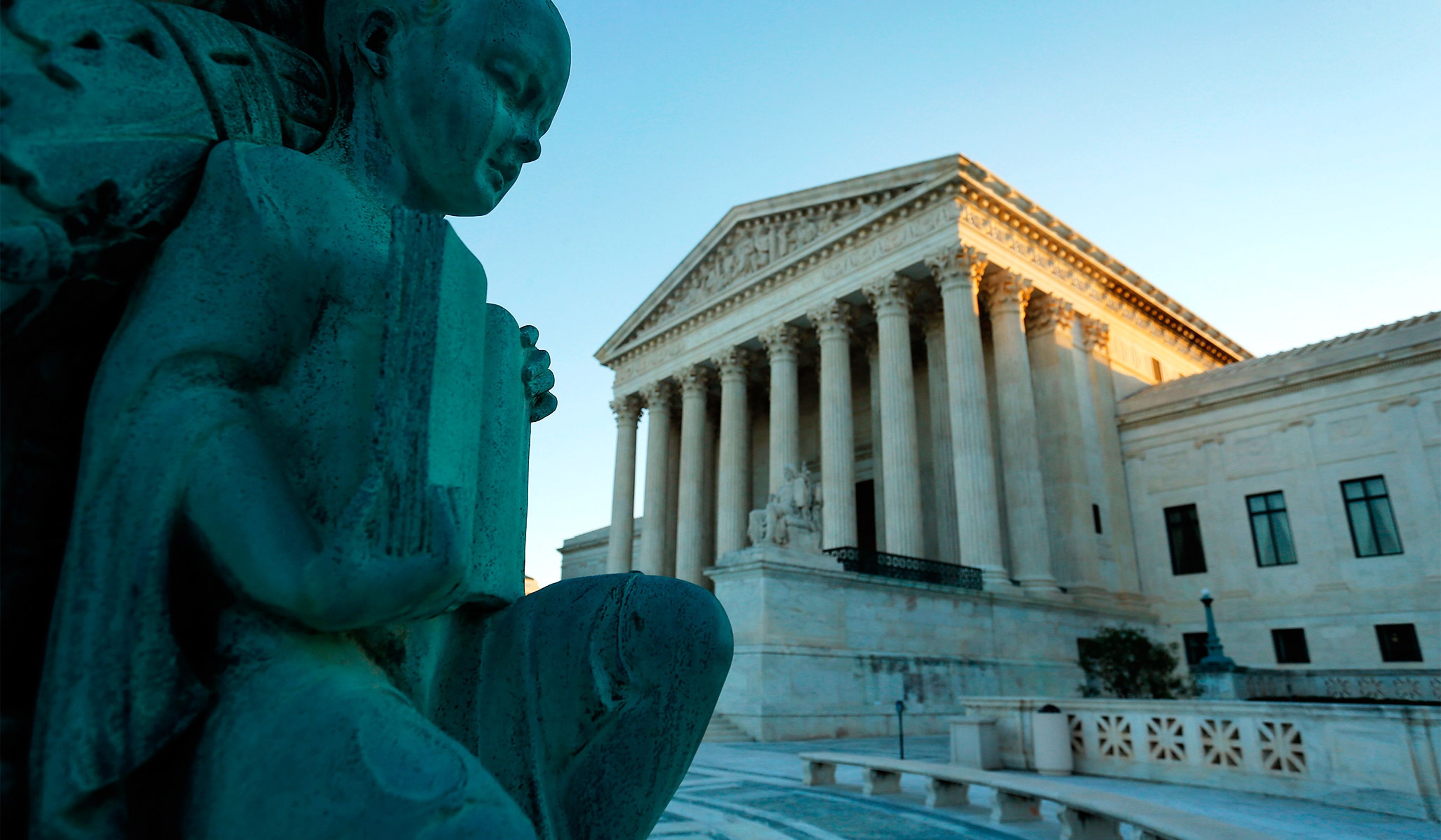
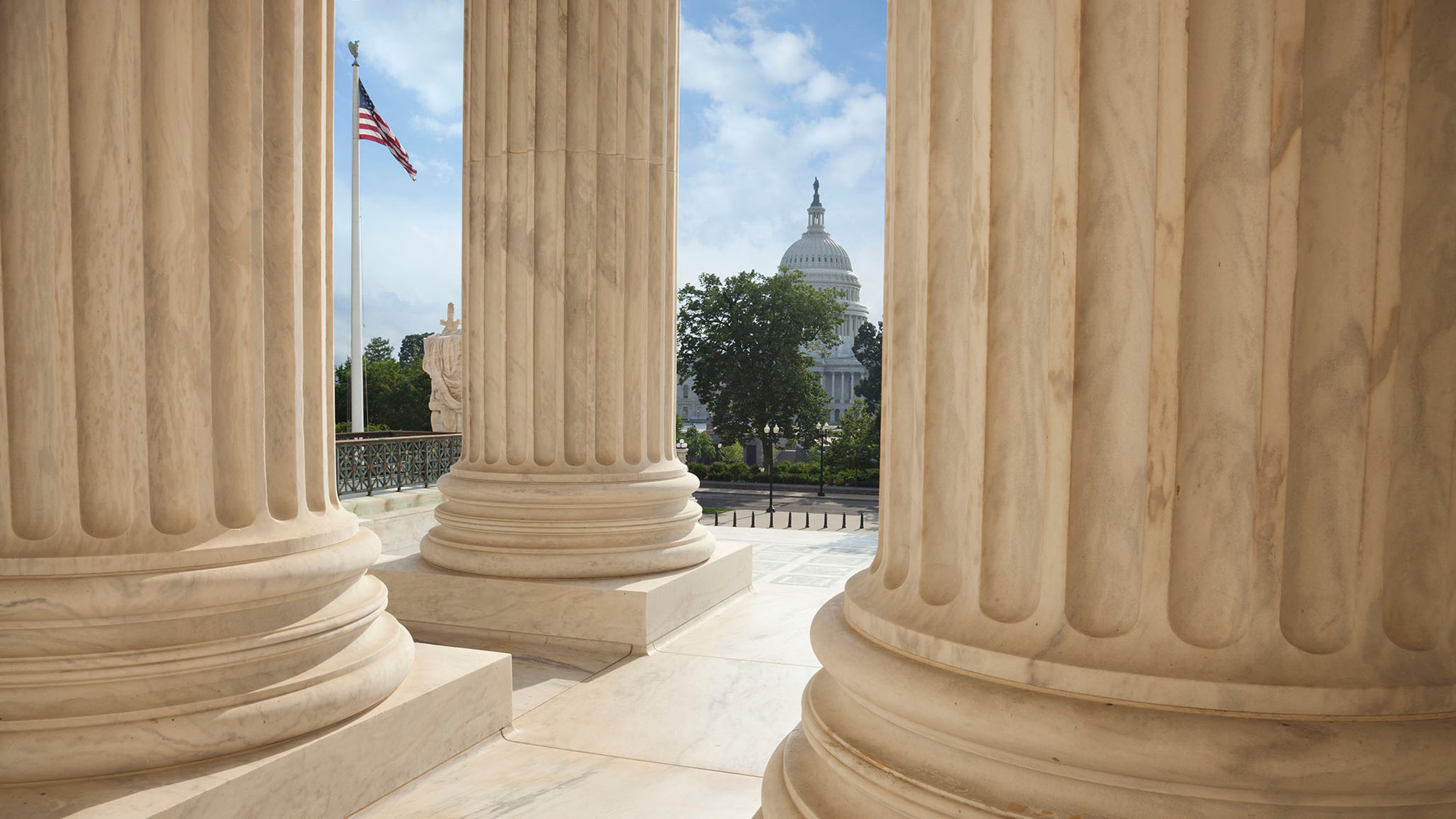
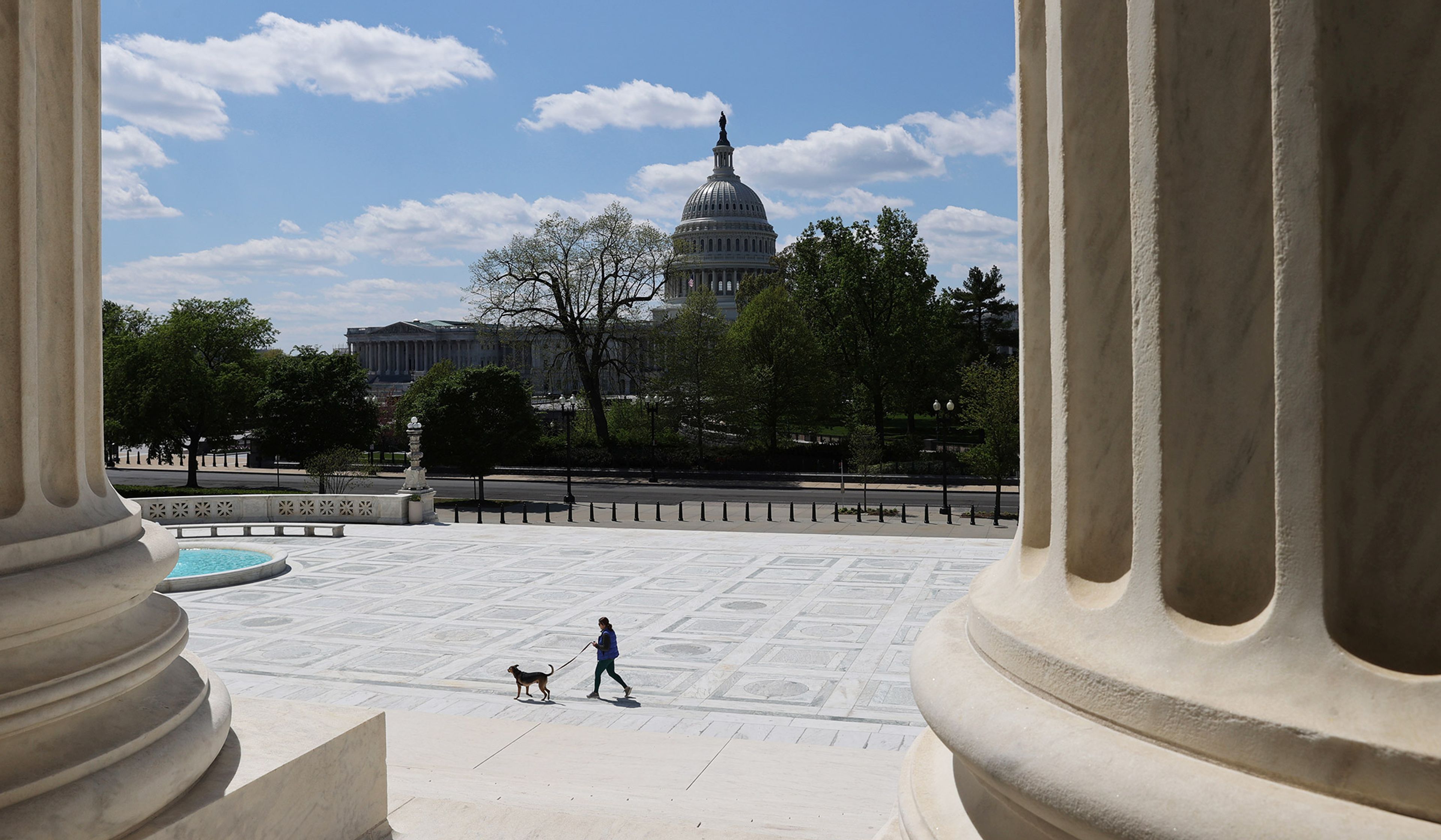
The Supreme Court in Washington, D.C., January 21, 2020
Will Dunham/Reuters
When was the last time cameras bolstered the reputation of an American institution? Nothing corrodes decorum and decency in Washington like the presence of mass media. The previous Supreme Court confirmation hearing was marred by evidence-free smearing of the nominee as a gang rapist; at Barrett’s own confirmation hearings for the Seventh Circuit, senators attempted to smear her as a religious fanatic. The Constitution was scarcely mentioned. Only one branch has been spared this ugliness.
And, really, when was the last time anyone learned anything from cable news? It is true, of course, that our lack of civic education has become a national tragedy. One Annenberg Public Policy Center study found that 32 percent of Americans couldn’t even identify the three branches of the federal government. The idea that citizens will gather around their televisions like the ancient Greeks at the ecclesia to witness oral arguments on important cases — rather than catch some clips of justices’ quips edited and shared on Twitter — is risible.
Indeed, not long ago an MSNBC reporter noted that the American public “overwhelmingly supports opening up our nation’s most powerful, least accountable institution.” The Supreme Court, of course, is our most accountable institution because every decision comes with a detailed explanation as to how it comports with the Constitution. Every judge, like every elected politician, swears an oath to defend the Constitution, not to align with the fleeting positions of the majority. The Court at least feigns performance of its duty, and given the increasing number of textualist justices, it might perhaps live up to its charge. The problem is that even reporters — alleged experts — confuse majoritarianism with accountability. The Supreme Court’s job is to weigh the constitutionality of law, not to entertain us or do the public’s bidding. If we agree on this in theory, then the question becomes: How do cameras help justices fulfill their charge? The answer is: in no way.












Comments