The Year in Movies is over. The disappointing box office for Tenet and the resurgence of the coronavirus seem to have convinced Hollywood that traditional theatergoing and big audiences are both impossibilities. Regal Cinemas is suspending operations for its 500 theaters; Pixar’s Soul is going to be streaming; the next Bond movie and the desperately anticipated (well, by huge nerds) release of Dune have been pushed into next year. The only question for Hollywood is whether enough high-profile movies came out before the pandemic hit, and on streaming platforms since, to justify hosting some sort of socially distanced Oscars. (The right answer is probably no, but the movie business specializes in wrong answers.)
Of course, just as history continued after the End of History, the end of the Year in Movies just means the postponement of blockbusters and Oscar bait, and the absence of movie stars making eyes at us from giant screens in darkened cinemas; it doesn’t mean that there won’t be movies in the fall. Netflix still has a small group of prestige flicks coming, from David Fincher and Aaron Sorkin among others, which will no doubt dominate the quasi-Oscars if they happen. And little-movies-that-could will still get streaming releases, with less competition for media attention and more space to break through.
If I were laying odds for the little movie most likely to get attention and nominations in an if-it-happens Oscar race, The Forty-Year-Old Version, now playing on Netflix, would be a pretty good place to bet. It has an inspiring backstory: A struggling fortysomething playwright, a next-big-thing in her twenties and notably unsuccessful thereafter, writes and directs her debut movie, casts herself in the autobiographical lead role, shoots it in just three weeks, and wins the directing prize at Sundance. And it suits the post–George Floyd American cultural moment perfectly: The playwright/director is a black woman, and the tension in the movie is between conforming her work to the expectations of rich white patrons and the rich white theater world, and rerouting her artistic self into something weirder and truer — which means, maybe, rerouting herself out of theater into rap.
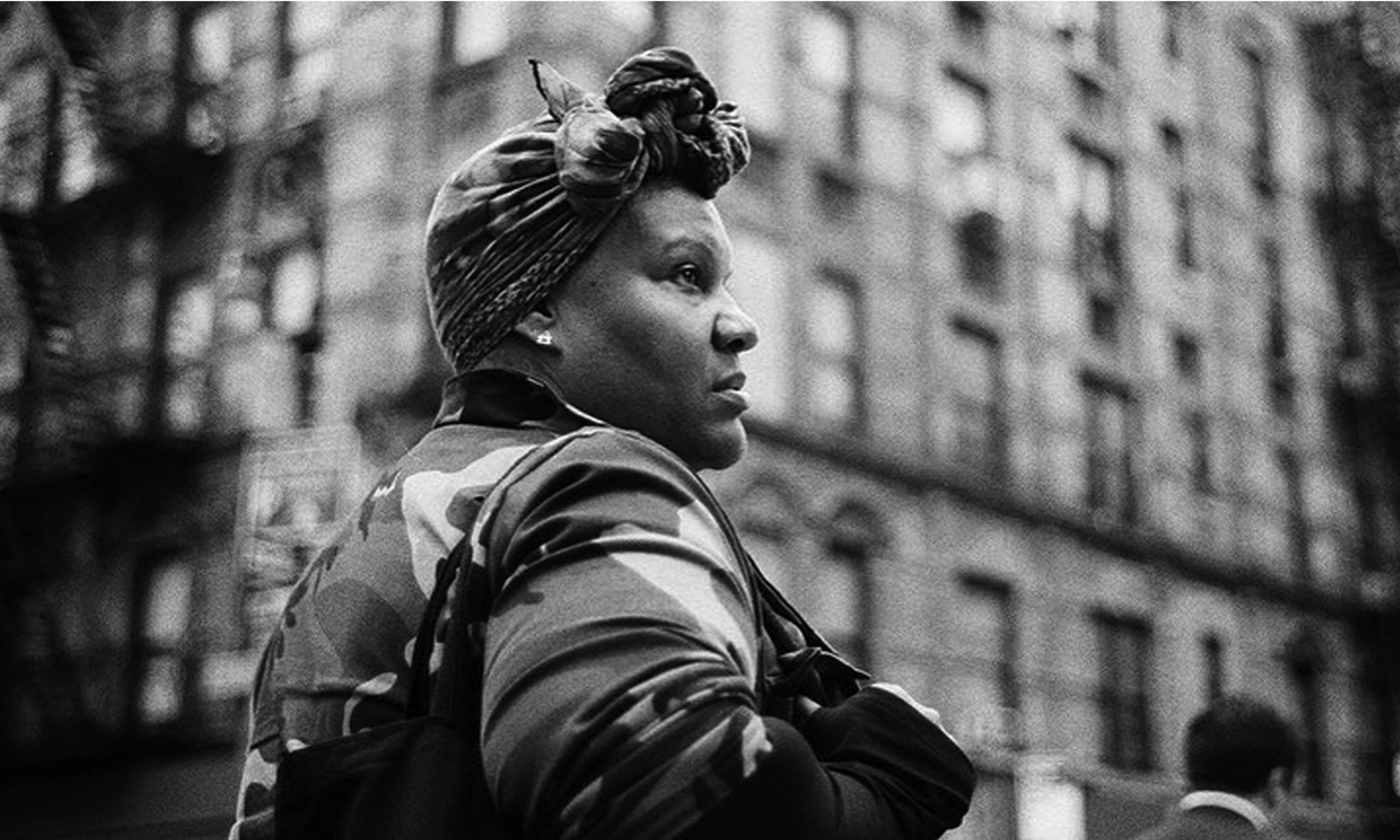
Also, the movie is pretty good. (Especially once you get past the slightly cringey wordplay of the title.) The playwright-turned-auteur is “named Radha Blank,” a big woman who looks older than the just-about-to-turn-40 years of her character, who is also named “Radha Blank.” She plays herself with a captivating mix of self-effacement and gusto, artistic vanity and middle-age creaks, while framing her story with entertainingly theatrical set pieces (including a lively Greek chorus from her neighborhood) and filming herself and her city in a Cassavetes-style black and white.
The story itself runs along two tracks: In one, her long-suffering high-school friend and agent, Archie (Peter Kim), sets her up to have her play staged by a high-profile producer (Reed Birney), with “staged” meaning “rewritten to be a tedious but crowd-pleasing parable about gentrification.” In the other, she dips into the underground rap scene, hanging out with a young male DJ named “D” (Oswin Benjamin), who takes her to boxing-ring female rap battles and tries to coax her into embracing her very off-Broadway gifts.
Needless to say, these two tracks converge into an ending that forces Radha to choose between different identities and understandings of success. And it doesn’t give much away to say that the movie is hostile to an understanding of success defined by old white producers (Birney gives a terrific performance as a walking nightmare) and old white theater ladies and white liberals generally. The politics of The Forty-Year-Old Version are very left-wing in the current sense, meaning that the movie depicts an intense, barely suppressed conflict between white privilege and various intersectional identities — embodied by Radha and her rapper friends, by the gay Korean-American Archie, by the out-and-proud lesbian Latina in Radha’s theater class and the closeted black girl who’s drawn to her — whose inhabitants feel co-opted and used by a liberal power structure, and are groping their way toward either rebellion or exit.
Which means, in turn, that the movie arrives in your Netflix queue — and on the back cover of the latest New Yorker, occupied by an advertisement that’s just Radha’s earringed profile and the title — rich in cultural ironies. Because obviously The Forty-Year-Old Version isn’t itself an outsider phenomenon, a passed-around mixtape or a rap battle in a disused gym. It’s a New York Times Critic’s Pick, taken up by exactly the liberal elite that it’s intent on skewering, applauded and elevated for its critique of the kind of African-American stories that the elite usually applauds and elevates.
This doesn’t obviate the critique, but it tells you something about the adaptability and resilience of elite liberalism in an age of alleged revolution. The system is vulnerable to left-wing critiques, but it’s also responsive to them in a way that always offers a kind of co-optation option — so that every act of rebellion has the possibility of a Netflix deal, and the ones who try to walk away from liberalism’s success-and-power structure can find roads that bend back in.












Comments