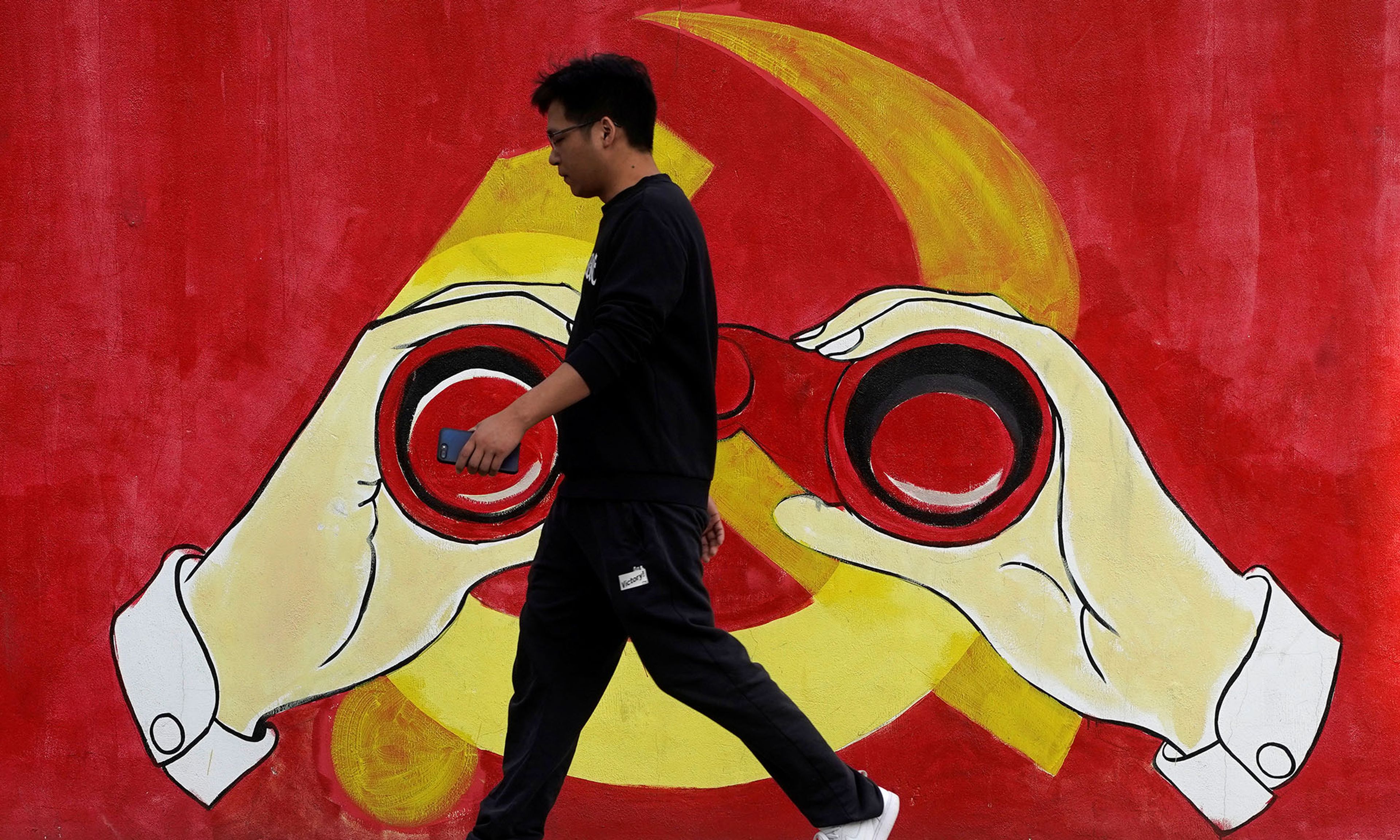
Just a week before November 3, the last day of voting in the 2020 U.S. election, Newsweek broke a bombshell of a story: “600 U.S. Groups Linked to Chinese Communist Party Influence Effort with Ambition Beyond Election.” The article identified and mapped out a sophisticated and wide-ranging array of organizations involved in influencing American society, encompassing many dozens of diasporic Chinese groups in the U.S., various chambers of commerce, and other cultural and educational organizations.
It’s the kind of discovery that could have been expected to dominate the conversation in the home stretch of a campaign season in which the two candidates have accused each other of being soft on China. The Newsweek piece didn’t get the attention it deserved.
None of this would surprise Clive Hamilton and Mareike Ohlberg, co-authors of Hidden Hand. Both are experts in Chinese political-interference operations — he an Australian academic, and she a German researcher of China. Their book provides a comprehensive look at how the Chinese Communist Party has for years managed perceptions in democracies in North America and Western Europe, using all manner of methods to make friends of elites, average people, and everyone in between.
All of this shows how the Party is an existential threat to Western democracy. In wielding its influence, Beijing hopes to turn resistance to its ambitions to mush. All the while, it exercises a long, extrajudicial reach, picking off dissidents abroad and changing global norms to clear the path for its authoritarian model. Absent a strategy of active pushback, the Party stands capable of persuading nonmembers in foreign countries that its policies are legitimate and benign.
Hidden Hand comes at a patently crucial time, during the defining stages of America’s strategic competition with China, and as other democracies have also started to turn against Beijing. The book received an early anti-endorsement from the London-based 48 Group Club, which bills itself as a nonprofit that promotes mutually beneficial relations with China. Hamilton and Ohlberg detail the organization’s close ties with Party officials, noting that the website of Stephen Perry, its director, hosted “a robotic repetition of CCP propaganda.” Perry, of course, objected to the book’s allegations, particularly that his organization helps Beijing “groom” British elites, and threatened a lawsuit. His ham-fisted attempt at lawfare brought public attention to Hidden Hand’s allegations, which otherwise would have been overlooked. Publication went forward.
Perry and the 48 Group Club are only one part of the CCP’s efforts in places such as the United Kingdom, which Hamilton and Ohlberg say has “passed the point of no return.” Although they slightly overstate the club’s impact — Perry’s merely a useful idiot, albeit one who makes regular Chinese state-media appearances and was bestowed an award by Xi Jinping — they cast light on many of the Party’s other Western friends who previously labored in obscurity.
Hamilton and Ohlberg also do the important work of zeroing in on the two aspects of the CCP’s foreign-influence operations that matter most. First, they explain what it means to be dealing with a Leninist party-state: It’s insecure. By seeking legitimacy abroad to manage potential threats, the CCP attempts to achieve security. Second, the authors examine the CCP’s united-front work, a complex and sophisticated network of Party bureaus, overseas organizations, and assorted individuals, all committed to bringing people — religious and ethnic minorities, businessmen, and overseas Chinese — who are not Party members into the fold. United-front work aimed at foreign societies has grown in recent years. Unlike other foreign-influence operations, those of the CCP are not organized around sowing chaos in any single election. Instead, Chinese political interference seeks to create an environment conducive to the Party’s political objectives in the long term.
Demystifying united-front work is the key to resisting it. Hamilton and Ohlberg deal with Beijing’s unlawful intrusions in foreign countries, its espionage and theft of trade secrets. In the United States, this has been a growing focus of attention. However, a sizeable chunk of the Party’s malign activities is legal in each of the democracies discussed in the book — and this has come to light only in recent months.
Consider how the Party works with state-level officials to inculcate positive attitudes toward Beijing. In a speech to the National Governors Association (NGA) in February 2020, Secretary of State Mike Pompeo highlighted one method that the CCP uses: The NGA hosted a summit with the Chinese People’s Association for Friendship with Foreign Countries (CPAFFC) in 2019, to encourage cooperation at the height of the Trump administration’s trade war with China. The goal of the meeting, attended by the Chinese ambassador to the U.S. and other key figures, was to encourage people-to-people contact amid strained relations. Pompeo noted a problem with that seemingly innocuous event: “What the invitation did not say is that the group — the group I just mentioned — is the public face of the Chinese Communist Party’s official foreign-influence agency, the United Front Work Department.” Why is this a problem? Hamilton and Ohlberg explain: “These relationships are points of leverage: Chinese diplomats leant on the governors to lobby Washington to dial back the trade war.”
In short, the CCP aspires to turn state and local officials into some of its most effective advocates. This is made possible by the naïve belief that people-to-people exchanges and maintaining positive relations are eminently desirable goals. But anyone who understands the Party and its ambitions sees the inherent flaw in that assumption, as Hamilton and Ohlberg point out when looking at U.S.–China sister-city relationships, another CPAFFC (and therefore united-front) initiative: “In Xi Jinping’s China there is no ‘people’ in the sense of an independent civil society, so what is really being built in sister agreements are Party-to-people relationships.”
The authors’ Party-centric framework exposes the holes in the gauzy talk of Beijing’s foreign enablers, who almost invariably call any attempt to hold the CCP accountable a threat to peace, cooperation, and people-to-people ties. When, for example, Columbia University professor Jeffrey Sachs decried Canada’s arrest of a top Huawei executive at the behest of the Trump administration, calling it “almost a US declaration of war against China’s business community” in a 2018 column, he elided the Chinese government’s use of Huawei as an instrument of espionage and economic statecraft. Not incidentally, that piece, and other writing of Sachs, is syndicated by CGTN, a Chinese state-media outlet. As Hamilton and Ohlberg point out, Sachs has a long history of interactions with Party entities.
But Sachs, of course, is not the only Westerner to have been cultivated by Beijing. Hidden Hand spares no one, skewering legendary investors such as Stephen Schwarzman, Ray Dalio, and Larry Fink, and pointing out questionable links between Beijing and politicians in Canada, Europe, and the United States.
The Washington insiders named in the book — Joe Biden, Mitch McConnell, and a number of others of both parties — will bristle at how Hamilton and Ohlberg characterize them, and readers might gain an appreciation for the subtle ways in which Beijing has allegedly cultivated relationships with U.S. officials and other Beltway types. The co-optation of political, intellectual, and corporate elites — in addition to the institutions with which they are affiliated, such as think tanks and university research centers — by the Party is undoubtedly one significant reason that it has taken until now to recognize Beijing’s willingness to subvert foreign democracies in furtherance of its global ambitions.
But the pro-Beijing viewpoint is now losing purchase. Australia was already well ahead of the pack in tackling Chinese political interference (and in no small part thanks to Hamilton’s 2018 book on the topic), but at the time he and Ohlberg wrote Hidden Hand, there was still inadequate recognition of the Chinese party-state’s malign intentions toward the United States, Canada, and Western European countries. There still is an awareness gap, but reading this book in late 2020, the keen observer will be struck by how much has changed even since the start of the year.
The authors note, for instance, the Italian government’s apparent willingness to take Huawei’s instructions in 2019 — but just last month Rome vetoed for the first time a deal between Huawei and an Italian telecom service. A similar development can be seen in the U.K. Although the “golden era” of Sino–British relations recently appeared alive and well, Beijing’s Hong Kong crackdown and treatment of the Uyghurs have turned the Johnson government into an adversary, which now offers citizenship to some fleeing Hong Kongers and weighs the idea of designating the atrocities in Xinjiang a genocide.

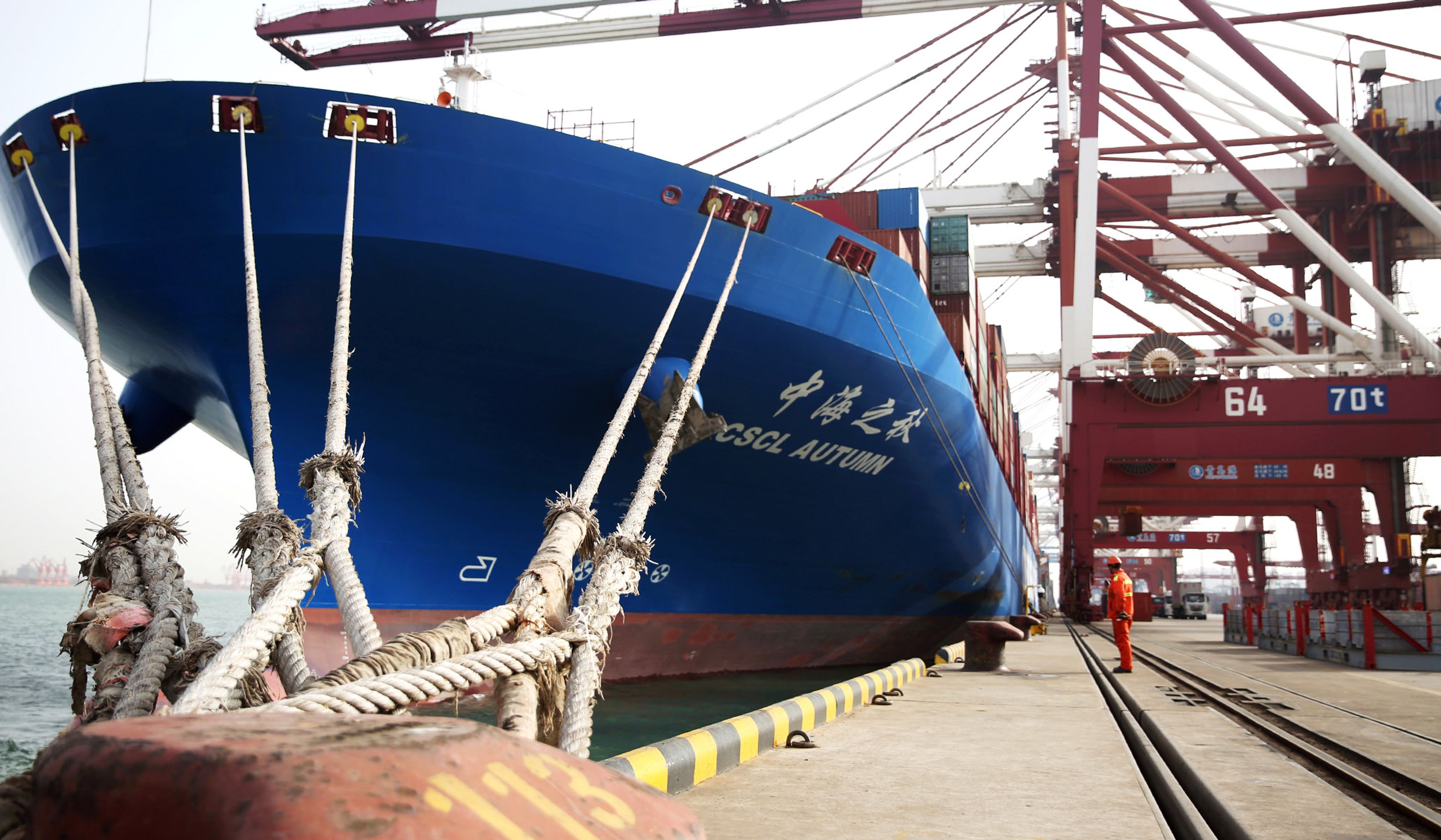

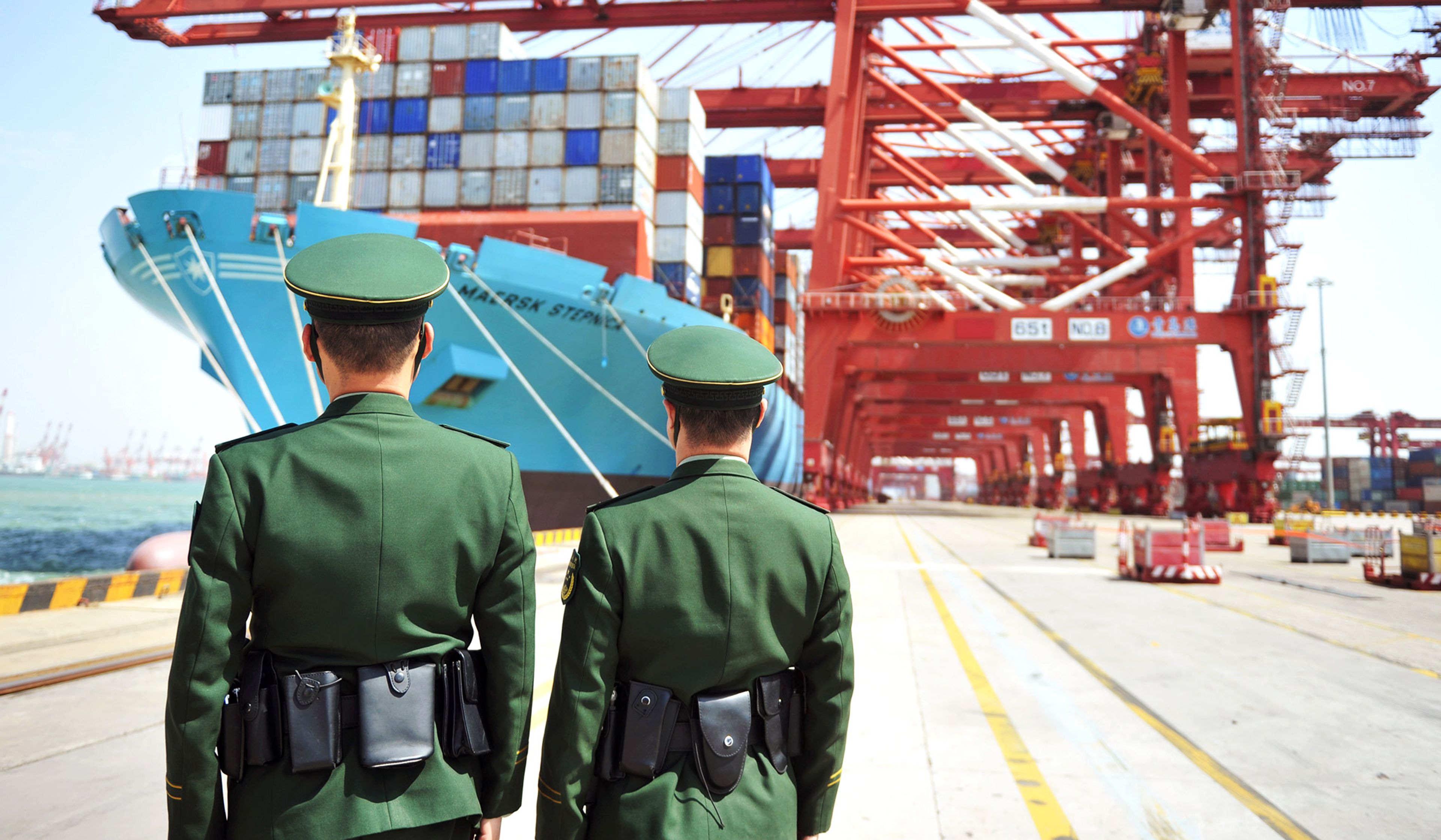
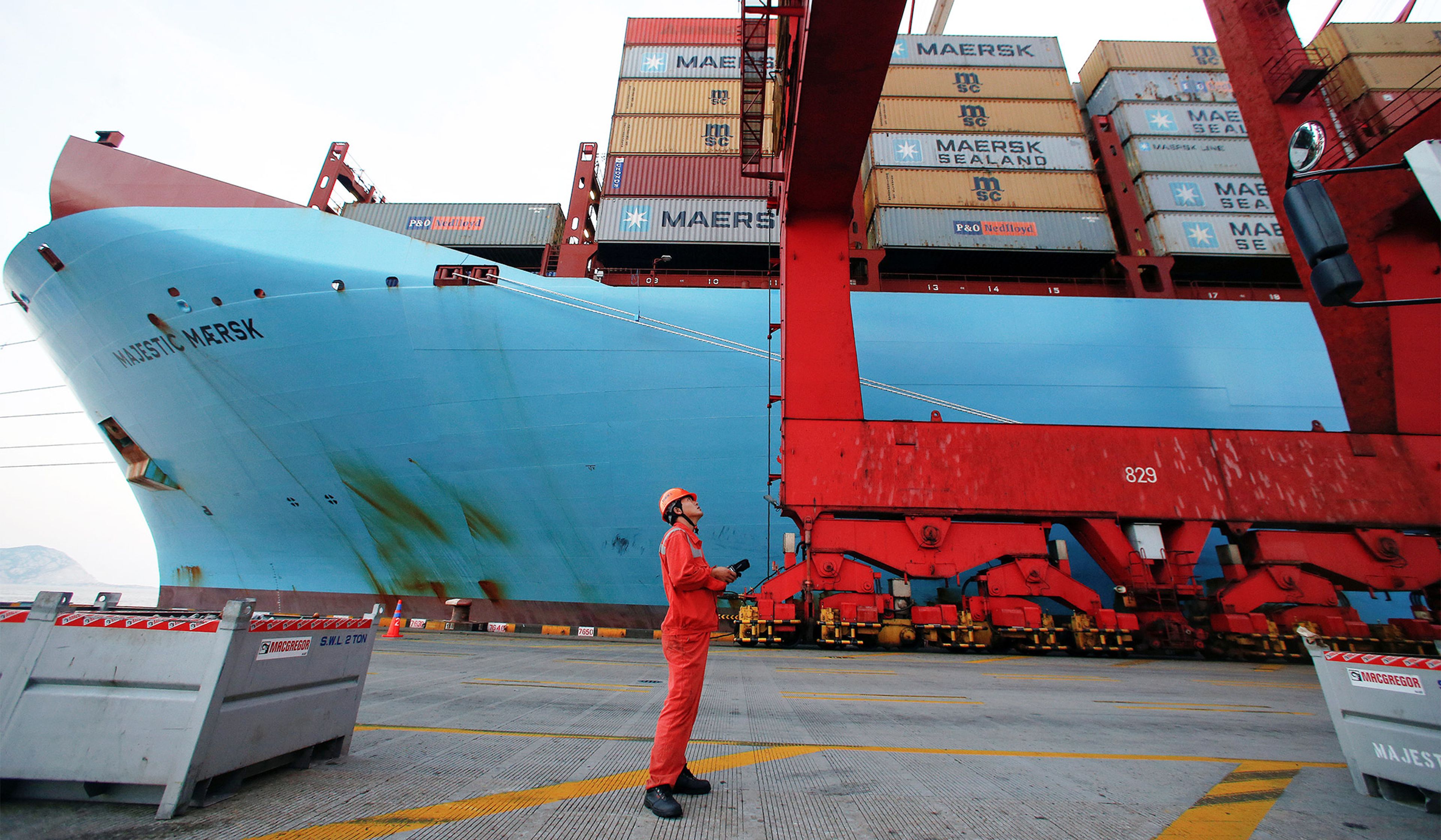
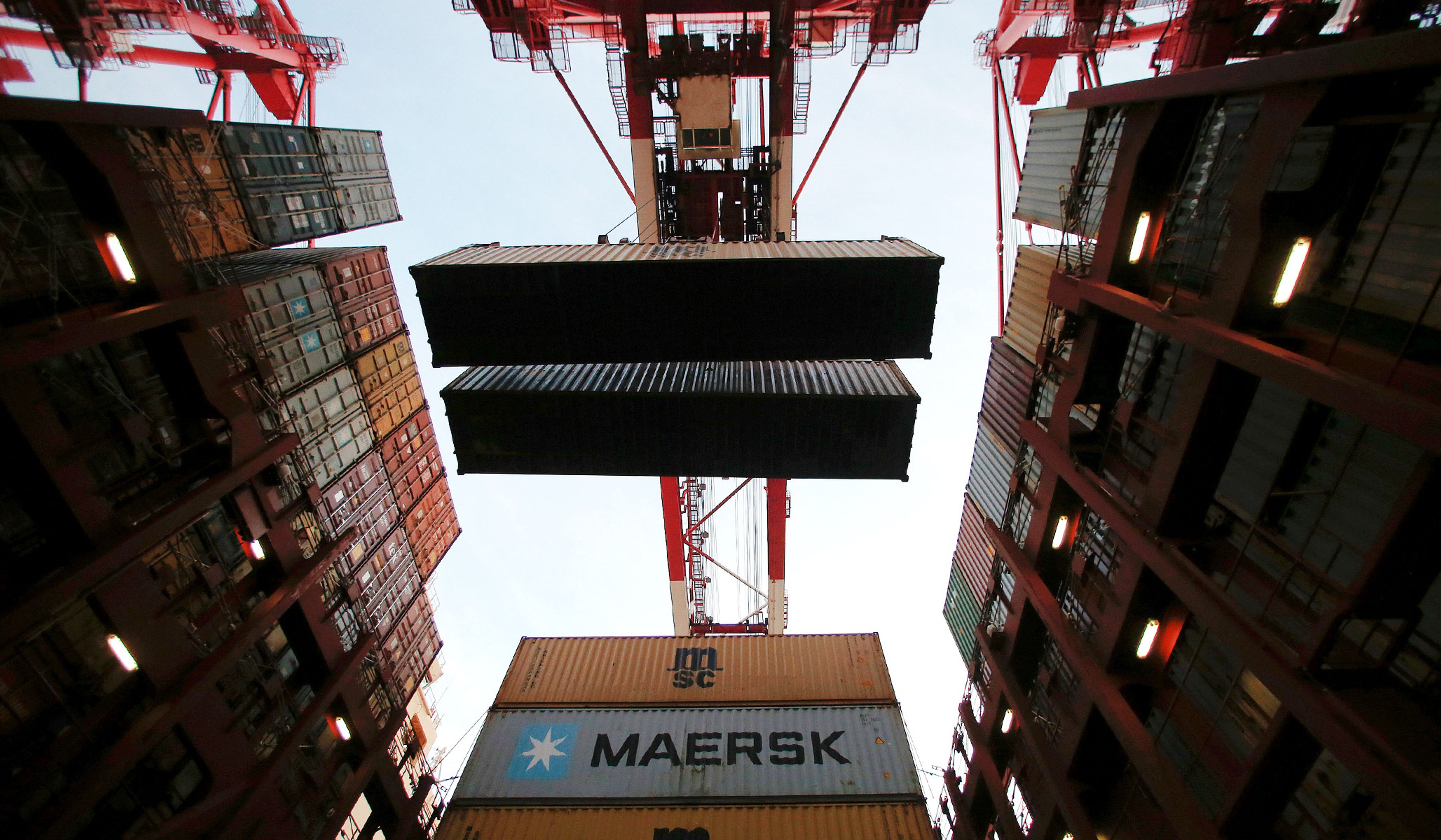
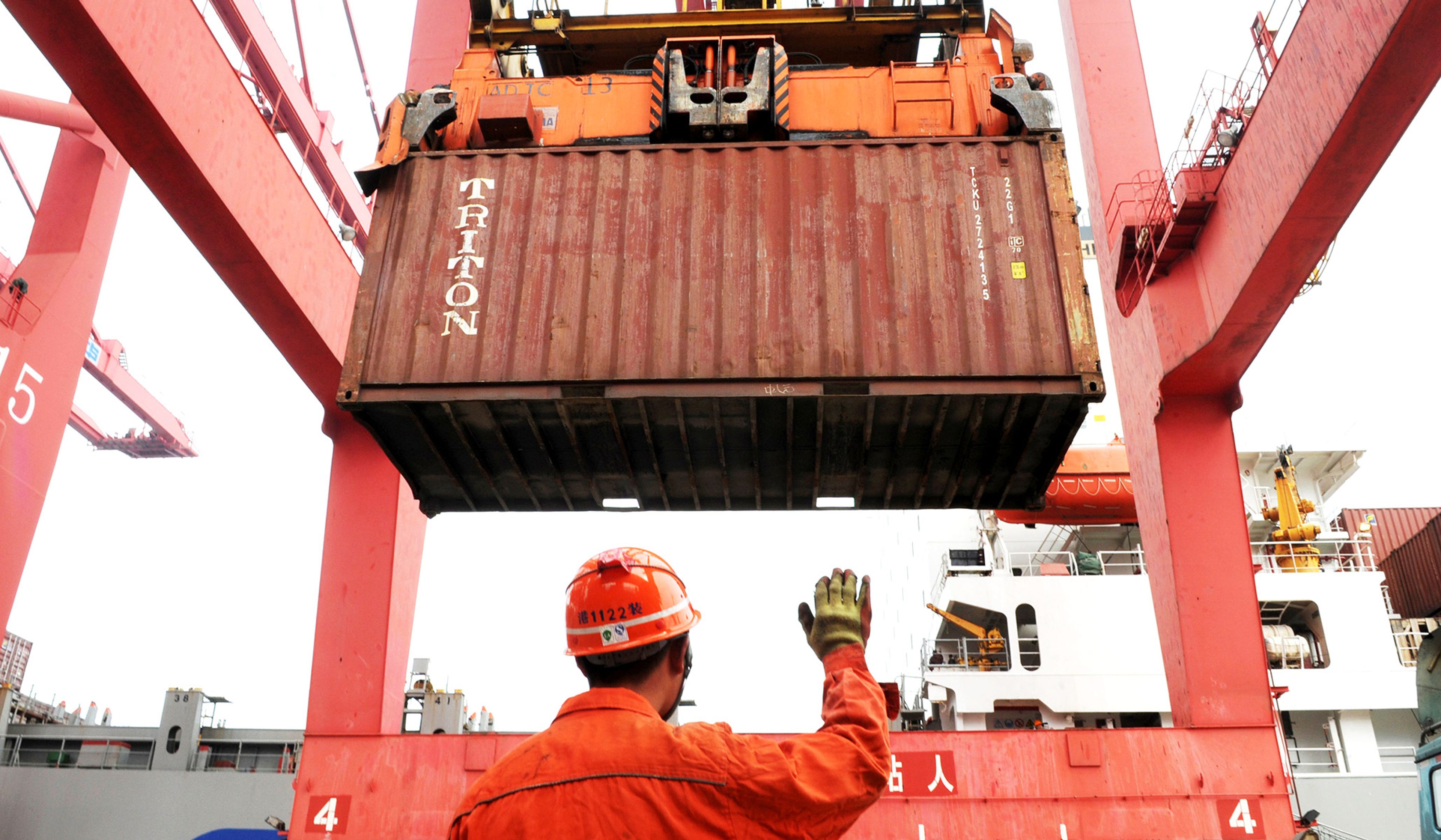
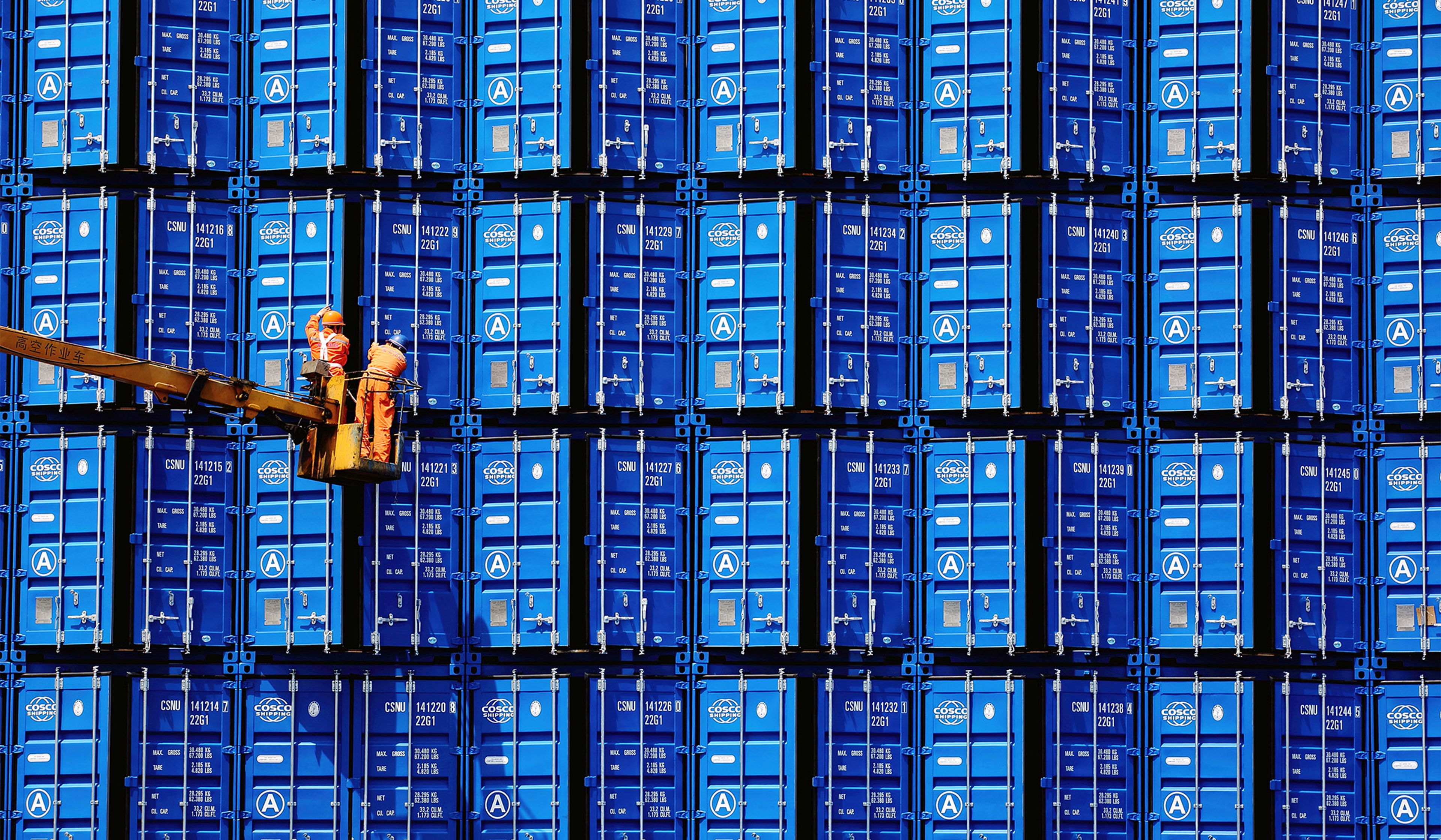
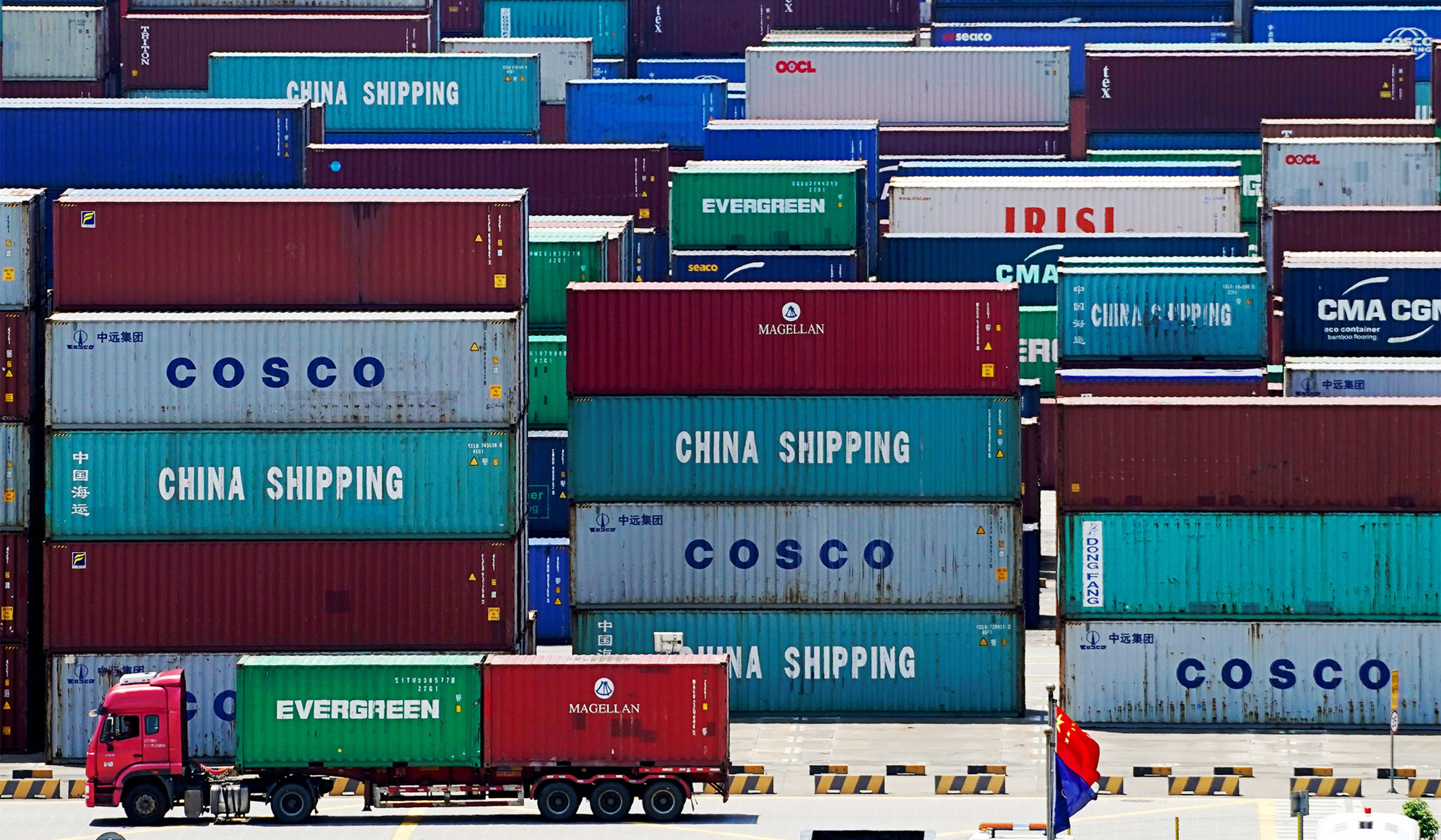

Workers help to dock a China Ocean Shipping Company (COSCO) container ship at a port in Qingdao, China, in 2018.
Stringer/Reuters
Across liberal democracies, polls show that any favorable attitudes that publics have of the Chinese regime are plummeting. The Party has become its own worst enemy, in the coronavirus era revealing the bullying, revanchist core beneath a friendly façade. In the emerging consensus, talk about “mutually beneficial cooperation” and the like is recognized as always having been a euphemistic way to tout Chinese Communist hegemony. As clear as that’s become, though, the details of these interference efforts are not yet common knowledge. They can become so only if we identify and cast light on the CCP’s Western agents, proxies, and friends and expose this dark secret.
That is precisely what Hamilton and Ohlberg have made possible in presenting to a broad audience a primer on the many complementary ways by which Beijing works to convince Westerners that it does not seek international dominance. At times, the authors themselves seem overwhelmed by the vast amount of research they feel compelled to share, erring sometimes when their insightful analysis unravels into what almost resembles just a list of names and organizations. But at its best, Hidden Hand is a cogent and occasionally eloquent call to defend global democracy from this present and, until recently, largely unacknowledged crisis.
It should be required reading for anyone working in government and policy, the private sector, or media — really, for anyone with a stake in resisting the shadowy machinations of a totalitarian regime that seeks to exert its will on free societies. With better awareness of how the Party’s Western boosters are connected to Beijing, it will become that much easier to cut them out of the public discussion.
Above all else, though, Hidden Hand shows that America’s competition with Beijing is also the free world’s. For all the differences between the ways in which CCP activity manifests in all the affected countries, its threat to proponents of democracy and human rights everywhere is constant in its seriousness. The sooner U.S. allies acknowledge this as a reason to fall in line with Washington’s leadership, the better.












Comments