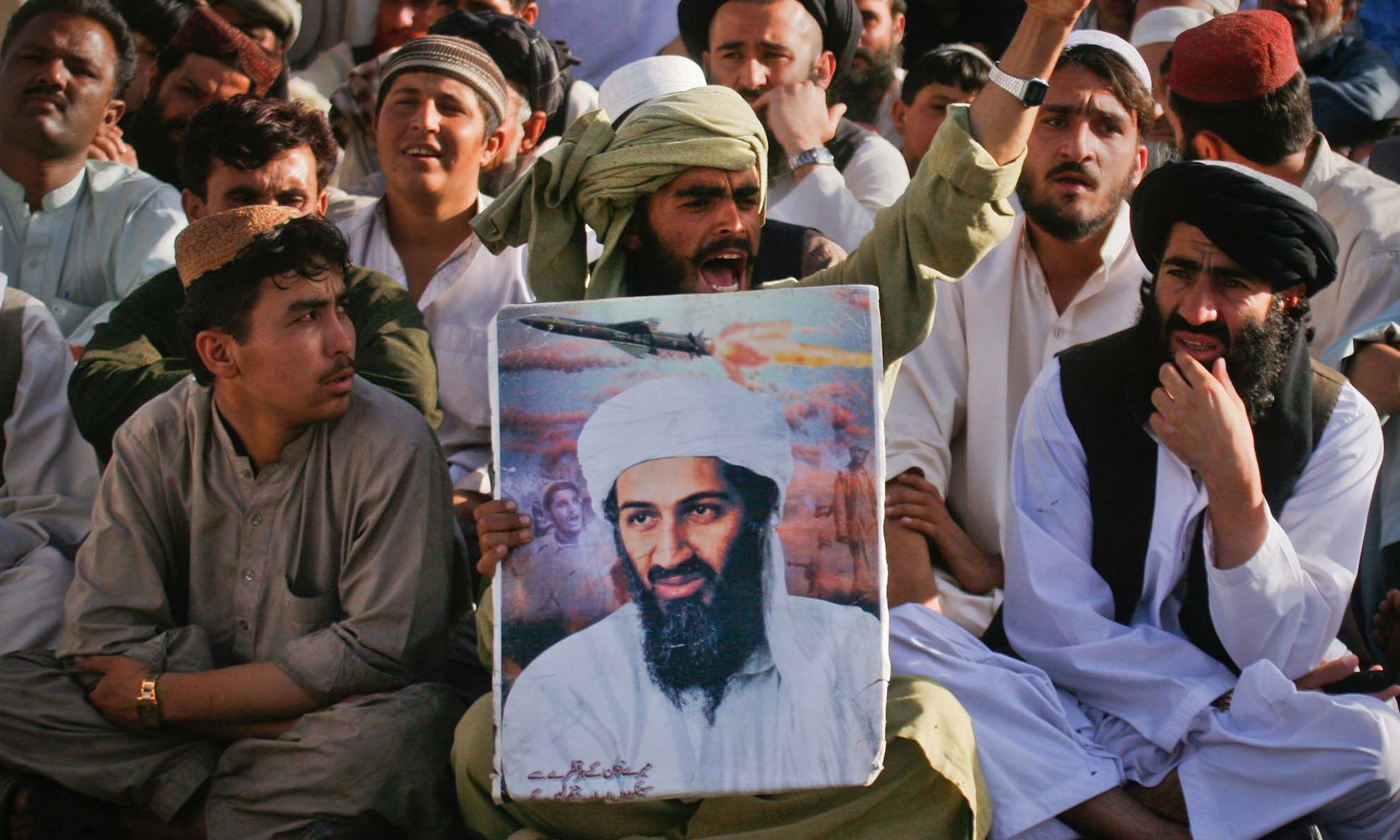
A few months ago, I walked into a bookshop in Baghdad and got into a conversation with the store owner. He was trying to convince me to help him translate into Arabic the captions of a book of photos from around the world. He said he wanted to be able to put on the published book that it was translated by the orientalist (al-mustashriq) Samuel Sweeney. “If you think the term is accurate?” he asked. I chuckled to myself but said I would be honored to have the title if the translation came to be.
I told this anecdote to a friend in American academia. We both laughed at how absurd the conversation would be in the Middle Eastern Studies department at any major university in the U.S., where the accusation of being an “orientalist” has been the scarlet letter to be avoided at all costs ever since Edward Said’s landmark book, Orientalism, was published in 1978. I’m confident that many graduate students of Middle Eastern Studies would not even be aware that Arabs often use the term in a neutral tone. It is a sad commentary on how removed those studying the Middle East are from the region they claim to speak for.
This disconnect between attitudes in the Middle East and those who study it is manifested in a new book by Columbia University scholar Hamid Dabashi. In The End of Two Illusions, Dabashi has attempted to tear down the concepts of “Islam” and “the West,” which he sees as constituting a false binary invented by European orientalism. “Today ‘the West’ is no longer a geography,” he writes,
it is a set of imaginary normative mores, a constellation of a colonizing idea, a set of supremacist sentiments, a space of vaguely interrelated cultural convictions and imperatives presumed to be somewhere between Western Europe and North America, with an extension into Australia and New Zealand and a stopover in Israel and, until the end of apartheid, in South Africa. “The West” is in fact more than anything else a metaphor, an allegory, for European colonialism and all its settler colonies.
In Dabashi’s view, the Islamic world bought into this constructed binary only in the last two centuries, as a response to European colonialism. “Eurocentric modernity has systematically sought to cross-authenticate itself . . . by inventing outdated and inferior civilizations: Islamic, Indian, Chinese, African, and so on.” But to recognize a distinction between Western and Islamic civilizations is not to say that everything Western is superior to everything Islamic. Nor is it to say that the lines between the two are always clear. It is, however, to acknowledge that there is some inherent difference between the two civilizations that affects the way each side understands the world and interacts with it.
Is it a coincidence that the Arab Spring started in Tunisia and then spread to a number of other Arab countries almost instantly (Egypt, Syria, Libya, Yemen)? Is it a coincidence that Latin America shifted quickly from dictatorship to democracy starting in the mid 1980s (even if the progress hasn’t held universally)? There seems to be a zeitgeist that runs through the various civilizations of the world, and this is what Samuel Huntington — despised by Dabashi — was getting at when he spelled out his thesis in The Clash of Civilizations. And for serious Arab and other Muslim scholars today, to recognize the existence of Islamic civilization is to recognize that the Islamic world is in need of serious reform, and that this reform must be the first priority of Islamic thought. I’ll focus here on Arab-majority countries, but many of the issues plaguing the Arab world plague its non-Arab Muslim neighbors as well.
The Bahraini social critic Mohammed Jaber al-Ansari wrote in 2001 that Arabs need to address their own “backwardness” or “regression” (takhallof ) as an issue of extreme urgency. “Yes, backwardness,” he wrote.
Let’s call things by their name. Civilizational backwardness [or regression] regarding the pressing needs of the age in all primary aspects: freedom, organization, thinking, production, and power. . . . Let us move beyond the arguments of “European centricity” that some Arab intellectuals use rhetorically to avoid saying backwardness. Instead, they say that backwardness is simply a “European projection” on other societies. But there is progress and regression throughout the entire world, and the distinguishing factor between them is a set of objective standards in science, production, level of urbanization, and freedom of thought and politics.
Dabashi would cringe if he read that, but he seems to cite Arab scholars only via Western scholarship, and therefore likely is not aware of the increasing Arab skepticism towards old dogmas about colonialism and orientalism. (In fairness, Dabashi is Iranian and is clearly much better versed in Persian intellectual trends than in Arab ones.)
Perhaps the most important distinction today between “Islam” and “the West” is the latter’s implicit claim to universalism. Dabashi could come to the West from his native Iran and, without abandoning or denying Islam, be accepted both as a legal citizen and a participant in and contributor to Western civilization, writing to and read by an English-speaking audience that is largely “Western,” or at least Westernized. No such path exists in reverse. The few Westerners who are accepted as insiders in Islamic civilization leave behind — and often must reject — their Western origins. Not a few of them have ended up fighting for al-Qaeda, the Taliban, or ISIS. Otherwise, Westerners who engage with Islamic civilization do so as outsiders or guests — as orientalists, in the properly understood sense of the term.
Dabashi sees the idea of the West as a colonial fiction used to oppress those under European occupation. This overlooks Islamic colonization, a form of which continues against minority populations under majority-Muslim rule. In Dabashi’s telling, Islam is a revolutionary movement, a “religion of protest” that brought justice to the poor, huddled masses. He notes that after Mohammed’s death it “spread east and west like a brushfire,” but he does not consider those subjected to the new religion’s rule against their will. Were they not victims of a colonization as deplorable as the one perpetrated by Europeans in the 19th and 20th centuries? And while European colonialism did indeed play a negative role in the Middle East’s development, many of the problems that persist today were identified — often from the inside — before colonialism took root in the region. European colonialism is now far in the rearview mirror, but the situation hasn’t improved.
In 2003, Nobuaki Notohara, the Japanese scholar of Arabic literature, published a unique work of social criticism, in Arabic, called “The Arabs: A Japanese Perspective.” He wrote the book, he said, at the insistence of Arab friends and colleagues who valued his 40 years of experience in the Arab world and welcomed his criticism. The book is a hard-nosed look at the problems facing the region then, few of which have changed in the intervening 20 years. Notohara places much of the blame on Arabs themselves. He nonetheless maintains his fascination with all the positive aspects of Arab culture, which he is quick to point out. The edition I bought at a bookstore in Tripoli, Lebanon, was a 2016 reprint — the seventh edition — meaning that the book found a receptive audience among the Arabic-reading public. It was recommended to me by a friend’s Arabic teacher, who said it had taught her to see herself and her culture in a new light.
In the first section, Notohara writes:
The [Arab] individual seeks to distinguish himself based on lineage, such as family name or tribal origin, or by wealth or station or higher education, in a society where justice is absent, oppression is rampant, and the individual’s independence and value as a human is diluted. As such, the Arab citizen does not feel responsibility towards public property, such as public parks, streets, water facilities, public transportation, or forests.
These differences are necessarily cultural or, we might say, civilizational, and they are obvious to anyone who has spent time in the Middle East.
Dabashi’s view that these sorts of civilizational differences are a false construct is a convenient retreat for those with the luxury of avoiding the intractable problems facing Arab and Islamic civilization, as lived every day by its inhabitants. Ironically, while Dabashi blames the West for these problems, he reaps the benefits of that civilization and what it offers to scholars at places such as Columbia, as did Edward Said before him.
While reading The End of Two Illusions, one begins to feel that Dabashi is living in an imaginary world. There is a line, about halfway through the book, that is revealing. He tips his hand a few pages before the big moment, saying of 9/11 that “whether or not bin Laden was actually responsible for those acts of symbolic violence does not matter. What matters is that he had publicly celebrated their occurrence and taken credit for them.” At first, it seems that he may merely be making a point about the symbolic goals of terrorism or the decentralized nature of al-Qaeda. Several pages later, however, he writes: “The United States and its allies have categorically failed to produce a shred of convincing evidence that persuasively and directly links Osama bin Laden, let alone a ghostly apparition called al-Qaeda, to any one of these incidents,” referring to 9/11 as well as to previous attacks such as the 1998 bombing of the U.S. embassies in Kenya and Tanzania.
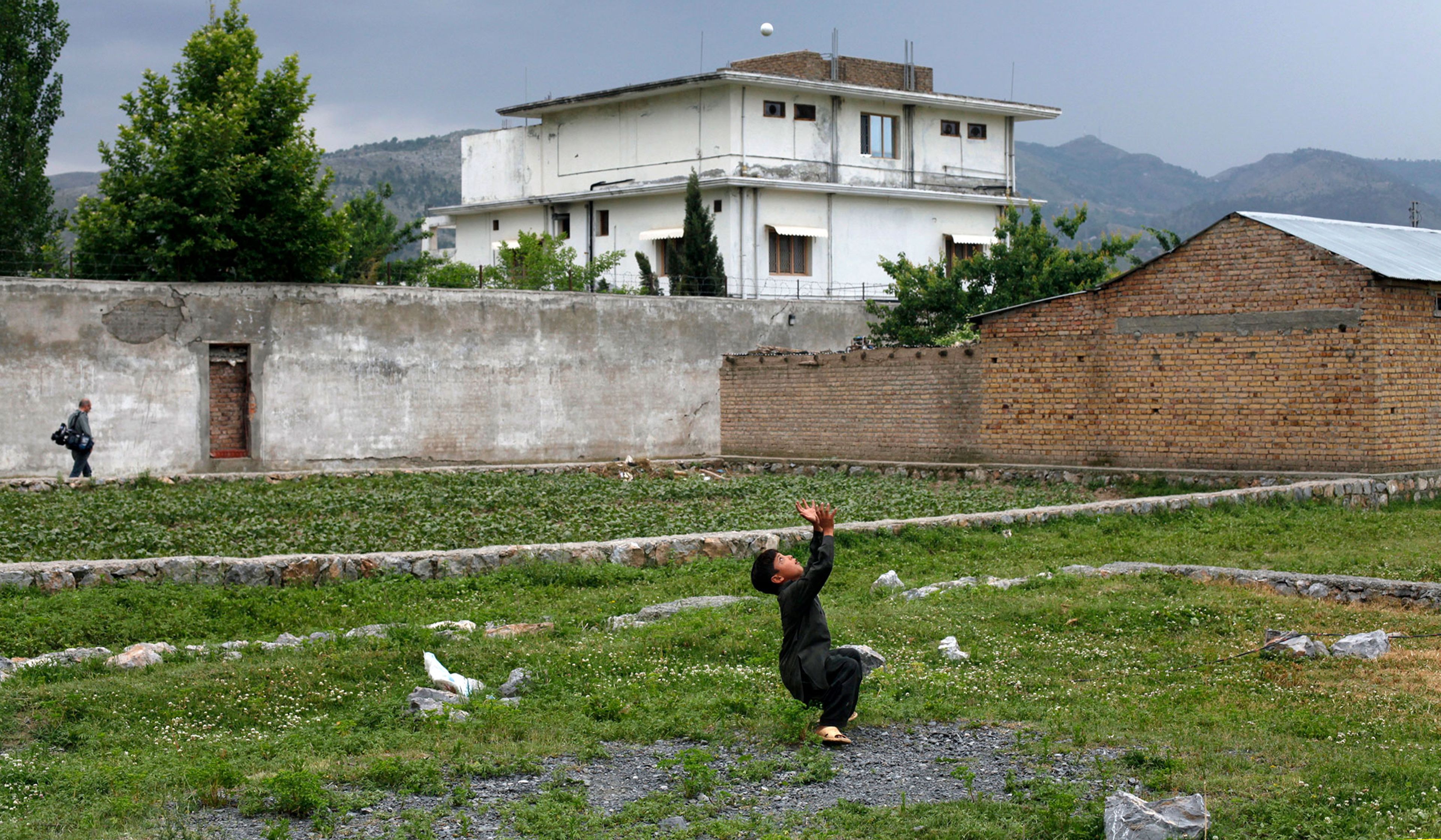
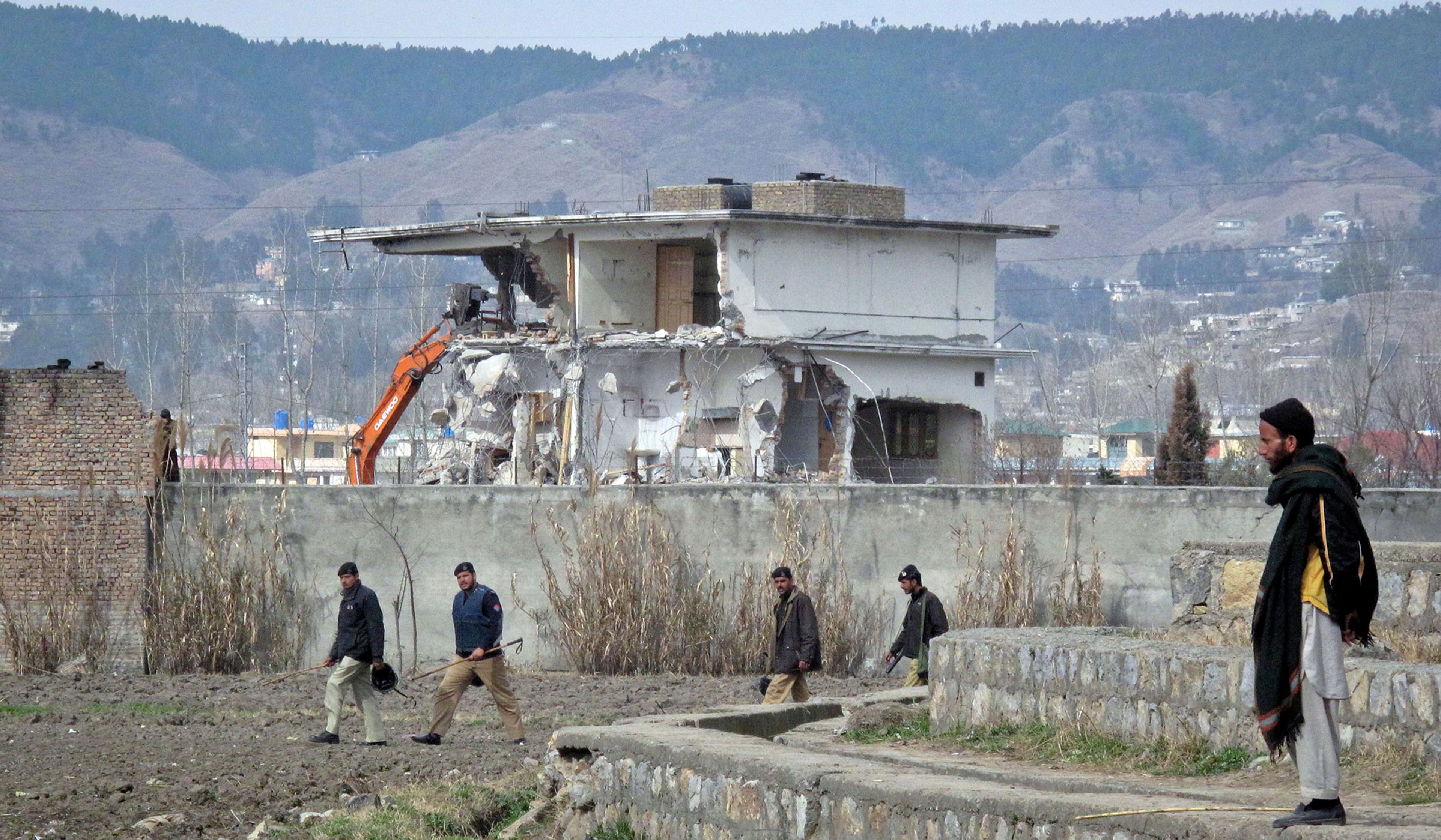
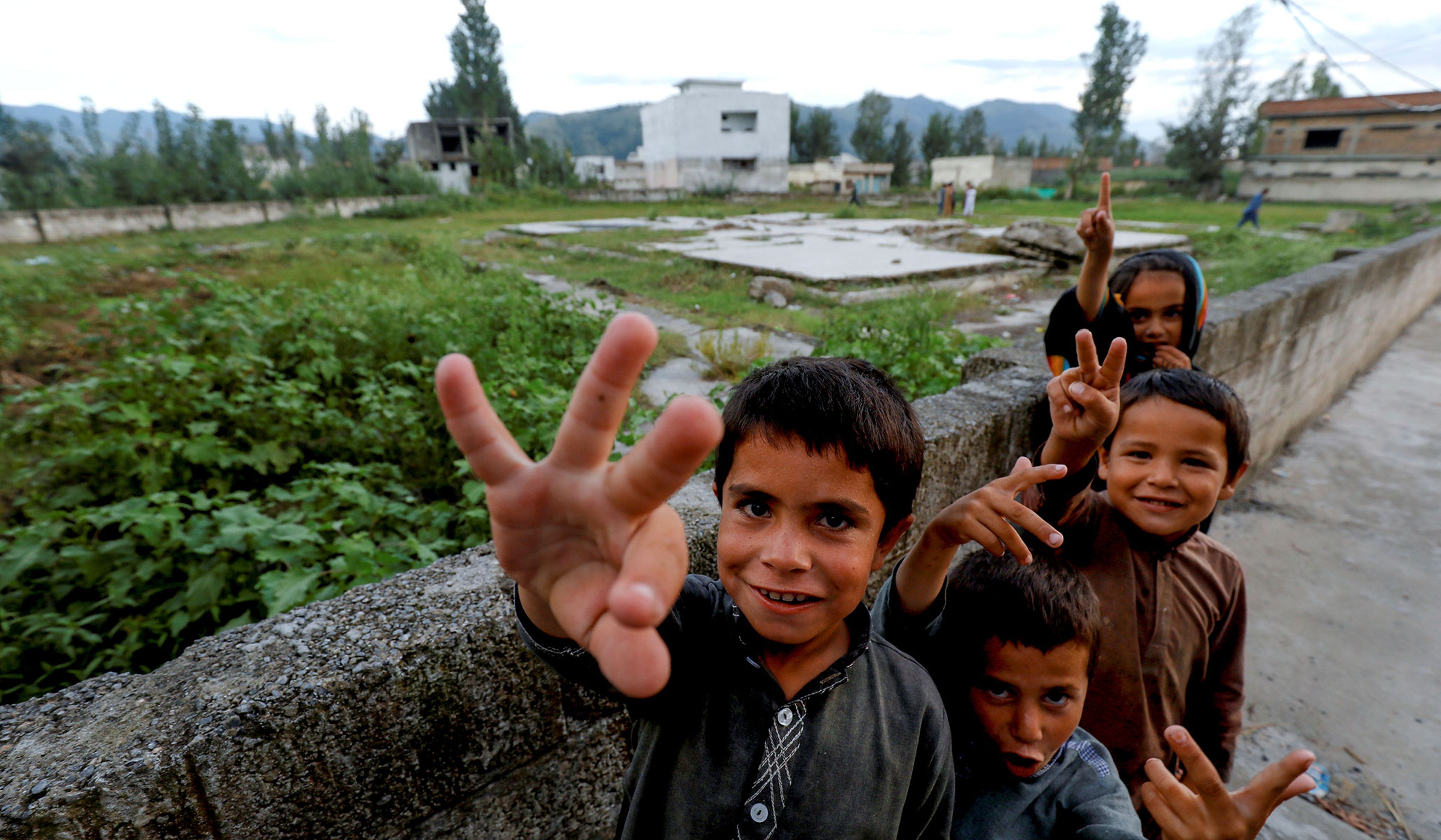
Dabashi’s rejection of the reality of 9/11 stands in contrast to another book published, coincidentally, the same month as his, in April 2022: The Bin Laden Papers, by Nelly Lahoud. While at first glance the books seem to be dealing with entirely different topics, Lahoud’s book gives us significant insight into the very man that Dabashi doubts was responsible for 9/11. Lahoud, a Lebanese-born scholar, sifted through the thousands of Arabic-language documents recovered by the Navy SEALs from bin Laden’s compound after they killed him.
The Bin Laden Papers, an impressive accomplishment, deals with the world of al-Qaeda after 9/11, and therefore does not explicitly address bin Laden’s responsibility for the attacks. Lahoud respects her readers’ intelligence by assuming that they are already aware of that fact. She makes clear, however, that after 9/11, and more specifically after the U.S. invasion of Afghanistan in late 2001, Osama bin Laden was on the run and lost direct control of al-Qaeda. He delegated much responsibility, but his loss of control was also due to the emergence of new groups and cells that were inspired by al-Qaeda and may have considered themselves part of it, but did not necessarily report directly to it. As Lahoud puts it, global jihad was on autopilot. Many of the subsequent attacks had little to do directly with bin Laden, but it was specifically his success on 9/11 that prompted many to work in his name, even if they did so without his knowledge.
The Bin Laden Papers paints a picture of a man, once the global leader of jihad, confined to a compound in Pakistan, dependent on two security guards whose patience is wearing thin. The world’s most wanted man kept in touch with the global jihad via couriers — ultimately leading to his demise. However, lest anyone question why the U.S. focused such massive resources and attention on finding the man, the papers also reveal that he was in the beginning stages of plotting a simultaneous attack on oil tankers in strategic locations in order to collapse the world economy. It may seem fanciful, but the 9/11 attacks would have seemed equally fanciful in their early planning stages.
Another important revelation in the book concerns the nature of al-Qaeda’s relationship with the Iranian government. Much has been made by certain analysts of the tenuous connections between Iran and al-Qaeda, including the fact that a number of al-Qaeda operatives took refuge in Iran after the U.S. campaign kicked them out of Afghanistan starting in 2001. However, Osama bin Laden’s letters reveal that the relationship between the preeminent Sunni terrorist group and the preeminent terrorist Shiite state was contentious and fraught with mutual suspicion. Much of bin Laden’s family was detained for years in Iran, a fact that long remained unknown outside Iran and al-Qaeda. Bin Laden’s son Saad managed to escape detention, and al-Qaeda kidnapped an Iranian diplomat in Pakistan to force Iran to release the rest of the bin Laden detainees. (They were eventually released, though Lahoud doubts that the kidnapping played any role in forcing Iran’s hand.) It is clear from all this that Iran and al-Qaeda were far from strategic partners.
In fact, al-Qaeda was concerned that Iran was working with American and Pakistani intelligence to track the al-Qaeda leader and his associates: When a group of Osama bin Laden’s relatives was released from Iranian detention in 2010, it was decided that they wouldn’t travel to be with him, for security reasons, including the possibility that the Iranians would track them to give his location to the Americans or the Pakistanis. In a similar vein, the papers make it clear that Pakistani intelligence was not aware of bin Laden’s location, or at the very least was not colluding with him to conceal it — contrary to assertions made in the media — given the stringent measures taken at the Abbottabad compound to avoid detection by local authorities. This doesn’t exculpate the Iranian and Pakistani governments from bad behavior, but it does mean that every accusation leveled against them doesn’t necessarily hold up to scrutiny.
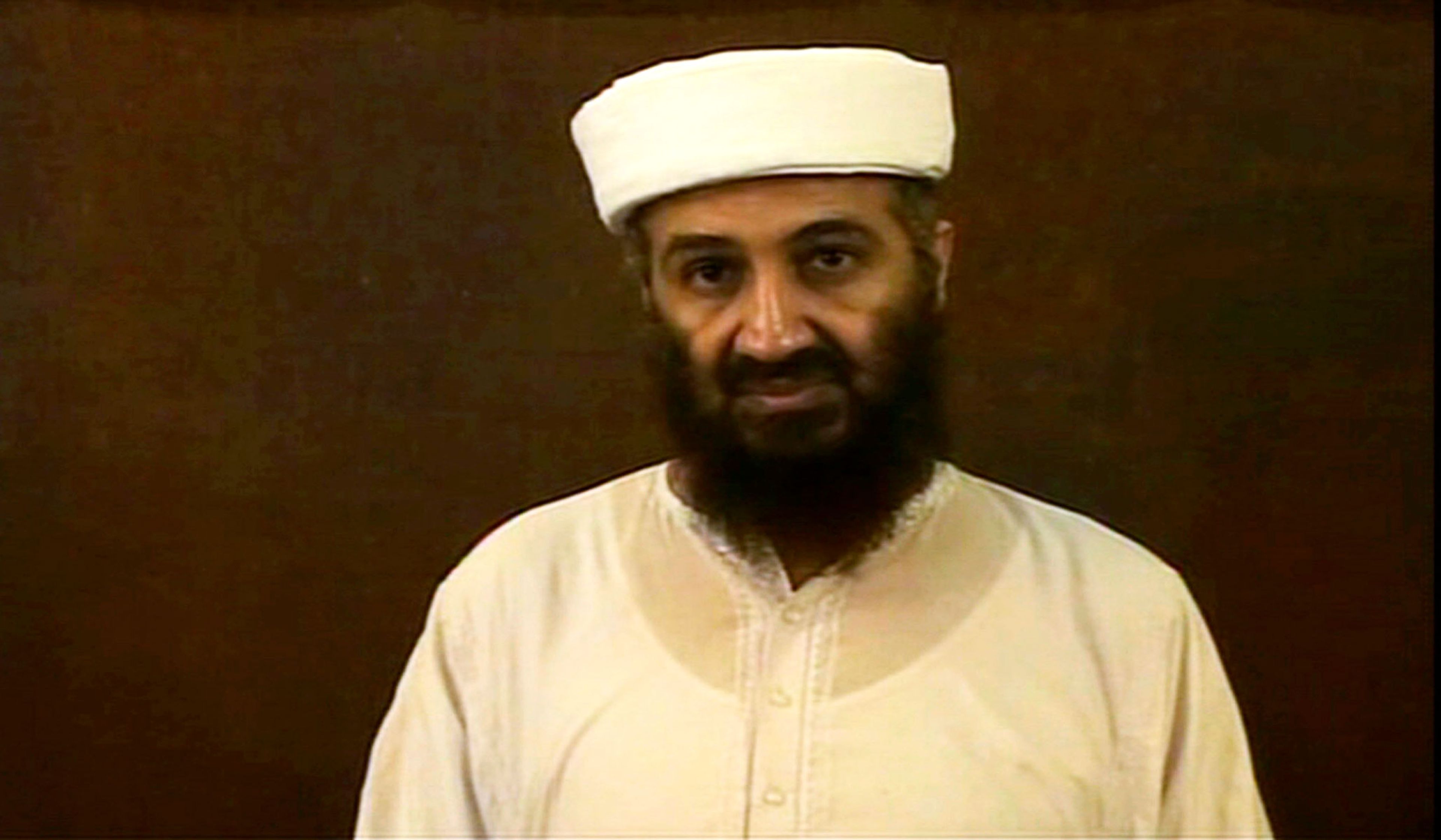
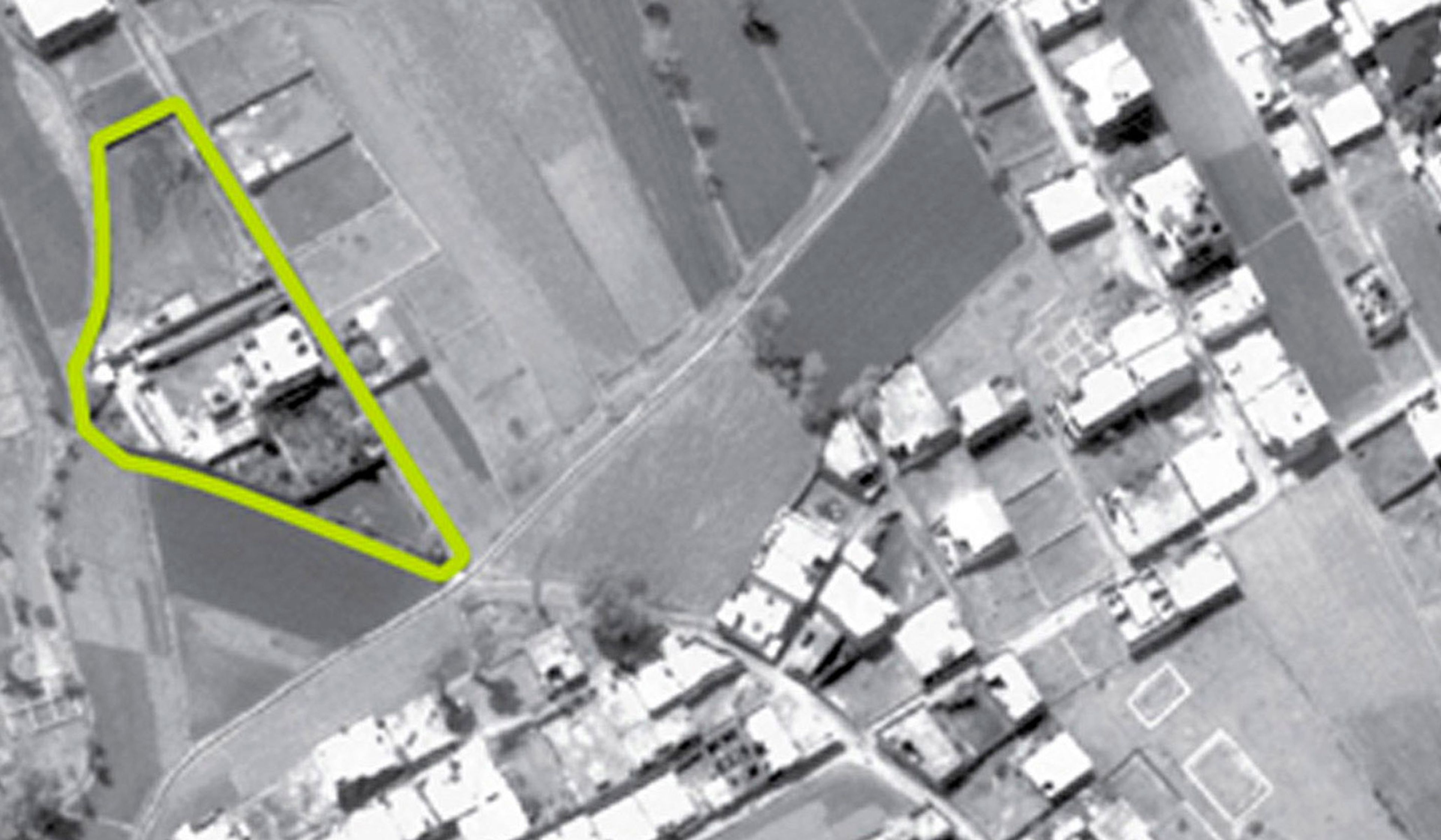

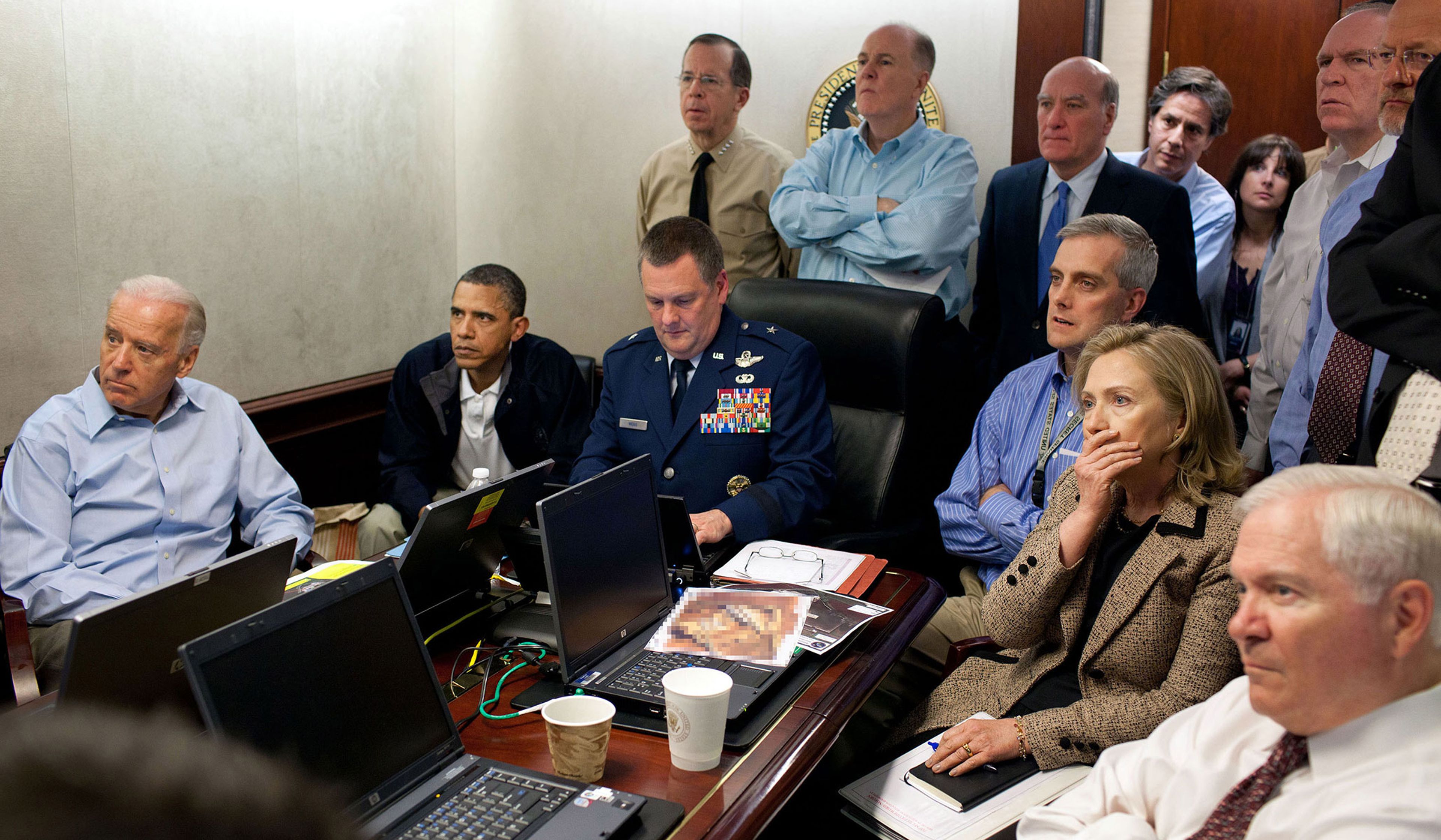
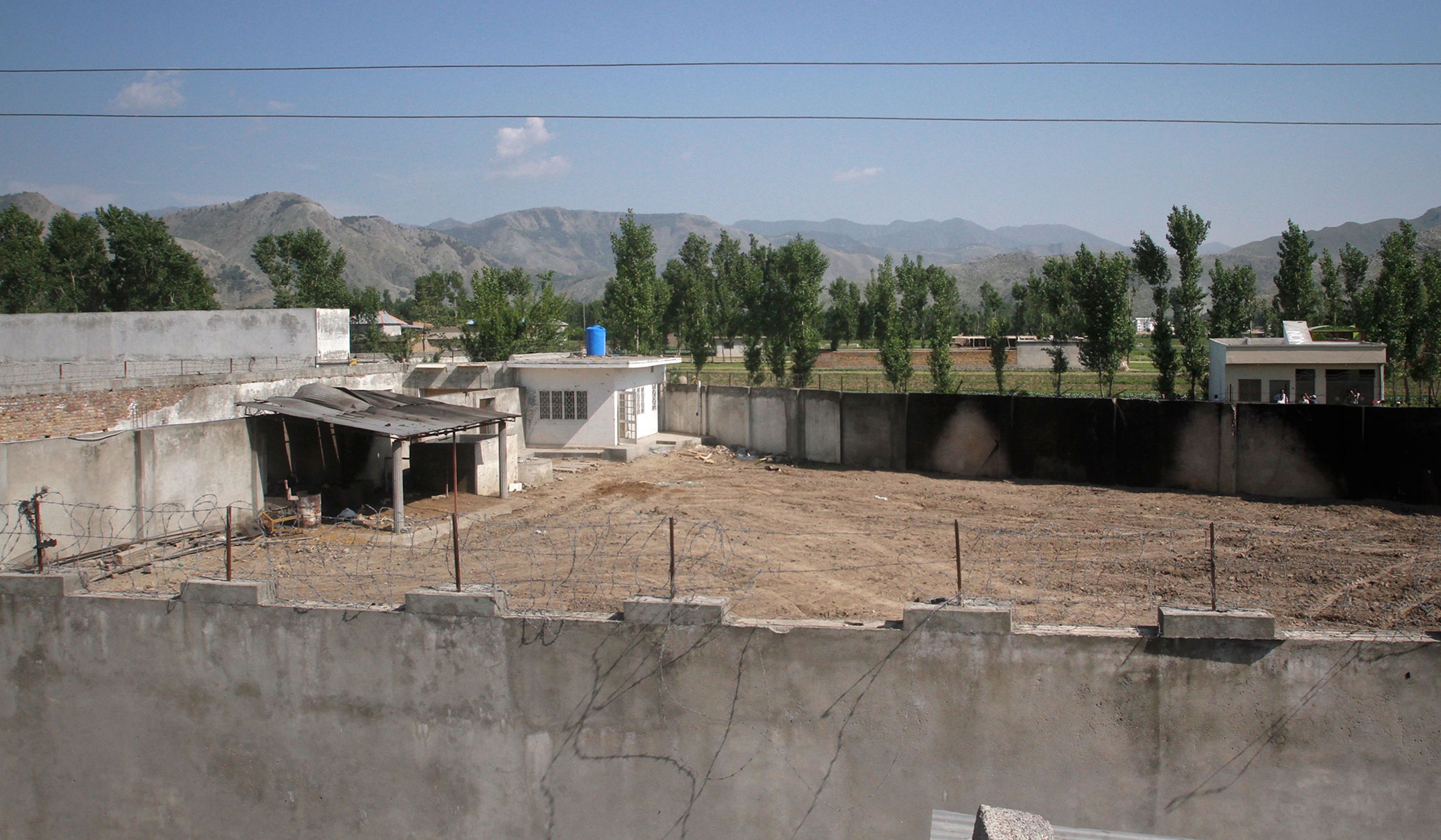
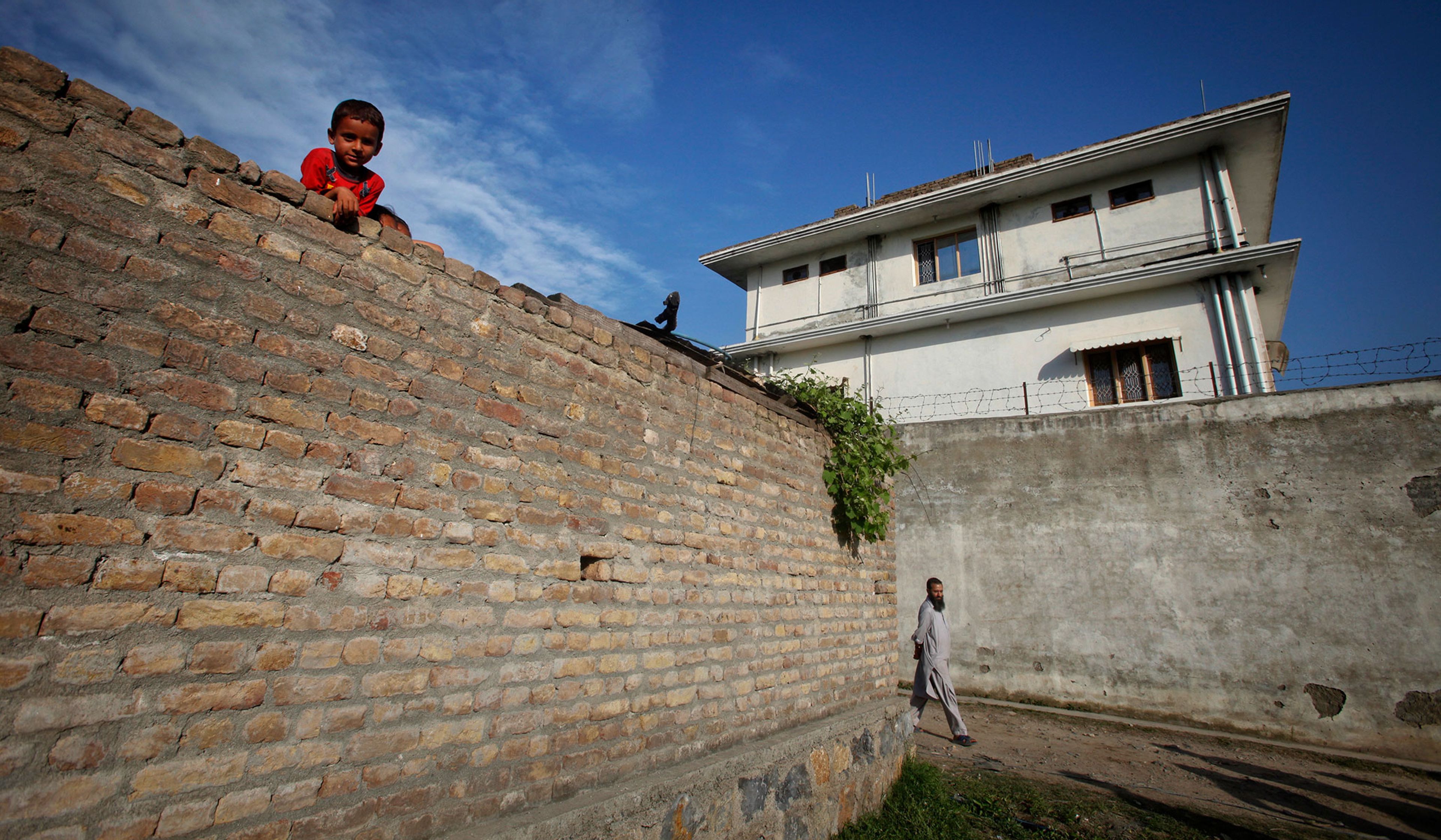
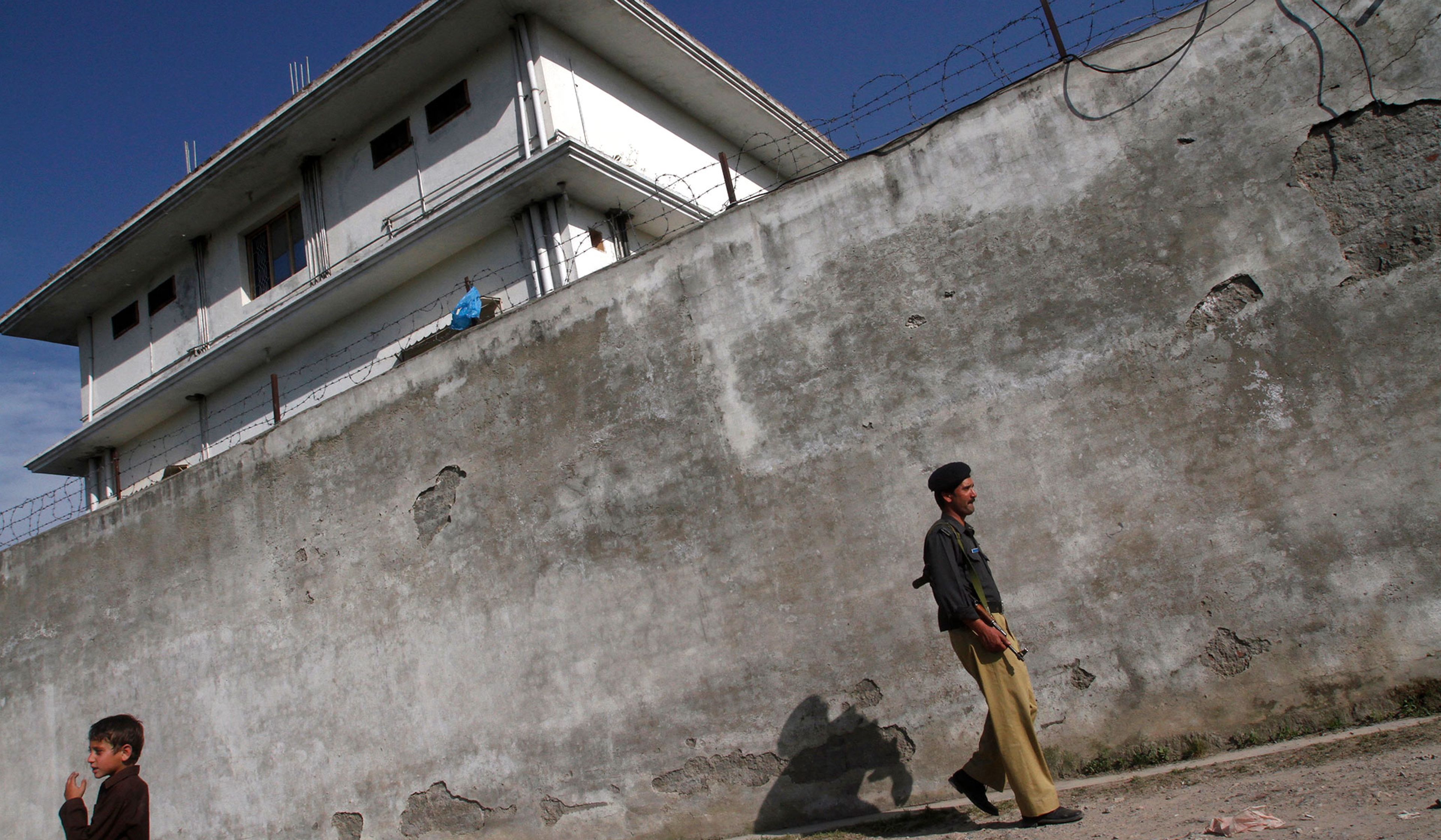
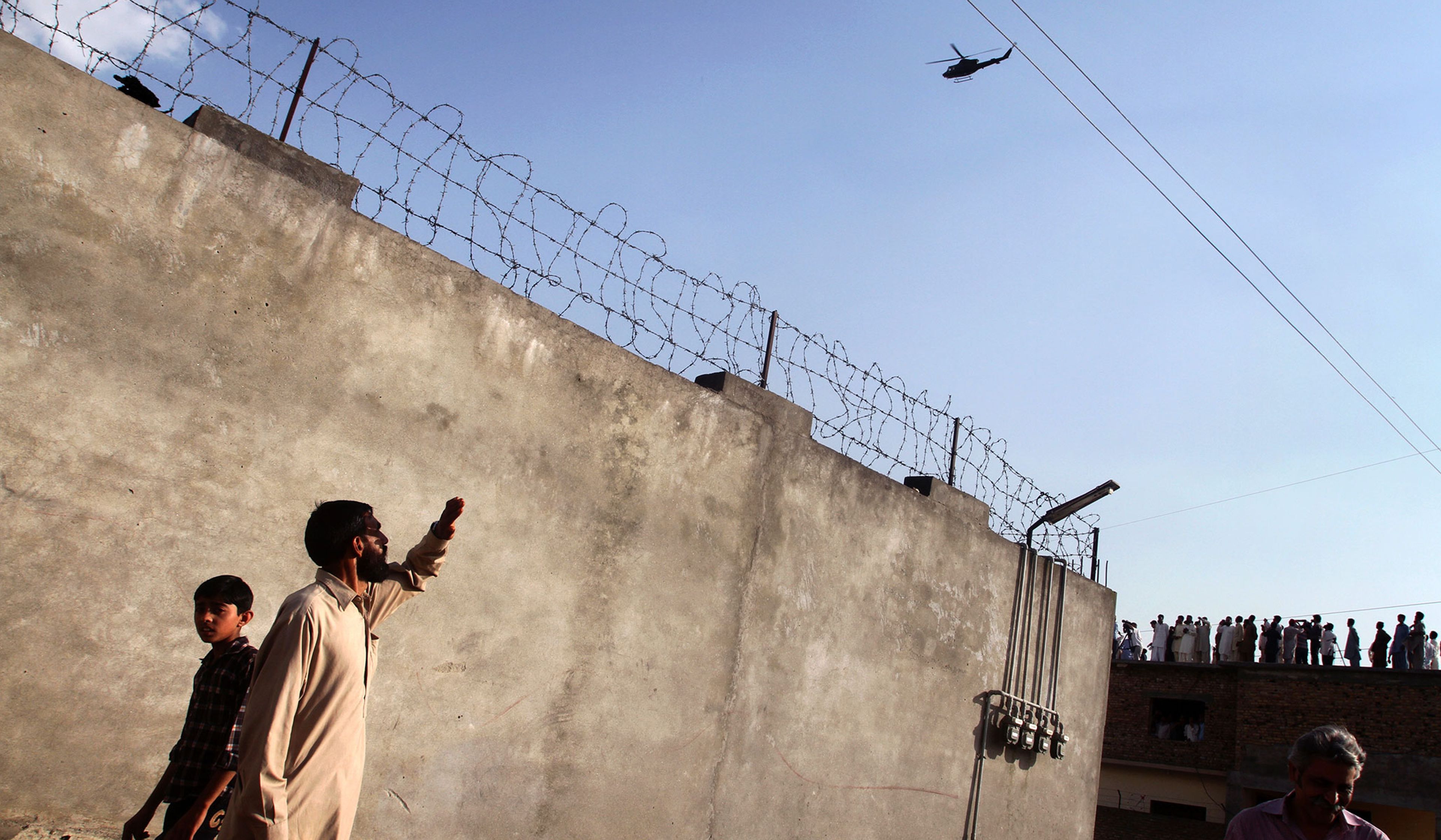
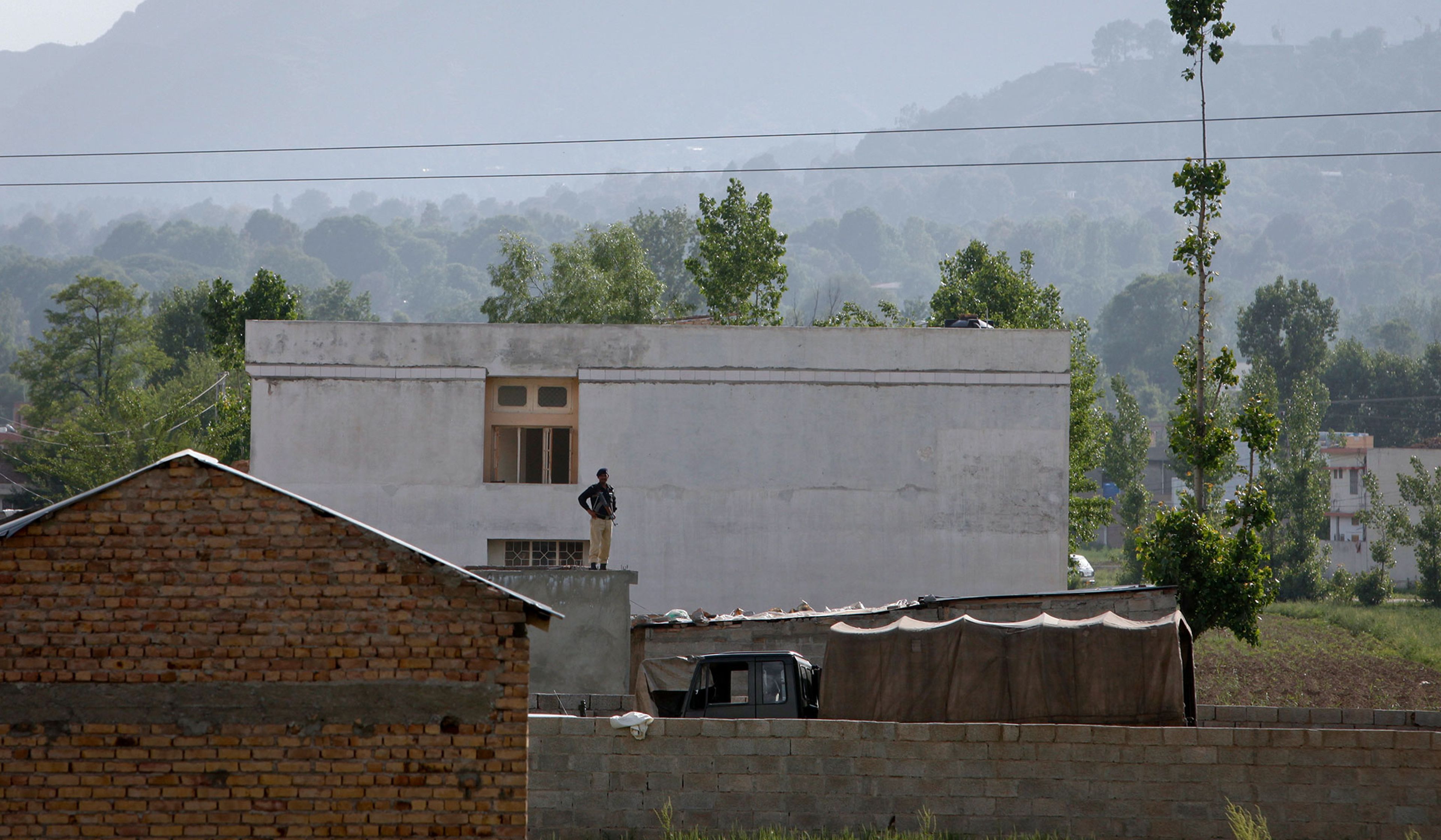
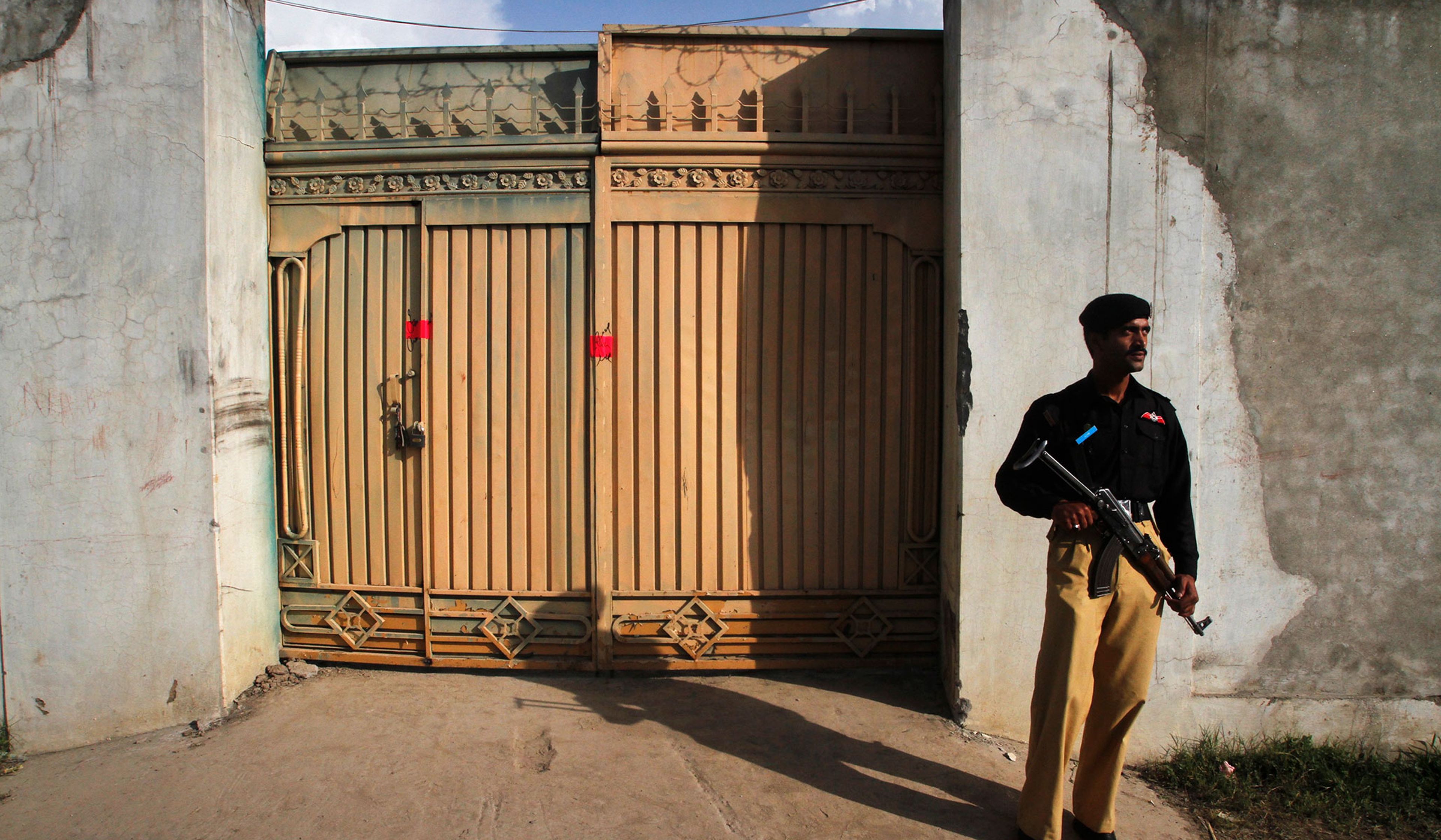
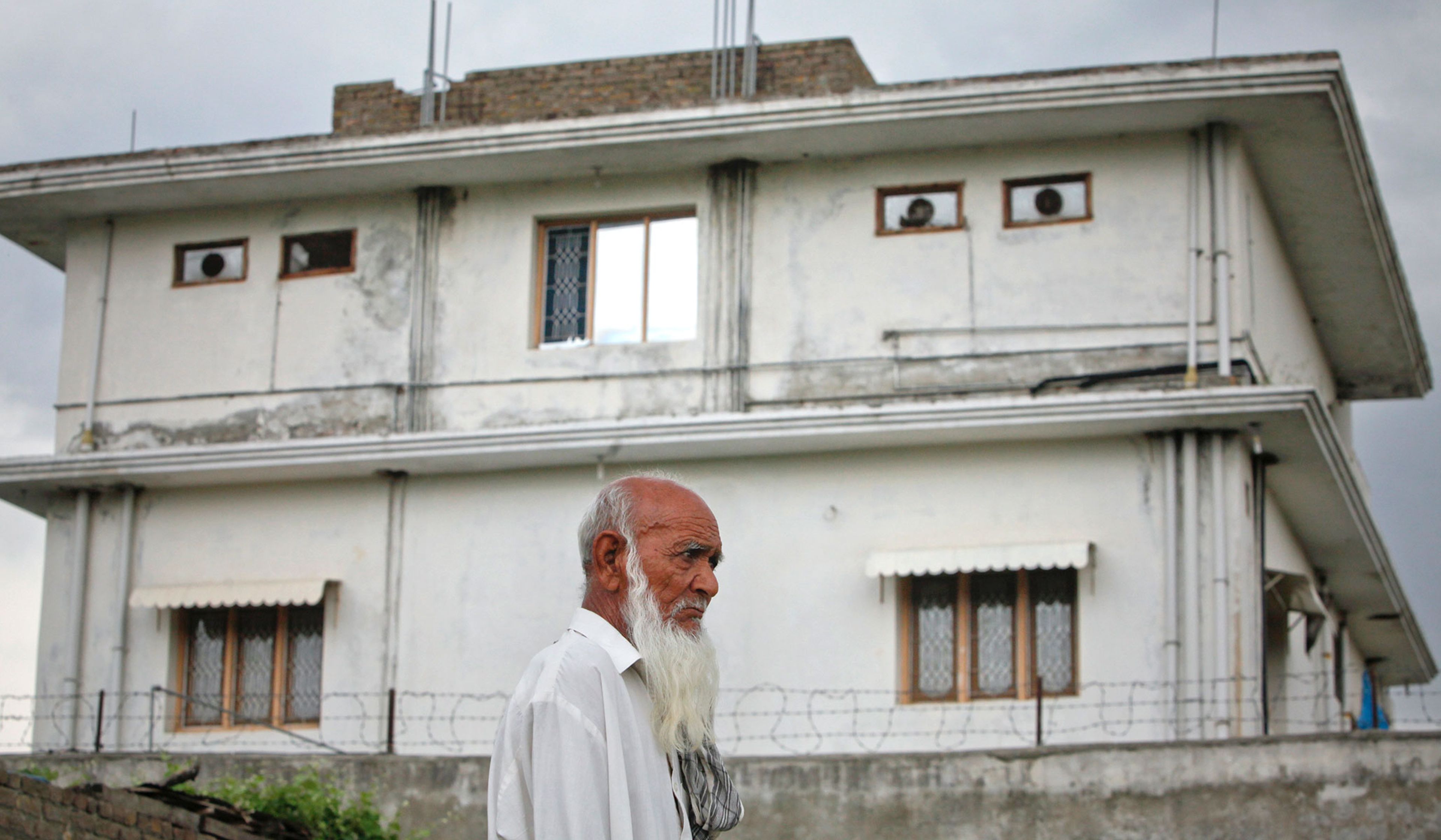
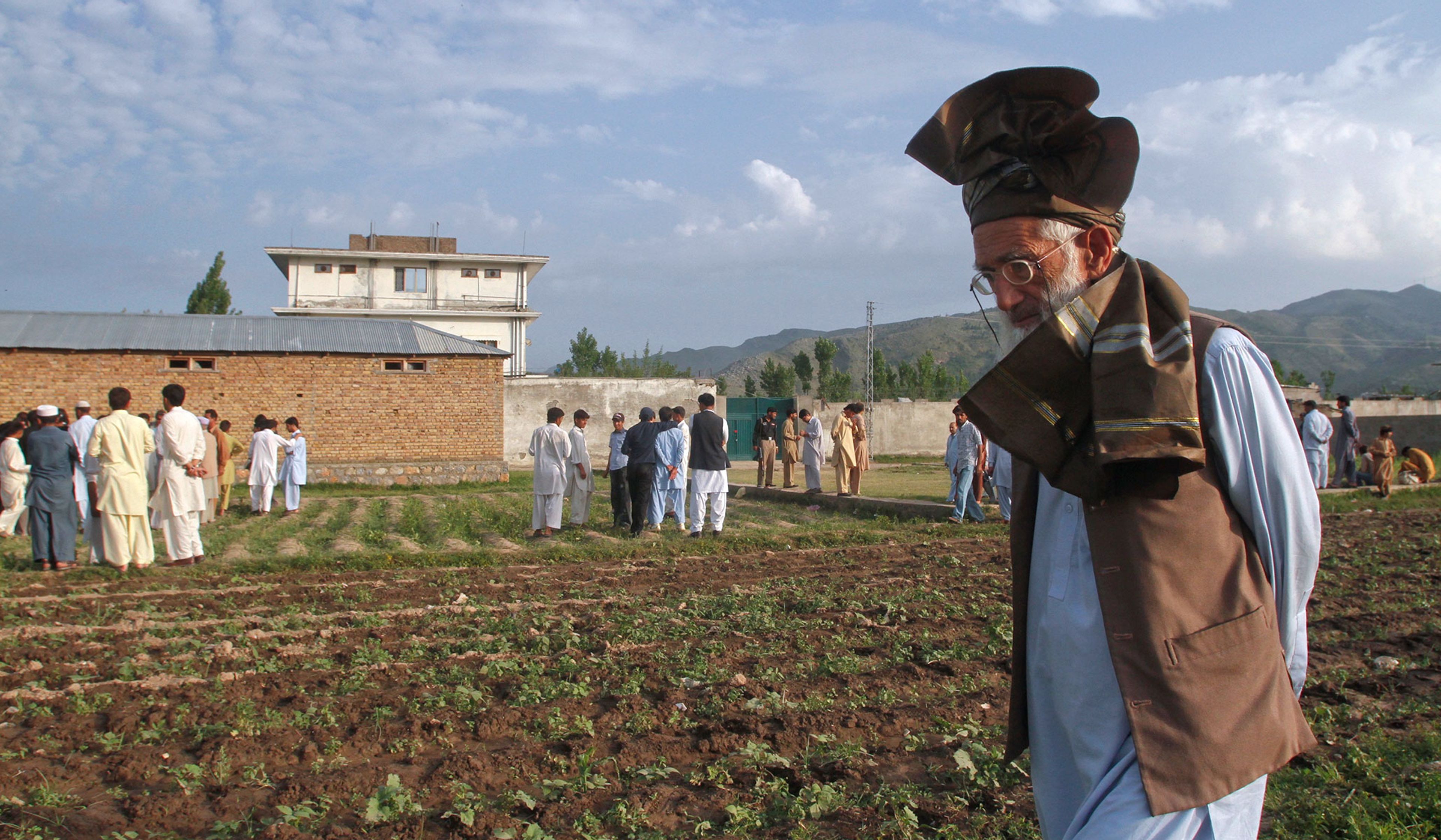
Osama bin Laden in a video frame grab released by the Pentagon May 7, 2011. Five videos were found in bin Laden’s compound in Abbottabad, Pakistan, after U.S. Navy SEALs stormed the compound and killed bin Laden.
Pentagon/Handout via Reuters
Hamid Dabashi says he wrote The End of Two Illusions to “shift the level of civic discourse about the prolonged assumption of a hostile relationship between two abstractions (‘Islam’ and ‘the West’).” Elsewhere in the book, he relishes the success of his push, along with other faculty members, to undermine the teaching of Western civilization at Columbia. Despite Dabashi’s best efforts, however, most of his intended audience will continue to understand that the West and Islam represent two fundamentally distinct civilizations. They are the products of two distinct (but obviously intertwined) histories, and this mere fact need not be an issue of contention. It is how we understand this difference, not the existence of the difference itself, that matters. We need to ensure that the two civilizations, each proud of its own history but willing to learn from its mistakes, can coexist in an ever-changing and intertwined world. Such a mature understanding may seem a long way off, but ideas like Dabashi’s — removed as they are from reality — succeed only in moving the ball in the wrong direction.
The value of Nelly Lahoud’s scholarship, by contrast, is clear. In the real world, al-Qaeda attacked the U.S. on 9/11, and our government spent a decade tracking down the man responsible. Much of our post-9/11 foreign policy is rightly scrutinized, but any accounting must acknowledge the very real threat the U.S. faced after 9/11. There was no follow-up attack because al-Qaeda was on the run, not because they no longer wanted to harm the U.S. It is only by understanding the world as it is that we can hope to address its very real problems.












Comments