‘This is a big development,” intoned a surprised Bret Baier on Election Night 2020. “The Fox News ‘Decision Desk’ is calling Arizona and its eleven Electoral College votes for Joe Biden.” Fox News’ anchorman continued: “That is a big get for the Biden campaign. Biden picking up Arizona changes the math.”
At that moment, with three-fourths of Arizona’s election returns already counted, Biden was leading President Trump in the tallied votes 53.6 percent to 45.1 percent. But Trump-campaign aides, knowing that some of their rural strongholds hadn’t yet been counted, sent word to GOP surrogates that they expected to close the gap.
Amid spirited pushback, some of it from the president himself, Arnon Mishkin, who headed the network’s Decision Desk, was asked on air by Baier if he was “100 percent sure.” Mishkin replied, “Absolutely.” Baier also grilled Decision Desk producer Chris Stirewalt, who insisted confidently that Biden’s lead in Arizona was just too large to overcome.
Sometimes it’s better to be lucky than good. Statistically, the 2020 presidential contest in Arizona would end in a tie. Biden and Trump each garnered slightly more than 49 percent of the vote, with Biden eventually prevailing by 10,457 out of 3.3 million votes cast. Notwithstanding the continued insistence in MAGA world to this day that Trump was robbed in Arizona — a contention for which there is simply no evidence — anyone who maintained they were “absolutely” certain the state would break for one candidate over the other was kidding themselves. Although Mishkin and Stirewalt were proven right in the end, their call was made too early.
The upshot was that Donald Trump wasn’t the only one who lost his job over Arizona. So did Chris Stirewalt and the man who hired him, Fox News Washington bureau chief Bill Sammon. One doesn’t want to say it’s a good thing this happened to Stirewalt, because he’s a family man with two sons to support, but what rose from the ashes of that dumpster fire is a surprisingly engaging book.
I don’t say “surprisingly” because Stirewalt is a mere television guy. He’s actually a talented writer and serious thinker who worked on newspapers before going into TV and wrote a captivating 2018 book about the appeal of populists ranging from Andrew Jackson to Donald Trump. No, the pleasant surprise here is that a journalist could produce such a readable tome on what’s a saturated and intrinsically depressing theme: the woeful state of American journalism.
Stirewalt expresses regret in his introduction about assuming the role of media critic, even taking a gratuitous shot or two at the field of media criticism. He needn’t be apologetic. It’s an unpleasant job, but someone’s got to do it. He takes an eclectic and sometimes roundabout route in a book written in a conversational, first-person voice that makes it readable even when he’s delving deeply into dry social-science research about the (elitist and liberal-leaning) makeup of modern American journalists.
Within Fox News, Stirewalt was considered a “Never Trumper,” albeit not of the same ilk as the opportunists who set up the misnamed Lincoln Project, a political-action committee that quickly transfigured itself into a Democratic Party front group. In Broken News, by contrast, the arrows fly in all directions. This not only gives the author credibility with the few remaining bison among us who believe in the old-school journalism virtues, it bolsters the author’s thesis. It’s refreshing to see someone kick Steve Bannon and the ACLU in the shins — in the same sentence, no less — and a reader’s initial delight gives way to the disquieting realization that such ecumenism is rare in broadcast news, newspapers, and social media.
In the same vein, Stirewalt simultaneously takes aim at Representatives Matt Gaetz and Alexandria Ocasio-Cortez, and for the same reason. Their obsession is making news, not legislation. If AOC really wanted to raise taxes on the rich, as Stirewalt notes, she wouldn’t be writing “tax the rich” on her evening-gown rump and attending the Met Gala. “But if she wants to be famous for wanting to raise taxes,” he writes, “then she’s right on track.”
This kind of performance art as governance is certainly not all the media’s fault, as Stirewalt acknowledges. The Gaetz and AOC beatdowns, for example, are in a chapter pointing out the pitfalls of strong partisanship in an era of weak political parties.
That hardly excuses the media, not excepting Stirewalt’s former employer. When Trump’s predecessor bowed to a Saudi potentate, for instance, Fox News and other conservative outlets catastrophized this minor faux pas into a smoking gun that proved Barack Obama loathed America. When Trump did the exact same thing, conservative media developed instant amnesia while liberal journalists who had made smug excuses for Obama went into full freak-out mode. These reactions were cynical, really. Nobody is that dumb, and liberal journalists, especially, gave the game away by pointing out the hypocrisy of their rivals while ignoring their own.
Like others who’ve examined the modern media, Stirewalt offers evidence that the root causes of such dysfunction are economic. This rationale doesn’t take us off the hook. What it implies is that America’s most iconic news organizations — and many of its most famous journalists — are selling the country out . . . for money. A low motivation when one considers the stakes.
“The path to profitability and survival for much of the news business now relies on products that are mostly either superficial fluff or distortions that exploit and deepen our country’s worsening political alienation,” Stirewalt writes. “The hatred people feel for their fellow Americans is not just a by-product of political coverage, but a necessary component of making much of that coverage profitable.”
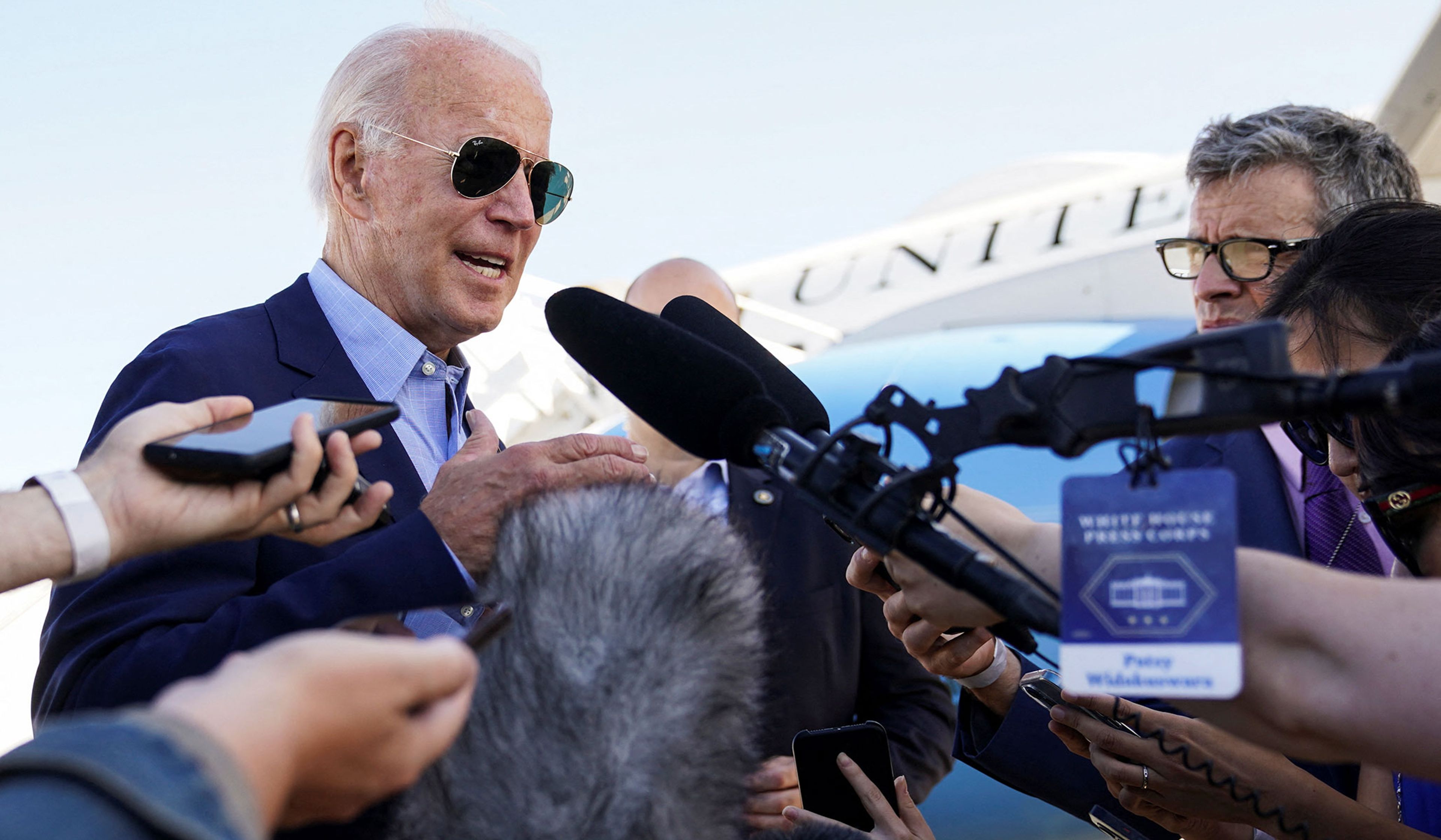
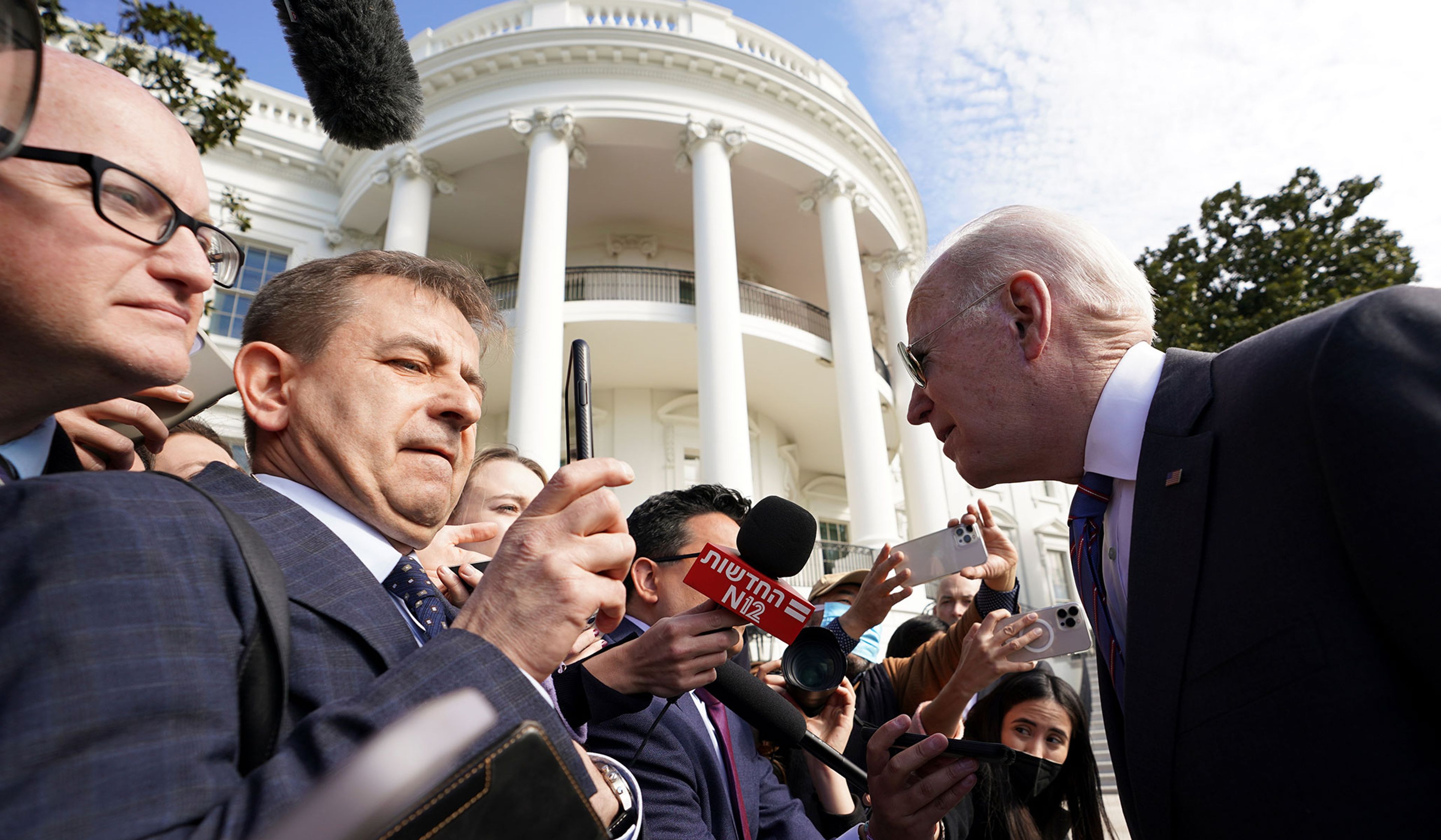
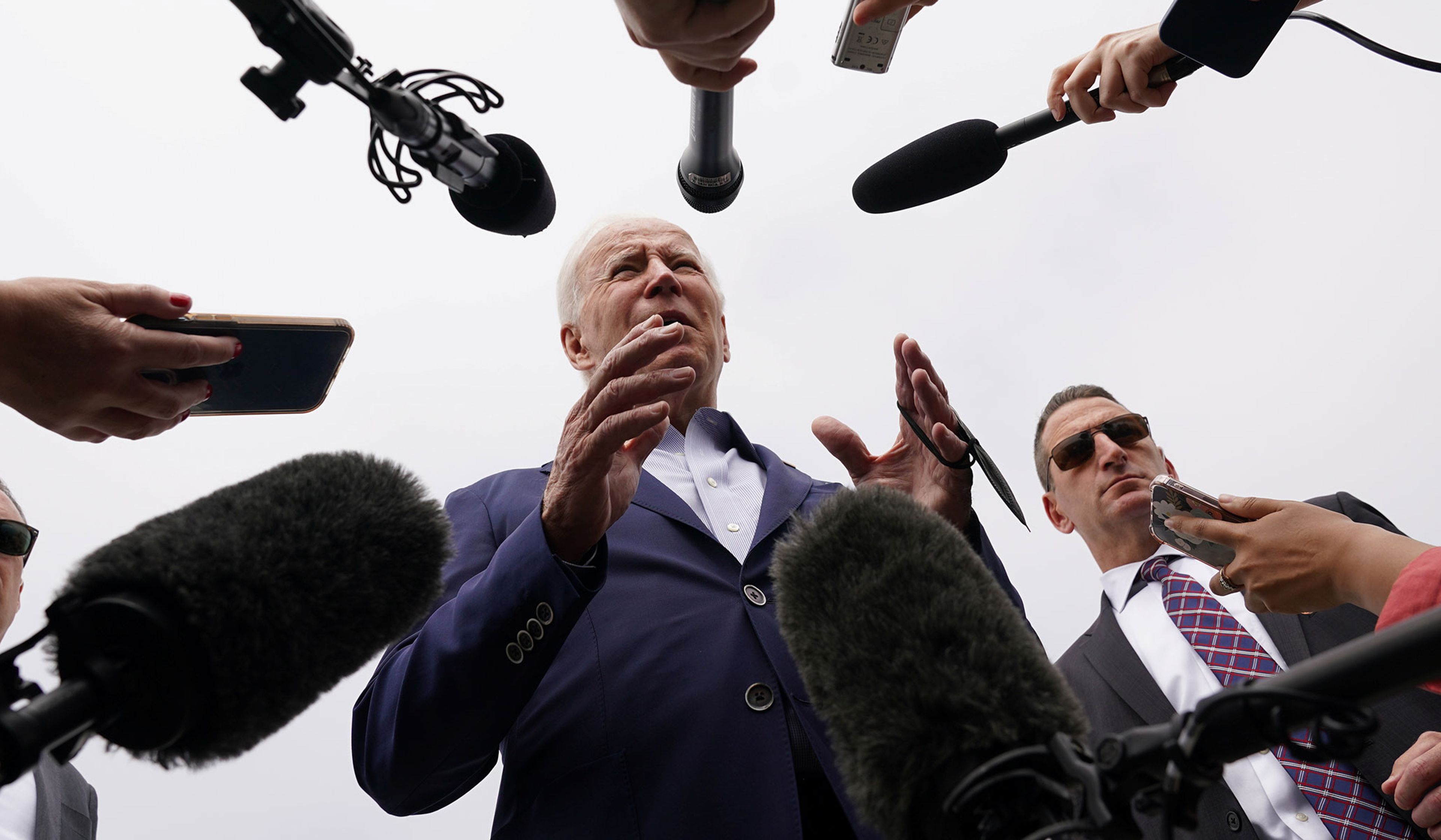
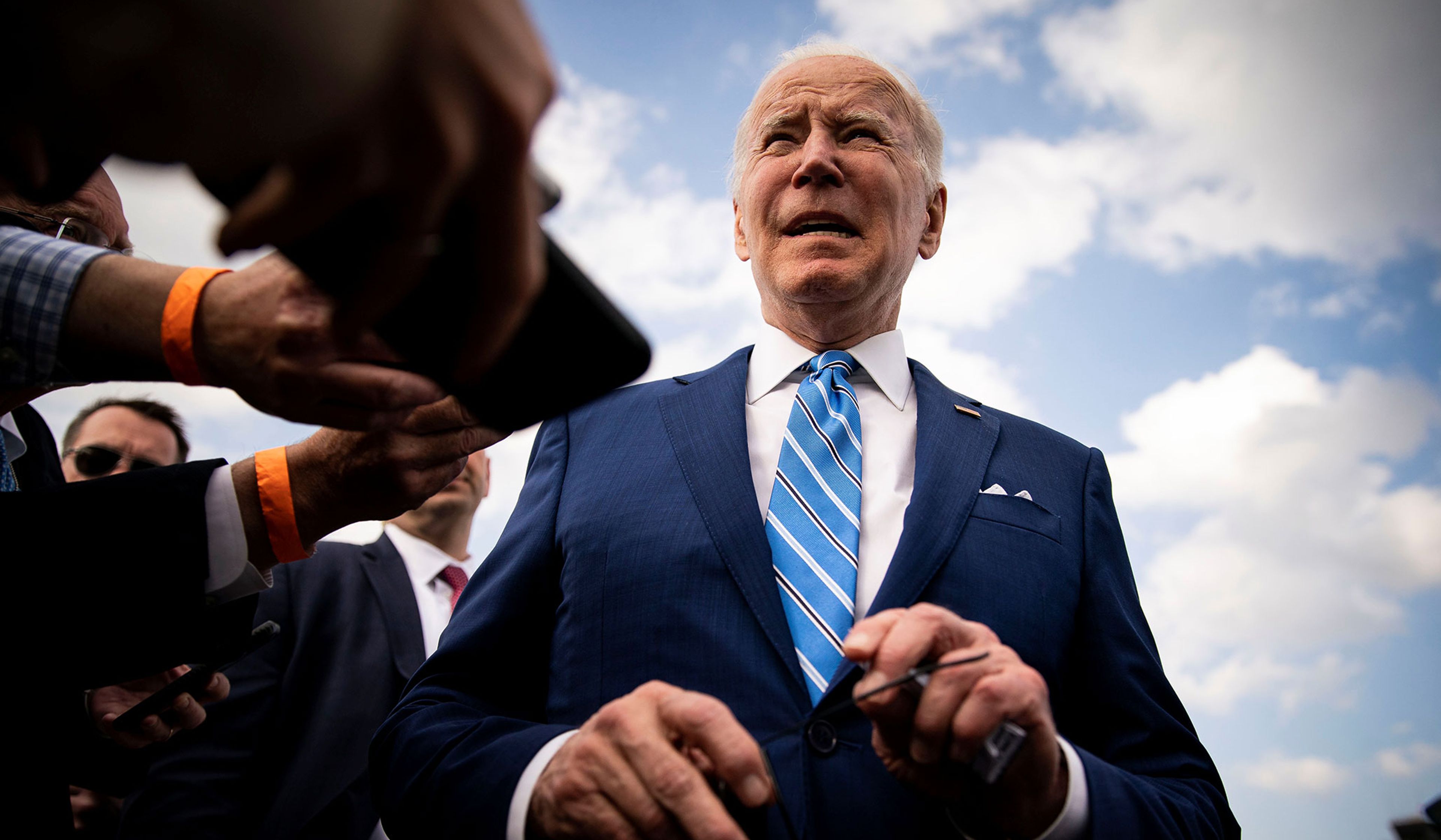
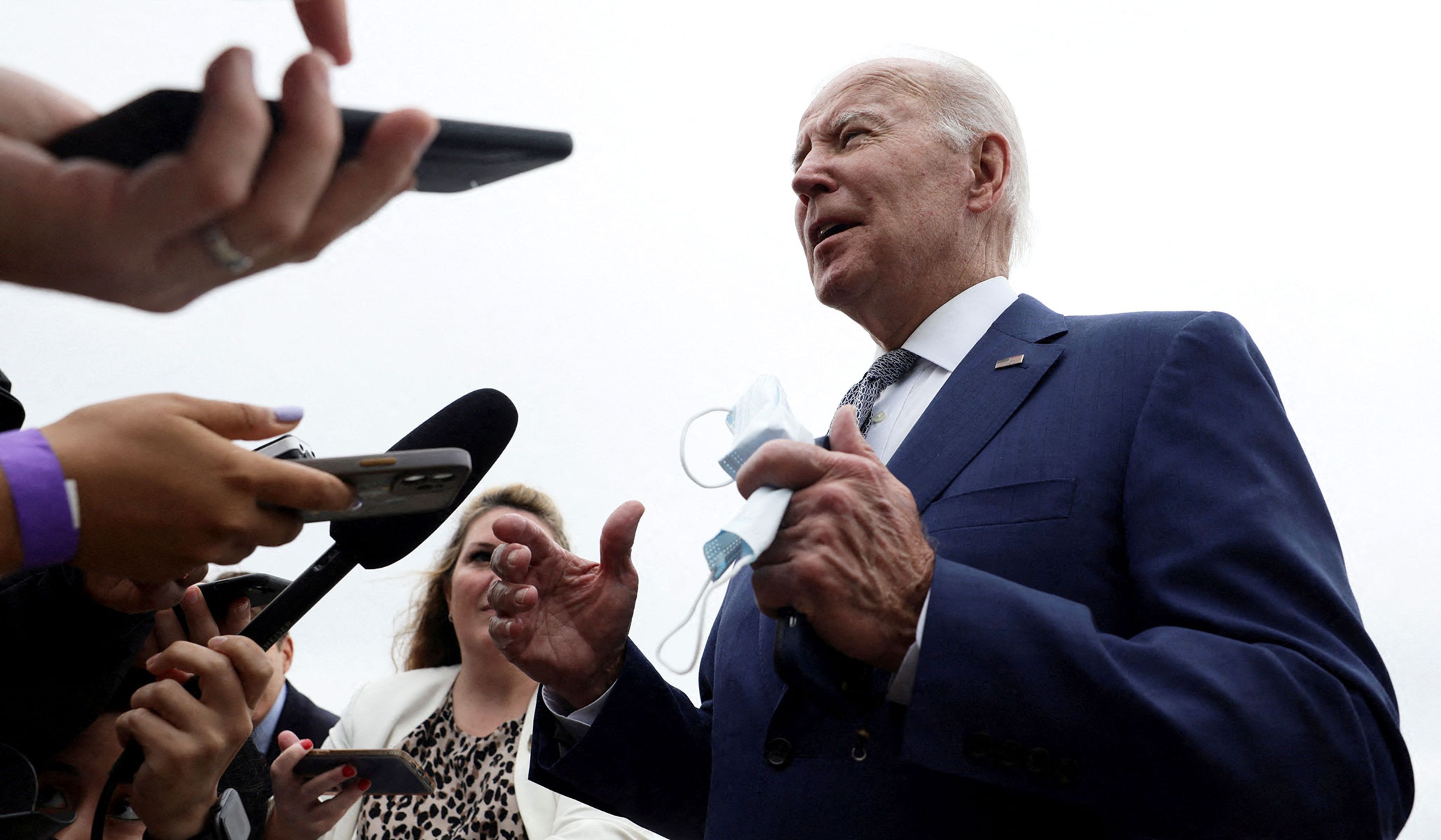
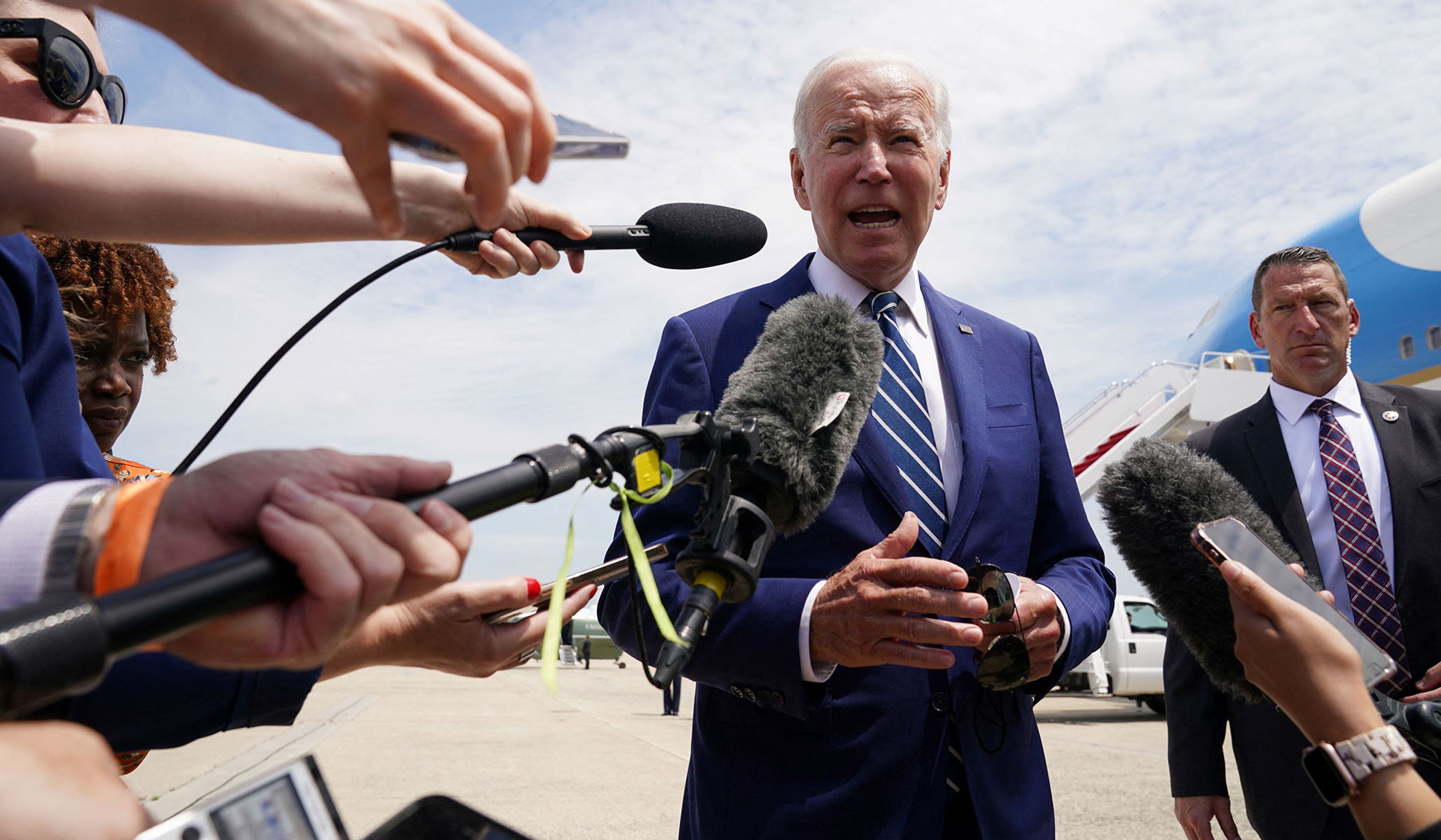
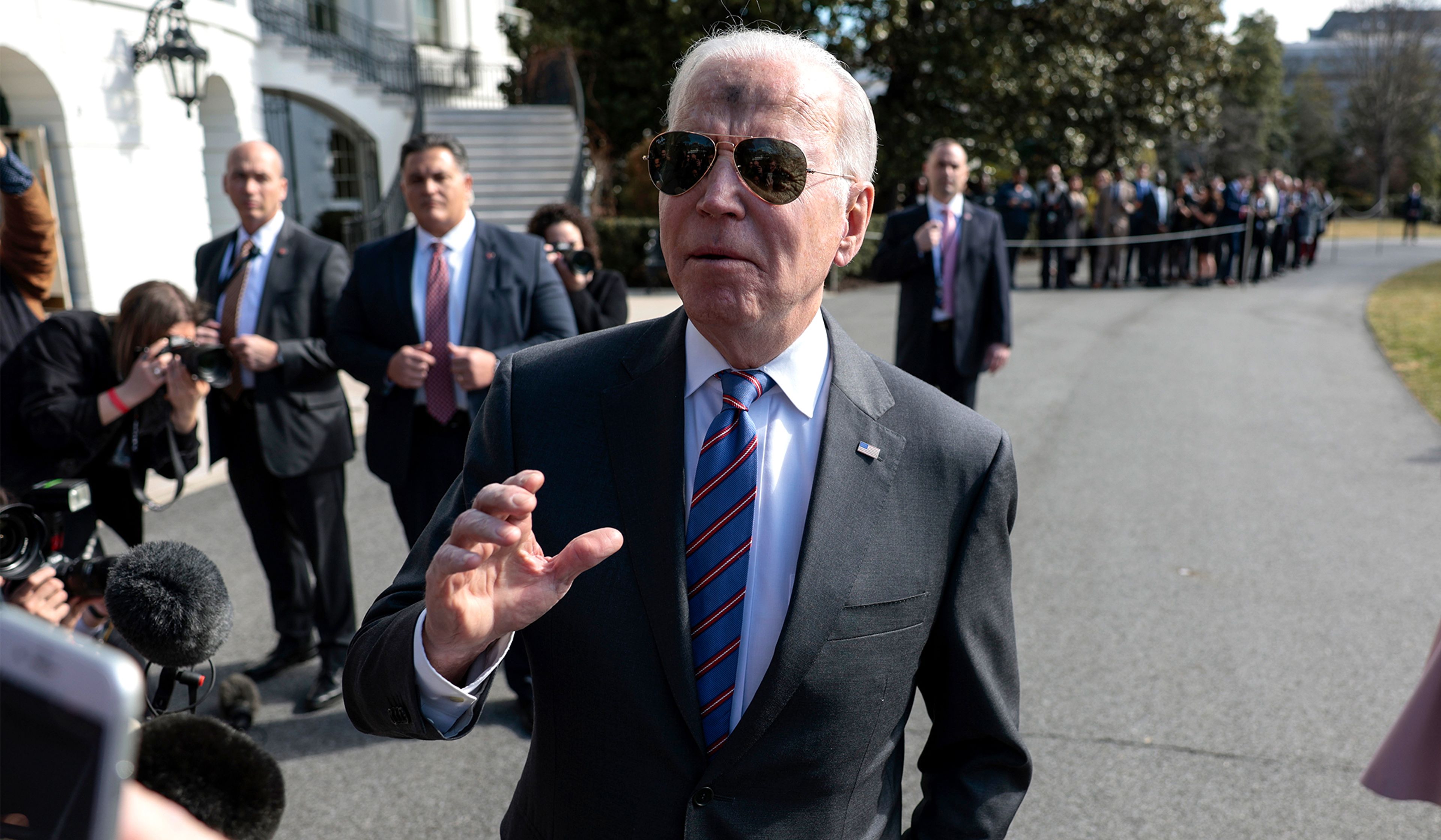
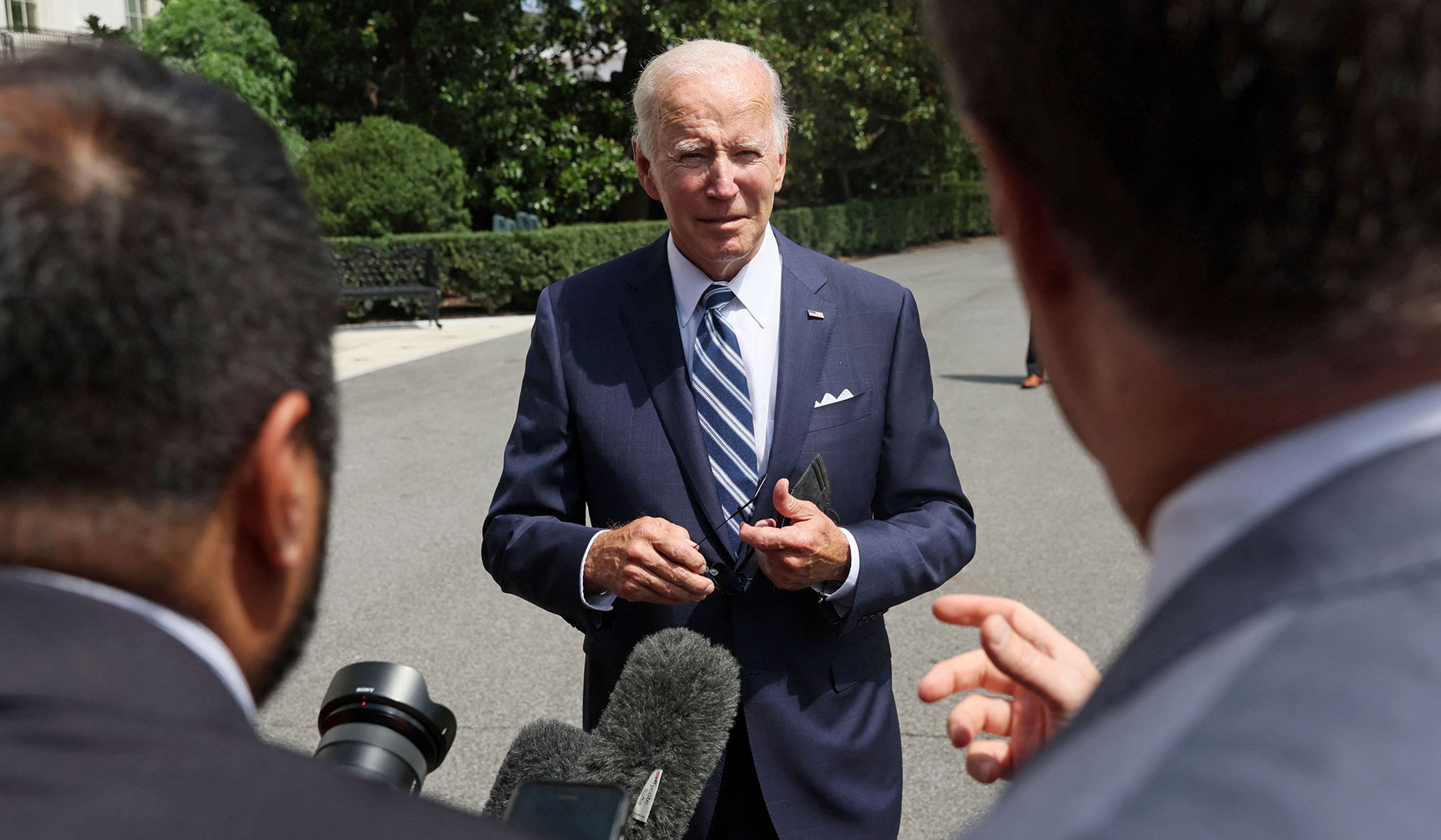
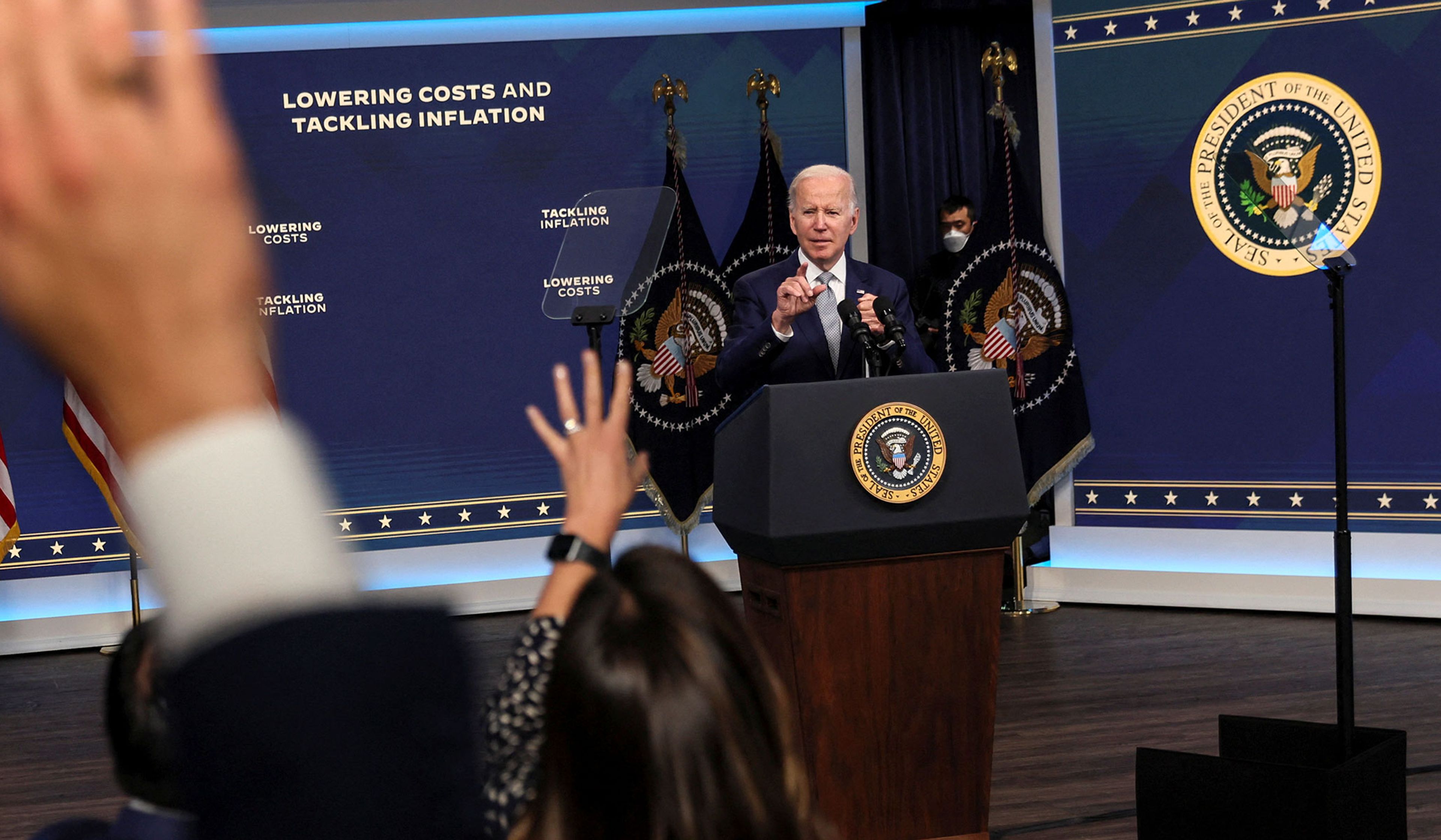
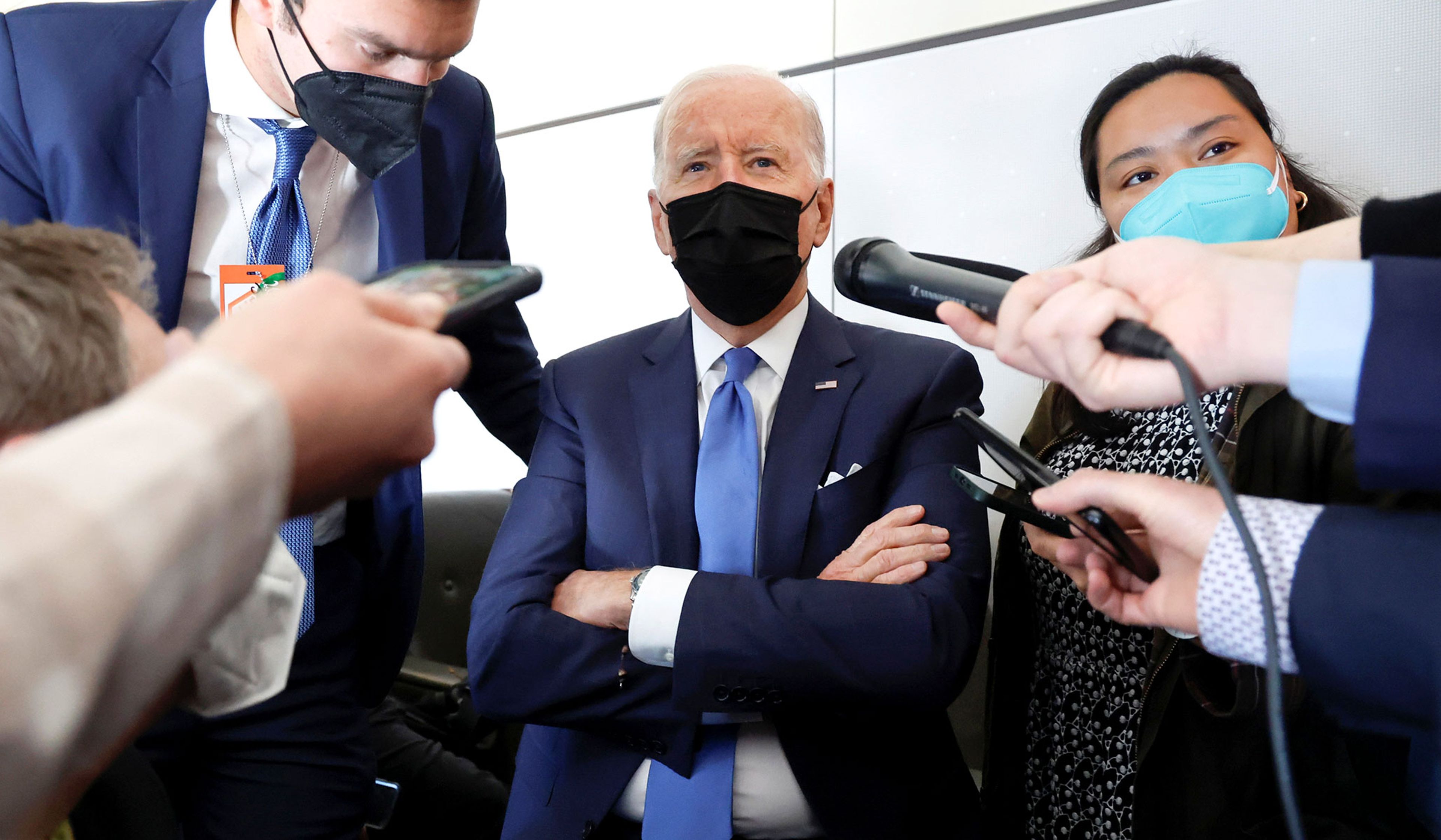
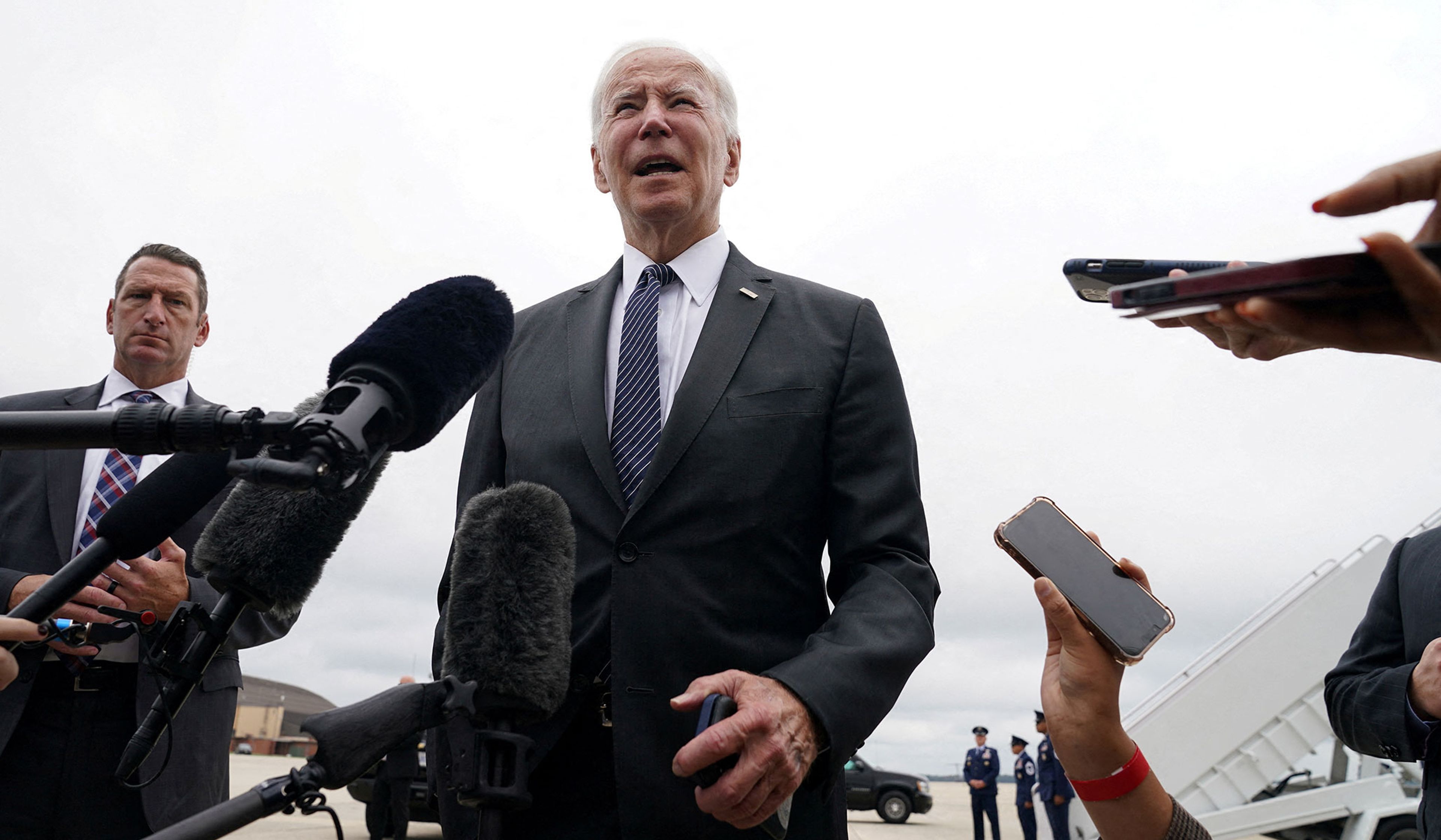
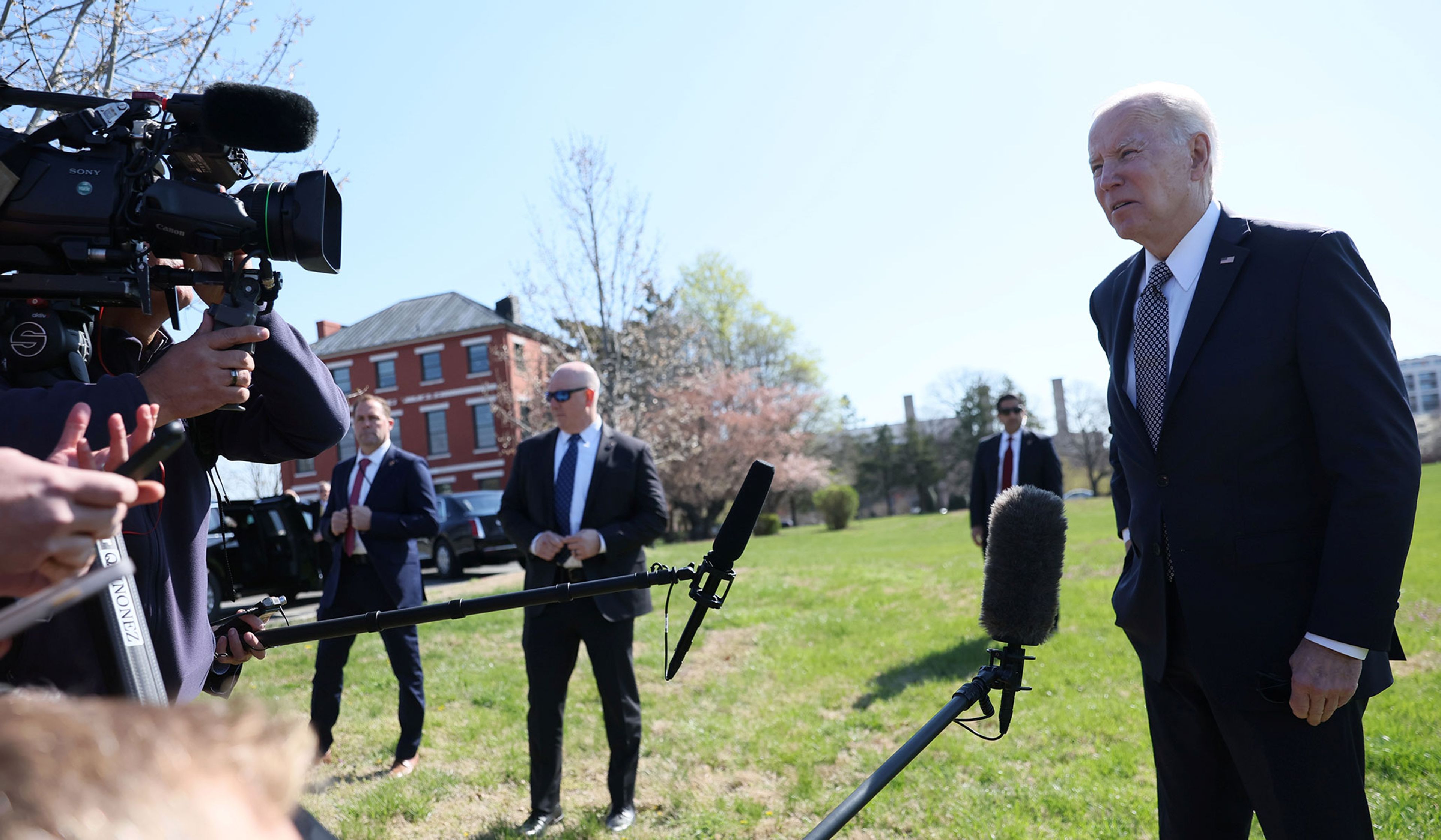
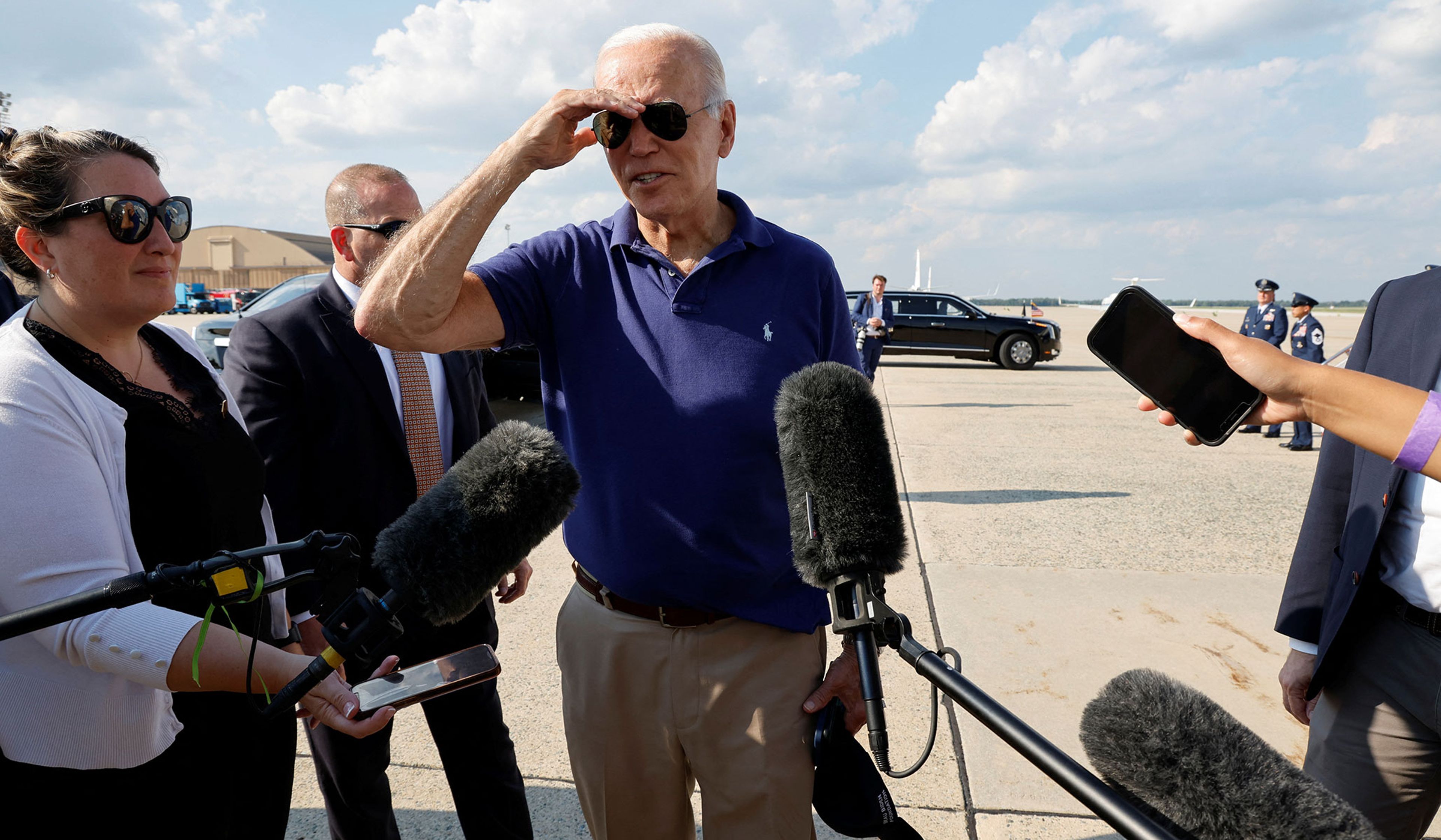
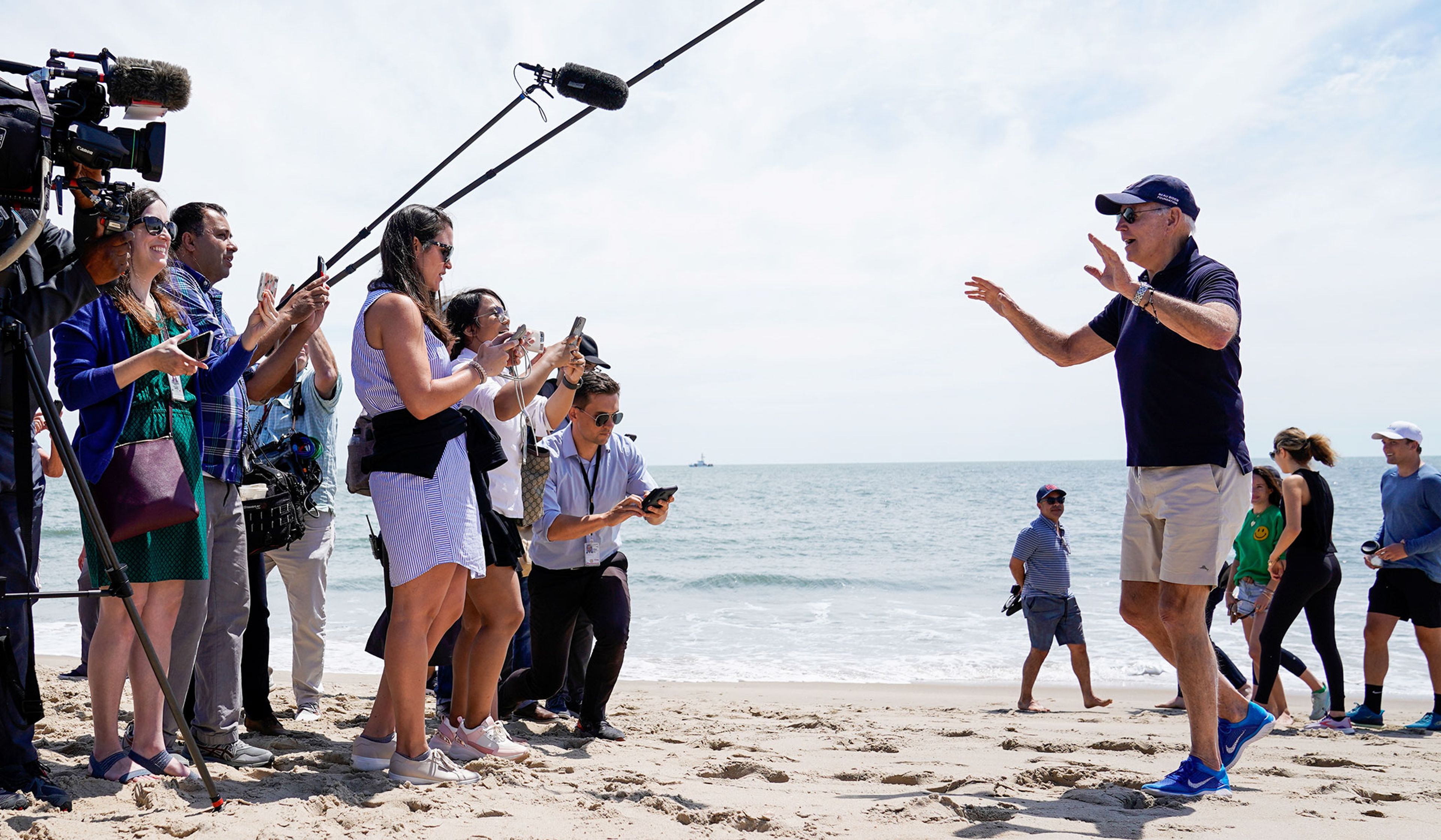
President Joe Biden talks to reporters while boarding Air Force One at Delaware Air National Guard Base in New Castle, Del., August 8, 2022.
Kevin Lamarque/Reuters
The vast 2020 conspiracy to silence the New York Post in order to prevent voters from learning about its explosive scoops on the Biden-family corruption revealed in Hunter Biden’s abandoned laptop — and the enthusiasm with which everyone from former CIA chiefs to the once-bold newspapers that published the Pentagon Papers participated in it — is an ominous case study of what happens when the media decide they have a partisan agenda. It’s very nearly the opposite of presenting news “without fear or favor.”
Perhaps the larger story in the hollowing out of American newsrooms, however, is the thousands of unwritten articles that would have held local politicians to account. The problem here is not censorship, but a lack of manpower. (This was the subject of Washington Post columnist Margaret Sullivan’s haunting 2020 book Ghosting the News: Local Journalism and the Crisis of American Democracy.)
In Chris Stirewalt’s telling, a dearth of revenue is not the only problem. For starters, liberal bias in the media is not a “myth,” as (liberal) college professors and commentators regularly claim. But this has been true for two generations, and the media weren’t nearly as tribal in the past as they are now. Moreover, new technologies, as Stirewalt points out, have always added fuel to the flames.
Depression-era demagogues Huey Long and Father Charles Coughlin were propelled out of obscurity by their mastery of a new medium, radio, a half century before Rush Limbaugh came along. Rush was a throwback — television had already supplanted radio, and newspapers — but also a trailblazer, and not in a good way. If a right-wing firebrand could be rewarded with millions of followers (and millions of dollars), why couldn’t a left-winger like Keith Olbermann do the same? And if Fox News decided it could be enormously profitable by appealing to a niche audience, couldn’t MSNBC or CNN follow suit? The answer was that they could, and they did. Newer innovations, the Internet and social media, showed them the way. Then came Donald Trump.
Viewed this way, Trump wasn’t some inexplicable aberration; he was a logical by-product of a dysfunctional political system and degraded media environment. News outlets, as now-disgraced CBS president Les Moonves infamously blurted out, couldn’t get enough of Trump. The man was good for ratings, which meant he increased profits. If he was bad for the country, well, we’re just giving people what they want, right? Don’t kill the messenger.
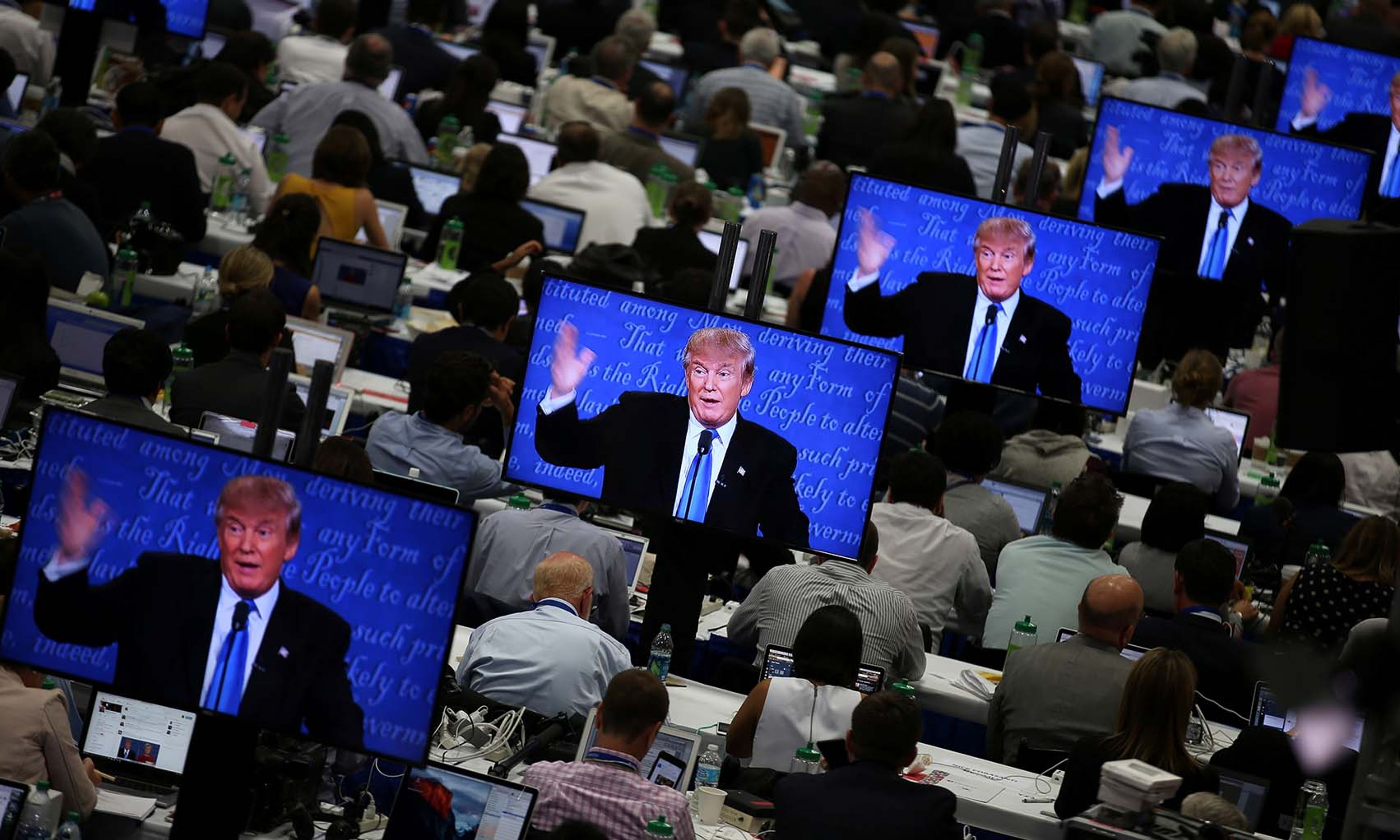
That’s a cop-out, of course. Trump was given limitless free airtime in 2015 as he cobbled together his version of a presidential campaign. And, it was nice to be reminded by Chris Stirewalt, in 2016 Joe Scarborough boasted about giving Donald Trump, a frequent guest on his show, debate advice. (“A master politician,” gushed Scarborough.) Trump was a viable candidate in the first place only because NBC had made him a household name by giving him a reality-television show. “Ronald Reagan and Bill Clinton were both good on television,” Stirewalt writes. “Trump was television.”
“Outlets left and right initially loved Trump because while he was bad at politics, he knew how to make compelling television,” he adds. The corollary is true, too. “Good politics is often bad TV.” Good politics requires “competency, cooperation, and decency. And what could be more boring than that?”
As Trump himself predicted, ratings are down now across the board. So maybe this is the time when the media can afford to take stock and figure out a better way forward. Don’t hold your breath. The legacy media and Big Tech are addicted to peddling discord and stoking fear as a way of keeping readers engaged. Matt Taibbi was one of the first to expose what the media had done to themselves, and he gave it a name: peddling “hate.” I initially deemed that word, which he used in the title of his 2019 book, Hate Inc.: Why Today’s Media Makes Us Despise One Another, too strong. “Peddling fear” seemed more like it. In Broken News, Stirewalt suggests succinctly that this is a distinction without a difference. “There’s so much anger in our culture today, and you can’t hate something you aren’t afraid of.”
Intended to be a corrective to those fears, Broken News ends with a list of antidotes. Skepticism on the reader’s part is certainly justified — skepticism not that his recommendations are beneficial, but that they’ll take root. I’ve been advocating some of these changes myself, but I do not pretend that I’m winning the argument.
Even while taking a shillelagh to his chosen profession and tackling issues he thinks are essential to self -government, Stirewalt doesn’t take himself too seriously. His narrative is sprinkled with witty asides, which is not a surprise to anyone who knows him. I had dinner with him once in a small group of people, and we laughed so hard we disrupted other diners. At one point in the book, he indicates that telling an entire profession to shape up may sound like scolding “twaddle.” He adds a puckish aside: “My twaddle is fresh.”
Actually, it’s not twaddle, it’s the whole ball game.
“A nation that doesn’t have reliable access to impartial information is in trouble,” he writes. “A news business that makes money by promoting social dysfunction and sharpening sectarian hatreds is a serious threat to our liberty, peace, and prosperity.”
He’s certainly right about this, and near the end, Stirewalt offers a hopeful vignette about the interaction between journalism entrepreneur Ben Smith, then a media critic for the New York Times, and Brandon Brown, the 28-year-old race-car driver whose first NASCAR victory led to the ubiquitous “Let’s Go Brandon” chants that bedevil President Biden. I’m not going to spoil that one. If you want to read it, buy Broken News. It’s an important book.










Comments