
About the time my eldest child was born, in 1987, I read about a British study finding that the incidence of dyslexia among those who learned nursery rhymes at an early age is essentially nil. Perhaps with a grain of salt, I began daily recitations of not just “Humpty Dumpty” but dozens of others, our favorites being “Wee Willie Winkie” and “Higgledy Piggledy Pop.” Believing that repetition is the mother of learning, I would sometimes deliver each one ten or twelve times in a row, encouraging my daughter to join in with me. Today, if I’m in the presence of a grandchild or other preschool relative, it’s inevitable that I’ll burst into a series of nursery rhymes.
The British researchers deduced that learning rhyme and rhythm is essential to language acquisition. When my children outgrew nursery rhymes as their primary source of literature, I created a “poetry club” for each one. We’d read at least one poem to each other every day, whether I was at home or on the road.
Like almost all other parents, I was committed to doing what I could to give my children an educational edge. My approach was anything but desultory: I researched child development and tried purposefully to apply what I’d learned. The following pointers (six this time, six more next) result from both what I discovered through research and my own innovations.
From the day they’re born, speak maturely to them. The literature advising against baby talk is voluminous. Whether or not baby talk really stultifies, my approach was to talk to my children tenderly but professorially from the day they came home from the hospital. On the first day, I explained all that I could about the family they’d been born into and gave them a tour of the house. In their first year, I’d rehearse my law-school lectures in front of them. I don’t for a moment think they were absorbing my words. But they were hearing the language used decently enough, in complete sentences, with fully elaborated thoughts.
Read nursery rhymes — with great repetition. Does it really work? Here’s what Drs. Sally and Jonathan Shaywitz say in the 2020 edition of their book Overcoming Dyslexia: “Children’s familiarity with nursery rhymes turns out to be a strong predictor of their later success in reading. In England, researchers asked three-and four-year-olds, ‘Can you say “Humpty Dumpty” for me?’ Regardless of intelligence or family circumstances, the children who were most familiar with nursery rhymes were also top readers three years later. Conversely, children who demonstrate reading difficulties may show early signs of insensitivity to rhyme.”
Own plenty of books, for both children and adults. Reading specialists have adopted the initialism HLE to denote “home literacy environment,” which measures parental involvement in reading with the child and the quality of parent–child interactions. In one category of HLE, “book exposure,” homes are evaluated according to how many books are there. In some studies, the lowest score is given to households with 30 or fewer, and the highest to households with more than 200. Study after study has emphasized the importance of book exposure. With books around, you create opportunities to read. And you accustom children to the old-fashioned type of reading — with a codex in hand.
Encourage them to write alongside you. From their earliest memories, my daughters understood that their father writes books. From the time they were three or four years old, whenever they’d come with me to my office, they’d be asked to write books alongside me. I’d get ten or so pieces of colored paper, staple them five times along the edge to make booklets, and ask them to fill up every page. It might give me five or ten minutes to concentrate on my own work before they’d announce that they’d finished their books. At first they’d merely draw a picture on each page; then they graduated to stories with pictures.
“You realize,” I’d say, “that this book will be going into your permanent file.” And so it did. I have dozens of these childhood efforts in each girl’s file. Now in their 30s, they both assure me that the idea of a “permanent file” made them take their tasks more seriously.
When driving them places, compose extemporaneous limericks with them. Collaborating on limericks can encourage whimsical creativity. It also reinforces the capacity for rhyming. I’d give the first line: “There once was a schoolgirl from Dallas. / She lived in a beautiful palace. / She wanted to eat, / So she found a good treat. / And she drank her juice out of a chalice.” We might invent three of these ditties on the way to or from school, depending on traffic.
When they’re eight or nine, have them write essays. By the time my girls were eight, they’d already written dozens of “books” (see permanent files). Now they graduated to essay writing. Whenever they wanted something — to stay up late on a weekend, to spend the night with a friend, to go to a party — I’d approve only on condition that they write a three-paragraph essay for me first. I was careful never to make writing a punishment, but instead to make it something for which they’d be rewarded. They would choose the subject. Perhaps the best essay I ever received was “Why I Shouldn’t Have to Write Essays for Dad.” Though it received a good deal of praise from its intended recipient, it had no effect on the essay-writing assignments. Of course, it now resides in a permanent file.
In the next installment, we’ll explore a half dozen more techniques. I can imagine some readers’ believing that all this activity is unrealistic and onerous. In my view, that’s not so at all. It simply requires some parental tenacity and unbudgeable resistance to pushback.

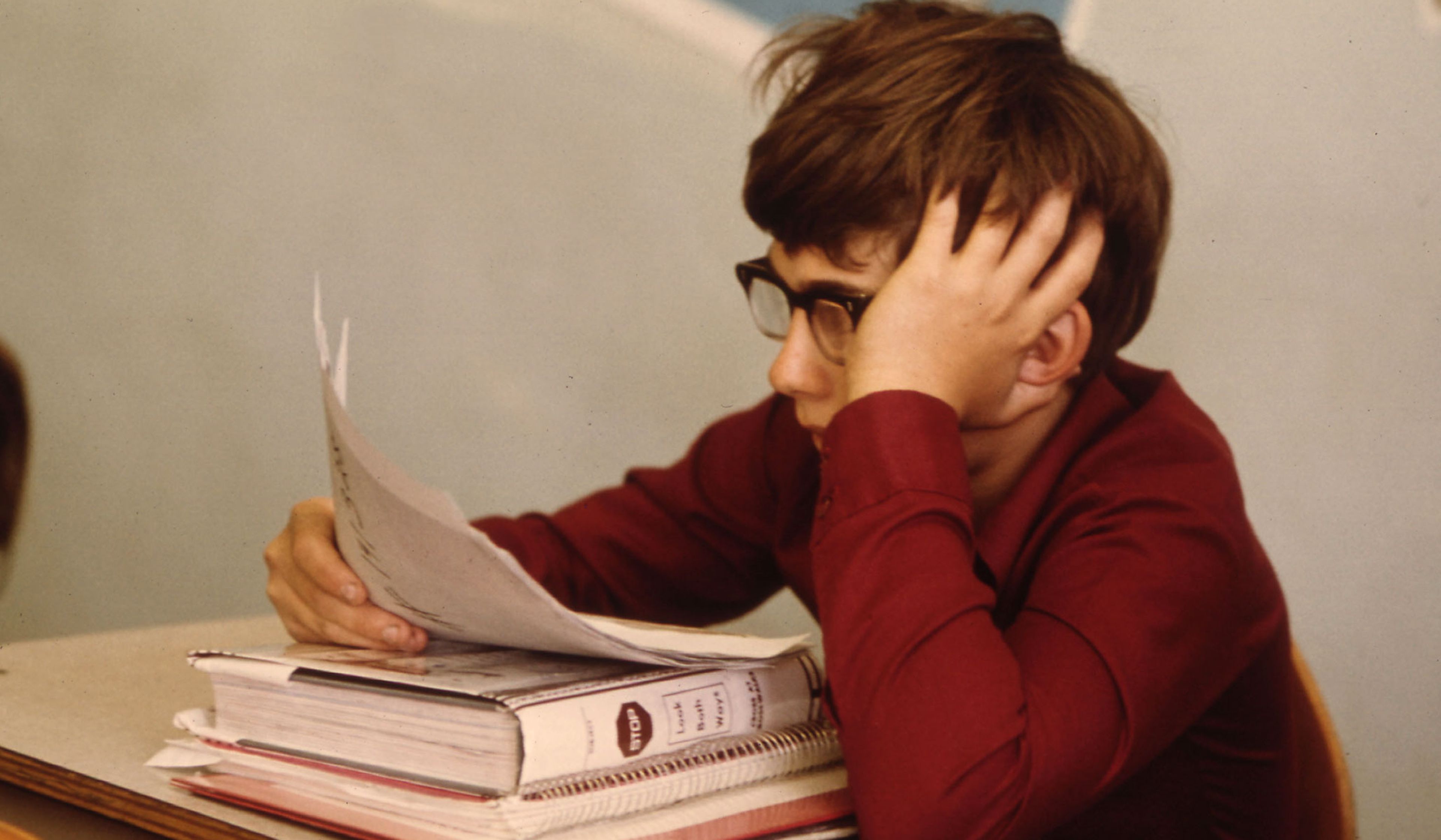
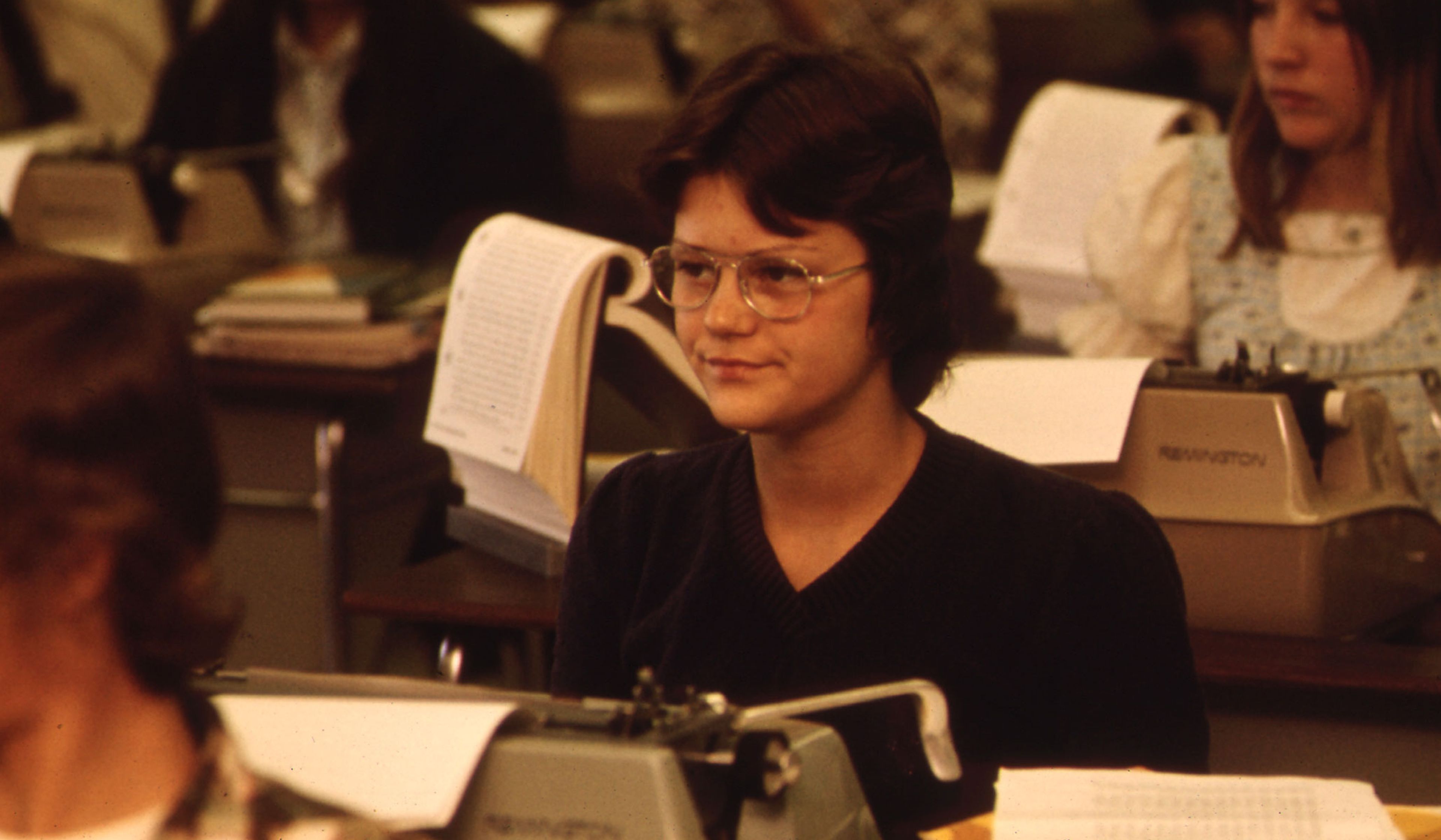
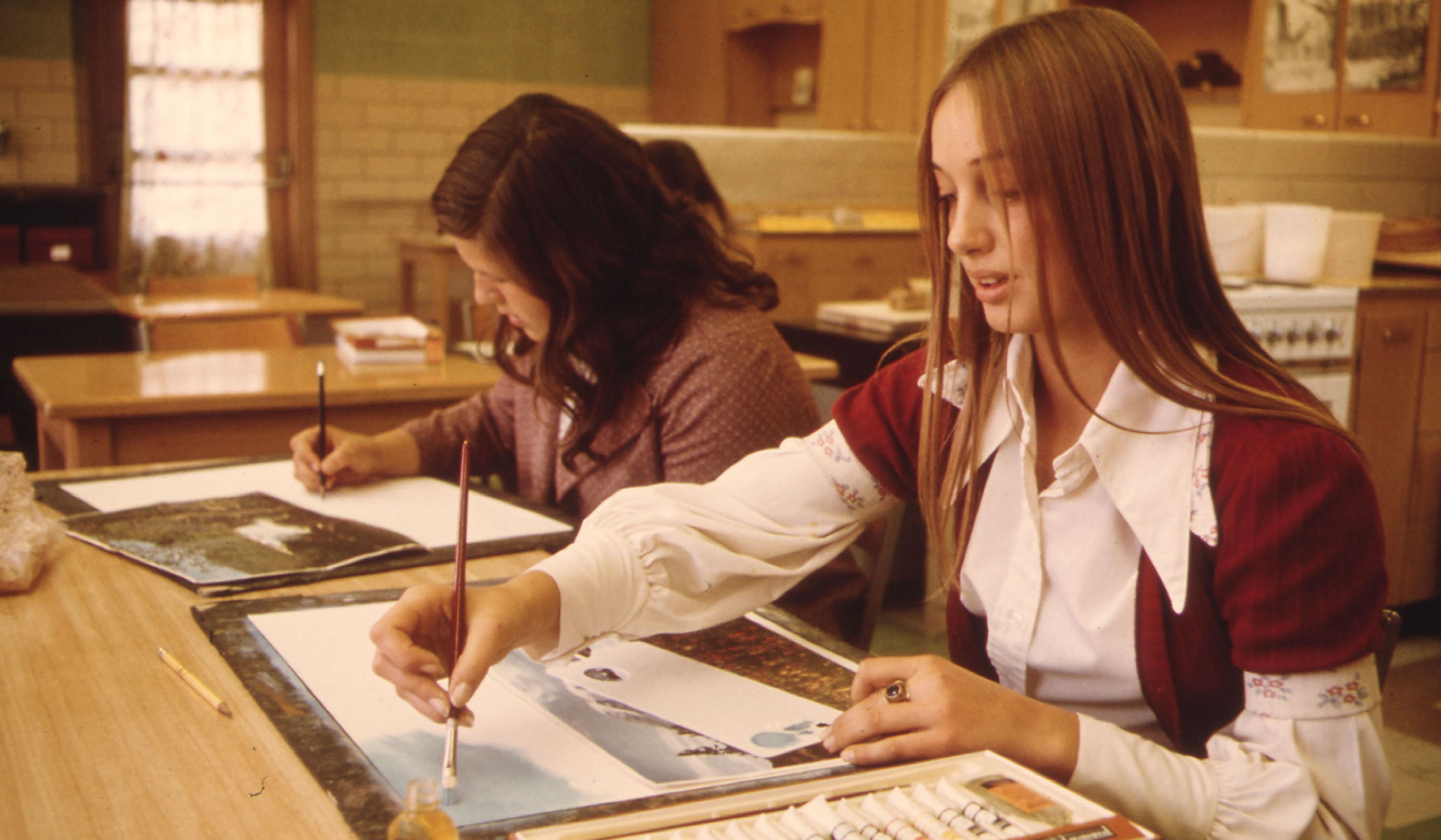
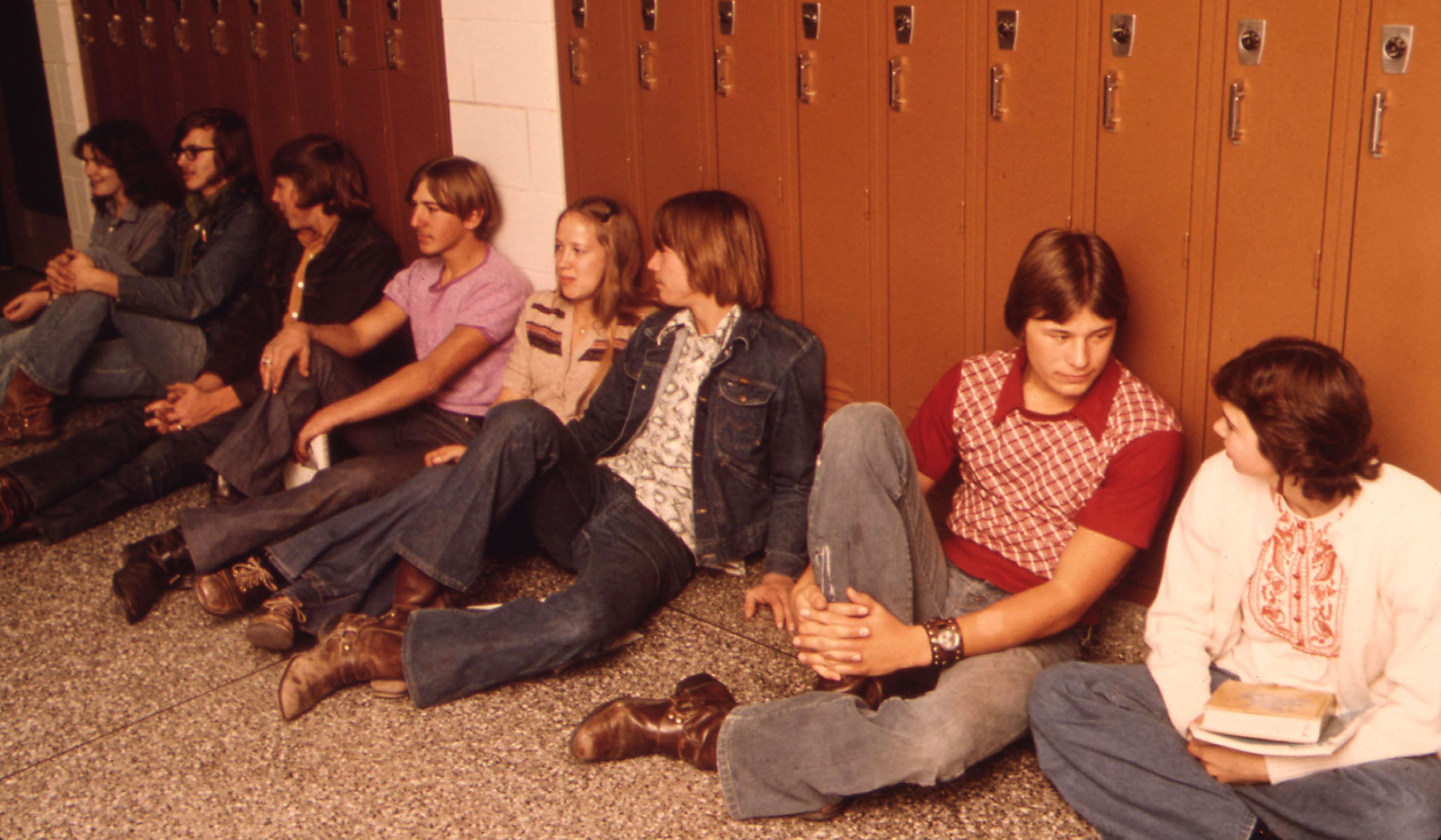
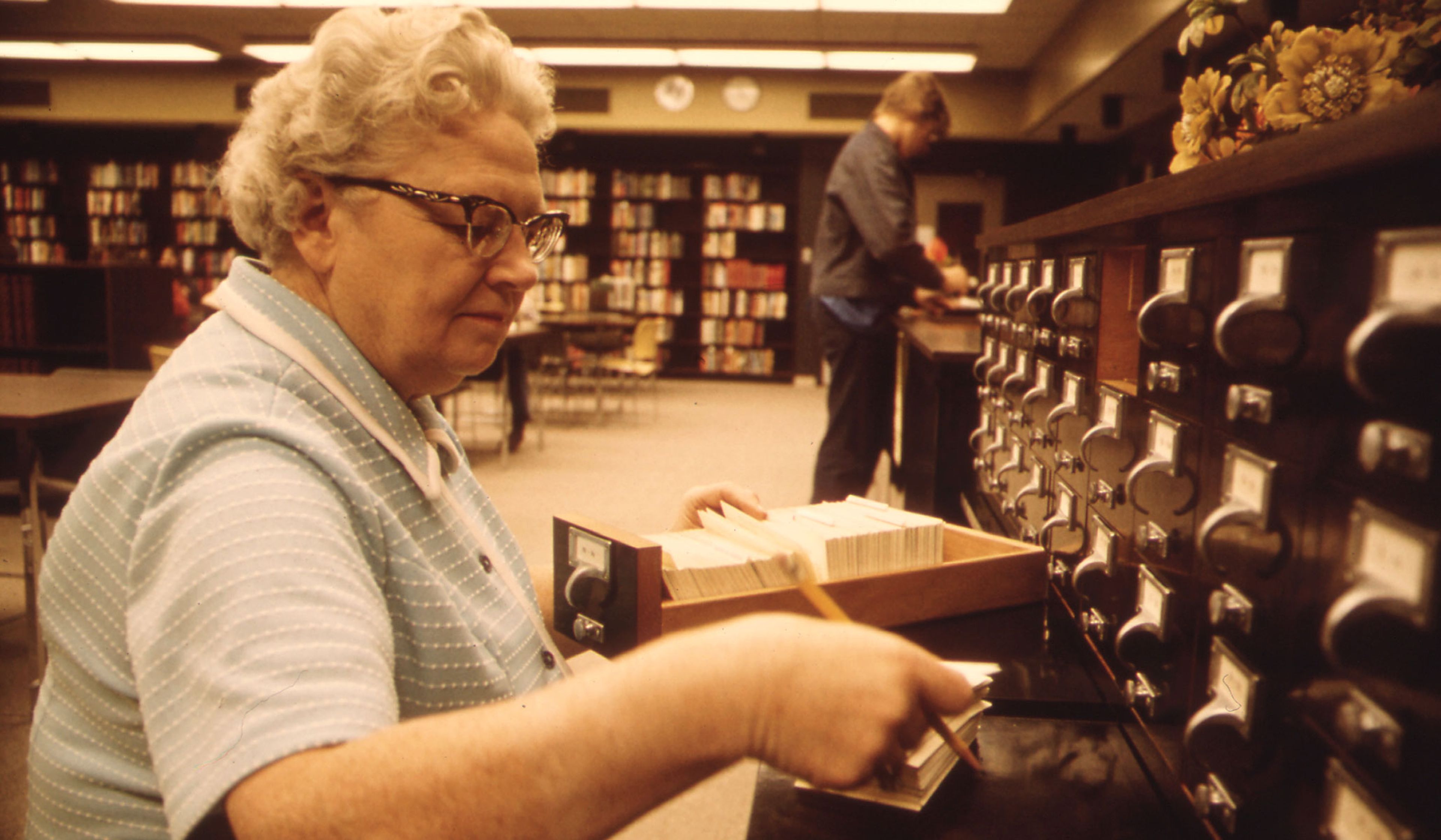
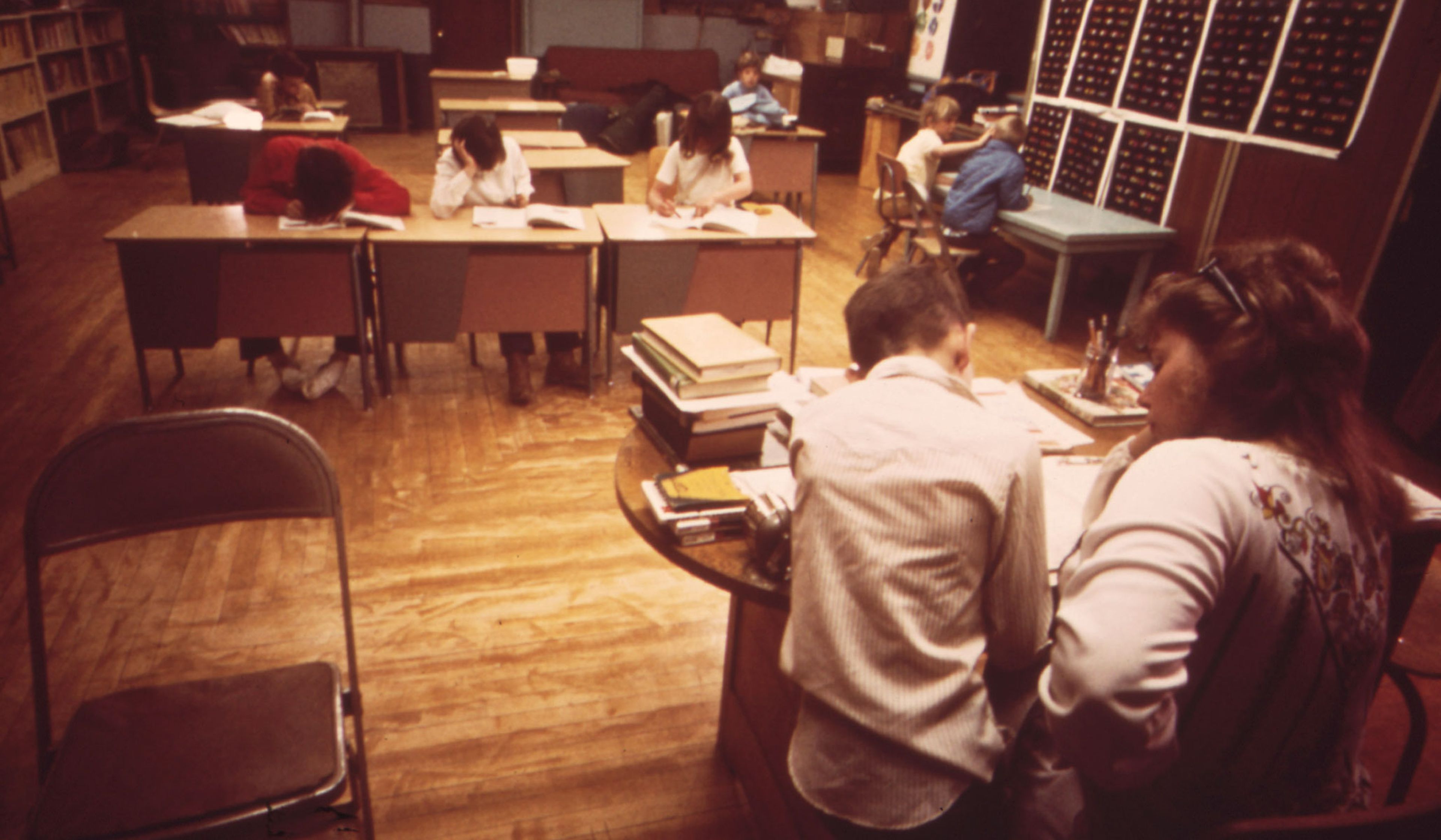
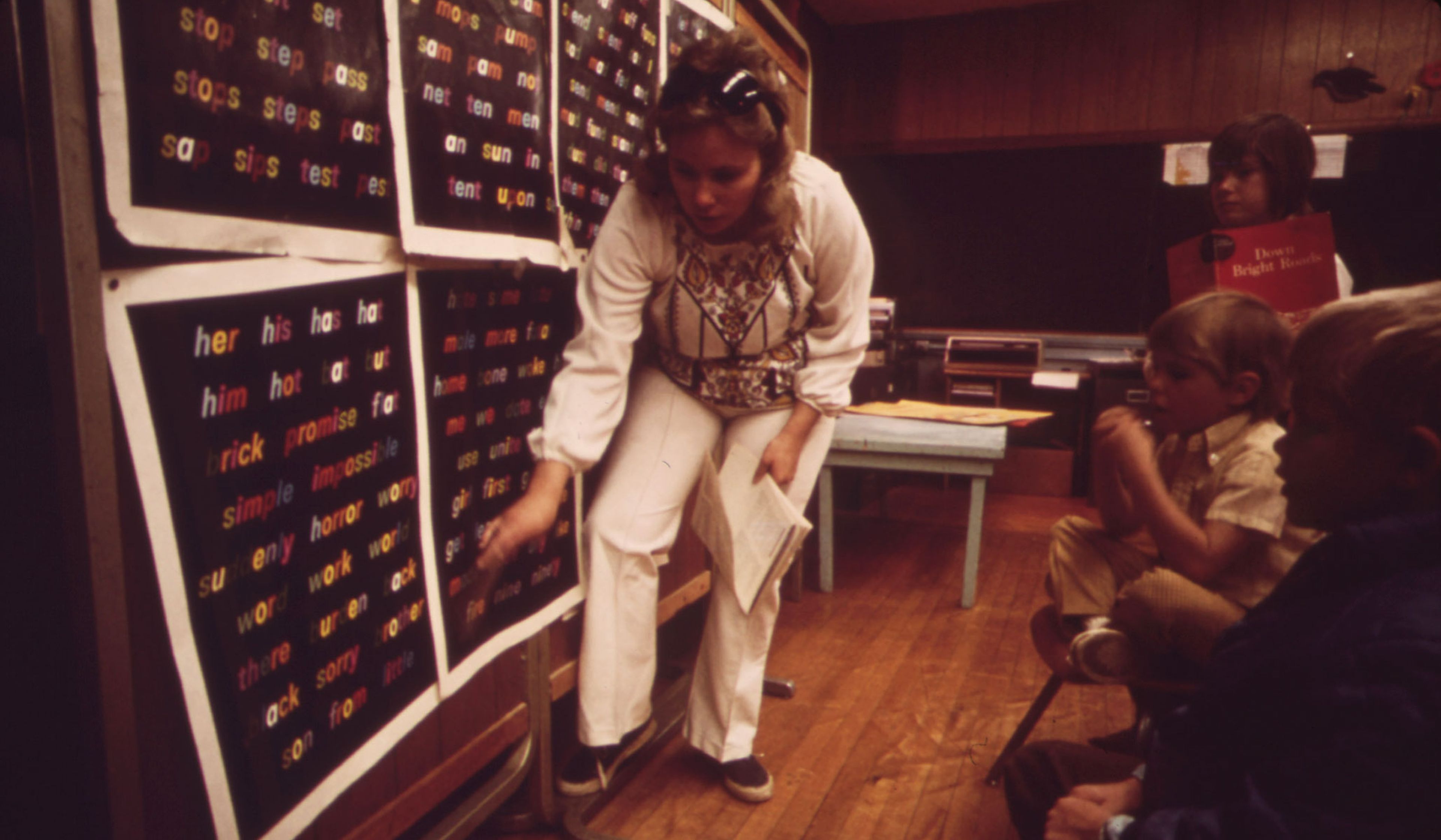
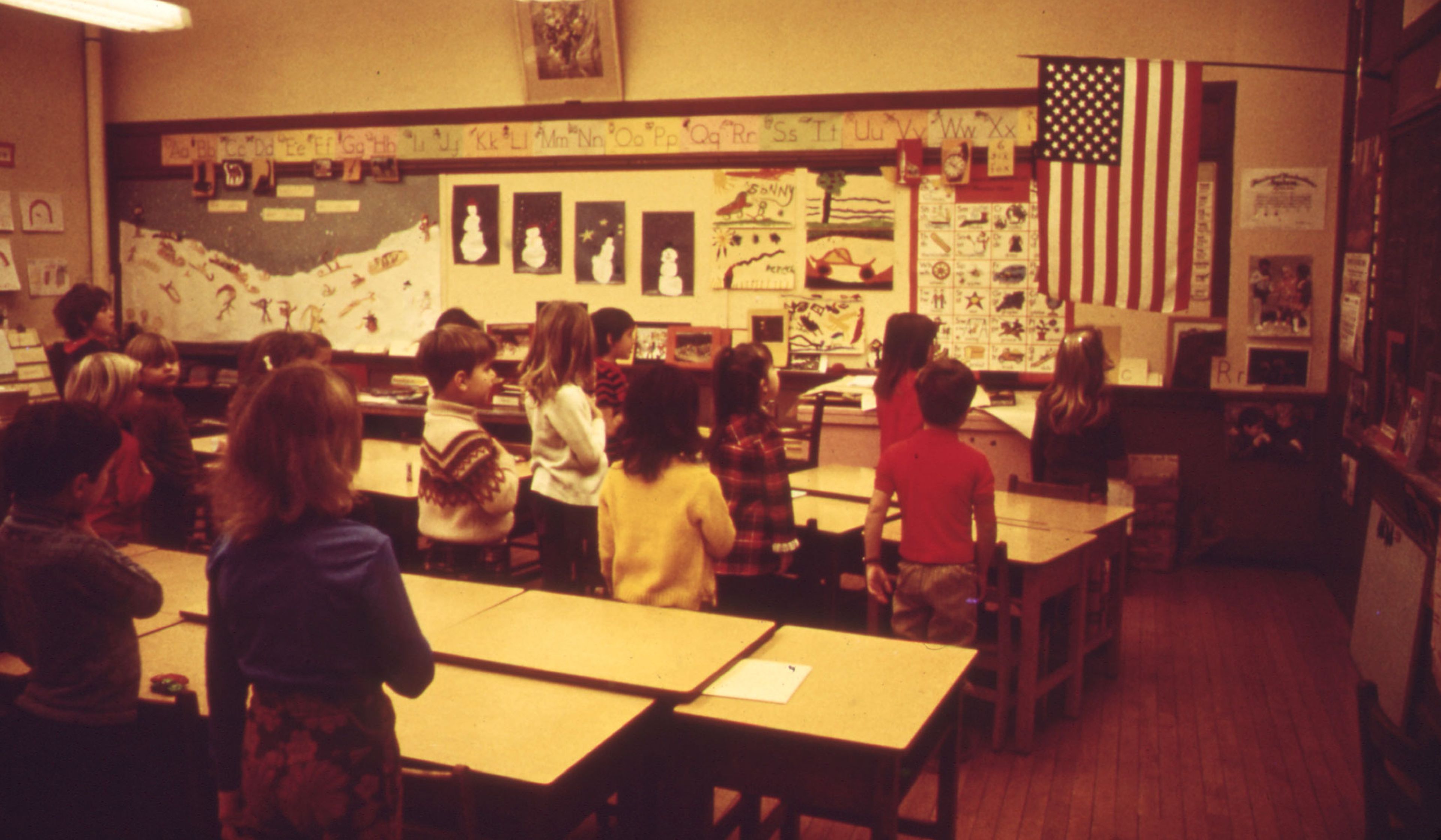
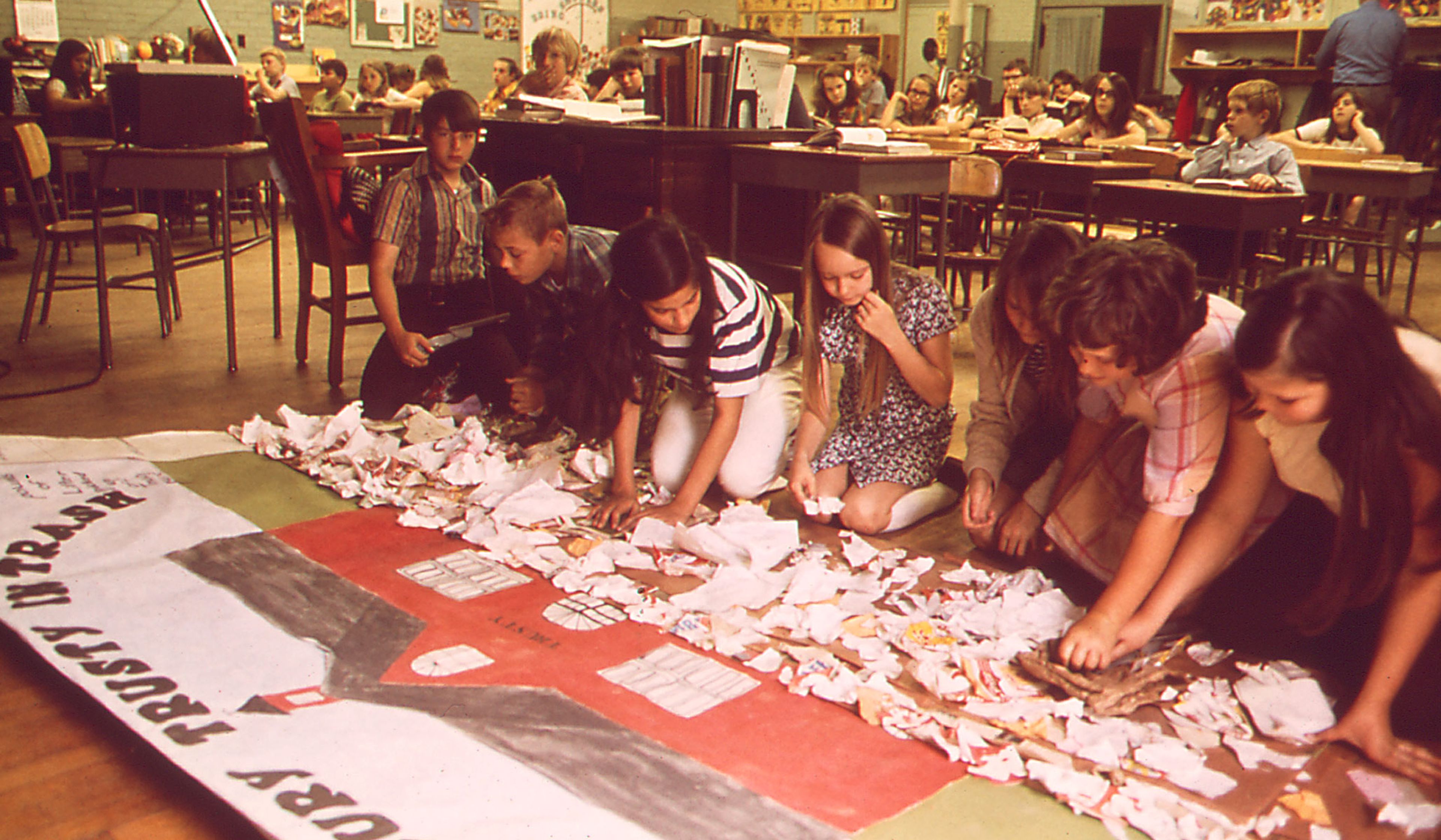
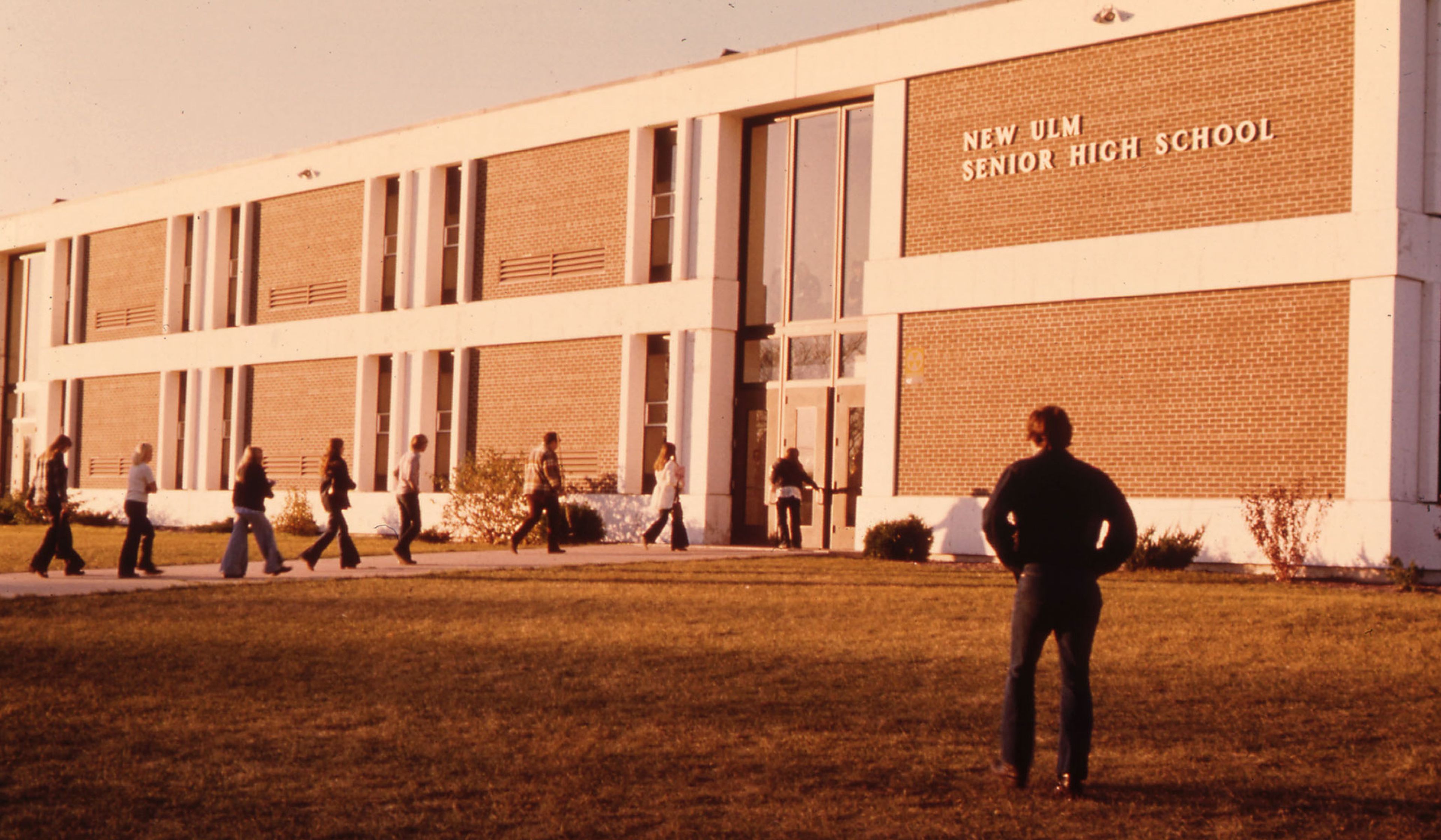
Teacher and students at Cathedral Senior High School in New Ulm, Minn., 1975.
David Stroble/DOCUMERICA/National Archives












Comments