When Judaism, that radioactive element, decays, it becomes other elements on the periodic table of the mind. Some would say Christianity is one such. Marx and Freud are more recent by-products. My wife’s adviser on her psychology Ph.D. thesis followed the trajectory Jew > Jung > Eastern religion. When Jeanne knew him, he was between stages two and three. “What do you do,” a student asked, “if a mosquito stings you while you are meditating?” “Slap it,” he said, “and say, ‘Become Buddha.’”
Mosquitos are insects for whom I do not wish Buddhahood. After giving us yellow fever, malaria, and bites on our knuckles and the pinnas of our ears, they can become demons, or whatever would be bad in Buddhist cosmology, whenever I am lucky enough to smack them. My wife and I share ill feelings for numbers of their insect cousins. Flies are as filthy as they are persistent; your peach is only their next stop after that deer’s pellets. So Jeanne has armed herself with a plastic pistol, which has a spring along the barrel that propels a plastic disc, attached by a string to the weapon itself. The trick, she has found, is to bring it slowly and steadily into a direct line with the target before firing. She is no believer in the Second Amendment, but you will take her fly pistol only from her cold, dead hands.
In the city, the insects of loathing are of course roaches. They are as smart as humans, and faster, so our struggle against them is a fair fight. A friend of mine is the daughter of a film-industry prop guy. His most unusual assignment, she told me, was to supply a movie about a New York apartment afflicted with roaches, whose renter came, in time, to know and converse with them. There were production numbers, for which he had to supply tiny top hats. I hope after the wrap party the roach hoofers were all consigned to the lake of fire.
But then there are the insects, surprisingly numerous, who elicit compassion. They all live in the country. Our house there is only 80 years old, so I do feel like somewhat of an intruder. We have screens on all human-sized apertures, but the doors regularly open and close, admitting fliers; the crawly ones must have their own superhighways of ingress. The humane alternative to the plastic fly pistol is a yogurt container and one of the stiff subscription-renewal cards that fall out of magazines. I place the yogurt container over the unsuspecting insect, slide the card under the container’s mouth and him, then go to the door and shake him out. By opening the door I may let in as many or more as I remove, but that’s the way the velvet rope works at my place.

ABDESIGN/Getty Images
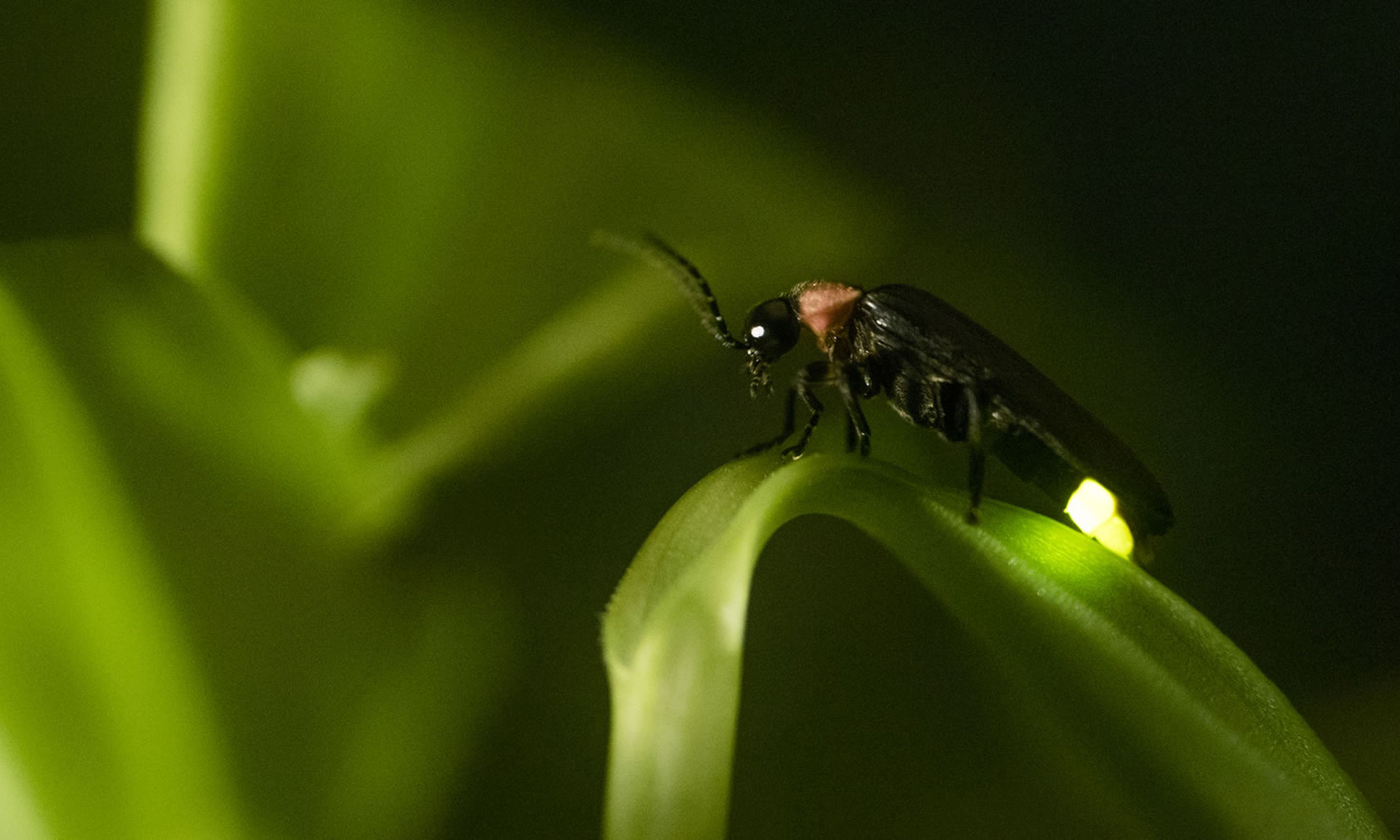
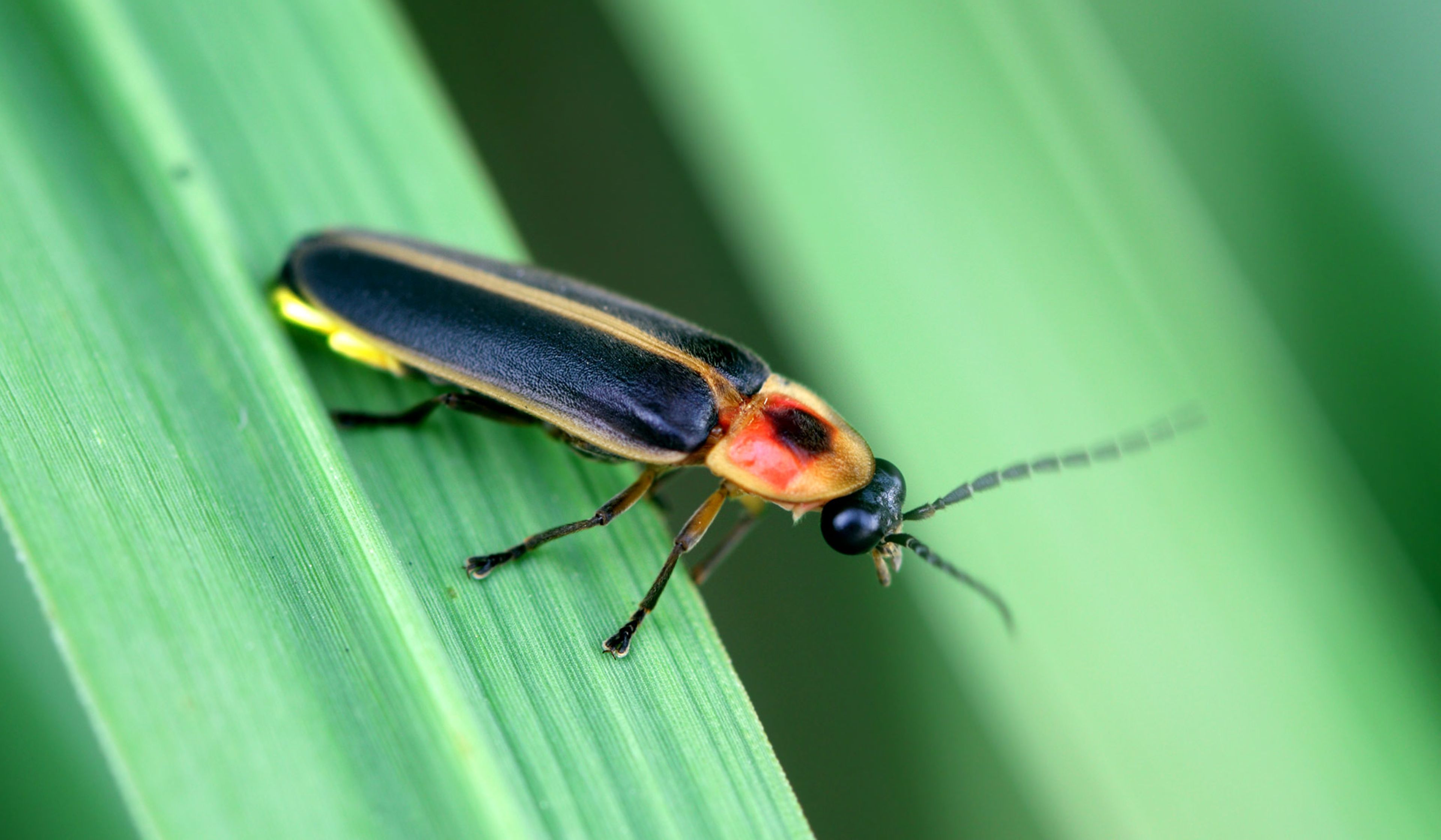
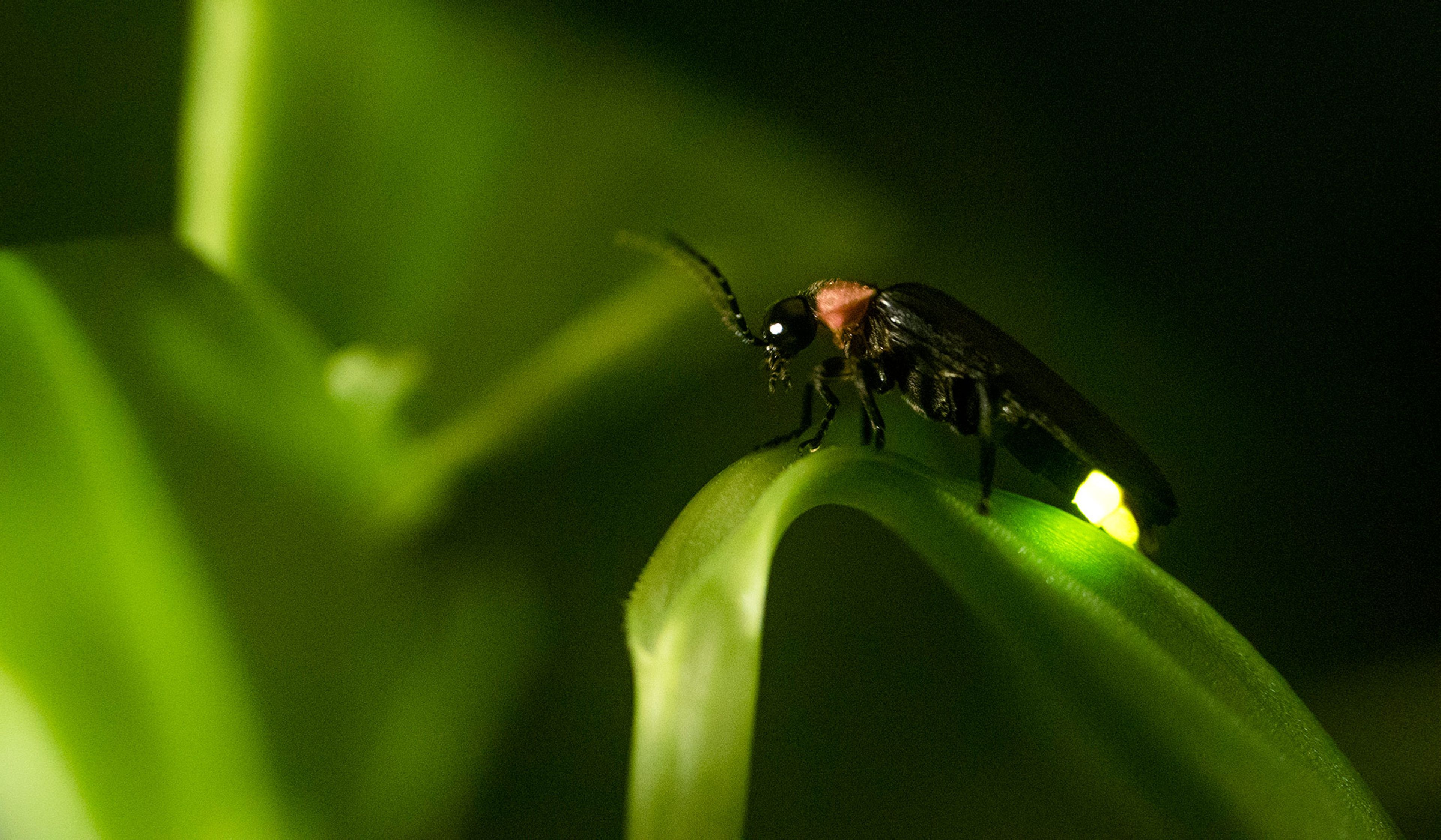
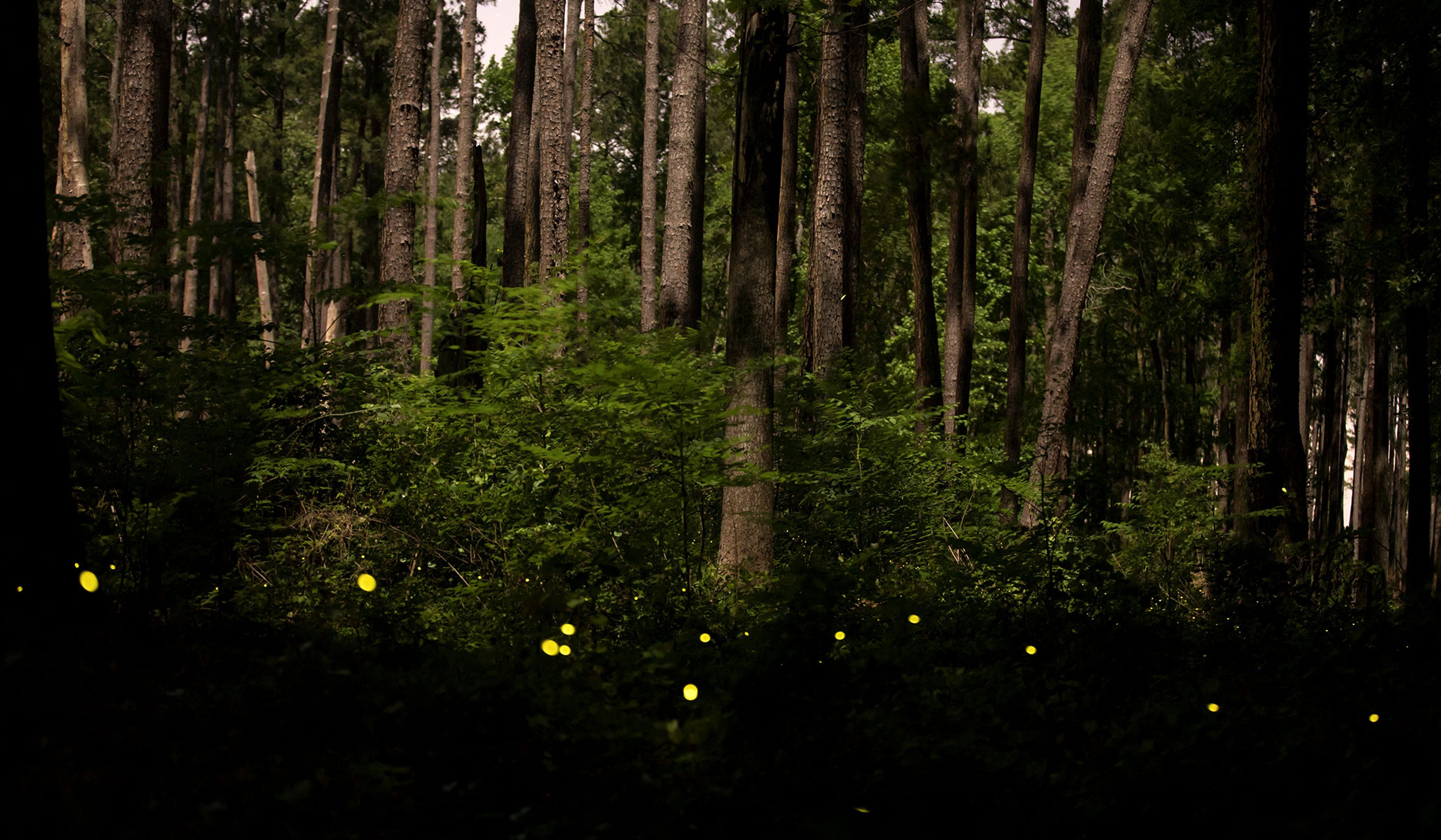
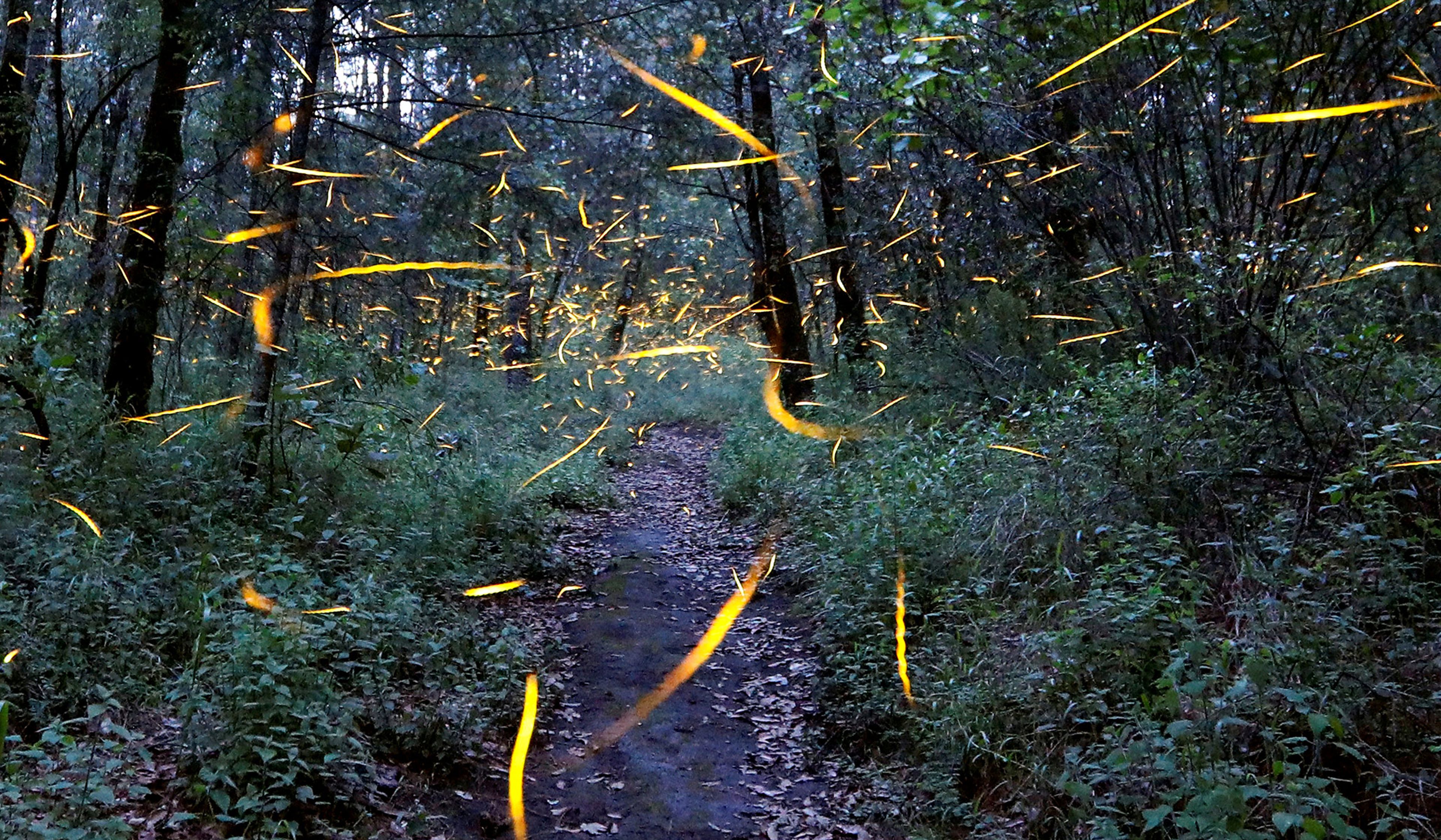
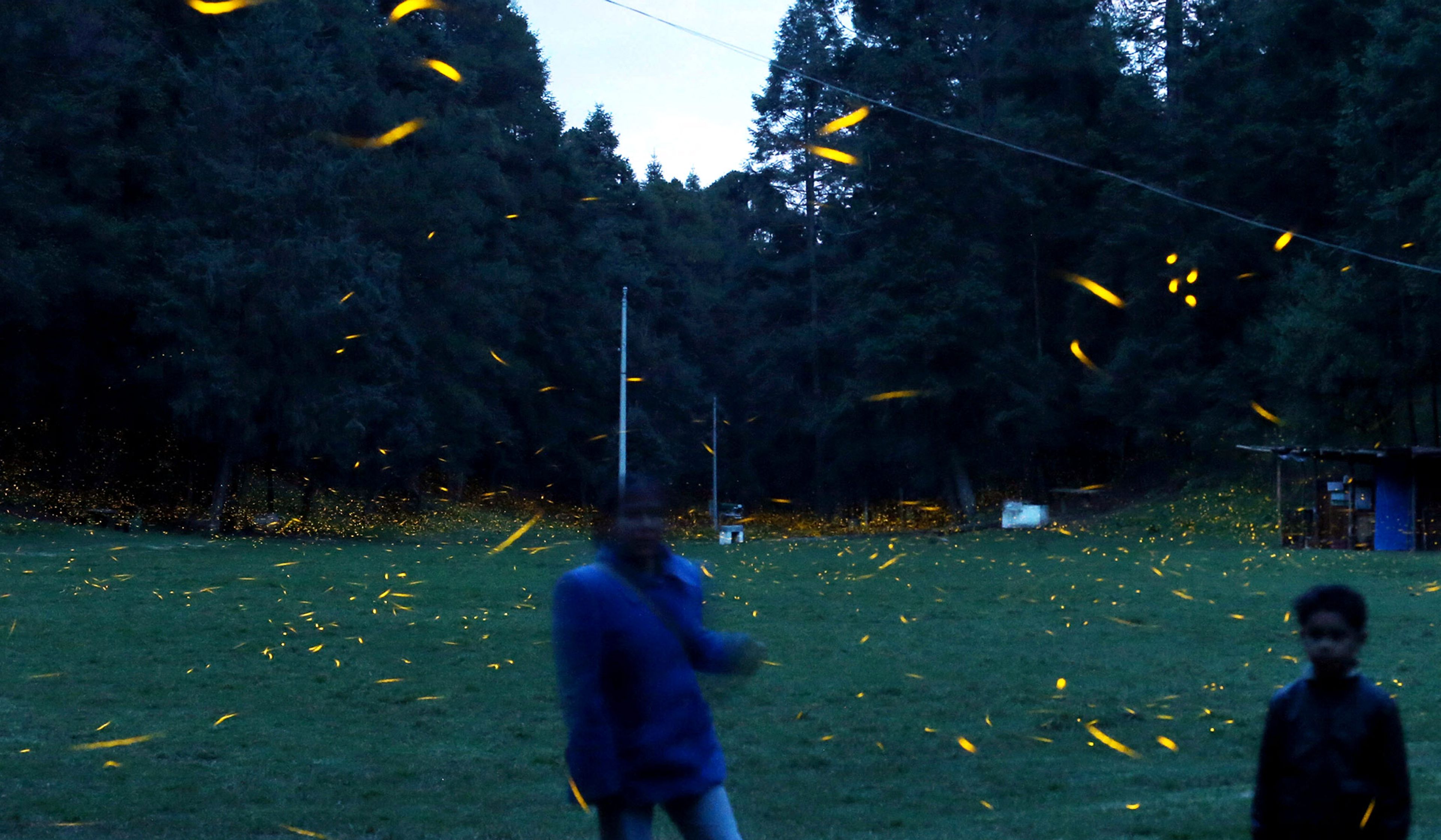
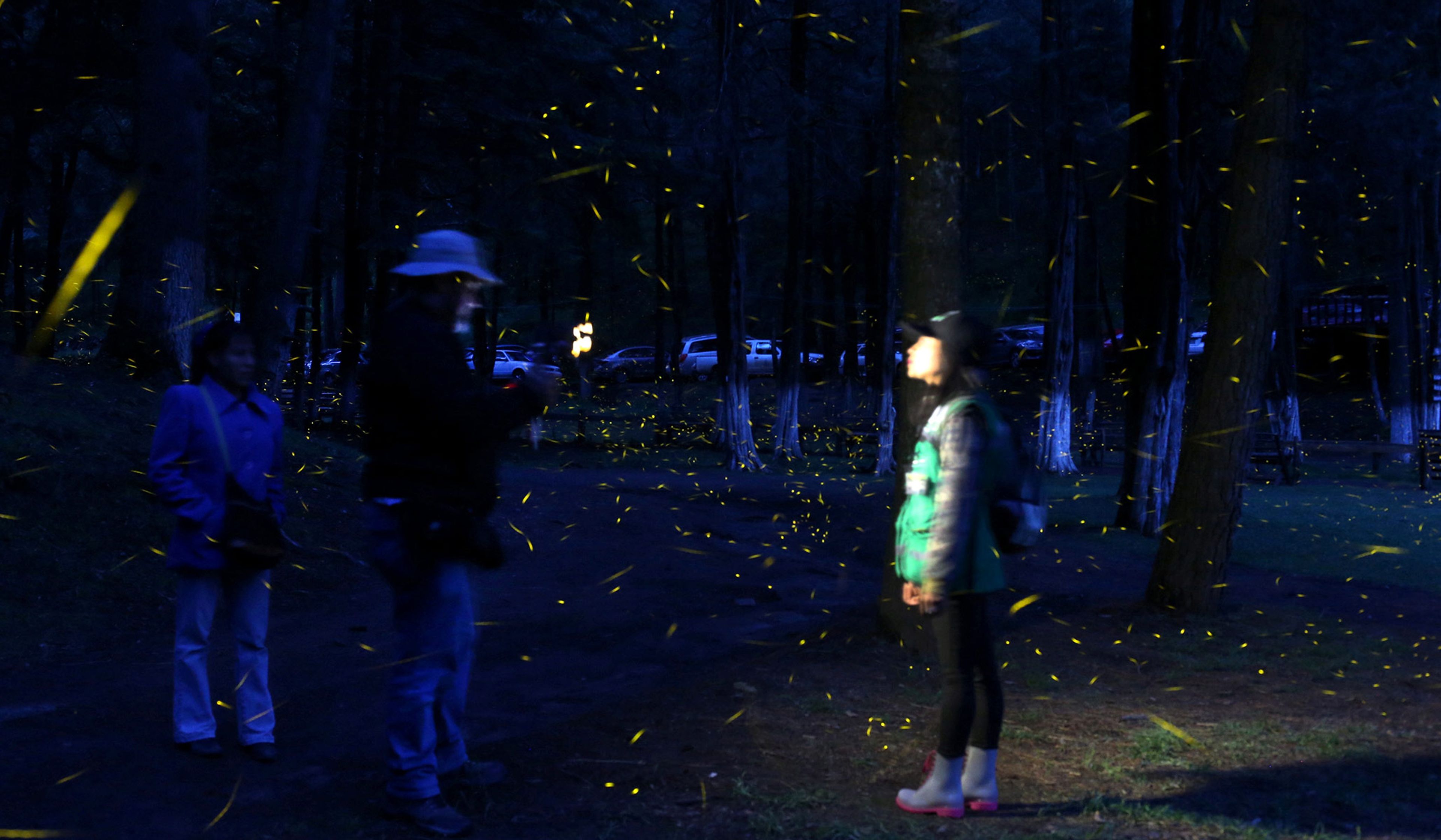
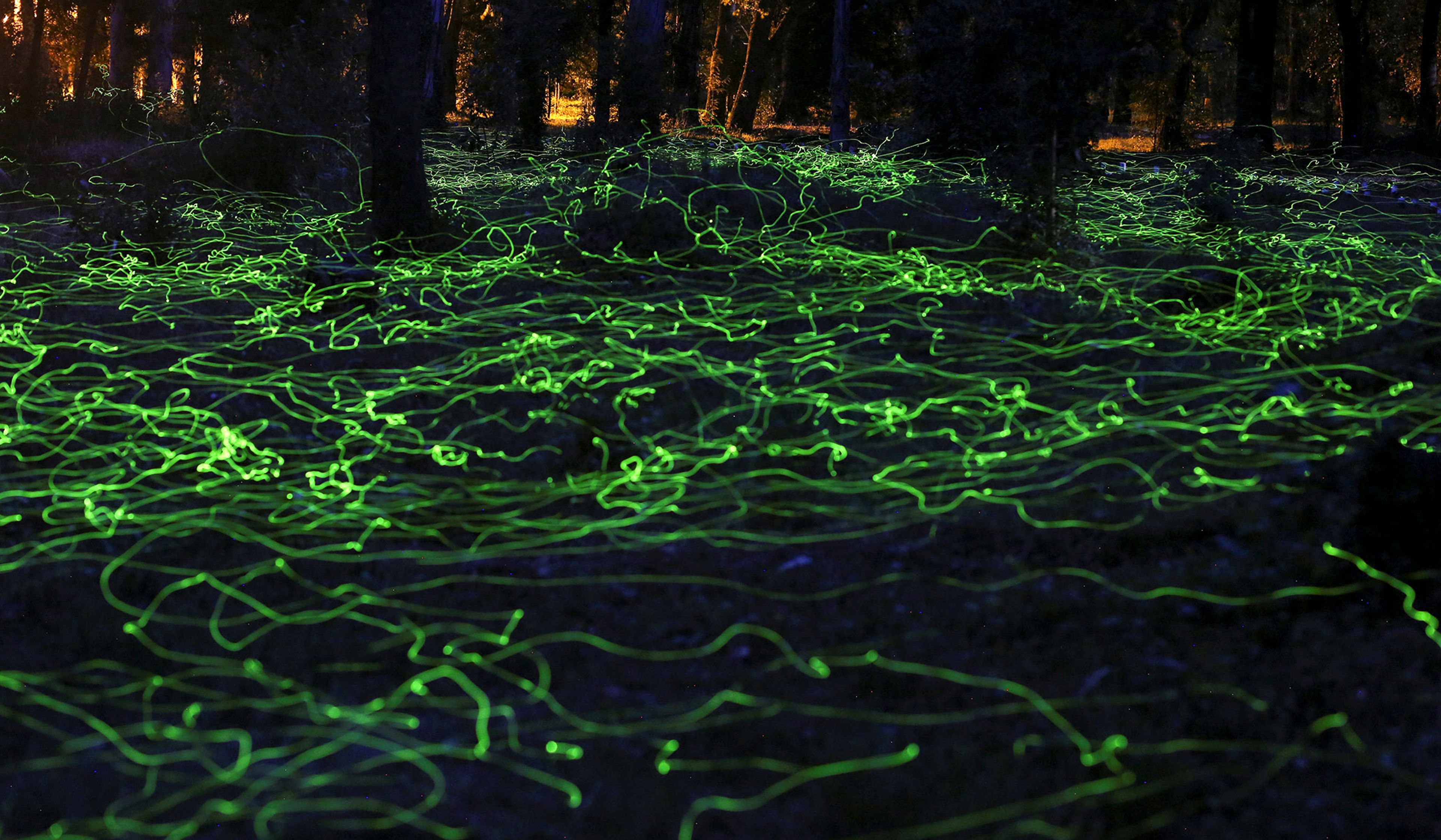
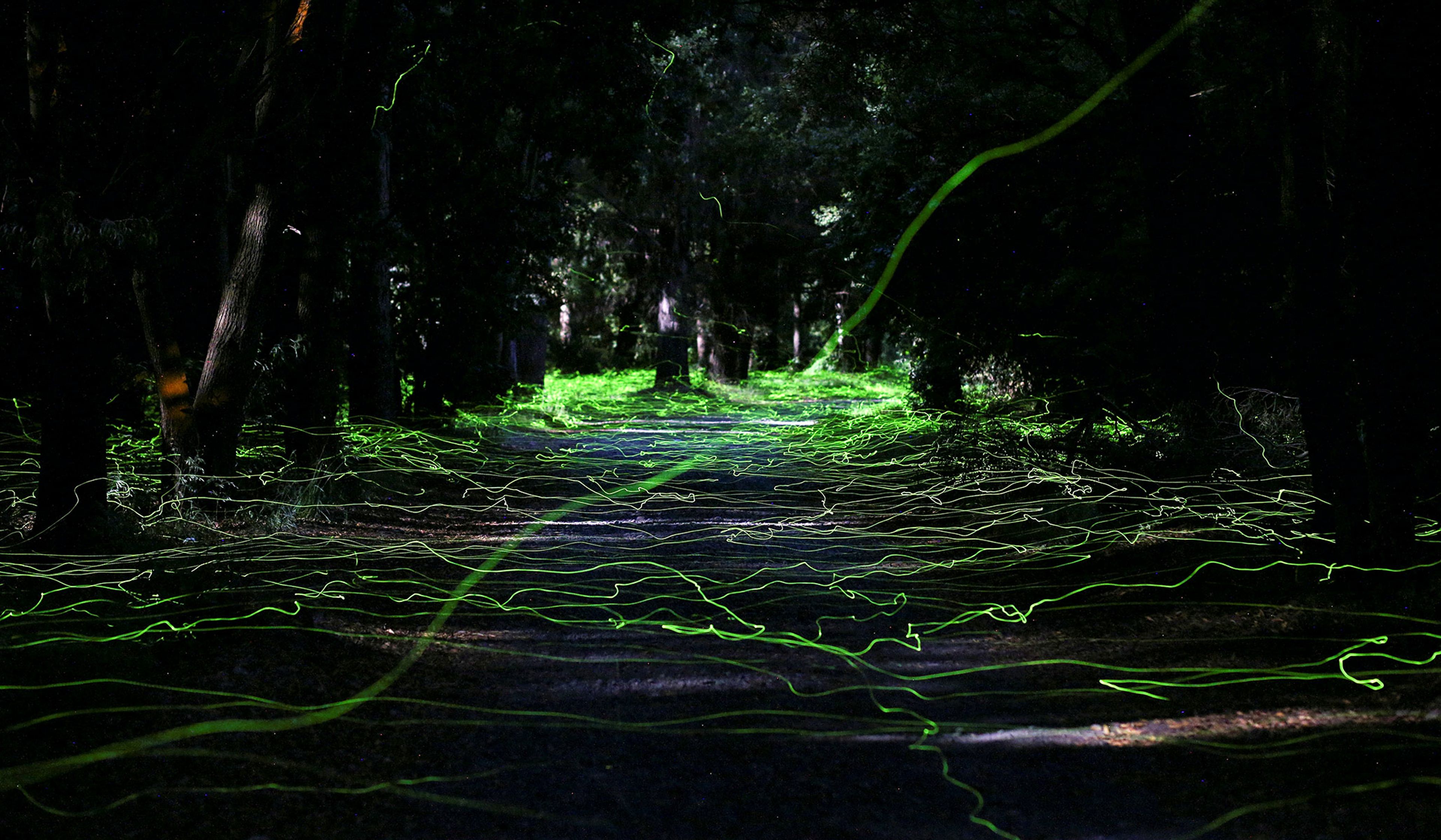
Who gets the favored treatment? At this time of year, lightning bugs. Their great moment coincides with the Fourth of July, but a few linger on, including inexplicable incorrigibles in our house. When we have gotten under the sheets and turned out the light on the headboard, we see a light, winking and flying, like a soul of the departed in a ghost story. In here, its quest for a mate will be as lonely and futile as on a dating app. What then do I do? Ignore it, because I really am tired? But then find it, dead at last, on the floor a day or two later? Up again, grab container and card, boom. It winks in its sudden prison, until it is flung out into the night, and possibly love at last.
Moths are other candidates for catch and release. All the walls of our house are painted in light colors, white in the bedroom, yellow everywhere else. The hues must attract, possibly soothe them, like light bulbs only not fatal to the touch. I have found a pure white moth, visible on a white wall only by its slightly raised shape. Its brown brothers show delicate lateral stripes, like the patterns on the edges of the pages of 19th-century books. Once they have settled on a surface, they rarely move; catching them is a snap.
At summer’s end they may be joined by big green bugs, with hopper legs. They look bright and comical. I believe they are the insects that fill the night with the warning call, back-to-school, back-to-school. The larger ones barely fit through the mouth of the yogurt container. You wonder how they got inside without a key. Amusing as they are, I do not want them alighting on my arm or forehead as I am dropping off to sleep, so out they go.
These insect visitors are spared because of their beauty or, in the case of the last one, a combination of beauty and size. The bigger a creature is, the more we tend to feel some kinship with it. Spiders are a different case. They seem to like plumbing, because many is the time I have heard my name called from the bathroom in accents which unmistakably indicate that an arachnid has appeared in the sink, or the bathtub. Size here makes not for kinship but for alarm. Because I don’t know which, if any, of these bite, I approach spiders with more caution. Sometimes, when I peel back the card to see how the prisoner is doing, I wonder if they wonder about the sudden change in their circumstances. There they were, enjoying an almost limitless expanse of tub or sink; now they are confined. Wonder on: Soon you will be shot into the darkness.
The superstition that killing spiders brings bad luck probably lingers in my cortex, prompting me to spare them. Also the thought that their webs are impressive creations. When our friend Doug worked for a while in a factory, what leavened the hatefulness of the occupation for him was a spider that lived in the window alongside him. He fed it flies.











Comments