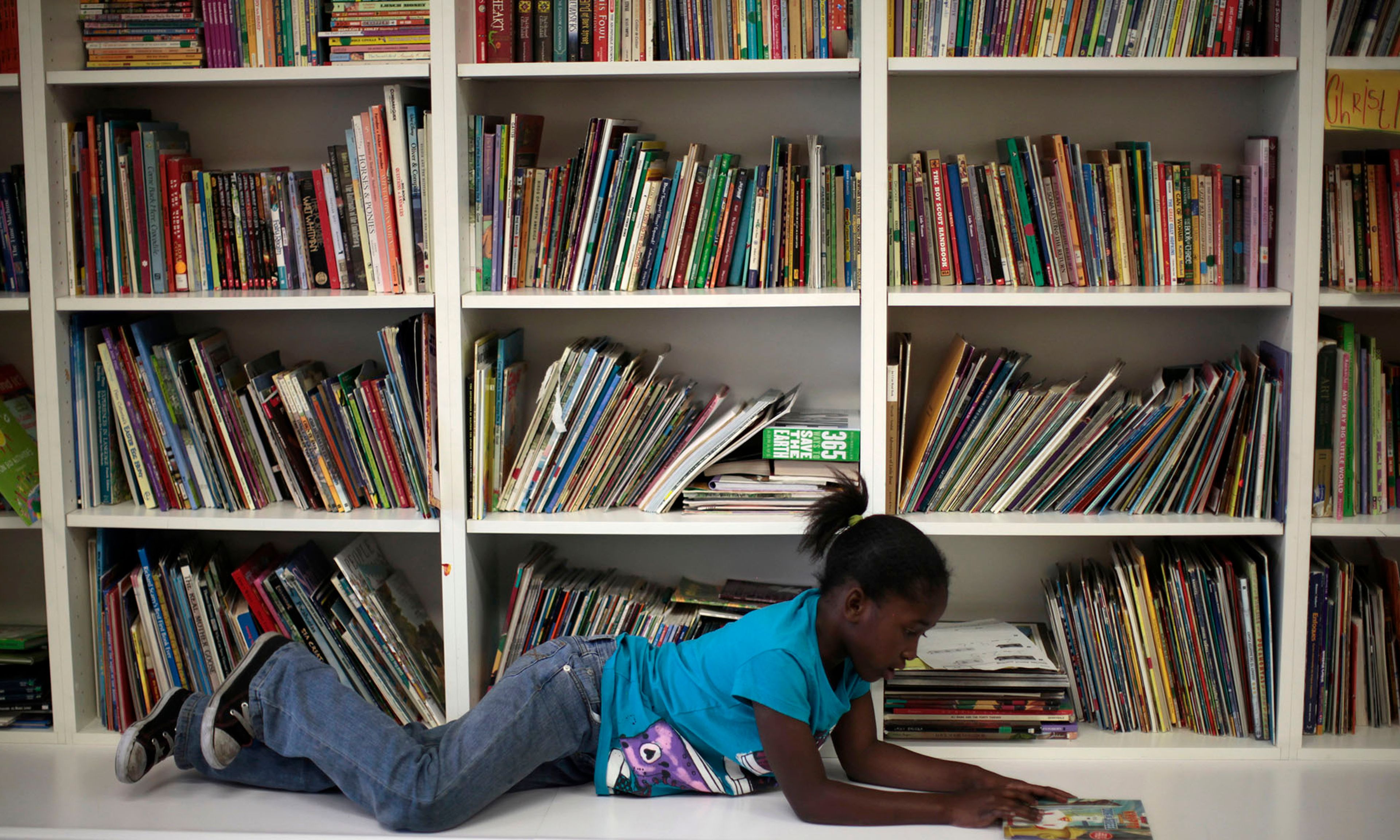
Nearly everyone has one. That book that was the bane of your existence in high school. Academics raved about its depth, rich words, and intriguing characters. Your teacher said it inspired other famous authors and is a pillar of Western lit. But you? You still shudder when someone references the Wife of Bath.
Western literature is full of influential books, from the Bible to Paradise Lost to the Divine Comedy to Pride and Prejudice. Yet as important as these works are, why do we so often insist on requiring our high-schoolers to read them without the proper foundation? Perhaps students at that age are generally not well served by encountering great literature before they are equipped to understand and appreciate it. This is the very point made by Cheri Blomquist in her book Before Austen Comes Aesop. Not only does she identify this issue in our children’s literary education, she presents students and educators with options to remedy it:
It may seem . . . that I am advocating the kind of dumbing-down of our country’s education that so many of us are trying to work against, but this is not at all true. Students should read the great adult classics — just not too soon. They would have a richer, deeper, more meaningful experience if we chose a gentler approach to their instruction. Such an approach would both consider students’ maturity and allow teachers to ensure the sufficient mastery of literary study skills before leading students into the labyrinth of adult classics.
She is clear on the importance of adult classics, but she insists there is a more balanced, more beneficial approach to the literary education of our youth, and it relies on what she terms the children’s great books. For readers unfamiliar with a typical definition of an adult “great book,” she presents four basic criteria that help to classify such literature:
1. Their ideas and themes are both representative of their times and universal. Thus they remain relevant and important to modern readers.
2. They have contributed to the “Great Conversation of Great Ideas” of Western thinkers down through the centuries.
3. They have layers of riches such that readers can return to them again and again and make valuable discoveries every time.
4. Their craftsmanship is beautiful and often exemplary.
She then takes this list and tweaks it, explaining how nearly the same criteria can be used to create a children’s great-books list:
1. The book has played a significant role in the history of children’s literature.
2. It has influenced the development of Western literature — children’s, adult, or both.
3. It has been valued by young people for much of its existence.
4. It has long been considered excellent literature. The contemporary works on the list are those currently considered excellent by literary critics and have already proven to be influential, but time will tell if they will be considered great in the long run.
Starting with these criteria, Blomquist sets the stage for her project, a compilation of titles in classic children’s literature through the ages. The goal of her collection is “to give students the best preparation possible for an advanced, classical literature program,” and to that end she suggests that “these books are the ones that should receive the most attention.”
In part one of the book, she takes us through a set of chapters covering specific historical eras such as “Ancient Times through the Early Middle Ages (1500 b.c.–a.d. 1000)” and “The Great Depression through World War II (1929–1945).” Within each chapter, she covers the “major players,” as it were, in children’s literature of that era, listing various titles and authors and describing publishing trends and cultural sentiments that all played into the development of this particular genre over the centuries.
Book lists are tricky beasts, but Blomquist tackles the challenge with an academic and a somewhat scientific mindset. Using the ATOS Readability Formula (a system developed by Renaissance Learning, an educational software company, along with other experts to determine reading level in books), years of teaching and bookseller knowledge, and common sense, she forms a detailed reading list covering a range of grade levels and eras. She knows that some people will be upset with her list, as it contains books that might be offensive and leaves out others that some might believe should’ve been included. To these concerns, Blomquist responds that
this book is grounded in not just the children’s classics, but the most important children’s classics as indicated by literary history. . . . The literature included on the reading list, therefore, does not reflect my own preferences. In fact, I did my best to remain as objective as possible. . . . I was annoyed more than once that I couldn’t include some of the books that I felt deserved the honor and that I had to include some books that I didn’t like.
Readers may recognize some books on the list (which also includes picture books), including Millions of Cats, Madeline, Make Way for Ducklings, Mary Poppins, Pippi Longstocking, and Johnny Tremain. Others, such as The Schoole of Vertue, Petie Schole, and A Child’s New Plaything, may be less familiar. A few novellas and plays make the cut, important poetry collections, and a few nonfiction selections. Harry Potter, A Series of Unfortunate Events, The Outsiders, The Golden Compass, and others also make the list, despite (and even because of) their controversial nature, and Blomquist ably defends their inclusion.
The book is thoughtfully organized so that it can be utilized in a variety of ways, from book-club reading to serious academic study. Part two lays out guides for parents and educators to follow or fine-tune according to their needs. She also offers a handy labeling system to help classify various books. These include “Foundational,” “Important,” and “Parents Cautioned!” Blomquist strives to be thorough without overwhelming the reader with information. She notes that her focus on Western literature “does not mean that the great works of Eastern civilization are not valuable; they have made their own important contributions to the world.” “But,” she writes, “in order for children in the United States to understand the cultural foundation of the society in which they live, they need to read some of the Western Great Books.”
Is children’s literature worth all the fuss? Should teens spend any time reading it? Blomquist believes so and says that children who grow up without going to Narnia or knowing Ramona Quimby are missing out on “characters who are just waiting to become our friends for life.”
Time magazine recently published its “Top 100 YA Books of All Time” list, and its abysmal selection shows the timeliness of Blomquist’s book. Certainly, some of the books on Time’s list have merit (Little Women), but very few of them have stood the test of time, a component of two of Blomquist’s criteria. Those looking for worthwhile literature for themselves and their children should ignore the current trends and instead take a page from Blomquist’s book.











Comments