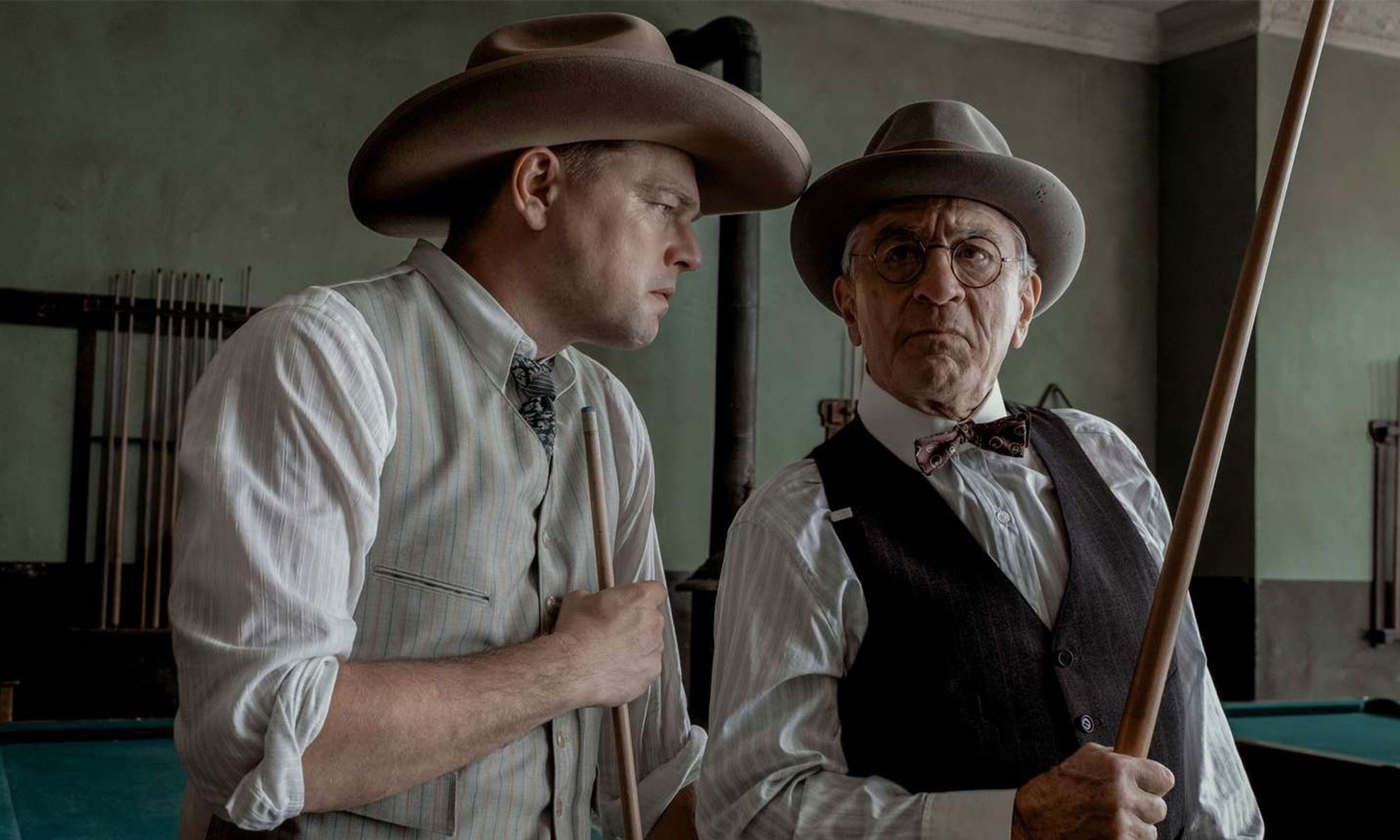
The three-hour-and-26-minute running time of Martin Scorsese’s Killers of the Flower Moon gives the viewer ample time to meditate on the movie’s various weaknesses. There is, to begin with, the sheer length: In his old age Scorsese has been permitted the same kind of artistic freedom that bloats the later novels of popular fantasy sagas, delivering swollen epics that are no better than, say, Goodfellas (running time: two hours and 26 minutes) for being 30 minutes or 60 minutes longer. Wolf of Wall Street, The Irishman, and now Killers have all broken the three-hour mark, and each one would have been a better movie if some philistine studio boss had told Scorsese, “Bring it in 30 minutes shorter, I don’t care what you cut.”
Then there’s the casting. Scorsese loves to work with Leonardo DiCaprio and Robert De Niro, and here he has the two of them together, in an adaptation of David Grann’s true-crime best seller, playing a pair of Jazz Age villains conspiring to marry and murder members of the Osage Nation, who were enriched by a discovery of oil on their reservation and then preyed upon by their white neighbors.
DiCaprio is Ernest Burkhart, handsome and slow of wit, a World War I veteran who comes to live with his uncle, De Niro’s William “King” Hale, a local kingpin who masks his sinister intentions behind a show of Osagophilia. The first role requires DiCaprio to play dim and eventually tortured (he has a conscience, his uncle does not); to that end he sets his still-pretty face into a permanent frown, acting the part more than simply playing it. The second role requires De Niro to be charming, charismatic, Mephistophelean: He has the necessary talent but, no less than when he was de-aged for The Irishman, he is just a bit too old, at 80, to play a domineering figure who was in his fifties in real life. Neither performance is exactly bad, but both make you wonder whether working with a different pair of actors rather than Scorsese’s favorites would have been a wiser choice.
Then there are the odd cultural-political vibes around the story’s portrayal of white villainy and Native American victimhood. On one level the story of Killers of the Flower Moon fits almost too neatly into today’s progressive archetypes, and the movie is freighted with various elaborate gestures of respect for the Osage, plus certain anachronistic flourishes (nobody would have used the term “genocide” in the 1920s, for instance, but the script throws it into an Osage elder’s speech). And by “centering” — as academic progressives would say — the machinations of the bad guys, as opposed to the detective work (conducted by a low-key Jesse Plemons as J. Edgar Hoover’s man in Oklahoma) that takes up more of the action in Grann’s book, Scorsese clearly wants to avoid any accusations of white-saviorism, any sanitization of the tragedy as a simple whodunit.
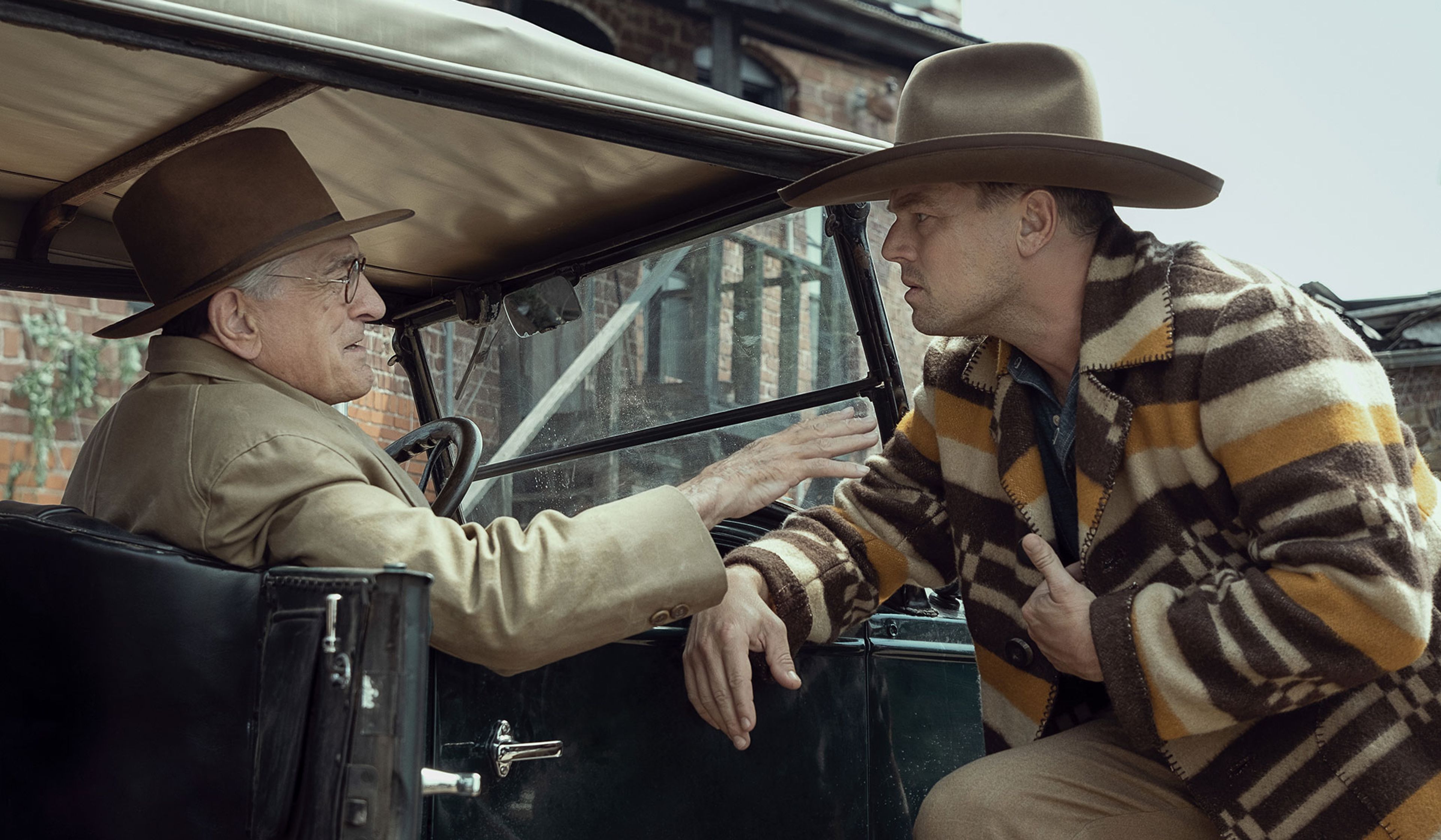
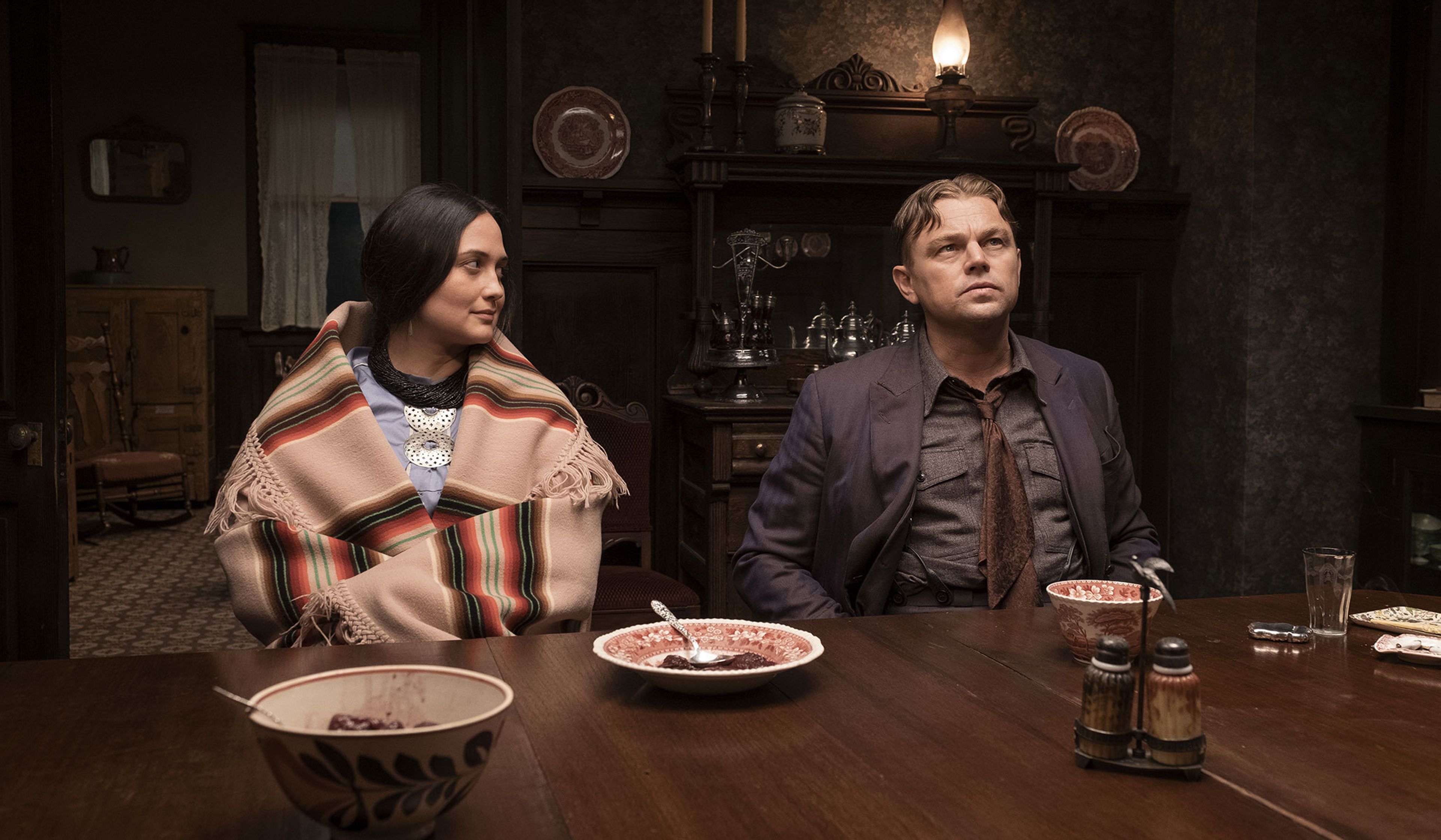
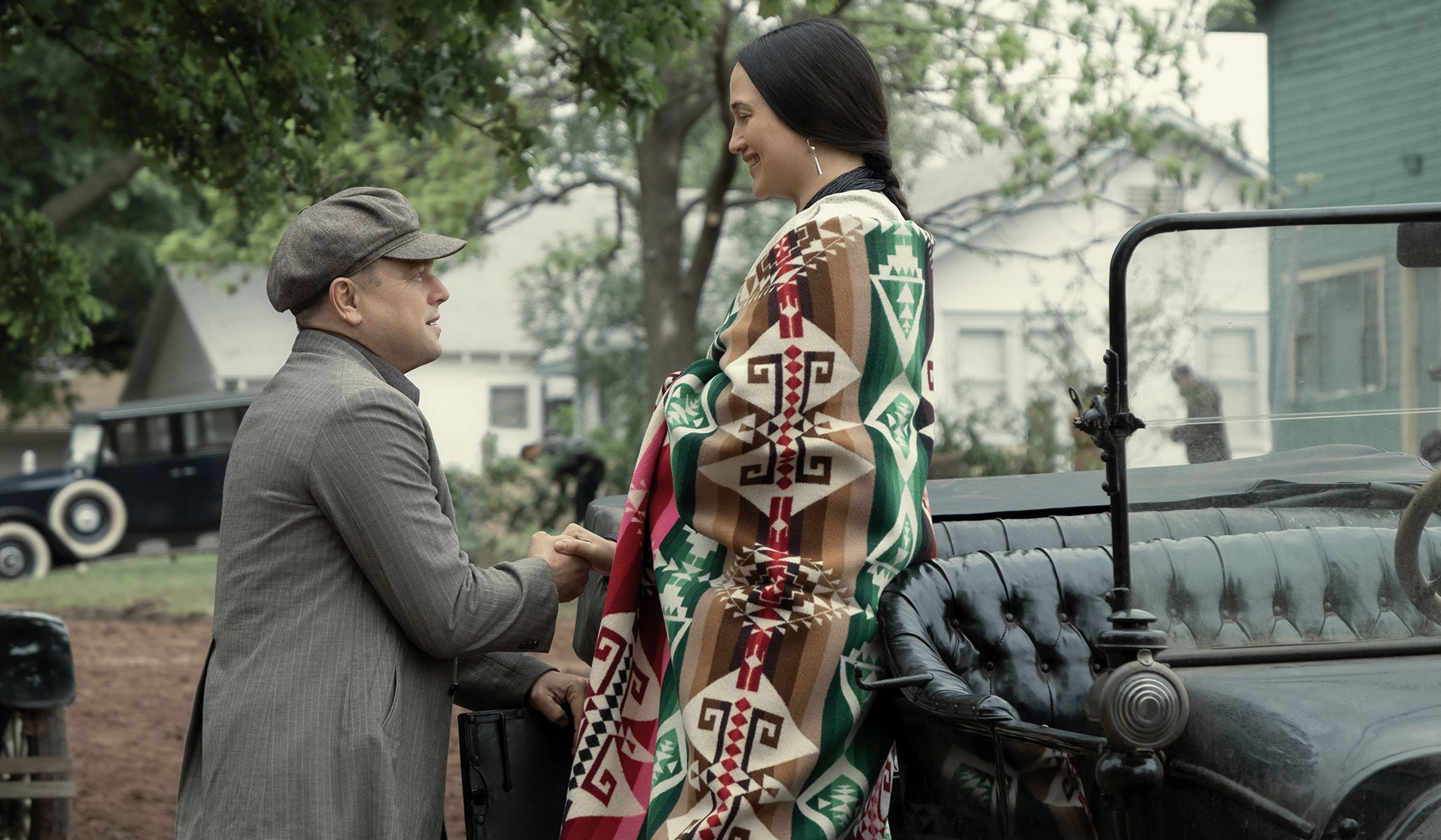
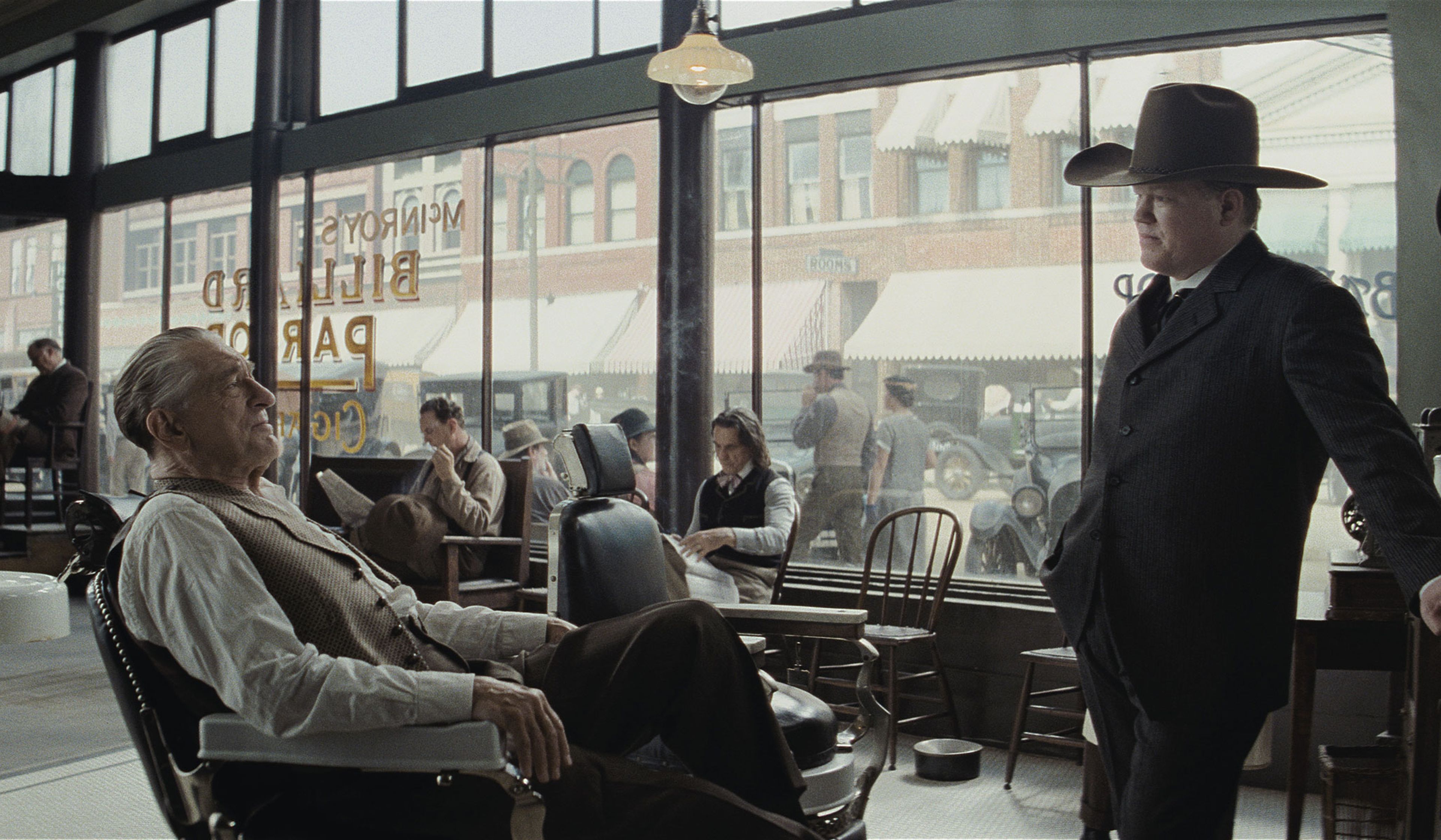
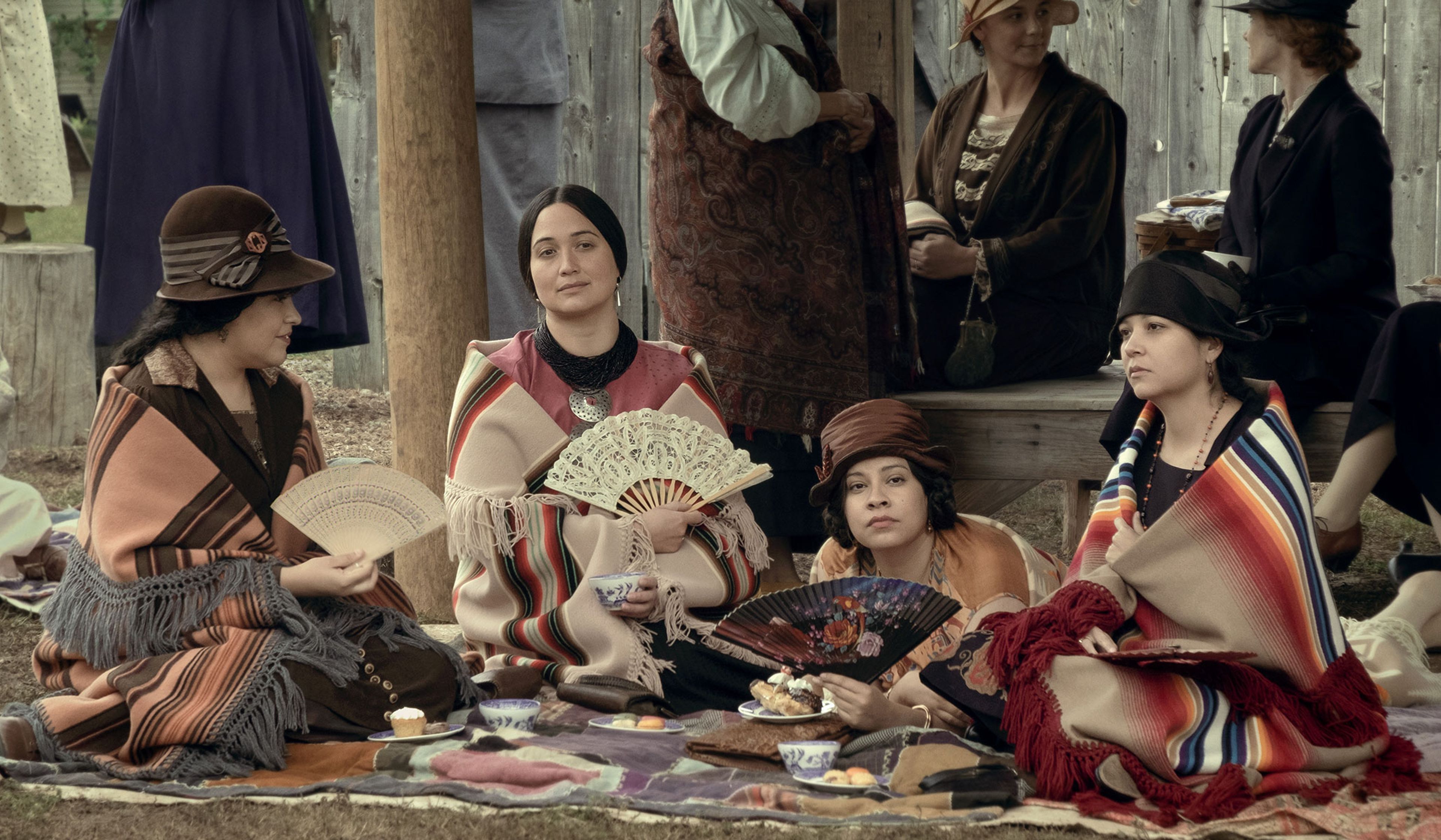
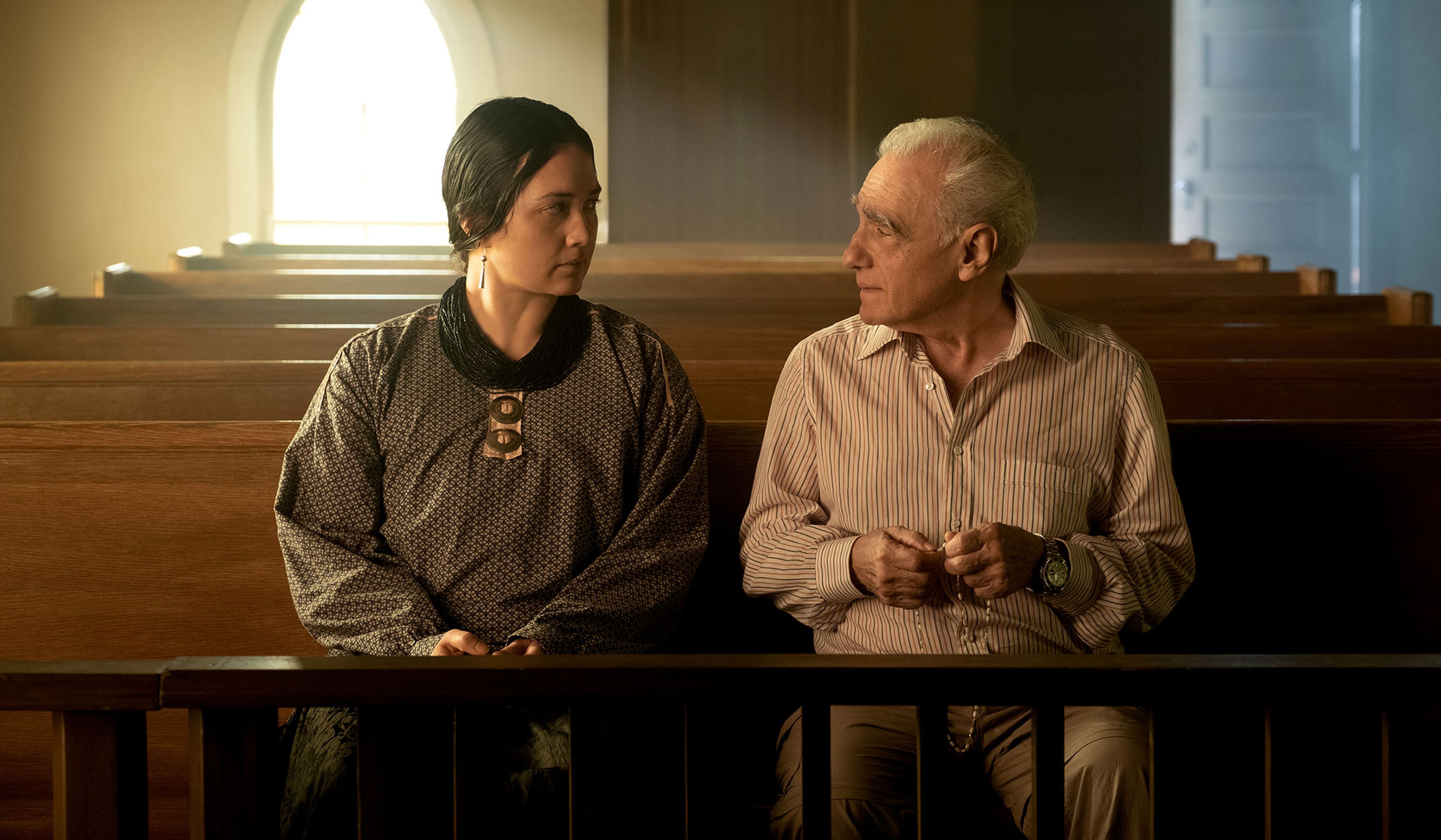
Robert De Niro and Leonardo DiCaprio in Killers of the Flower Moon
Melinda Sue Gordon/Apple TV+
But the consequence of this choice is that the Anglo bad guys have most of the agency in the story, and the Osage feel somewhat stereotyped in their passivity and victimhood, their (from the audience’s perspective, at least) seeming cluelessness about the wickedness of their supposed great friend, Hale. Burkhart’s wife, Mollie, is given life in a tremendous performance by Lily Gladstone, but the essence of her part is a kind of soft maternal martyrdom, flavored with Catholicism and Earth Mother spirituality, at the hands of her conflicted husband and the devil on his shoulder. Meanwhile the other major Osage characters are drunk or suicidal or aged and inscrutable; not till the federal government sends a Native American undercover agent with its task force do we get a vision of effective Indian masculinity amid all the white-male machinations.
Now here is the problem with being a film critic: Taking mental notes on all of these issues, imagining the paragraphs you’ve just read, is a necessary part of the job — but also a good way to distance yourself from the cumulative effect of a work of art.
And with Killers of the Flower Moon the accumulation is essential. For me at least, there was a moment, somewhere in the drama of the final act, when DiCaprio’s Burkhart is being pressured to testify both against and for his wicked uncle, when the analytic experience of the movie became entirely insufficient to the actual experience of watching it. A point where all the levels of the story — the historical backdrop, the true-crime drama, and the personal and (as always, but especially in this case) Catholic moral work that Scorsese is trying to do, to show how a weak, none-too-intelligent man might still reach for real redemption through his love for his wife — were interacting, clicking together, in a way that overwhelmed and subsumed the movie’s flaws.
That’s the alchemy of art, which doesn’t defy criticism or analysis but sometimes transcends both. As it does in this case, where being overlong and miscast and ideologically uneasy doesn’t prevent Killers of the Flower Moon from being probably the best movie of Scorsese’s late career.












Comments