In June 2022, the ponderously named House Select Committee to Investigate the January 6th Attack on the United States Capitol finally came to television. There was little that was new or surprising to anyone who had paid attention. Much was missing: For reasons of partisan squabbling, the committee had only two Republicans, both of them (Liz Cheney and Adam Kinzinger) hostile to Donald Trump and alienated from their own party. Multiple witnesses refused to cooperate with the committee, and some have been criminally charged with contempt of Congress. Viewers expecting bombshells, or historians seeking a definitive account, should come away disappointed.
Still, a lot was documented for posterity about Donald Trump’s bid to overturn the outcome of the 2020 election, how that stoked the passions that engulfed the Capitol in smoke on January 6, and how the people in the heart of the blaze reacted that day. There are several lessons to be learned, both from the testimony and from how the committee’s proceedings have played out.
Lesson One: Donald Trump was and remains unfit for office. This is not to deny that Trump did good and important things as president, some of them unique to him. Nor is Trump the first presidential sore loser in American history. And he is not the first to find plenty of his party’s elected officials willing to play along — out of bitterness or shamelessness — with a cynical or deluded slander against the legitimacy of his defeat. Even among the Democrats on the January 6 committee, one could find committee chairman Bennie Thompson (who objected to George W. Bush’s Ohio electors in 2004, when Bush won the state by over 100,000 votes) and Jamie Raskin (who objected to Trump’s electors in 2016).
But irresponsible partisan posturing is an occupational hazard of Congress. Self-interested abuse of the power of the executive branch, by the man constitutionally sworn to “take Care that the Laws be faithfully executed,” is quite another. Trump was told, repeatedly, in no uncertain terms, that his stolen-election theories were nonsense, and so was his demand for Vice President Mike Pence to stymie Congress from counting Joe Biden’s electoral votes. The attorney general, Bill Barr, bluntly told him that the stolen-election theories were “bullsh**.” Barr was one of numerous highly placed Republicans to give damning testimony.
As the responsible voices around him dwindled, Trump leaned heavily on the counsel of law professor and Claremont Institute scholar John Eastman. But Eastman’s arguments were so full of holes that he was compelled to confess that he expected to lose 9–0 at the Supreme Court. The hearings drew a vivid contrast between Pence, scurrying for cover in the bowels of the Capitol yet valiantly standing for his constitutional duty, and Trump, using his Twitter account to continue to egg on the mob. And at length, they illustrated Trump’s incessant shopping for anyone to tell him what he wanted to hear and his dismissal and abuse of anyone who didn’t.
Trump’s state of mind remains characteristically ambiguous. Maybe he planned several steps ahead: Some of his moves seemed to flow from earlier ones. But more likely he was winging it. Maybe he knowingly disregarded the law and tried to steal an election, and maybe he simply consumed too much of his own blarney to know what was true anymore. But in prior controversies, Trump always backed down before going too far. There were even such moments in January — he was talked out of appointing a new attorney general who would bend the Justice Department into an arm of the Trump “stop the steal” movement. But in the end, Trump did go too far, and he set loose against the American system forces that could not be contained. He did so by relentlessly ignoring every effort to tell him the truth. A man who would do that is too debased to be trusted with an oath of any kind.
Lesson Two: Timing is everything in politics. If Democrats had wanted genuine bipartisan sanction of Trump’s offenses, they needed to strike while the iron was hot by impeaching Trump within 48 hours of the riot, and to do so on whatever grounds would be easiest for appalled Republicans to swallow — for example, his encouragement of the mob after the riot began, his sluggish failure to protect the Capitol, or his effort to pressure Pence to violate his own constitutional oath. Nancy Pelosi could have put Republicans such as Cheney and Kinzinger at the head of the team trying such an impeachment in the Senate. But Pelosi did none of that. She delayed too long, giving Republican senators time to hear from constituents as the fever cooled and a legalistic escape hatch opened in arguments about impeaching a former president. She stacked the charges with vague but incendiary arguments about incitement of the crowd. Her behavior suggested that she preferred a charge voted down by Republicans to a conviction.
On the other hand, if Pelosi’s goal was not to close bipartisan ranks in defense of the American system but to prosecute a partisan case against Republicans, she waited too long to put the show on television. A lot has happened in the last year and a half, including runaway inflation and American abandonment of Afghanistan. In the interim, liberal media outlets have poured forth such vast quantities of January 6–related content that they have glutted the market and numbed the nerve endings of most news consumers. January 6 simply isn’t at the top of most Americans’ list of issues anymore. The opening night drew 20 million viewers, a significant audience in today’s fractured news market, but opinion polling since then shows no measurable impact on the standing of Joe Biden, the Democrats, or the Republican Party.
Lesson Three: Criminalizing Trump’s actions will backfire. The committee seems intent on building a criminal case, an inappropriate role for a legislative committee. But the pitfalls are substantial, given that no federal law neatly covers this situation, Trump’s state of mind is ambiguous, and he would doubtless say he relied on advisers such as Eastman. Timing an indictment for the run-up to 2024 would also look blatantly political.
Lesson Four: Character matters. Trump’s may have failed, but Pence and his chief lawyer, Greg Jacob, and a number of others around the president spared the nation a much more protracted and agonizing ending by resisting Trump’s pressure. Congress was not forced into a showdown with the vice president, no dual slates of electors were certified, no state legislatures were called into special session, and the Justice Department, the military, and the Supreme Court all remained safely on the sidelines. The system would still have held, but it was put to a lesser test because, after four years of dogged loyalty to Trump, Pence showed that there was a point beyond which he could not be pushed. By contrast, Eastman disgraced his profession to the point of groveling before Rudy Giuliani, writing to him in an email that has swiftly become notorious: “I’ve decided that I should be on the pardon list, if that is still in the works.” No decent lawyer should ever have to seek pardon for his own legal advice.
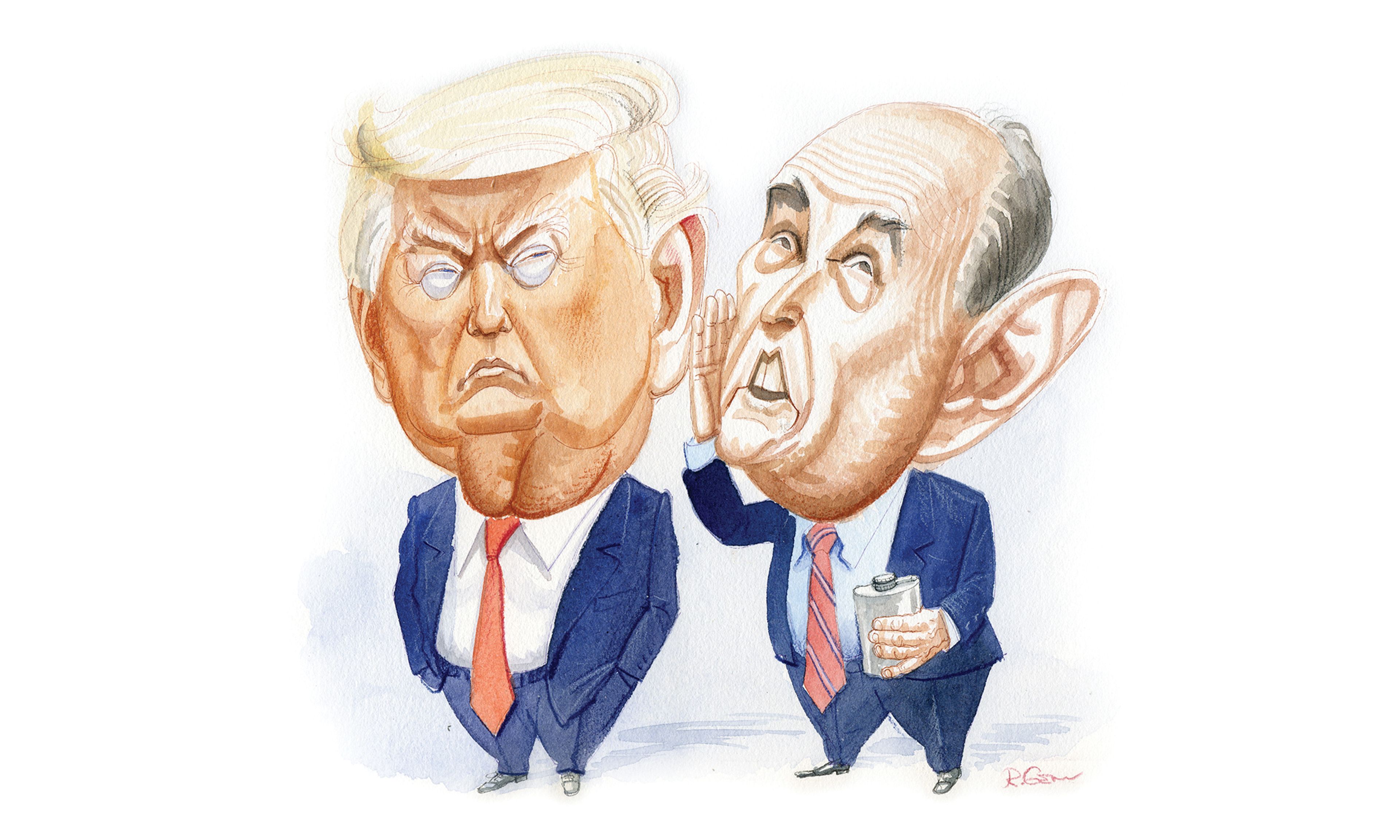
Lesson Five: There comes a time to take the gold watch. Few spectacles were sadder during the post-election controversies than that of a sweaty Giuliani incompetently pressing ridiculous arguments at a press conference held before the bizarre and humiliating backdrop of a landscaping company, a venue chosen in error and haste. The hearings have depicted Giuliani at key junctures as irresponsible at best, intoxicated at worst. Few living American figures have left a more positive and consequential mark on daily life than Giuliani did in New York as mayor. History may end up forgetting his finest hours.
Lesson Six: Sometimes, cowardice pays. McCarthy did the nation no favors by pulling the Republicans off the committee, leaving only two members whose criticisms of Trump have become so strident that nobody attributes them to the party. He may also have done Trump no favors, leaving the committee’s presentation entirely one-sided and exposing some of Trump’s friends to criminal prosecutions that they might have evaded with a genuinely bipartisan committee imposing some restraints on the process. Trump himself has reportedly soured on McCarthy for that reason. But by steering clear of the hearings, McCarthy has kept his members from sullying themselves with defenses of the indefensible, and has allowed them to focus on the America of 2022. In that sense, he has protected his immediate constituency.
Meanwhile, House Democrats have come up empty in efforts to cast guilt on their own colleagues. House Republicans behaved irresponsibly by voting against Biden’s electors without a good-faith basis to do so, but we already knew that. Incendiary charges of Republicans giving advance “reconnaissance” tours of the Capitol to extremists have not panned out. The committee released footage of one rioter being given a tour the previous day by Representative Barry Loudermilk of Georgia, but the Capitol Police had already concluded that Loudermilk did nothing blameworthy. House members give tours all the time without vetting people.
Lesson Seven: There is always money to be made. Between Election Day and January 6, Trump raised $250 million that went largely to Trump political-action committees rather than to the election contests — all while he was losing case after case behind shoddy lawyers. Donald Trump Jr.’s girlfriend, Kimberly Guilfoyle, reportedly made $60,000 for a two-minute introduction at the January 6 rally. “Stop the steal” may have been inept and half-hearted as a coup, but it was hardly unprofitable.
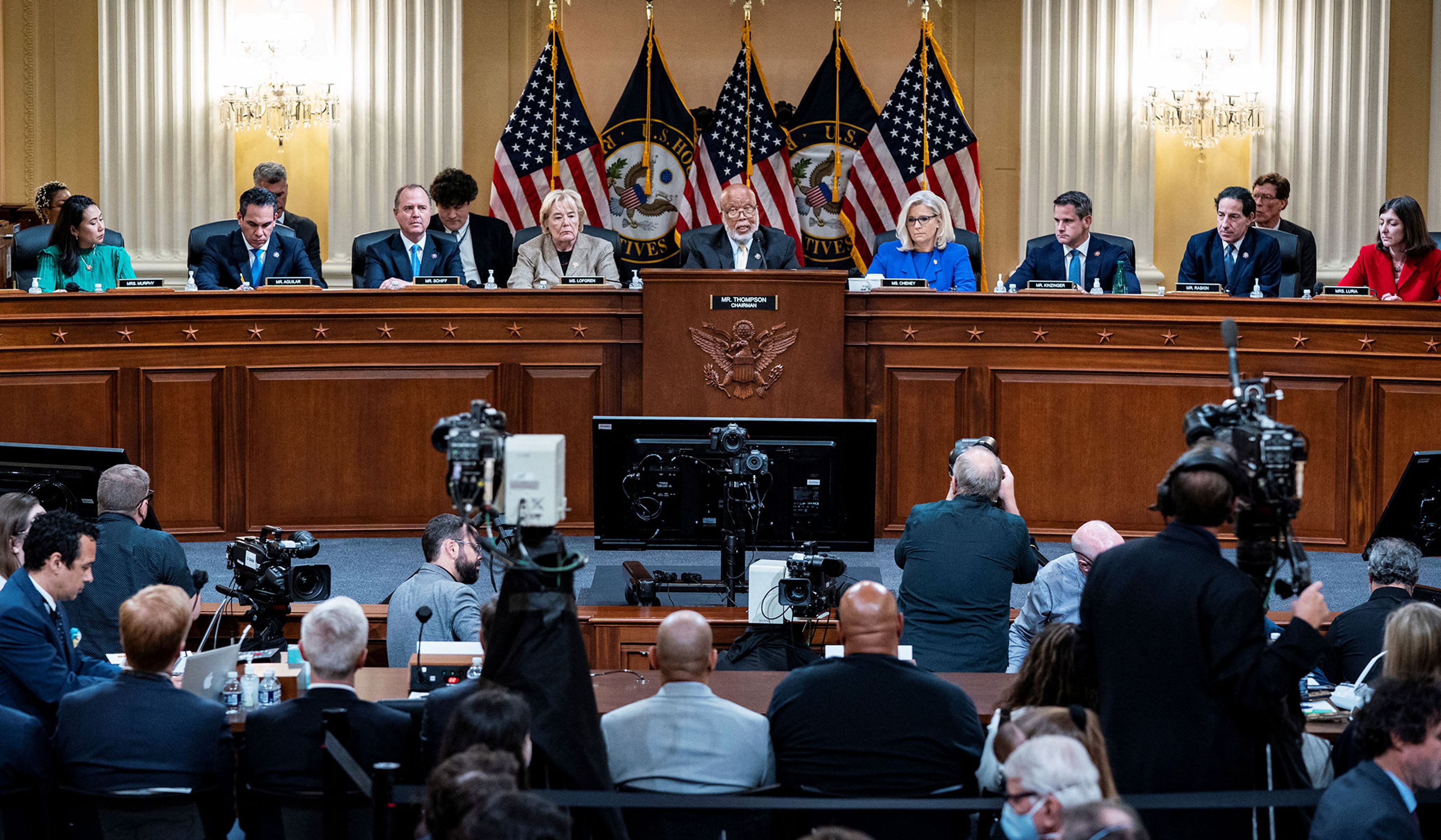
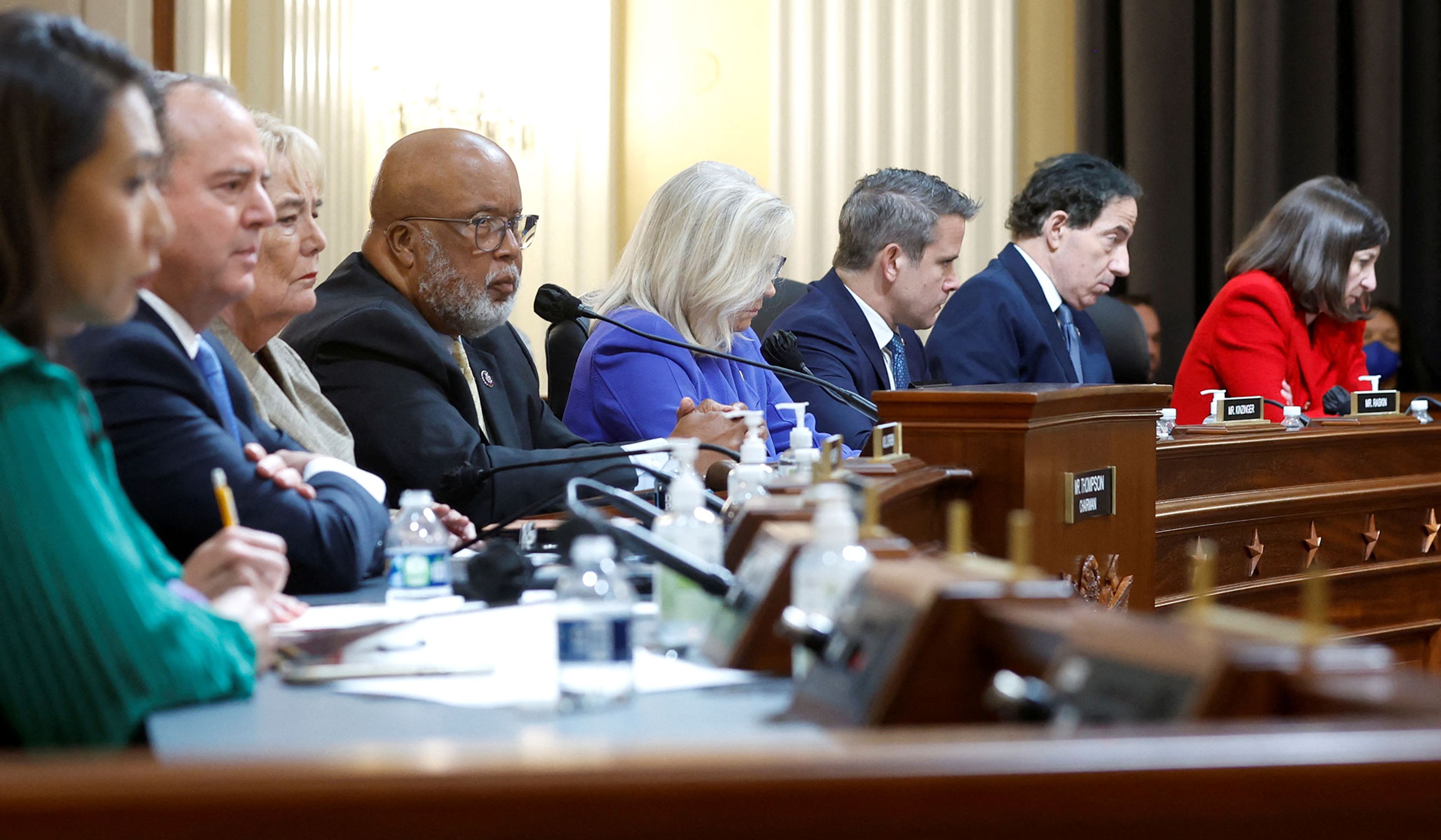
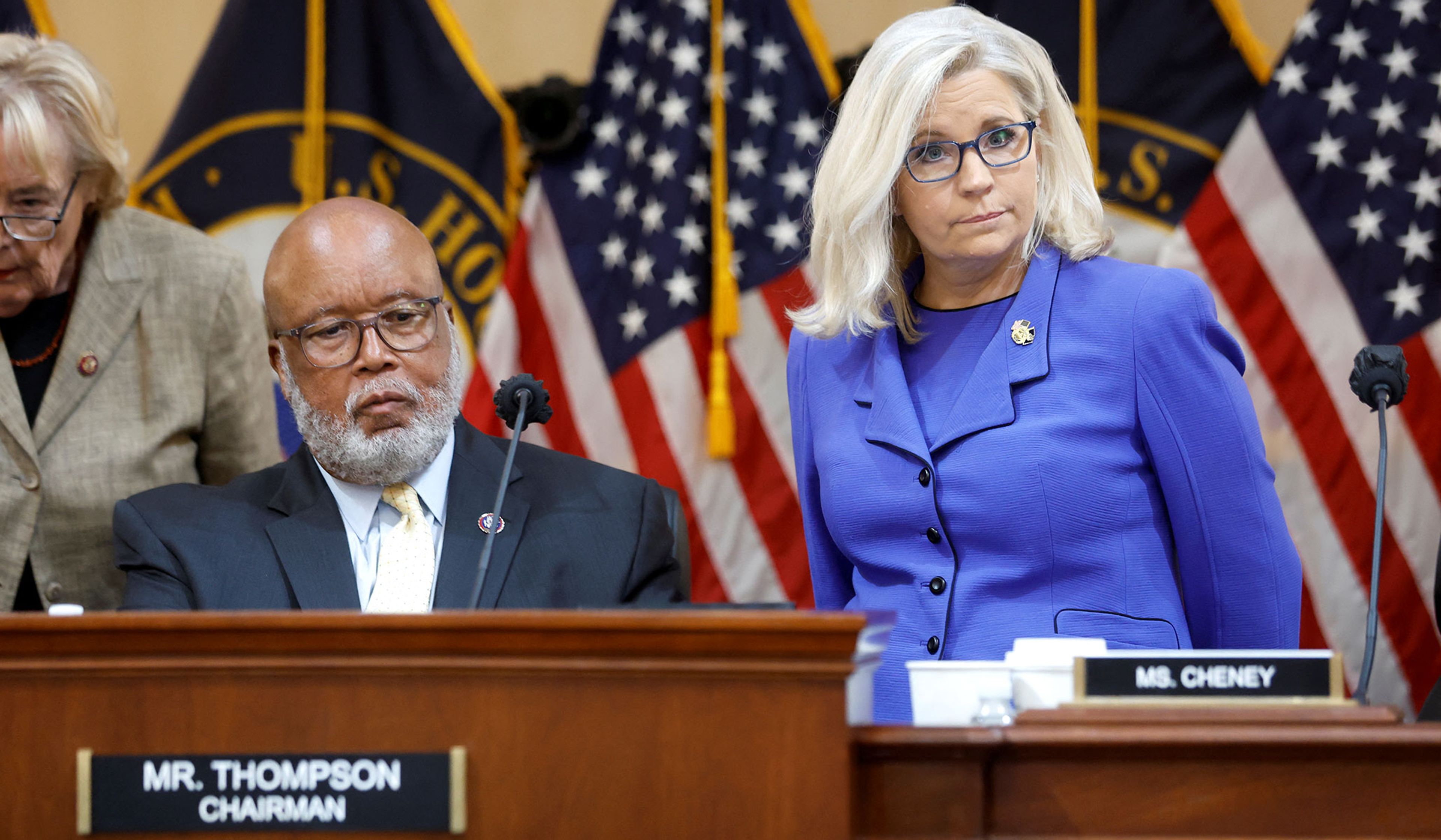
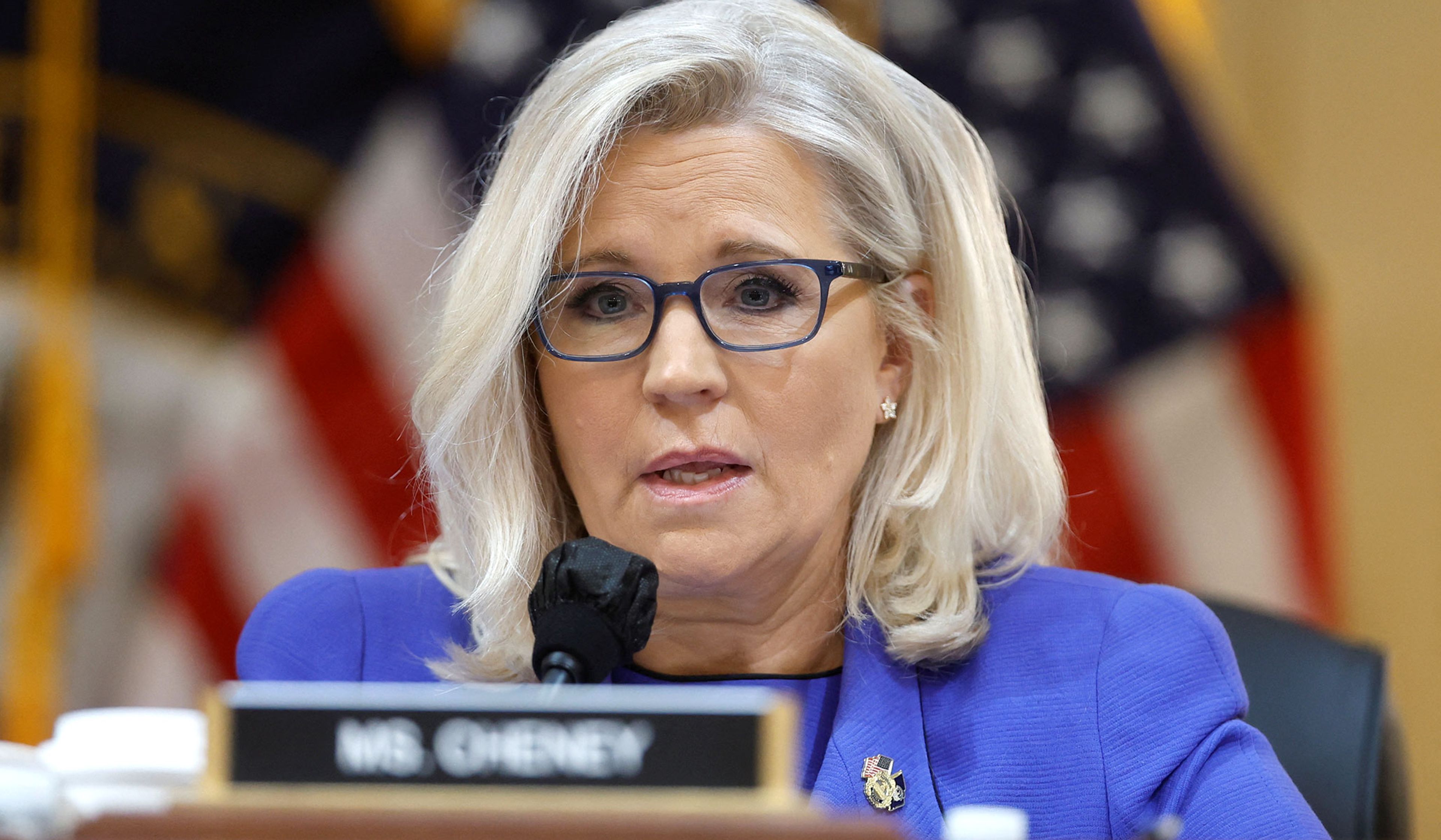
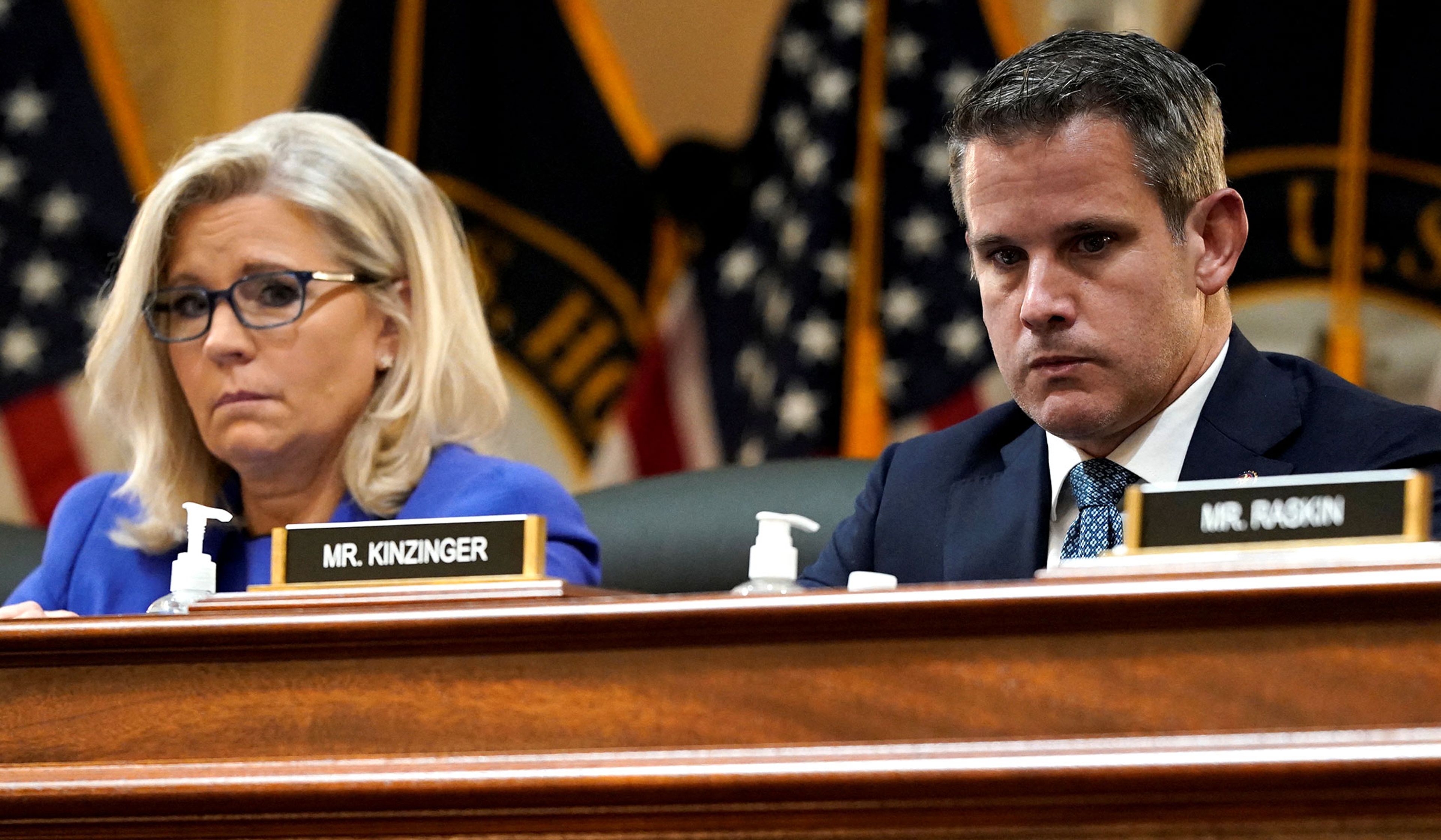
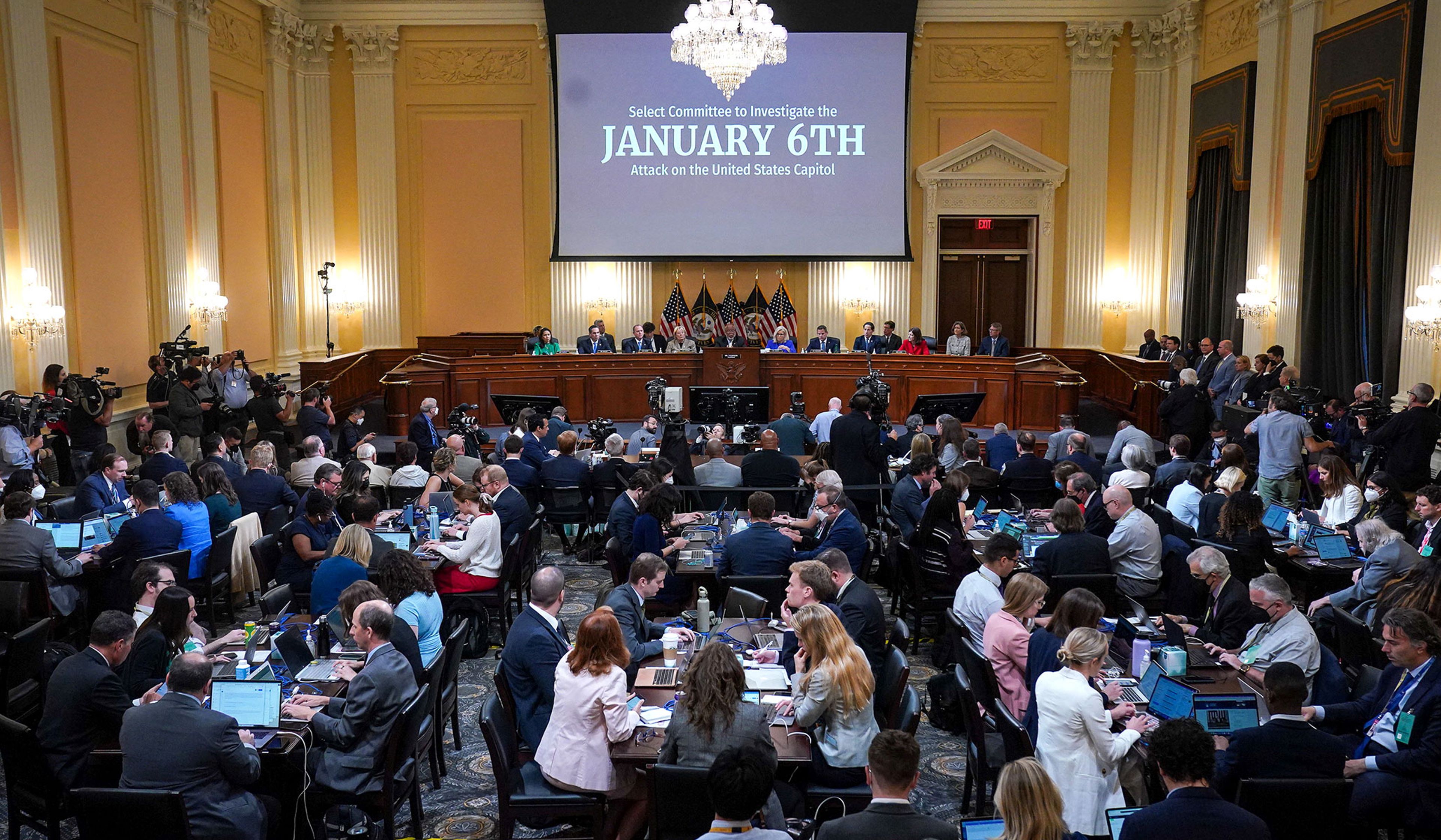
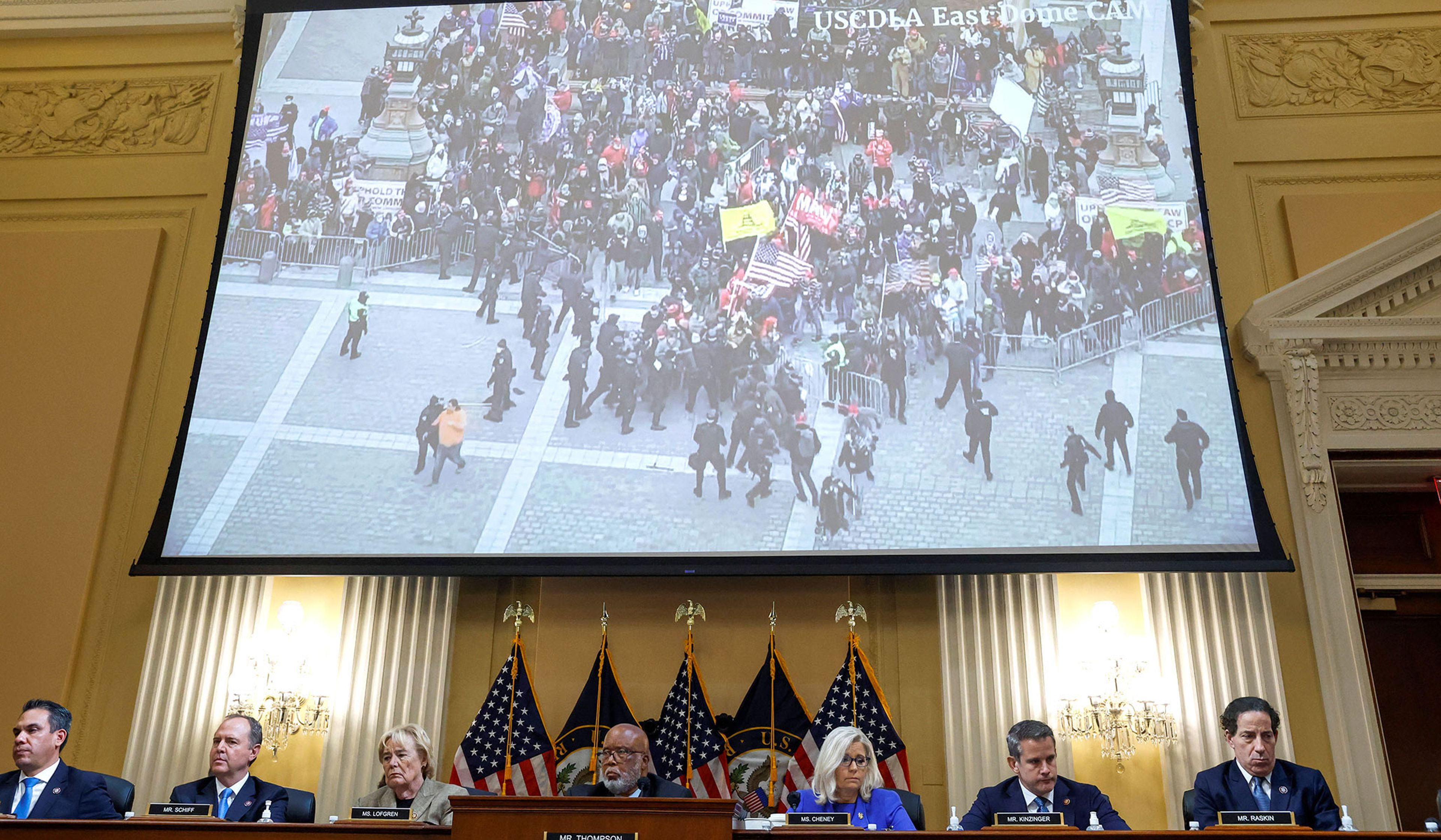
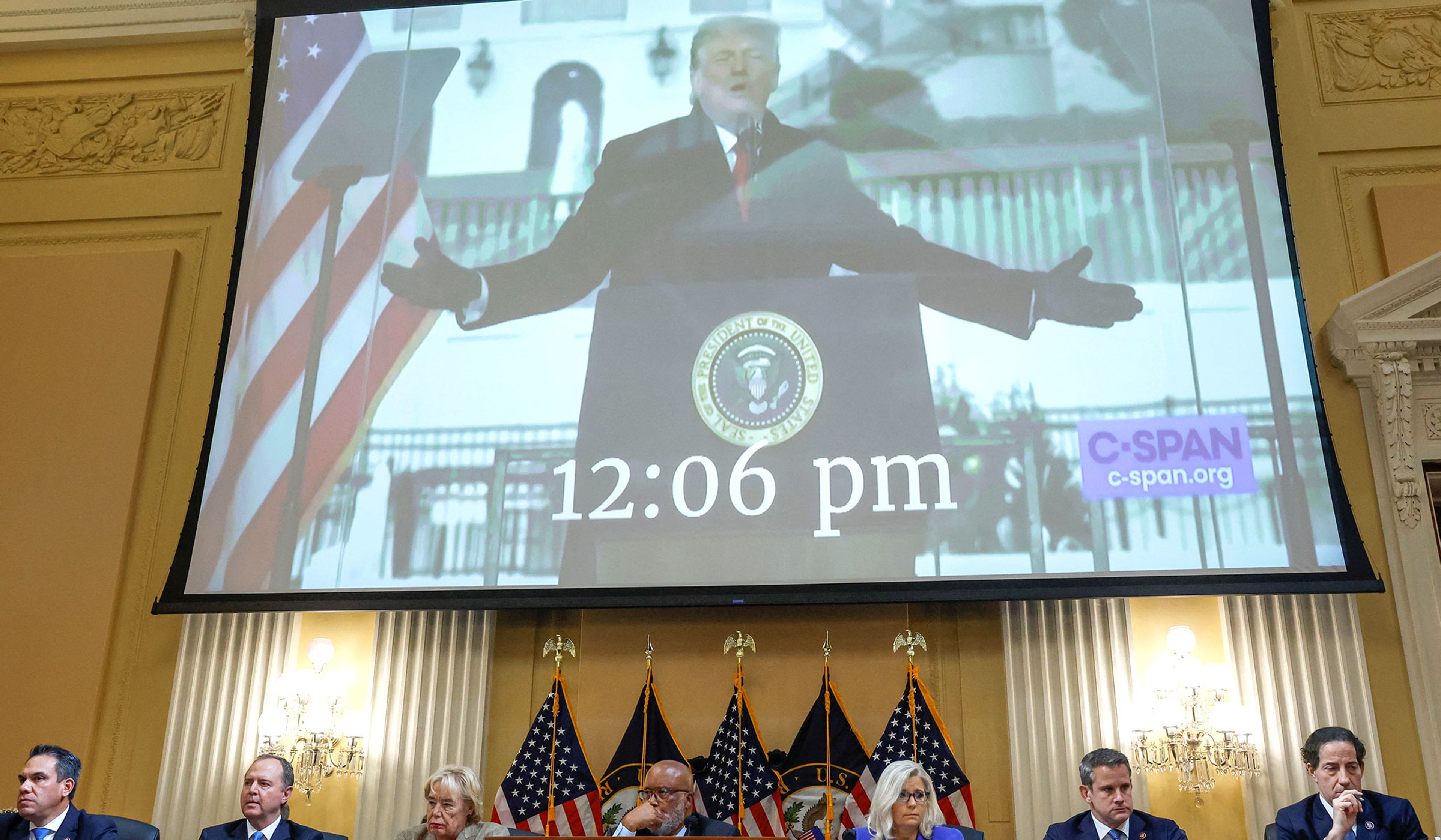
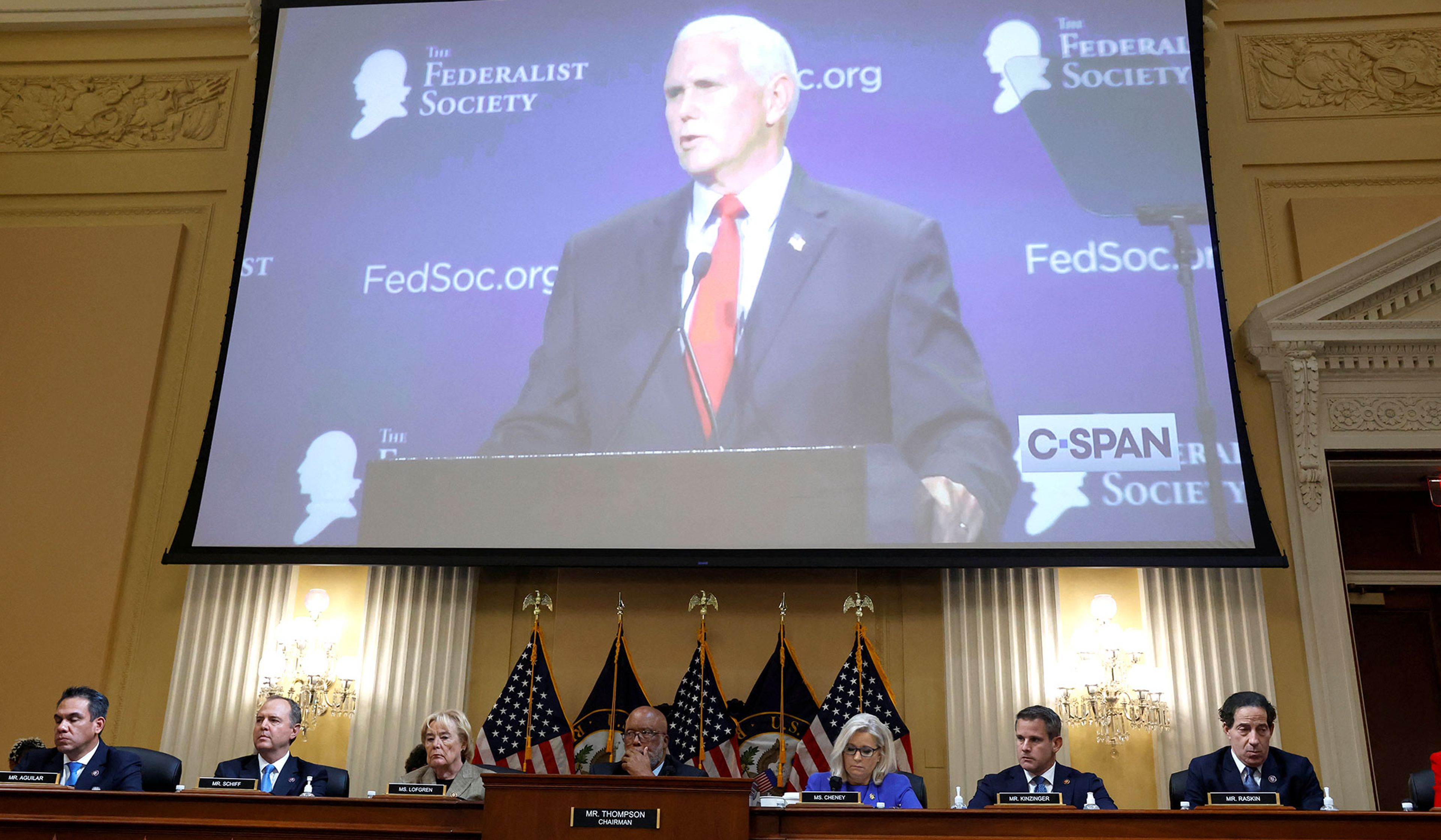
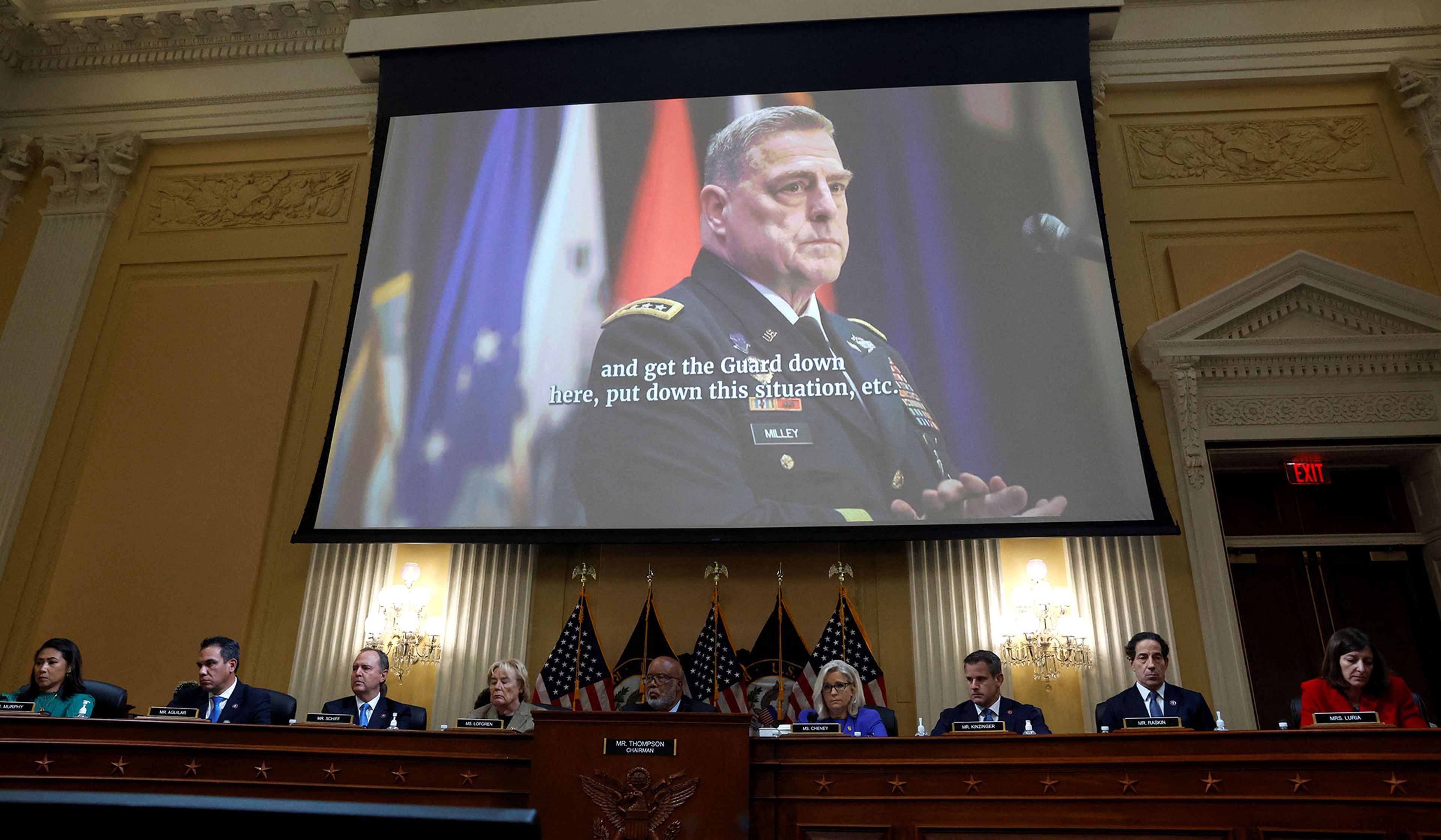
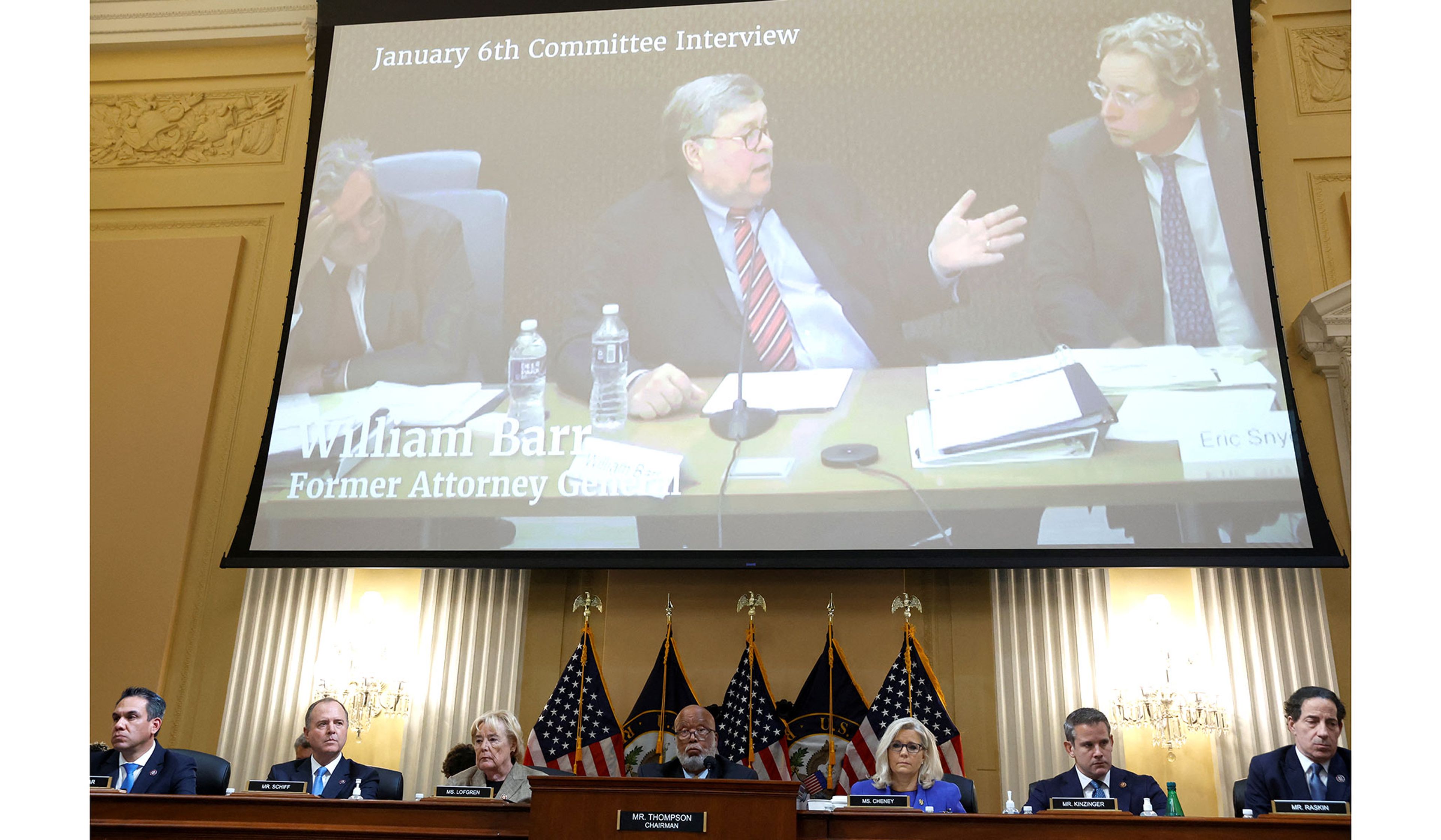
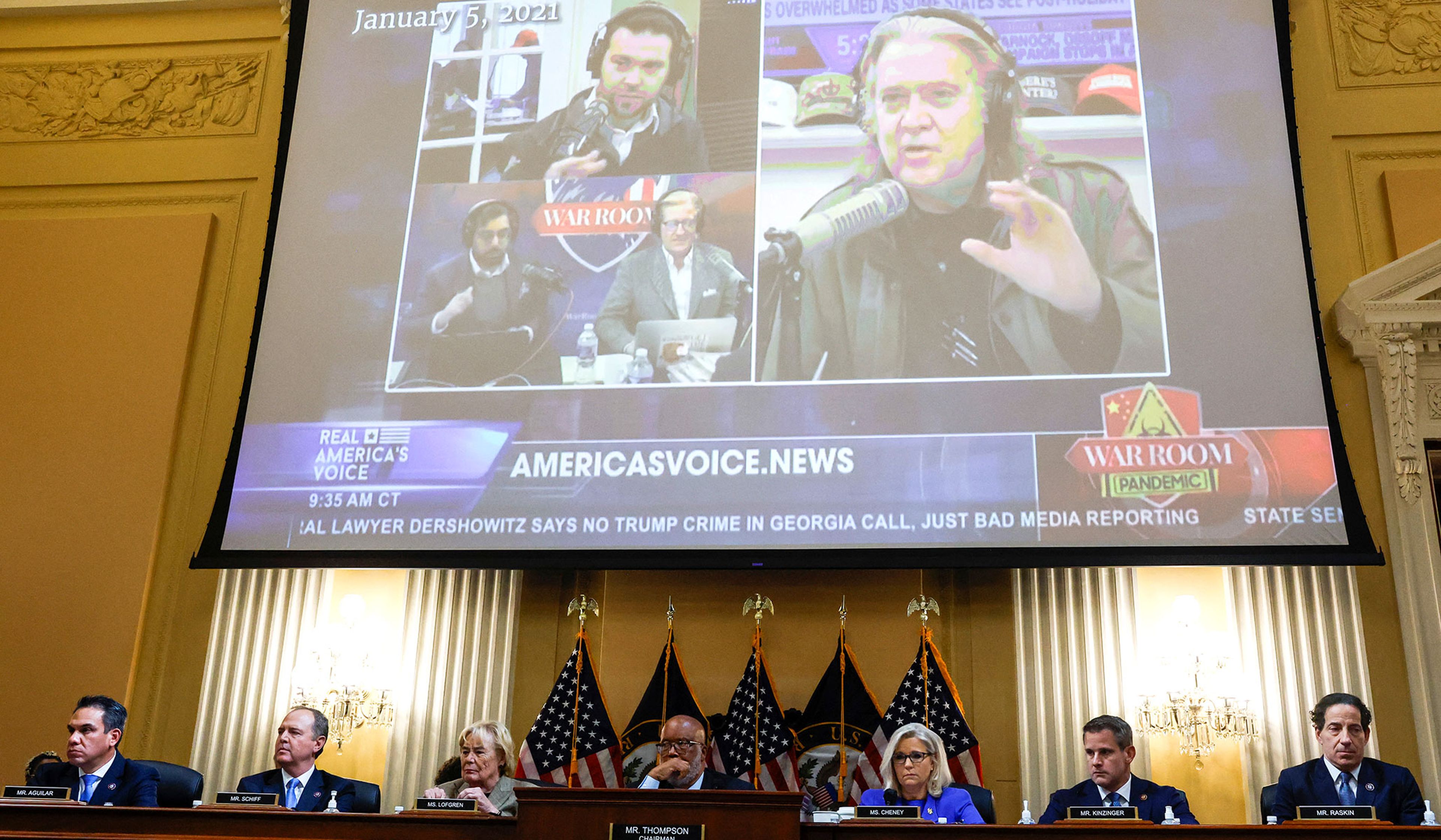
Committee Chairman Rep. Bennie Thompson (D., Miss.) speaks as the the U.S. House Select Committee to Investigate the January 6 Attack on the United States Capitol holds its first hearing on Capitol Hill in Washington, D.C., June 9, 2022.
Jabin Botsford/Pool via Pool via Reuters












Comments