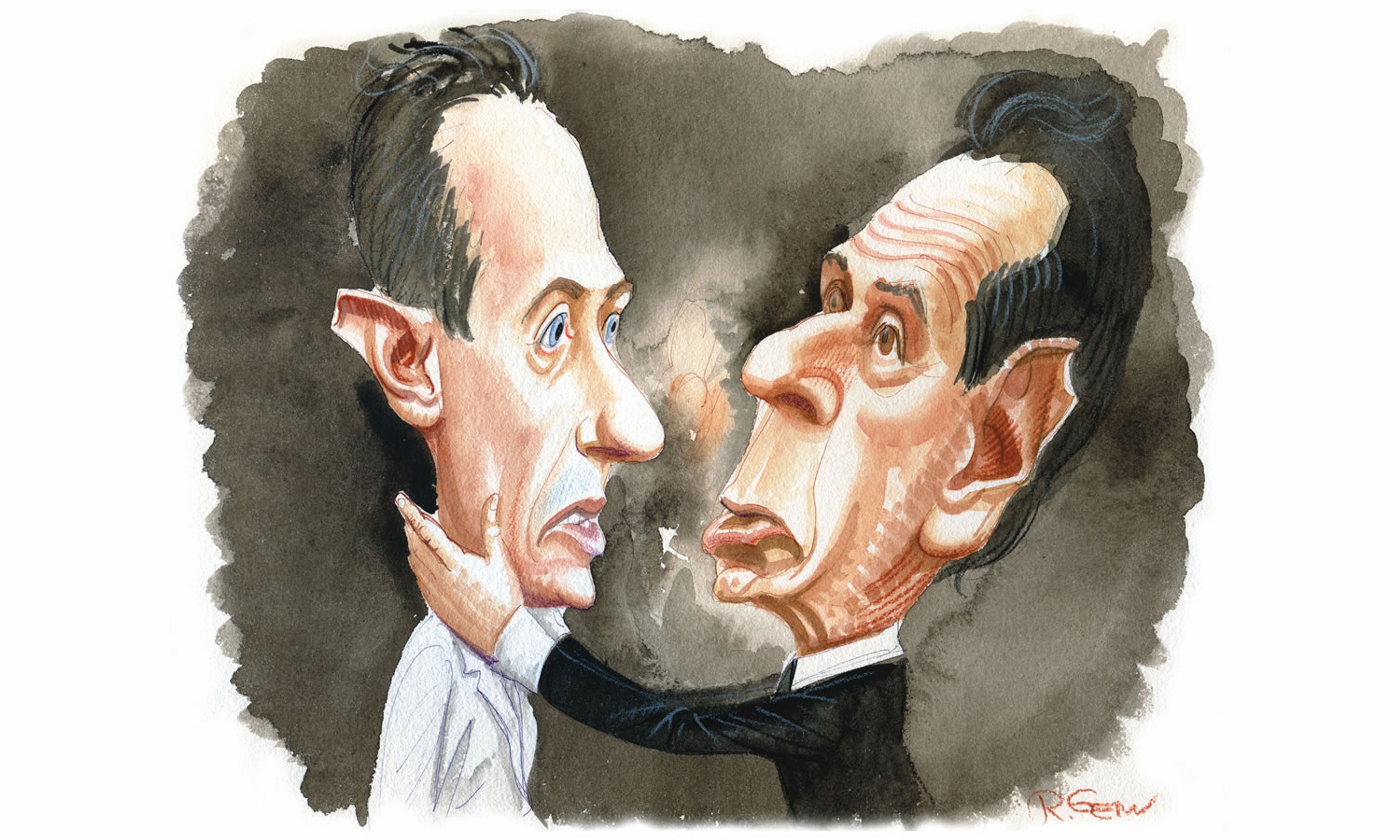
• Biden is so soft on the border that even aliens from other planets might be coming through.
• The bill passed by the House calling for a commission to probe the January 6 Capitol riot probably will die in the Senate, if the negative reaction of Minority Leader Mitch McConnell is any indication. A commission is not necessary to uncover the facts, which are the subject of several investigations by law enforcement and congressional committees already. Republicans say that the Democrats just want a stick with which to beat them. But many Republicans have disgraced themselves of their own volition, embracing the fairy tale that nothing much happened on January 6, or that if anything did, it was the work of undercover Antifa agitators. It is hard to pick the worst statement of such views from the many available, but the palm probably goes to Representative Andrew Clyde of Georgia, who this month compared the riot to “a normal tourist visit” (on January 6 Clyde was helping barricade the House’s doors against the tourists). Americans may not be too divided to accept a coherent narrative of what happened on that fraught day, but America’s politicians are too divided to produce one. And that is a worse datum than the riot itself.
• We trust the science. The COVID vaccines are safe and extremely effective, especially when it comes to preventing the most severe cases. They also block most transmission, and they work well against the known “variants” of the virus too. Thus we wholeheartedly support the Centers for Disease Control’s loosening of its mask recommendations, however belated: There is little point to wearing a mask if you’re fully vaccinated, and the freedom to go maskless is a good incentive for the vaccine-wary. The widespread availability of effective vaccines shifts the policy trade-offs here: away from restrictions, and in favor of greater freedom and personal responsibility. Young children were already at extremely low risk, and now everyone age twelve and up can join them at no cost. Americans’ remaining vulnerability to COVID is, increasingly, simply a personal choice. It’s time to start rolling back the COVID restrictions still in effect.
• The conventional wisdom about the theory that the COVID-19 pandemic originated in a lab leak in Wuhan is shifting rapidly. For much of 2020, it was dismissed by the most-quoted scientists and media fact-checkers as a “debunked” conspiracy theory, even though the circumstantial evidence kept piling higher and higher. But in recent weeks, 18 reputable scientists wrote to Science magazine that “more investigation is still needed to determine the origin of the pandemic. Theories of accidental release from a lab and zoonotic spillover both remain viable.” The editorial board of the Washington Post concluded, “If the laboratory leak theory is wrong, China could easily clarify the situation by being more open and transparent. Instead, it acts as if there is something to hide.” Donald G. McNeil Jr., the prize-winning but now canceled former science reporter for the New York Times, concluded that “the argument that it could have leaked out of the Wuhan Institute of Virology or a sister lab in Wuhan has become considerably stronger than it was a year ago, when the screaming was so loud that it drowned out serious discussion.” Anthony Fauci, who dismissed such theories last year, now gives them credence. The new line in the press is that skepticism toward the Republicans who were advancing this possibility was reasonable at the time. Would that some of that skepticism had been directed at the Chinese government.
• On May 12, Ohio governor Mike DeWine (R.) announced that he was lifting state health orders for COVID. Cases in Ohio had declined more than 75 percent since December. Noting that 42 percent of the state’s population was fully vaccinated, DeWine then introduced the state’s Vax-a-Million program, designed to motivate stragglers to roll up their sleeves and get the shot. Every state resident who has received at least one dose by June 20 is eligible to enter a drawing for one of five prizes of a million dollars each. For entrants twelve to 17 years of age, the award is a full four-year scholarship at any state college or university. Ohio’s vaccination rate, which had fallen and then stagnated, has ticked upward since the announcement, vindicating DeWine though not silencing his critics. They object to the cost, but the funds come from $429 million in federal dollars that can be spent only to address the pandemic. Following DeWine, the governors of Maryland and New York have established similar lotteries, aiming to boost the slumping vaccination rates in their states by a few percentage points, a modest return on a modest investment. It’s worth it.
• Michigan governor Gretchen Whitmer joins the long list of Democratic worthies who have imposed draconian anti-COVID measures on their subjects, enforcing them with ruthlessness and sanctimony — and violating them personally at every opportunity. Whitmer, who flew to Florida to visit her family when her government was insisting that other Michiganders stay at home, recently was photographed at a Lansing watering hole, beaming in a closely packed crowd of rule-breaking merrymakers. In the governor’s defense, all her friends are vaccinated, and she got to Florida on a private jet. Governor Whitmer’s lifestyle is not unreasonable; her rules were. And she knows it, of course, which is why she declined to follow them and finally lifted them.
• As we go to print, Representative Marjorie Taylor Greene (R., Ga.) is back in the headlines after another round of characteristically deranged comments. In a recent interview with Christian Broadcasting Network’s David Brody, the congresswoman likened House speaker Nancy Pelosi’s decision to continue to require members to wear masks on the chamber floor to the Nazis’ treatment of Jews during the Holocaust. The comparison is patently absurd and wicked, which we’ve come to expect from Greene. (Recall her well-documented record of being a QAnon sympathizer.) Following Greene’s remarks, House minority leader Kevin McCarthy released a statement of his own, writing: “Let me be clear: the House Republican Conference condemns this language.” That’s a good start, but she will continue to embarrass Republicans until she finds another line of work.
• Consumer prices in April were 4.2 percent higher than the year before, a number big enough to shock. Some of the explanations for the spike were benign: temporary supply bottlenecks; an April 2020 reading that had been artificially depressed by pandemic and lockdown. Two related questions are outstanding: Has the Federal Reserve shifted to a too-inflationary policy, and are market expectations of inflation consequently rising past its control? One simple measure suggests that those expectations have been rising but remain well below 3 percent a year. There are not yet reasons for alarm, but there are reasons for worry.
• Under the Democrats’ recent COVID bill, the unemployed are slated to receive an extra $300 a week until Labor Day. Combined with the usual benefit, this pays about 40 percent of workers more than they earned while working. While such measures were defensible earlier in the pandemic, when jobs were scarce and we were trying to keep people home, it’s awfully hard to defend them now, when the economy is recovering and the vaccines are crushing the virus. The extra money is clearly keeping many workers on the sidelines, and it likely contributed to an unexpectedly slow April jobs report. Fortunately, states are free to opt out of these expanded benefits in mid June or later, and at this writing, nearly half have. Further, some have offered a check to those who get back to work: an idea that Senator Ben Sasse has echoed at the federal level, in his National Signing Bonus Act. We suspect, though, that this is one kind of domestic spending for which the Democrats won’t be able to muster any enthusiasm.
• Republicans are negotiating with President Biden over a smaller infrastructure package than the $2.2 trillion he is proposing, and Senate minority leader Mitch McConnell has indicated a willingness to go as high as $800 billion. In a laughable response, Biden agreed to trim down his asking price but is still proposing a whopping $1.7 trillion in new spending. And this is on top of his $1.8 trillion family proposal, which is on top of the $1.9 trillion of “COVID relief” that he already signed into law — translating into a total of $5.4 trillion in spending. Republicans should oppose Biden’s infrastructure proposal in its entirety. There is no need for more federal infrastructure spending. Republicans should say that. It is not a good idea to spend trillions of dollars during an expansion. Republicans should say that. We should not borrow more money, or raise taxes, in order to pay for more infrastructure spending. Republicans should say that. States and localities can better decide what they really need to build, and pay for it. Republicans should say that. No one can know how much additional spending Biden might be able to get through on a strict party-line vote, but it will clearly be harder than the first tranche of “COVID relief” spending. There’s no need for Republicans to begin bidding against themselves — as a matter of principle, politics, or substance.
• The $1.9 trillion bill Biden signed in February included $350 million in aid to state and local governments, but with one caveat: no tax cuts. The State of Ohio filed a lawsuit claiming that the restriction impinged on its sovereignty, an argument with “substantial likelihood of success,” according to Judge Douglas Cole. Good. The precise boundaries of state power can be debated, but surely states have the right to cut their taxes.
• As she approached the midway point in her disastrous Chicago mayoralty, Lori Lightfoot announced a new policy: no more interviews with white reporters, at least for a time. It was the usual thing — exclusion in the name of inclusion — but nonetheless bizarre enough that the National Association of Black Journalists felt the need to weigh in and affirm that it “does not support excluding any bona fide journalists from one-on-one interviews with newsmakers, even if it is for one day and in support of activism.” Mayor Lightfoot’s purported beef is that the city-hall press corps is too white. But if the Chicago press is reasonably critical of Mayor Lightfoot, it may have less to do with the color of reporters’ skin than with the fact that most of them have eyes in their heads and can see that Lightfoot’s maladministration has left Chicago significantly worse off than it was when she found it — and its prior condition wasn’t great to begin with. Murders, arson, and carjackings are all up sharply, and it is now routine for 40 or more Chicagoans to be shot in the course of a single weekend. The city’s debt is skyrocketing and today exceeds $41,000 per capita, well more than the city’s per capita income. It’s a wonder she’s taking interviews with anyone.
• San Francisco’s board of supervisors called a hearing in May on the city’s shoplifting epidemic, which has steadily worsened. Walgreens has closed 17 stores in the city over the past five years, as the costs of regular theft, increasingly brazen and large-scale, have outweighed the benefits of remaining in business. (Last fall, while filming a segment in Walgreens on shoplifting, a local news crew witnessed a man casually jumping behind the counter to steal some products before walking out unchallenged.) Walgreens executives explained at the hearing that the company has beefed up security, but fears of incurring lawsuits prevent employees and security officers, who are themselves increasingly subject to threats and abuse from perpetrators, from directly confronting thieves. Police are largely powerless: A 2014 proposition made stealing less than $950 in property a mere misdemeanor in California, and San Francisco’s district attorney has mostly refused to prosecute such “low-level” crime. The city’s deputy district attorney has blamed the uncontrolled theft on “homelessness, poverty, drug addiction.” In comments to the New York Times, city supervisor Ahsha Safai offered a simpler explanation: “If there are no consequences for their actions, then you invite the behavior. Over and over.”
• Chris Cuomo, CNN anchor, advised his brother Andrew Cuomo, governor of New York, on how to respond to the myriad accusations of sexual harassment he faces. Chris, the Washington Post revealed, was part of a team of advisers, flacks, and lawyers brainstorming how to help Andrew (Chris reportedly urged him to be “defiant”). After the story broke, CNN called Chris’s behavior “inappropriate” but declined to discipline him. In this case, when the media protects a liberal politician, it’s all in the family.
• Nikole Hannah-Jones, creator of the New York Times’ 1619 Project, will hold the Knight Chair in Race and Investigative Journalism at the University of North Carolina at Chapel Hill, her alma mater. But she will not have tenure, which the board of trustees declined to give her, evidently on the grounds that she is no academic. This is a murky reason: The point of celebrity chairs is to bring celebrities into the university. Hannah-Jones is a celebrity because her project matched the self-hating mood of America; she remains one despite historians left and right criticizing her shoddily argued pronouncements. WFB’s first book, God and Man at Yale, called on trustees to actively shape conservative universities. That goal, a stretch then, seems like science fiction now. FIRE, defenders of campus free speech, which often means defending beleaguered conservatives, saw in the UNC decision the specter of “viewpoint discrimination.” Whatever UNC decides — faculty continue to protest the tenure decision — Hannah-Jones’s viewpoint will continue to reap acclaim.
• The law school of the University of Illinois at Chicago dropped John Marshall from its name, citing the fourth chief justice’s pro-slavery jurisprudence and his lifelong ownership of over a hundred slaves. But as is often the case in these self-purifying rituals, there are complications. Marshall’s record on slavery, both as an individual and as a jurist, is indeed bad. His record as a unionist, however, is sterling. From his service in the Continental Army, to his magisterial opinions, to his late-life anxieties over the nullification crisis, he always, as he put it, considered America his country — this in a Virginia where his neighbors more and more condemned such views. Outside the union, or in a structurally weak one, slavery would have persisted for decades longer than it did. The conclusion of the Gettysburg Address echoes McCulloch v. Maryland for good reason. Let’s hope UIC’s graduates will be better lawyers than historians.
• Diners in Los Angeles menaced at their outdoor tables. A firecracker thrown in New York City’s diamond district. Brawls at Gaza-related demonstrations and outside bagel shops. Across urban America there is a rash of anti-Semitic bullying and violence. This is nothing new in itself: The Crown Heights riot in Brooklyn in 1991 saw the murder of Yankel Rosenbaum. Today’s episodes coincide with the Gaza war. The aggressors are typically pro-Hamas activists, sometimes waving Palestinian flags. Americans have long interested themselves in the affairs of other countries, particularly those from which they or their families came. Talk, write, chant, march. But leave your fights at home.
• When AT&T and Time Warner reached an $85.4 billion merger agreement in 2016, politicians on both sides of the aisle warned that the corporate behemoth would crush rivals and raise prices for consumers. President Trump’s Justice Department attempted unsuccessfully to block the deal on antitrust grounds. Now, less than three years after the deal closed, AT&T is unwinding its supposed monopoly after getting clobbered by leaner competitors such as Netflix. Alas, the size of a television network’s balance sheet doesn’t matter much to consumers. Perhaps the trustbusters in Biden’s Federal Trade Commission will take note.
• Backlash against corporations has long been a style of the Left. Conservatives tend not to pay especially close attention to the political beliefs of CEOs. The events of the past year, though, have made clear that the Right’s unilateral disarmament on questions of corporate politicking comes at a cost: The progressive hegemony in Hollywood and academia has made its way to the boardroom. As it turns out, two can play that game. Consumers’ Research, an educational nonprofit, launched an ad campaign highlighting the hypocrisy of Coca-Cola, Nike, and other companies that kowtow to the woke brigade so long as their bottom lines remain intact. Television ads alone won’t put an end to woke capitalism, but it’s time these companies learned their conservative customers are awake, too.
• Some pipelines are more equal than others. The Biden administration was quick to halt the construction of the Keystone XL pipeline, a measure that has cost American jobs, for, essentially, symbolic reasons (scrapping the pipeline will bring few if any environmental benefits). But the administration has been more hesitant about Nord Stream 2, two nearly completed pipelines intended to deliver natural gas from Russia to Germany via a route that runs under the Baltic Sea and bypasses Ukraine. The State Department has formally declared that sanctions on the pipeline company and its CEO will be waived. Sanctions of varying degrees of severity will be imposed on some Russian ships but will have little or no effect. Secretary of State Blinken has reiterated his opposition to Nord Stream 2. But deeds speak louder than words. The administration’s message is that it is time to move on to other matters, because the White House wants to work more closely with either Germany, an unreliable ally, or with Russia, a reliable enemy, or both. Meanwhile, embattled Ukraine will soon be facing the loss of valuable transit fees, Germany’s dependence on Russian energy (and thus its vulnerability to Russian coercion) will have increased, and our allies in Eastern Europe will be left wondering quite where they stand.
• On May 15, the Israeli Air Force flattened Gaza City’s twelve-story Al-Jalaa tower, home to several international media organizations — including Al Jazeera and the Associated Press — that the Israelis had warned to evacuate shortly before the building was destroyed. The Israel Defense Forces issued a statement saying the building was being used by Hamas’s military intelligence. Gary Pruitt, the AP’s president, however, quickly condemned the air strike, claiming that the AP “had no indication Hamas was in the building or active in the building.” He said that “this is something we actively check to the best of our ability.” But former AP reporter Matti Friedman’s 2014 essay for The Atlantic appears to suggest otherwise. In the essay, Friedman wrote that the “AP staff in Gaza City would witness a rocket launch right beside their office, endangering reporters and other civilians nearby — and the AP wouldn’t report it,” and that “Hamas fighters would burst into the AP’s Gaza bureau and threaten the staff — and the AP wouldn’t report it.” Moreover, the Israelis are reported to have presented “smoking gun” evidence of Hamas’s presence to the Biden administration. If the AP didn’t realize it was operating in the same building as Hamas, it doesn’t reflect well on its reportorial qualities. If the AP did know about Hamas’s operations, then its truthfulness is in question. Neither scenario looks good for the Associated Press.
• In Vladimir Putin’s Russia, Alexei Navalny, the leader of the opposition, is a marked man. Secret police almost killed him with a chemical nerve agent. After months recovering in a hospital in Germany, he returned to Russia. It was a heroic example of self-sacrifice. Arrested immediately and sentenced to prison on rigged charges, he went on hunger strike. All over the country, demonstrators clashed with the police and the OMON, a special force for keeping order, however brutally. Thousands were arrested. Several of Navalny’s key subordinates have fled abroad. Navalny is presented in the media as a traitor and even a Nazi. Elections for the 450 seats of the Duma, the Russian parliament, are due in September, and the authorities have barred Navalny and his party from standing on the grounds that they are “an extremist organization,” in other words on a par with outlawed terrorists. Organizing a one-party Duma is presumably not extreme.
• Alexander Lukashenko of Belarus is a brazen dictator. He thinks nothing of cracking heads in the streets, and he thinks nothing of hijacking airplanes. On his orders, Belarusian agents forced a plane traveling from Athens to Vilnius to land in Minsk. Their pretense was a bomb threat. In reality, they wanted to arrest an opposition journalist from Belarus who was aboard the flight. His name is Roman Protasevich. As the plane was landing, he put his head between his legs and said, “They’re going to execute me.” On the ground, agents took him, along with his girlfriend, Sofia Sapega, a student in Vilnius. Dictators act brazenly because they can get away with it. Democratic governments — decent governments — should concert against Lukashenko, and against his key ally in the Kremlin, to the extent possible.
• Britain’s Royal Academy of Music has announced that, as part of a housecleaning designed to create more teaching space, it will be reviewing its massive collection of artifacts related to musical history. It will also be taking steps to “decolonize” this hoard. That does not necessarily mean that, to use a now painfully familiar adjective, all “problematic” items, such as pianos with keys fashioned of ivory traded during colonial times, will be disposed of. The collection will be examined “through a decolonization lens,” a process that will include looking into who donated its artifacts and, as in the case of those pianos, finding out more about what went into making them, and then adding “context.” Among the ranks of the problematic are artifacts connected with Handel, who, it was discovered a few years ago, repeatedly invested in the Royal African Company, a leading participant in the transatlantic slave trade. He was far from the only member of the conservatoire to have invested in this company, but that he did is, to put it mildly, a poor reflection on him and his age, and adds another dimension to any understanding of the man and thus his music. In news reports, the Royal Academy of Music has denied reports that it would be removing Handel from its syllabus: “For us, inclusion means widening the net, not cancelling historical figures and artifacts.” A fine sentence, but we will have to see it in practice to put it in context itself.
• The golden rosary beads carried by Mary Queen of Scots to her execution in 1587 were among the $1.4 million worth of historic artifacts stolen from Arundel Castle in England on the night of May 21. Thieves snuck into the 1,000-year-old palace in West Sussex through a window and left just minutes later with a whole treasure trove of priceless plunder. Police were too late to the scene to catch the culprits red-handed, and by the time the getaway car was tracked down it had already been set on fire and abandoned in a nearby town. After Queen Mary’s grisly execution — the axman had to strike her neck three times in order to sever her head — many of her possessions fell into the hands of the House of Howard, a prominent English noble family. The Howards housed Queen Mary’s personal effects in Arundel from the time of her death in the 16th century until the theft just days ago. A sad story, but it is nice to see a blow to the royal family not delivered by one of its members.
• Not satisfied with attacking his family and accusing the British monarchy of institutional racism, Prince Harry has now taken aim at the First Amendment of the U.S. Constitution. Apparently, the whole business of freedom of speech, press, and assembly irks the prince, who would prefer to have a say in how paparazzi cover the personal lives of celebrities. The First Amendment is “a huge subject and one which I don’t understand because I’ve only been here a short time,” he told fellow celeb Dax Shepard on Armchair Expert. Still, “it is bonkers,” the prince concluded. His complete failure to understand the fundamental principles of American governance suggest that he may assimilate yet.


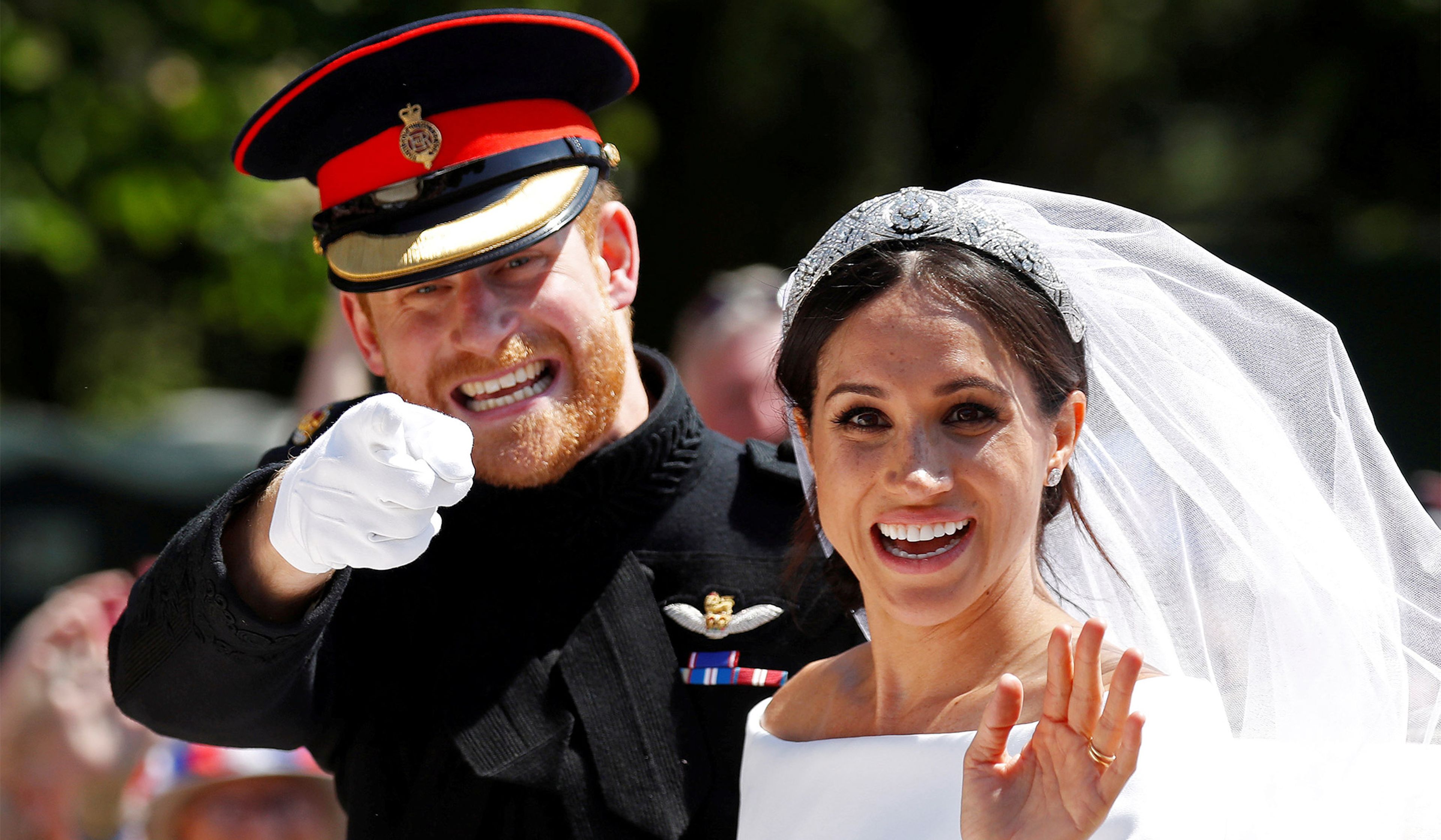
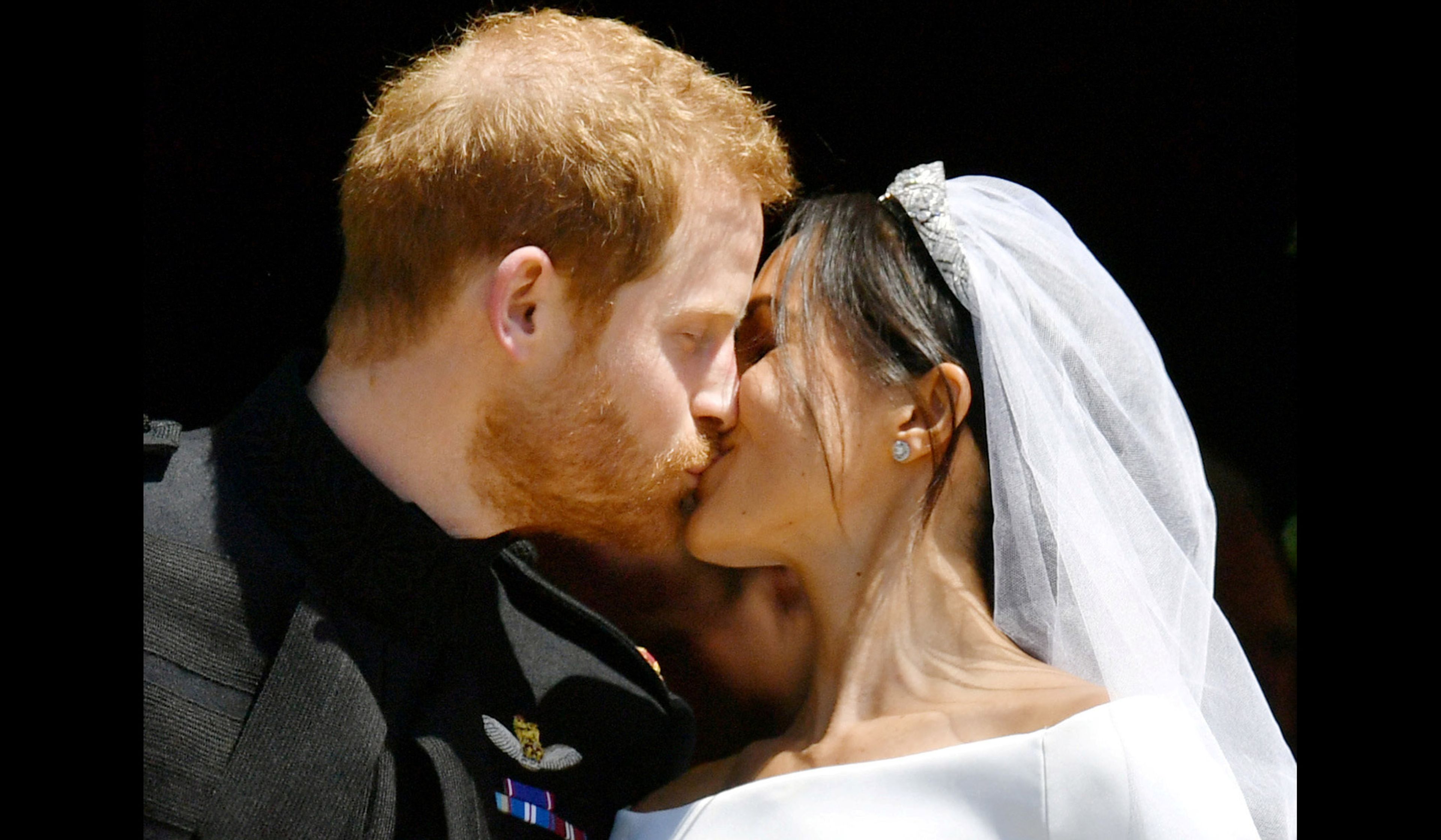
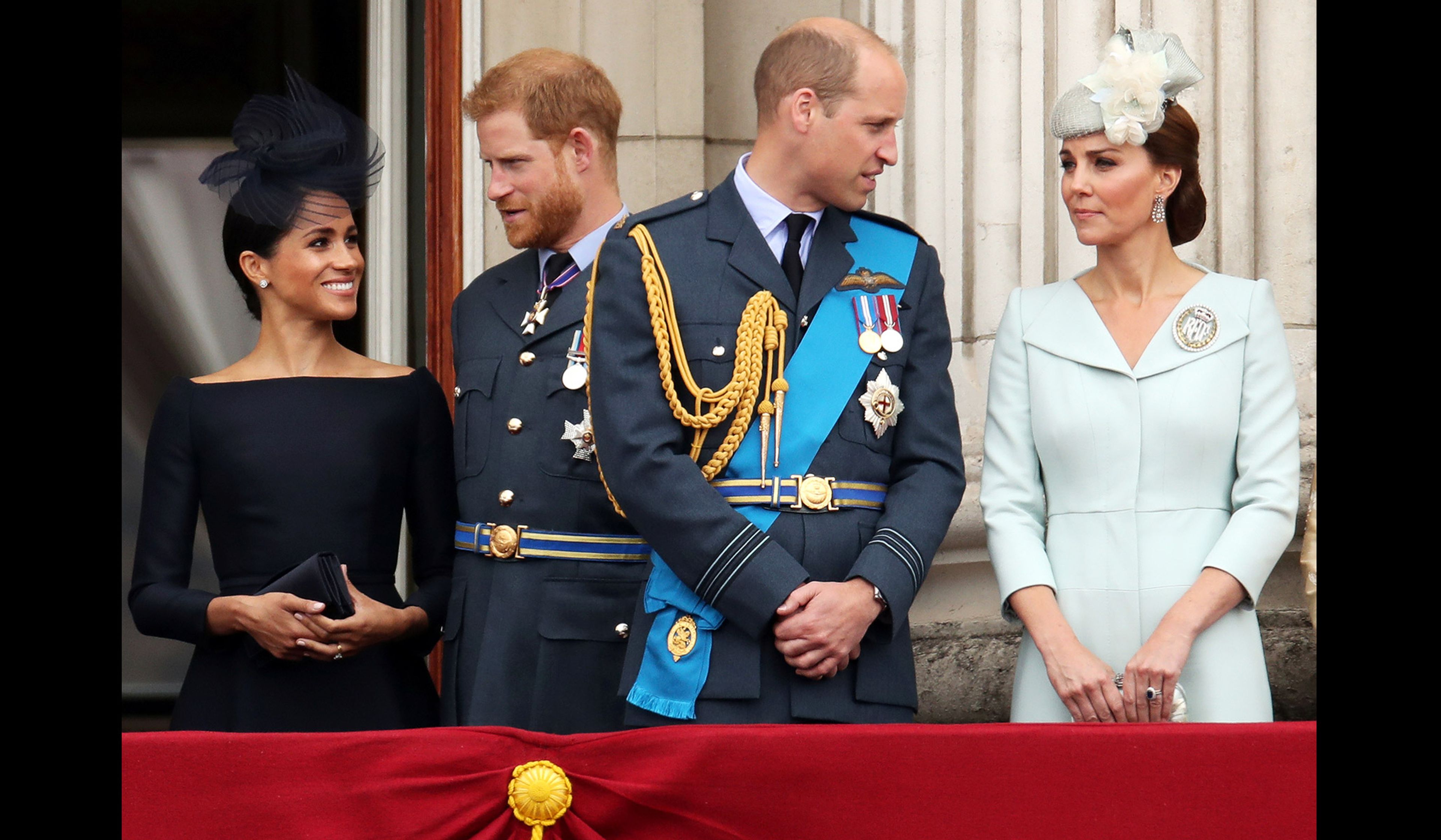
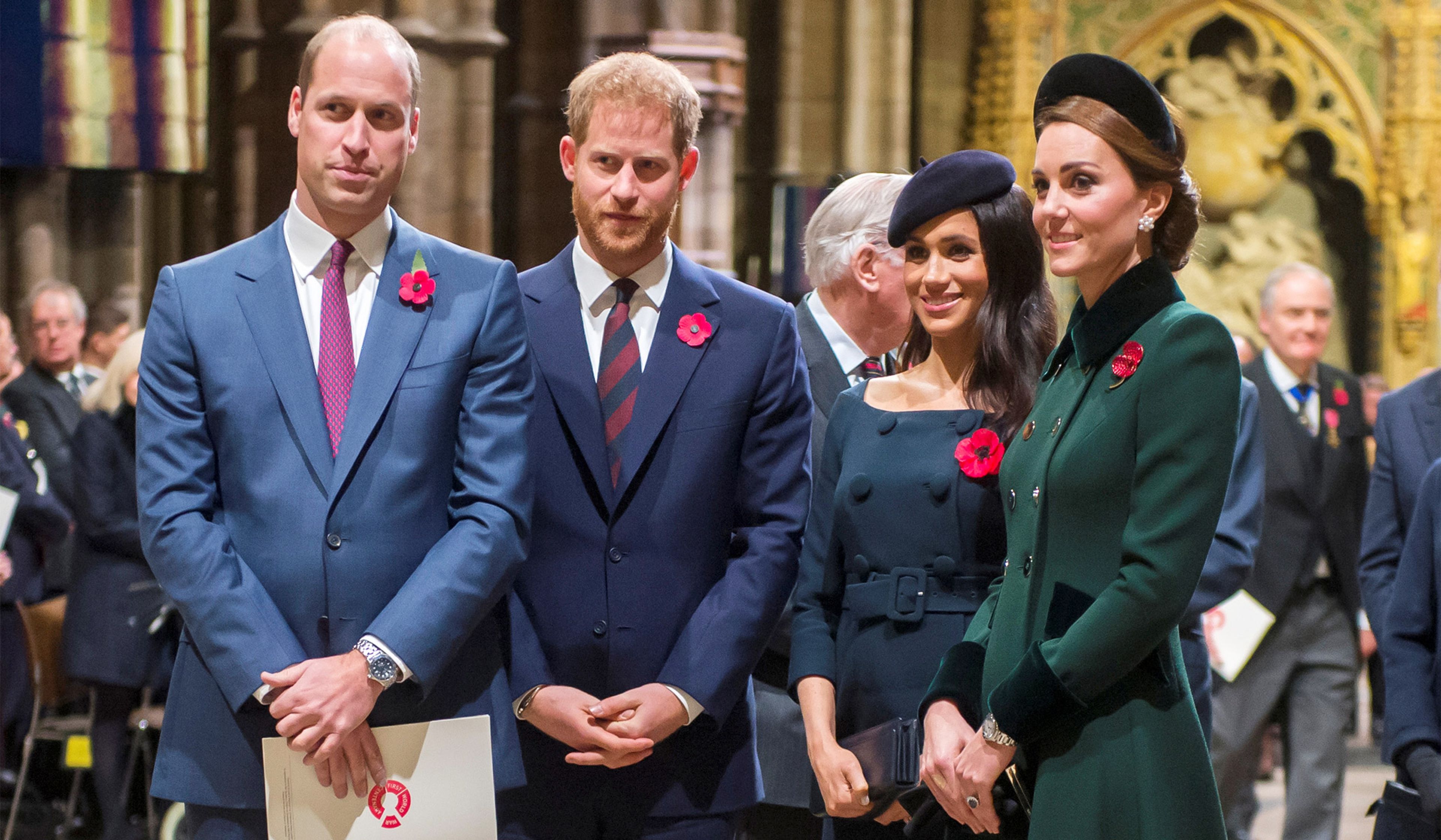

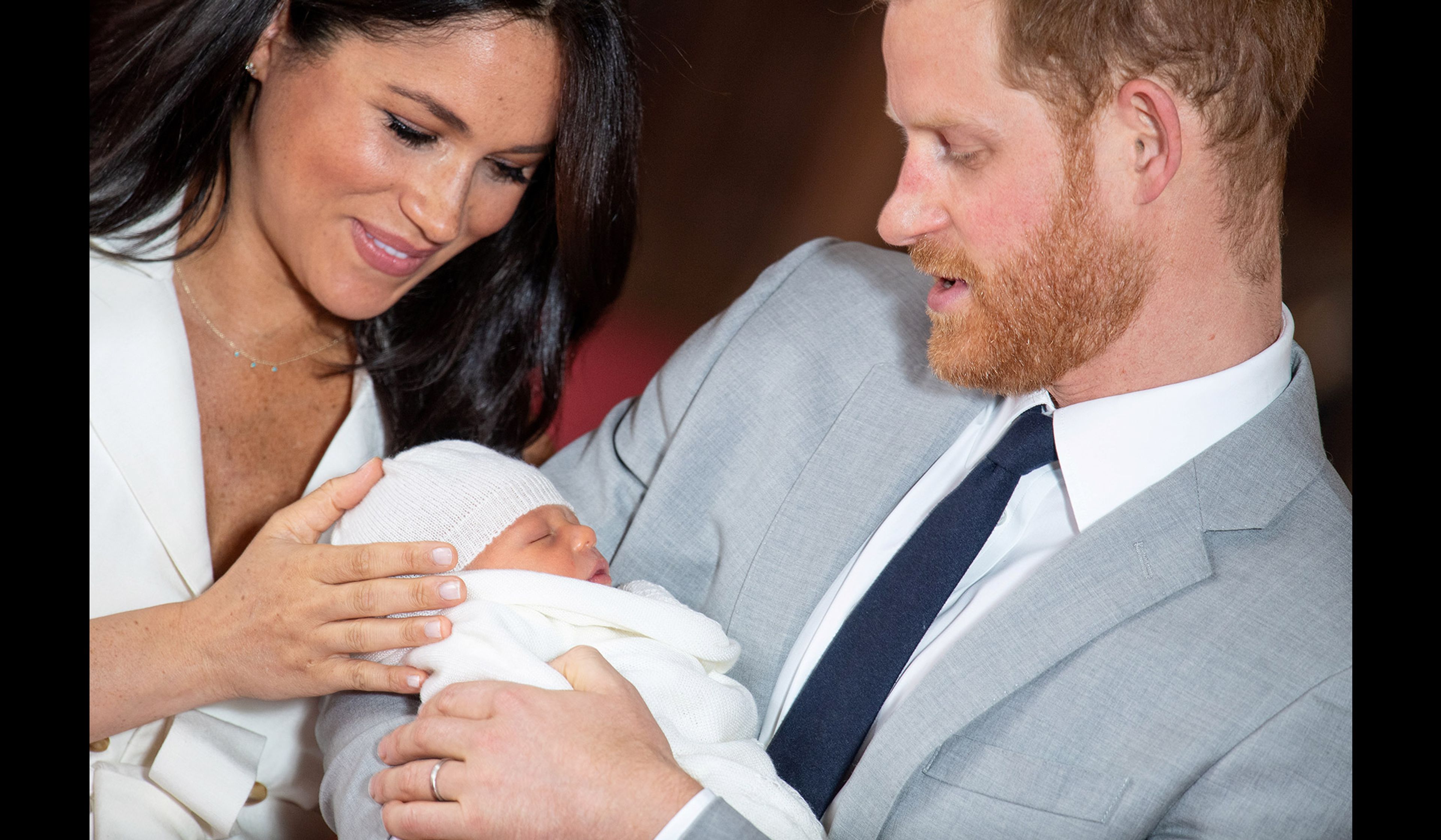
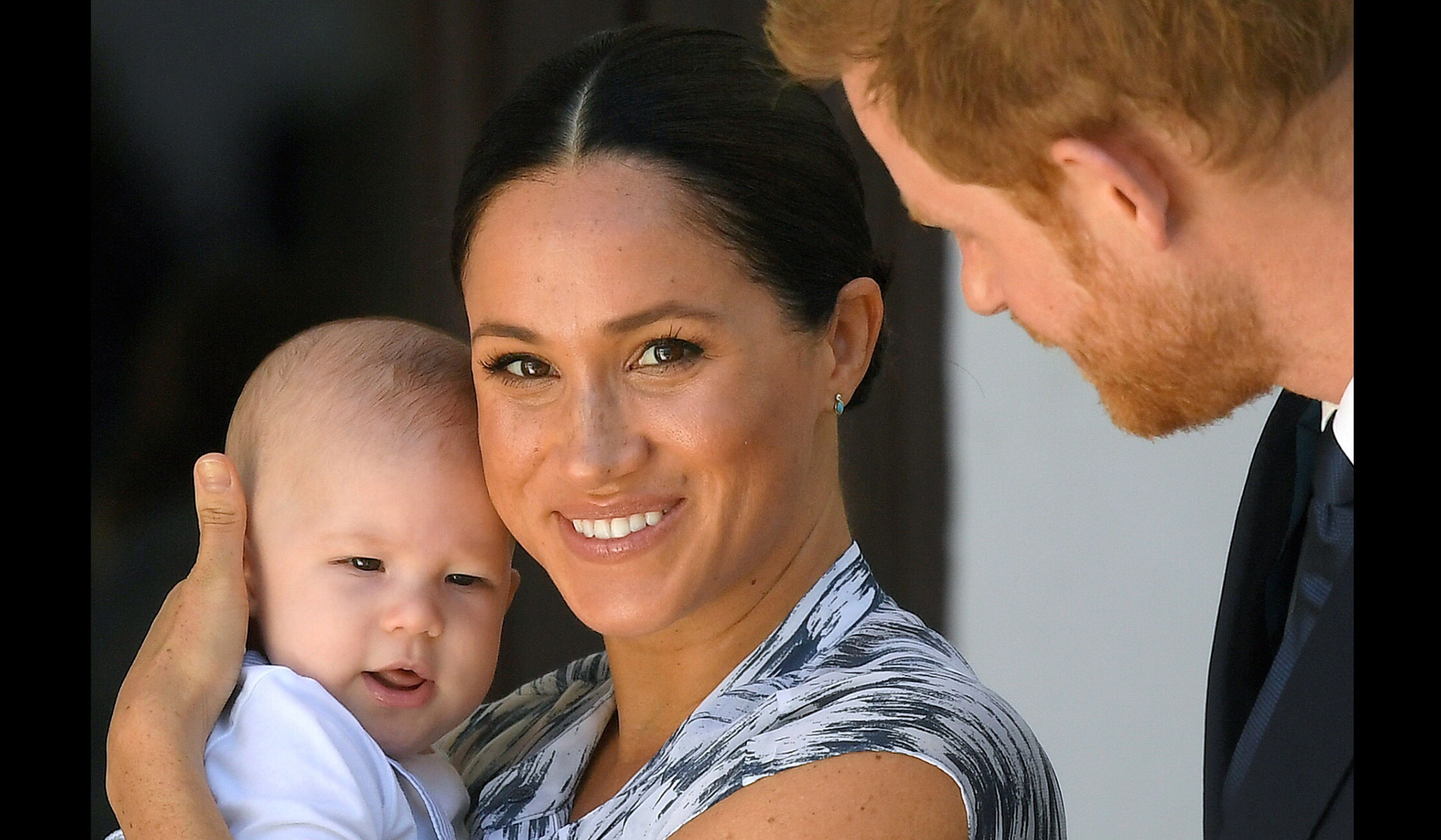
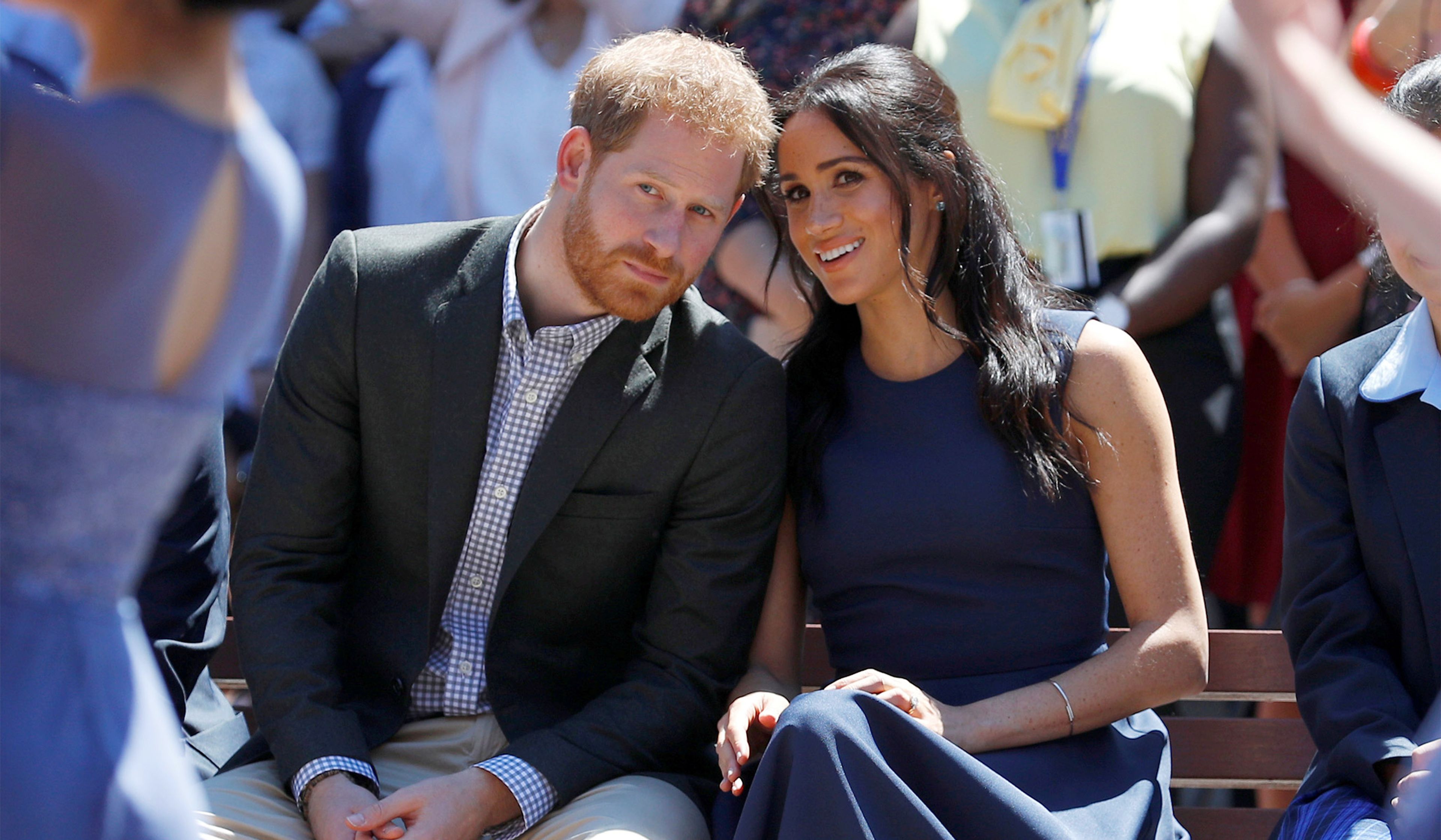
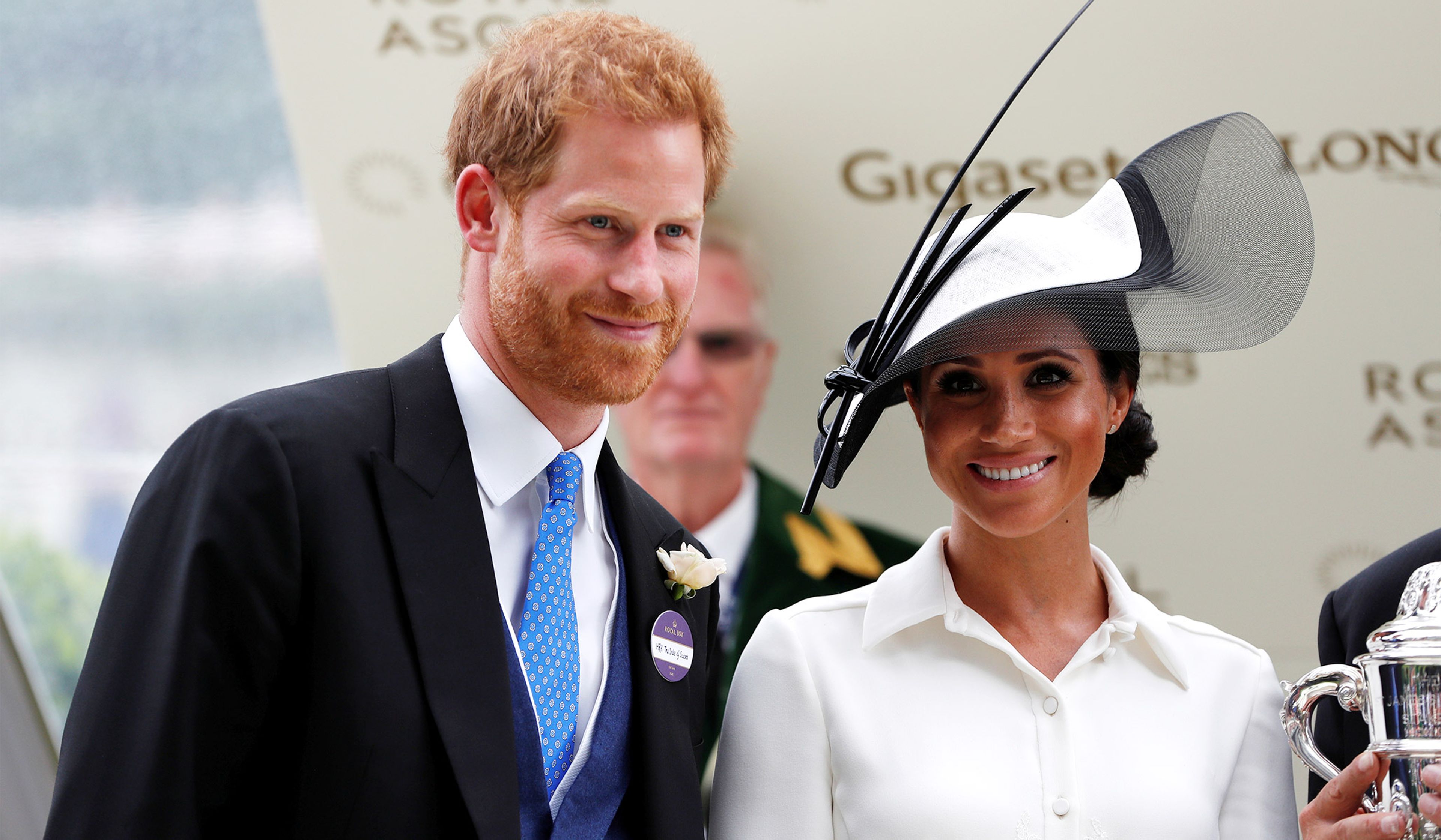
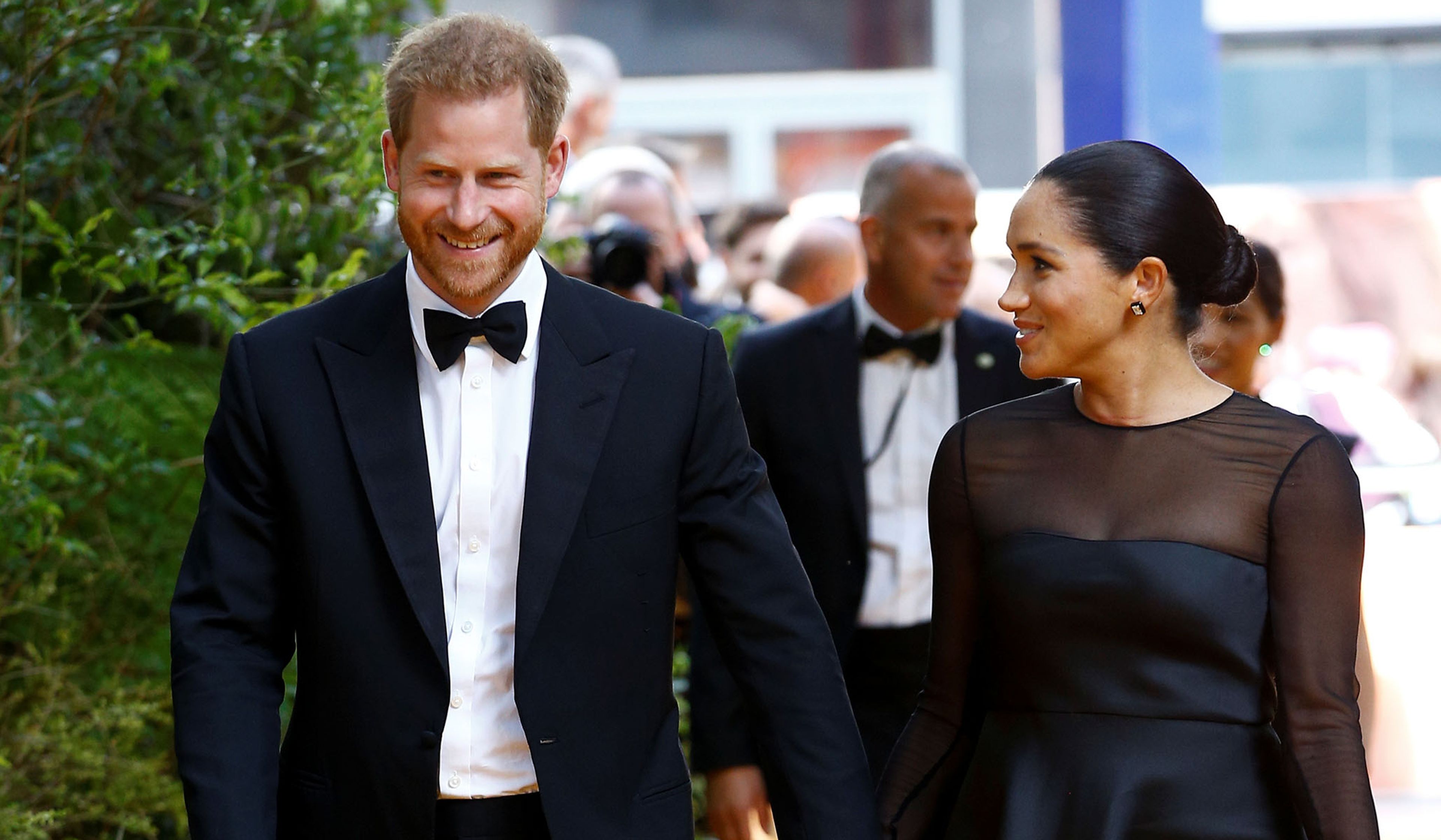
Britain’s Prince Harry and Meghan, Duchess of Sussex, during an interview by Oprah Winfrey.
Harpo Productions/Joe Pugliese/Handout via Reuters
• 60 Minutes aired an attention-getting segment on service personnel who have witnessed strange things in the skies. Some have speculated that these sightings might be of a technology invented by the Russians or the Chinese; others, that these objects are American-made, and that all the UFO talk is just disinformation designed to distract. The possibilities are endless, endlessly entertaining, and only occasionally alarming. In June, an unclassified report detailing data gathered by the FBI, the Pentagon, and the Office of Naval Intelligence is due to be submitted to Congress. The magic word there is “unclassified.” If we had to guess, the findings will be much less dramatic than ufologists hope, but there will be enough that remains unidentified to intrigue the curious. We can’t wait.
• As if one plague weren’t enough, parts of the eastern U.S. are now being hit with a second one. Brood X cicadas are projected to make their appearance in about 15 states and the District of Columbia, covering yards with crunchy brown shells and filling the air with their distinctive, raspy buzz. Brood X is the largest in a set of twelve 17-year cicada broods (each of which emerges at different times and in different sets of states), and they are unique to the East. The last time this brood saw the light of day was 2004, when nymphs burrowed deep underground to begin growth and development. Depending on weather conditions, cicadas can shorten or lengthen their underground stay by about four years, and this batch is right on schedule. A mating cicada’s above-ground lifespan of four to six weeks may seem like an eternity to our eardrums, but at least this plague is visible (and easily squashed).
• Phil Mickelson won his first PGA Tour event in 1991, when he was still a college student. So far, he has won 44 others. Most recently, he won the PGA Championship, one of the four “majors.” He was three weeks shy of 51. He is now the oldest person ever to win a major (replacing Julius Boros, who won the PGA in 1968, at 48). In the weeks before his victory, Mickelson was talking about retiring from the “regular tour” and going on the senior tour full time. The reason: He was missing cuts, unable to be competitive. But then he not only competed — he won, and won a major, at that. This is one of the most impressive accomplishments in golf history. Mickelson had more money than most could imagine before he turned 30. He could have put his feet up, long ago. But he has worked relentlessly — on his body, on his technique, and on his mind — to be as good as he can be, indefinitely. He is an inspiration to people in and out of sports.
The Hamas Caucus
In May, Palestinian terrorists launched over 4,300 rockets at Israel. Though Israel’s Iron Dome missile-defense system intercepted 90 percent of the rockets, those that broke through destroyed property and killed 13 Israelis. The death toll understates the disruption that the rocket bombardments caused. Schools were closed, air travel was suspended, people returning to life after COVID-19 were forced to hunker down once again, and parents had to wake up in the middle of the night to carry their babies to bomb shelters at the sound of sirens and explosions. With Iranian-supplied rockets reaching ever farther into Israel, most Israelis had to live under the assumption that any moment their home could be struck.
Israel took the actions that any self-respecting nation would have, launching a campaign of air strikes in Gaza, killing more than 200 terrorists and damaging Hamas’s rocket-launching infrastructure. Israel went to great lengths to warn civilians ahead of attacks to allow them time to evacuate, even at the risk of enabling Hamas terrorists to flee the scene and remove weapons and other equipment. Yet in part because Hamas purposely employs the strategy of using their own people as human shields, there were inevitable civilian casualties, which Hamas and their allies exploited for propaganda purposes. Unfortunately, some of those allies have gained a foothold in the halls of Congress, using their perch to parrot Hamas propaganda.
Representative Alexandria Ocasio-Cortez (D., N.Y.) falsely claimed that Israel had attacked Al-Aqsa mosque, when in reality, Israeli police had fired stun grenades and tear gas at rioters; Representative Ilhan Omar (D., Minn.) called Israel’s targeted retaliatory air strikes “terrorism,” and she complained that Palestinians didn’t have Iron Dome (even though Hamas could have protected civilians by simply not firing rockets); and Representative Rashida Tlaib (D., Mich.) invoked the term “nakba,” which is a reference to the “catastrophe” of the creation of Israel in 1948. All three called Israel an apartheid state.
Some Democrats, including President Joe Biden, House speaker Nancy Pelosi, and House majority leader Steny Hoyer, issued statements asserting that Israel had a right to defend itself. Biden is 78, however, while Pelosi and Hoyer are over 80. In other words, those asserting the traditional Democratic posture toward Israel will be aging out of public life while younger and more anti-Israeli Democrats gain more power within the party. It is also telling that the party’s senior leaders had no interest in criticizing the younger members by name for their statements, even amid a worrisome rise in anti-Semitic attacks in the United States and around the world that has been inflamed by the false narratives those statements perpetuated. That suggests that even those Democrats who claim to support Israel are worried about the increasing power of the anti-Israeli wing of the party.
Let Roe Go
The Supreme Court agreed to decide whether Mississippi may ban abortions after 15 weeks except “in a medical emergency or in case of a severe fetal abnormality.” Nothing in the text or history of the Constitution bars such laws, and the Court should say so.
Better still, it should put an end to the long charade of judge-invented abortion law. The Court should say that Roe v. Wade never had any legitimate basis in our Constitution, and return the issue to the people’s representatives. It should do so precisely because this issue is too important not to be decided by the people.
Seven men in black robes started this. For 48 years, using a shifting series of rationales — such as a woman’s “own concept of existence, of meaning, of the universe, and of the mystery of human life” — the Court has been winging it. Making up the rules has led to making up more rules: What burdens on abortion are “undue”? Should the court apply a “balancing test”? Even Chief Justice John Roberts has mocked that project: “There is no plausible sense in which anyone, let alone this Court, could objectively assign weight to such imponderable values and no meaningful way to compare them if there were.”
Meanwhile, with each passing year, modern medicine finds new ways to save babies delivered earlier and earlier, and modern science finds new ways to bring us face to face with the elementary biological fact that the unborn are individual human beings. Roe was supposed to make law rest on science instead of text and tradition, but real science accepts new discoveries. The refusal of judges and lawyers to adjust to new science is a sign that they were better off sticking to reading laws.
Roe has not settled the issue or removed it from our politics; quite the contrary. As Justice Antonin Scalia once wrote, “to portray Roe as the statesmanlike ‘settlement’ of a divisive issue, a jurisprudential Peace of Westphalia that is worth preserving, is nothing less than Orwellian. Roe fanned into life an issue that has inflamed our national politics in general, and has obscured with its smoke the selection of Justices to this Court in particular, ever since. . . . Value judgments, after all, should be voted on, not dictated; and if our Constitution has somehow accidentally committed them to the Supreme Court, at least we can have a sort of plebiscite each time a new nominee to that body is put forward.” Nothing in the three decades since he wrote those words has lessened their power.
There is a time and a place for the courts to move gradually, letting the law develop one case at a time. But there is nothing new under the sun in arguments about the constitutional pedigree of Roe v. Wade. A majority of the Court knows that Roe is nonsense. It is past time for the justices to say so. Sixty-two million Americans have died. How many more need to die before the judiciary exercises its one, indispensable role: to say what the Constitution is?











Comments