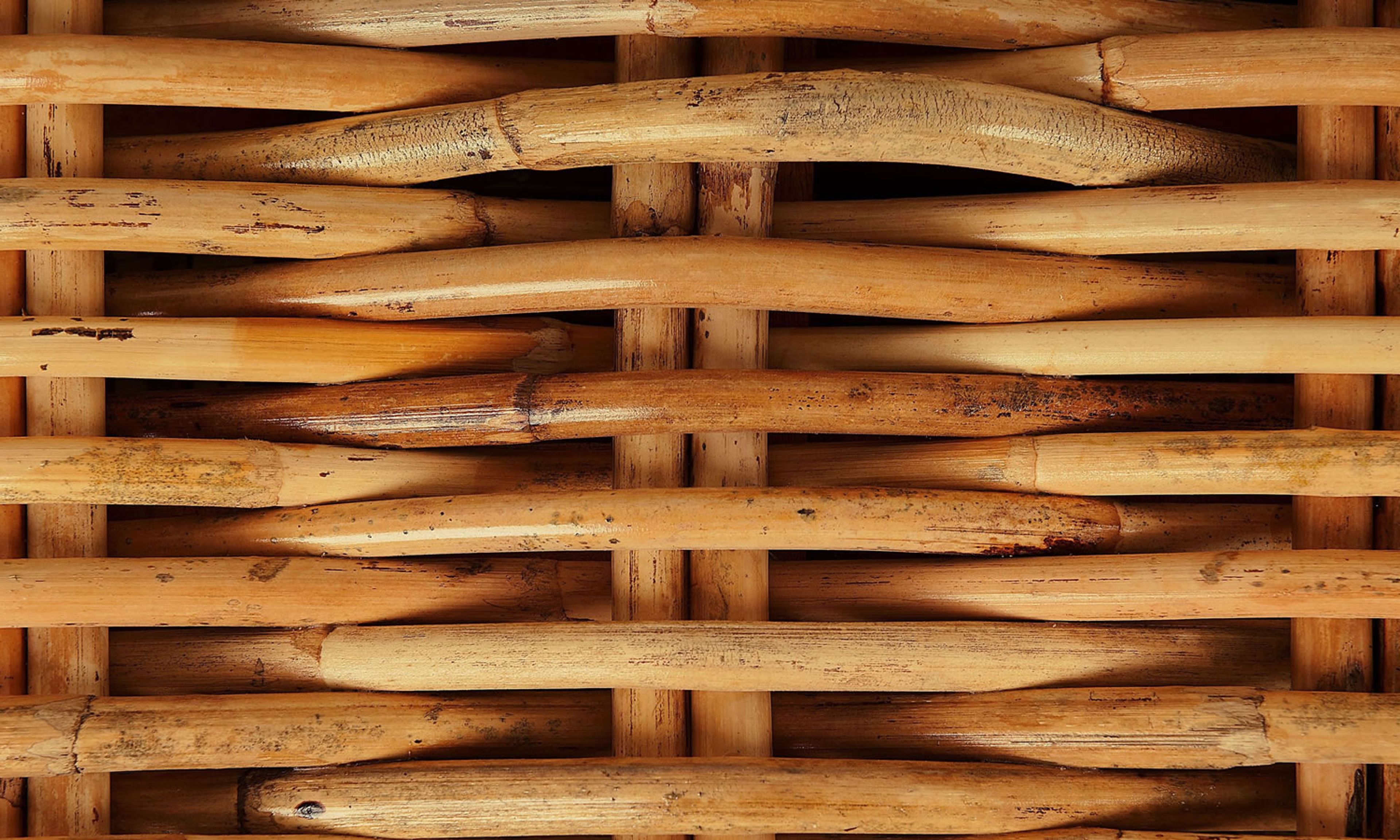
Seeing ads from corporations eager to appear “woke” is a strange conclusion to a hundred years of advertising. If you’ve studied old magazines, you know how it used to be.
The 1910s: “Those who congregate in particular places know the virtues of scientific foot-elevation. Our Wicker Ottoman is made in the most modern factories [picture of enormous brick structure belching clouds of dark smoke into the sky], contains no foreign lards, and is finished with harmonious lacquer. The sharp pointed ends of some strands will stimulate the circulation. Amalgamated Wicker Ottomans & Horsehair, Creosote Falls, Ohio.”
In the ’20s, you might see a picture of a flapper with her gams alluringly placed on the ottoman. The ’30s ads would place the wicker ottoman in a spare, modern setting and include an endorsement from Mrs. Harmon Grovesbury III, noted socialite, who praised wicker for its “blend of elegance and durability.” Our socialite wives might be untouched by economic uncertainty and the heedless advance of socialism, but they worried about sagging wicker just like you.
The ads of 1940 and 1941 were saturated with a strange mixture of dread and bravado. Everyone knew something was coming. The ads strove to reassure everyone that we were ready for whatever happened, and no doubt Amalgamated Wicker would have gotten into the act:
“It’s as strong as American resolve. Yes, America, Wicker can take it! The U.S. leads the world in Wicker production, with enough Wicker made in a year to go around the globe three times. When someone says ‘Ottoman,’ don’t think of that sick man in Europe — think USA Wicker!”
Then came the war. All the ads converted to wartime content. Amalgamated Wicker — now, after a series of mergers and acquisitions, Consolidated Wicker — would have shown a grimy Marine in a tropical hell, turning to the reader with a resolute expression tinged with contempt and impatience.
“Put my feet up? No go, Tojo!
“Sure, I’d love to put my feet up. But I have a job to do.
“When this is all over, I can’t wait to get home and put my feet up on the ottoman in Mom and Dad’s front parlor — it’s a Consolidated, so I know it’ll have the right amount of spring and just enough strength to hold my tired dogs. But right now we’re in a scrape, and I know all that good American wicker is going into seats for our cargo planes, and your neighborhood wicker drive helps land the knockout blow.”
The fine print would tell you to buy bonds and listen to The American Wicker Hour on ABC radio.
After the war, the usual trends. Stark modern ads in the ’50s, with young moderns enjoying cocktails, an ottoman prominently placed in the foreground; in the ’60s, the new style of ads that subverted expectations.
Picture of an ottoman against an all-white background. “This isn’t your grandma’s wicker ottoman.
“(Actually, it is.)
“Today’s styles blend the hip and the historic. Some people think a new ottoman in the old style will lend the right note. We agree. If you find Grandma’s ottoman, it’ll look right at home. We only hope it’s a ConWick ottoman. We made them to last.”
The fine print would note that ConWick was a subsidiary of DuPont Chemical.
After that, the usual story. ConWick would be sold, the Ohio factory shuttered, ottoman production sent to Mexico, and then cheap Chinese ottomans would flood the American market. The Creosote Falls factory would be declared a Superfund site to clean up the toxic remains from the lacquer production; this would take 24 years, but eventually the factory would be converted into lofts. The hometown newspaper, which had been bought by Gannett and had its staff halved, would report on the new shops opening in Ottoman Heights. The surrounding area would be gentrified; the small homes in which the wicker-factory workers once lived would be rehabbed, and the neighborhood would be full of college professors, HR managers, and lawyers who dealt with regulatory compliance.
In 2015 activists would seek to rename the area, as “Ottoman” erased the history of the women who had worked in the factory, and the term was also an Orientalist holdover that otherized the Turks. “The term conjures visions of pashas in robes and puffy pants and pointy slippers,” one activist tells the city council. “It reinforces a white narrative that decenters Islamic Turkey as an opposite to ‘enlightened’ Europe.”
Wicker Court is suggested, but activists note that wicker originated in Egypt, and hence the proposed name would be cultural appropriation. But they agree to the name as long as a street that passes through the neighborhood is renamed to honor a Creosote Falls native who fled to Cuba in 1971 after a deadly bank robbery intended to fund anti-war activities.
In 2018 an artisanal boutique wicker company buys the disused Consolidated Wicker trademark and relaunches the brand as a “humanely sourced, ethically conscious” ottoperson producer. It is featured on Oprah and gets a layout in an issue of Vogue; the New York Times does a story about “The Return of the Otto,” as they’re now called, since they’re nonbinary.
In 2021, Amalgamated Wicker issues a statement on its website condemning “Israeli fascist apartheid” and the progressives who bought the product sigh with relief. I can put up my feet in good conscience. In fact, putting up my feet on this ottoman is actually resistance. Other people sigh and, for the first time in a century, decide they will ignore the politics of their footstool and brace themselves for an ad that spells out where their washing machine stands on the matter of West Bank settlements.











Comments