This year’s Academy Awards should not have existed, and there’s an argument for simply acting as if they had never happened. After the year in cinema was laid waste by theater closures and postponements, why should we even pretend that a night celebrating a collection of passable art-house efforts mostly released direct-to-streaming had anything in common with the star-studded Oscar extravaganzas of the past? This wasn’t like holding the World Series after a COVID-shortened season, as Major League Baseball did last fall; it was like holding the postseason after a year in which most of the teams didn’t even take the field, leaving also-rans and Triple-A affiliates to battle for the crown.
Judging by the evening’s ratings, most Americans took exactly this see-no-Oscars approach. But in another sense, this year’s show was worth a little attention, because its slate of unknown or little-seen nominees was a pandemic-era accentuation of a preexisting trend, a difference of degree and not of kind from the pattern of the 2010s. In ruining the Oscars, COVID also forced people, as in other areas of our common life, to acknowledge grim truths about the world we knew before the virus came along. Twenty twenty-one wasn’t the first year that the glamour went missing, that the nominated movies felt (as my New York Times colleague Maureen Dowd described them) “worthy, relevant, socially conscious and lugubrious,” and that nobody really cared who won. It was just the year that the diminishment became a nadir, a cratering that no one could deny.
There was a little exercise on Twitter, in the weeks before the show, that let you see this larger trend unfold. Someone lined up the last 40 years of Best Picture winners, in neat rows of ten, and challenged readers to pick just three to keep. But what drew your attention (after making the correct choice, of course, to keep Titanic, No Country for Old Men, and Silence of the Lambs) was how different each decade looked. The 1980s and 1990s and early 2000s had their share of bad or obscure winners, but again and again you saw movies that people remembered, cherished, and went to see in droves. Gladiator, Amadeus, Terms of Endearment, Forrest Gump, Schindler’s List, The Return of the King . . . a mix of good and near-great and crowd-pleasing, not a cinephile’s roster but a mixture well suited to average moviegoers, giving them an annual reason to tune in.
Then, somewhere in the mid 2000s, around the time that superheroes took over Hollywood and actorly ambition began its migration to television, things began to change. The quality movies that won were increasingly small, little-watched, obscure — The Hurt Locker or Moonlight. The bad movies that won were increasingly execrable — Crash remains unwatchable to this day, The Shape of Water feels like a right-wing parody of wokeness. Occasionally you got a winner that felt like a simulacrum of the kind of hit that used to win — The King’s Speech, Green Book, 12 Years a Slave — but was less memorable and quotable. And there was a run of self-referential winners, movies about the movies, Birdman and The Artist and Argo, as if the Oscars had been giving their ailing industry a lifetime-achievement award.
So now, with this year’s Oscars, it feels like we’ve watched the funeral. But what about the resurrection? Can the Oscars live again? Will movie theaters reopen? Can Hollywood offer something, besides Marvel extravaganzas, that justifies big-screen entertainment as something more than the Netflix alternative that sells extremely expensive popcorn?
Let me offer a small dose of optimism — one that doesn’t require looking back to the glorious 1990s, let alone to the days of Cecil B. DeMille. Only about a year ago, in the Oscar nominees for 2019, we were graced with a bumper crop of stories and performances that felt actually Oscar-ish in the old way — a crowd-pleaser with a touch of patriotism, a war movie with vaulting camera work, an intimate family drama floated on the charisma of the couple, a scathing social commentary that made moviegoing seem dangerous, a famous director and a famous literary adaptation, and, above all, an exercise in the kind of big-screen star power that no television serial can re-create or match.
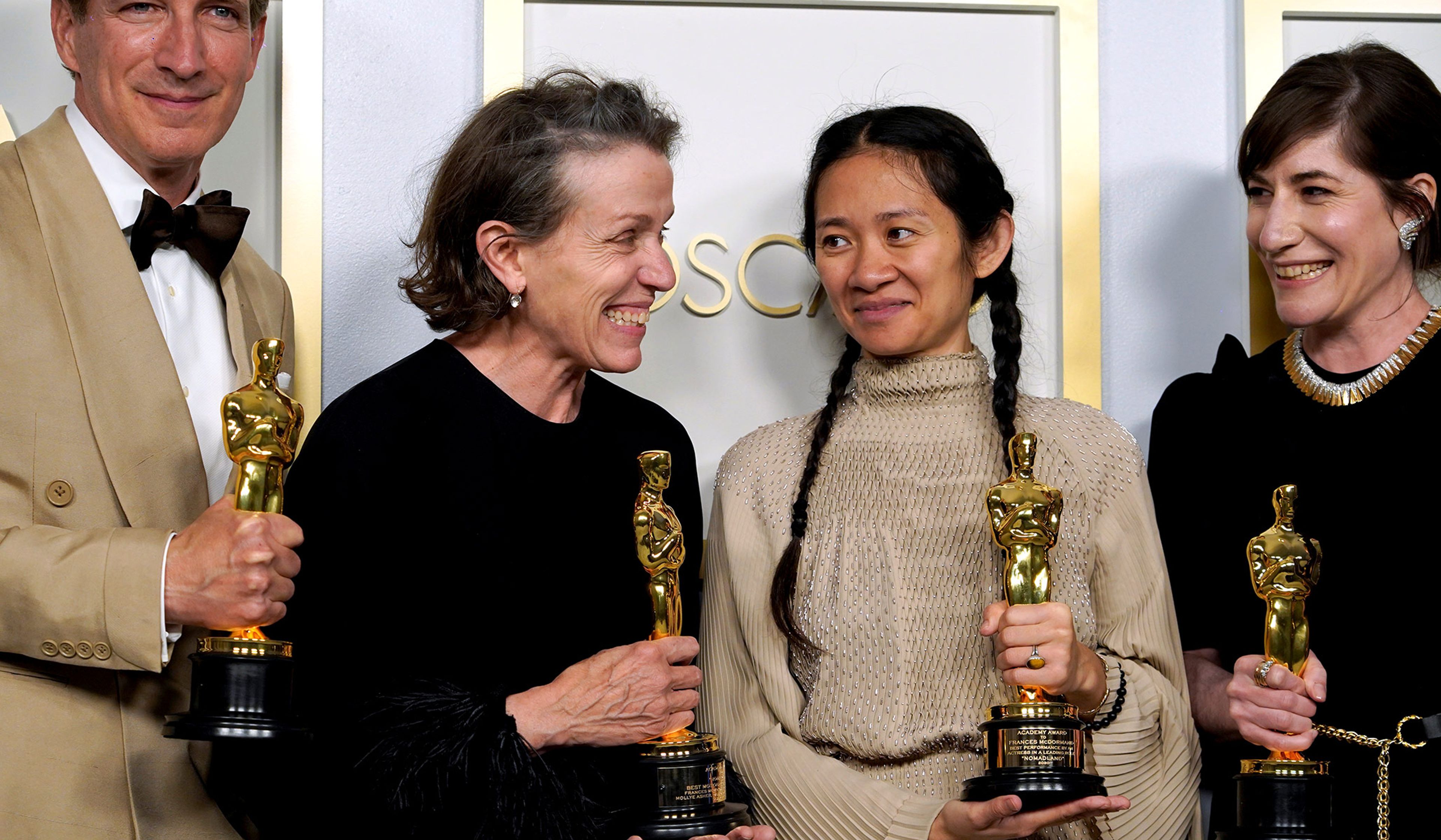
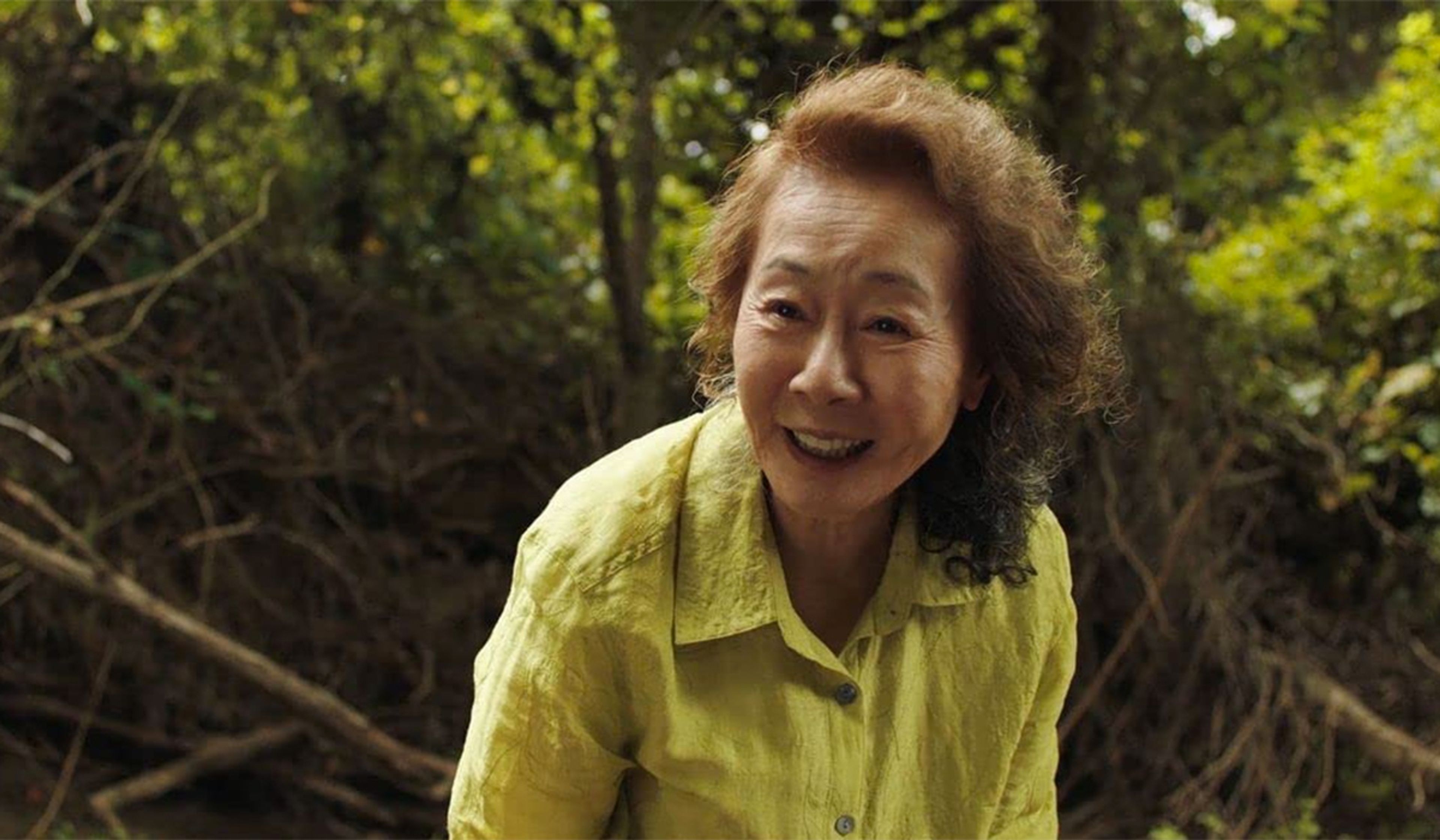
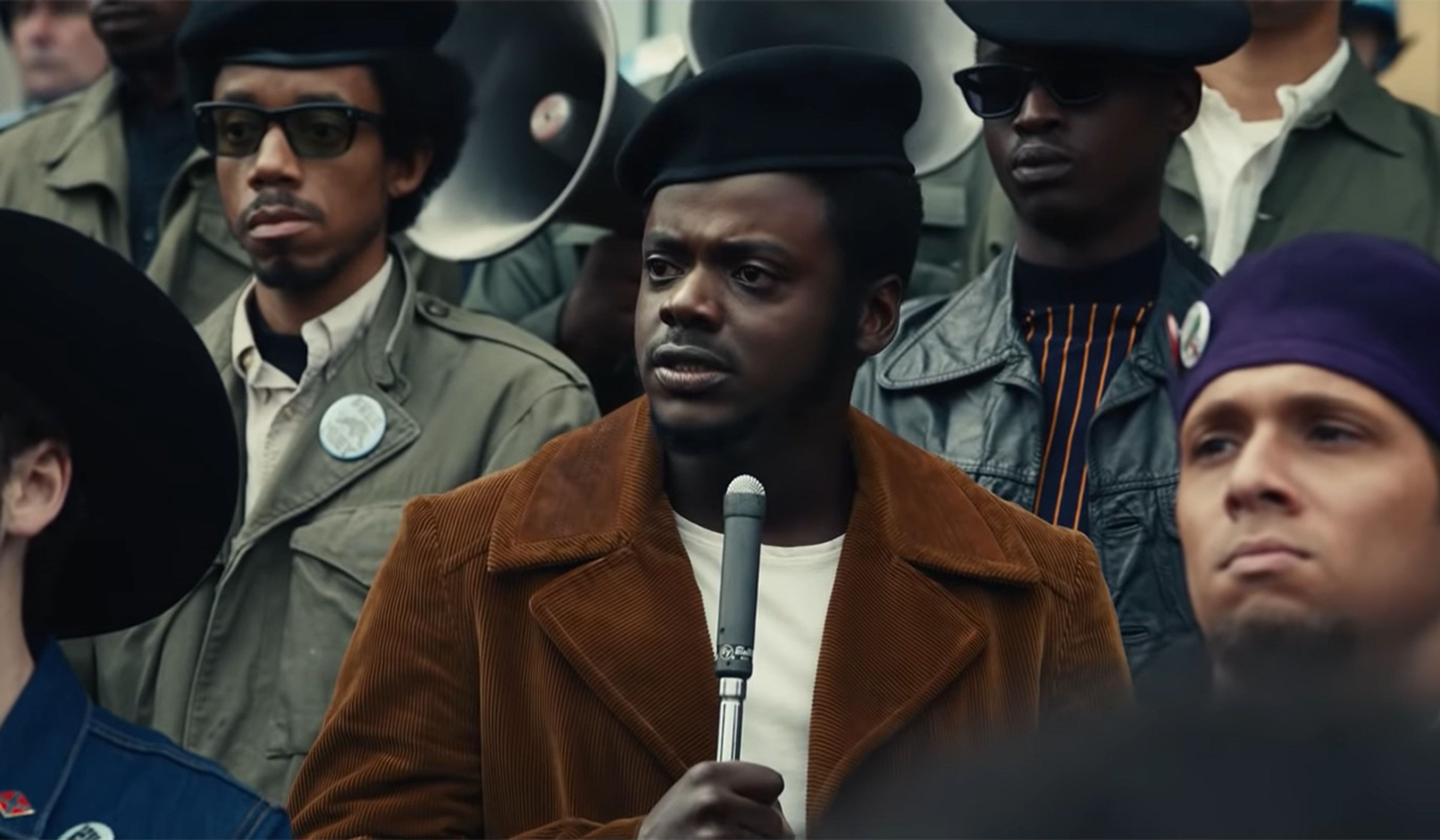
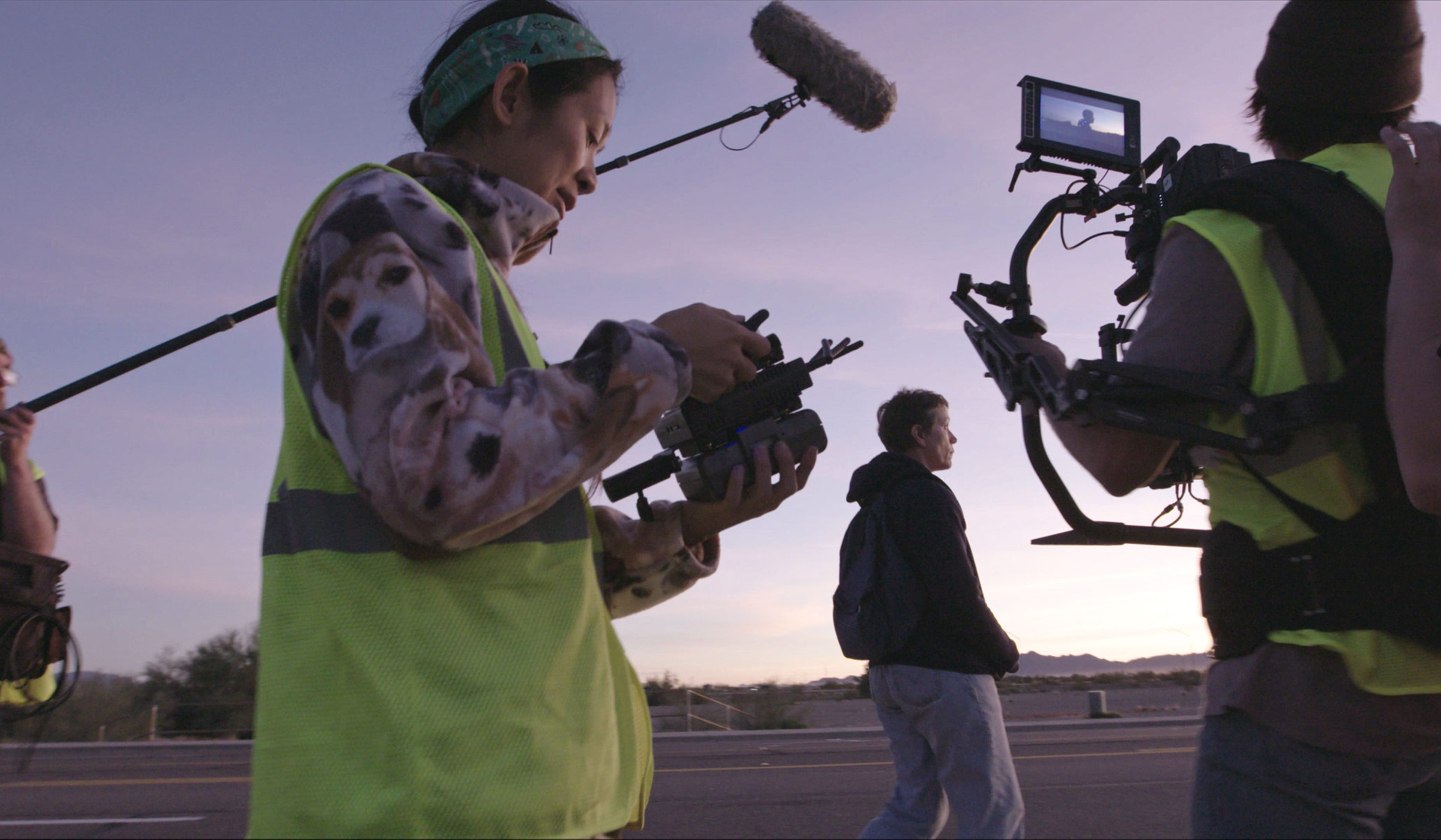
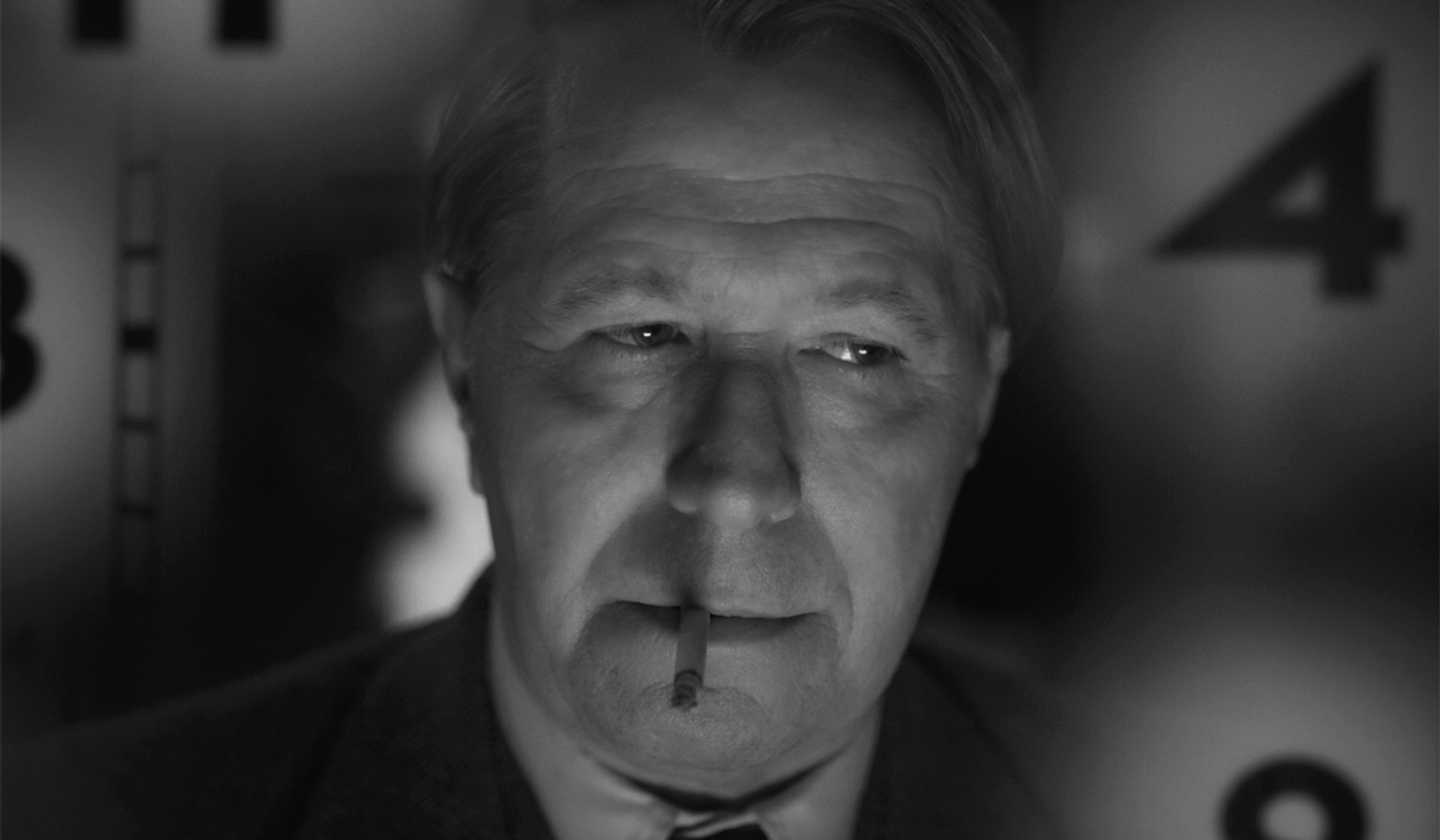
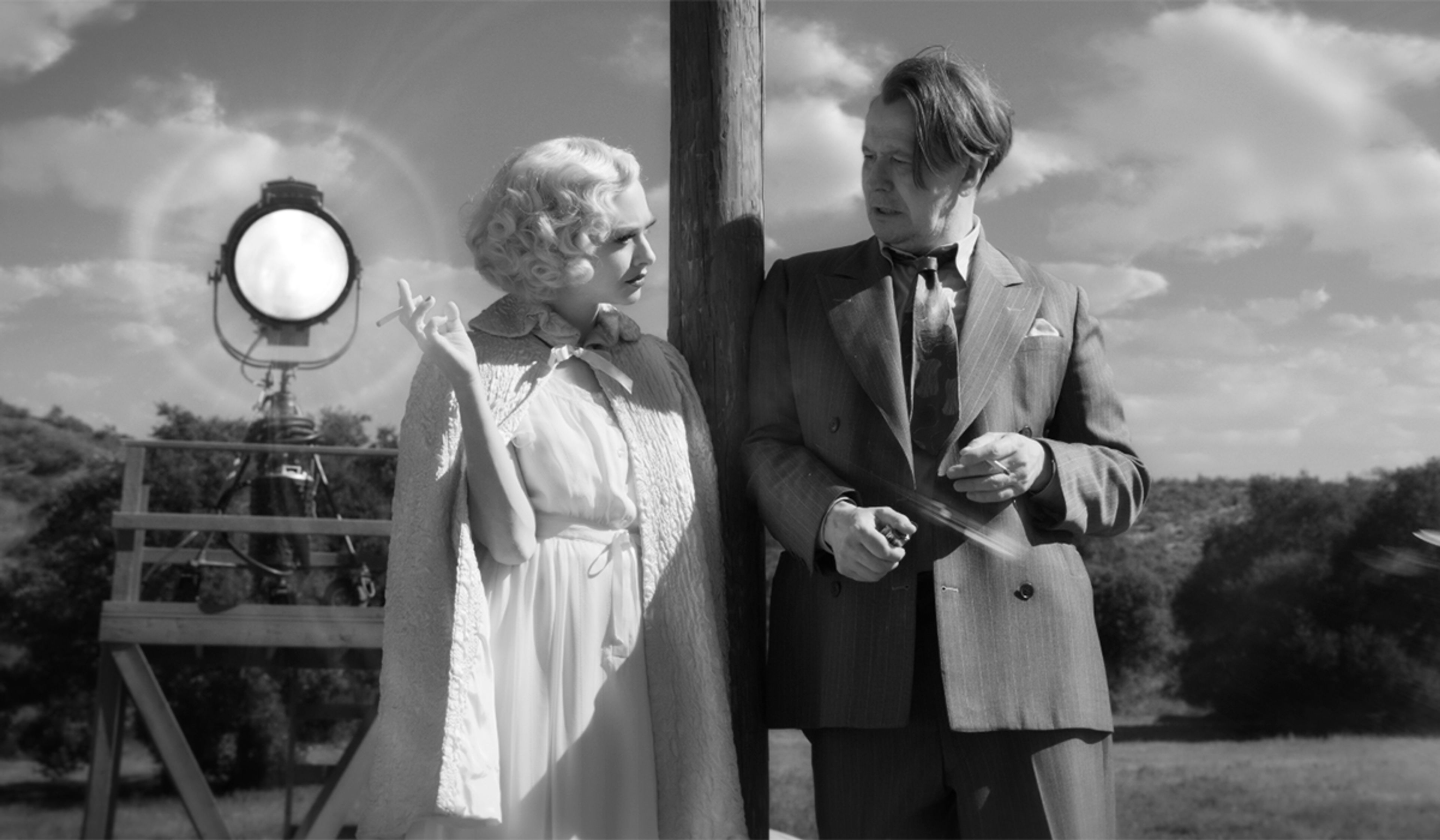
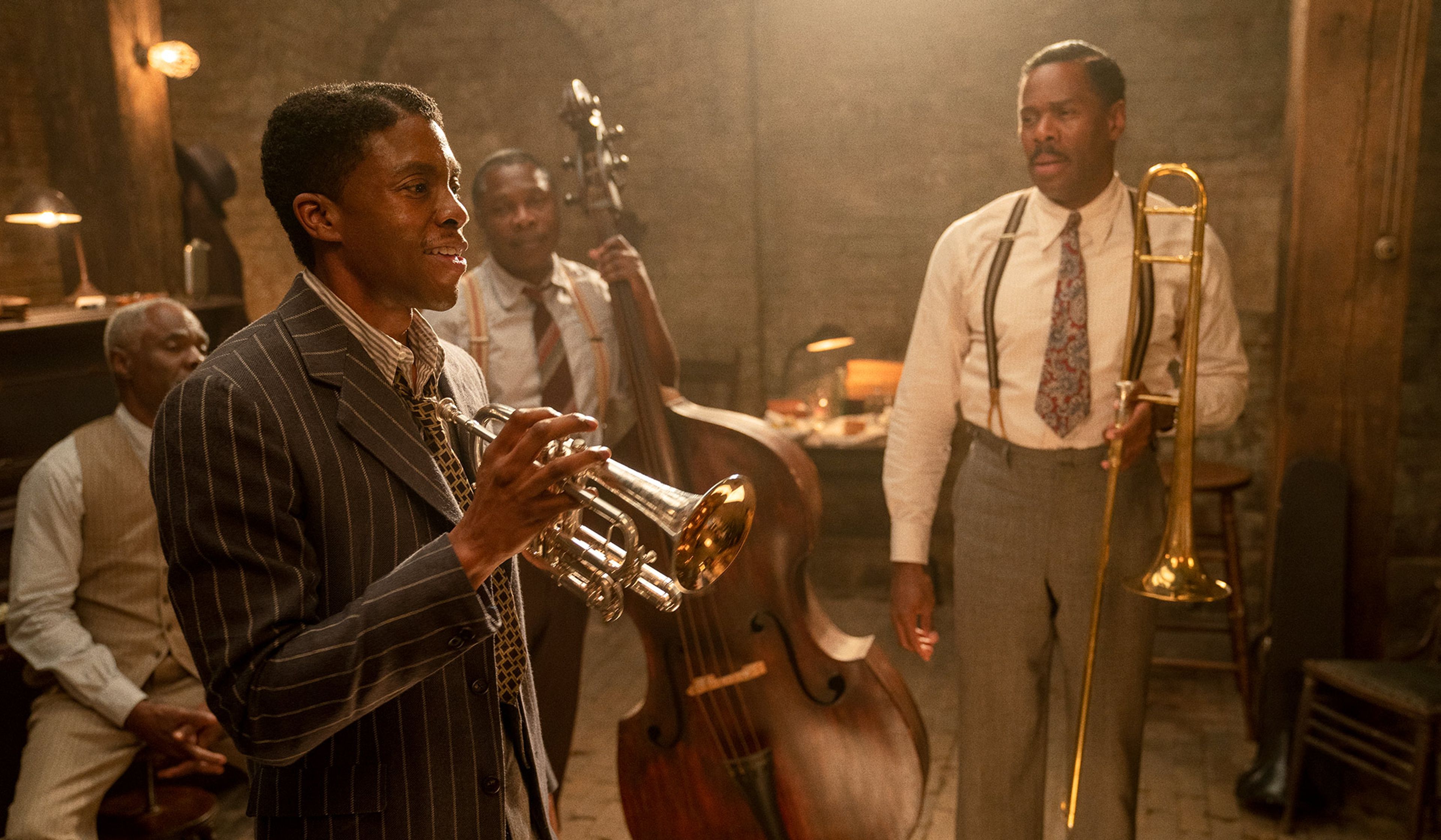
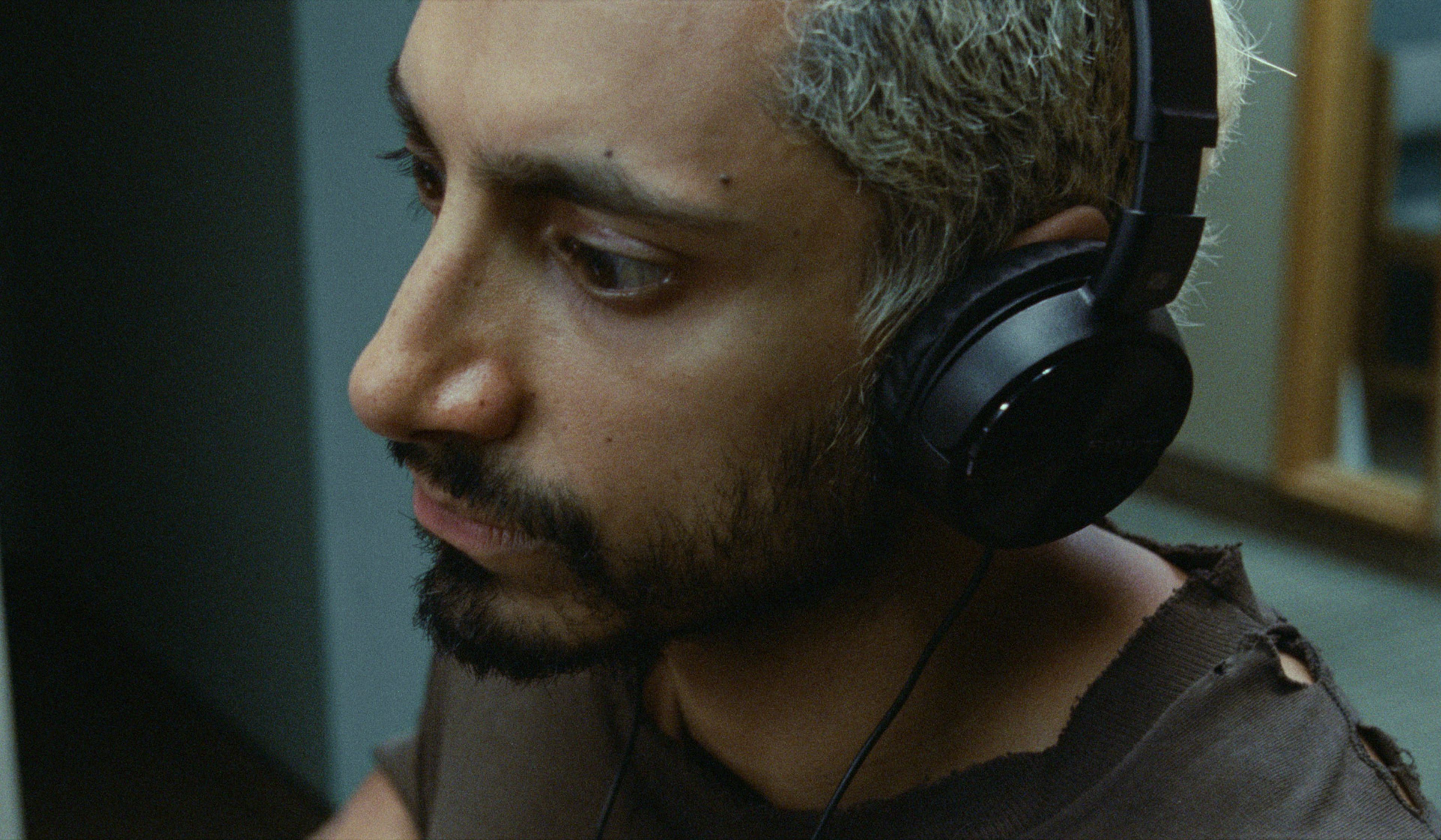
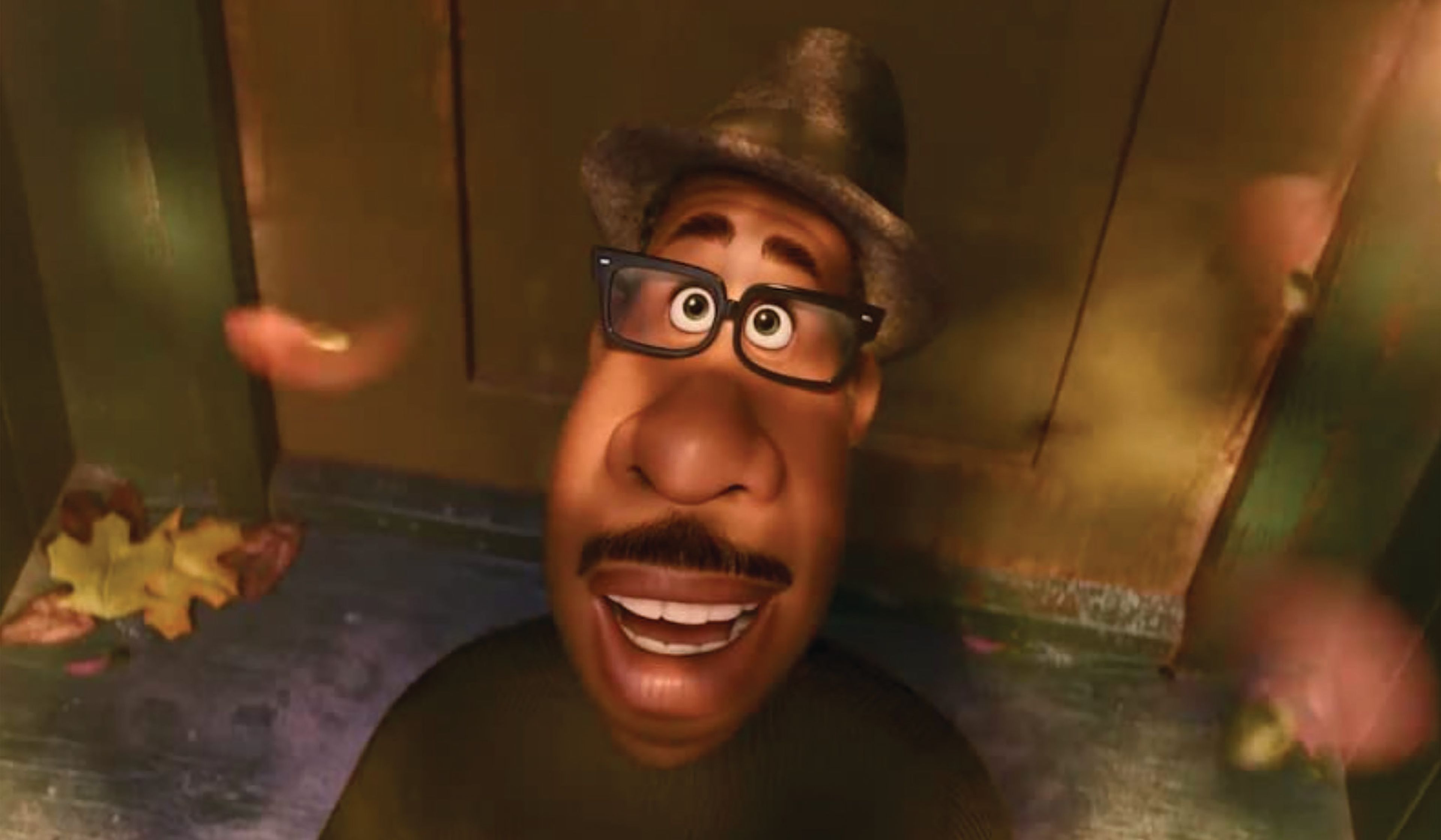
From left: Peter Spears, Frances McDormand, Chloe Zhao, and Mollye Asher, winners of the award for best picture for Nomadland, pose in the press room at the Oscars in Los Angeles, Calif., April 25, 2021.
Chris Pizzello/Pool via Reuters
The last example, Quentin Tarantino’s Once Upon a Time . . . in Hollywood, should have won the trophy but didn’t, and neither did the year’s other more classic Oscar candidates — Ford v. Ferrari and 1917 and Marriage Story and Joker and The Irishman and Little Women. (Nor, I should stress, were they all quite as good as one might have hoped.) But even the non-crowd-pleasing victory for Bong Joon-ho’s Parasite was at least the choice of an interesting movie, its left-wing politics complicated and strange rather than tedious.
So the 2019 nominees were not a perfect model for Oscar’s restoration (for that you still need a winner that people actually went to see), but they were proof that the movies-as-movies need not die, that you can have a bunch of Best Picture nominees that made over a hundred million dollars without just surrendering and nominating superhero sequels.
Now Hollywood just has to do it again, ideally many times over, with not just Oscar ratings but the literal survival of many movie theaters hanging in the balance.
No pressure.












Comments