In a recent essay for Modern Age, Noah Millman notes how many of 2023’s movies were concerned with men of extreme talent and vaulting ambition, and yet how few of them — Oppenheimer was the exception, he argues — seemed comfortable with the idea of greatness as a reality unto itself. Instead, movies as diverse as Ridley Scott’s Napoleon, Michael Mann’s Ferrari, and Bradley Cooper’s Maestro presented supposed masterful men without making their mastery manifest or their importance clear, leaving audiences “fundamentally perplexed about why the story was being told at all.”
Dune: Part Two, which has loomed over the cultural landscape in the weeks after its release the way Oppenheimer did last summer, doesn’t have that problem: All of the energy in the movie is building up to the moment when that nice young man Timothée Chalamet, playing Paul Atreides, stops moping around and embraces his destiny as a prophet, messiah, general, and all-around chosen one. Everything that’s absent from Scott’s bizarre portrait of Napoleon — the sense of how a youthful charismatic leader binds an army to his cause and reaches out to claim a crown — is right there on the screen; it’s just that you have to go to the fictional planet of Arrakis to get a clearer sense of what went down in 1790s France.
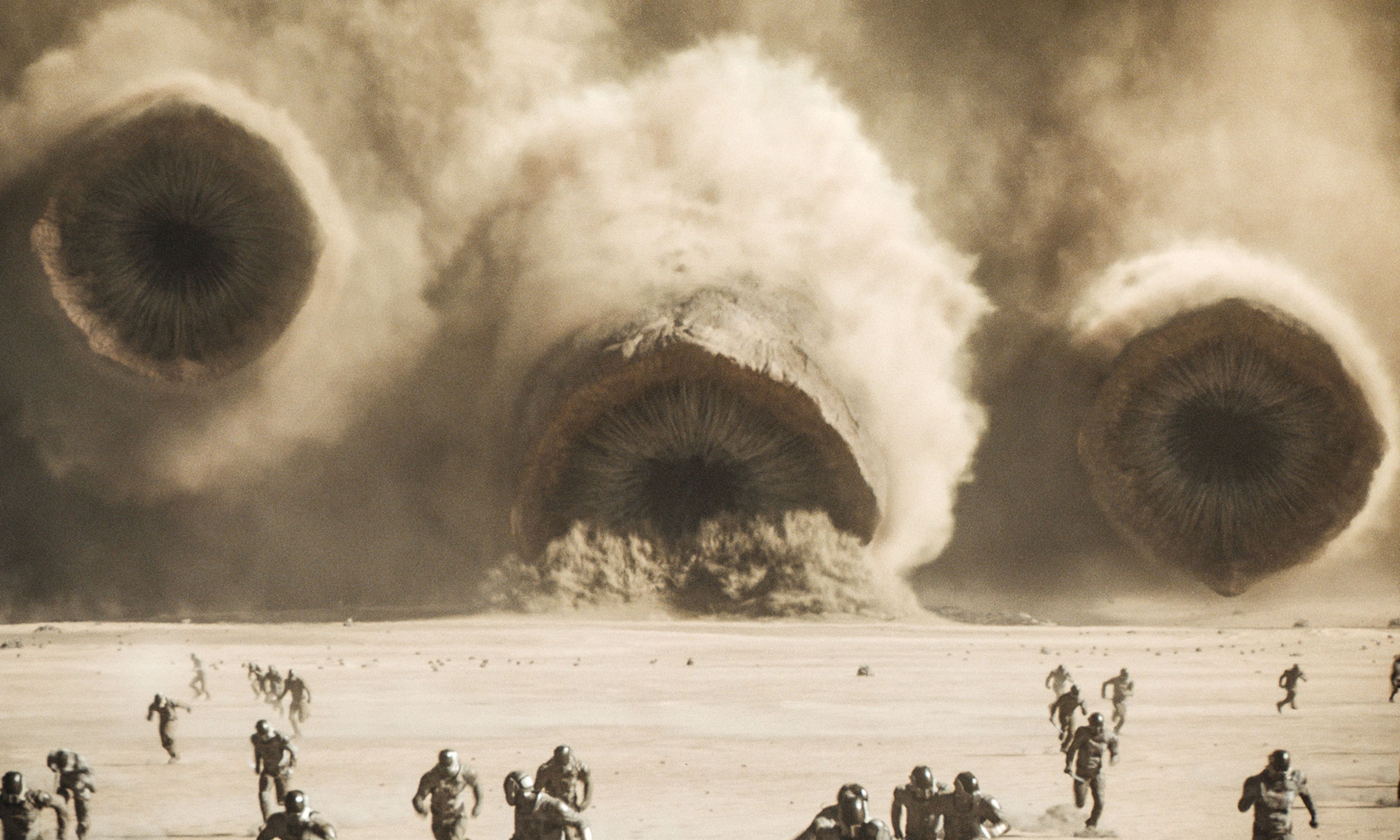
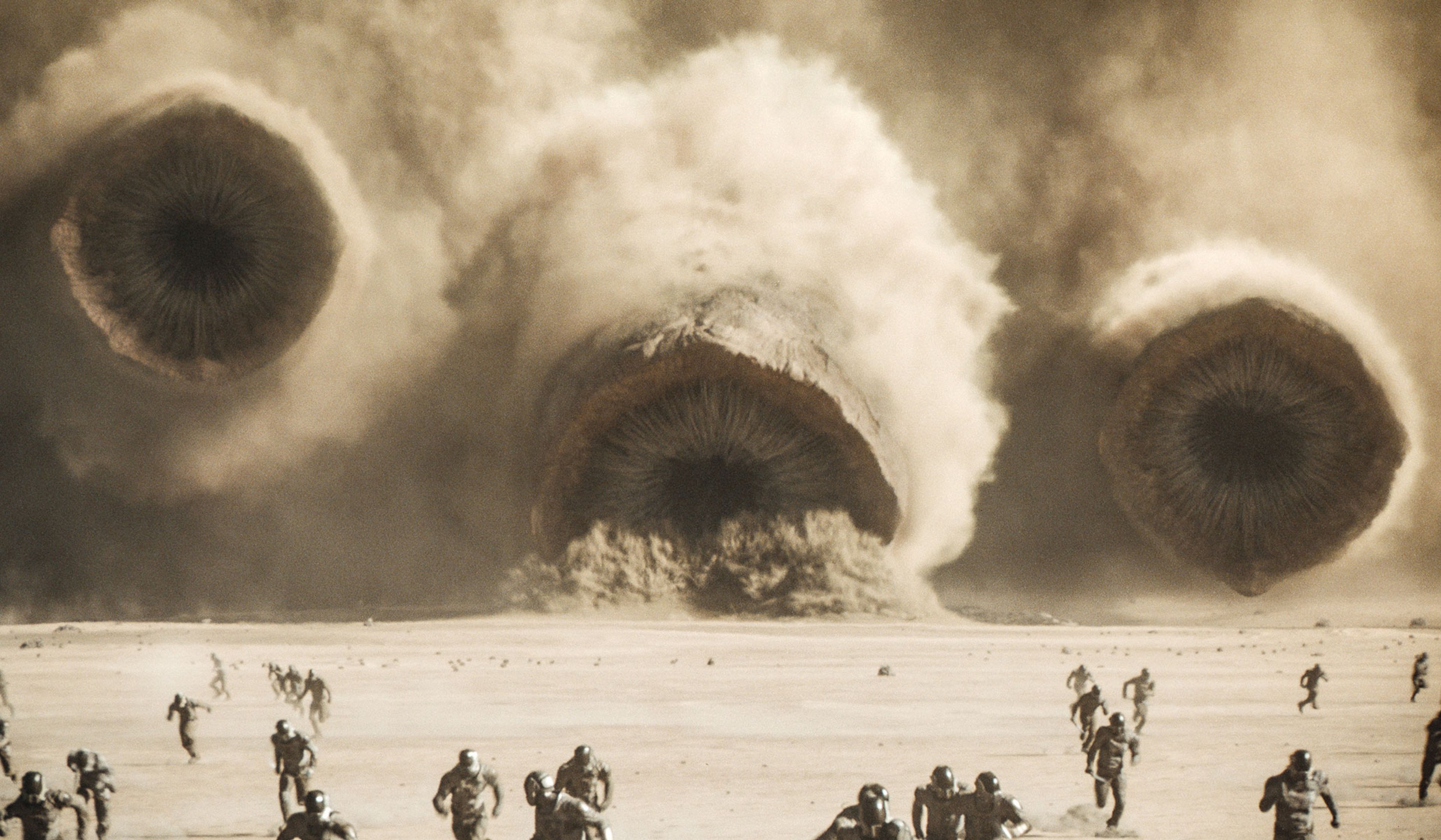
Dune’s second part picks up right where the first half left off, with Paul cast out into the Arrakis desert, the source of the “spice” on which the story’s far-future imperium depends, with his mother, Lady Jessica (Rebecca Ferguson), after the near-destruction of his family at the hands of their great enemy, House Harkonnen. Taken in by the Fremen, the desert-dwelling warriors who have been primed by missionaries from Jessica’s Bene Gesserit order to expect an off-world messiah, Paul soon passes a series of tests — most notably learning to ride the giantest of all the giant sandworms — that make him a prime candidate to be the long-awaited savior.
He puts up some resistance to this fate, fearing the galactic wars and genocide that his own spice-enhanced mind foresees. But events, his single-minded mother, the growing spice-awakened fetus of his sister Alia (yes, for real), the pious enthusiasm of the Fremen leader Stilgar (Javier Bardem), and his own prophetic visions conspire to make messiah-hood seem like the only way. Soon enough he’s leading a jihad against the planet’s Harkonnen overlords (Stellan Skarsgård and Dave Bautista returning, and Austin Butler showing up as Paul’s peer and rival, the sociopathic Feyd-Rautha) that also puts him on a collision course with the emperor (Christopher Walken) who engineered the attempted purge of House Atreides in the first place.
As in the first part, the story is told in a style that matches the achievement of Peter Jackson with his Lord of the Rings trilogy: Like Jackson, Denis Villeneuve has taken a beloved work long thought unfilmable and brought it to life sumptuously, lavishly, on a scale that will colonize the imagination of future readers of the book. And he’s done so, as Jackson did, by mastering the technologies of virtual creation, subordinating them to a project of realistic, tactile world-creation: not Marvel’s glossy surfaces, but David Lean plus CGI.
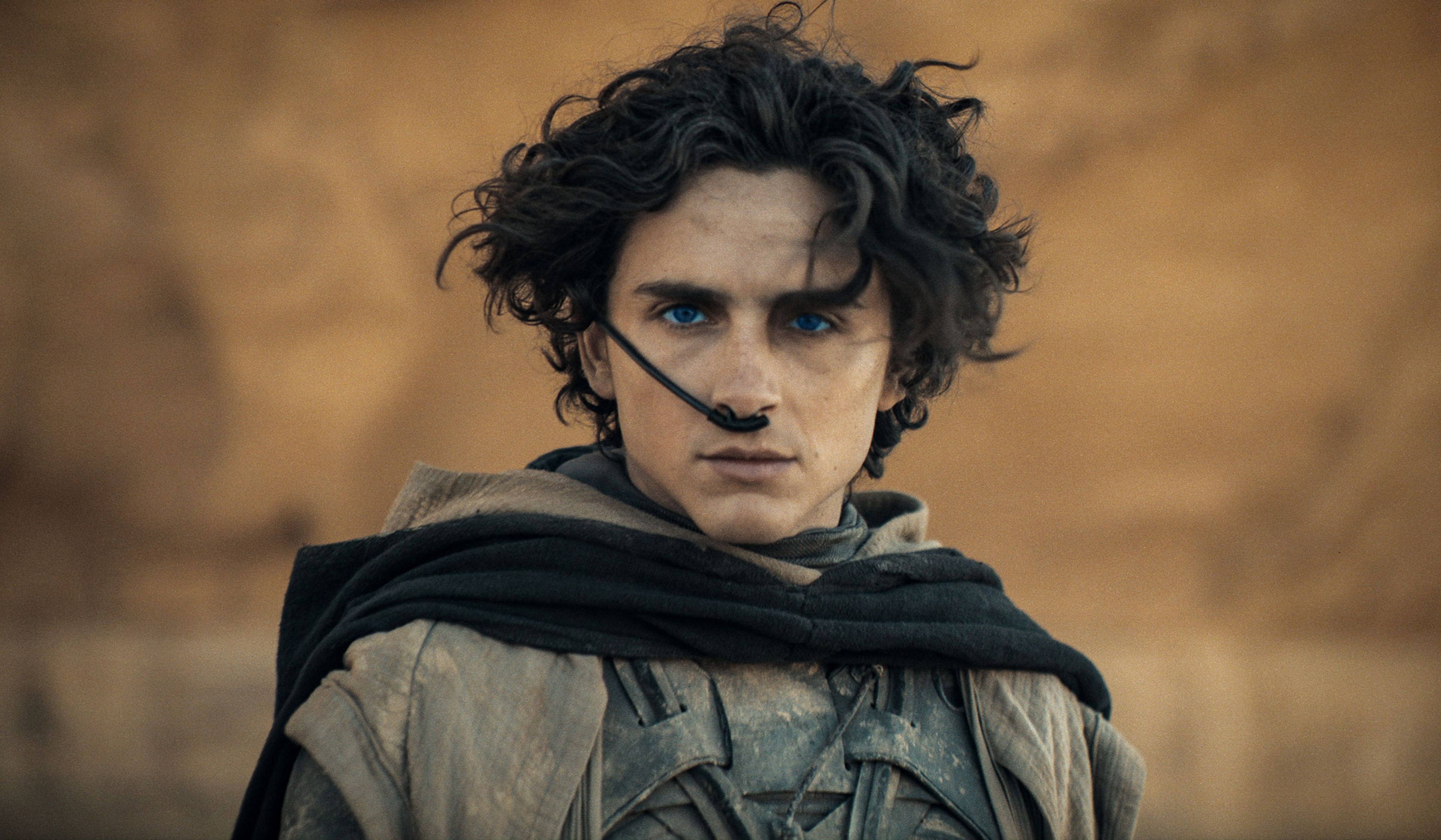
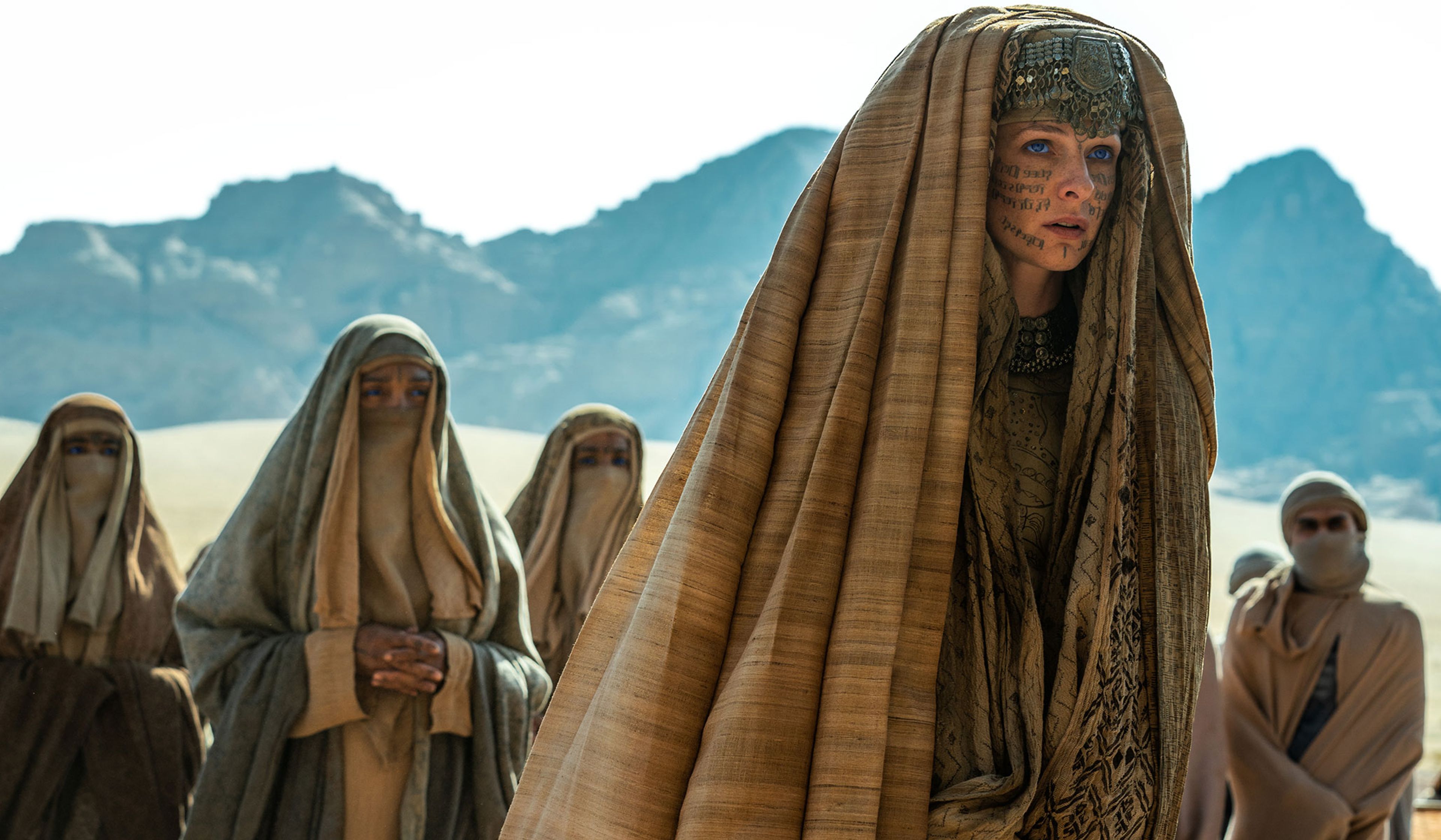
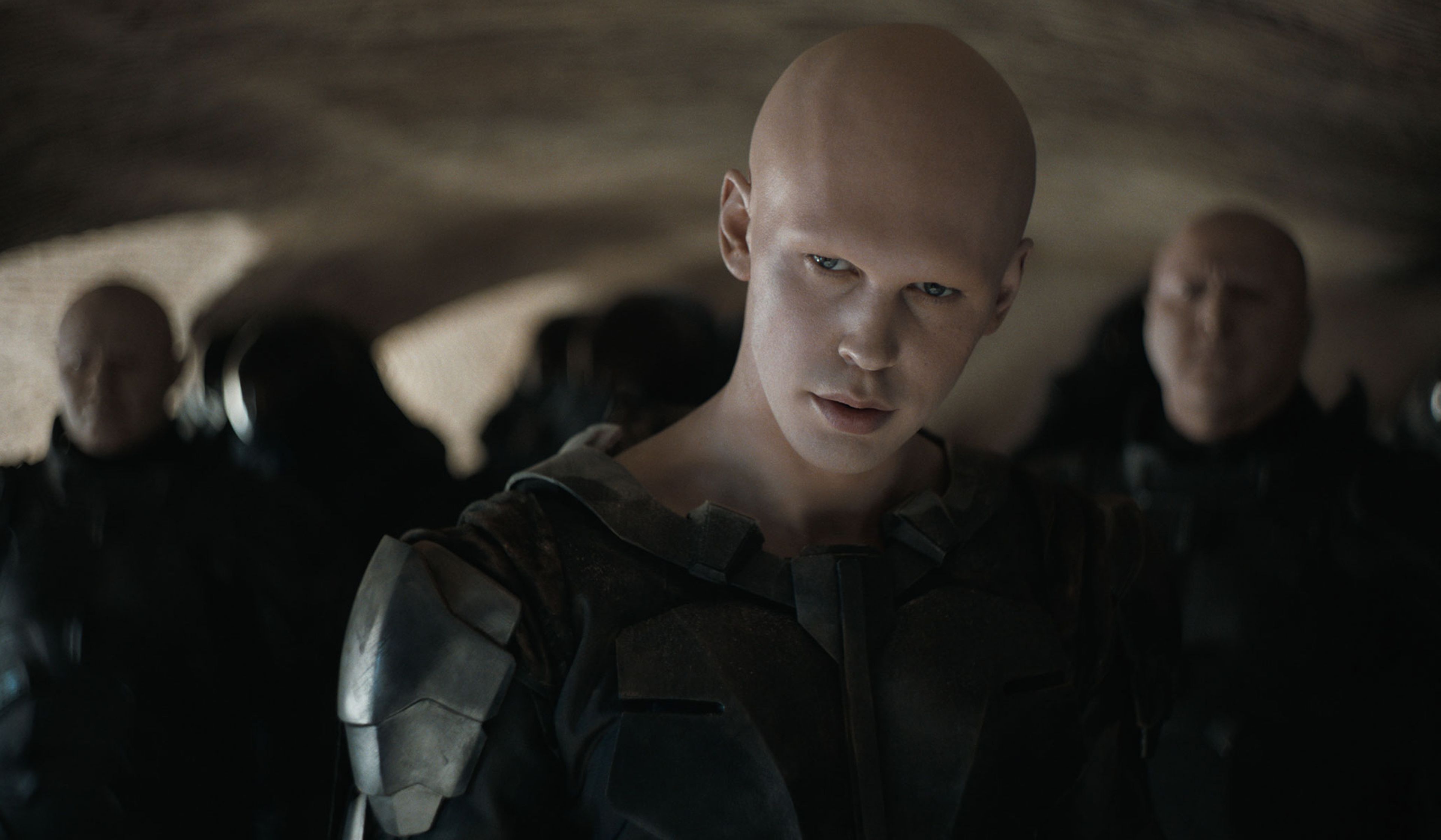
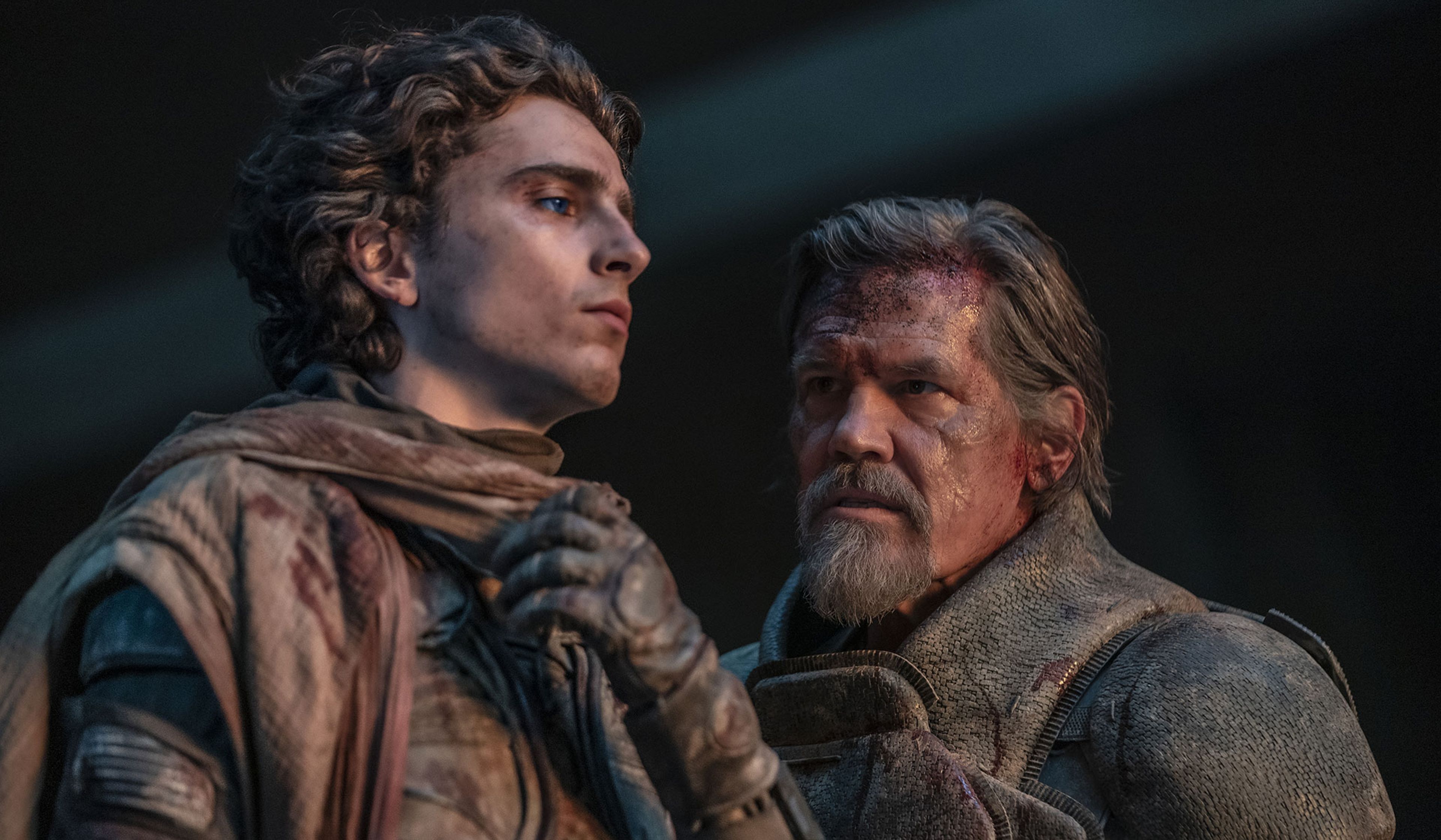
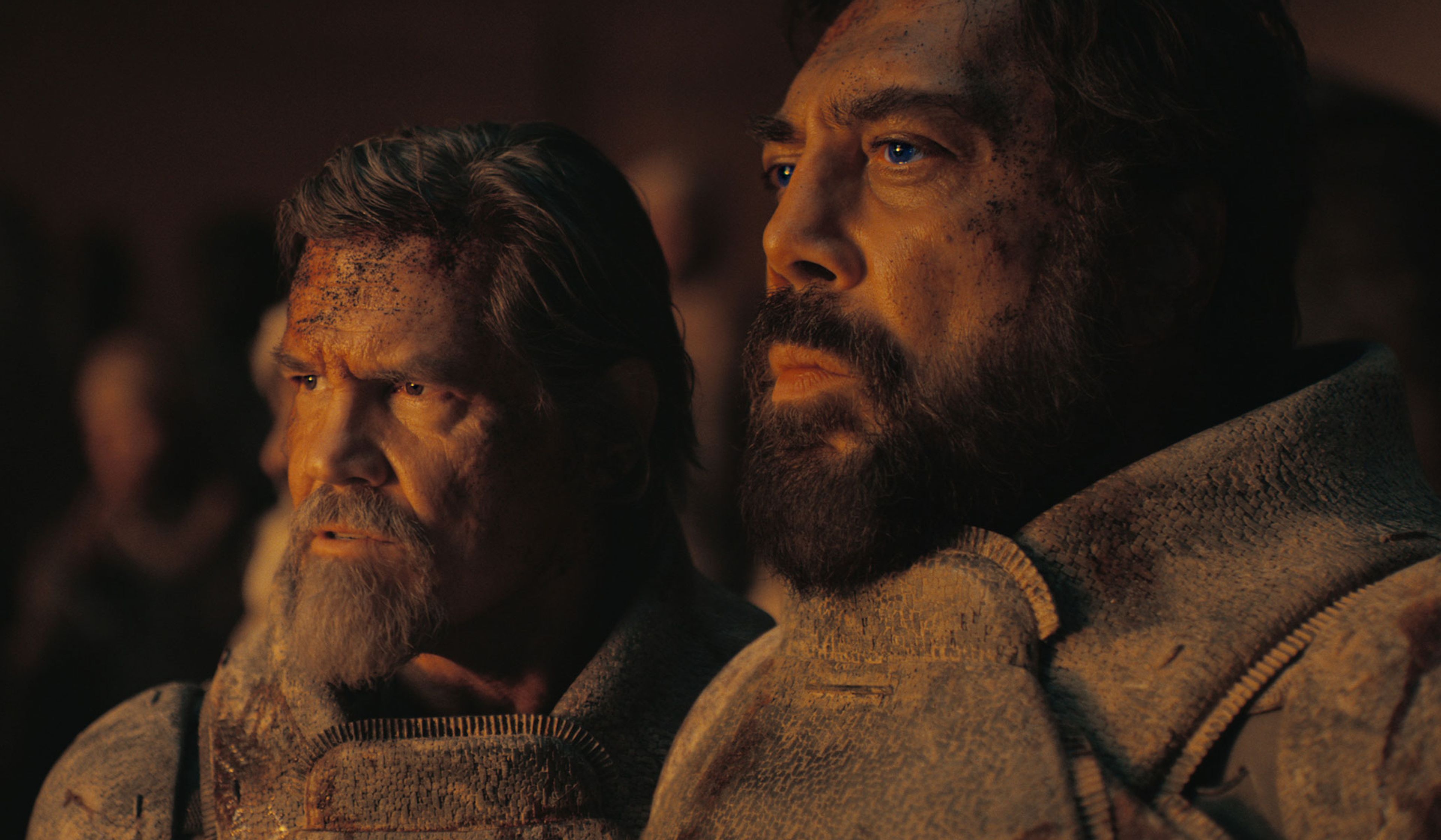
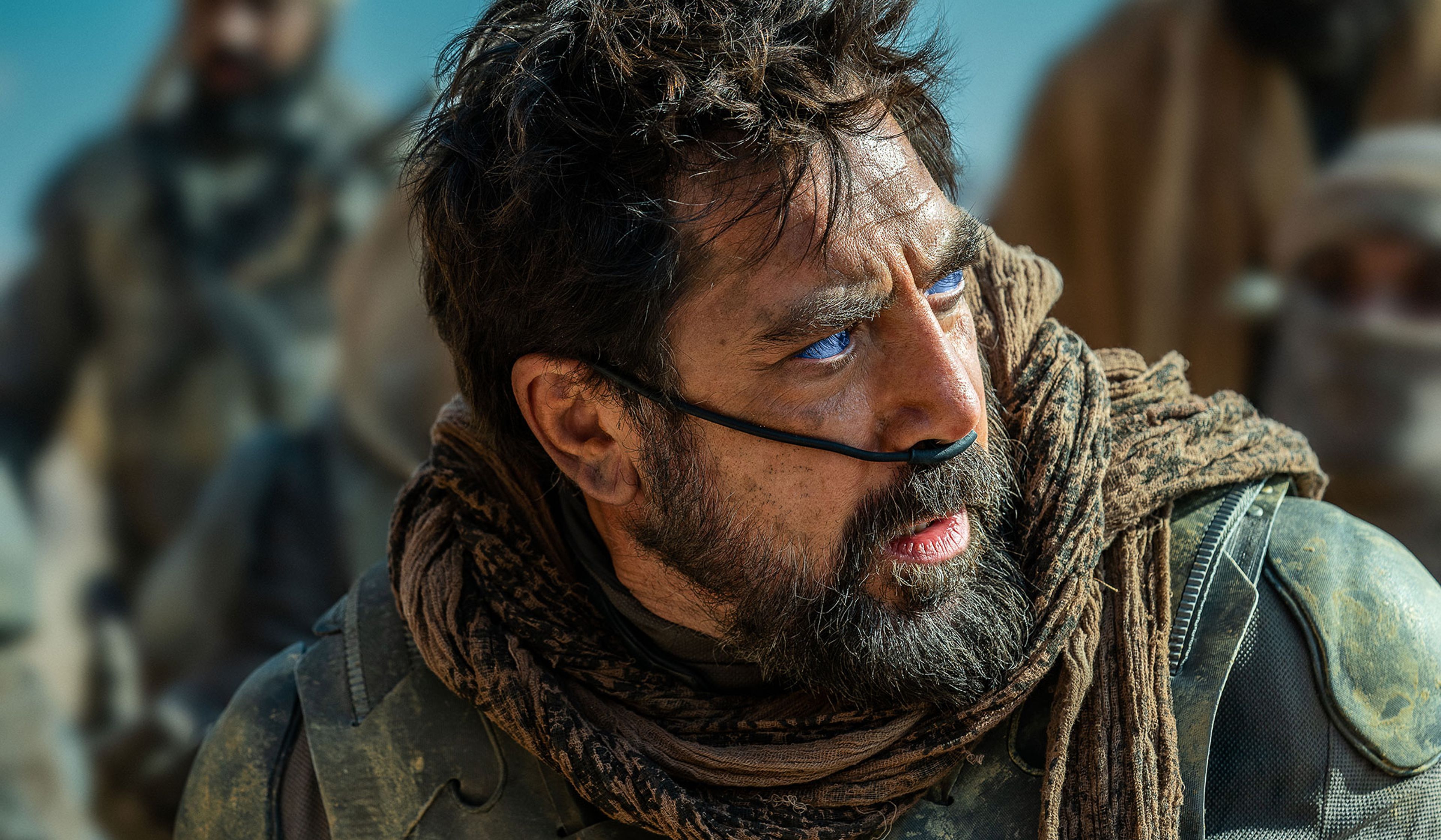
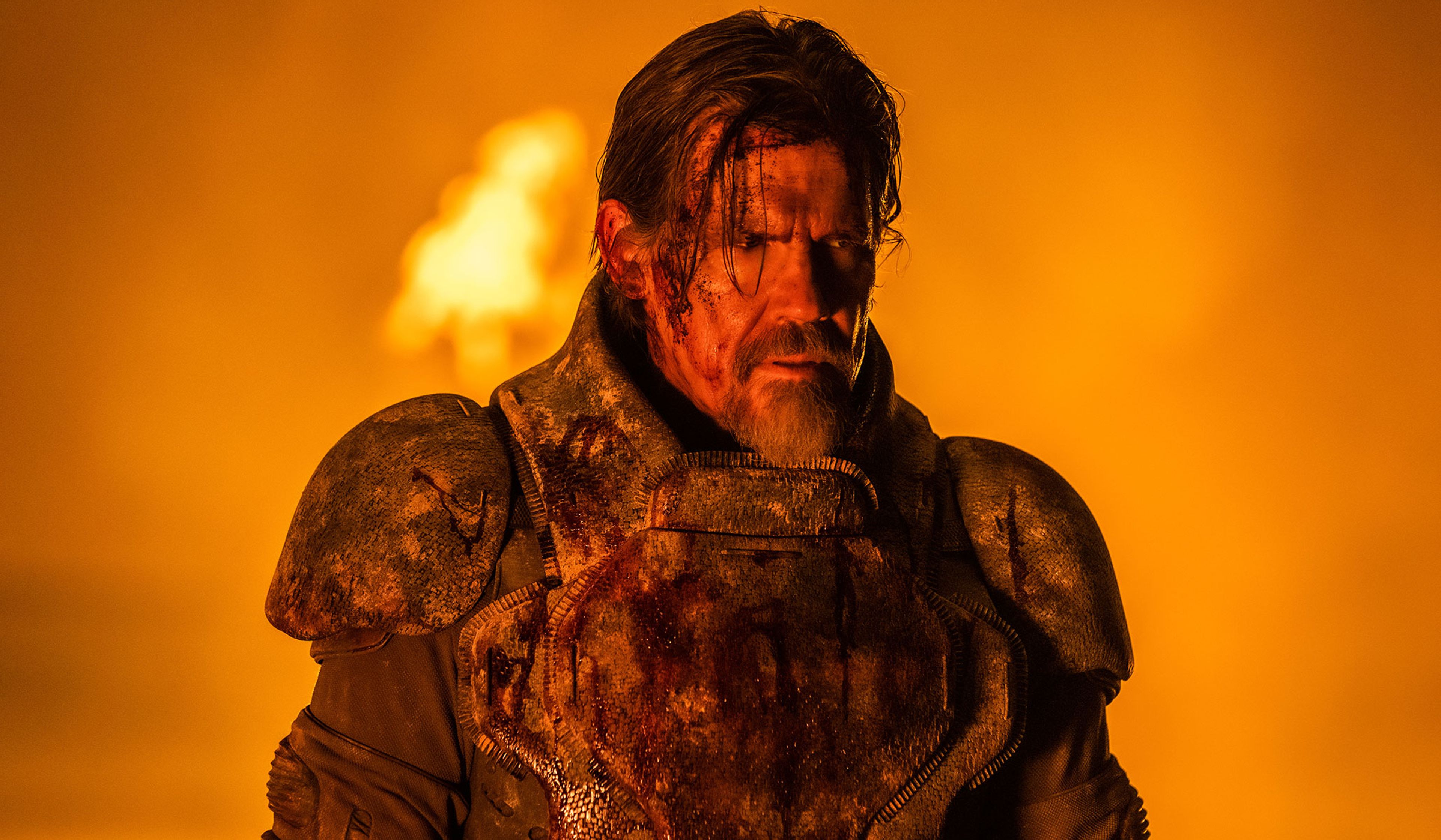
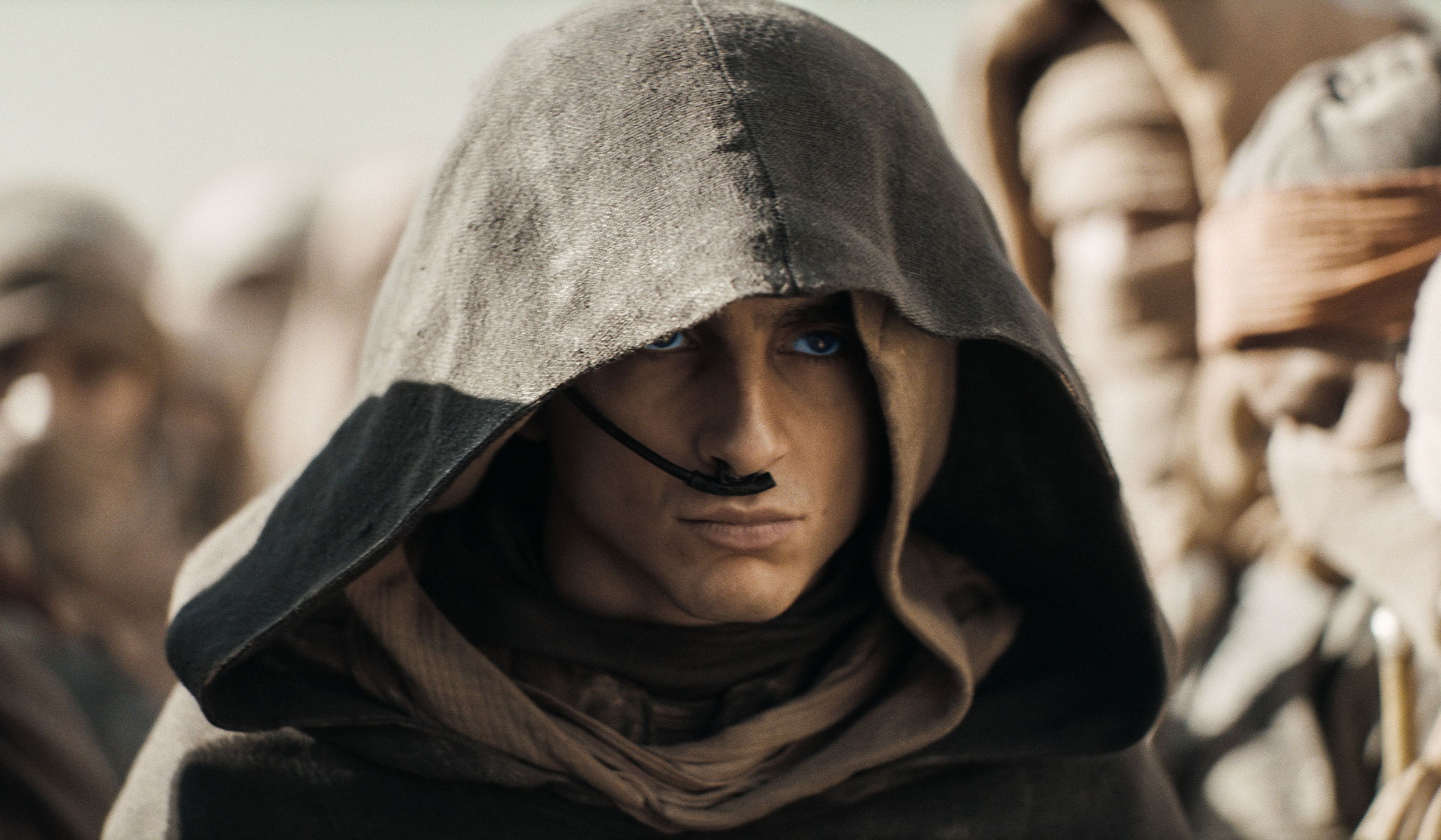
Timothée Chalamet in Dune: Part Two
Warner Bros. Pictures
For all this, Villeneuve is being rewarded with boffo box office and the thanks of both cinephiles and Dune-iacs, and I share both kinds of gratitude. But he has something else in common with Jackson: Although his version of Dune is more straightforward in depicting greatness than most contemporary efforts, he’s still altered his source material to suit certain present-day preconceptions, to telegraph a kind of liberal skepticism more explicitly than the book does.
In Jackson’s case, the key alterations were designed to introduce more conflict, doubt, and temptation within a few of Tolkien’s more heroic characters. The effect was to modernize the story, to make its characters match a 20th-century idea of character and personality, and especially the modern assumption that you can only trust a king who comes to his crown reluctantly and with trepidation.
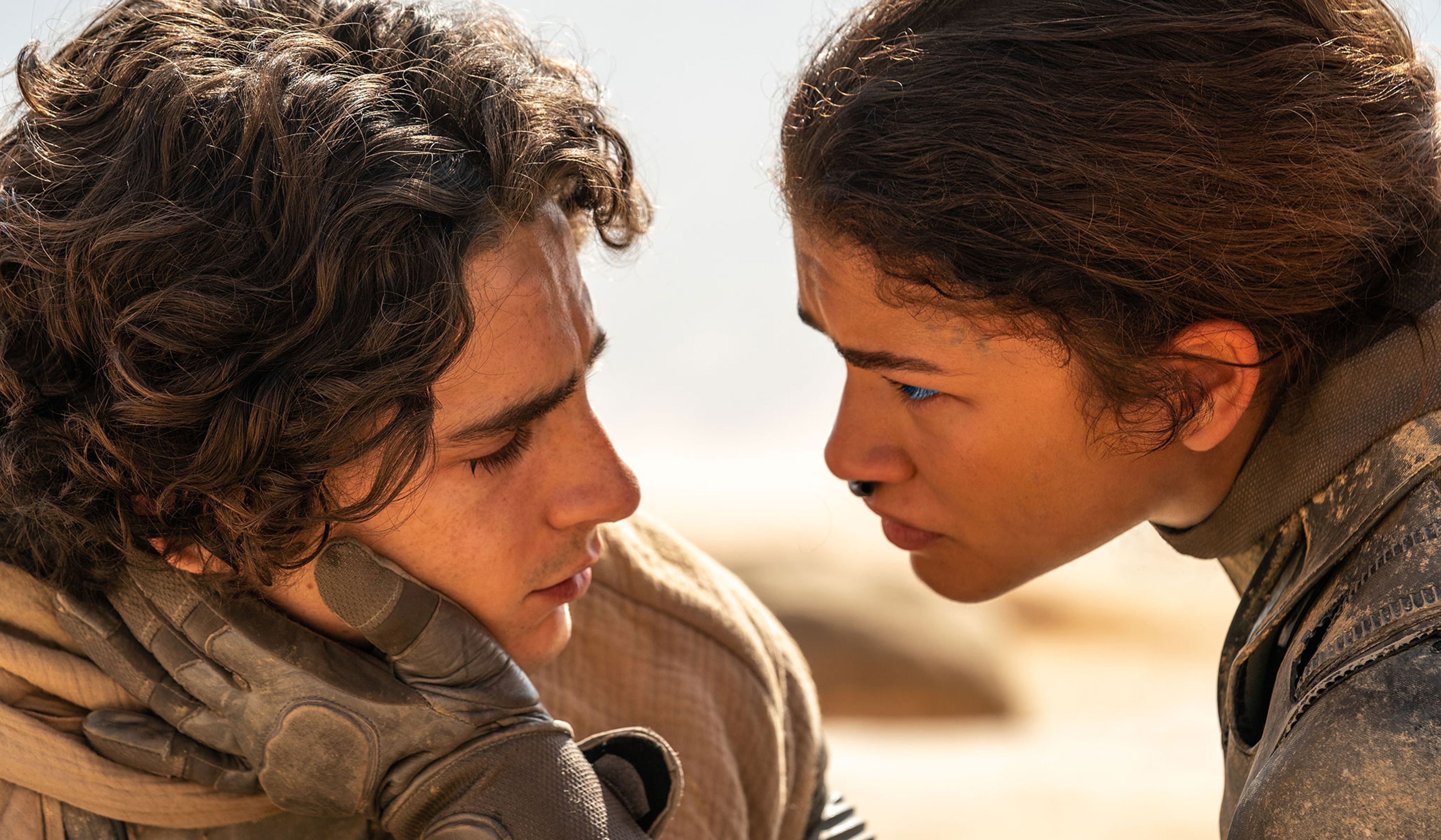
Villeneuve does some of that with Paul’s character, amping up the desire to be something other than the man of destiny. But his bigger change is to transform Chani (Zendaya), Paul’s Fremen lover, into a kind of surrogate for audience anxieties about rooting for an aristocratic savior figure and a religious crusade. The other Fremen may be religious fundamentalists ripe for manipulation, but she’s a strong feminist secular nationalist who’s always ready to cut Paul down to size, who thinks that a native movement should have a native leader, who gets angrier and angrier the more power he accrues.
The intent is to undermine the straightforward hero’s journey — which is not a betrayal of the book, exactly, since Dune author Frank Herbert also clearly wanted to complicate a simplistically heroic reading of his messianic tale. But it’s a cruder version of what the novel did more subtly, and it ends up rebounding and undermining its own intent. The Harkonnen bad guys are so bad, Paul’s fulfillment of the messianic prophecies so striking, that Chani ends up seeming truculent and out of touch, as though she’s wandered in from a different world and story, or from one of the 2023 movies that didn’t get the nature of greatness and heroism at all.
There is no alternative is the message, finally, of the movie’s story, no matter how much Villeneuve wants to row against it. Which of course is always the great man’s justification, sometimes covering necessary transformations and sometimes a multitude of sins.












Comments