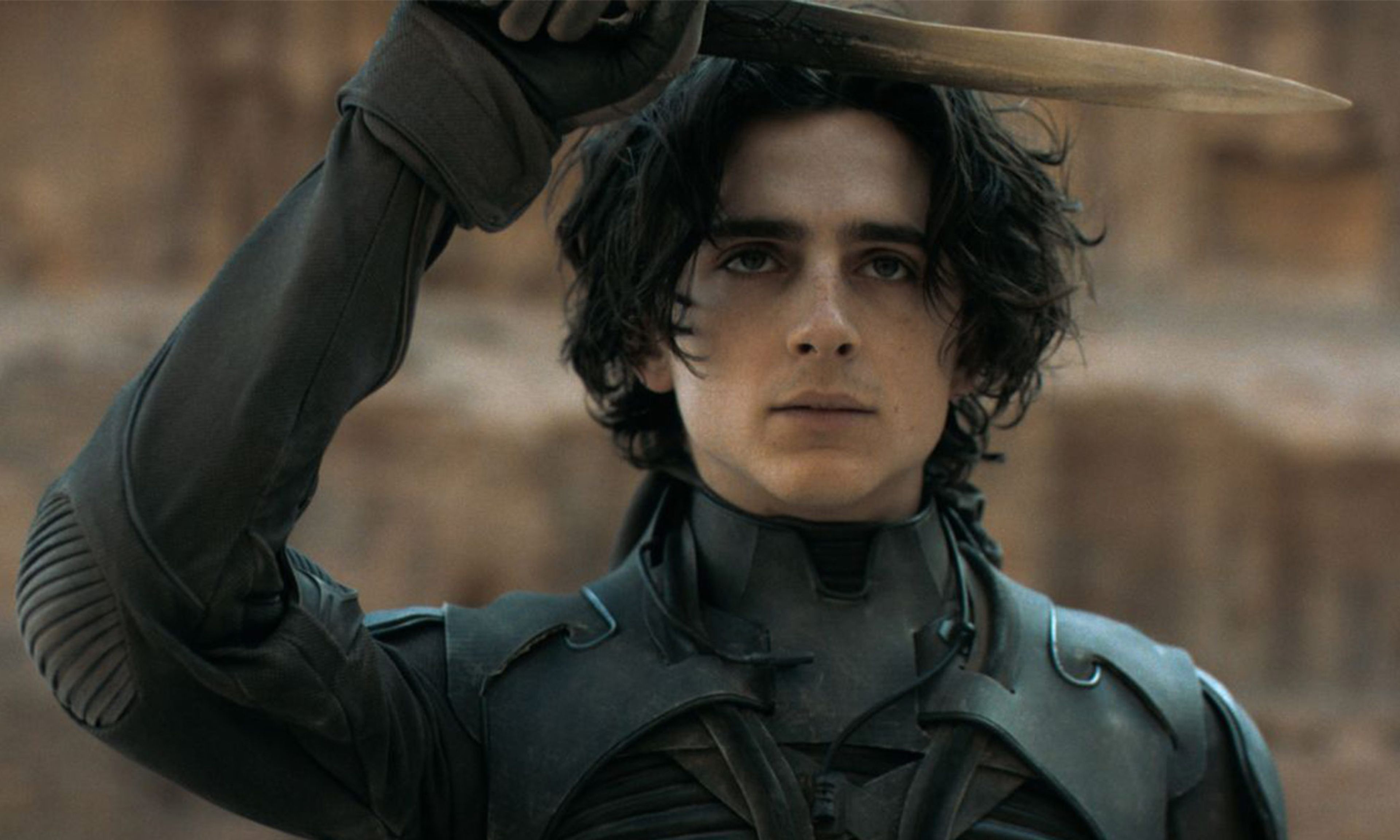
For Denis Villeneuve’s Dune it is necessary to offer two reviews. The first is for normal moviegoers, the sort who are interested in epic science fiction without being committed Duniacs. What those normies need to know is that the new movie is a visual and aural triumph, a worthy exemplar of the space-opera sublime, with a plot stripped down and straightforward enough that you won’t get lost in the tangles of its universe, a few terrific performances, and a cast that generally looks really good against its epic desert backdrops.
Writing last issue without having seen the movie yet, I compared Villeneuve’s making Dune to Peter Jackson’s taking on The Fellowship of the Ring — another talented director adapting an allegedly unfilmable genre classic. And the movie mostly vindicates that analogy: Like Jackson’s Lord of the Rings opener, Dune — which is actually Dune: Part One, with at least one more installment to come — is faithful to the source material’s plot, accessible to the newcomer, and beautiful in the exotic images it draws out of Frank Herbert’s text.
With that said, the uninitiated filmgoer may still be slightly confused by events here and there in Villeneuve’s story, so here’s the Dune prep that the normal person needs.
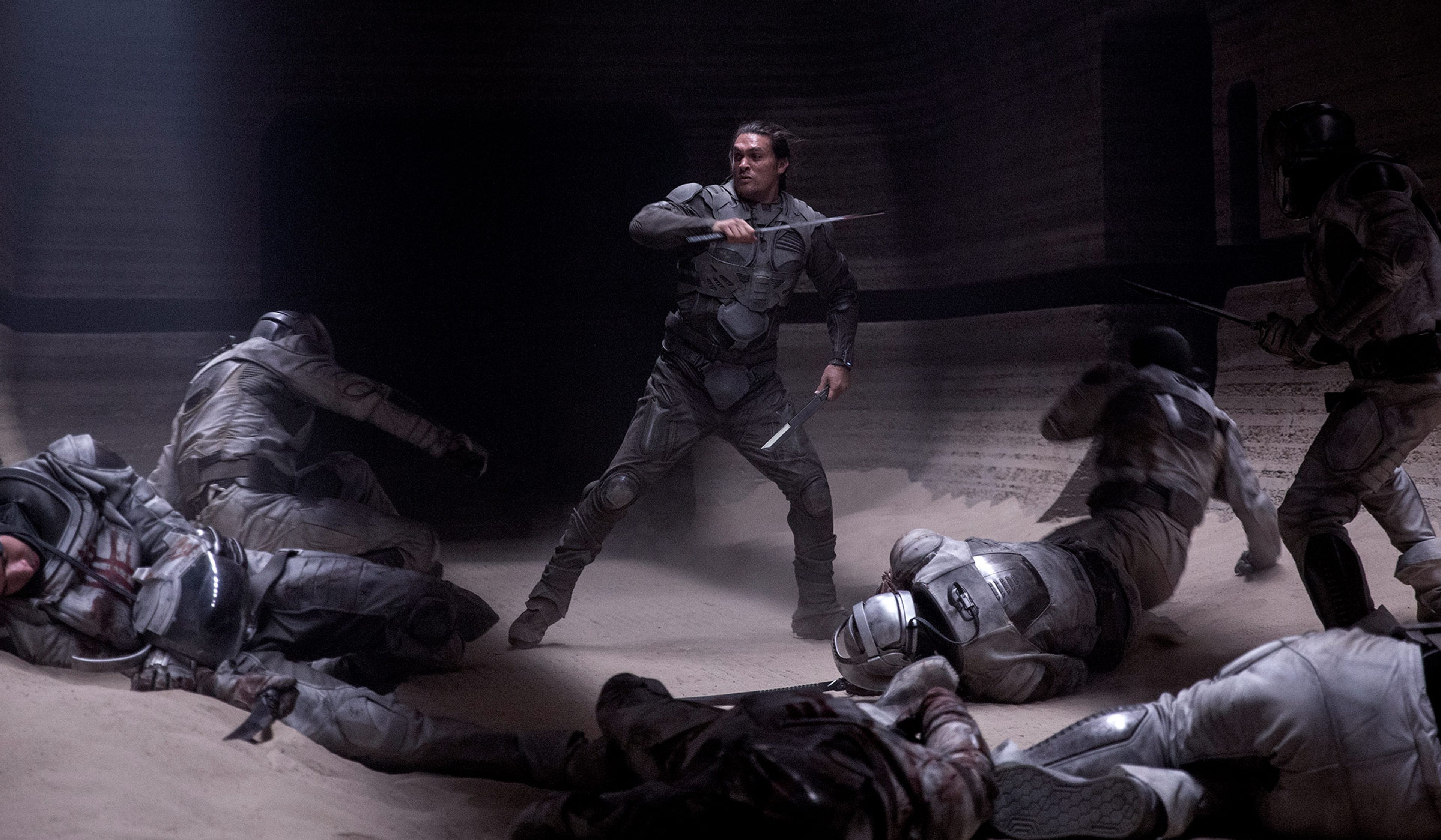
Far, far in the future, humans have become a galaxy-spanning species without the aid of computers, having avoided the AI dystopia by toppling digital intelligence in a revolt known as the Butlerian Jihad. (This is the one crucial detail that the otherwise helpfully explanatory script leaves out.) So in place of iPhones and Wikipedia the galactic imperium has Mentats, human beings trained in extraordinary computational feats. In place of the expected phasers it has swords, because shield technology has outpaced offensive weaponry, so that the only way to kill another man is with a blade that moves slowly through his energy-field defense.
And most important, in place of virtual reality the imperium has a mind-expanding substance called “spice,” which enables (among other things) the feats of navigation involved in faster-than-light travel, and which is found on just one planet: Arrakis — “Dune,” the desert world.
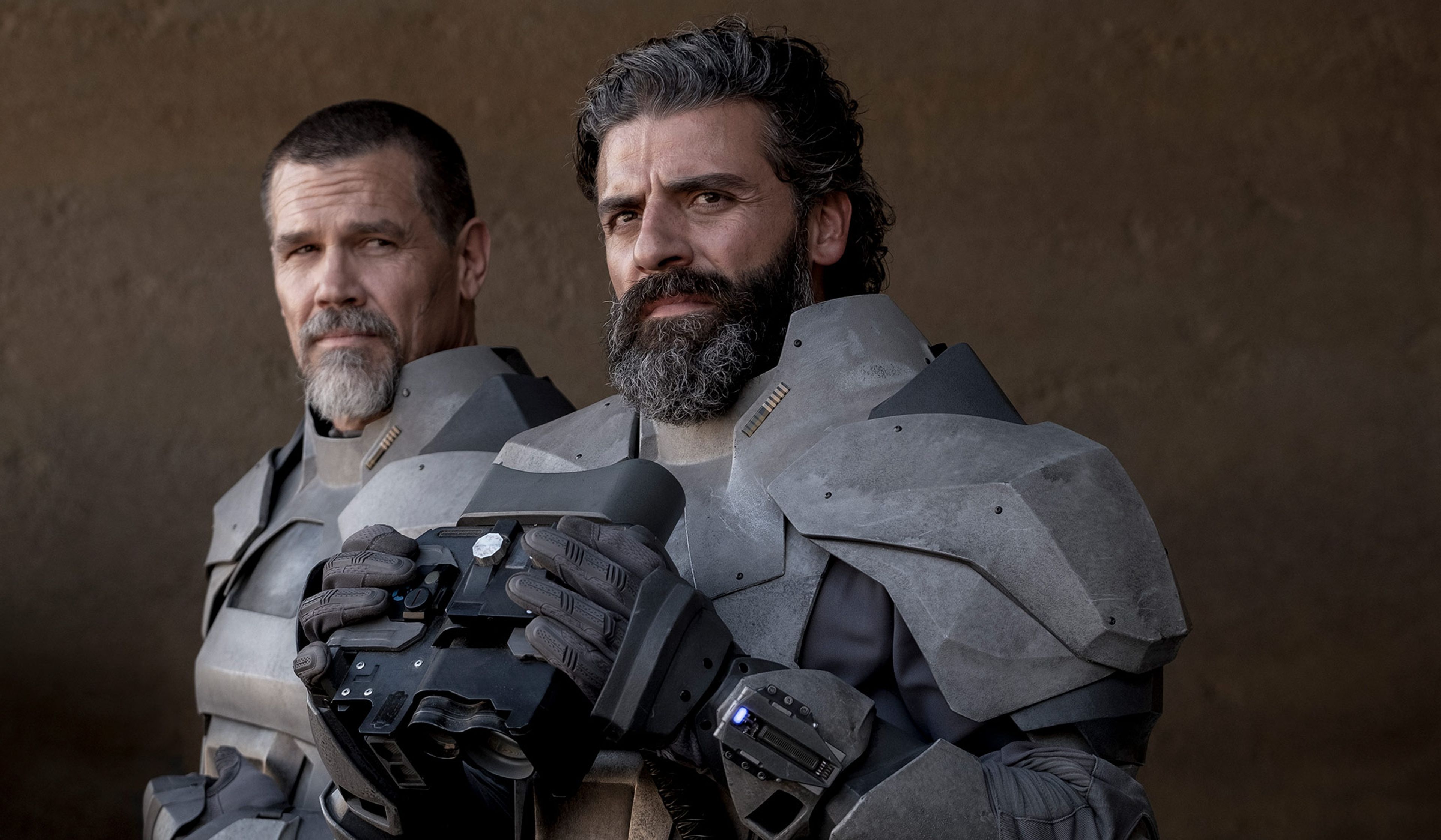
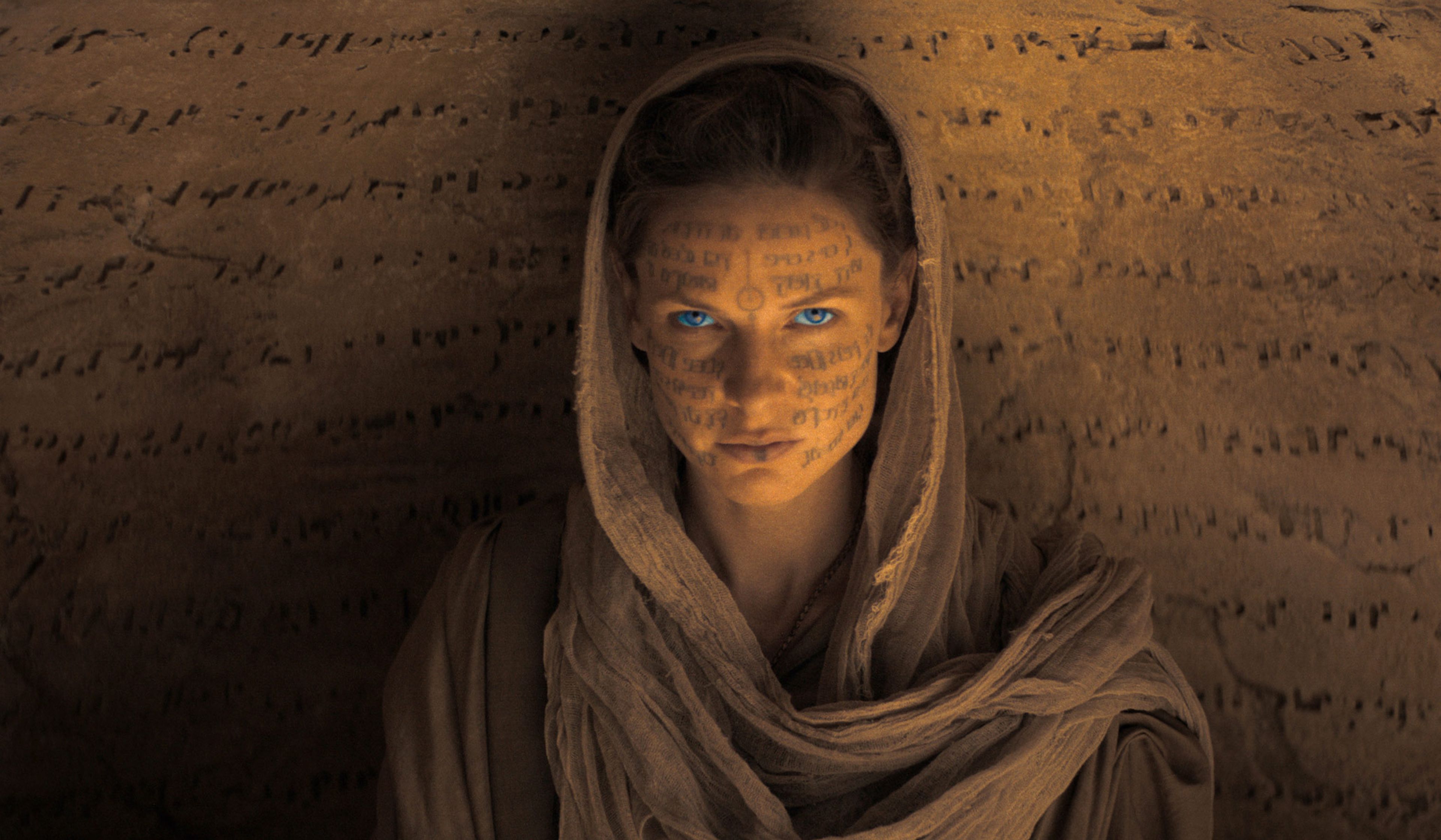
In the years before our story starts, Arrakis and its spice production have been in the hands of House Harkonnen and its ruthless, morbidly obese baron (Stellan Skarsgård, drowned in fat). But now the planet has been given as a gift by the galactic emperor to the Harkonnens’ mortal enemies, House Atreides, who are led by the admirable Duke Leto (Oscar Isaac). His son Paul (Timothée Chalamet) is our protagonist; his mother, Lady Jessica (a terrific Rebecca Ferguson), is a concubine from the Bene Gesserit order, which is basically a group of eugenicist space nuns who hope to breed some sort of all-knowing messiah to save the decadent imperium and the stagnating human race.
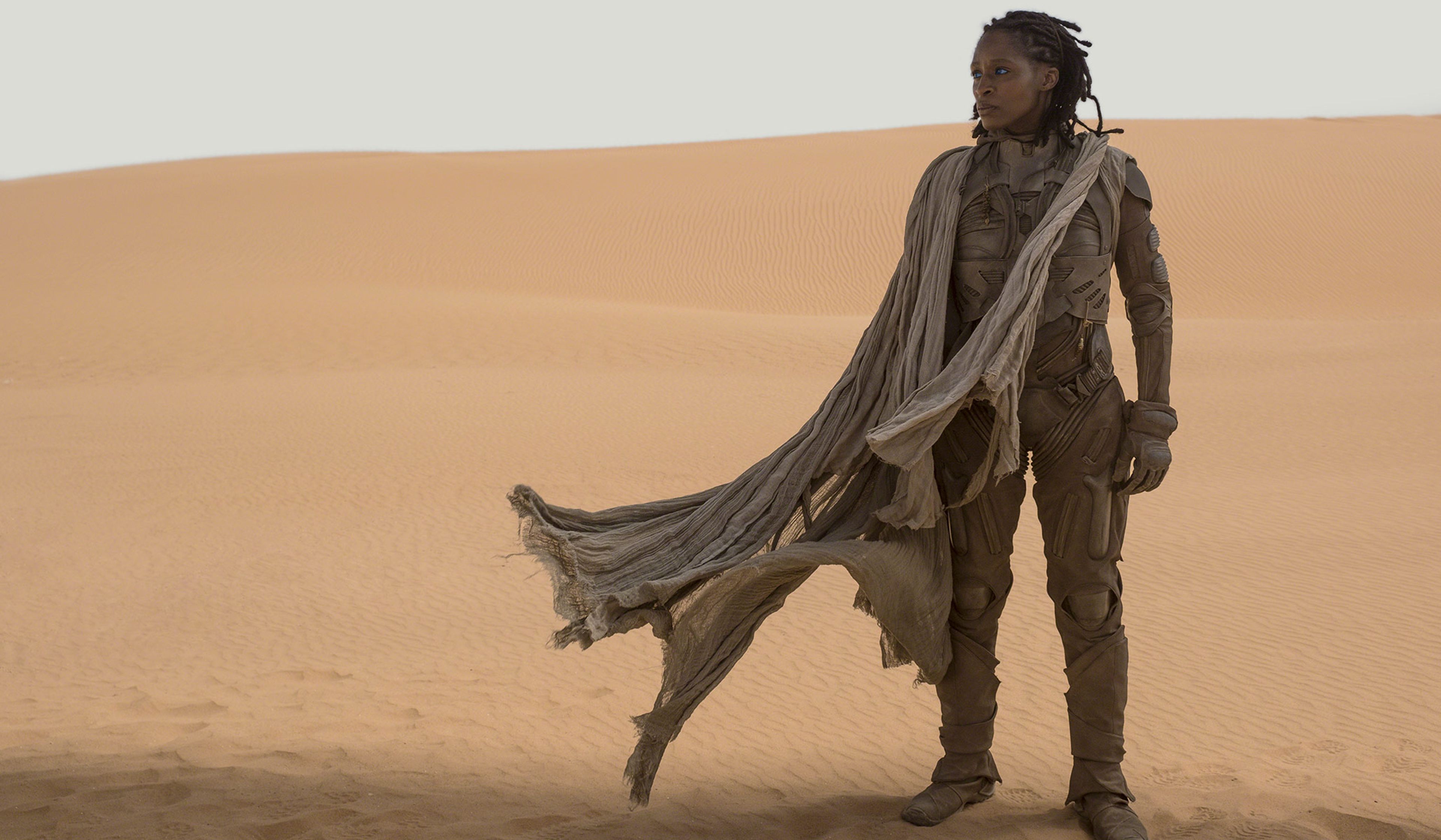
Meanwhile on Arrakis, the native population, the desert-dwelling Fremen, are also awaiting their version of the messiah, and Paul is clearly a candidate for that role. But he’s also a candidate for sudden death, because Arrakis is a trap, the gift a poisoned chalice offered by an emperor who fears Duke Leto’s influence — and soon enough the Harkonnens are closing in.
There’s much more to say — I haven’t mentioned the giant sandworms — but for the purposes of following the plot, that should serve. Go forth, be awed, enjoy.
Now for the nerds’ review. If you already love Dune, if you know the book intimately, you will find the movie extremely impressive and also somewhat disappointing. What Villeneuve has created is a sumptuous visualization of a much simpler story than the novel tells, one that nails the physicality of Herbert’s world — the sublime spacecraft, the vast desert, the zooming ornithopters — at the expense of fully capturing his cultures and his characters.
The dialogue in the novel, for instance, is sometimes clunky but always detailed, specific, dense with referents (siridar baron, CHOAM Corporation, the Orange Catholic Bible) in a way that makes the world-building effective; meanwhile the book’s overlapping inner monologues successfully convey the complexity of both religion and politics in this universe, and especially the claustrophobia of a world ruled by aristocratic vendettas.
The dialogue in the movie is clunky in a different and less successful way, doing the necessary work of plot-advancement without giving us deeper insight into either the supporting characters or their complex world.
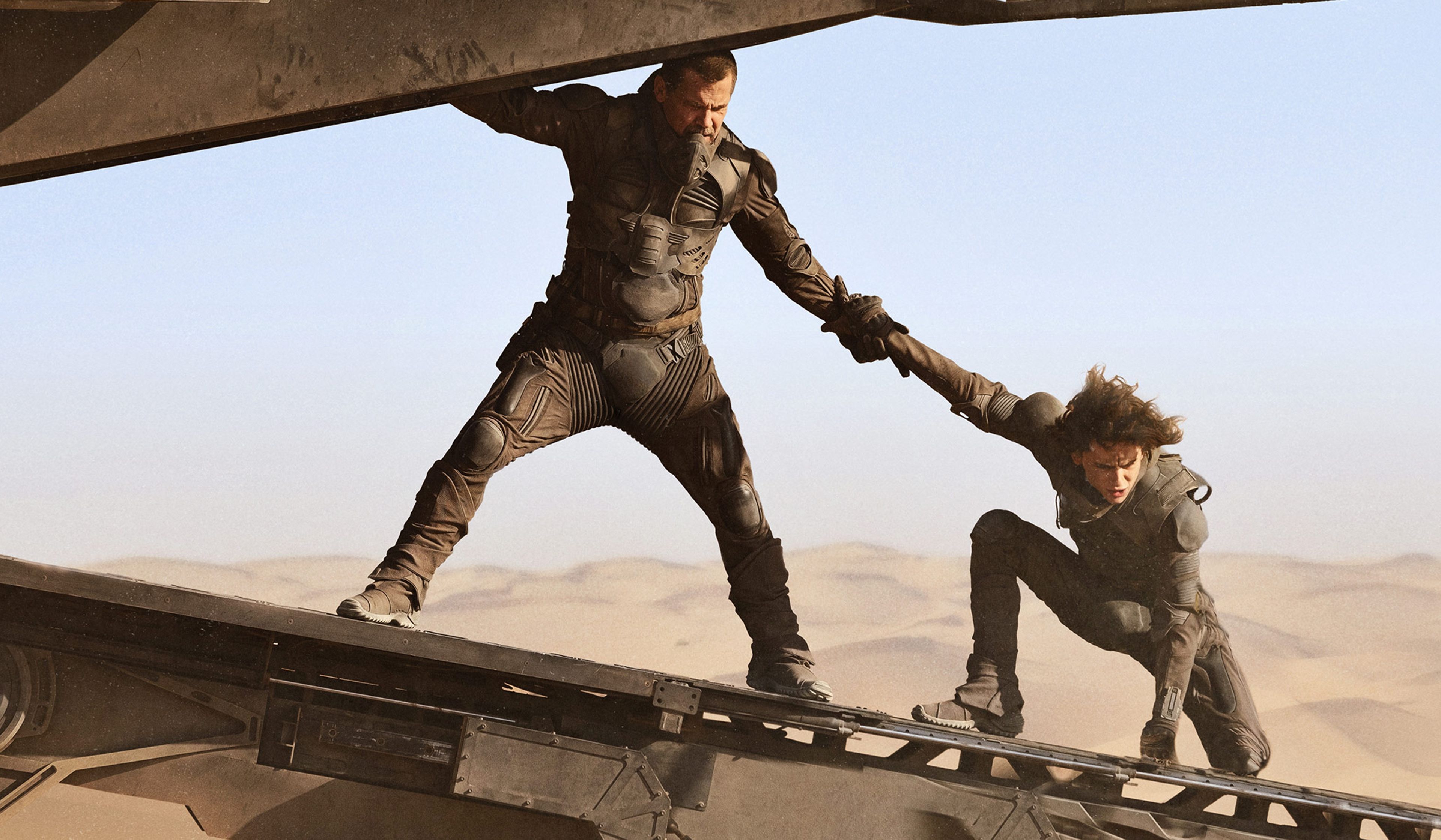
Instead of that density, Villeneuve’s adaptation gives us more of its main character and tries to make him more relatable. In the book, Paul is always a messiah in the making, mildly inhuman from the start, but here he has more reluctance and self-doubt and teenage angst. Chalamet is better in the role than I expected, but that’s partially because the part is changed to play to his emo qualities, and there’s still too much of him and not enough of everybody else: Trading a few of his tedious prophetic dreams for even a few more minutes with the better actors playing Atreides-family retainers — Josh Brolin as the soldier Gurney Halleck, or Stephen McKinley Henderson as the Mentat Thufir Hawat — would have done the movie good.
Maybe those scenes exist on the cutting-room floor, and here the Lord of the Rings analogy is relevant again. The Peter Jackson movies were generally improved in their extended editions, and I can easily imagine that being true of Dune as well. With just a few more well-chosen sequences, 15 or 20 minutes of running time, Villeneuve’s story could do much more justice to its world and characters and achieve the narrative fullness that eludes its primarily visual accomplishment.
I hope that version of this movie exists. For now, though, the nerds will have to settle for something that’s impressive, even remarkable, but not quite all it could have been.
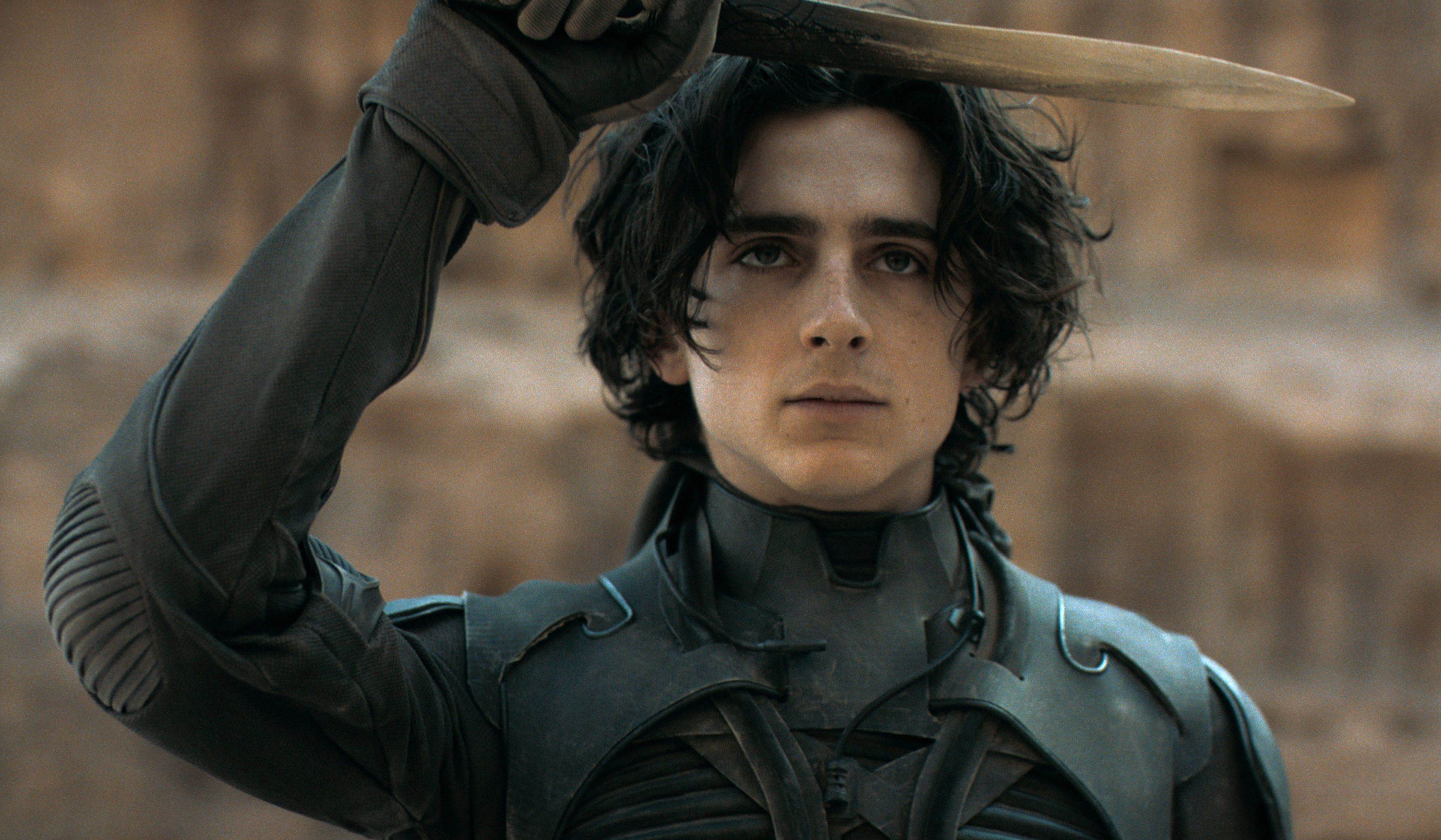
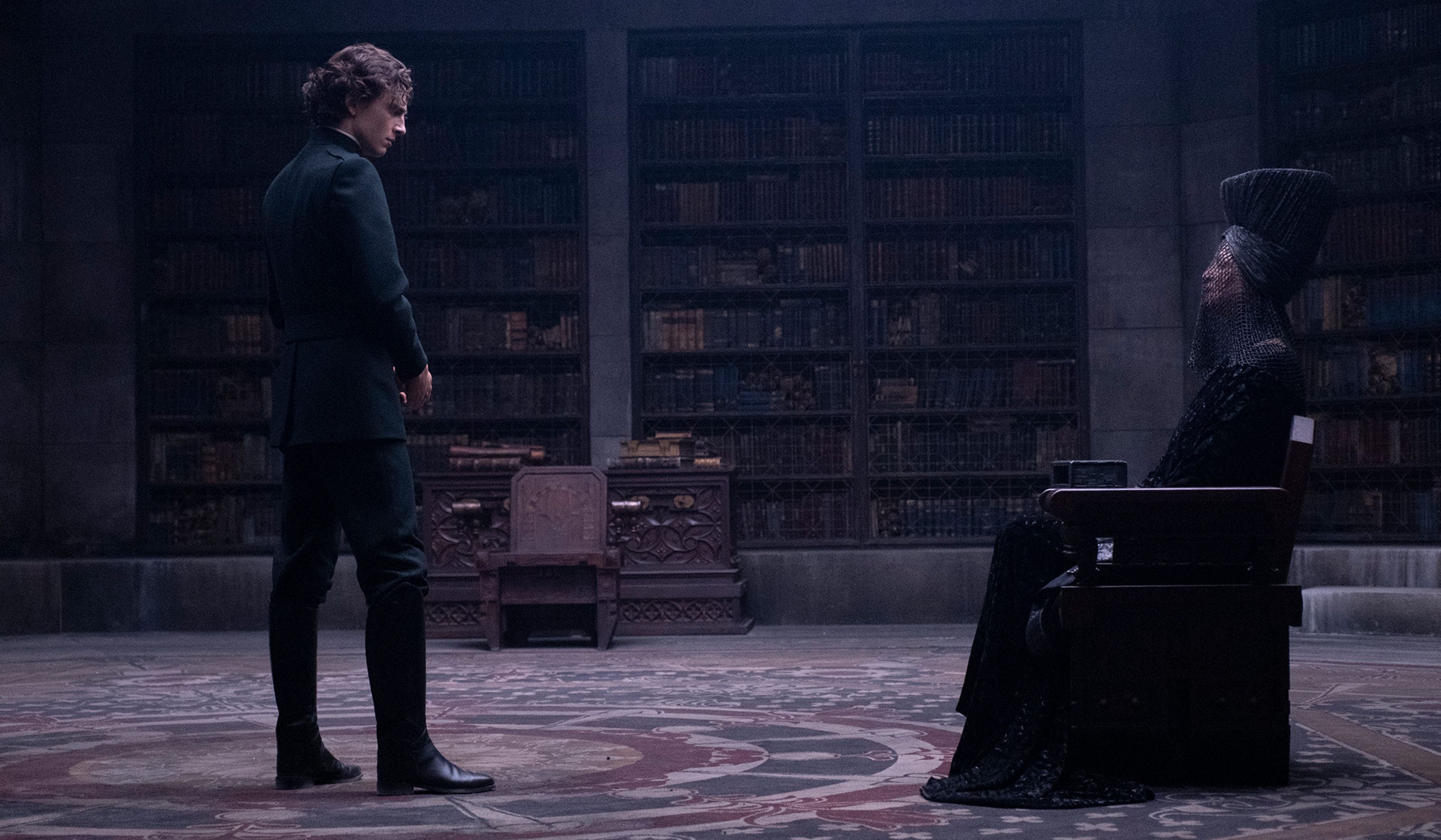
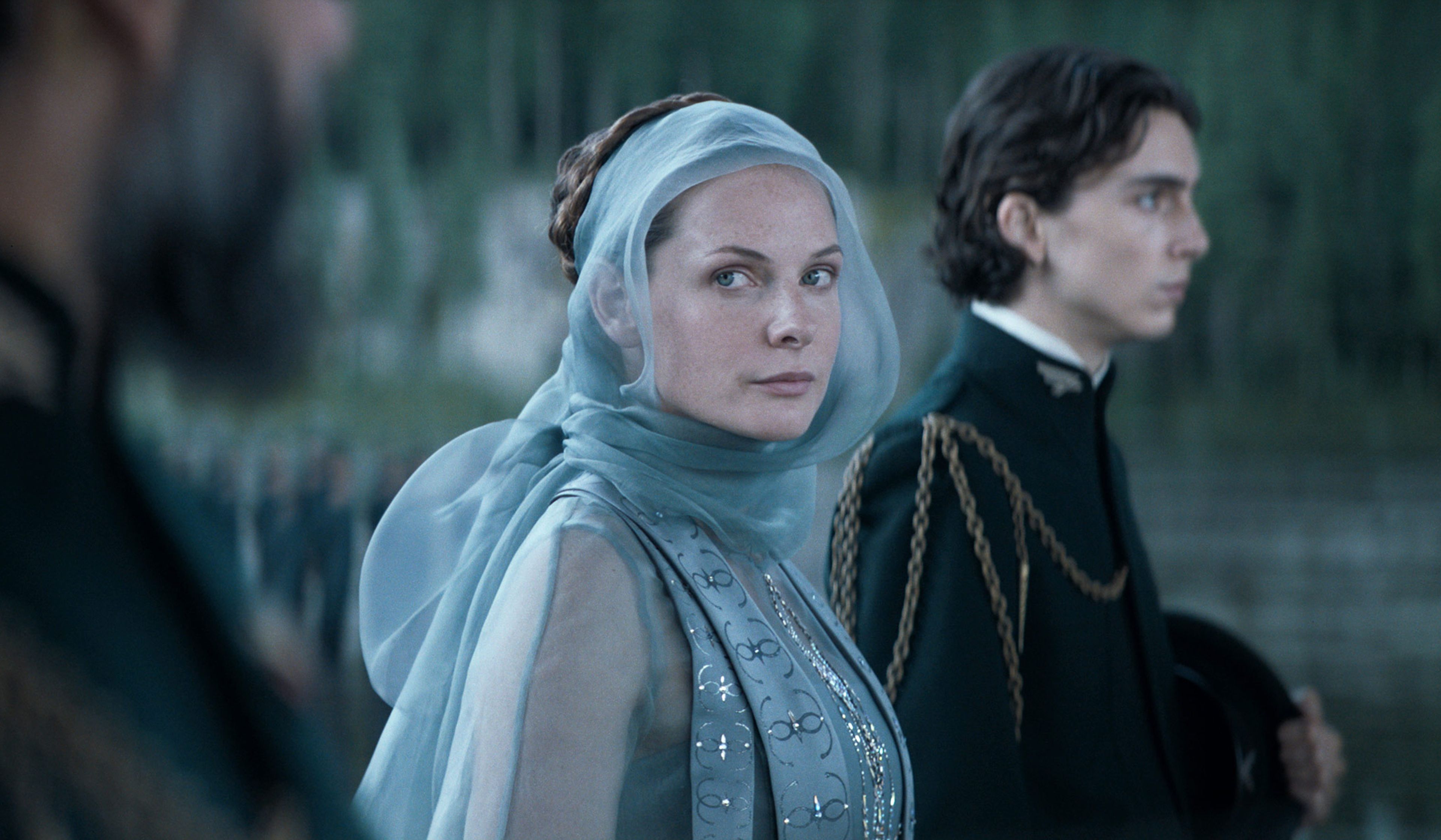
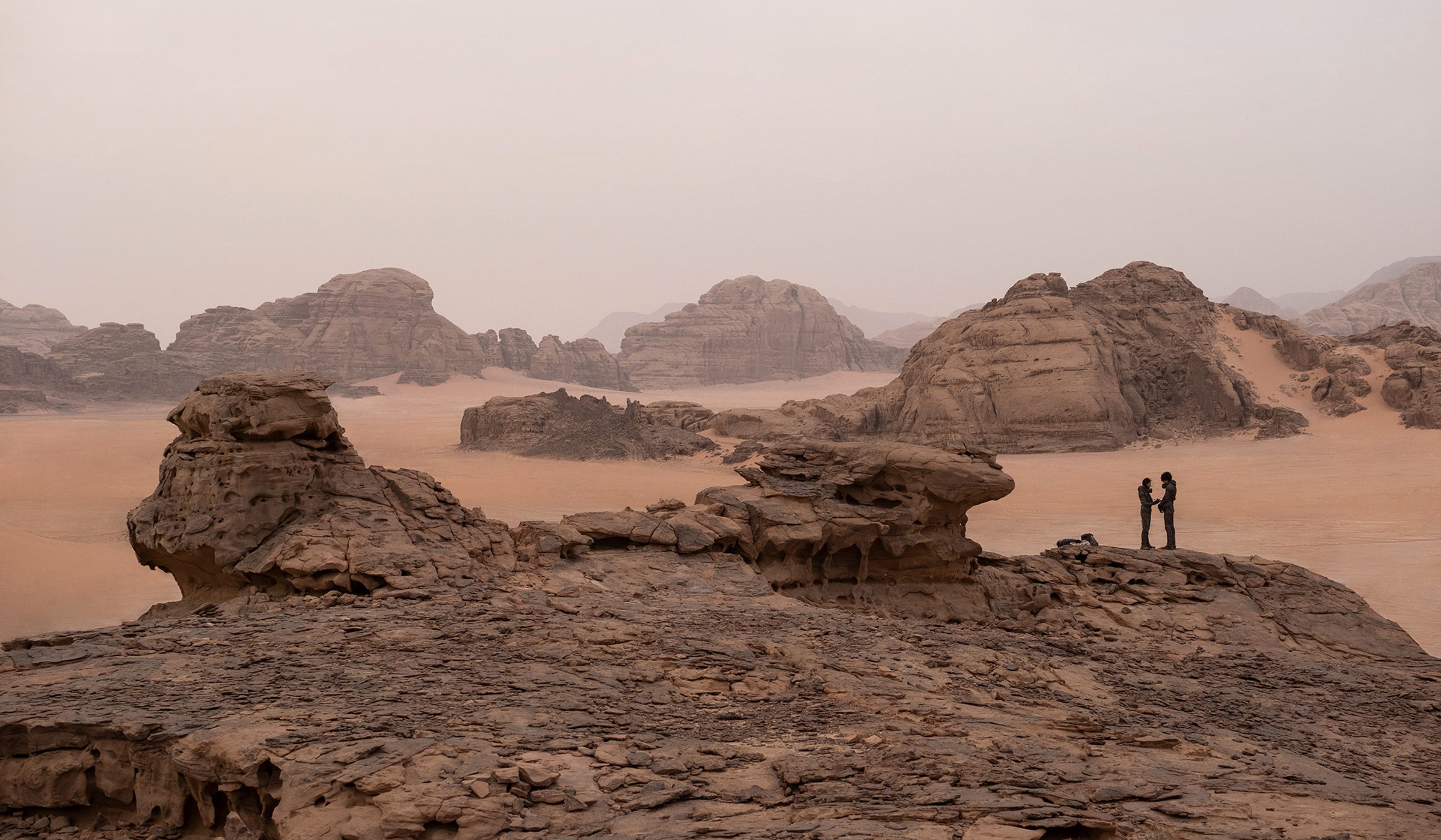
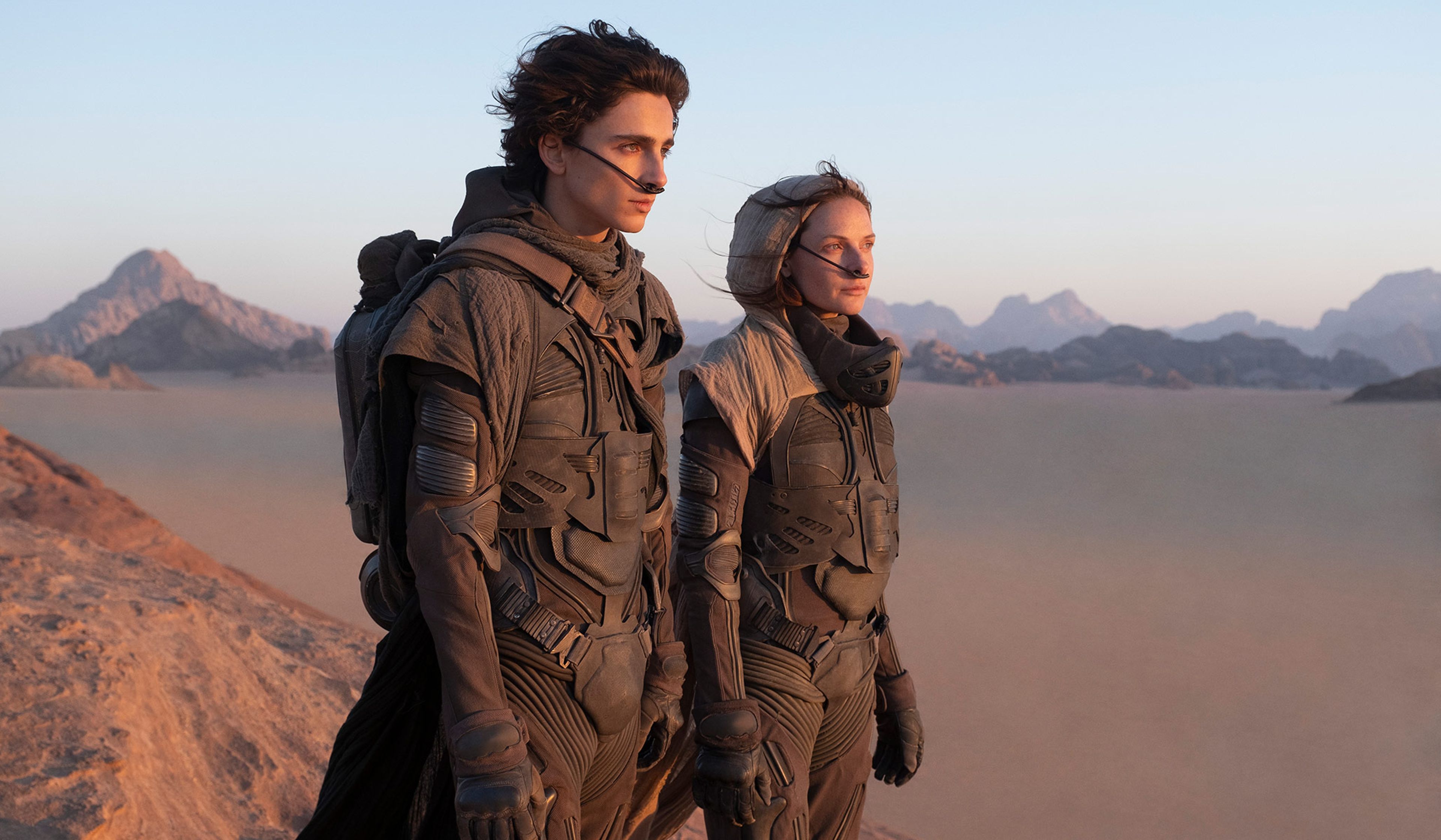
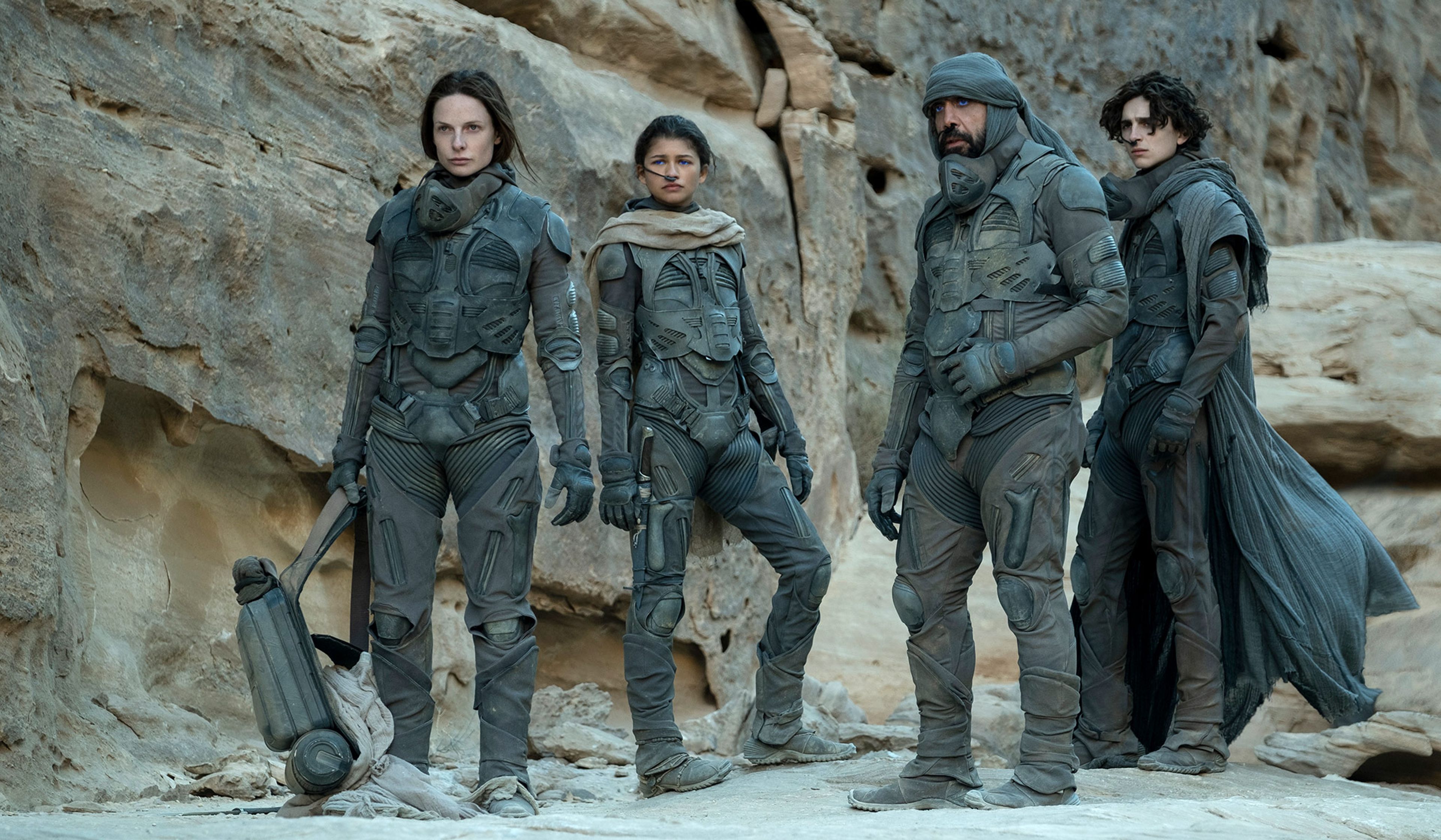
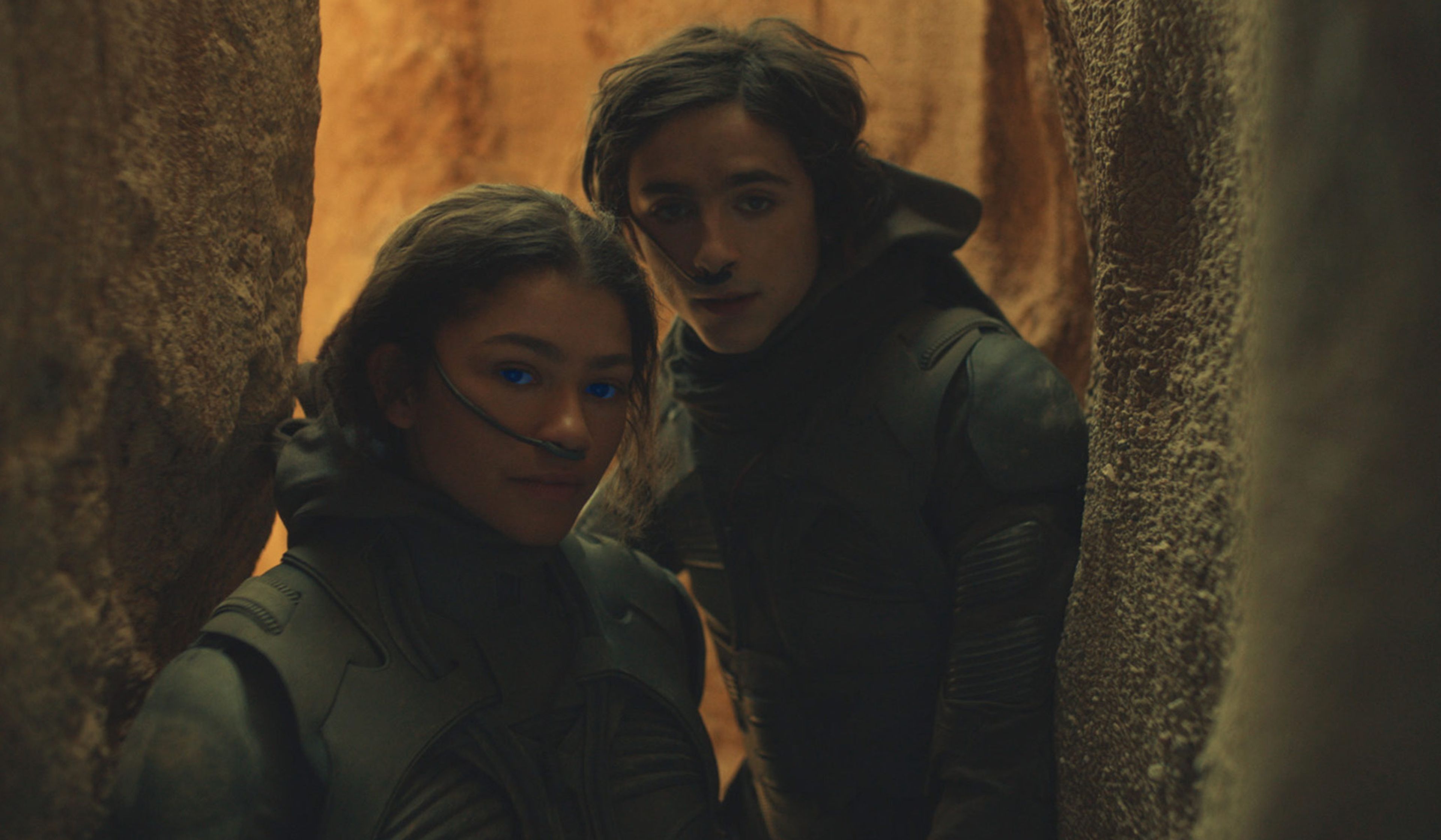
Timothée Chalamet in Dune.
Warner Bros. Pictures/Legendary Pictures












Comments