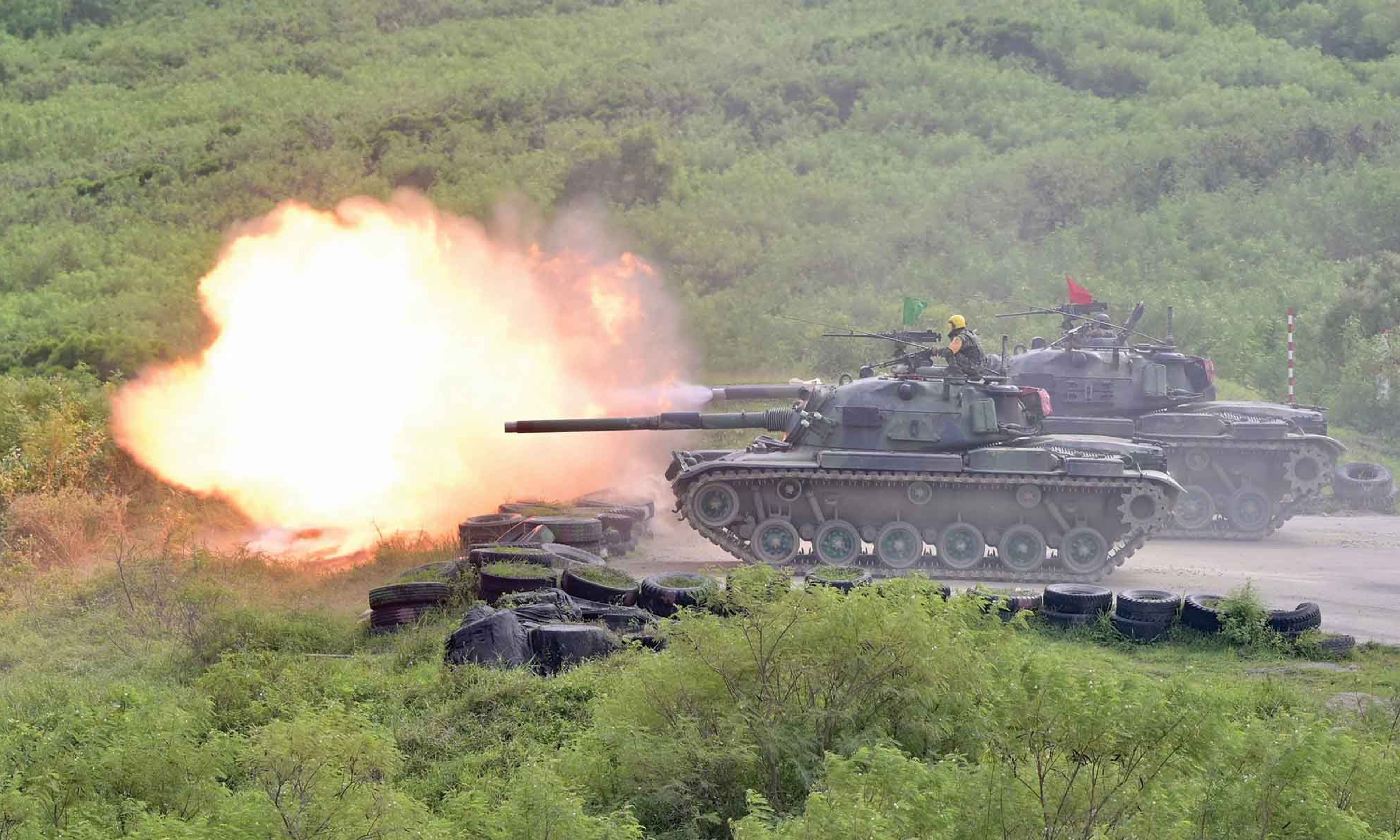
Taipei and Kaohsiung, Taiwan
Joseph Wu, Taiwan’s gregarious foreign minister, has a diplomat’s sensibility. Speaking to our international group of 19 journalists in late September, he addresses each question head-on yet warmly and delicately, in impeccable English.
We’re arrayed around a U-shaped table, somewhere in the depths of the foreign ministry, everyone seated in futuristic-looking white-leather chairs that would not be out of place in a spaceship’s control room. Wu is about three minutes into an explanation of how Ukraine has held on so long — a question that, for obvious reasons, preoccupies the government here. In addition to the international support Kyiv has received, he says, the Ukrainians have the “will to fight.” And so do the people of his own country, he stresses: “The will to fight here in Taiwan is higher than ever.”
Undoubtedly, that’s the message he needs to convey right now. Joe Biden vowed a few weeks ago, for the fourth time since the beginning of his presidency, that the United States would send Americans to defend Taiwan from a Chinese attack, but the White House later said that Washington’s ambiguous policy remains unchanged. Taipei does not take the president’s vows, or the prospect of international support, for granted. Wu tells us that his government understands that it must earn this support by demonstrating the will to fight. As he puts it: “If we are not willing to defend ourselves, we don’t have the right to ask any other countries to sacrifice themselves.”
But this sense of urgency does not seem to have permeated daily life in the country. In the ten days I spent in Taiwan — five of them as part of the Taiwanese-government-sponsored media delegation — I noticed a sharp contrast between the gloom of international media coverage of Taiwan and the mood on the street. Although recent polling suggests that most people do think that the mainland will attack, Taiwan does not resemble a garrison state preparing, at a whole-of-society level, to fight off a much larger invader. The (subsiding) war against Covid was still being waged, as evidenced by overhead fever cameras and hand-sanitizer stations, but the potential fight around the corner didn’t seem to be front of mind. I saw gaggles of schoolchildren flood the sidewalks of a shopping district in the high-tech powerhouse of Hsinchu, fleets of commuters on motorbikes swarm city streets at dusk, and families stroll around historic sites near the campus of Sun Yat-sen University, in Kaohsiung, a southern city that houses several important military bases. In the latter city, I did encounter some military recruiters who were taking advantage of a nearby exhibition, but it took some effort to find a civil-defense training course of the sort that has received widespread attention in foreign outlets.
“We don’t believe anything is going to happen,” Vicky Lu, a salesperson for a hotel, told me as she translated my conversation with one of her colleagues, Dennis Peng, an army reservist. “We both don’t.” Chinese threats are a form of psychological warfare waged for seven decades, they both believe, intended to drive down Taiwanese morale. Still, Peng said, he believes that most people would be ready, should the worst-case scenario materialize.
Nonetheless, official Taipei, as you can gather from Wu’s comments, is alarmed. Even before the invasion of Ukraine, the Taiwanese government — worried by the mainland’s drastically increased aerial sorties through Taiwan’s air-defense-identification zone and other “gray-zone” operations — initiated a series of new policies. An upcoming event on the political calendar, the most monumental Chinese Communist Party National Congress in decades, set to begin October 16, loomed large during meetings I attended in Taipei. That’s when Xi Jinping will further consolidate power by formally receiving another term as head of the party and, presumably, an implicit mandate to carry out his designs on Taiwan.
The Taiwanese government is in the middle of a massive effort to prepare for this potential calamity. The key question is whether it can execute system-wide reforms quickly enough to shore up its defenses in time. There’s some low-hanging fruit it can begin with. In recent years, accommodating the career-oriented bent of Taiwan’s younger generations and the widespread popularity of attending college, mandatory military service was gradually reduced to a paltry four months; this is expected to change soon as the Ministry of National Defense moves to lengthen that to a year or two.
As of this year, the military is also intensifying its training for reservists, which has a reputation for being undemanding. When we met in the eastern city of Yilan, Peng had just been called up for training for the fourth time this year, for a series of sessions far more intensive than the typical weeklong program. Whereas in the past reservists spent much of their time at office desks, he said, this time he walked 20 kilometers every day and practiced camping for the first time. “The reserve system, it needs change for that capability to be real and credible,” Enoch Wu, the founder of the nonprofit Forward Alliance, which recently began to offer emergency-response training courses, told me over coffee in Taipei. “Credible capability is important because your adversary needs to believe in your capability for it to have a deterrent effect.”
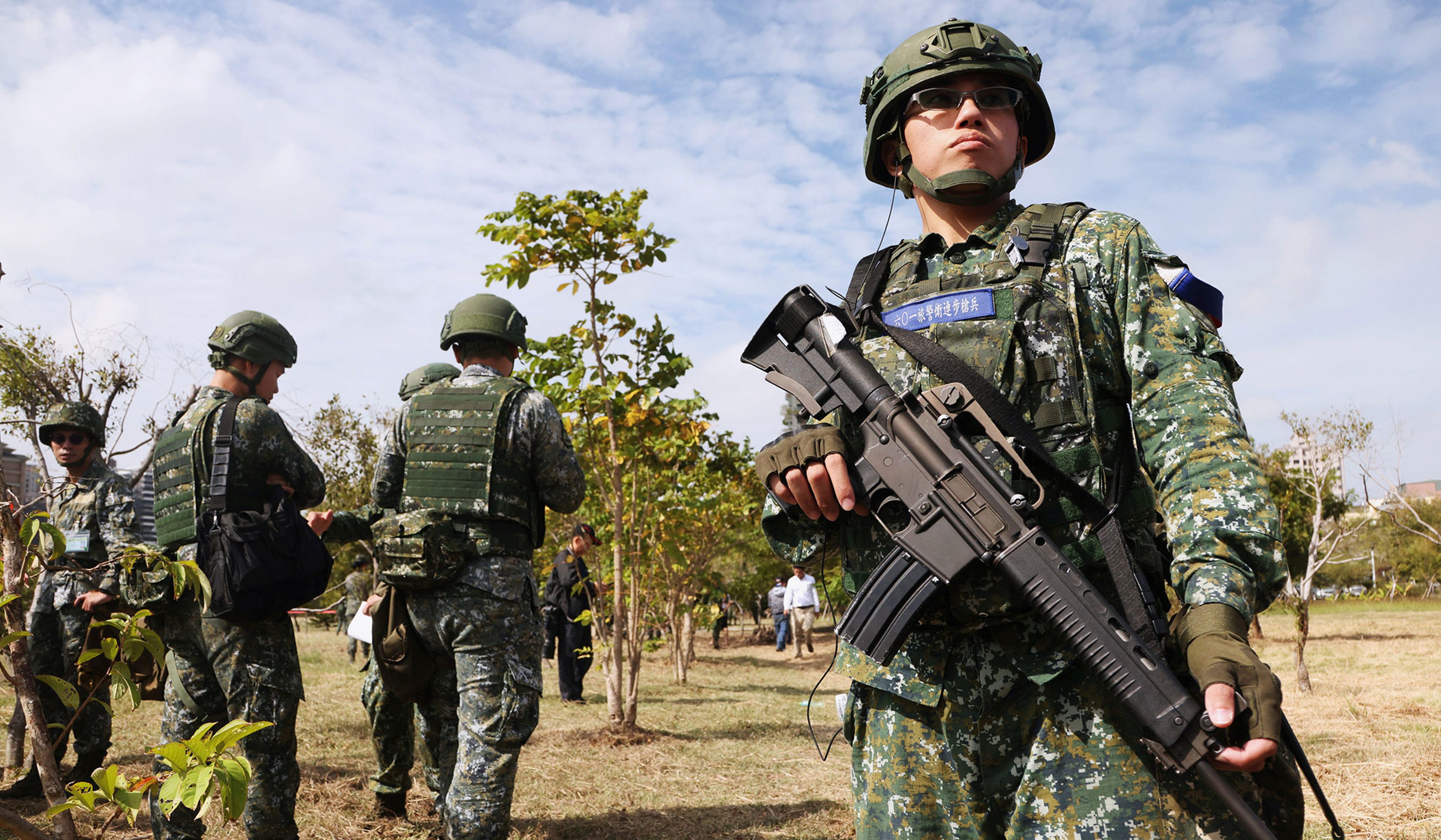
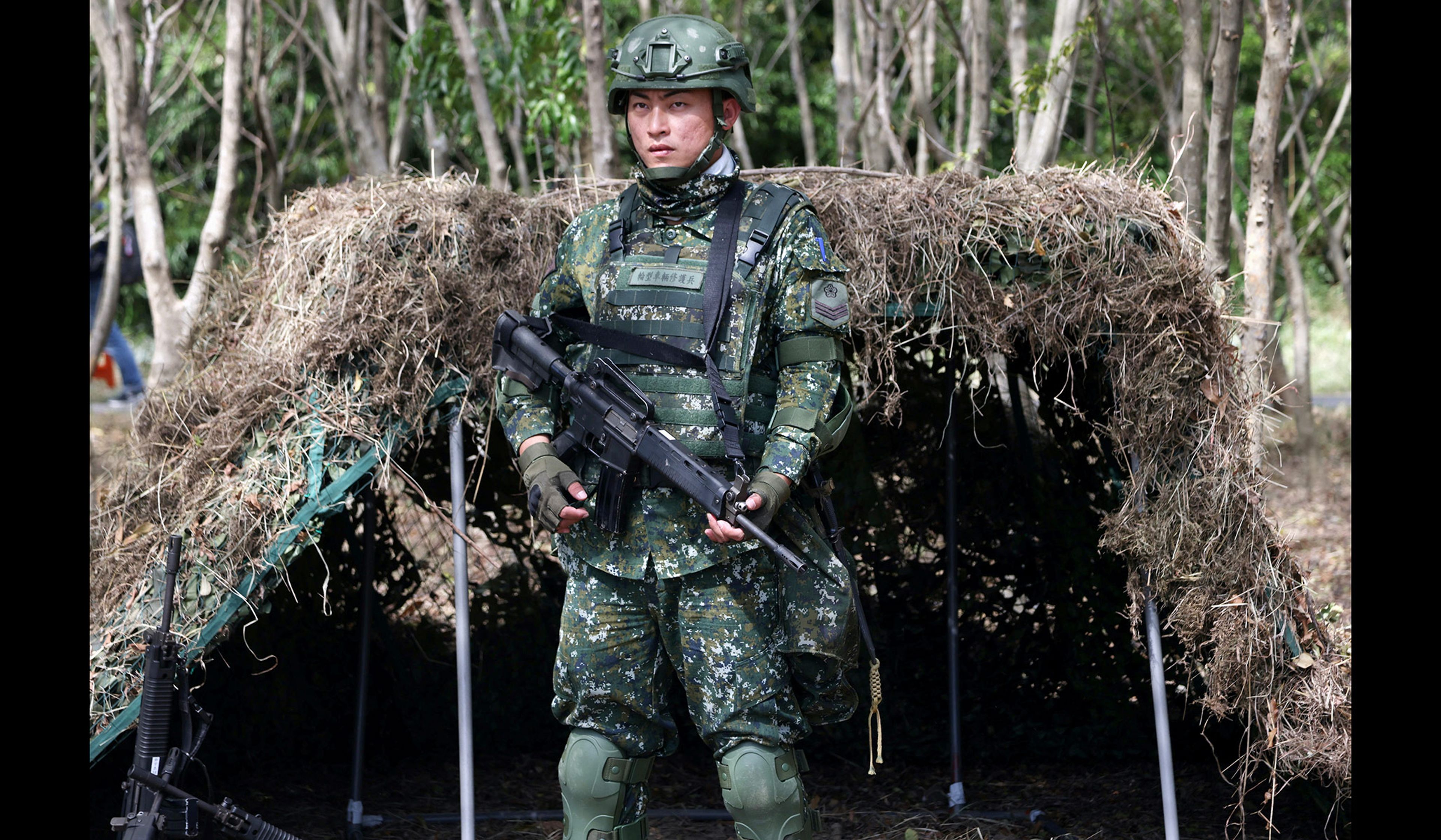
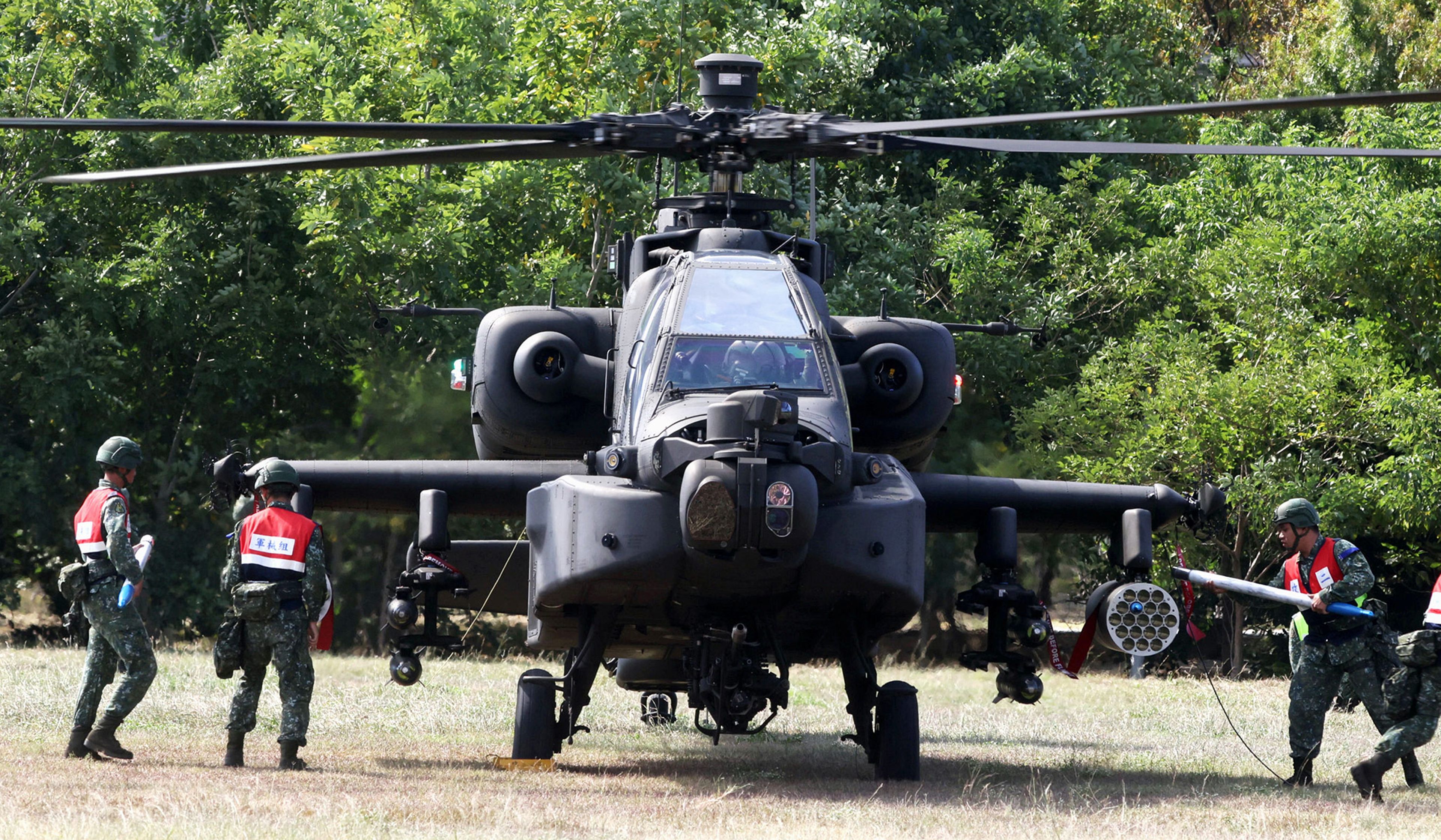
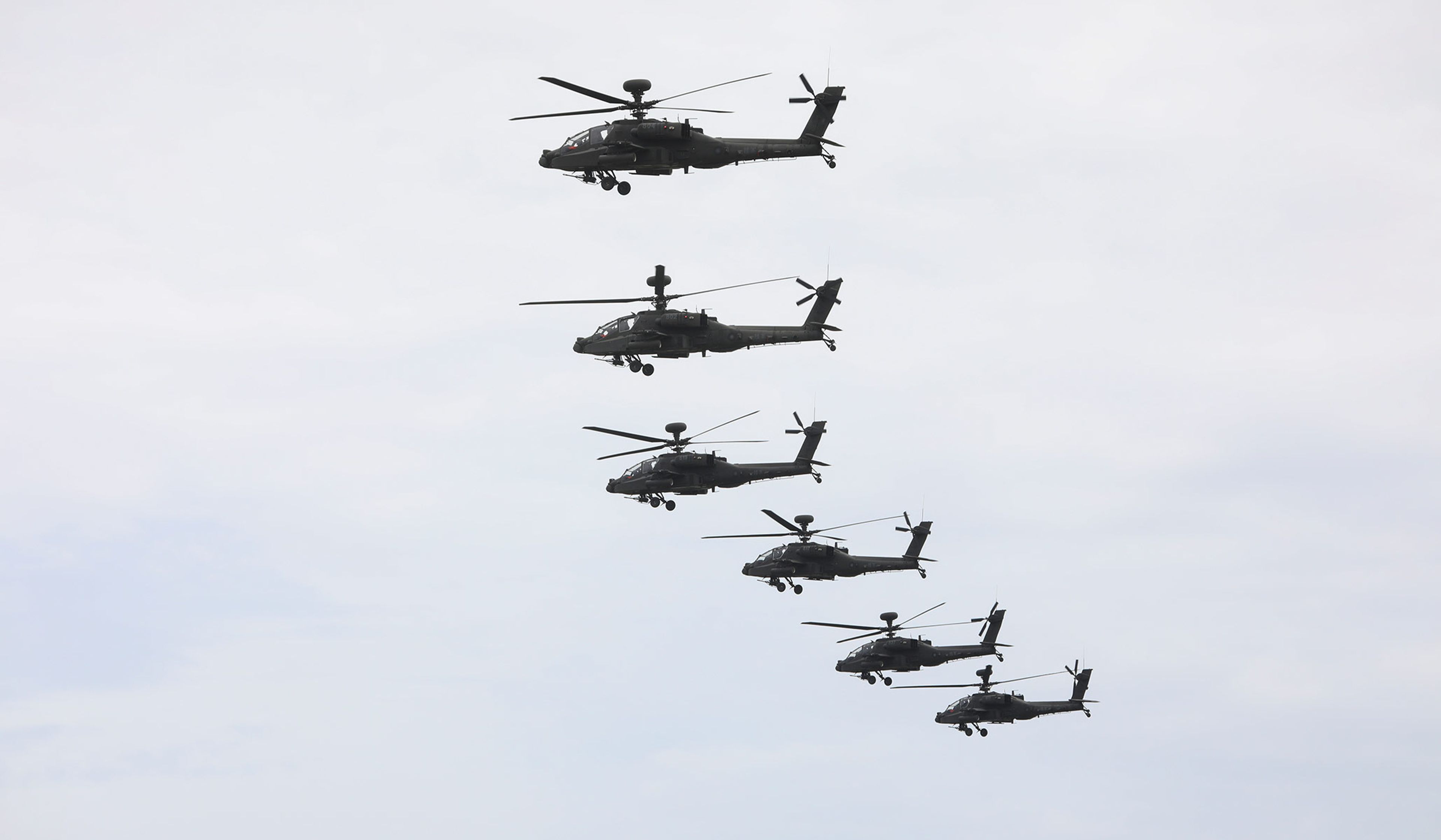
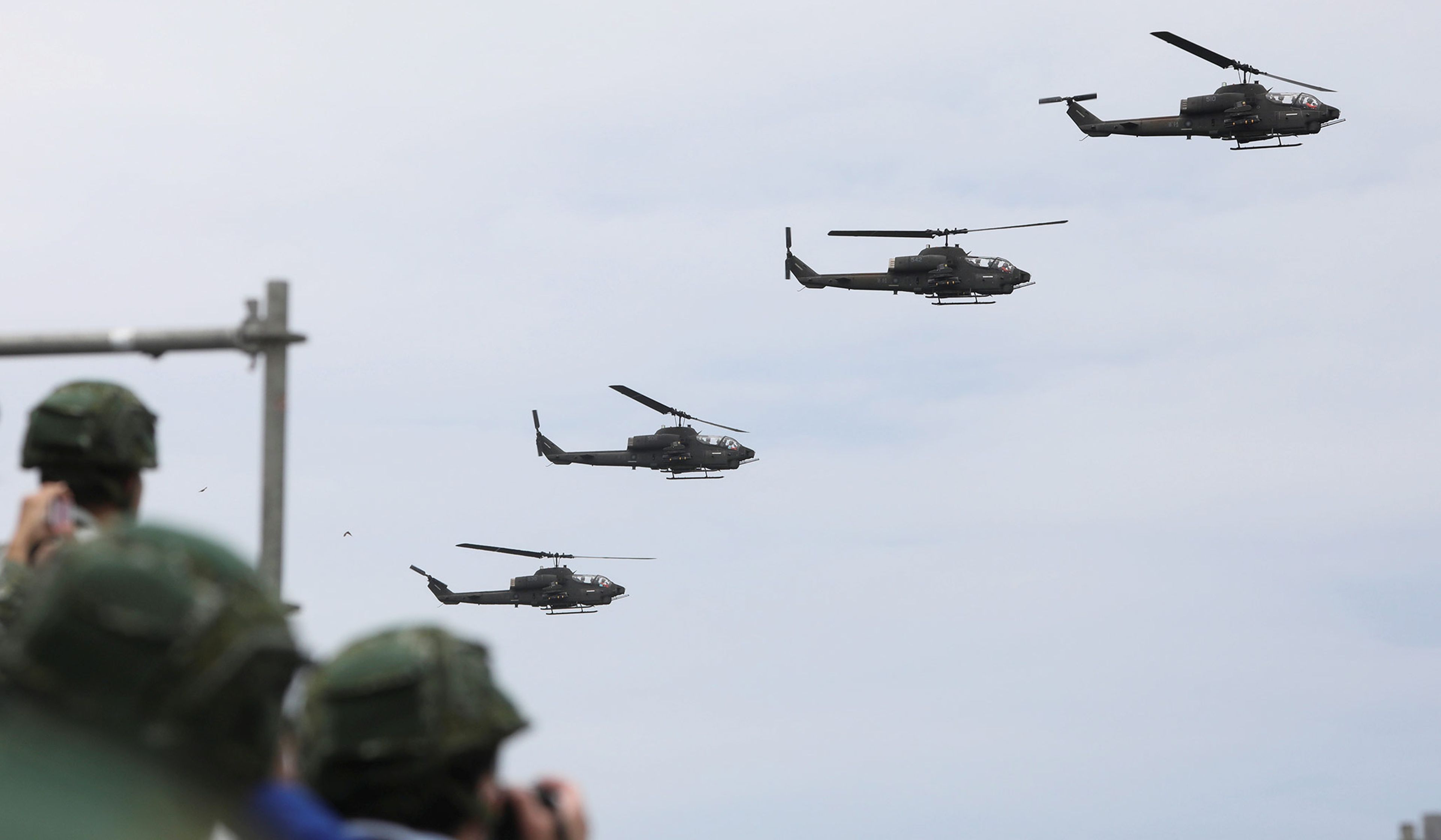
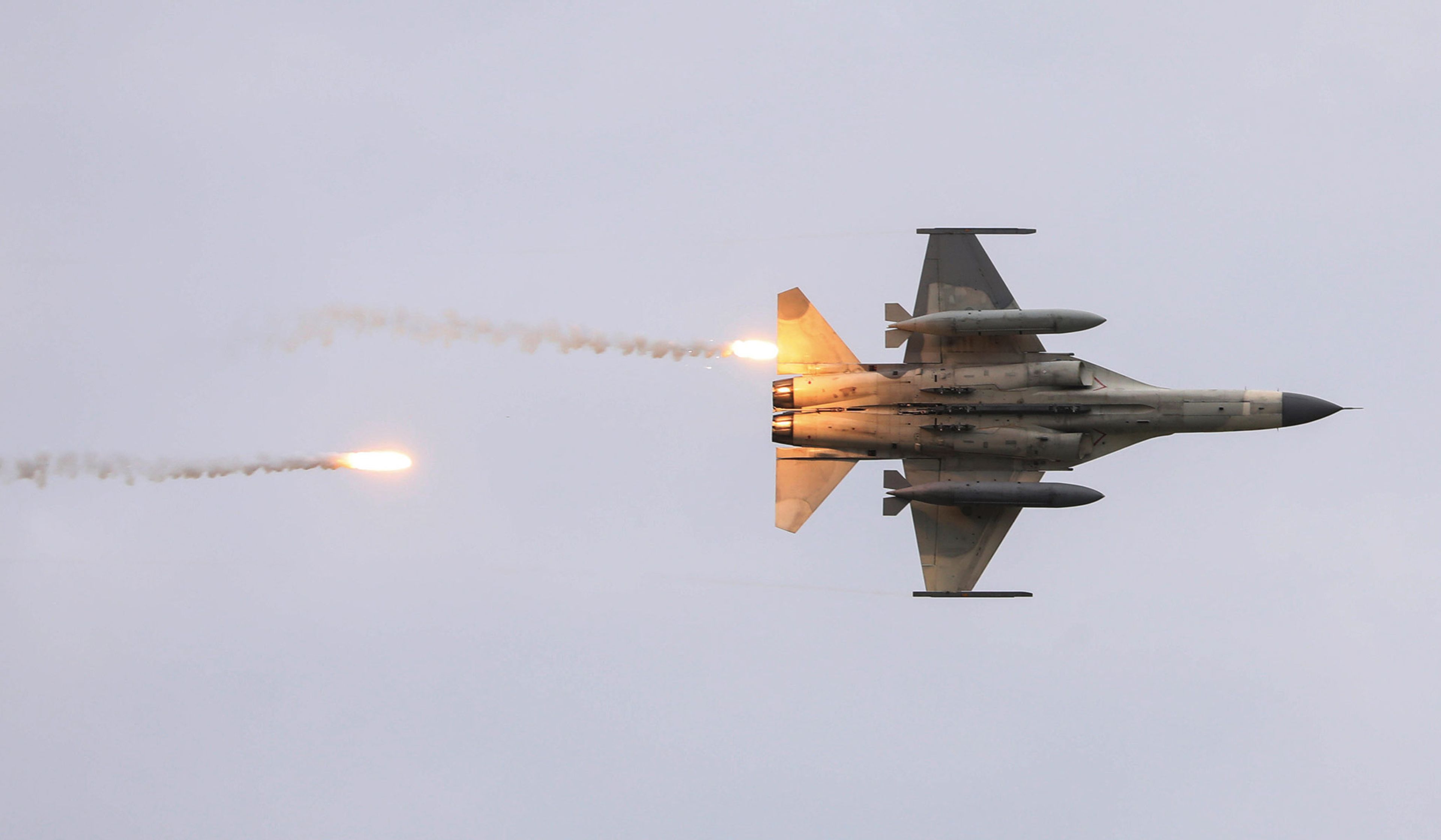
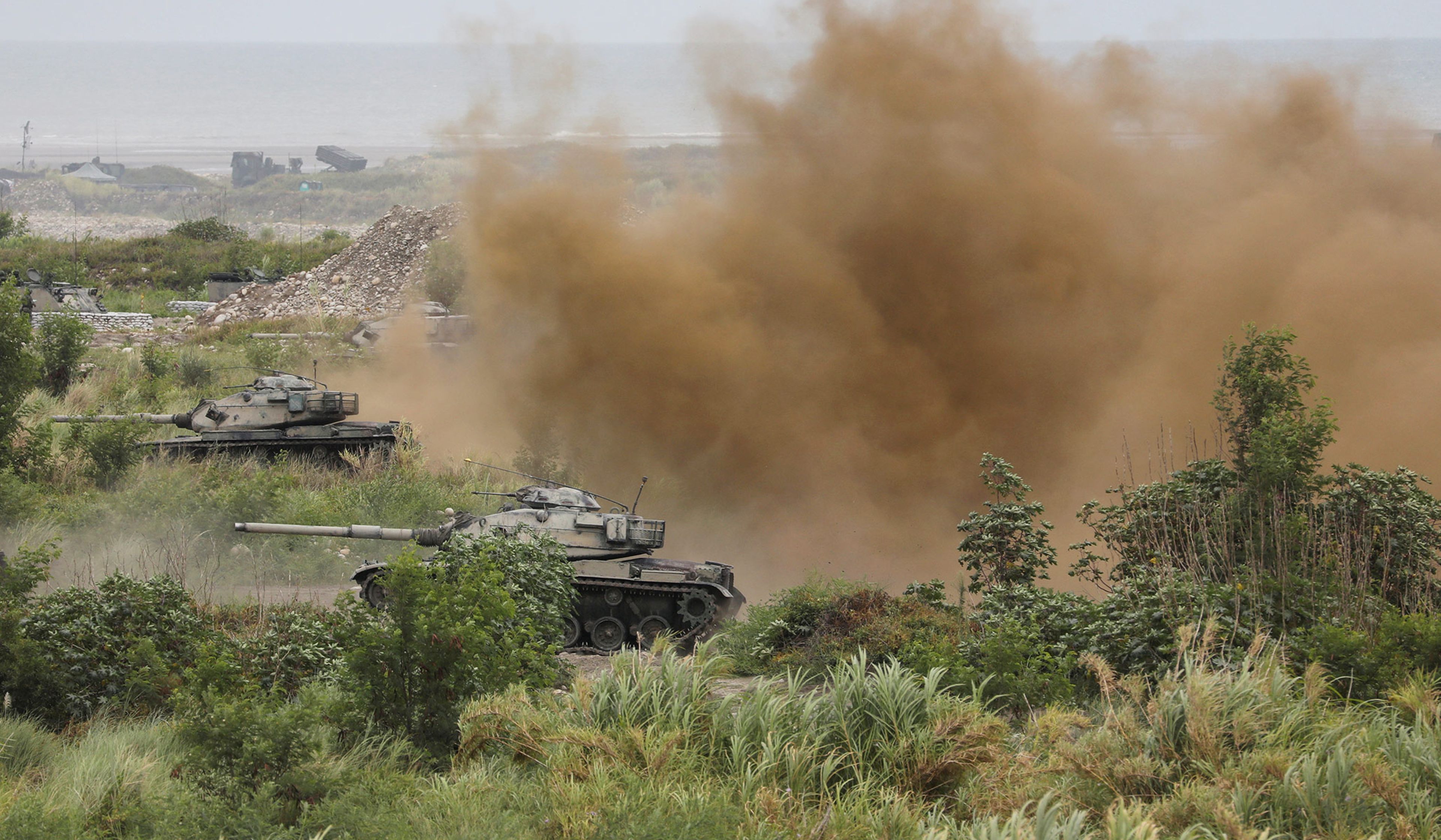
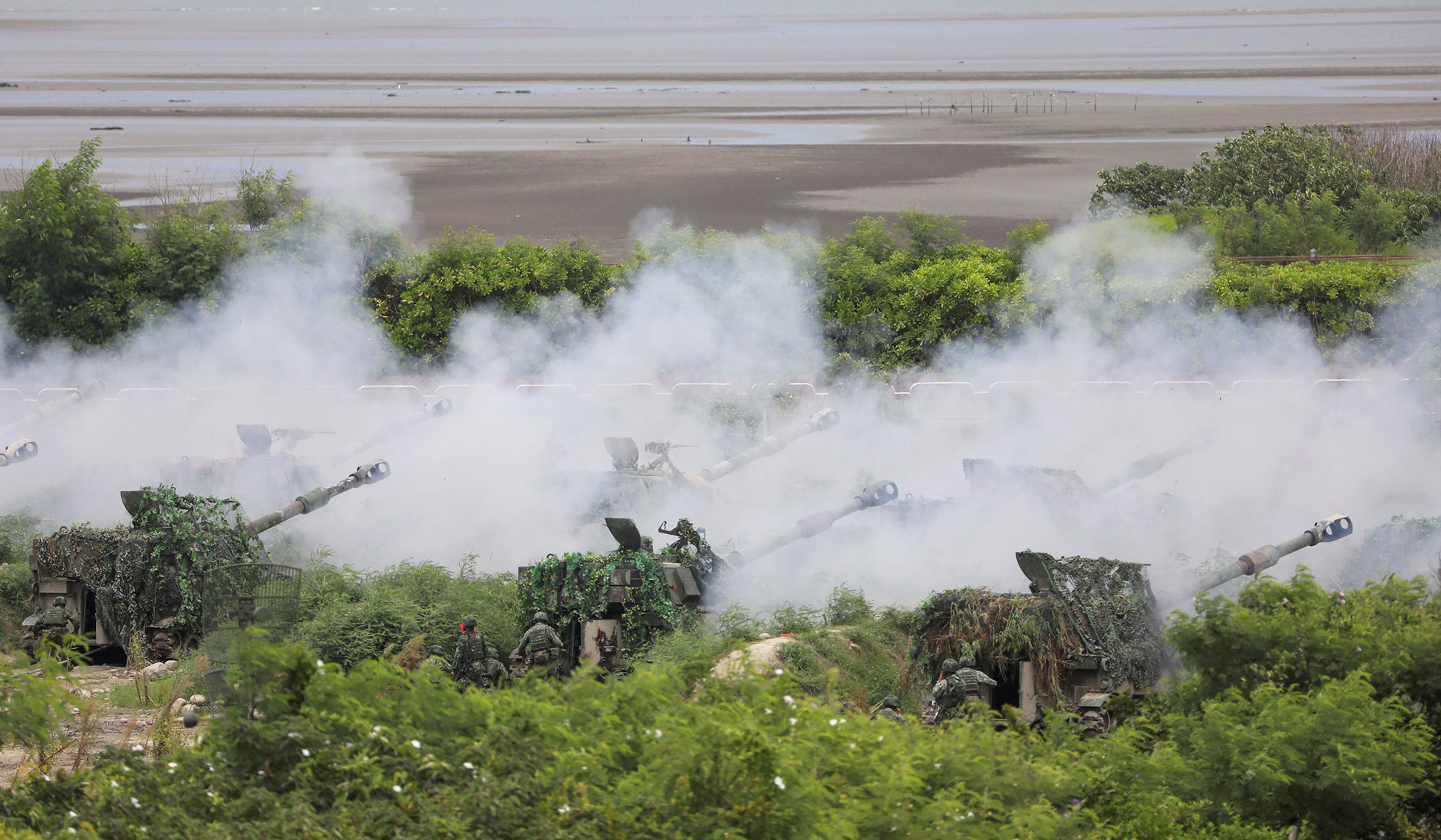
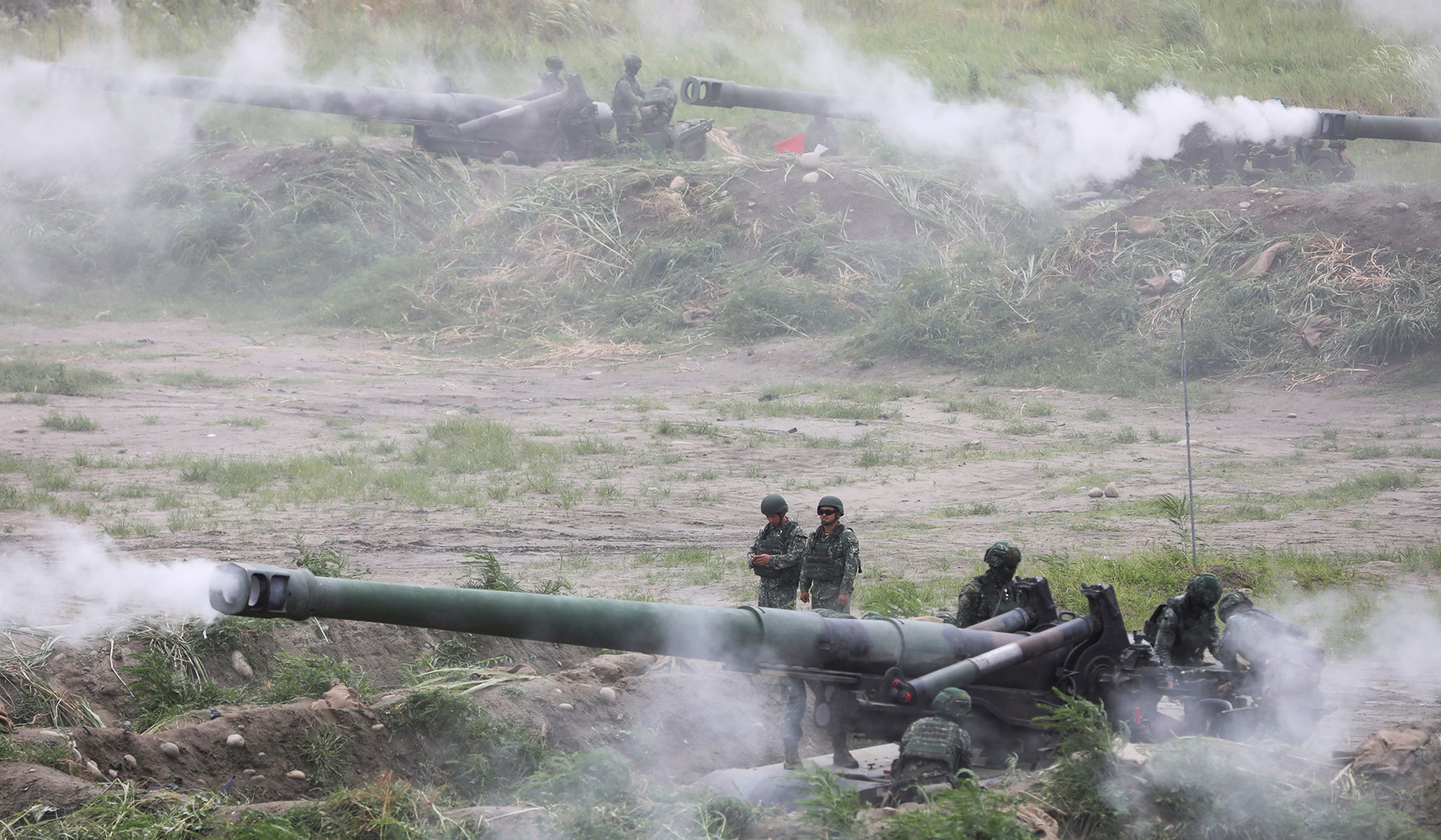
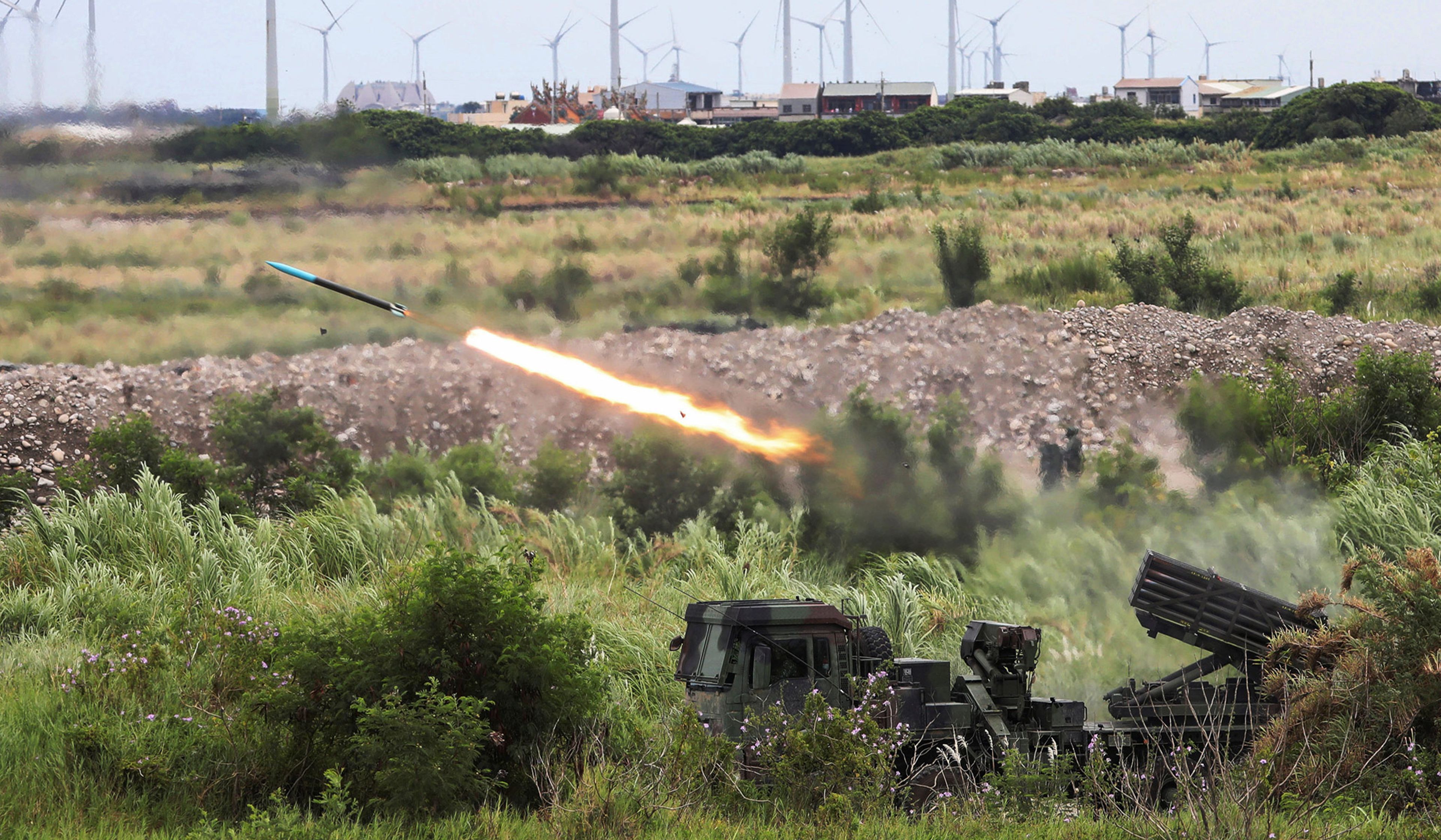
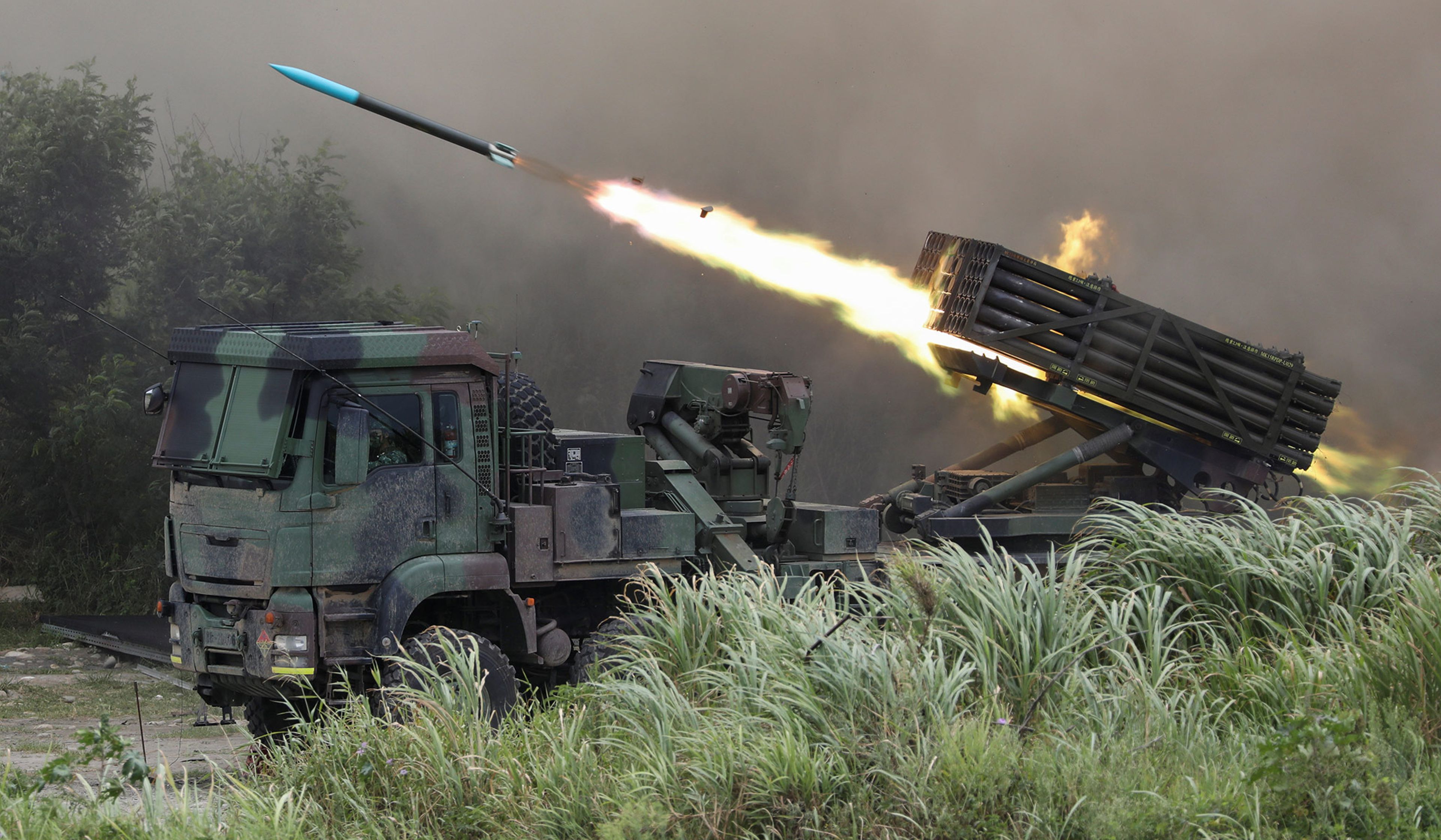
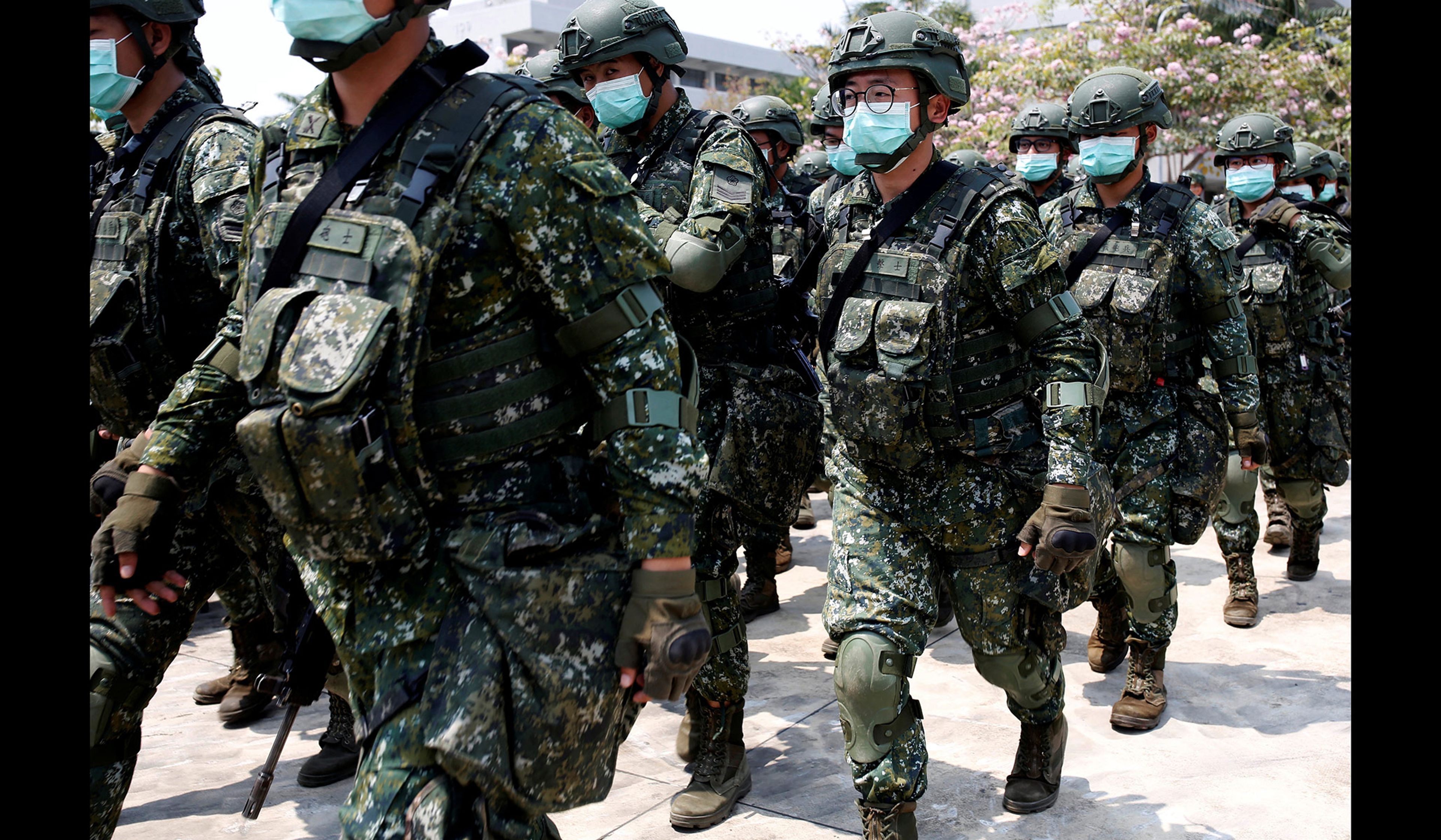
A soldier stands guard during Combat Readiness Week drills in Hsinchu, Taiwan, October 29, 2020.
Ann Wang/Reuters
The country is beefing up its military spending in general. In August, President Tsai Ing-wen announced a surprise increase in Taiwan’s defense budget for 2023 — bringing the figure to over $19 billion, almost a 14 percent increase from the previous year. This will free up more resources to allocate to personnel and maintenance, not just to weapons purchases, said Liu Shyh-fang, a lawmaker with Tsai’s ruling Democratic Progressive Party (DPP) who had called for an increase that would have been almost as drastic, bucking her party’s leadership, just before the new budget was announced. Tsai’s move is even earning some praise from the political opposition. Charles Chen, a lawmaker from the hawkish wing of the Kuomintang Party who otherwise faults the DPP for failing to maintain dialogue with Beijing, told me in an interview that this increase is necessary to bolster the reserve system, purchase new equipment, and reopen some military training facilities that have been closed in recent years.
Yet opting for a higher top-line defense budget is one of the easier reforms; there are other, thornier issues. For example: Taiwan’s defense establishment is in the throes of a debate about how to balance the imperative of buying legacy weapons systems — jets, warships, and tanks — with that of turning the island into a “porcupine,” bristling with missiles and militias, to prevent the People’s Liberation Army from seizing the country and to wage an asymmetric guerrilla campaign against it if it does. Lee Hsi-min, a former defense chief, initiated a pivot toward an “overall defense concept” that prizes asymmetric combat, a shift favored by Washington. Yet setting priorities remains difficult, as Taiwan cannot win an arms race with China, Liang-chih Evans Chen, an expert with a government-funded think tank, told me. He described the defense establishment’s debate as a dilemma of small and big: balancing expenditure on larger weapons with which to chase off PLA aircraft sorties and naval vessels, intended to wear down the Taiwanese, with spending on the sort of small, mobile platforms that are necessary to repel a landing invasion. Another challenge that some observers identify: Certain factions within Taiwan’s military are actively stymieing the implementation of the asymmetric-warfare program, and the country’s political leadership has yet to deal with this.
As these debates unfurl, new military reforms might convey to the Taiwanese people the seriousness of the situation. Some defense preparations at a grassroots level, turbocharged by China’s heightened aggression and the invasion of Ukraine, are also stirring a sense of urgency among citizens. A handful of groups offering defense-focused trainings has cropped up within the past year. During a training session for one of them, Kuma Academy, at the end of last month, about 35 people gathered in the basement of a church to learn about Chinese military tactics and practice making tourniquets. Kuma wants to train 3 million people in basic emergency-response skills, Puma Shen, the group’s co-founder, told me. A recent $20 million donation by the microchip tycoon Robert Tsao will certainly help, but given the few courses presently taking place in Taipei, it might take a few years to sufficiently scale up this effort.
Similarly, one wonders whether Taiwan’s overall defense-reform process is proceeding rapidly enough. Even the new defense-spending budget would constitute less than 2.5 percent of GDP. During my conversation with Liu, the legislator, in her Kaohsiung district, I mentioned that ordinary people don’t appear to be alarmed by the invasion threat. “But that doesn’t mean they ignore it,” she said. Indeed, Joseph Wu’s assessment of Taiwan’s will to fight seems plausible, but there’s quite a bit of work left to do.
After I broke away from the Kuma Academy session to make a phone call, I started chatting with Howard Lee, a guest at a wedding taking place in the church above the basement. He had completed his yearlong military service a few years ago, before the mandatory term was reduced. His wife joined us, and they both said that while they’re praying for peace, they doubt that an all-out invasion is in the offing. But if the worst comes to pass, I asked Howard, will he fight? He’s certain about this: “Definitely,” he said. “I am Taiwanese.”











Comments