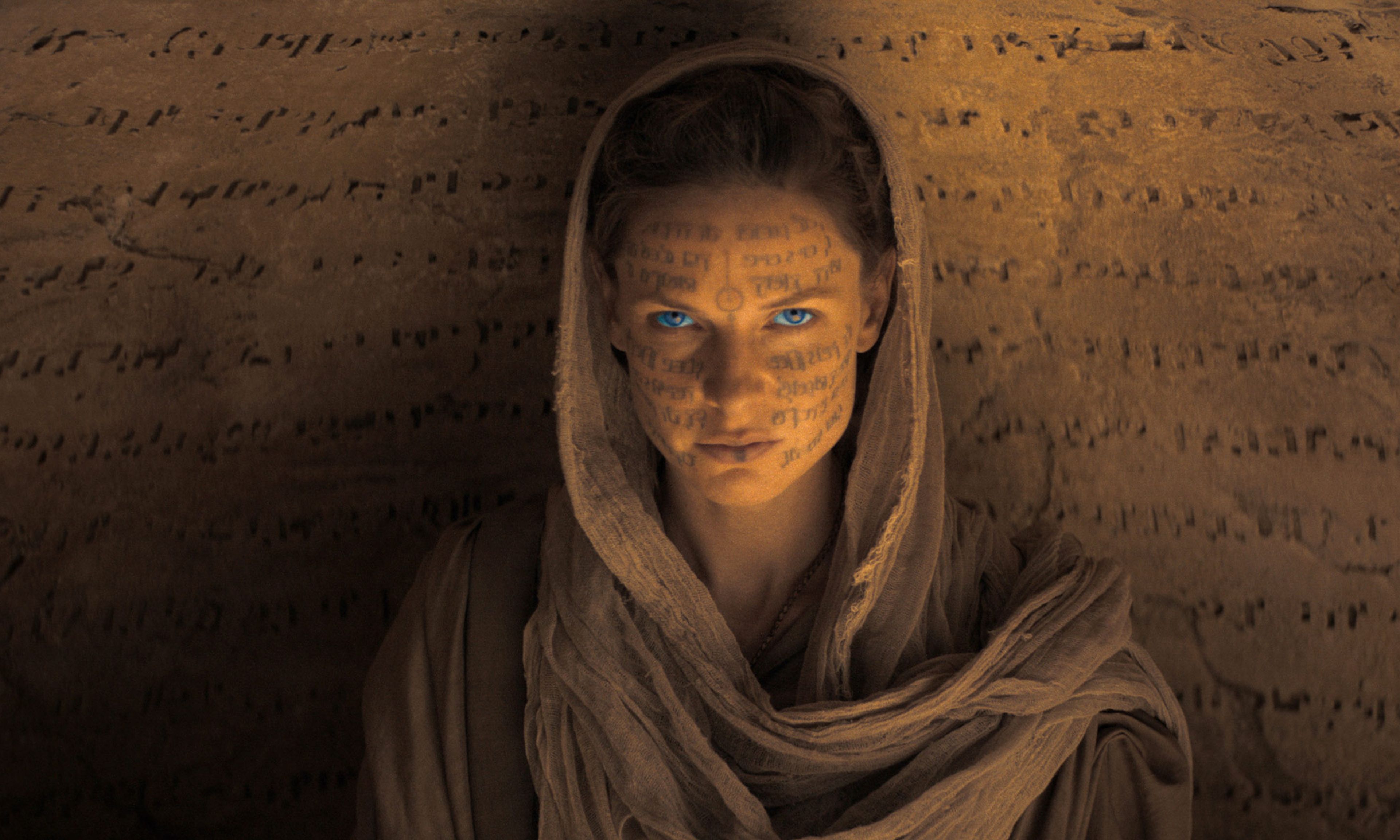
This October will see the release of a long-awaited epic science-fiction film. Centered on a young man who awakens both to his supernatural powers and to his destiny to defeat a galaxy-spanning empire, the saga unfolds on a desert planet. It also involves a religious order whose members can control people by speaking, and who have spent centuries secretly directing civilization’s course.
I speak, of course, of Dune, an adaptation by Denis Villeneuve (Arrival, Blade Runner 2049) of author Frank Herbert’s best-selling, award-winning 1965 sci-fi masterpiece of the same name. It imagines a far-future mankind that travels the stars yet is organized as an empire, within which competing dynastic families vie for supremacy. The Atreides, to which Dune’s main character, Paul, belongs, is one such family. Yet as Dune begins, the Atreides are merely noble subjects of another dynasty that holds the imperial reins. The civilization it controls depends on the “spice” (read: drug) melange, which enables users to experience the prescient visions on which faster-than-light space travel depends. Melange is found in one place in the entire universe: the desert world Arrakis. Dune begins as the Harkonnens, another nonruling dynastic family, one that is hostile to the Atreides, renege on a promise to yield control of Arrakis to them. Instead, the Harkonnens spring a trap, with the help of the ruling imperial dynasty, which fears a challenge from the Atreides.
There is much more to Dune than to a certain other story from a galaxy far, far away. But the consonance is real. Writing in the Los Angeles Review of Books, Daniel Immerwahr recounts that, after seeing the first Star Wars movie, Herbert was enraged, noting 16 points of “absolute identity” between his work and the 1977 blockbuster. Herbert offered as one example the “spice mines” and “dune sea” present in both. Further suspicious similarities: a desert warrior tribe (Tusken Raiders in Star Wars, Fremen in Dune); a religious order of society-manipulating psychics (Jedi in Star Wars, Bene Gesserit in Dune); and even a twist involving villainous paternity. Later books supply more: Dune Messiah and Children of Dune, Dune’s first two sequels, prominently feature twins with special powers and destinies, as Return of the Jedi and Revenge of the Sith established Luke and Leia Skywalker to be. Both of these Dune books were published before the making of Star Wars.
One could attribute some of this overlap to genre tropes, though that would shortchange Dune. Herbert certainly didn’t think the similarities were a coincidence. In Heretics of Dune, a Herbert-authored Dune sequel published after the original Star Wars trilogy ended, a character is described as a “Three P-O”: someone who has “surrounded himself with cheap copies made from déclassé substances.” The riff on C-3PO, the golden android from Star Wars, is obvious. As is the larger dig at what Herbert perceived to be the derivative nature of George Lucas’s space epic.
Villeneuve’s view echoes Herbert’s. “Most of the main ideas of Star Wars are coming from Dune, so it’s going to be a challenge to [tackle] this,” he said while still making Dune. “The ambition is to do the Star Wars movie I never saw. In a way, it’s Star Wars for adults. We’ll see.”
We’ll see, indeed. But Frank Herbert’s Dune is not only an inspiration for Star Wars. It is also thematically rich and abundant in world-building in its own right. At its best, it transcends the limitations of science fiction.
It is, in the first place, a standout of that genre. To read Dune is to embrace, page by page, the immersive world it creates. The political structures, economic relations, cultural and religious mores, and even ecological character of entire planets emerge from Herbert’s rich imagination, with a pronounced Middle Eastern aesthetic befitting the novel’s desert setting, complex politics, and exploration of resource management. Famed science-fiction writer Arthur C. Clarke said of Dune that he knew “nothing comparable to it except The Lord of the Rings.”
Dune distinguishes itself from much contemporary science fiction by eschewing robots. It is set centuries after a brutal conflict between man and “thinking machines.” Described as the “Butlerian Jihad” (no relation), this brutal struggle led to a universal proscription against such machines, as enshrined in the commandment “Thou shalt not make a machine in the likeness of a human mind.” Without robots, Dune is unencumbered by much of the mechanistic and technocratic baggage of such novels as those in Isaac Asimov’s Foundation series.
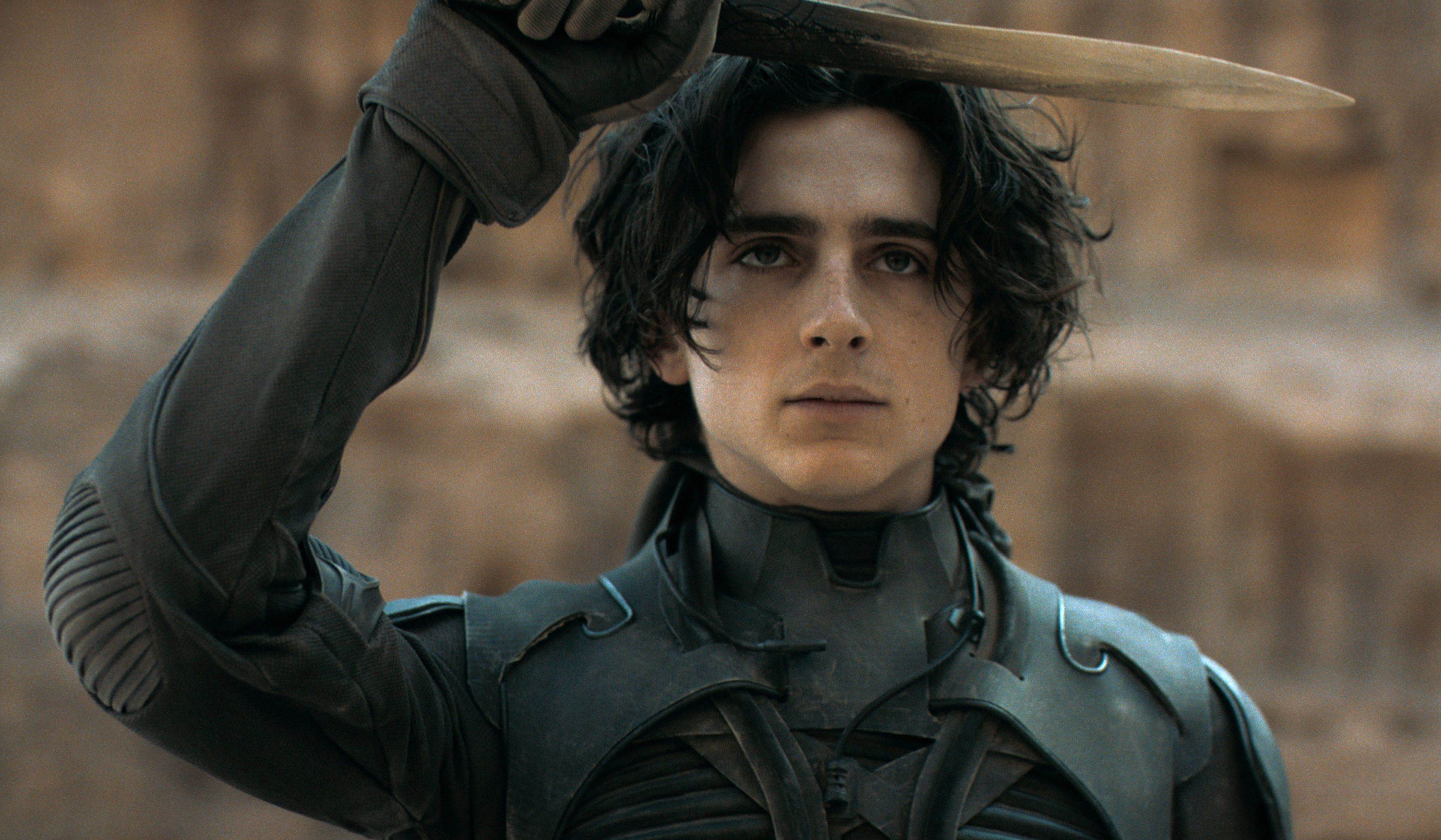
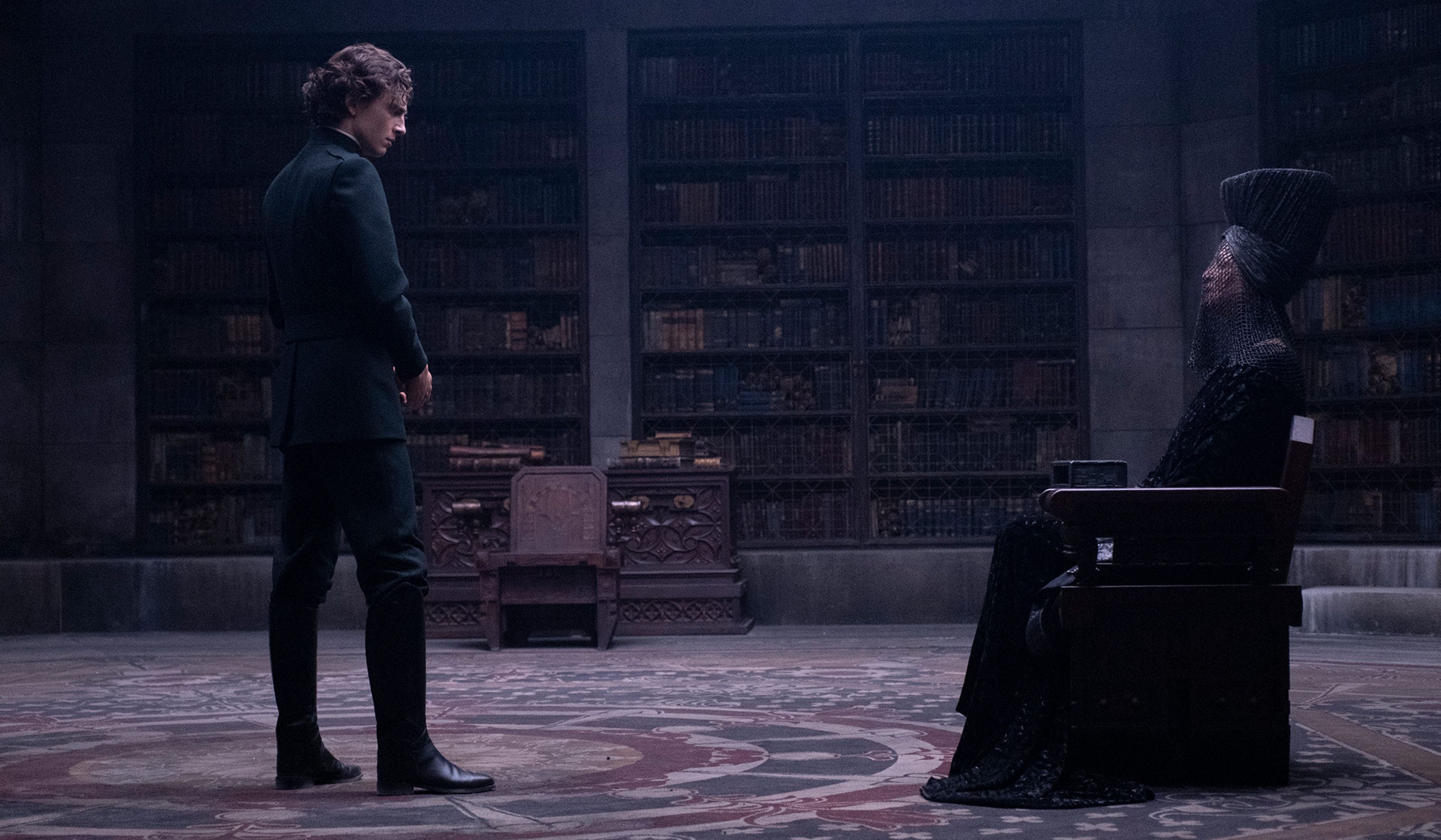
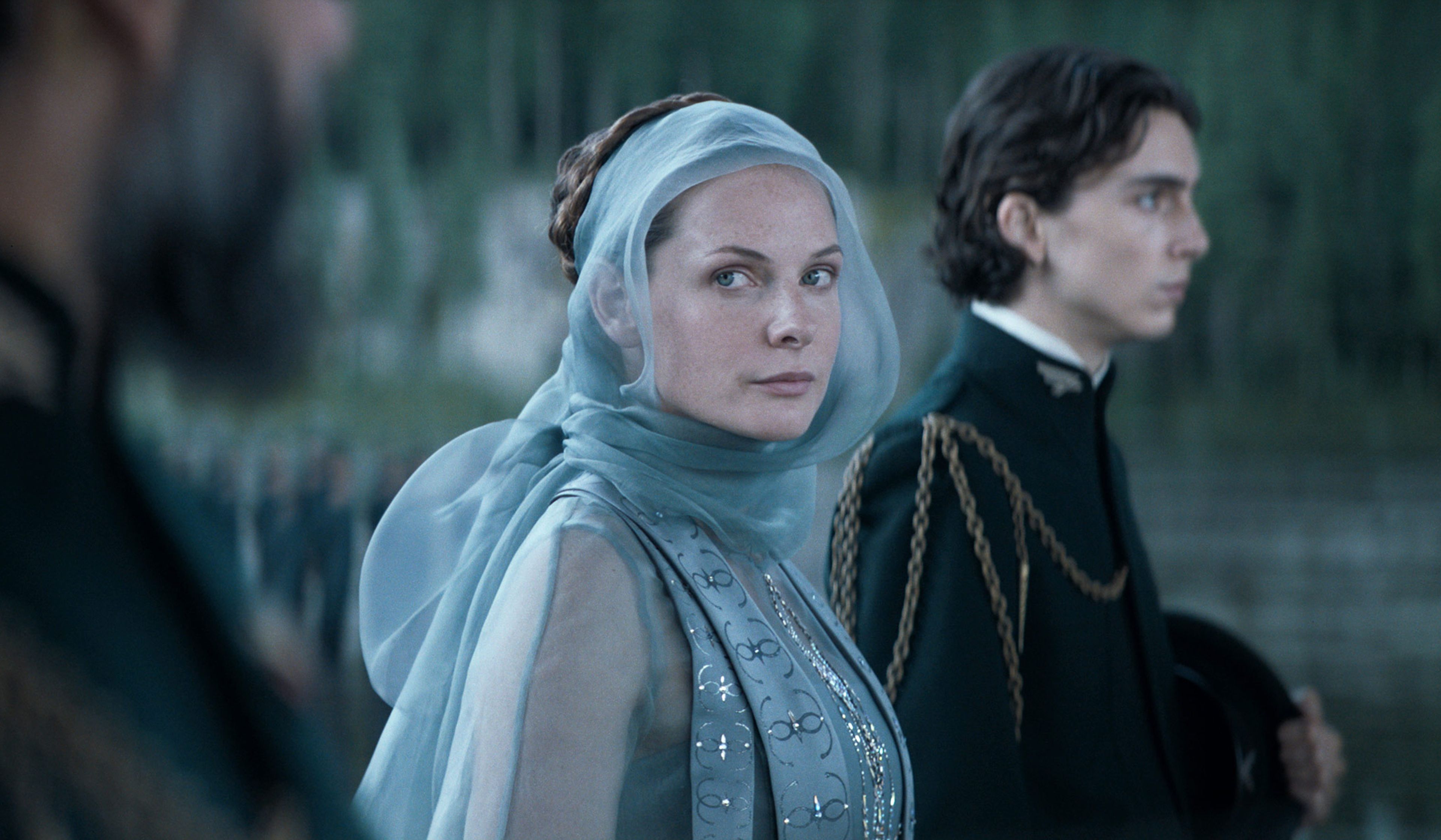
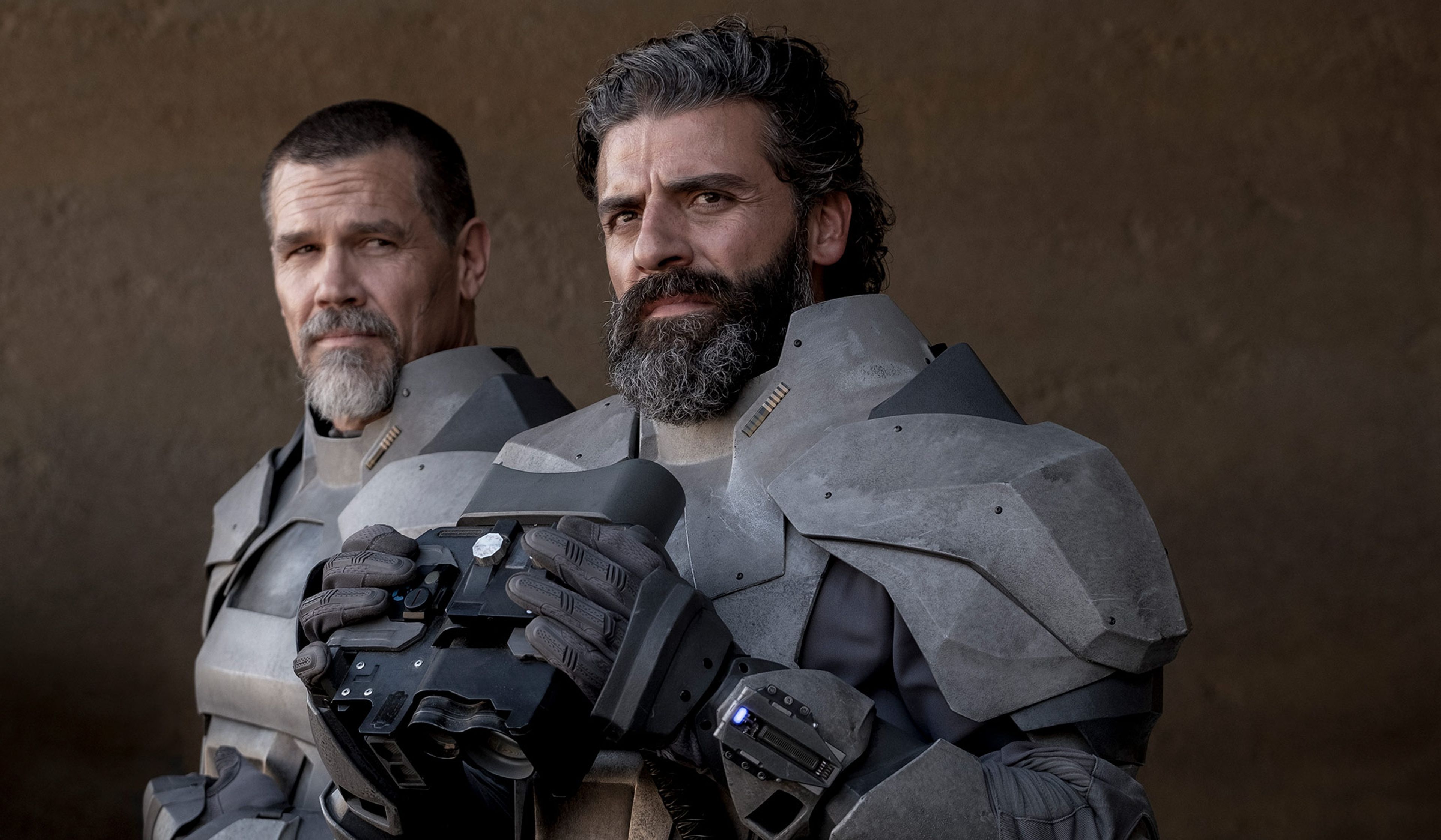
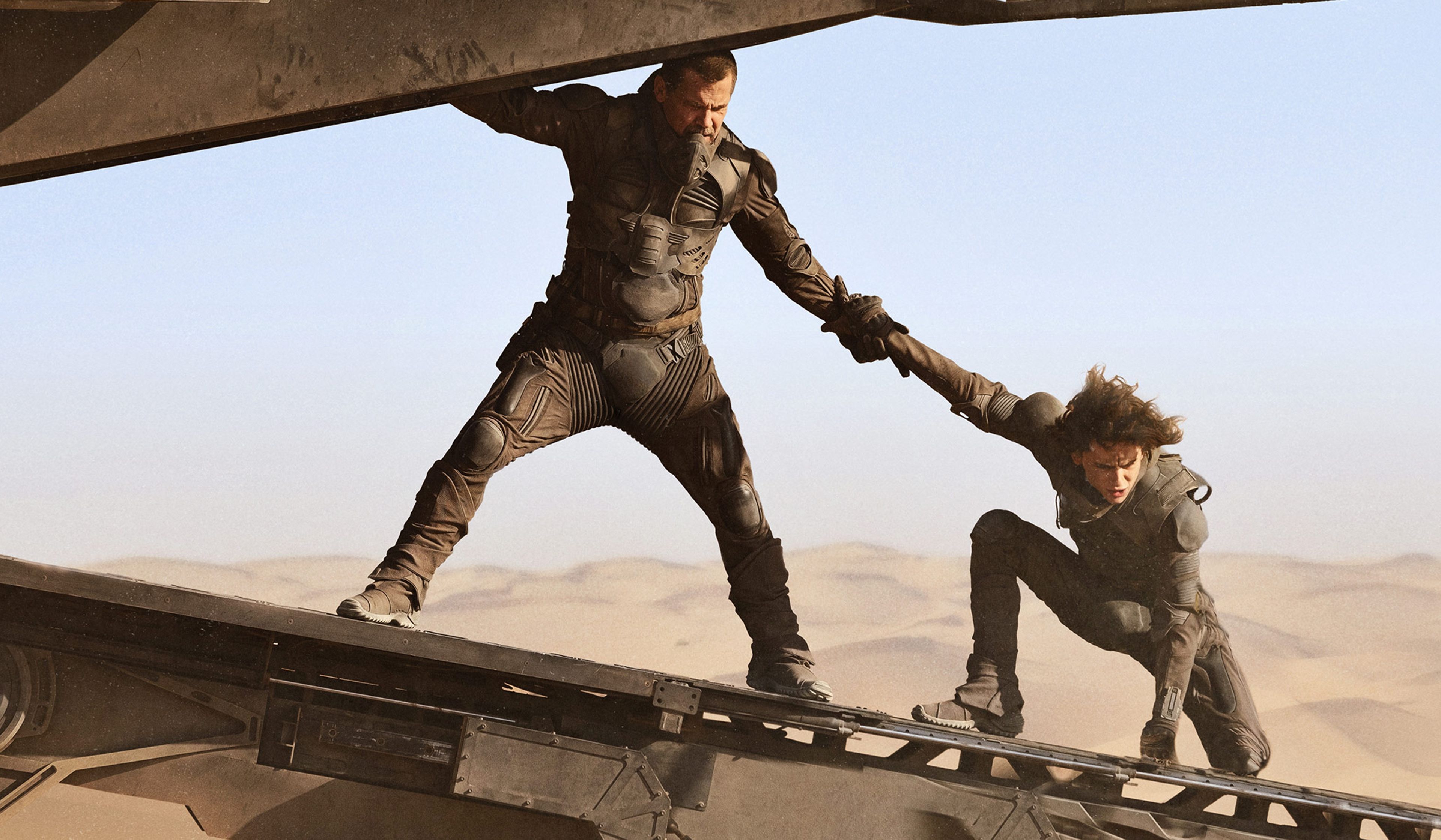
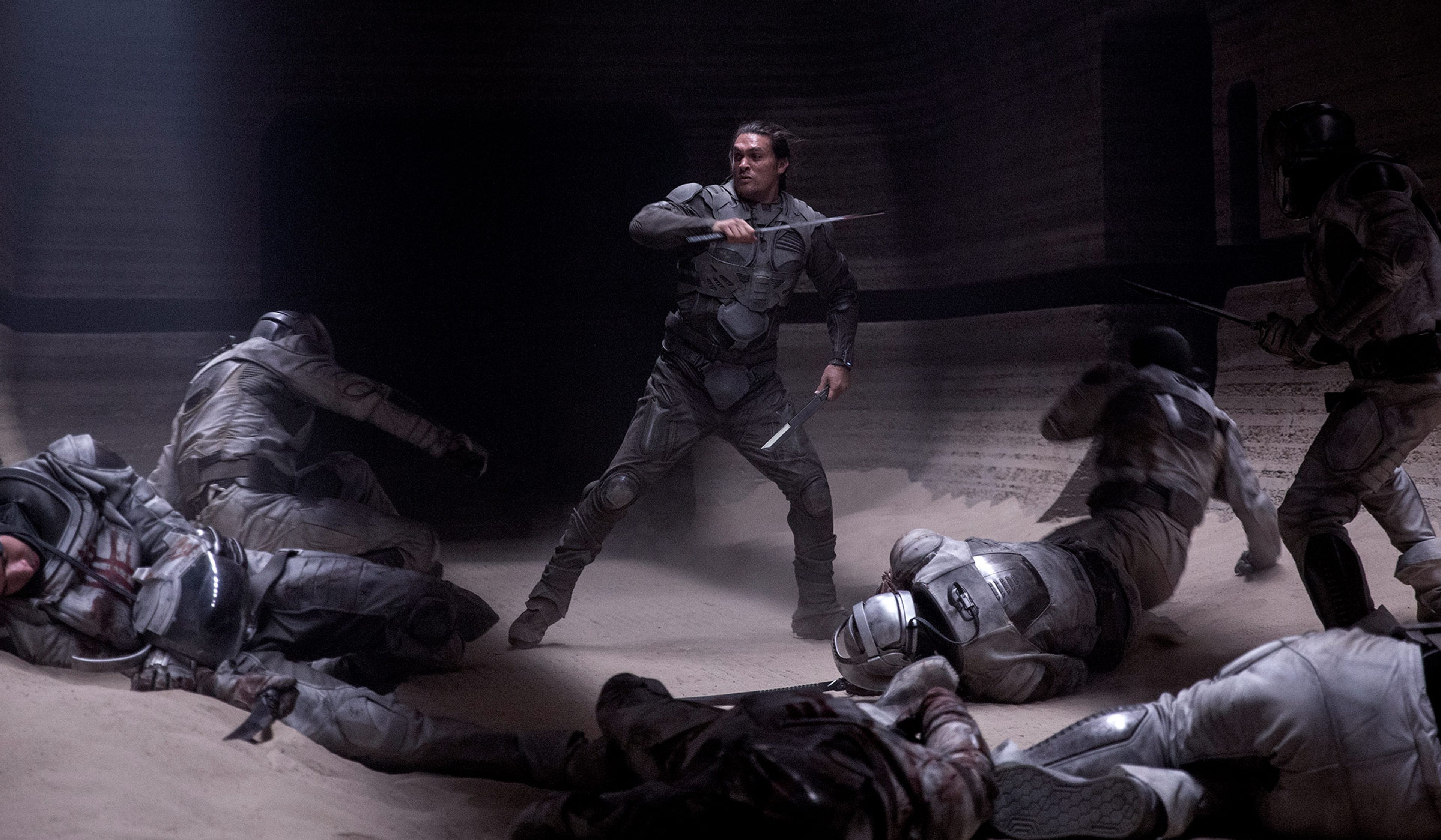
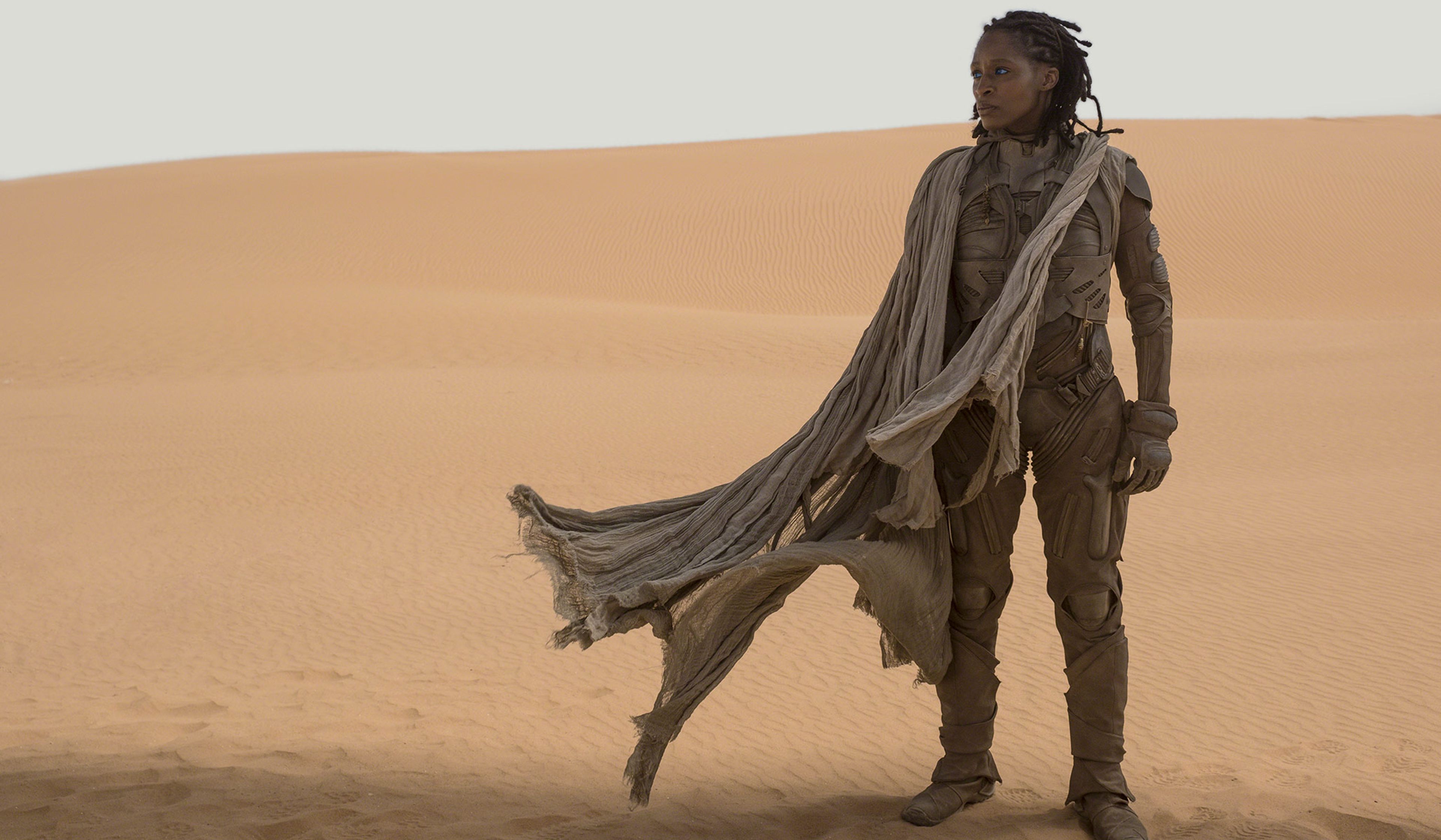
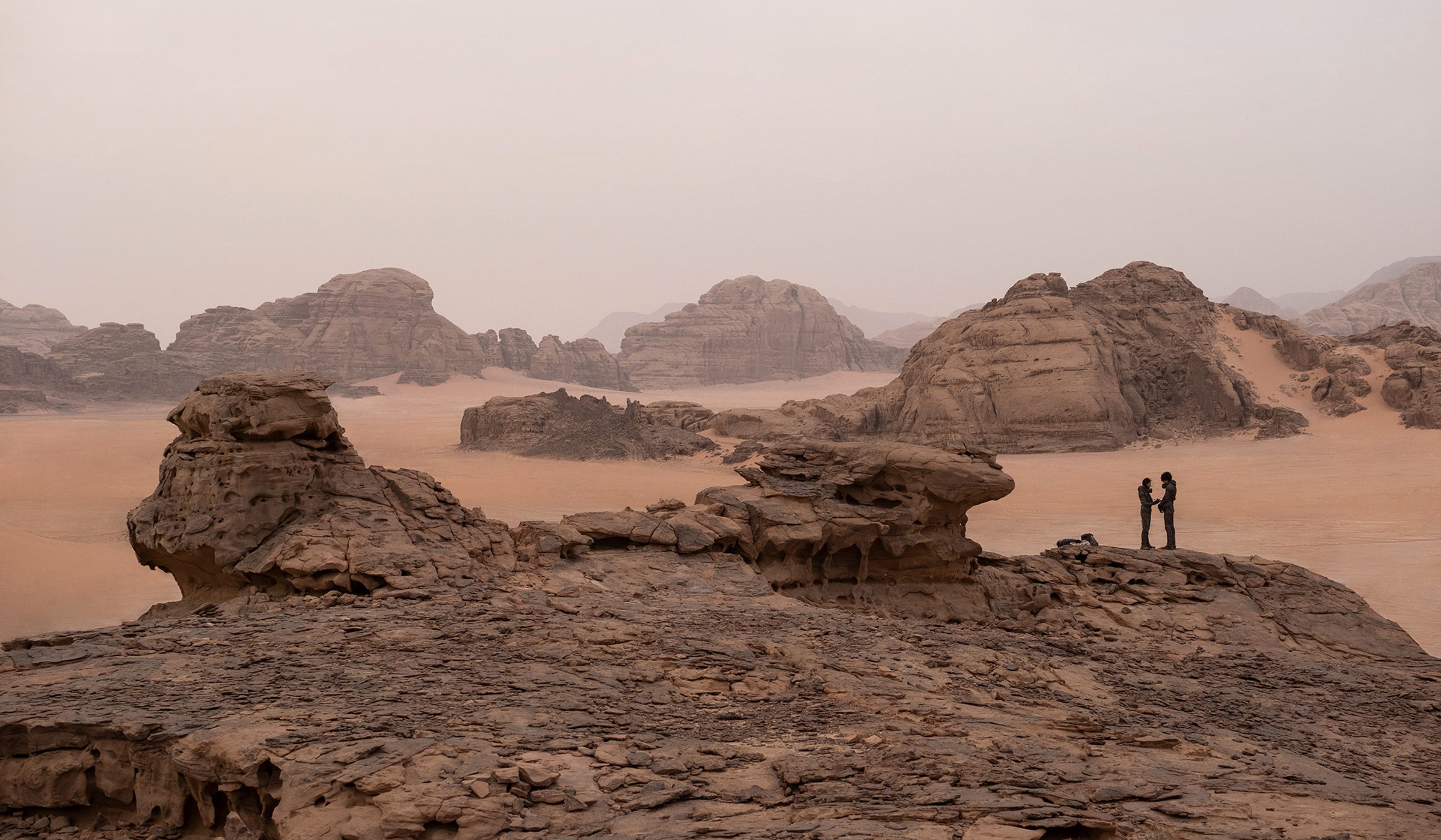
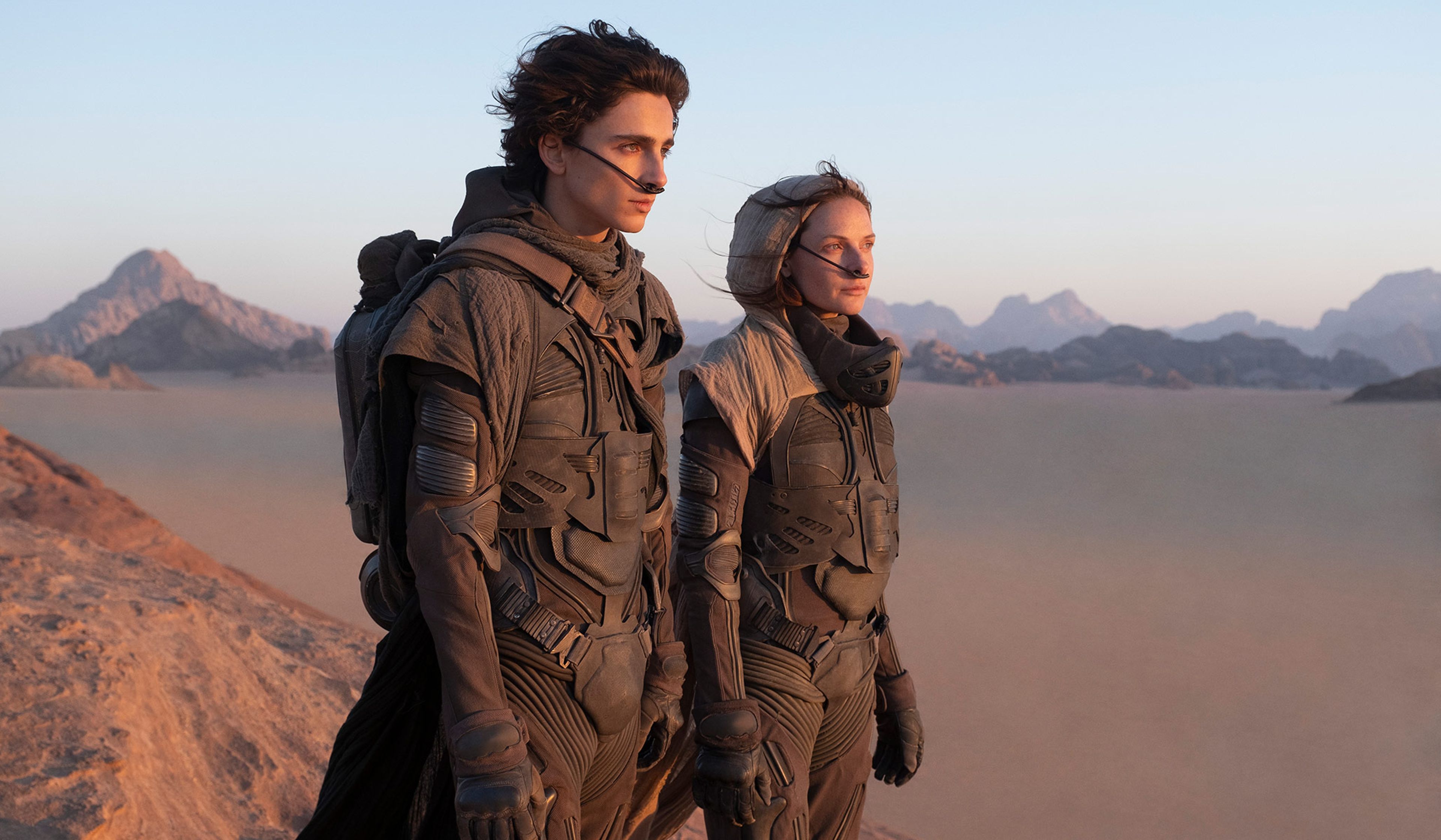
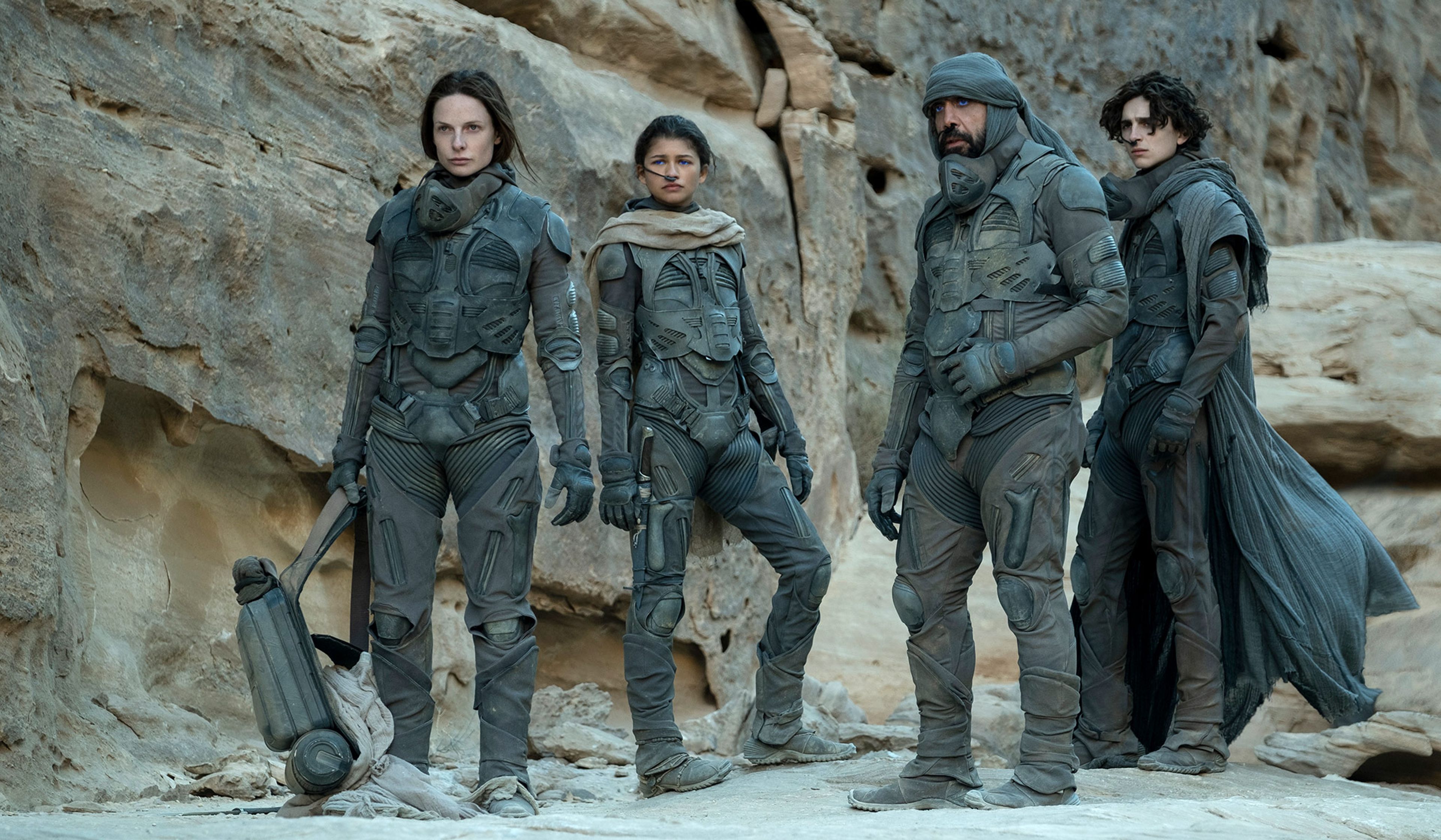
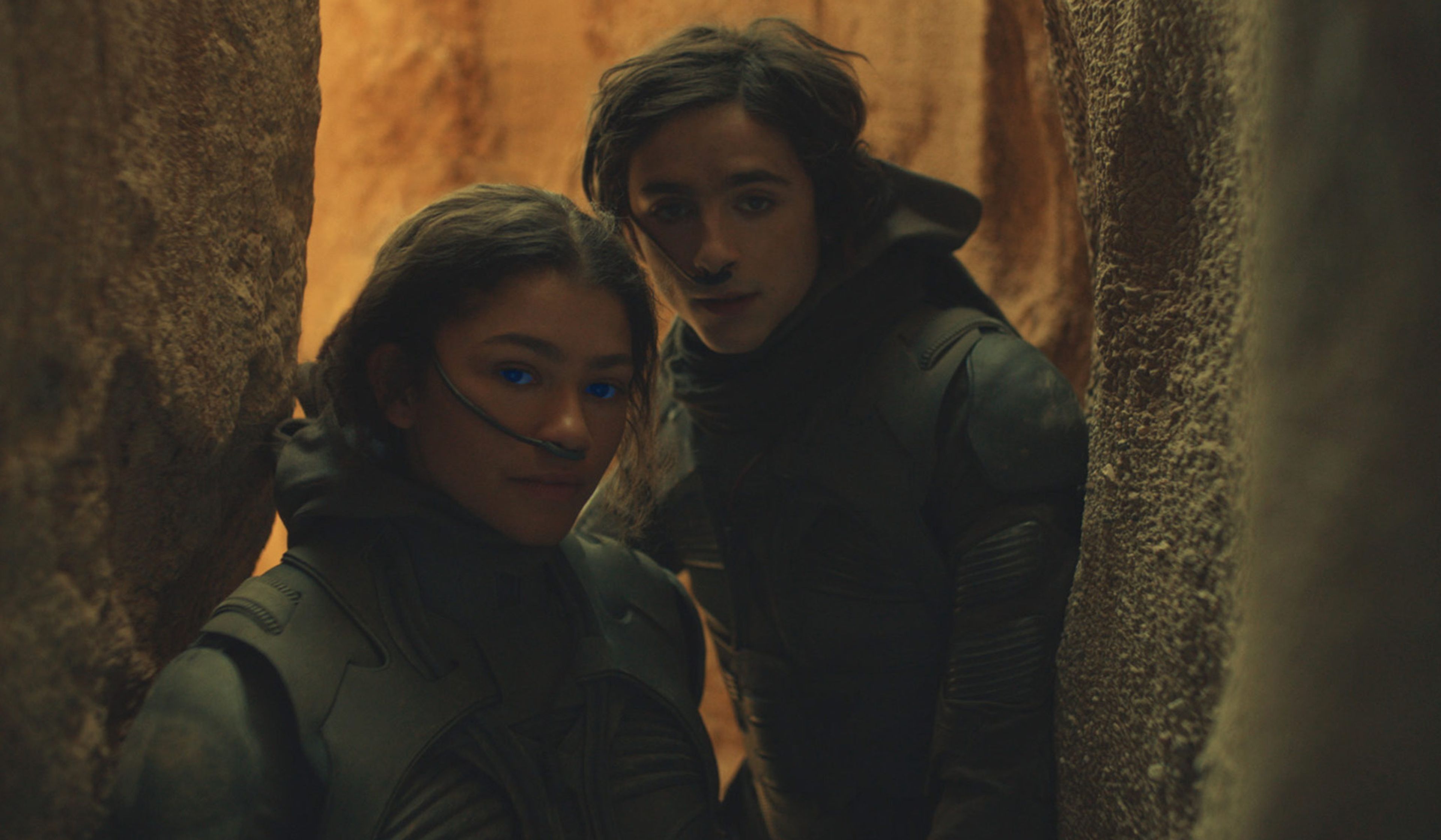
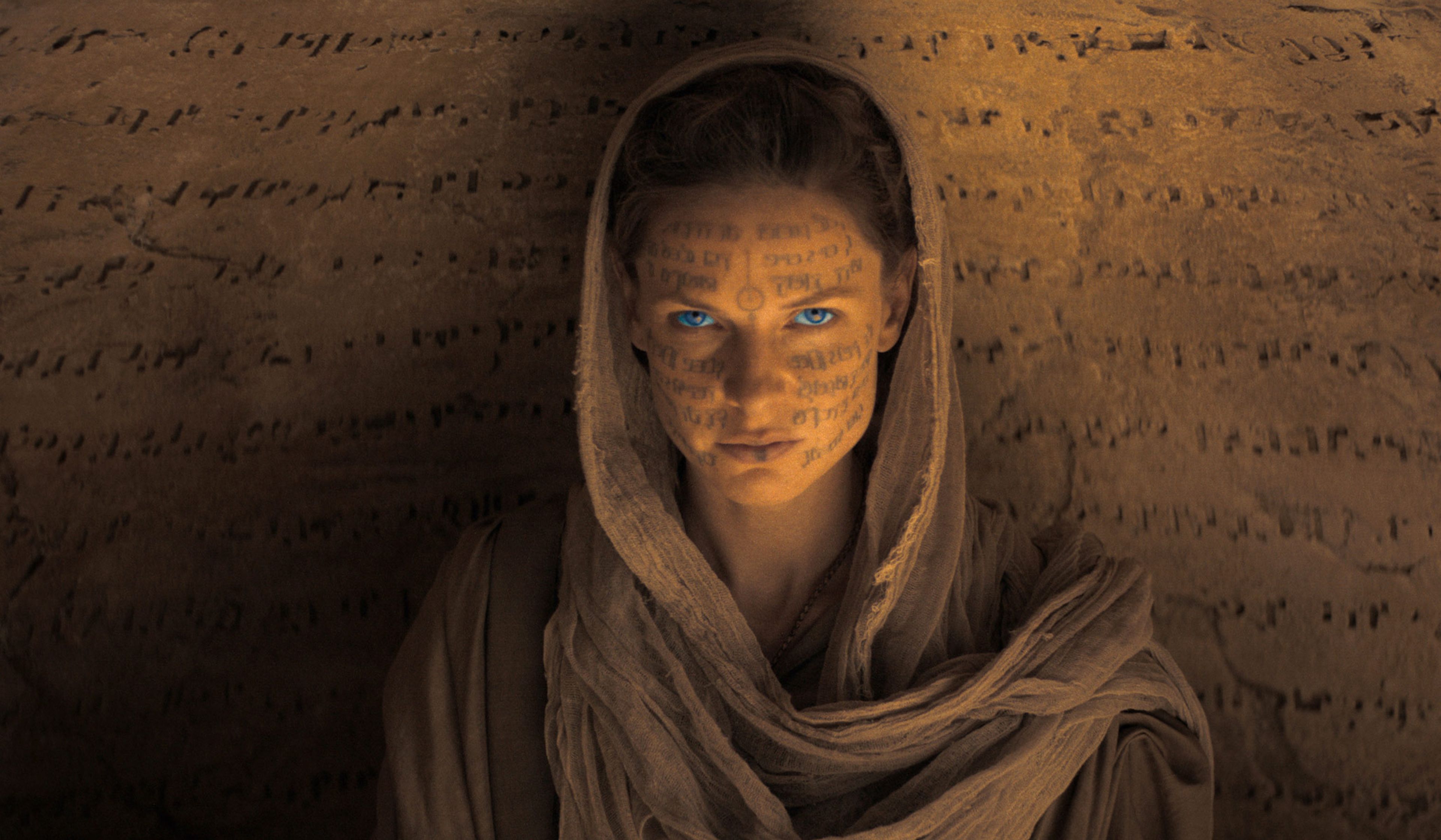
Timothée Chalamet in Dune.
Warner Bros. Pictures/Legendary Pictures
Instead, it focuses on human nature, which remains a complex constant. Its concerns were reflected in not just the science fiction that followed it but also in the culture at large. As Immerwahr writes, Dune “forecast many trends that would define the next decade: environmentalism, psychedelic drugs, mysticism, orgies, back-to-the-land survivalism, Indigenous ways, anticolonial rebellions, Arab nationalism, and political assassinations.”
A shallow reading of Dune has led some to pigeonhole it. The Golden Age of science fiction, of which Clarke was a significant part, was supposedly the 1950s; the golden age to enjoy science fiction, however, is said to be somewhere around age 16. That happens to be about the age of Paul Atreides when the novel begins. Given the ostensibly standard heroic journey of Paul, it is understandable that some more-bookish teenage readers might see in him a kind of realization of their dreams, and that older readers might dismiss the book as ultimately juvenile. Writing in the Washington Post, film critic Sonny Bunch called Dune “a fairly rote story of adolescent wish fulfillment” and “a book for teenagers, for adolescents with a healthy sense of self and a deep frustration with the world’s inability to understand their brilliance.”
Yet such readers miss one of the central points of Dune, which is not to elevate the hero’s journey but rather to deconstruct it. At a key juncture of the plot, following a great treachery inflicted on him, Paul realizes that his entire life has been subject to manipulation, the intent of which was to transform him into something he had no real choice in becoming: “He suddenly saw how fertile was the ground into which he had fallen, and with this realization, the terrible purpose filled him, creeping through the empty place within, threatening to choke him with grief.”
Paul spends the rest of the novel in a delicate balance between surviving and inadvertently unleashing the “terrible purpose” that has been forced upon him. This struggle is complicated immensely by the fact that, when his trials force him and his mother, Jessica, a member of the Bene Gesserit, into a desert exile on Arrakis, they find that the land’s native inhabitants prove a bit too eager to help them. Chafing under Harkonnen rule, the indigenous Fremen find more than just common cause with Paul and Jessica. In fact, a Bene Gesserit practice of “seeding” religious beliefs throughout the galaxy has preconditioned the Fremen to accept Paul as a prophesied liberating messiah, and to obey his every command. “These Fremen are beautifully prepared to believe in us,” Jessica notes.
And so they do. Though Paul tries to prevent the onslaught that he fears their religious fervor for him might bring, he fails. He realizes too late that he cannot stop them; even if he perished, what he calls a jihad would still occur in his name. And it does, first dispatching the enemy Harkonnens, but not stopping until Paul, having embraced the violent delusion prepared for him, has brought the known universe to heel. The full extent of the carnage that Paul unleashes is hinted at in Dune, but it becomes explicit later. In Dune Messiah, an older Paul, reflecting with distressingly distant remorse on his violent reign, compares himself to Hitler (“He killed more than six million. Pretty good for those days”) before noting that he himself has “killed sixty-one billion, sterilized ninety planets, completely demoralized five hundred others.”
In a 1980 essay describing the origin of Dune, Herbert wrote that the story emerged out of his belief that “superheroes are disastrous for humankind” and that “even if we find a real hero (whatever — or whoever — that may be), eventually fallible mortals take over the power structure that always comes into being around such a leader.” And in a 1981 interview, he claimed that “there is definitely an implicit warning” in much of his work “against big government and especially against charismatic leaders,” because “such people — well-intentioned or not — are human beings who will make human mistakes.” Paul Atreides is not a model but a warning about the dangers of false messiahs, of trusting overly in charismatic leaders, and of mixing politics and religion. As it is put in Dune:
When religion and politics travel in the same cart, the riders believe nothing can stand in their way. Their movements become headlong — faster and faster and faster. They put aside all thoughts of obstacles and forget the precipice does not show itself to the man in a blind rush until it’s too late.
You’ll find nothing so heady or provocative in Star Wars’s simplistic if technically impressive good-vs.-evil narrative.
As for “Star Wars for adults”: As of this writing, it remains to be seen whether Villeneuve will capture the complexity and grandeur of Dune. Others have tried, with limited success. Herbert’s vision is challenging even to mere readers; adapters face an even harder task. It is tempting simply to transform Paul into an unambiguous hero, as a misbegotten prior adaptation did. My own optimism about whether Villeneuve will comprehend Dune’s true nature is real, if guarded. But even if he proves not to be up to the challenge, the greatness of Dune, which outshines cheap copies, will endure.












Comments