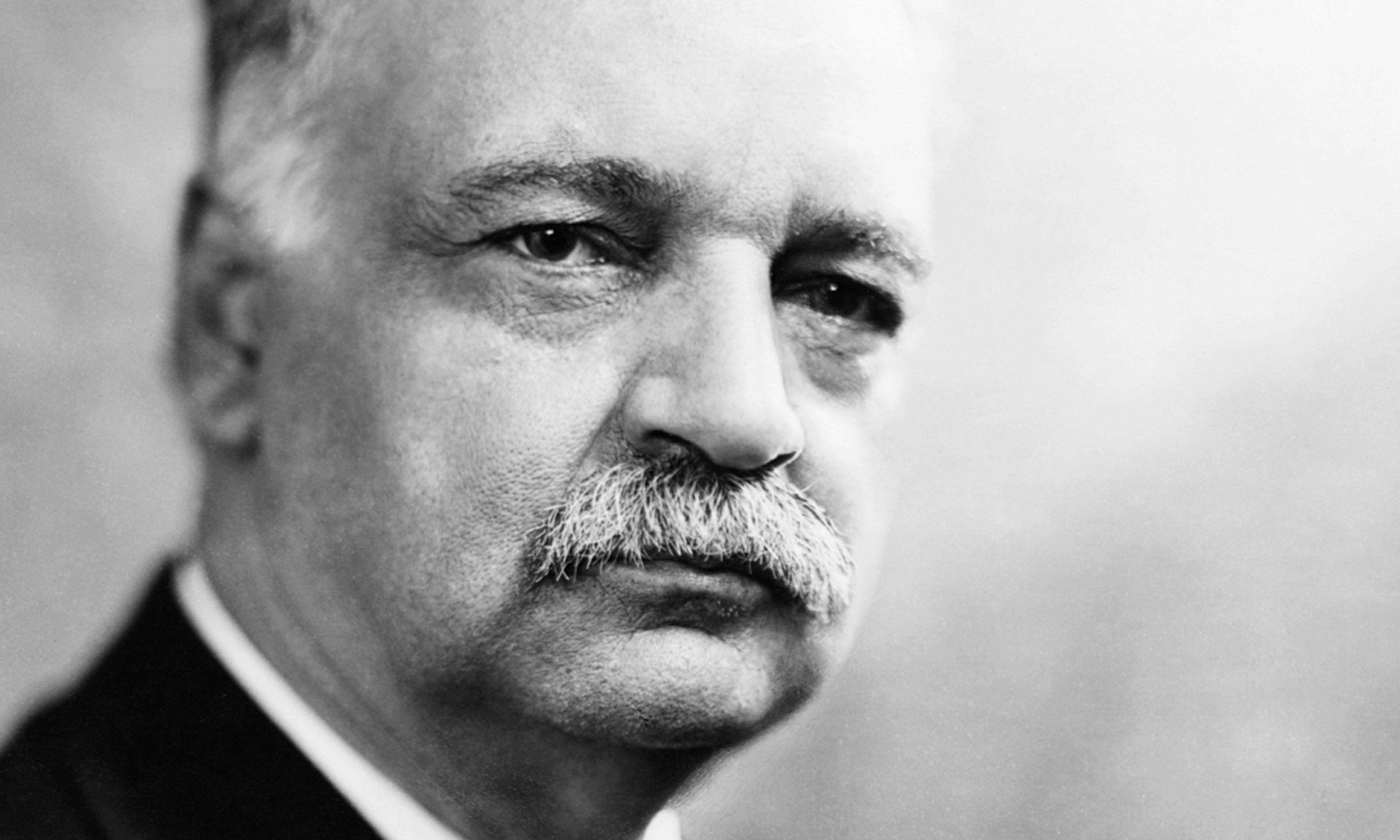
Charles Curtis had a favorite line in his stump speeches: “I’m one-eighth Kaw Indian and 100 percent Republican!” He used the quip so much that his Democratic foes tried to turn it against him: Curtis, they retorted, was “one-eighth Kaw Indian and seven-eighths incompetent!”
Perhaps one day historians will join the dispute over the man who was Herbert Hoover’s vice president. First, however, they’ll have to pay attention. Until recently, they haven’t bothered. Curtis is one of the most overlooked veeps in American history. The subject of precisely zero scholarly biographies, he shows up briefly, when he shows up at all, in accounts of Hoover’s presidency — and then often for the purpose of dismissal. Richard Norton Smith called him a “mediocrity.” Among 20th-century vice presidents, wrote Robert H. Ferrell, “Curtis most quickly passed into oblivion.” Even Hoover neglected him: In three volumes of memoirs that take up 1,400 pages, Curtis rates barely a mention.
Then came the election of Kamala Harris as vice president and the rush to hail her as a political pioneer. “We celebrate our first African-American, first Asian-American, and first woman vice president,” said Senator Amy Klobuchar, the Minnesota Democrat, at Biden’s inauguration in January. What Klobuchar and other celebrants couldn’t say, however, was that Harris is the vice presidency’s first “person of color” — because Curtis broke that barrier almost a century ago, when he and Hoover were swept into office in 1928. When they were swept out four years later, Curtis became a footnote, though the forgotten Republican might be better understood as a forerunner of today’s multiracial nation.
Curtis was born in 1860 the way presidents are supposed to be born, in a log cabin. His was situated along the Kansas River, near Topeka. His mother, Ellen Pappan Curtis, was a direct descendant of White Plume, a Kaw chief, and she also could trace her heritage to the Osage tribe as well as to the French-Canadian traders who were among the first white people to travel the American interior. She died when her son was just three. Her husband was serving in the Civil War, so young Charles went to live with his grandparents on a Kaw reservation in Kansas. According to the late historian William E. Unrau, whose book Mixed-Bloods and Tribal Dissolution contains the best information on the Curtis family, the boy grew up speaking Kaw and French.
Friends called him “Charley,” and he showed an aptitude for horse riding — a useful skill for westerners and one prized by his Kaw guardians. At the age of nine, he rode bareback in his first formal race. “The next year I became a full-fledged jockey,” he wrote in a still-unpublished autobiography. He earned $50 per month, mostly on the county-fair racing circuit. When he was 16 and living with white relatives in Topeka, he received an offer to race in Philadelphia but turned it down on his grandmother’s insistence so that he could finish high school. Later he took a job as a custodian at a law firm and studied Blackstone in his free time. Soon he was a bill collector and helping out on cases. At 21, he was admitted to the Kansas bar.
By this time, Curtis was getting involved in local Republican politics. He had a nickname: “the Indian jockey.” William Allen White, a Kansas-based newspaper editor with a national following, described him as “a handsome youth — slight, with the jockey’s litheness, with affectionate, black, caressing eyes that were hard to forget; with a fine, olive skin, and a haymow of black hair and a curling black mustache.” White also noticed that Curtis had a talent for retail politics, commending “his blessed gifts as a hand-shaker, a palaverer, the indefinable thing called charm which binds men to one forever.”
In 1884, Curtis won election as county prosecutor, the first step in his long rise. When he ran for Congress in 1892, Democrats suggested that his Indian ancestry rendered him unfit for office, but voters elected him anyway in what was elsewhere a lousy year for GOP candidates. He served on the House Committee on Indian Affairs and drafted a law that came to be known as the Curtis Act, which sought to weaken tribal loyalties and encourage Indians to assimilate into white society — a stance that makes Curtis controversial in some Indian circles today. He aspired to the Senate and finally was elected to it in 1907. Over the next two decades, he rose in its Republican ranks, becoming Senate majority leader in 1924 and remaining in the post until his vice presidency.
Party leaders tend to focus on the passage of legislation rather than the writing of it, and Curtis fits the mold: “The historian studying our times, going over the history of legislation for 30 years, will not find Curtis’s name attached to any measure of first importance,” wrote White in 1925. Even so, Curtis was the man who first introduced the Equal Rights Amendment to the Senate, in 1923. It went on to become a major cause of feminists in the 1970s. Today it remains a project of progressives, who see its possible revival as a route to equal-pay mandates and guaranteed abortion rights. Curtis probably would not recognize the thing it has become, but he was present at the ERA’s conception.
The most impressive feat of Curtis may involve his constituent relations. He was famous for remembering the names of voters, and he tried to stay in close contact with as many as possible. His half-sister Dorothy described how she helped him keep “books filled with the names of Kansas voters, the citizens of every county and town” and “a short biography of each voter, with his achievements, sometimes with a description of his personality.” One anecdote describes how 1,400 letters poured into the Curtis office in a 24-hour period, and how Curtis and a throng of secretaries mailed replies to each correspondent by the following day. “Charley Curtis would have been a hell of a Rotary Club member,” says R. David Edmunds, a retired history professor at the University of Texas at Dallas.
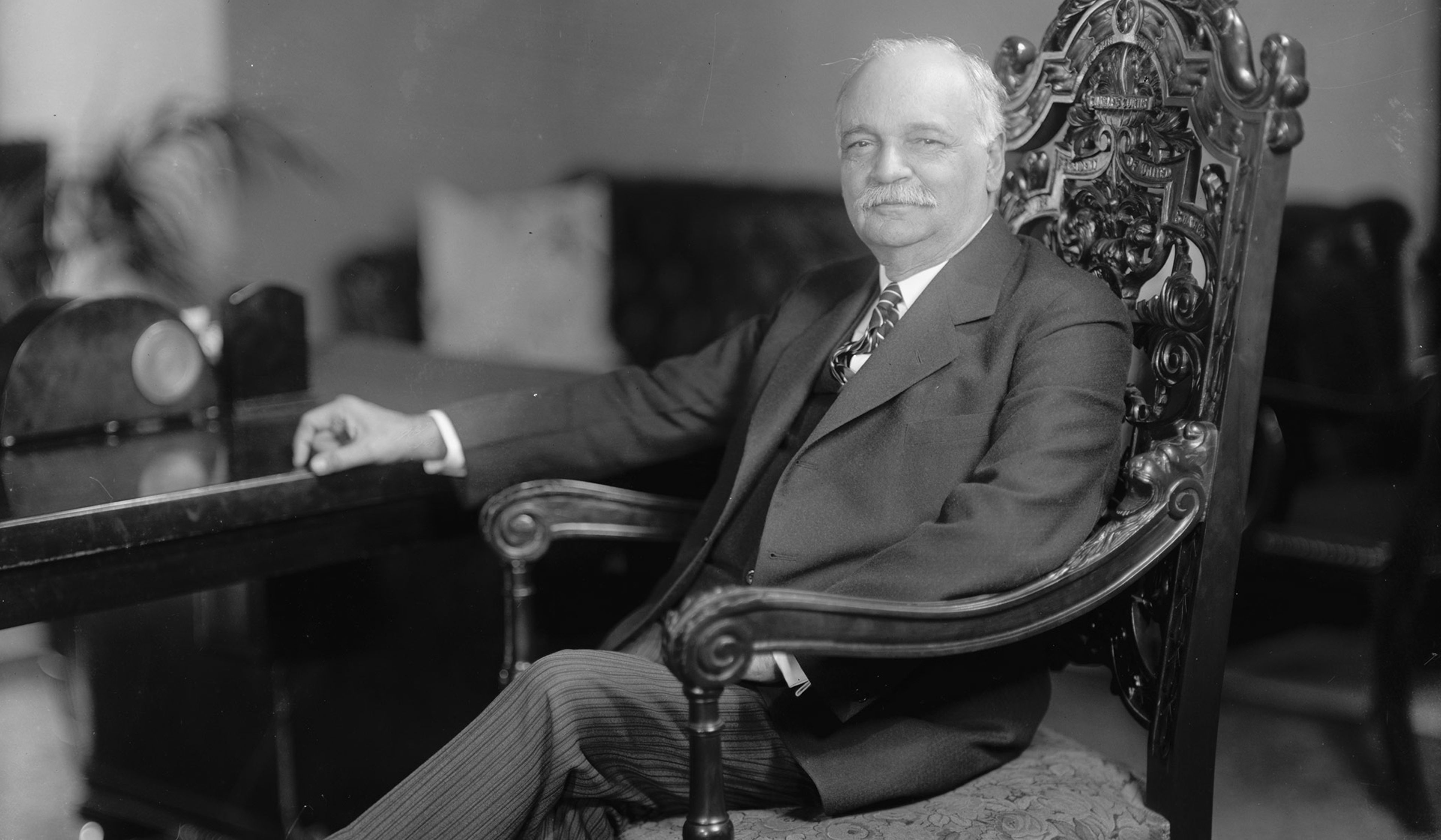
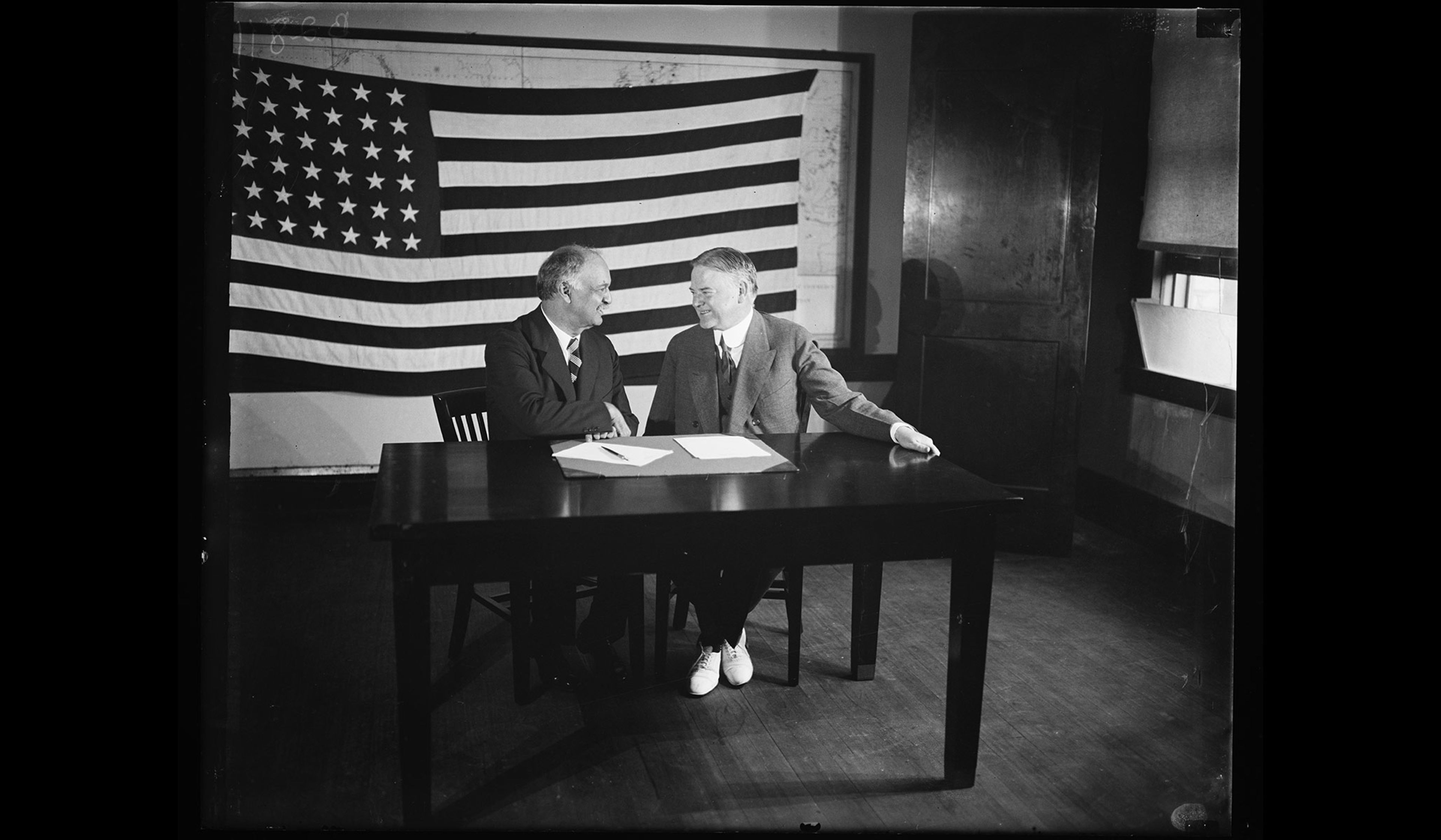
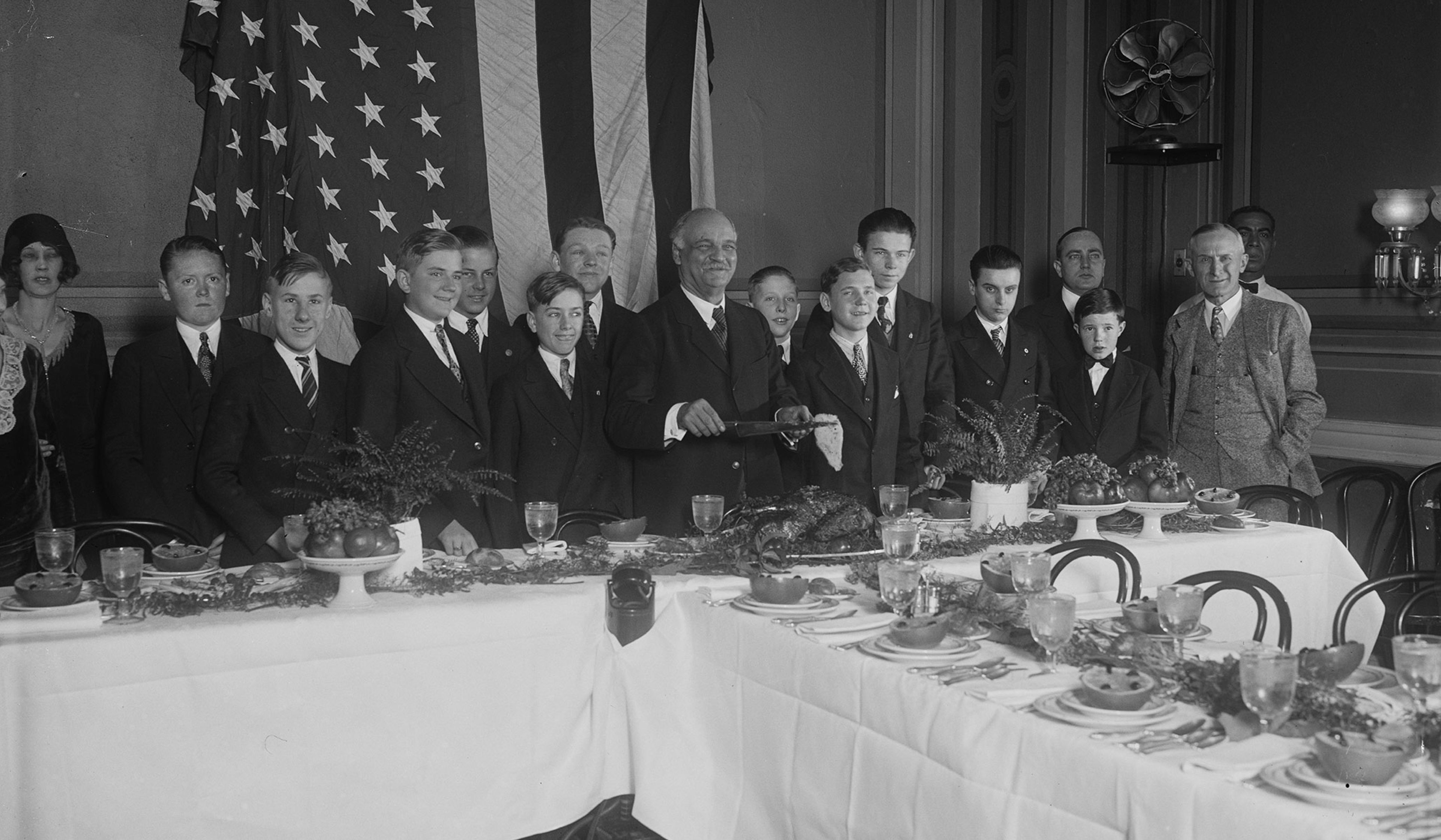
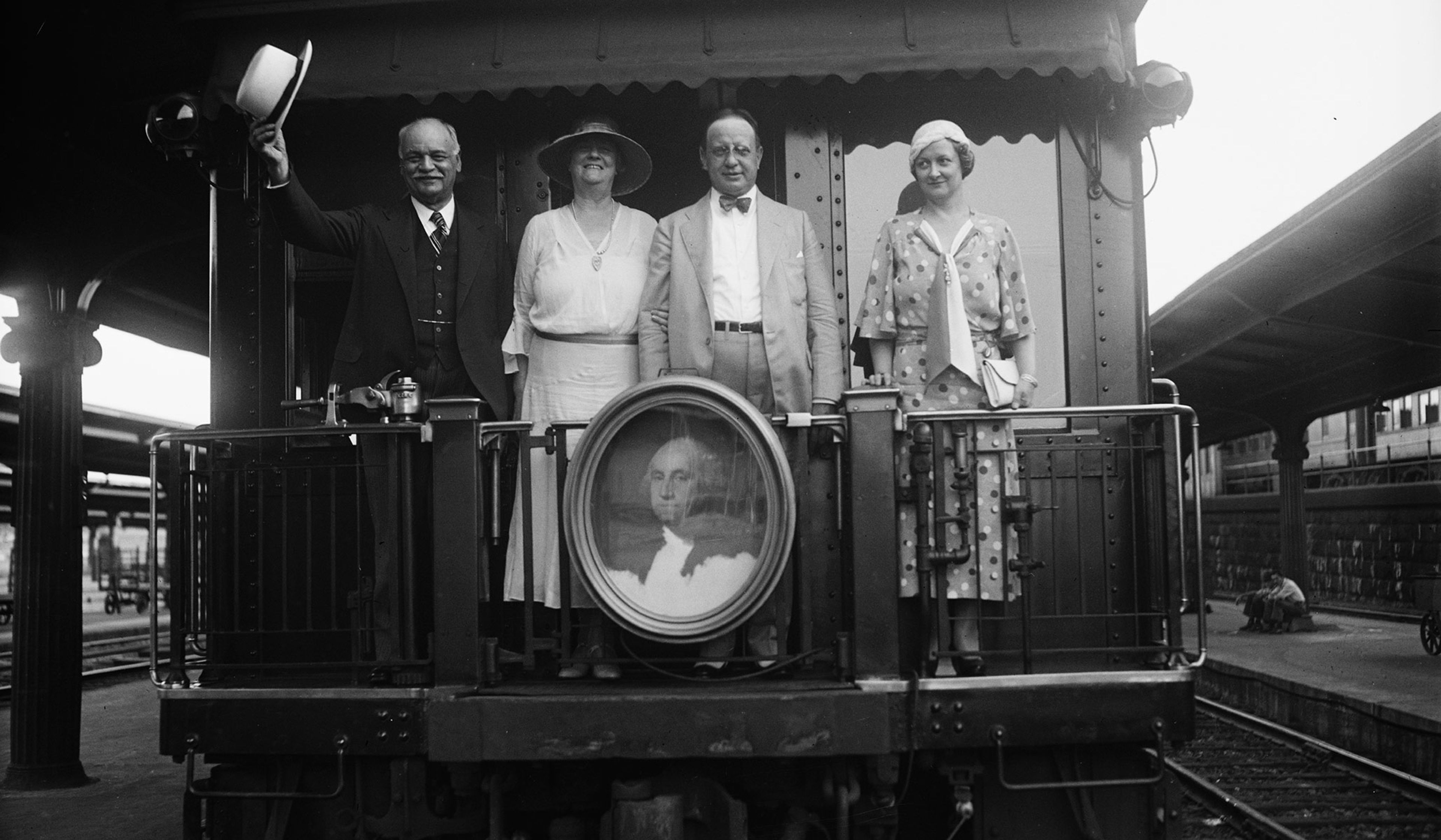
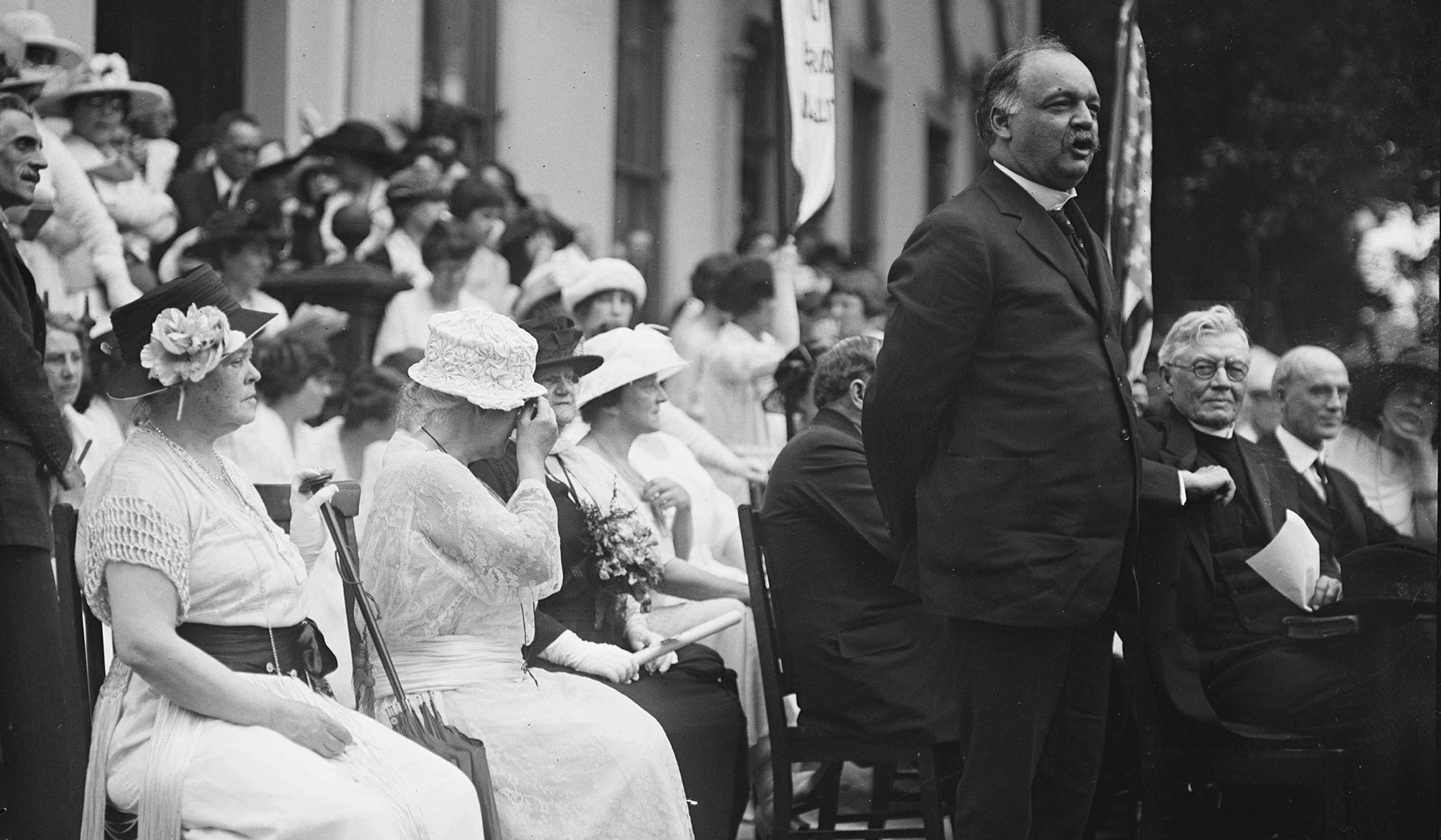
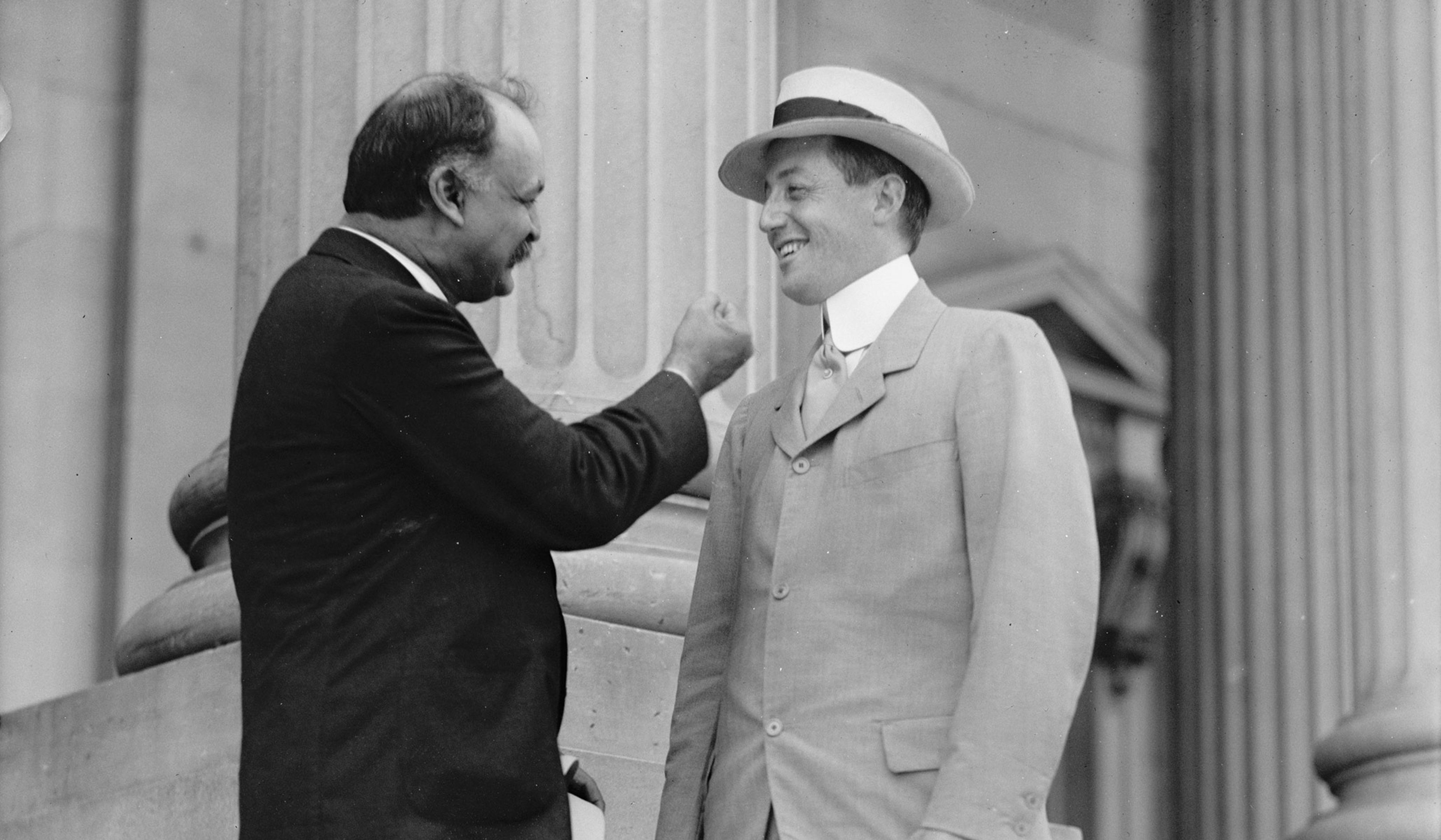
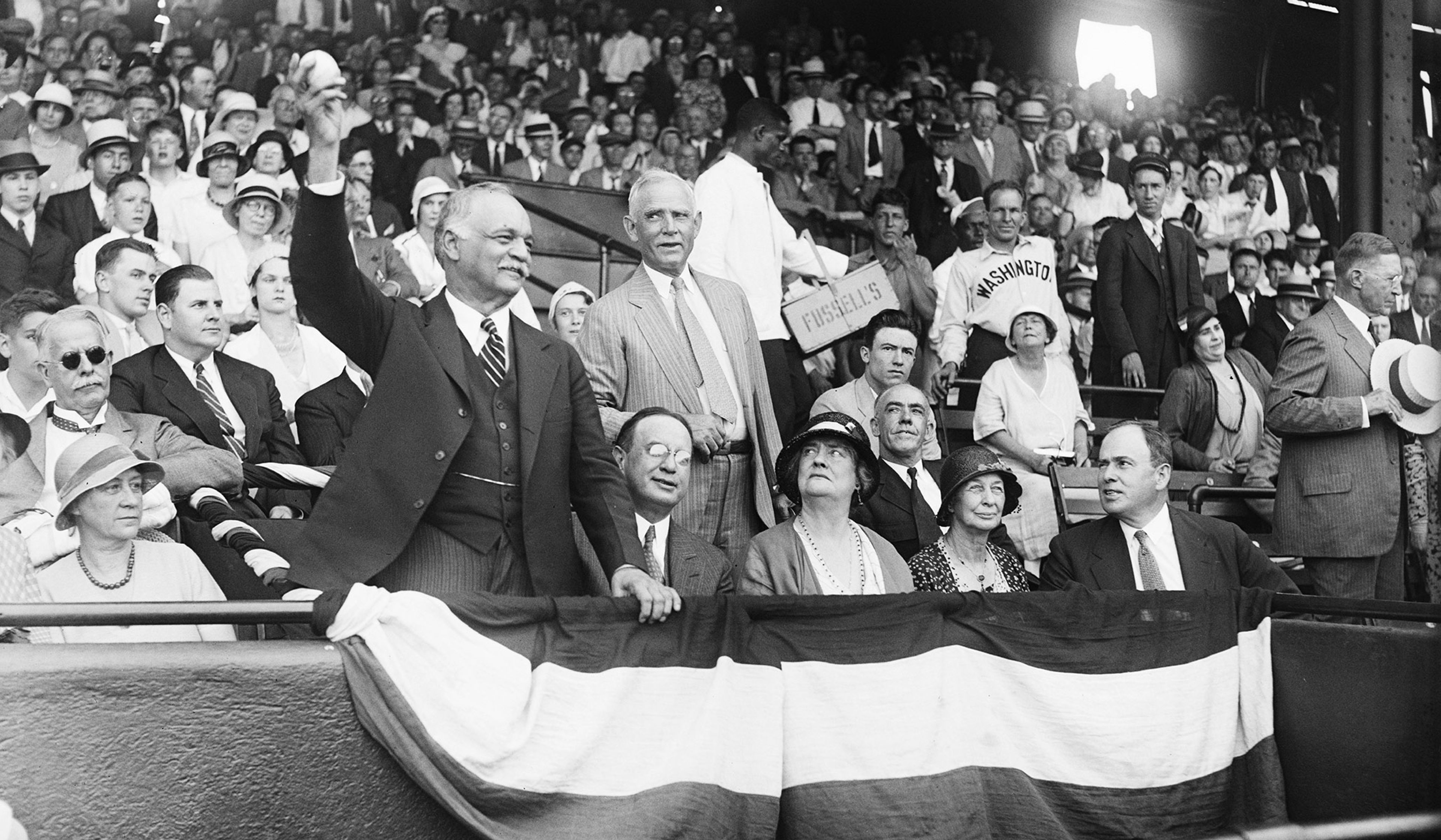
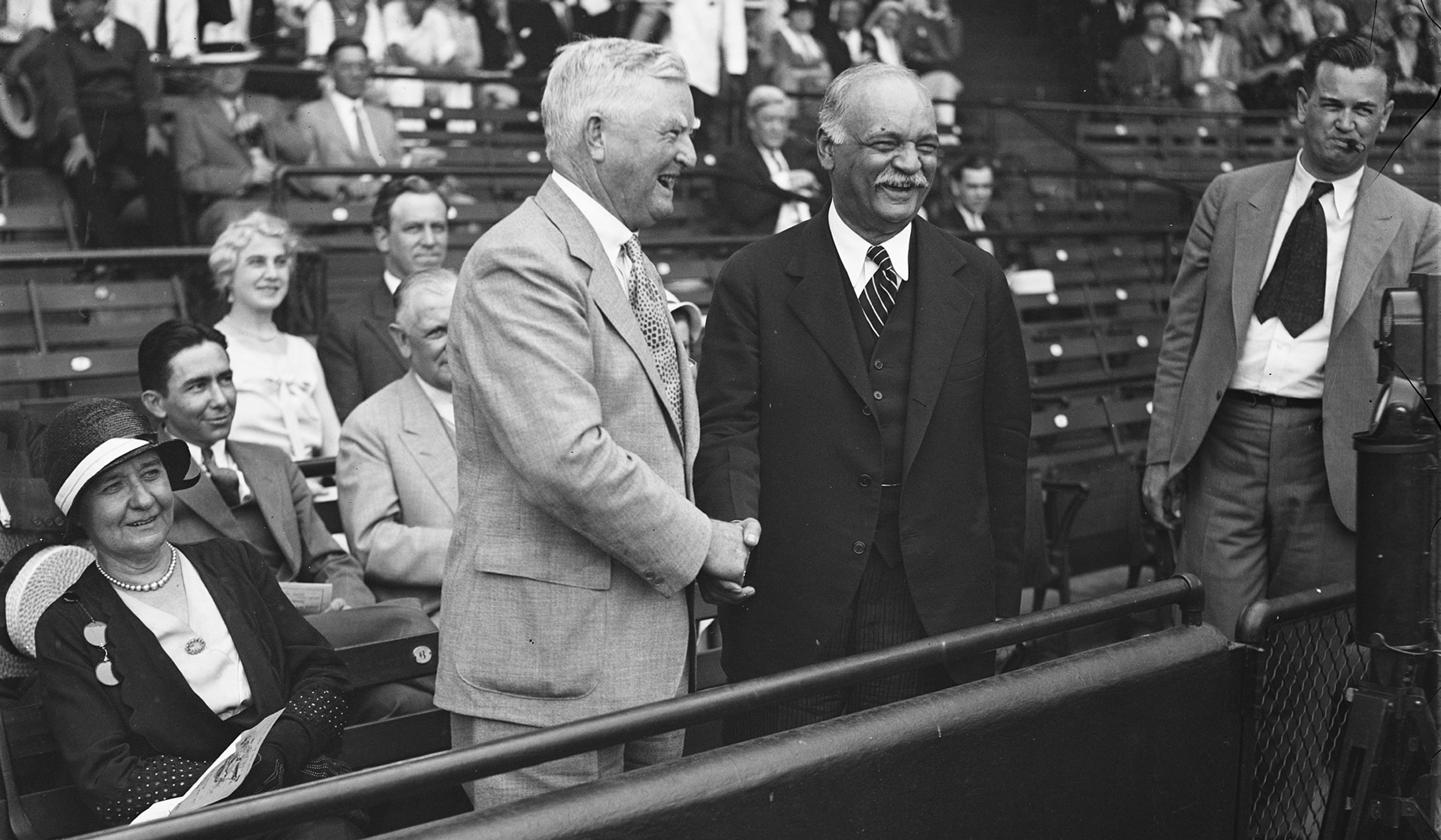
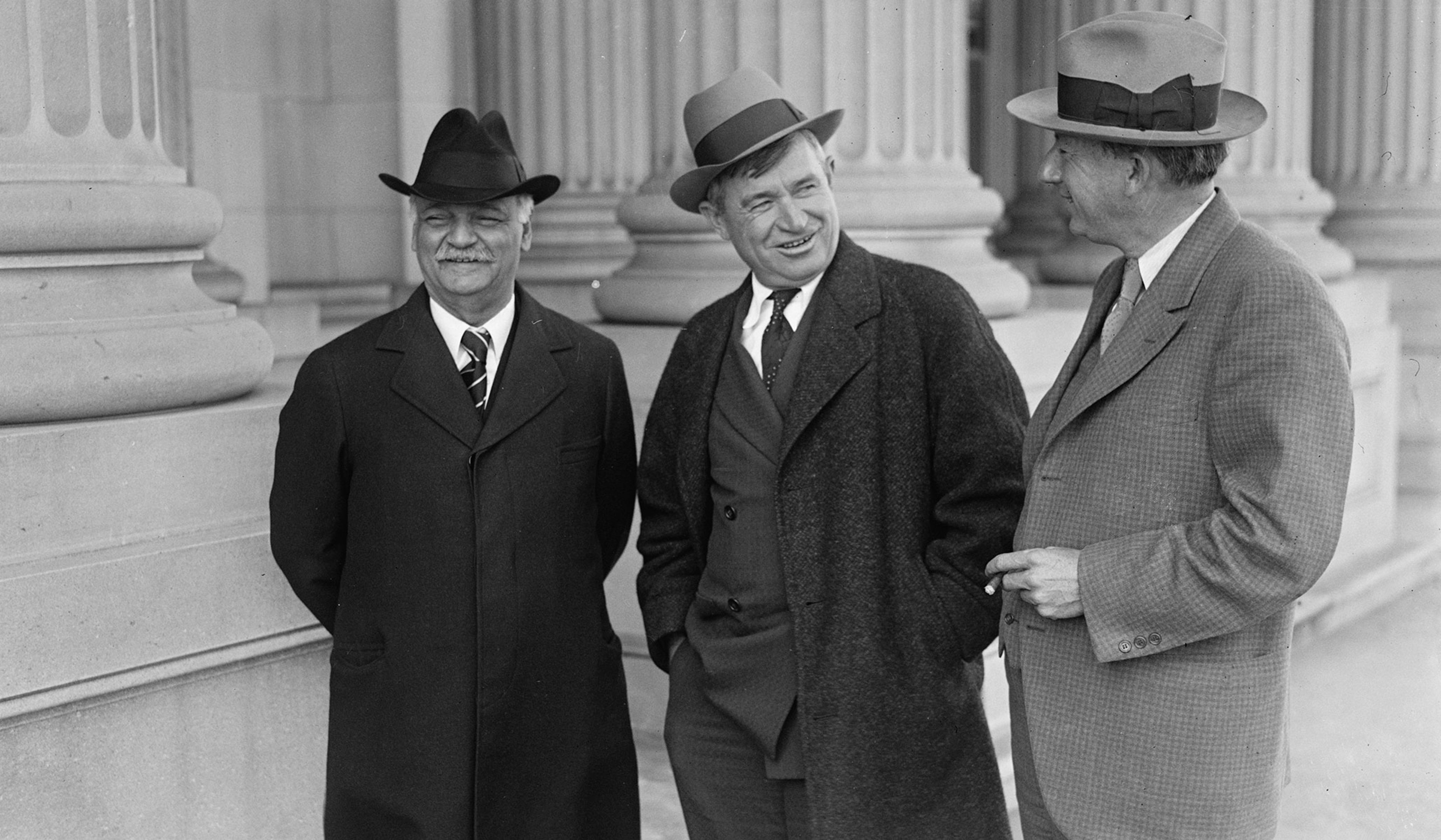
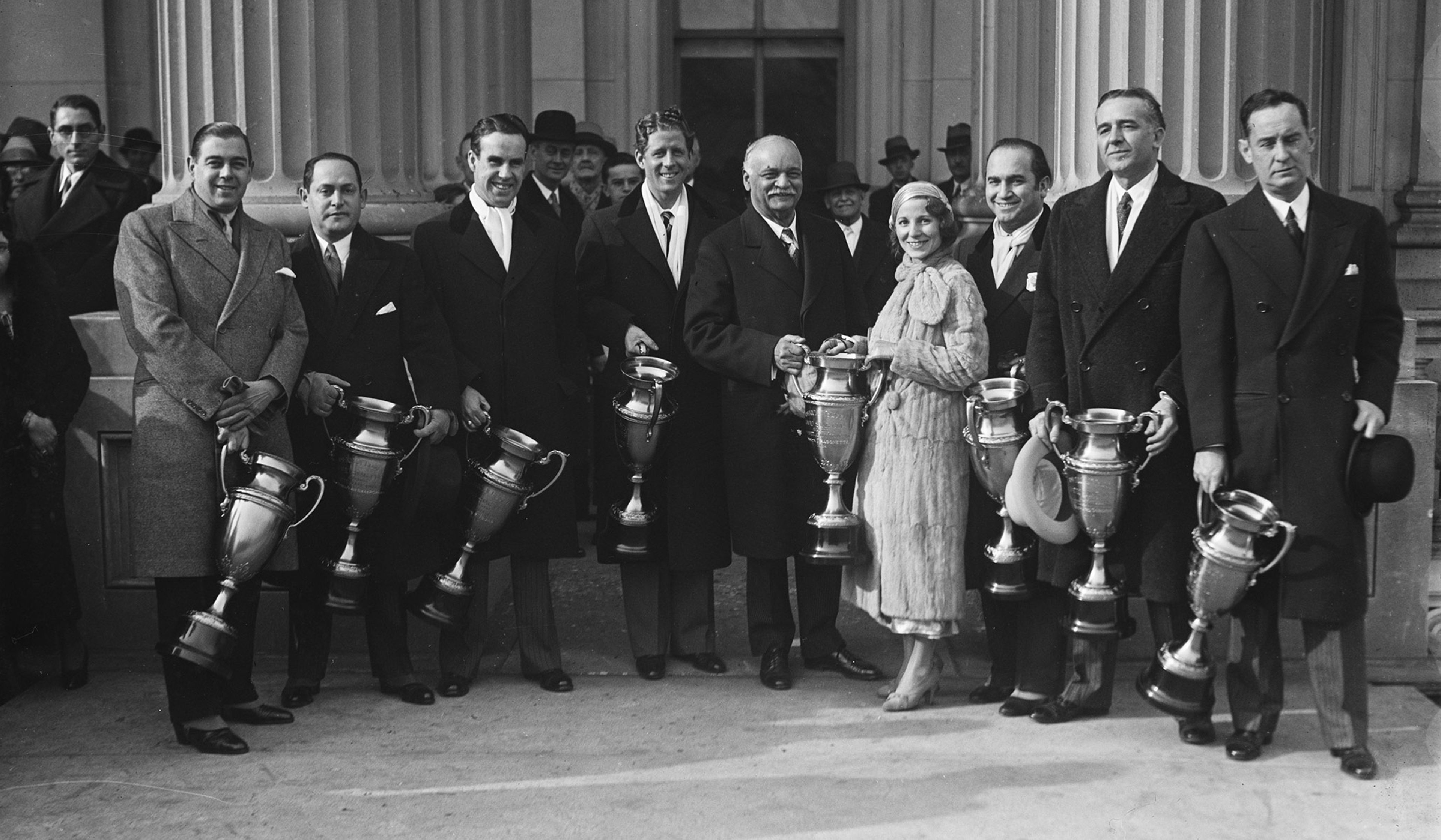
Vice President Charles Curtis, undated.
Harris & Ewing/Library of Congress
As vice president, Curtis wielded little influence over the policies of the Hoover administration. He contented himself with hosting dinner parties and officiating over the daily proceedings of the Senate. He dreamed of becoming president himself. Those ambitions ran into the maw of the Great Depression, and voters bounced the Hoover-Curtis ticket from office in 1932. Curtis died four years later.
From the perspective of 21st-century politics and its obsessions with identity, the most interesting thing about Curtis may be his ancestry — and the curiosity that a man with nonwhite lineage could scale the heights of public life when he did. Curtis certainly didn’t try to hide who he was: A campaign biography published for the election of 1928 was titled “From Kaw Teepee to Capitol: The Life Story of Charles Curtis, Indian, Who Has Risen to High Estate.” Curtis went on to decorate his vice-presidential suite with Indian artifacts, including a big chair with “The Chief” carved in gilded letters on its top rail. The success of Curtis says something good about American tolerance for racial and ethnic diversity: A century ago, it may have been stronger than today’s casual assumptions about systemic discrimination would assume, at least in the singular case of “the Indian jockey.”
In 1925, a commissioner of the Bureau of Indian Affairs praised Curtis as “a fulfillment and an assurance of the Red Man’s progress.” Curtis took these words as a compliment. In a reply, however, he said that he also saw himself as a possible source of inspiration for all people, no matter what their color: “Since this journey has been possible for me who started so obscurely and who had so many early handicaps, is there any reason why any boy anywhere should not consider that to him all things are possible?”










Comments