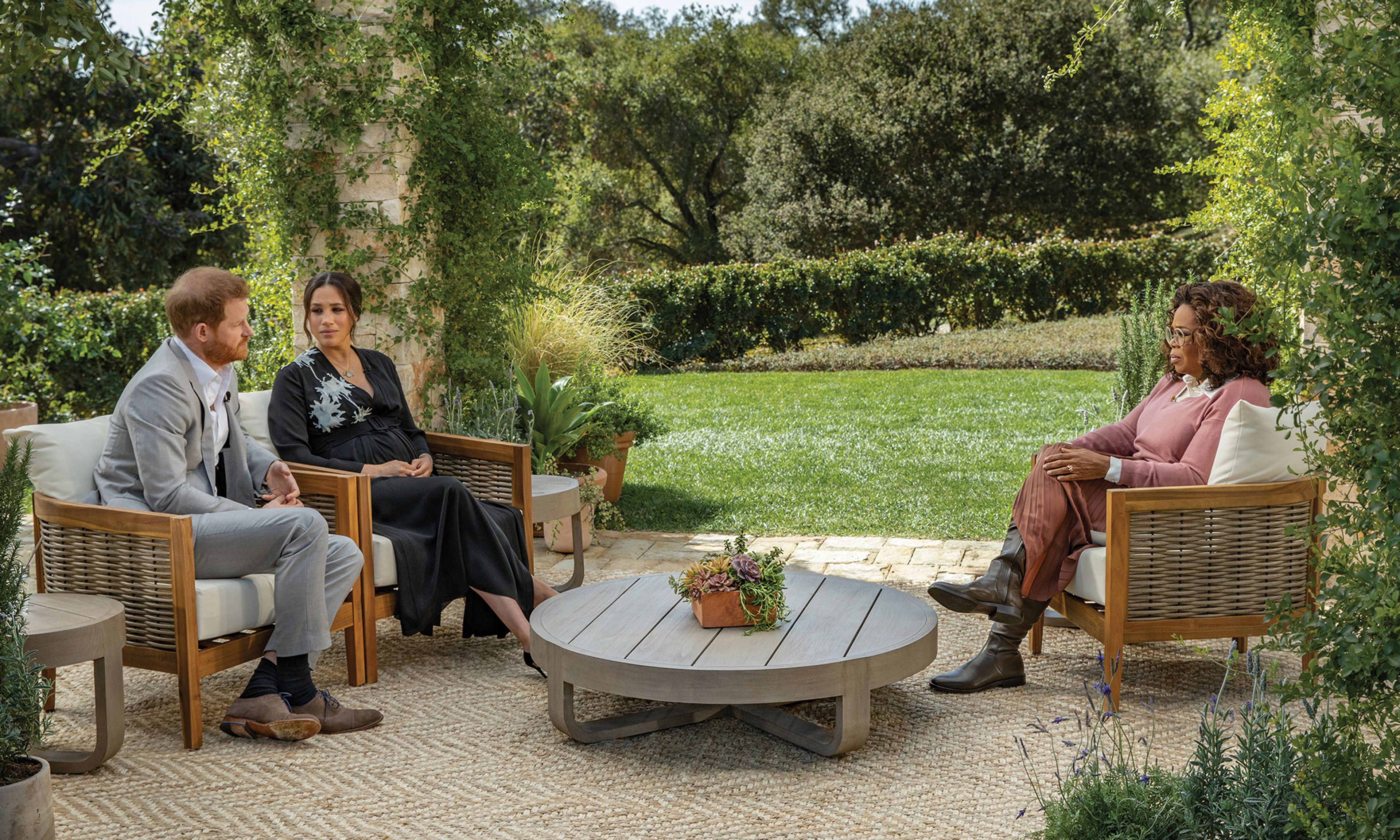
When Meghan Markle and Prince Harry struck their multimillion-dollar deal with Netflix, the pair reportedly insisted that the streaming service not include them in The Crown, its popular dramatization of recent royal history. Indeed, it would appear that the estranged couple were saving the opening episode of their personal drama for CBS This Morning and Oprah Winfrey.
In a two-hour TV special in March, Meghan spoke to Oprah, woman to woman; then, in the second half, Prince Harry joined them to hold Markle’s hand and repeat her talking points, only less eloquently. All in all, it was a farce, the highlights of which included Markle’s devastatingly vague accusation of there being a racist in the royal family expressing concerns to Prince Harry that his son’s skin would be too dark, her claim that she was left feeling suicidal while pregnant (on account of media criticism and a lack of support from her in-laws), and an additional serious suggestion that her son was denied the title of prince, also because of racism.
After the Oprah interview, Harry and Meghan’s net favorability ratings fell to their lowest-ever level, dropping nearly 15 points each, to minus three for Prince Harry and minus 27 for Meghan. Perhaps this is because Brits are generally confident that theirs is a wonderfully tolerant country, and many Islanders simply did not find Markle’s claim to victimhood credible. Though many in academia and media would like the emphasis to be on historical colonialism, among the public at large it is class, not race, that represents the predominant original sin of the United Kingdom. And the spectacle of a member of the royal family complaining to another fabulously wealthy woman on a multimillion-dollar estate, in the finest of clothing, to an audience of millions, about how tough and lonely life was after a fairy-tale wedding in the uppermost echelons of society is not especially endearing, shall we say?
Perhaps at this point I am at risk of losing my American readers. Why should you care about any of this, given that you fought a war over 200 years ago to be free of monarchist concerns forevermore? I sympathize. (I am Scottish, after all.) Still, an appalling celebrity culture, a culture of narcissism, is being mainstreamed and celebrated — and with astonishingly little opposition because it is cloaked in wokeness.
Markle’s version of events begins like every princess book, with a wide-eyed and innocent heroine who was good-natured and trusting and had simply no idea what she was getting herself into. Within the first five minutes of her interview, she made a reference to Princess Diana (her husband’s mom), whom we, the audience, are presumably supposed to consider her kindred spirit, a previous shooting star with the same Markle sparkle. (All nonsense, of course.)
Then, after this contrived setup, the interview reached its first emotional plot twist — the moment “when everything changed,” Markle tells us. This was when she endured heartache and torment when the royal family were unwilling to make a public statement in her defense after British tabloids reported that Markle had made Kate Middleton cry over the bridesmaids’ dresses at Markle’s wedding, when in fact “the reverse happened” — Middleton had made Markle cry (the ultimate proof of being in the right, as every little girl can attest). Markle reveals that Middleton even sent flowers and a note taking “accountability” for her actions. “I would never have wanted that to come out about her,” Markle says of her famously discreet sister-in-law. “I protected that from ever being out in the world,” she tells Oprah’s audience of millions.
Why does this soon-to-be 40-year-old millionaire mother think we should care about which grown woman made which grown woman cry over an item of clothing? Something to do with the sisterhood, I think: “If you love me, you don’t have to hate [Middleton],” Markle says. “And if you love her, you don’t need to hate me.” Of course, what Markle doesn’t realize is that most of us neither love nor hate either of them. We have our own lives, with people in them.
Nevertheless, Oprah finds this idea, like Markle’s overall performance, extremely compelling. “There were several stories that compared headlines written about you to those written about Kate,” she says. “Since you don’t read things, let me just tell you.” She informs her about a handful of discrepancies in tabloid coverage of how the two sisters-in-law held their baby bumps and ate avocado toast. After giving a gracious chuckle, Markle concludes of the tabloid coverage that “they really seem to want a narrative of a hero and a villain.”
If there is one subject Markle understands well, it is narratives of heroes and villains.
The villain in the Markle drama is straight out of the critical-race-theory textbook — that nameless, faceless phantom of “unconscious bias.” Oprah wonders whether Kate was treated one way and Meghan another because of race. Markle gives a pained look. Oprah asks whether Archie was denied the title of prince because of race, too. Markle gives a tortured sigh, saying, “If that’s the assumption you’re making, I think that feels like a pretty safe one.”
Except that there is no evident factual basis for such a grave accusation. When Piers Morgan made this very point on Good Morning Britain, citing roughly a hundred years of palace protocol (meaning that Archie, as the great-grandson of the monarch and not in direct line to the throne, would not be bestowed with such a title until the death of the queen), he was told by his woke co-host that this had been the couple’s “lived experience” and therefore it could not be refuted. It was “their truth.”
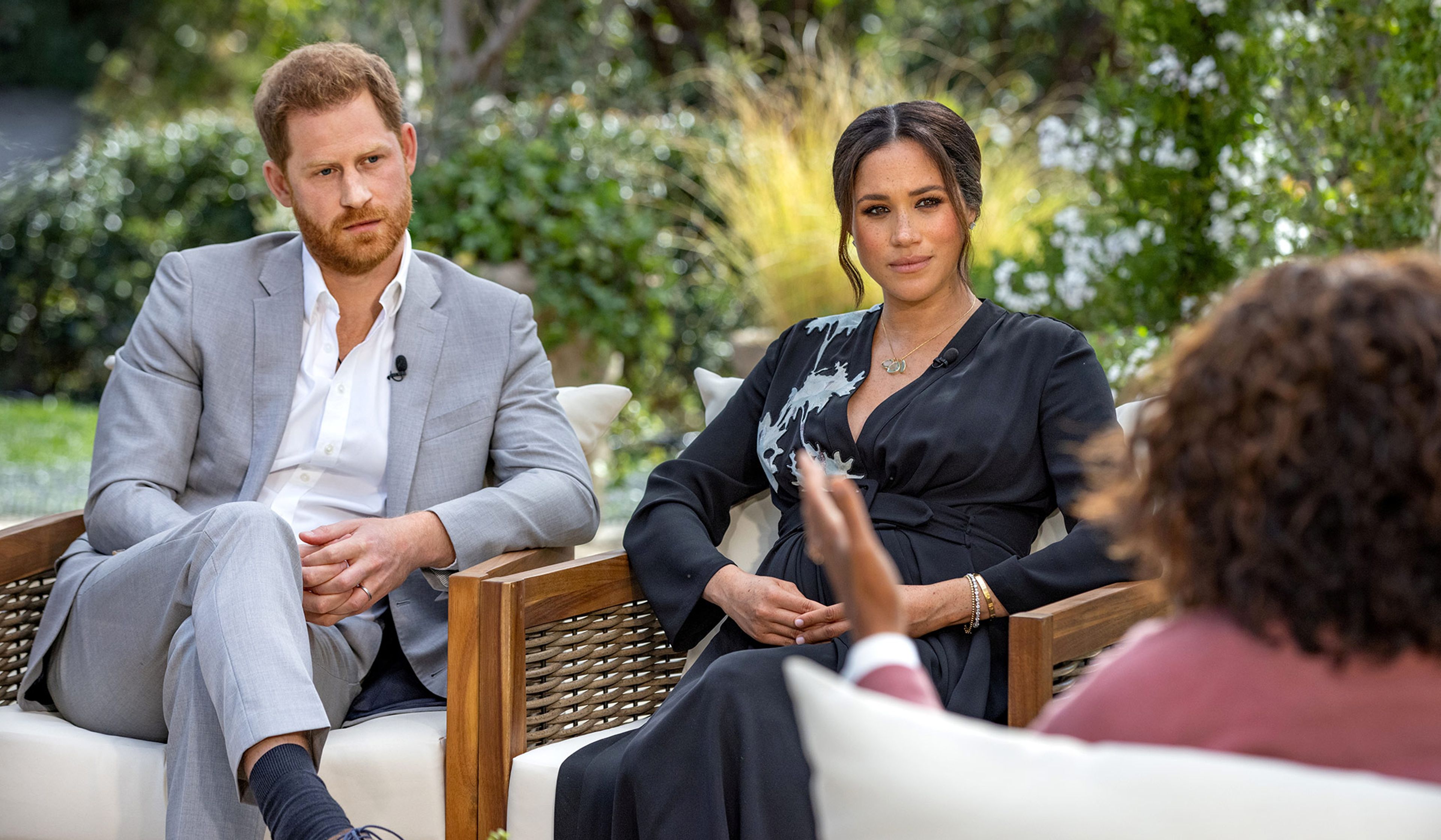
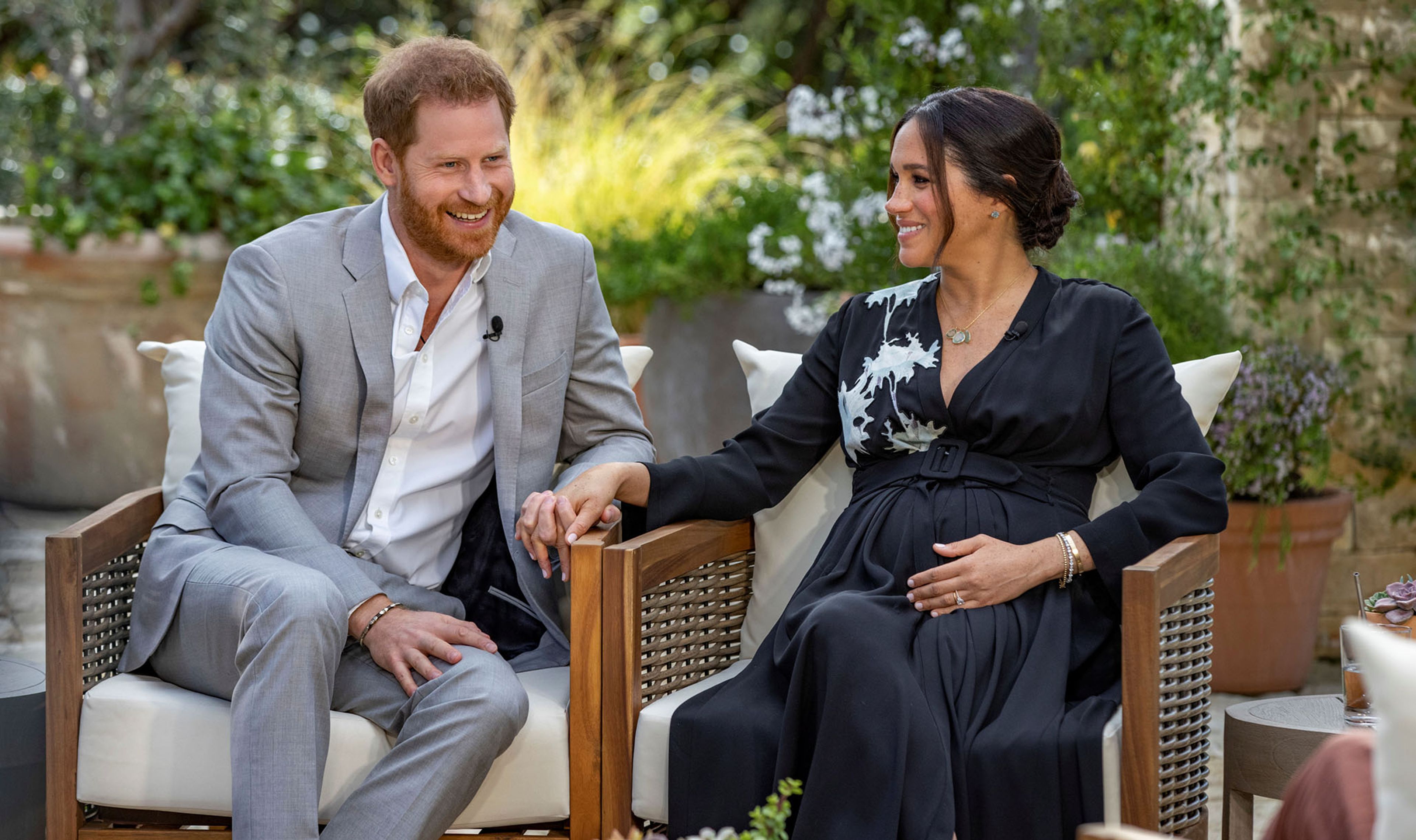
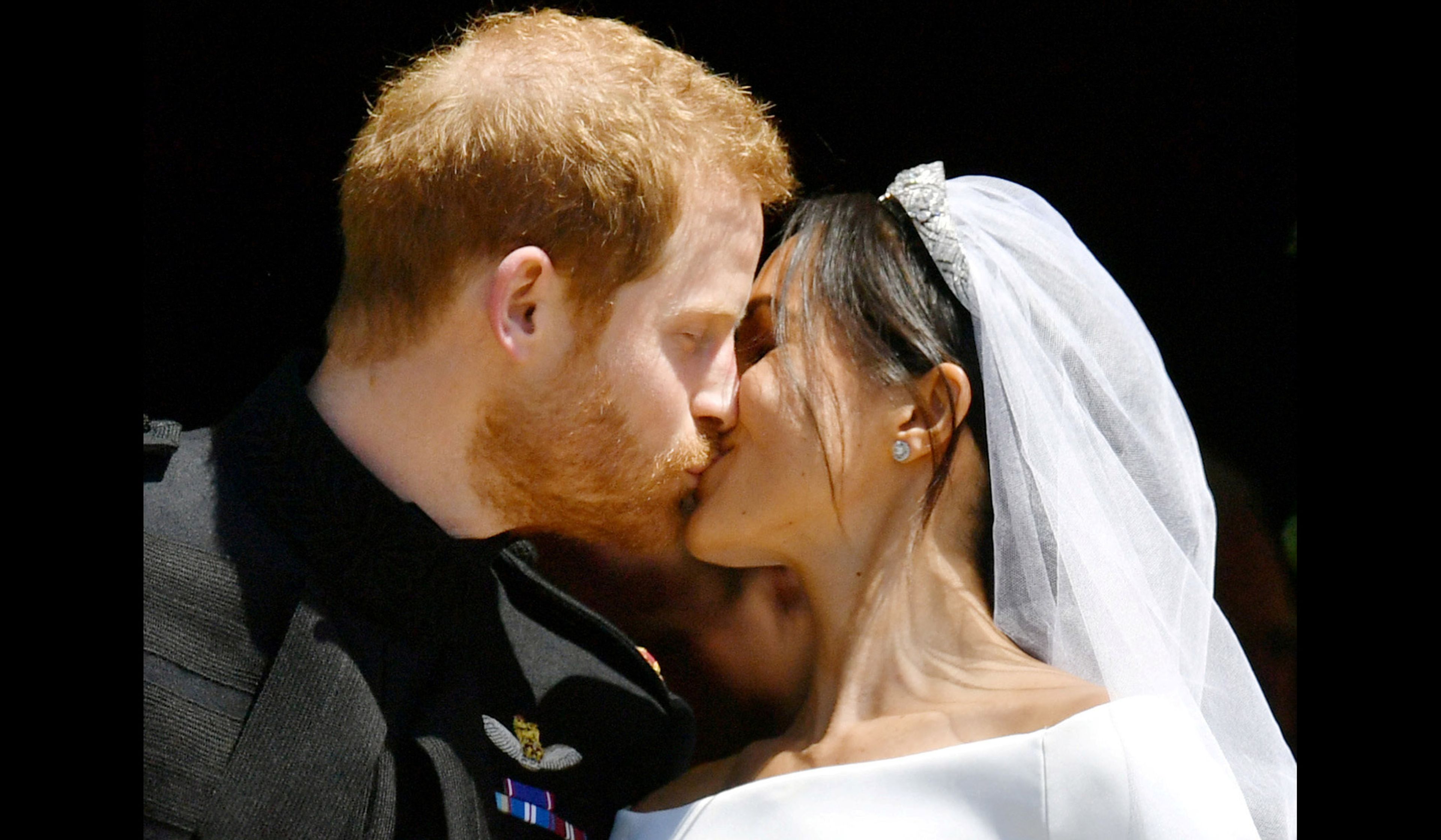
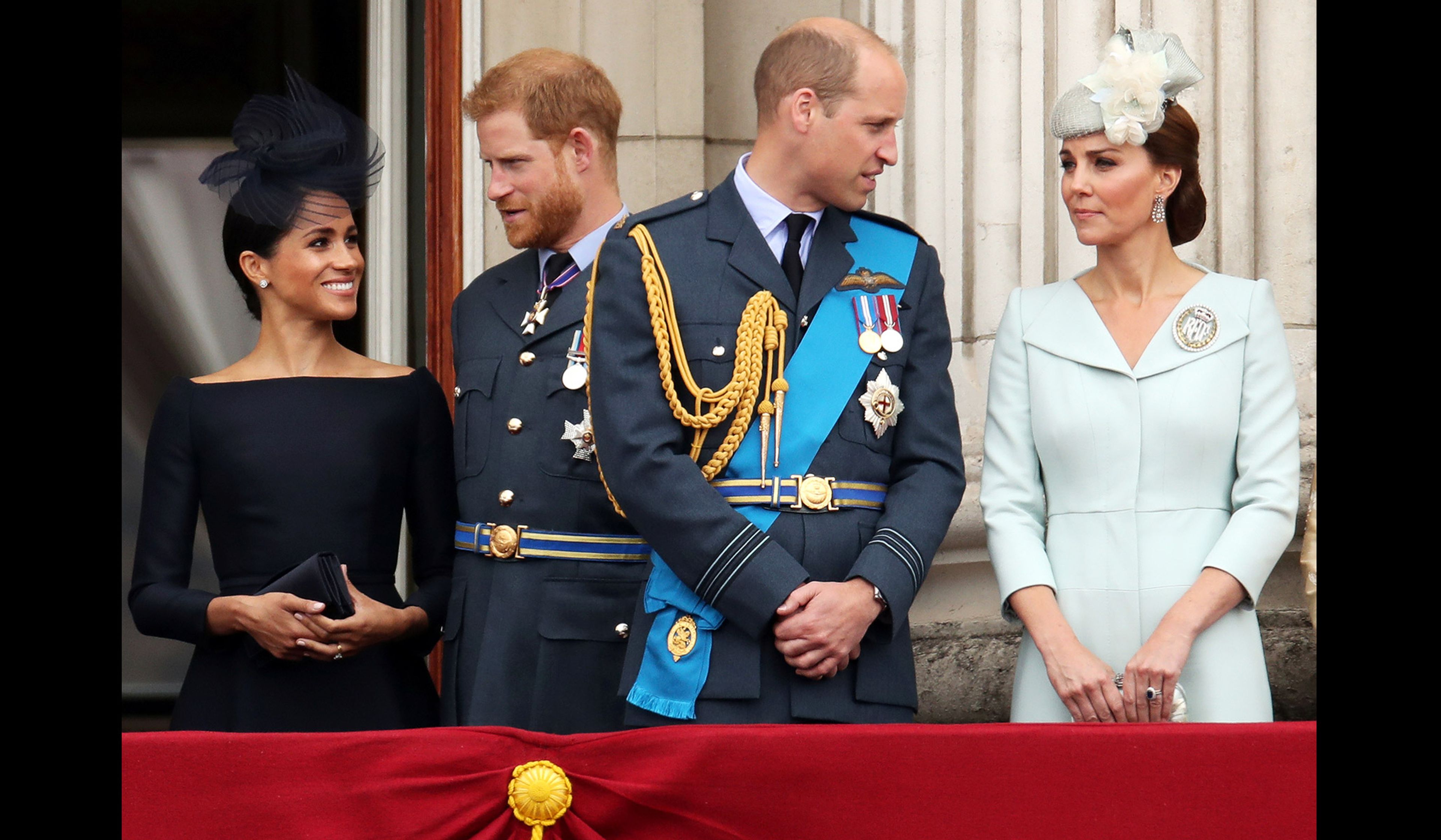
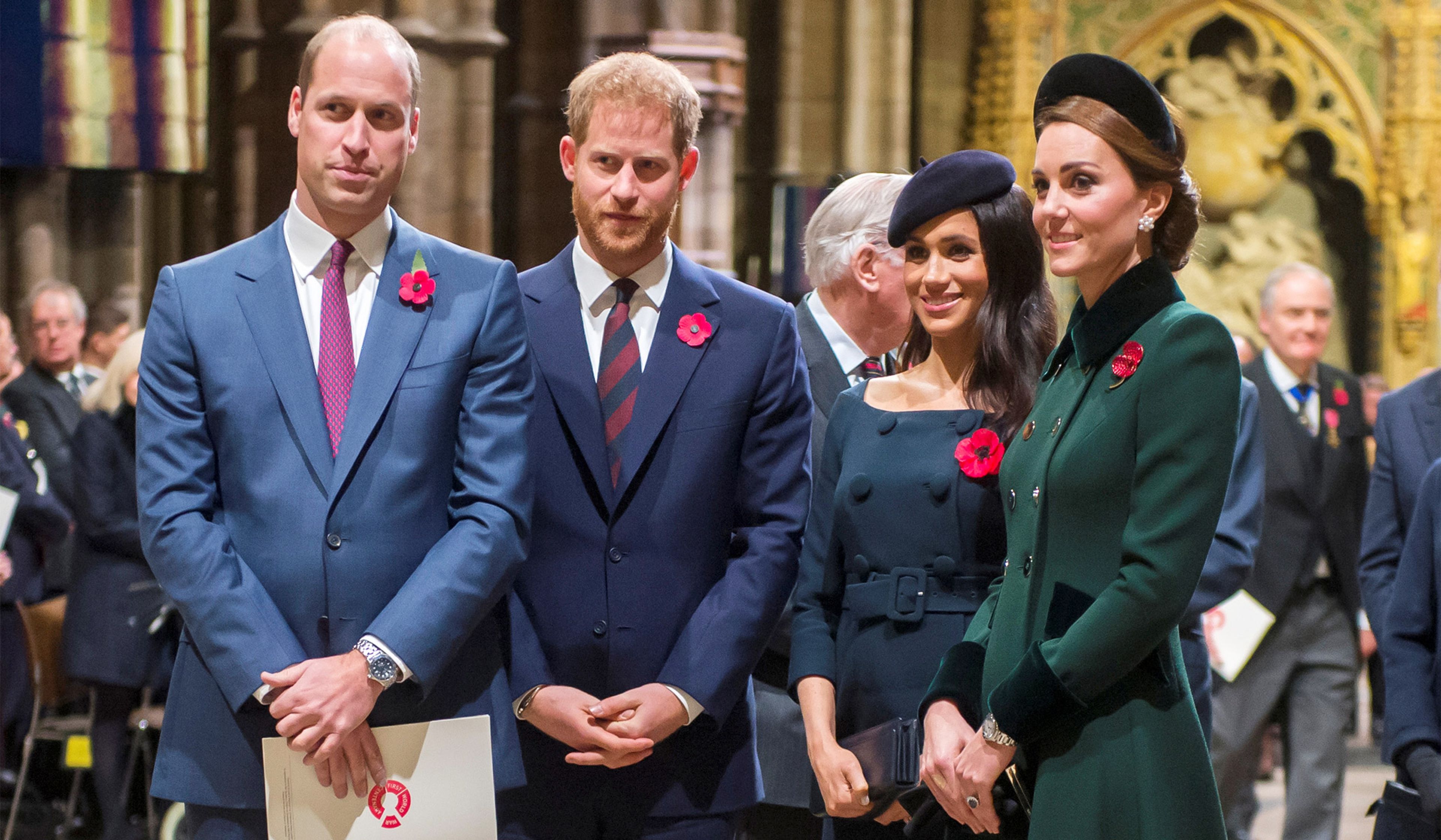
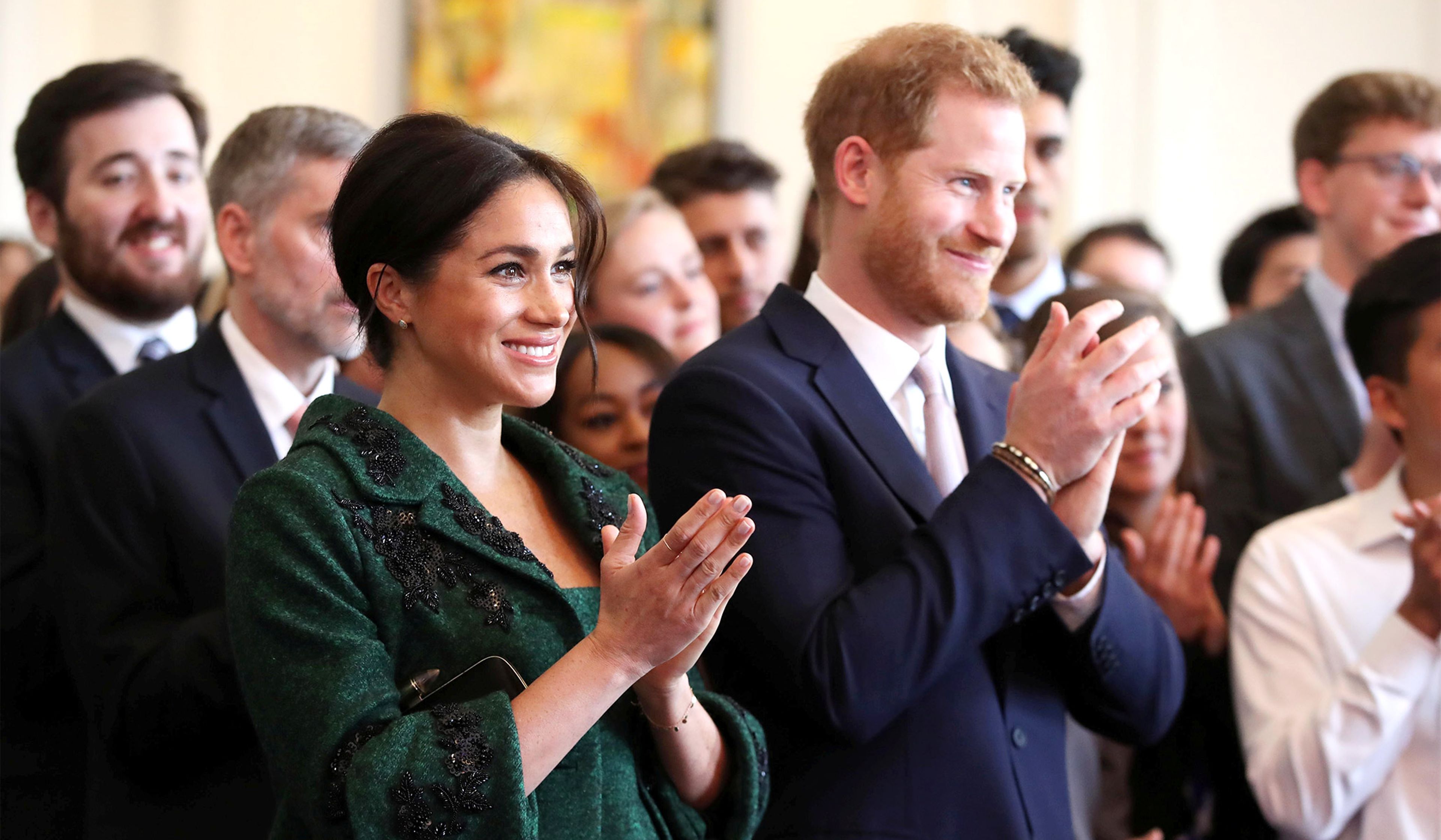
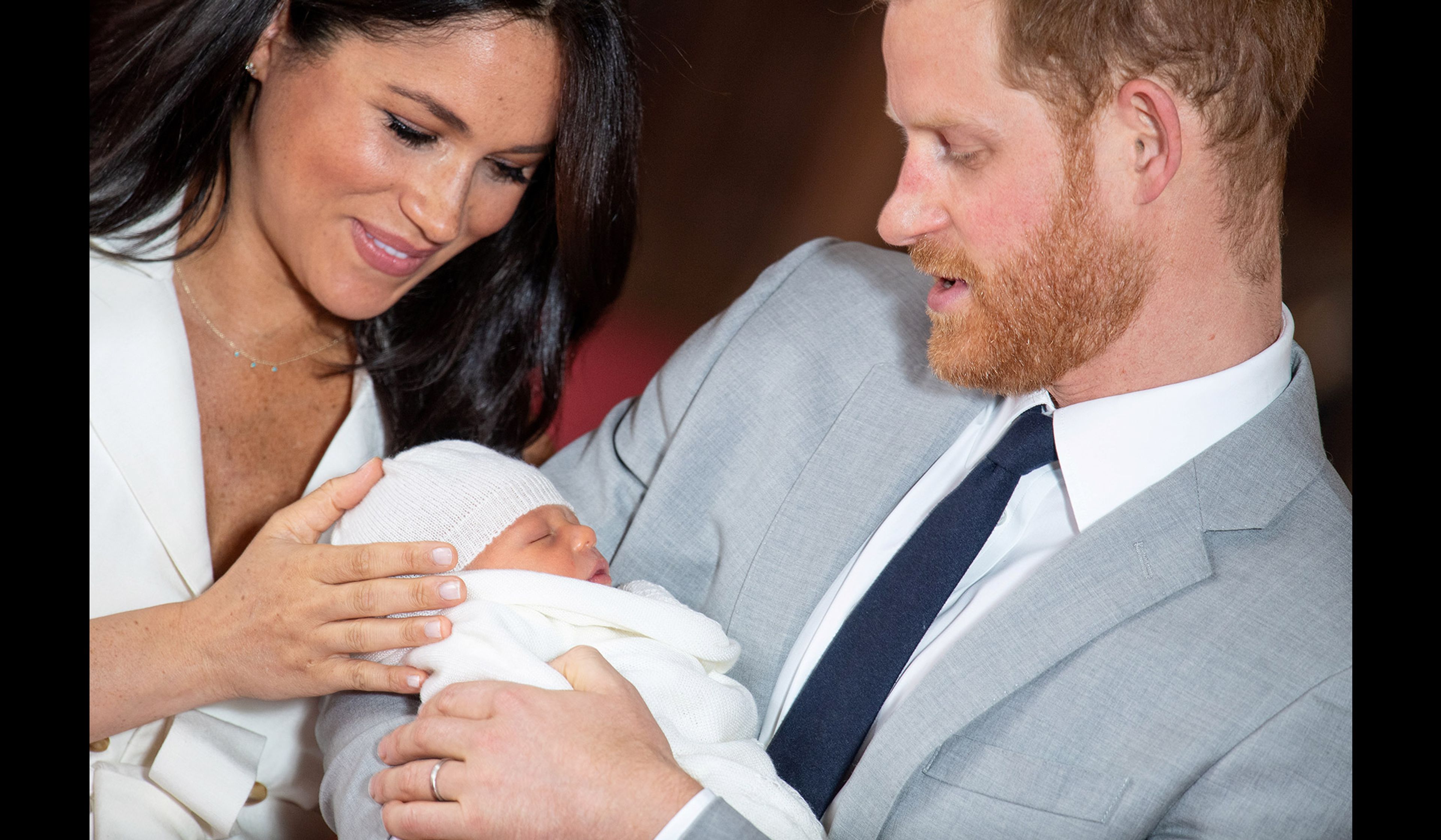
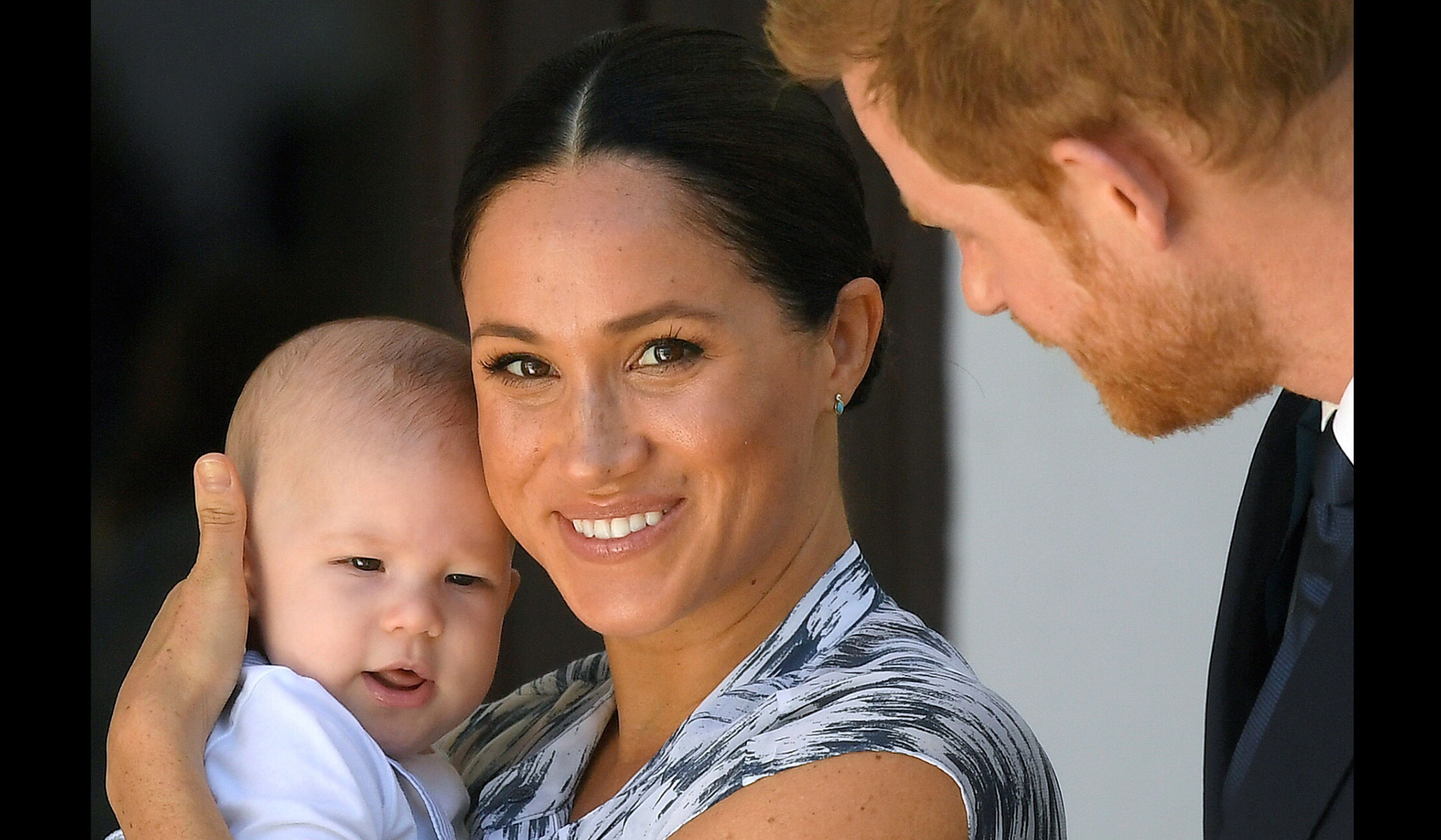
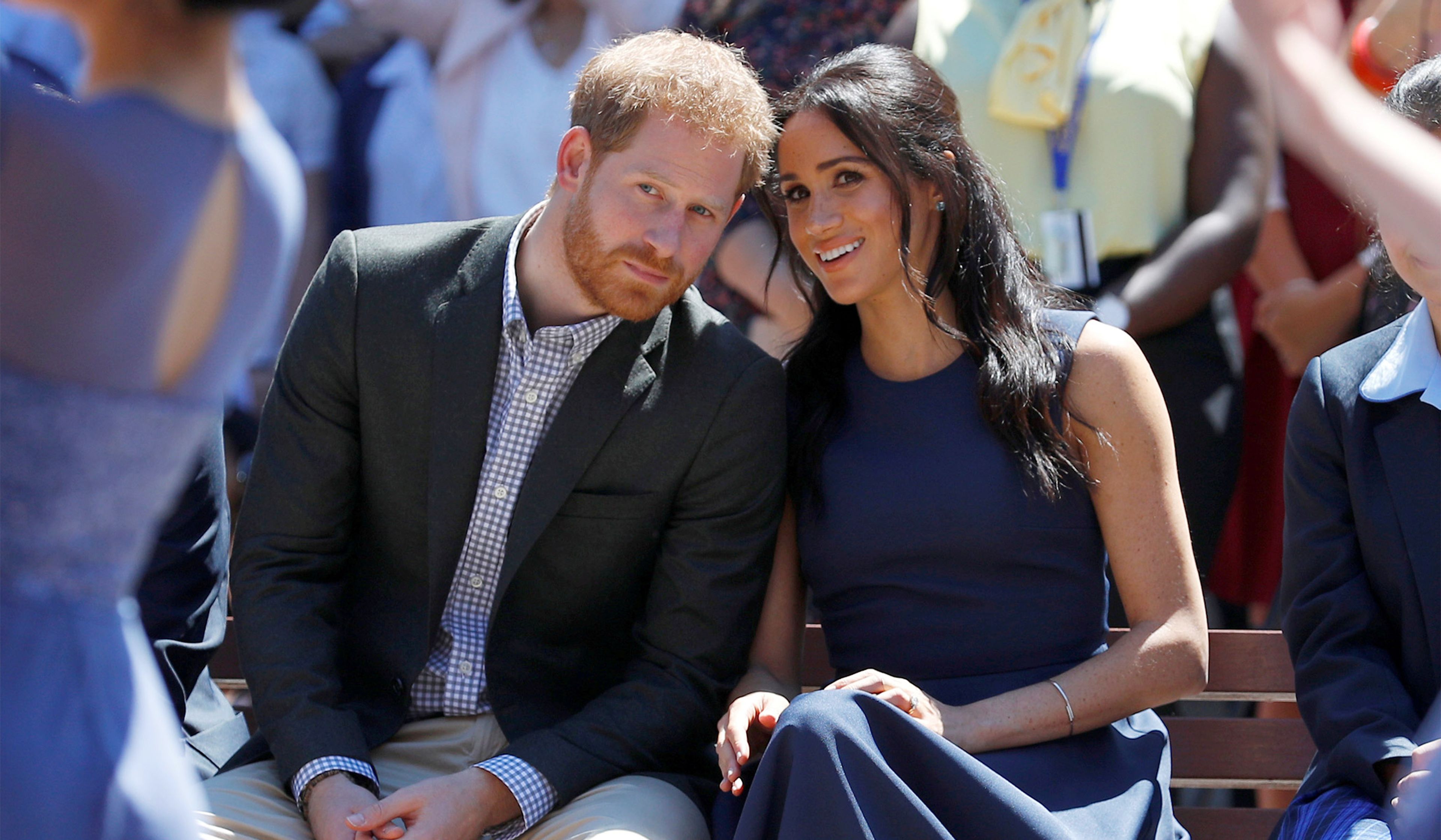
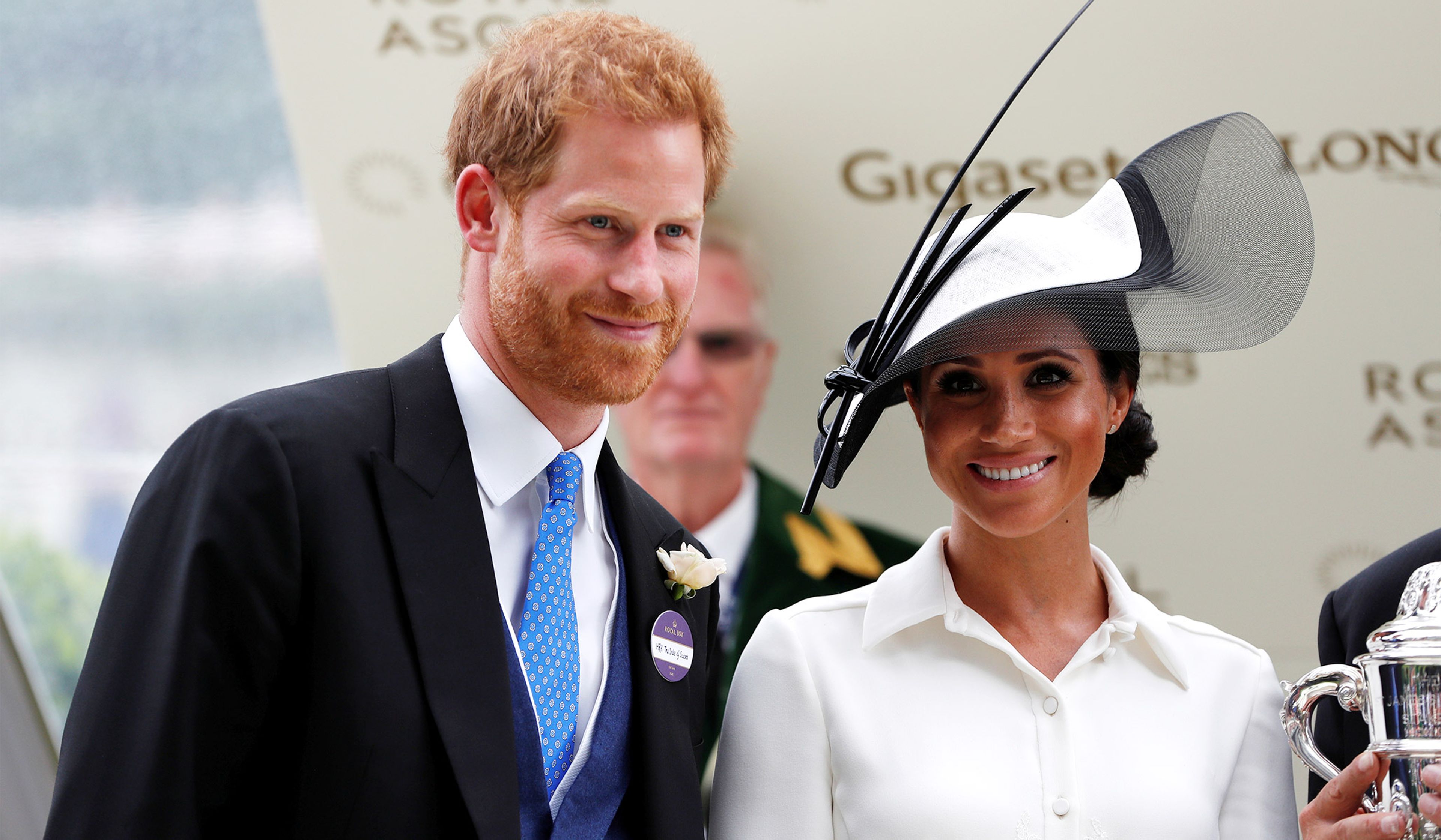
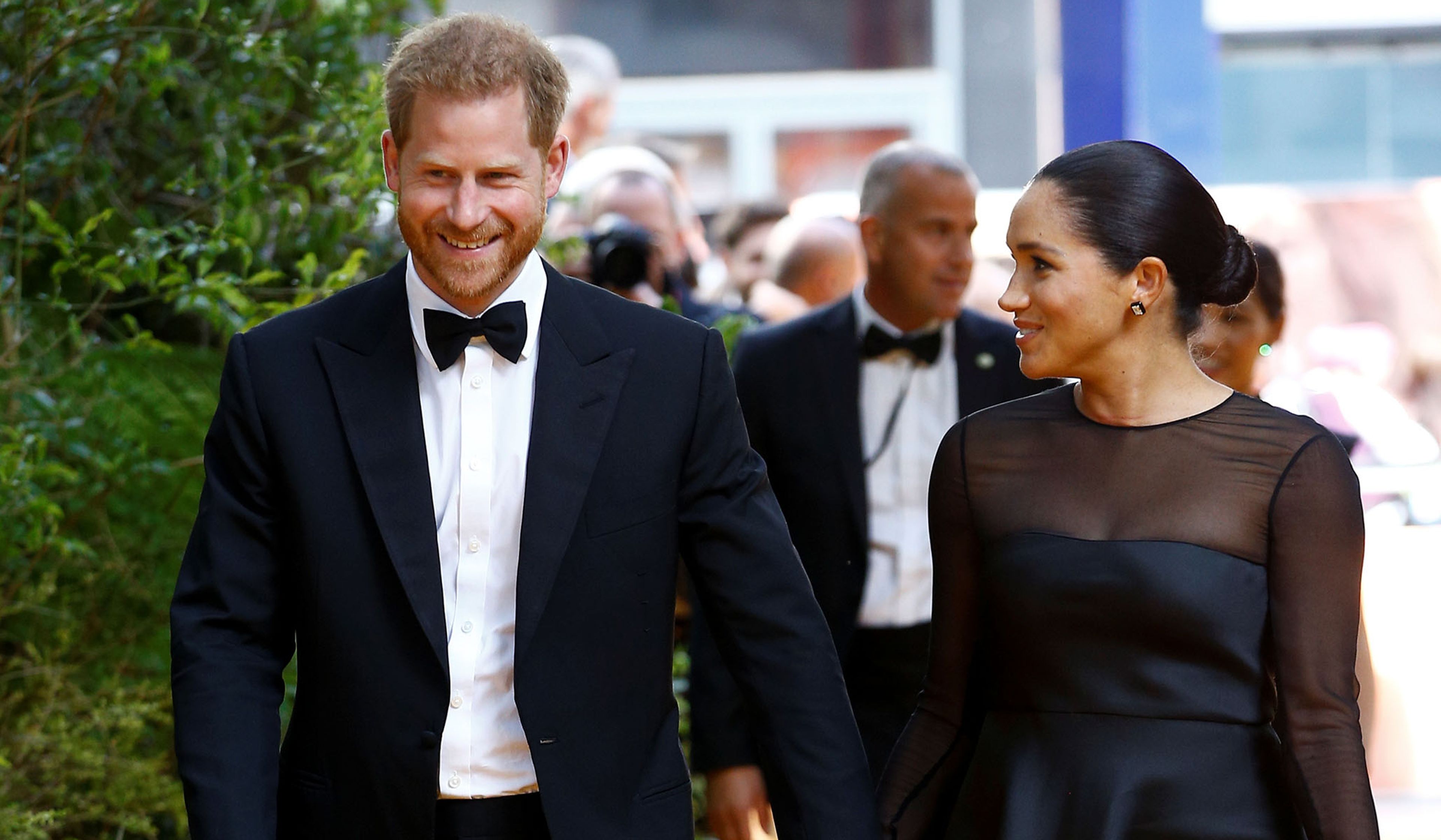
Britain’s Prince Harry and Meghan, Duchess of Sussex, during an interview by Oprah Winfrey.
Harpo Productions/Joe Pugliese/Handout via Reuters
The central accusation of the interview, that a senior member of the royal family expressed concerns about Archie’s potential skin color (which was a separate accusation from the one about Archie’s title), is also thus far unsubstantiated. The palace has since released a statement that, regarding the alleged incident, “recollections may vary.”
Oprah also presented some screenshots of racist Internet trolls and a host of negative, non-race-related criticism of Markle from the British tabloids. But what actual evidence is there that Markle was hounded out of racist Britain? So far: none.
When Harry appeared, he spoke of his concerns about “history repeating itself.” He was referring to his mother, Princess Diana, who died in a car crash while being chased by paparazzi, but said that the threat Meghan faces is “far more dangerous because then you add race in, and you add social media in.” Oprah asked whether, before he met Meghan, he was not “aware of unconscious bias and all that represents.” He confirmed that this was so. He told Oprah that he “hadn’t really thought about the mixed-race” aspect of his and Meghan’s relationship at first, because race wasn’t a part of his upbringing. Yet rather than suggesting that he is neither racist nor discriminatory, this supposedly proves that he has unknowingly been harboring white privilege.
Of course, Americans would be right to think that this royal nonsense is nothing compared with the historic and existential threat that King George III and his troops posed to the colonies. Yet it would be a mistake to forget that ours is an age in which nonsense has inexplicable sway. Whatever else we may think about her, Meghan Markle is a person of extraordinary influence, a consequence of her privilege (ironically enough). Already she is rumored to be networking with Democrats for a 2024 presidential bid. So, sorry America — she’s your problem now.











Comments