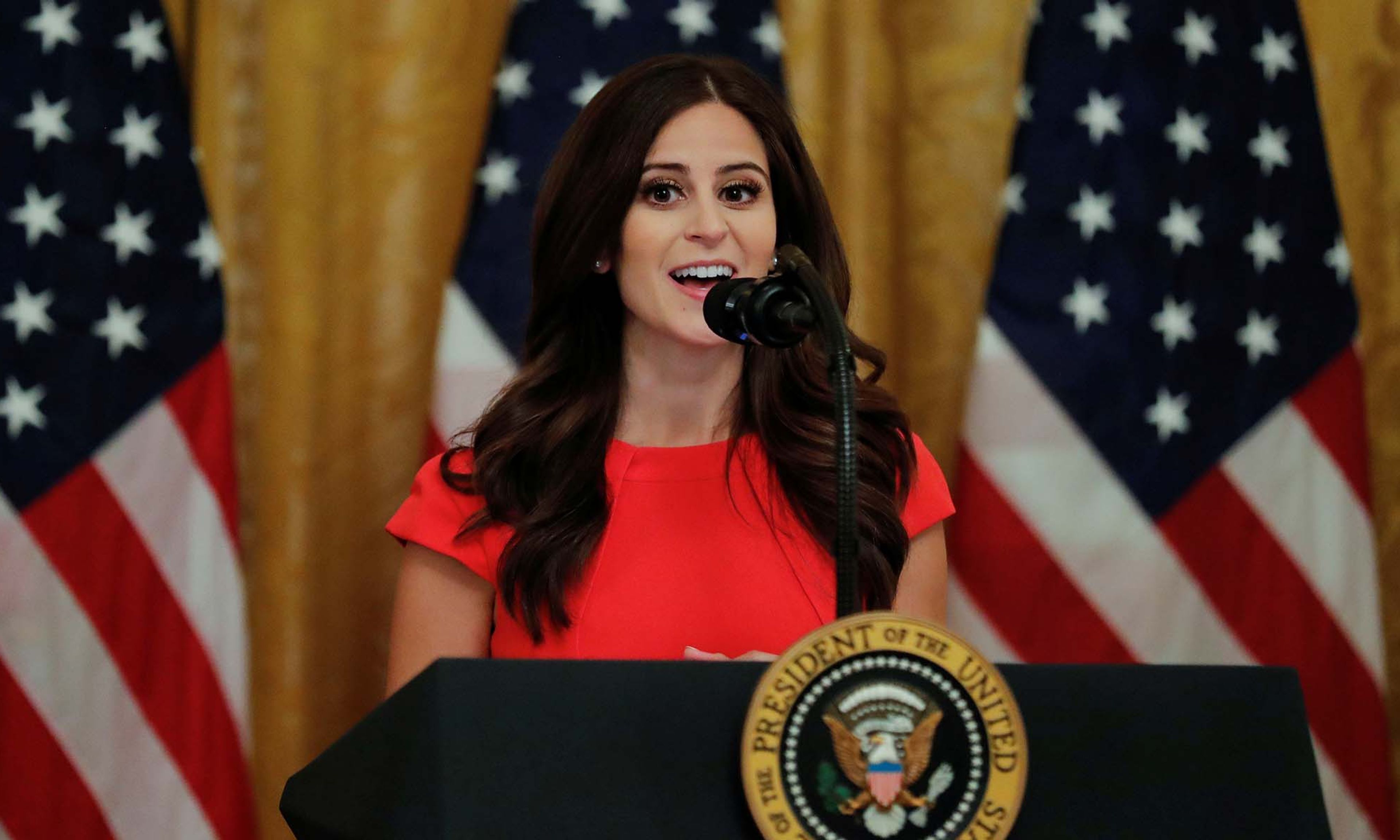
Orange County, Calif. — Lila Rose may be the fiercest pro-life activist in the country, but in person she is endearingly warm. When she entered her studio, wearing a white shirt, blue jeans, and gold earrings, she greeted me with a gift — a ticket for admission to the nearby Mission San Juan Capistrano, founded by Junípero Serra in 1776, the year of the American founding.
Rose, the third of eight children and the eldest girl, was inspired to begin her pro-life activism over two decades ago after reading Handbook on Abortion, a book published in 1971 by John and Barbara Willke. At age 15, she founded Live Action, an organization that presents itself as “the digital leader of the global pro-life movement,” with more than 6 million social-media followers, 1.8 billion video views to date, and an estimated monthly reach of 75 million people.
As a college freshman at UCLA, Rose conducted the first of her sting video operations, part of an undercover investigation of two Planned Parenthood clinics in Los Angeles. Posing as a 15-year-old girl pregnant as a result of statutory rape by a 23-year-old, she said she was seeking an abortion. Rose was told by one clinic to “figure out a birth date that works” — in other words, lie about her age so the clinic could evade mandatory reporting of sexual abuse. In 2011, later Live Action investigations exposed eight Planned Parenthood staff members at seven clinics across five states who similarly appeared willing to cover up the sexual abuse of underage girls seeking abortions, contraception, and STD testing so the clinics could avoid involving law enforcement. Though Rose was threatened with lawsuits over these investigations, she was undeterred. She thrives in adversarial settings.
Typically, activism is the Left’s domain. It requires certain qualities that are often lacking in conservatives: monomania; the desire for radical change; unrelenting energy combined with uncompromising demands; and, perhaps above all, a willingness to get into the trenches and stay there for as long as it takes.
Rose says that her mission is “to completely end abortion and to make it both unthinkable and illegal.” Just a few years ago, this might have struck even conservatives as unrealistic bordering on utopian. But since the pro-life movement’s victory at the Supreme Court in overturning Roe v. Wade, the goal seems less quixotic. Last year, state legislators introduced more than 500 pro-life provisions, 50 of which were signed into law. Tens of thousands of lives are said to have been saved already.
The fall of Roe v. Wade was a momentous event. But to Rose, abolishing the constitutional right to abortion was only the first step. Next is the advancement of a constitutional right to life for the preborn, “as already promised by our 14th Amendment,” which, as some legal scholars have argued, “does clearly apply to both the born and the preborn.” It is a controversial argument, even among pro-lifers.
The constitutional strategy does not let state lawmakers off the hook, which raises its own challenges. After the Dobbs decision, many Republicans floundered, in some cases out of a lack of commitment. In other cases, candidates failed because of political forces both within and outside their control. Some on the right blamed setbacks on a counterproductive pro-life maximalism.
Rose rejects that argument. In Michigan and Kentucky, for instance, where ballot referenda amounted to major victories for pro-abortion extremism, Rose says that those pro-life defeats are attributable to being “massively outspent” and having mainstream media spread misinformation.
“If you’re in a state where you have the votes in your legislature, it’s your responsibility to demand the legislation that will maximally protect human life,” Rose says. She gives an example: “DeSantis could have stopped at 20 weeks. But he said, ‘No, I have got enough votes. I’m going to go to at least a heartbeat law. And that is going to save hundreds of thousands of children — maybe, long term, millions.”
But by that logic, why didn’t he ban abortion outright? Rose suggests that if activists had united to call for that, the outcome could have been different.
Rose certainly intends to put pressure on Republican politicians to conform to a maximalist pro-life strategy. In June, she wrote on Twitter of former president Donald Trump that he has “DISQUALIFIED himself from the nomination of our nation’s pro-life political party by calling the human right to life merely a ‘state-level’ issue.”
Vivek Ramaswamy, whom Rose interviewed as part of a series of conversations with presidential candidates, has also said that the federal government does not have a role to play in banning abortion. But Rose says that “the federal government absolutely has a role to play in stopping this,” and that candidates suggesting otherwise should “not get a single pro-life vote.”
Even those who agree with Rose on federal laws against abortion fall short of her vision on adjacent issues. Mike Pence supports laws recognizing fetal personhood and would sign federal bills to ban abortion after six weeks. Rose objects, however, to his stance on in vitro fertilization. In a November 2022 interview on Face the Nation, Pence said his wife and he did IVF “many times” and that he “fully supports fertility treatments” and thinks “they deserve the protection of the law.” Rose is adamant that this, too, is incompatible with pro-life principles, since it results in the destruction or indefinite storage of unused embryos.
She deems any sense of entitlement to children, whether in destroying or creating them, as unethical. Moreover, she argues, the two disordered attitudes often go together. She cites the more than 1 million embryos on ice in the United States: “A child killed in an IVF lab is just as much a baby as a child killed by abortion. Abortions happen in IVF labs all the time, early abortions. . . . New lives are created, and they’re deemed not worthy because they don’t meet the grade. And so they’re destroyed, or they’re just treated inhumanely.”
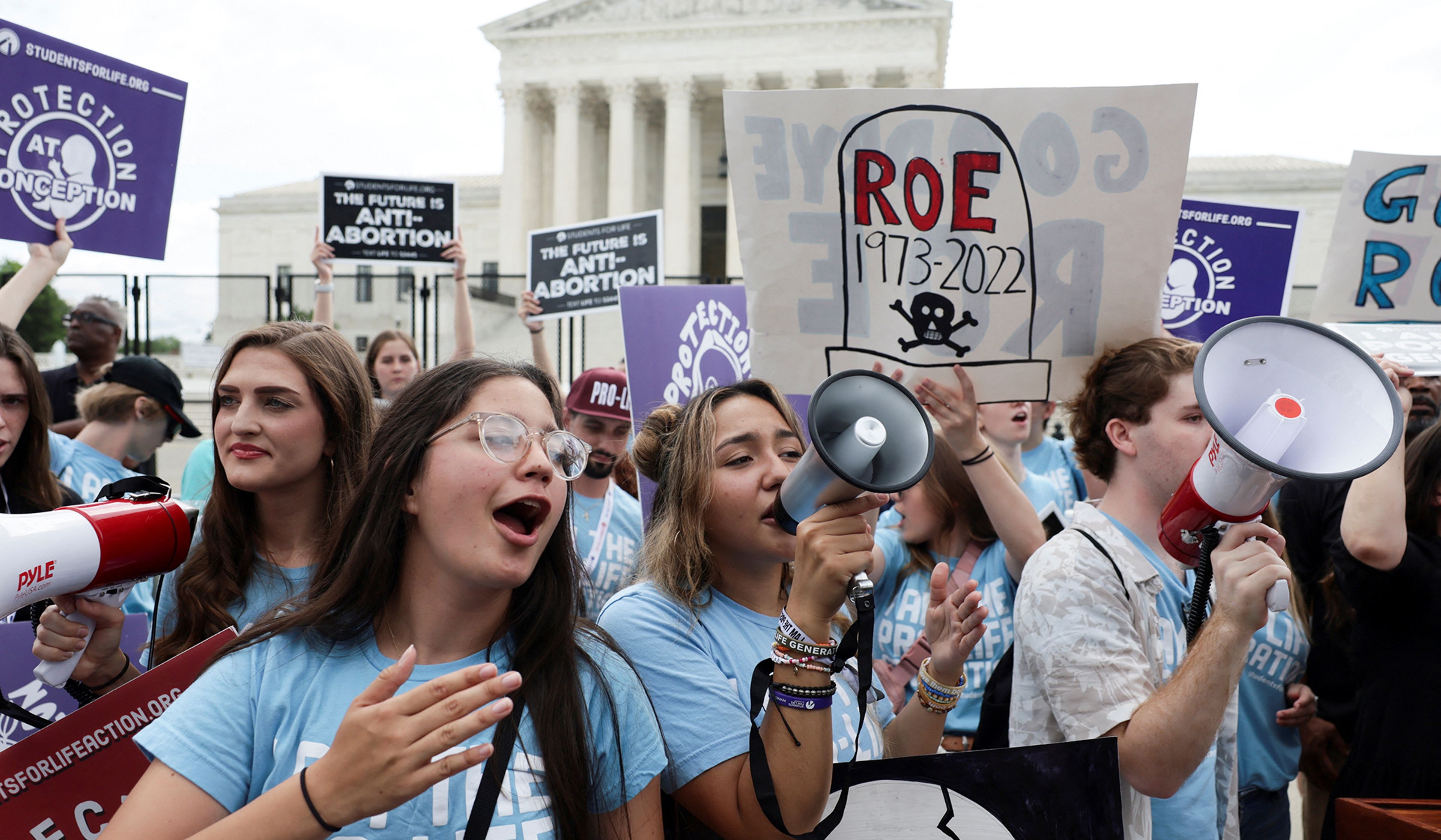
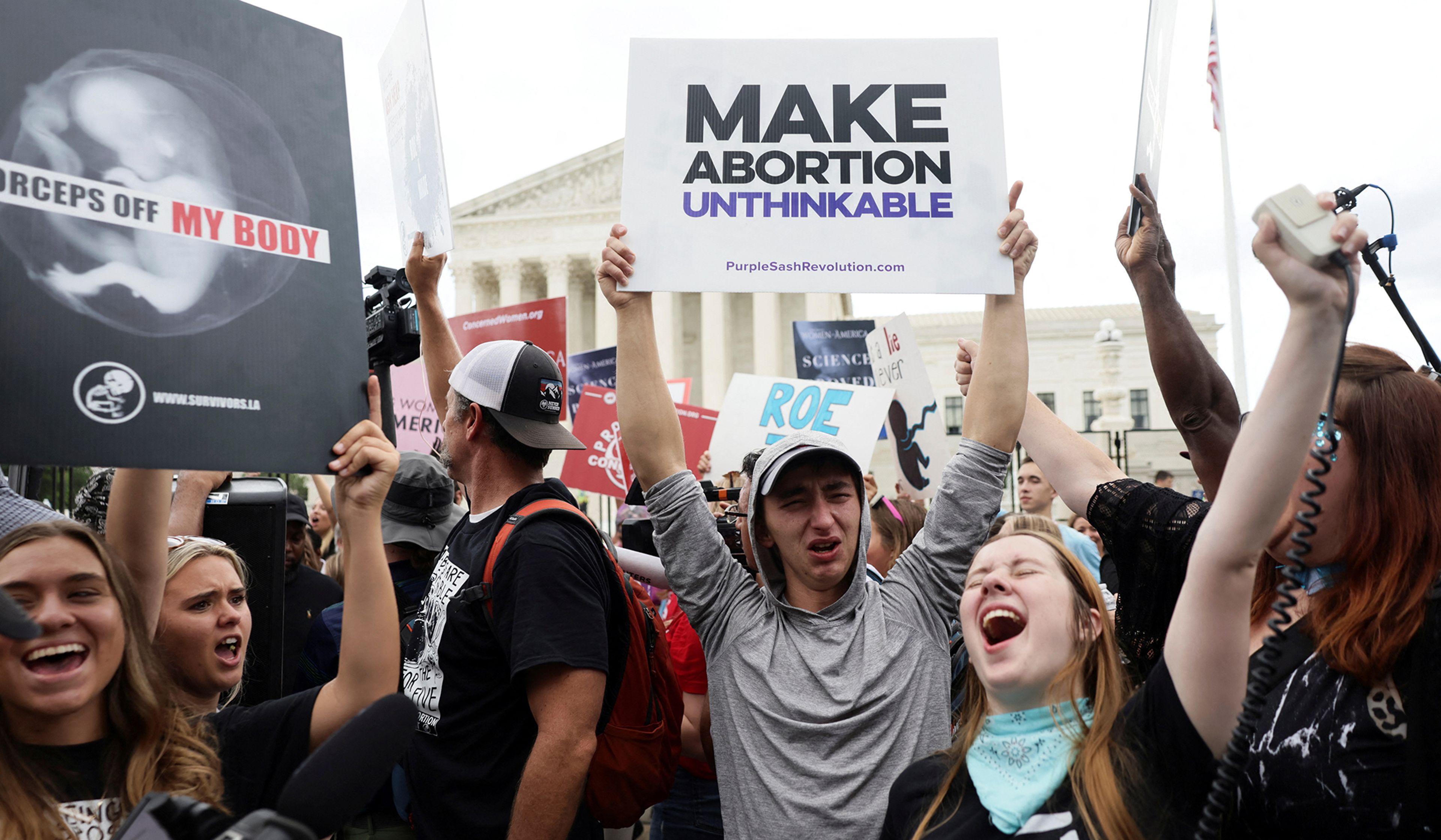
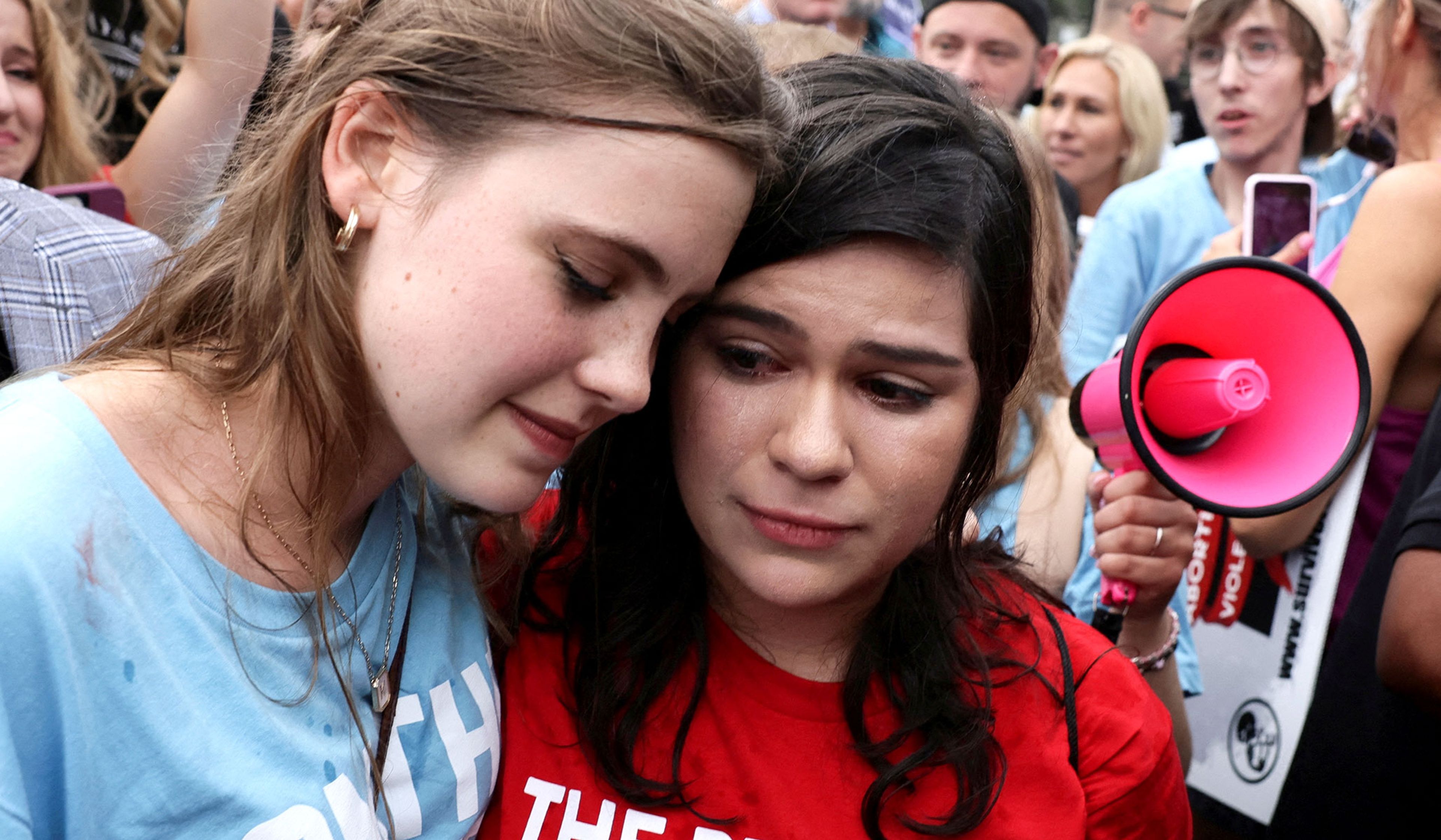
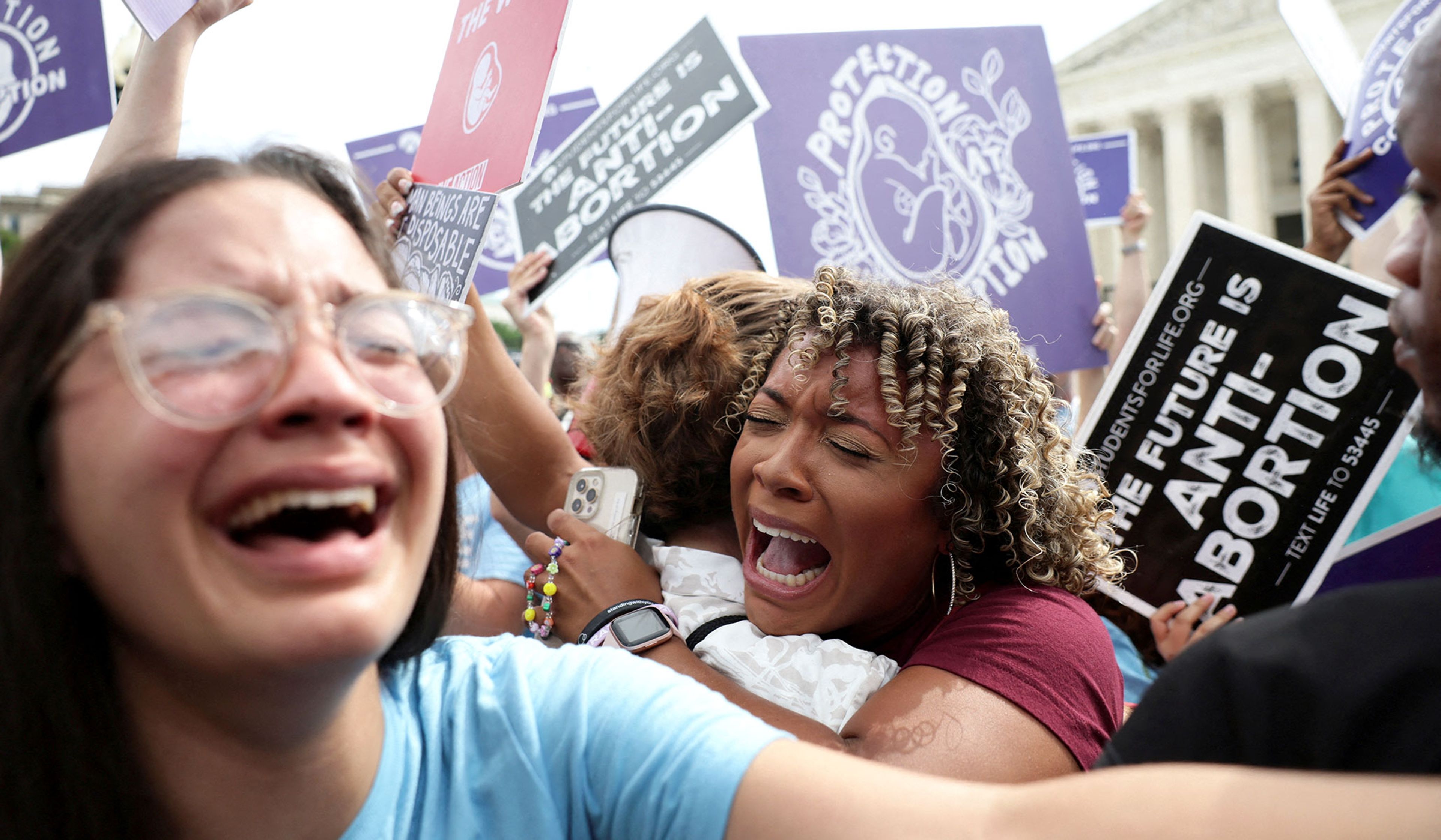
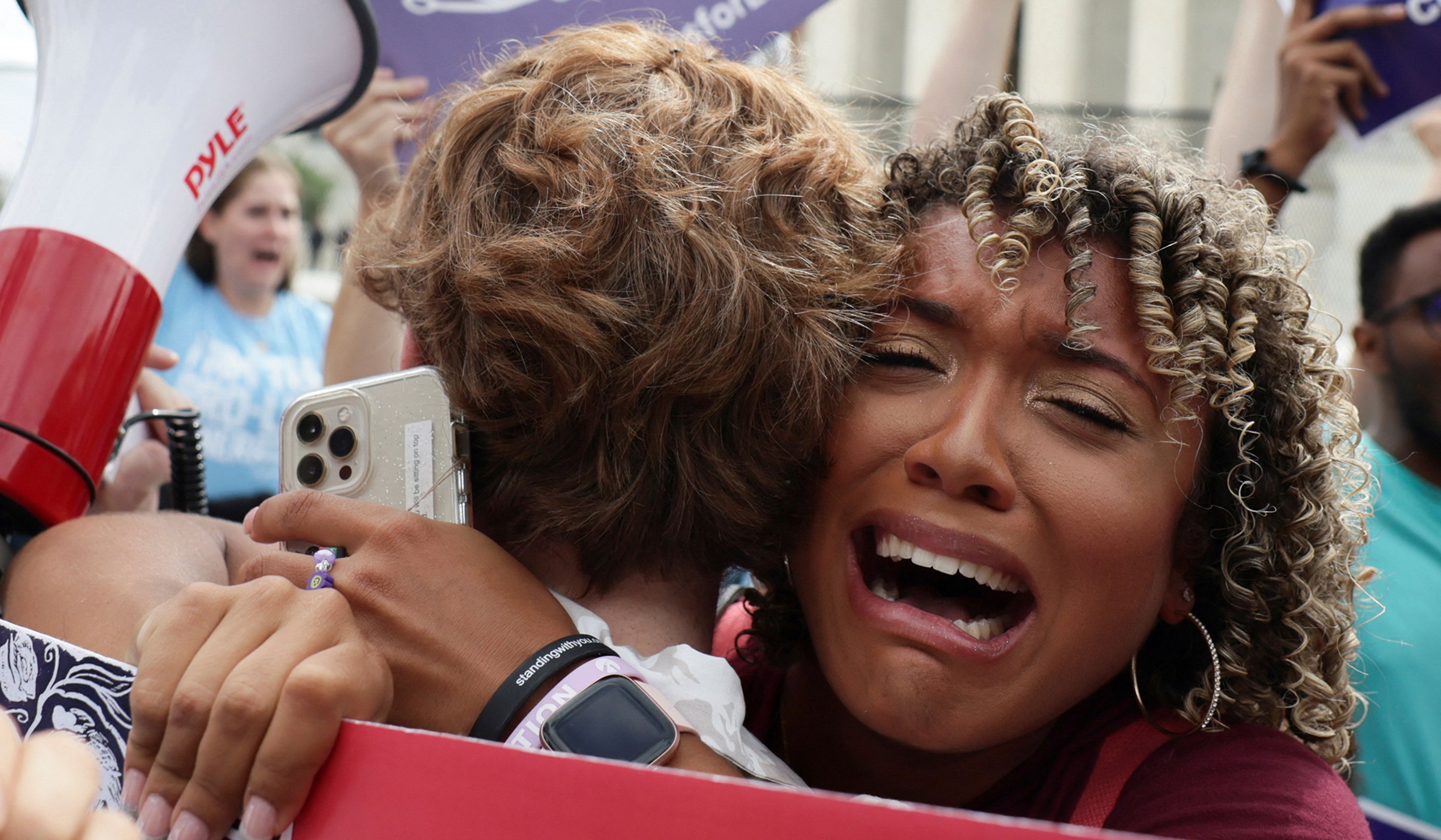
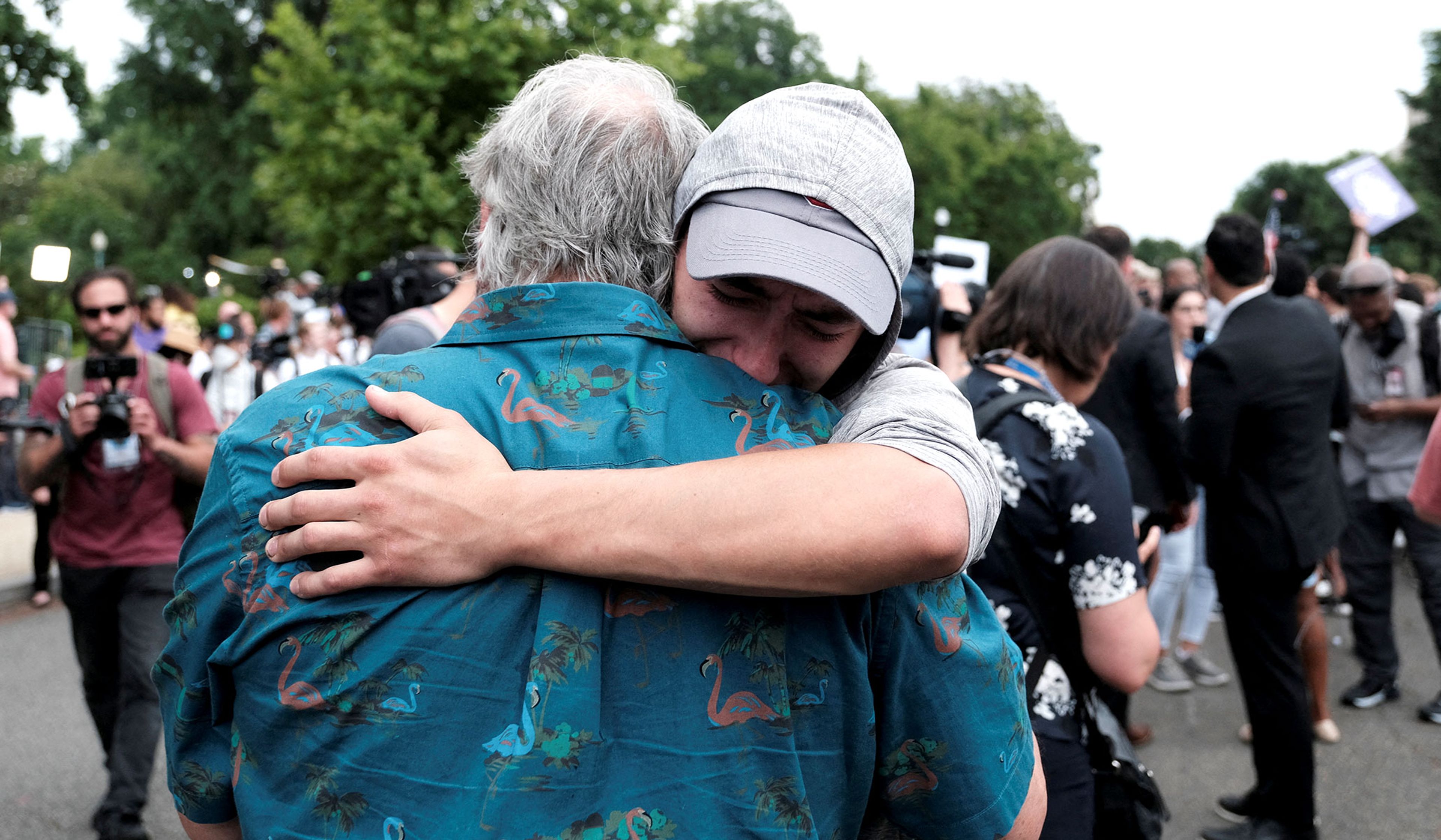
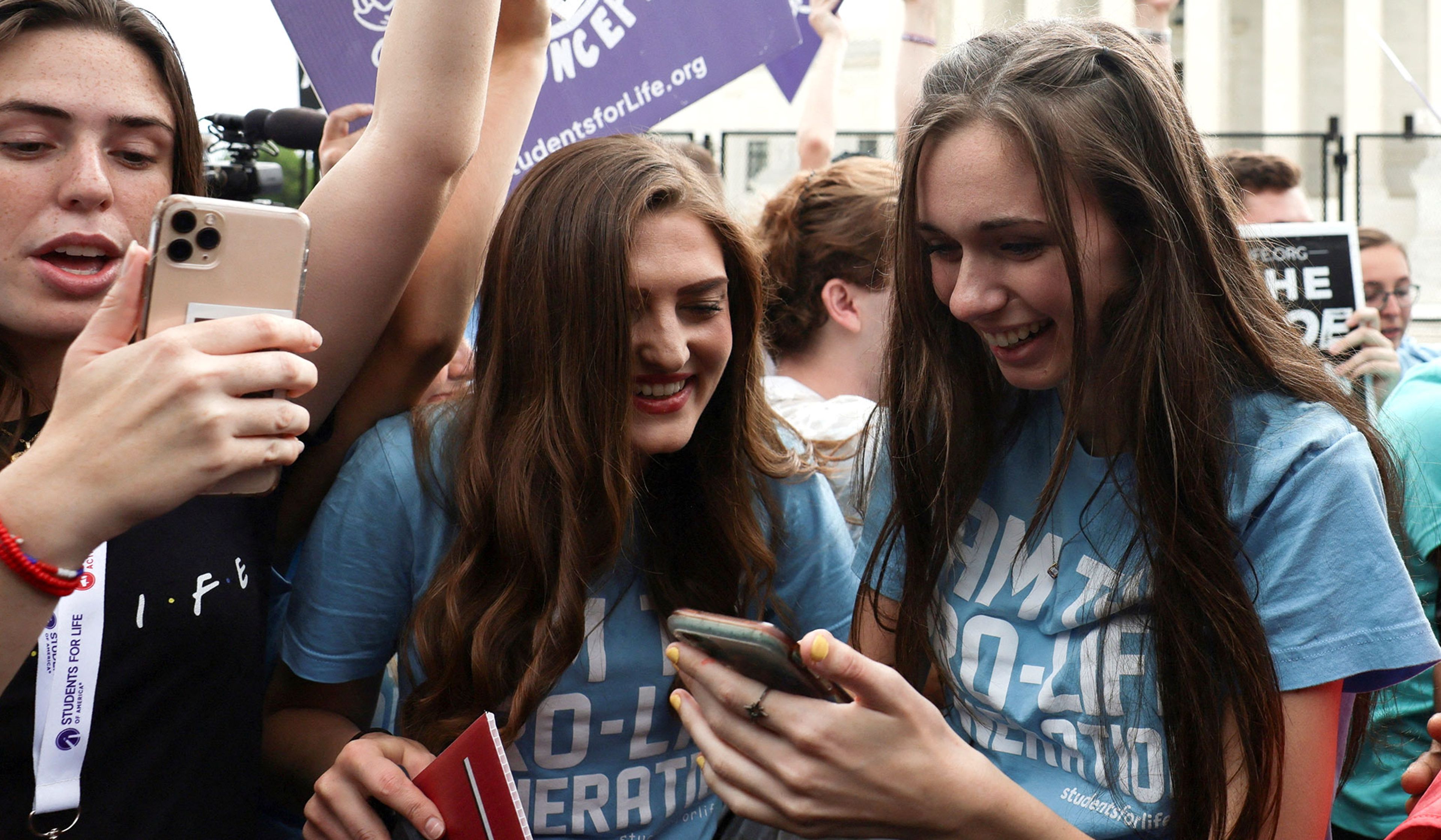
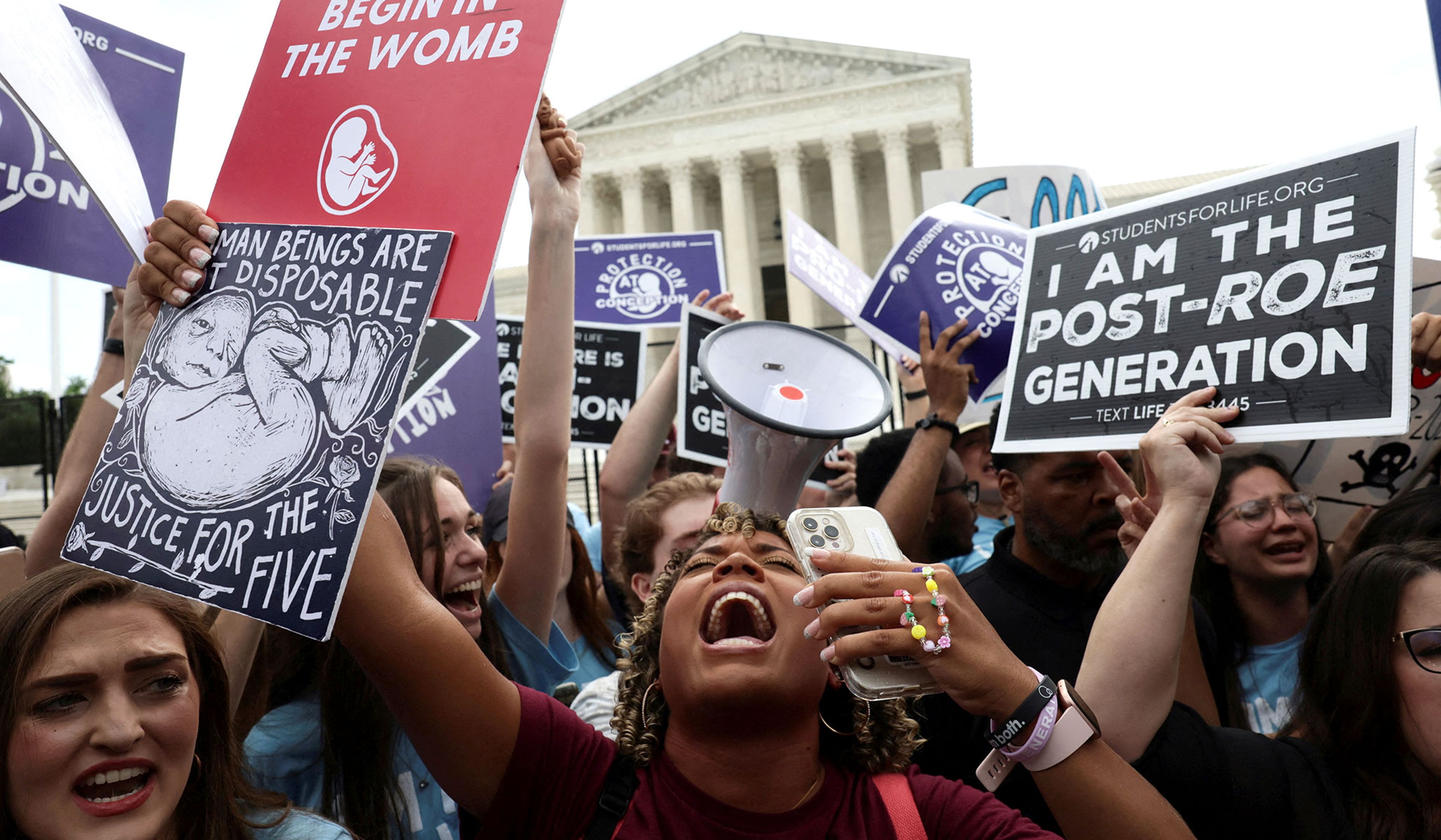
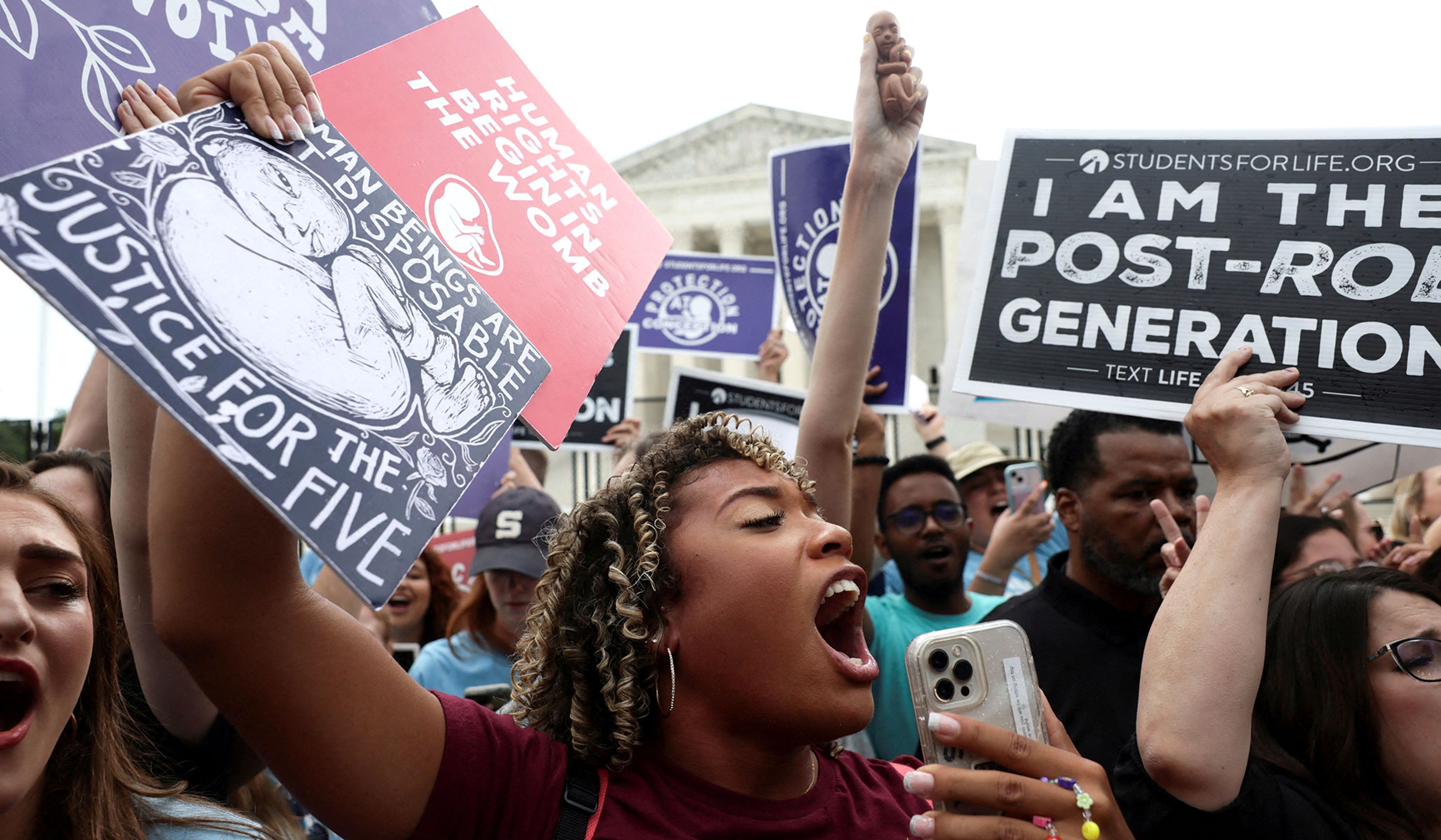
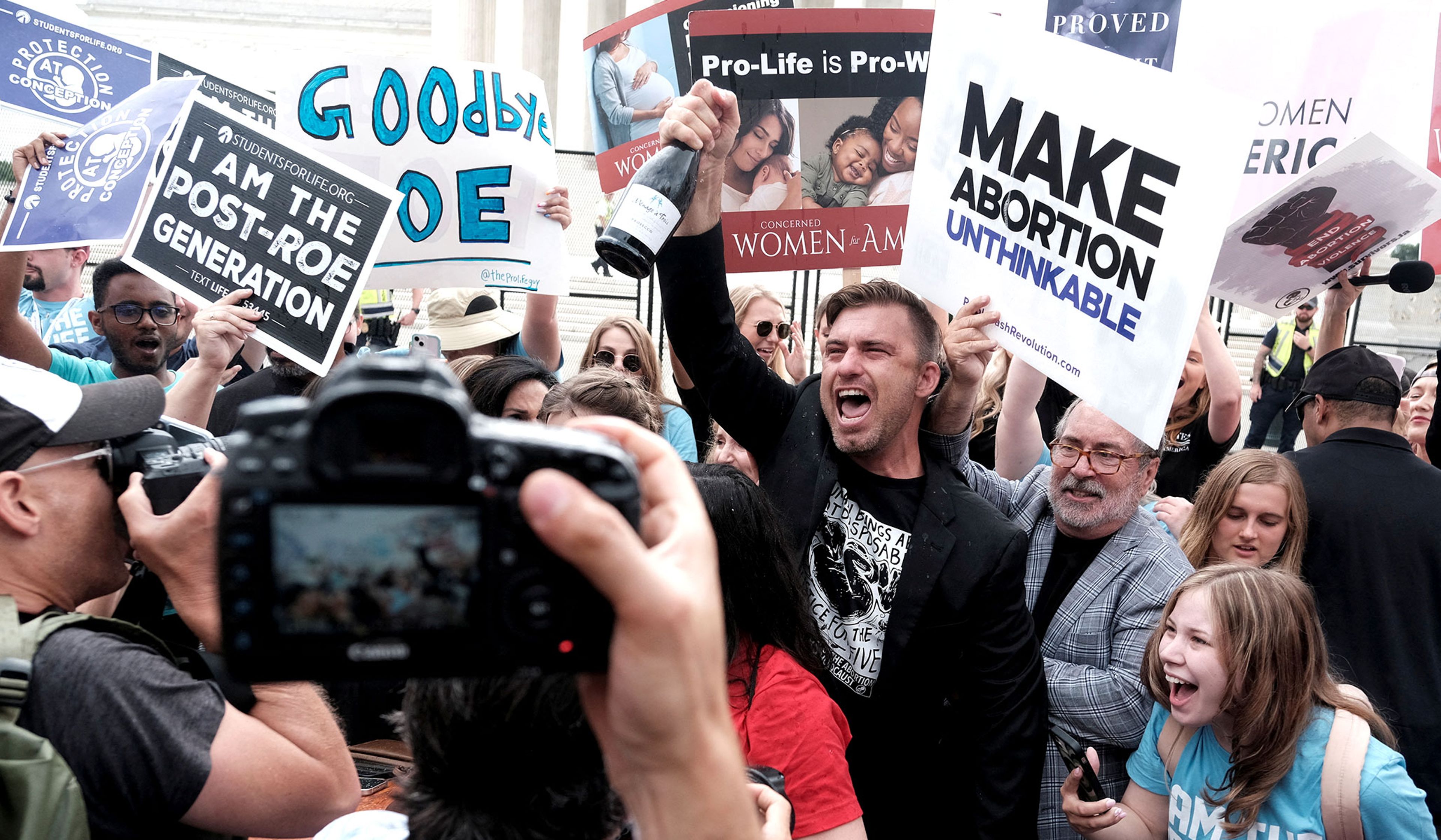
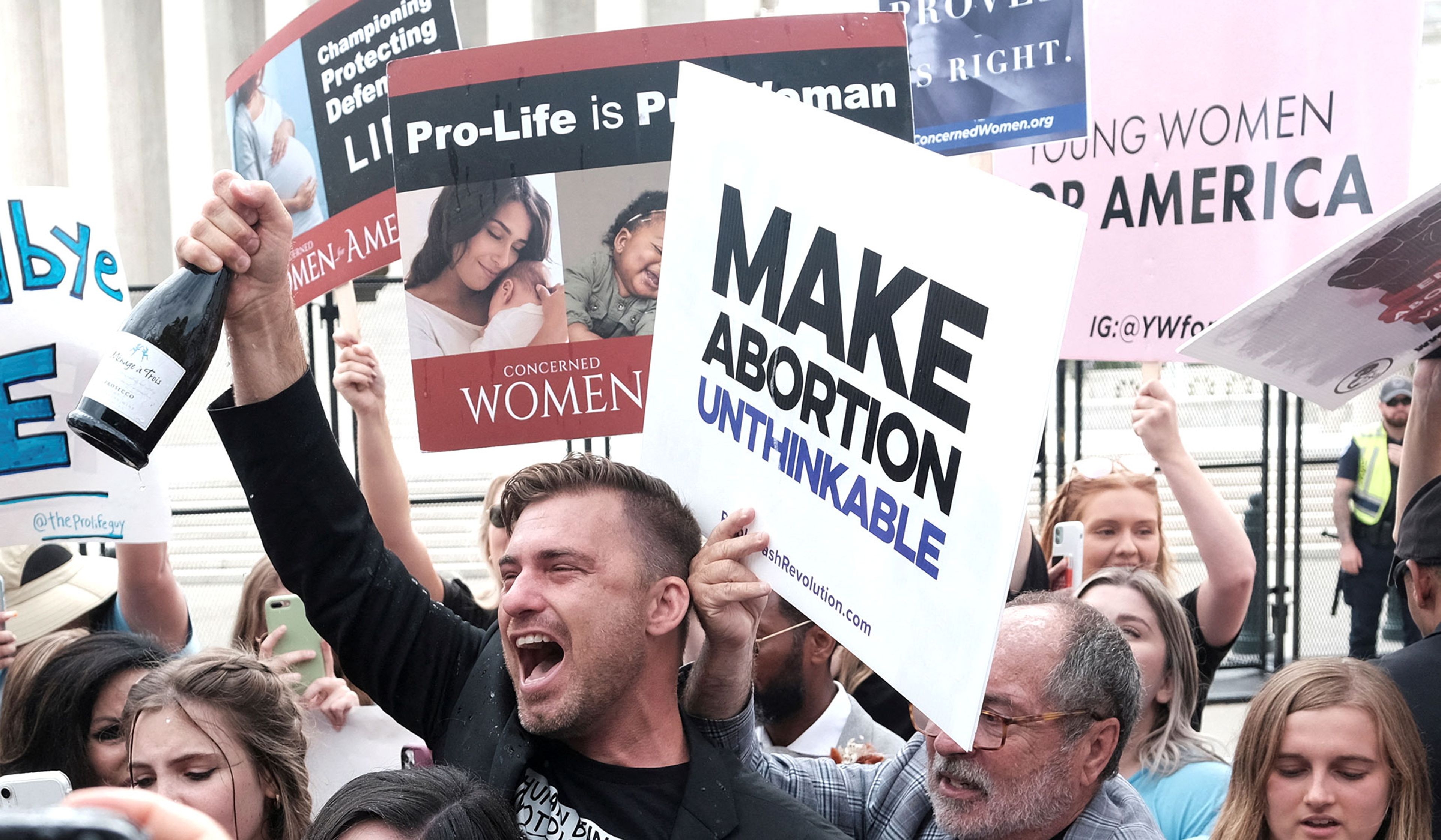
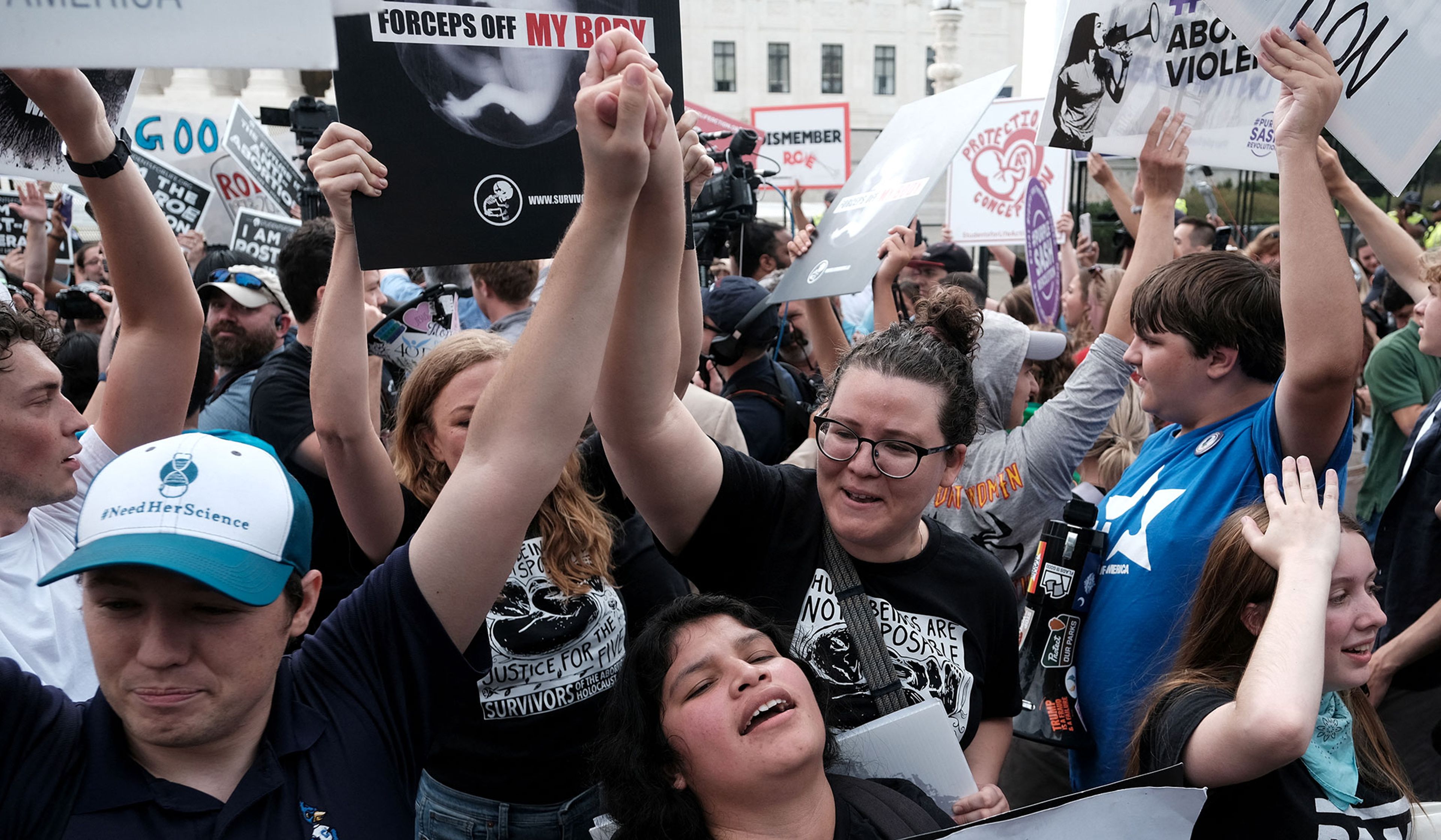
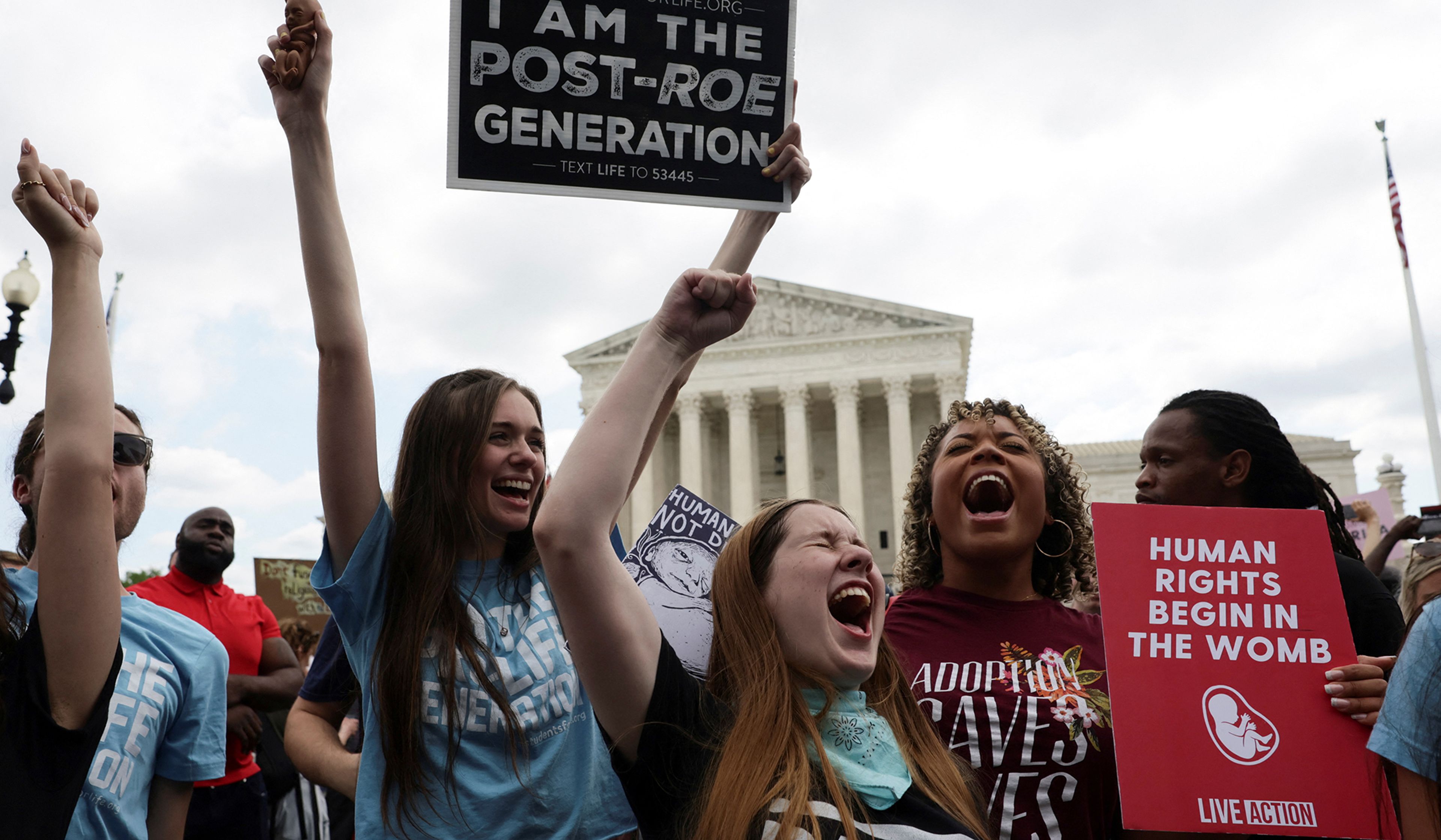
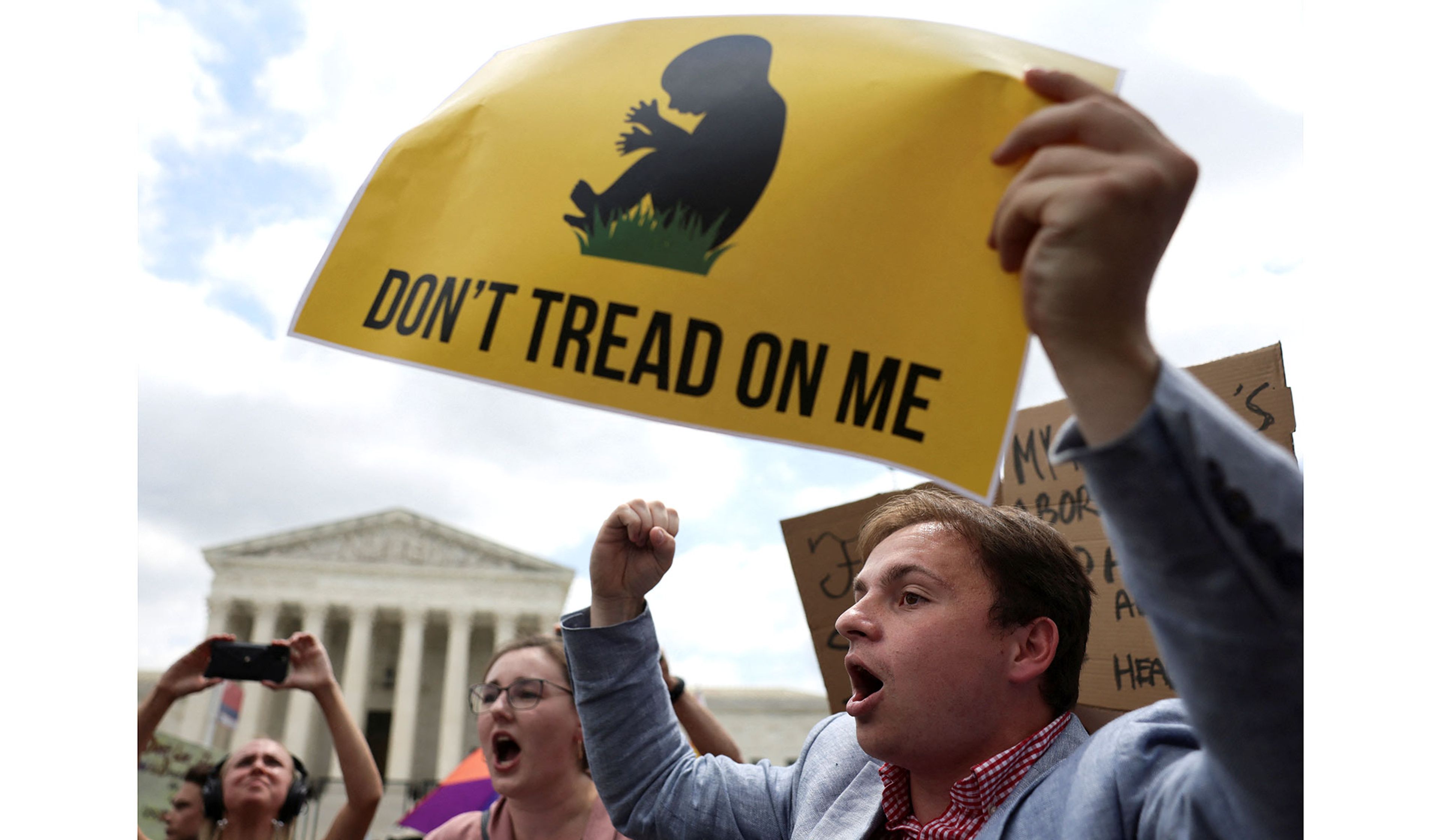
Pro-life activists celebrate outside the Supreme Court as the court rules in Dobbs v. Women’s Health Organization overturning Roe v. Wade in Washington, D.C., June 24, 2022.
Evelyn Hockstein/Reuters
Rose also criticizes those pro-lifers, such as Nikki Haley, who support expanded access to contraception as a way to mitigate the demand for abortion. Rose acknowledges that one “can be anti-abortion and hold any other view,” but in her judgment, to support “contraceptive culture” is to cheer on abortion’s root cause.
“It leads to more abortion, it doesn’t decrease it,” Rose says. Roughly half of women who have had abortions in the United States were using contraception when they got pregnant. It takes only a small failure rate (less than 10 percent with typical use) to yield a huge number of unwanted babies.
To combat this, Rose believes that the pro-life movement must offer a comprehensive vision of sexual ethics — and not least because the other side isn’t shy in offering its own sexual ethics and promoting it in schools across the country. It’s not enough merely to be anti-abortion: “The pro-life movement needs to embrace the pro-love movement.” That’s why Live Action’s focus includes sex education, which Rose sees more holistically as “relationship education,” explaining the proper purpose and place for sex.
Abortion, Rose says, is ultimately a “behavioral problem” — one with a simple fix. She wrote recently on Twitter: “If you’re married, have sex and be open to any children God gives you. Stay married, love each other well, and raise your children. If you’re not married, don’t have sex.”
Though many dismiss this as an antiquated ideal, Rose knows it is achievable through personal experience, having abstained until she married at age 30. “We’re not just mammals that are following biological impulses. We are human beings who have reason and the ability to choose. I mean, isn’t that the slogan of ‘pro-choice’ — to choose? They’ve taken that and hijacked that beautiful word for evil, but we have the power to choose the good and to choose love.”
Rose’s view is that the pro-life legal and cultural changes should be enacted simultaneously. Speaking of a recent case in the U.K. involving an illegal late-term abortion, Rose says abortion prohibition is important because aborted children are “real victims, and we need to create the law as a teacher, [saying] ‘No you don’t, you don’t kill your baby at 34 weeks. You don’t kill your baby, period.”
According to Rose, there are lessons to be learned from left-wing activism. She cites the example of the swing in public opinion in California on same-sex marriage, from majority opposition in 2008 to majority support a decade later. Rose attributes the shift to a cultural campaign stigmatizing opposition to same-sex marriage, along with legal changes. She believes similar tactics could be useful “to establish the rights that these children deserve.”
But with same-sex marriage, wasn’t culture headed in that direction anyway? Not necessarily: “I think the culture is in mass confusion and running in all directions. And there’s absolutely forces pushing us to hell in a handbasket. But there’s also some incredible currents pushing us toward the truth,” Rose says. “The question is which current is going to sweep us all away.”
Some of these currents have come to light through clashing ideologies on alternative media. Rose recently appeared on the popular Whatever dating podcast, going head to head with an influencer from the Andrew Tate “manosphere.” “The answer to feminism,” Rose says, isn’t the vulgar, aggressive masculinity of that world.
The rise of social and alternative media, with their instant reach to audiences of hundreds of thousands, if not millions, is changing the way activism works. Influencers of all political stripes are competing for followers. Rose describes the next generation of pro-life activists as “aggressive and savvy” and willing to get into the lion’s den. In 2021, Rose published her first book, Fighting for Life, part memoir and part self-help guide, for these rising activists.
Rose tells me she has a new initiative, GTB Media, the initials standing for “goodness, truth, and beauty.” Although she isn’t ready to share much about it publicly, she does say that “the goal is to . . . ultimately build a platform and create content that shapes our understanding of ourselves while also providing information, entertainment, and fun.”
A lot has changed for Rose personally, as well as professionally, since she began her activism. Now that she has two small children, balancing her activism with family life is more challenging. Of motherhood, Rose says it’s made her “more passionate” while also, of course, “busier.” She says parenting has been a humbling experience, exposing her “own shortcomings.”
Though she has no plan to retreat from pro-life activism, she says, “My biggest contribution is raising my kids and cherishing their lives and helping them grow.” To Rose, being pro-life means more than simply being anti-abortion. It means recognizing that children, all of them, are a gift.












Comments