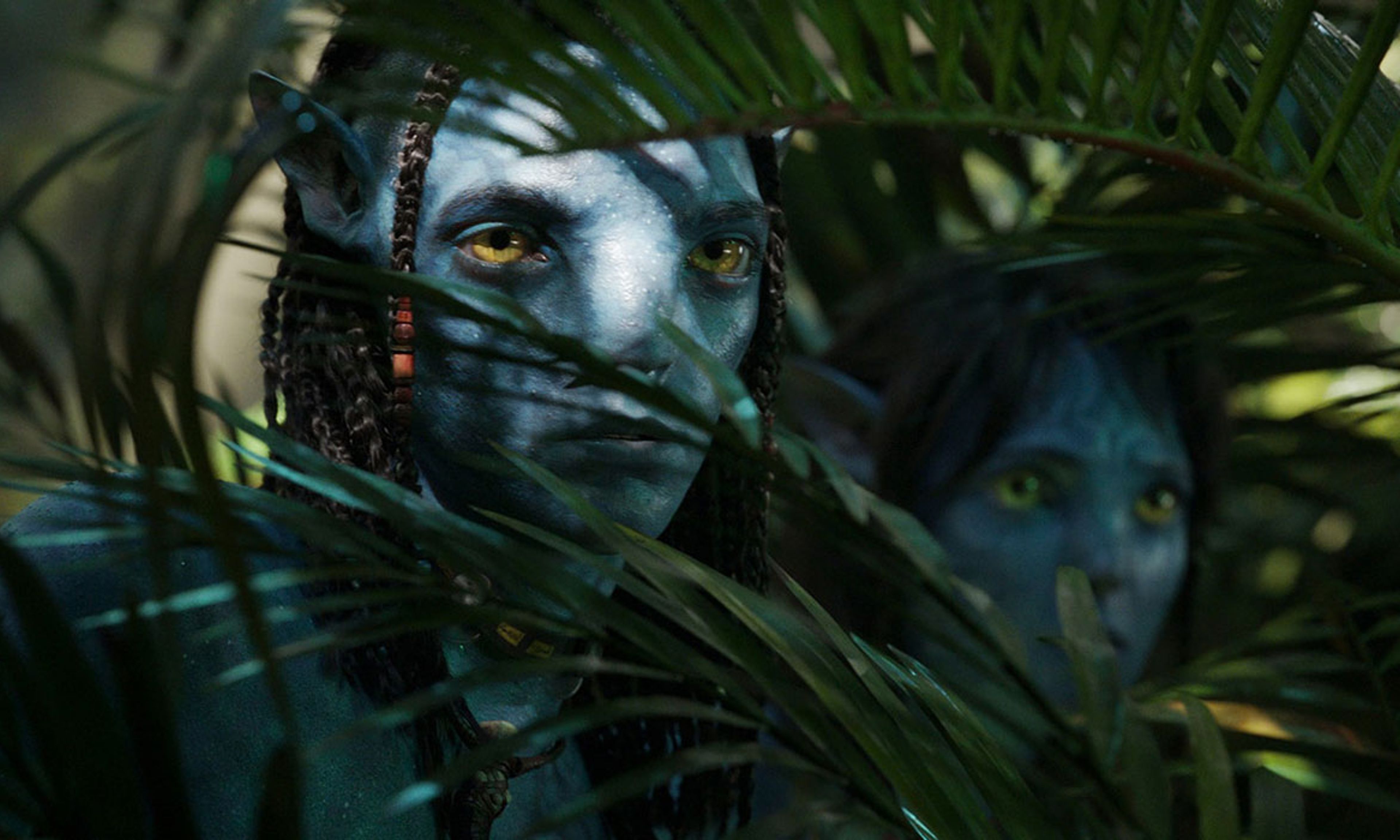
Arecurring theme in Christian science fiction — explicitly in C. S. Lewis’s Space Trilogy, implicitly in Madeleine L’Engle — is the idea that some planets beyond Earth might hold creatures who never experienced the Fall, and that the human state of alienation might not be a universal among creation’s sentient species.
If I were tasked with making a case for the seriousness of James Cameron’s Avatar movies — the second of which, The Way of Water, is making the same endless billions as the first one 13 years ago — I would reach for Lewis and L’Engle. The new movie, like the old one, offers gorgeous spectacle and innovative technology yoked to what seem like the most tiresome Hollywood clichés: A race of Noble Savages (the huge, feline, blue-skinned Na’vi) who worship the mother goddess and live in harmony with nature, joined by the white Earth soldier who goes over to their side, fight the incredibly evil military-industrial Rethuglican humans who already ravaged Earth and now want to colonize, imperialize, and burn the lush rain forests of the moon Pandora in their dark satanic mills.
Oh, and kill the whales. The innovation of the sequel is to send the first movie’s hero, Jake Sully (Sam Worthington), who has become one of the forest Na’vi via a mix of science and sorcery, into exile among the ocean Na’vi, to escape the space marines hunting for him and his blue-skinned wife and kids. (These marines, led by a version of the first movie’s vile Colonel Quaritch, played again by Stephen Lang, have also become Na’vi, via some kind of memory-upload avatar-based reincar . . . ah, just roll with it.)
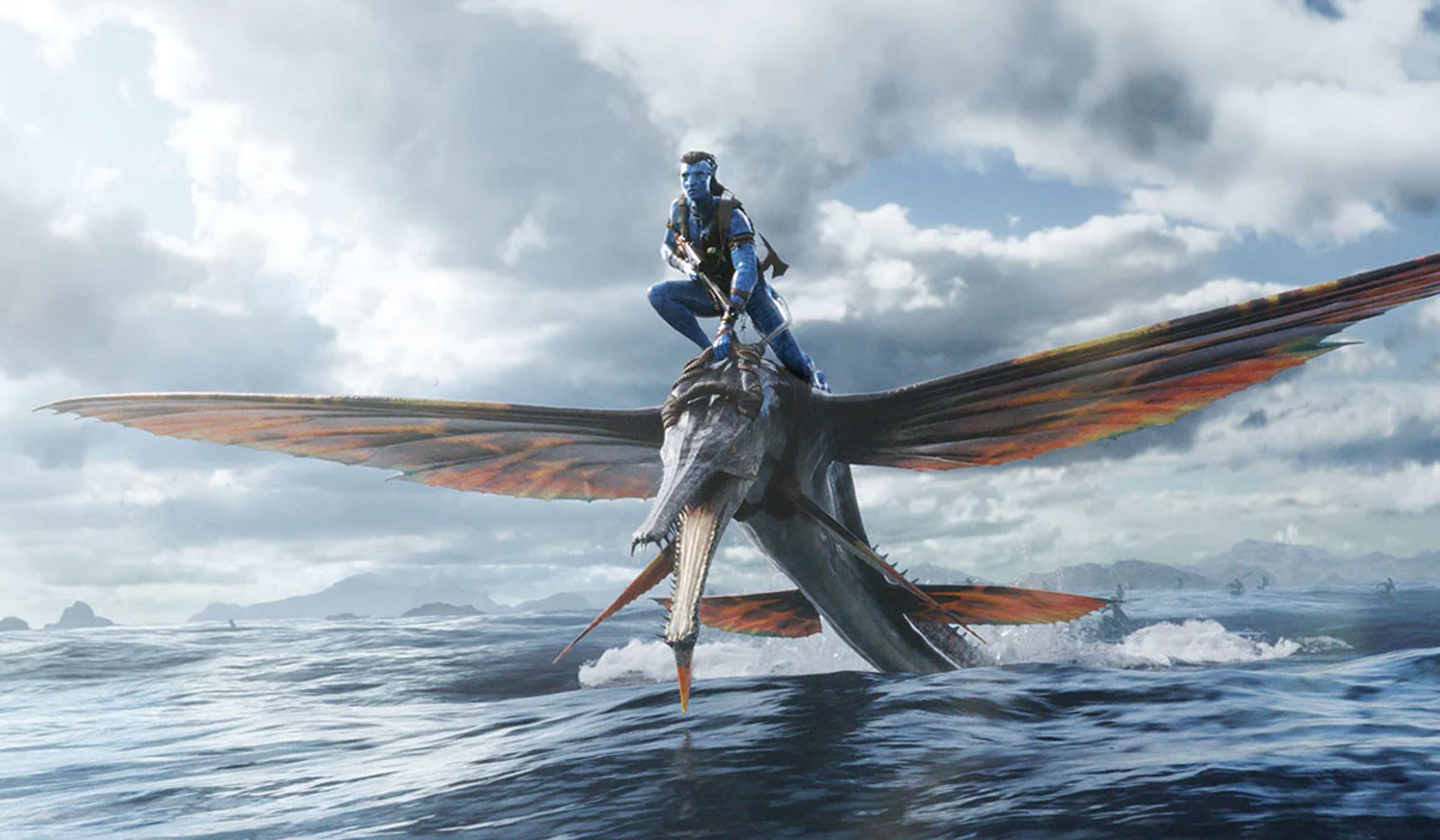
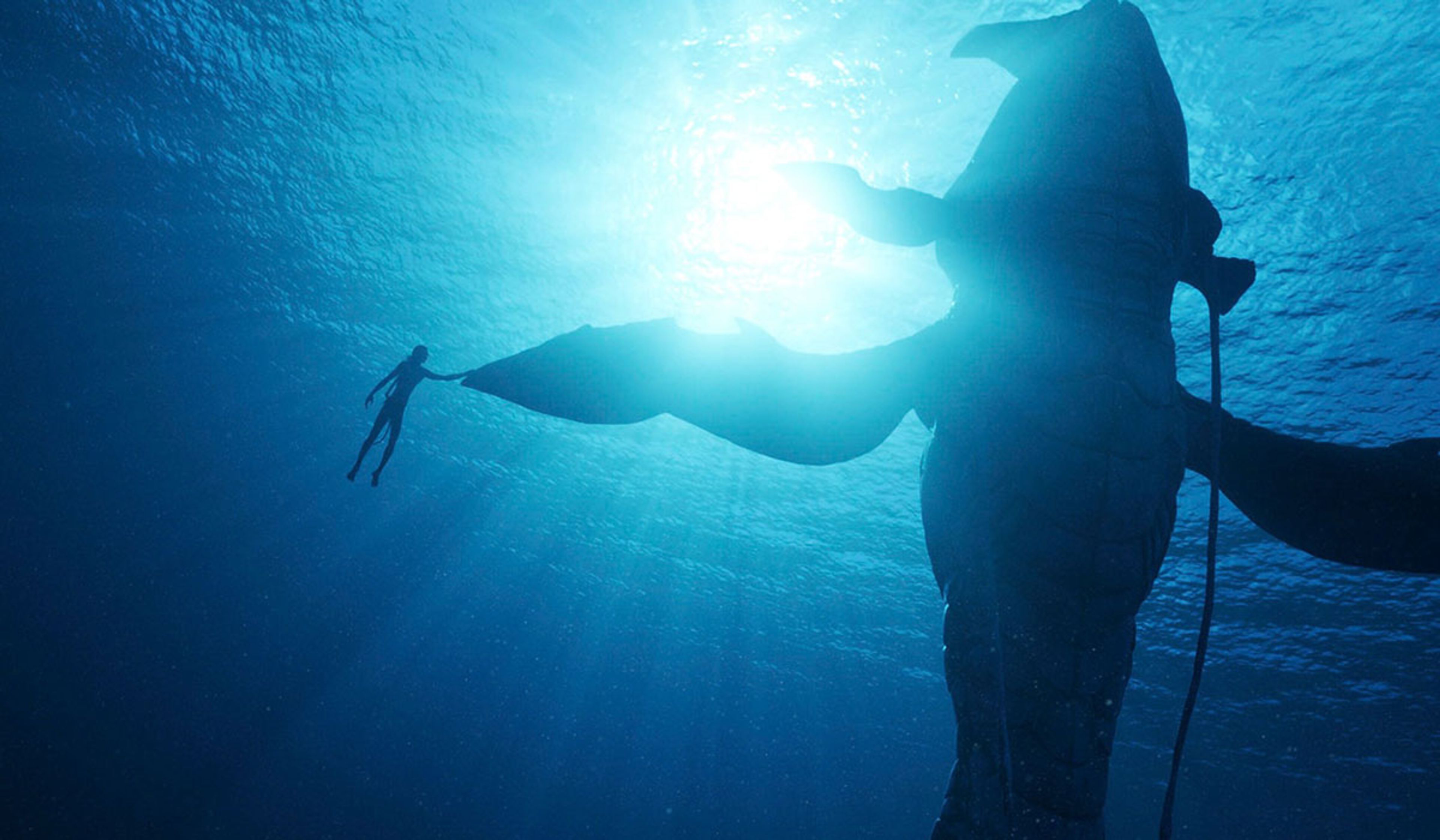
The waters of Pandora, in addition to being a glorious submerged ecosystem to match the radiant rain forest, are the home to wise, psychic, pacifist cetaceans whose glands — unfortunately for them — secrete a gleaming golden substance that supposedly staves off mortality for Homo sapiens. The scientific details here are as sketchy as the explanation of why the humans were mining on Pandora in the first Avatar installment (they were after an element literally christened “unobtainium”); the point is that Cameron wants to film a whaling scene, Moby-Dick beyond the stars, the same way he wants to film a train robbery (with Na’vi on their winged mounts swarming a military train) and a shipwreck (the final act is basically Titanic with way more gun-and-arrow play). For moviegoers, Pandora is a playground where one of the great action directors can bring anything to life, the stage for all the set pieces that were stored inside his head and didn’t make it into his Arnold Schwarzenegger movies.
The question is whether it’s anything more than that. The new Avatar has received excellent reviews, as did the first one; not everyone but almost everyone seems to enjoy these movies, and anyone who doubted that audiences would be there for the long-delayed sequel has been proven wrong. But the people noting the lack of a “cultural footprint” for the franchise still have a point; the Avatar movies show you more amazing sights than our rote superhero spectacles, but even more than Marvel’s movies they have the feel of amusement-park attractions, amazing to experience but not something that you remember afterward for character, or dialogue, or theme.
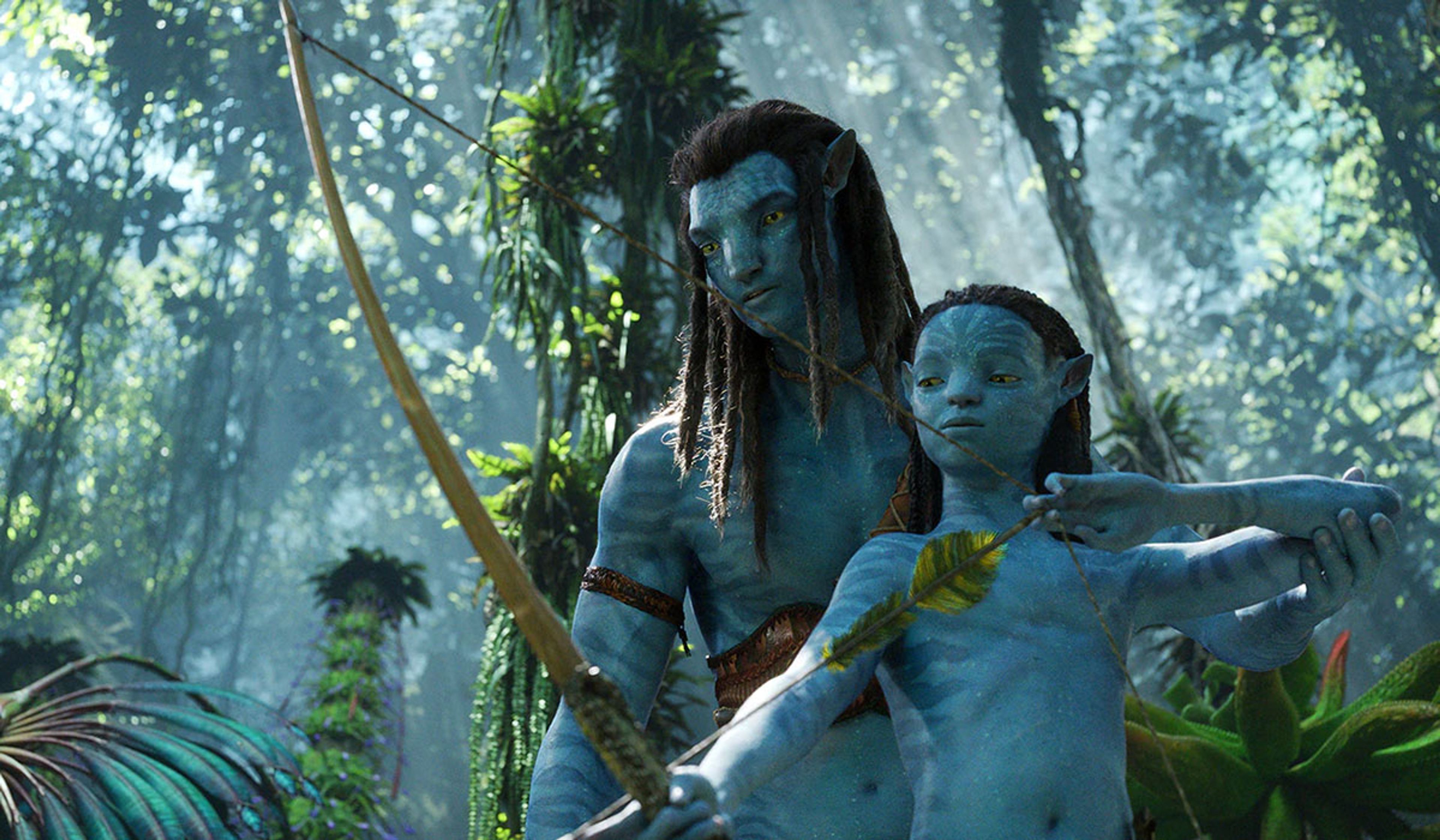
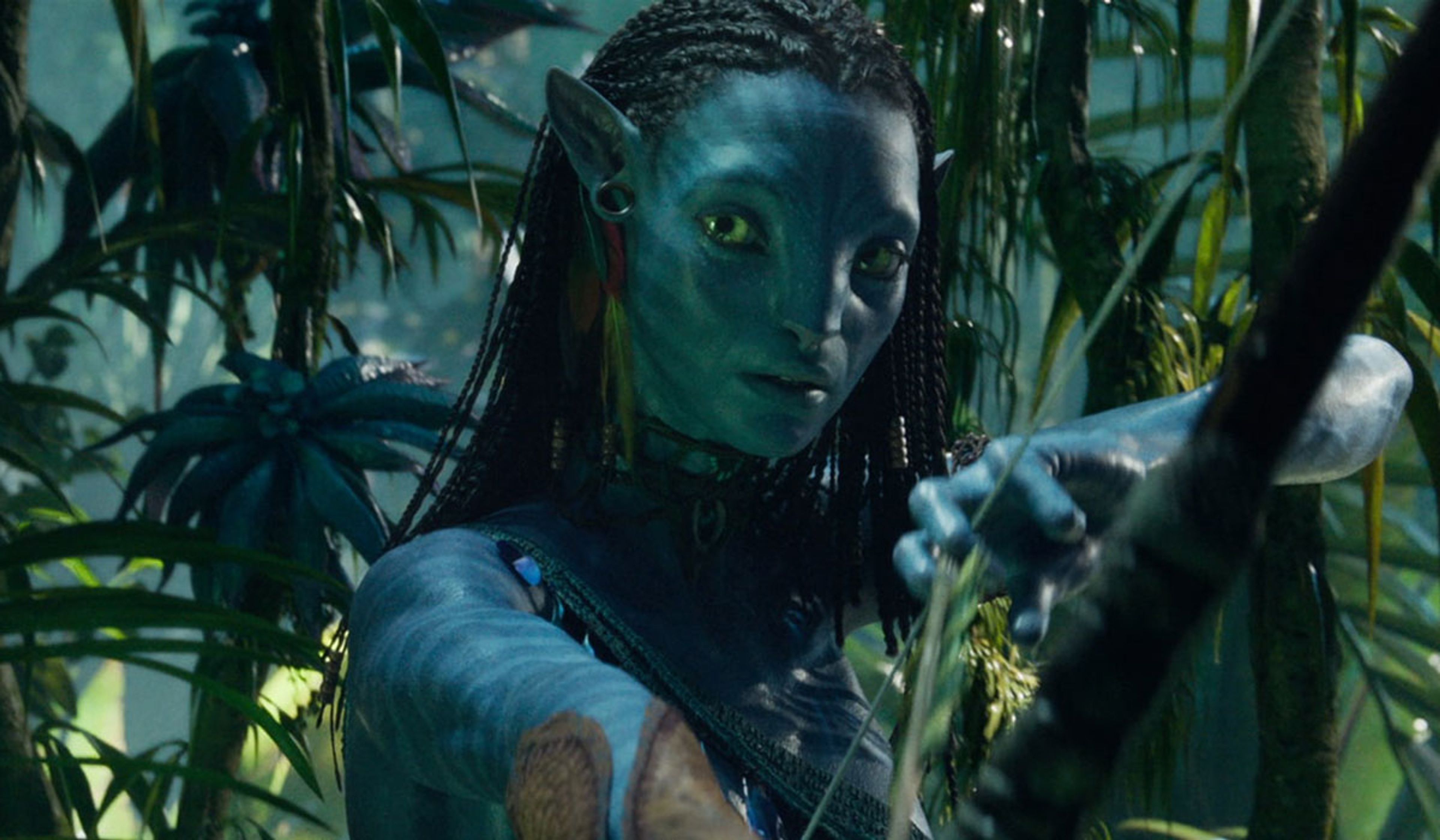

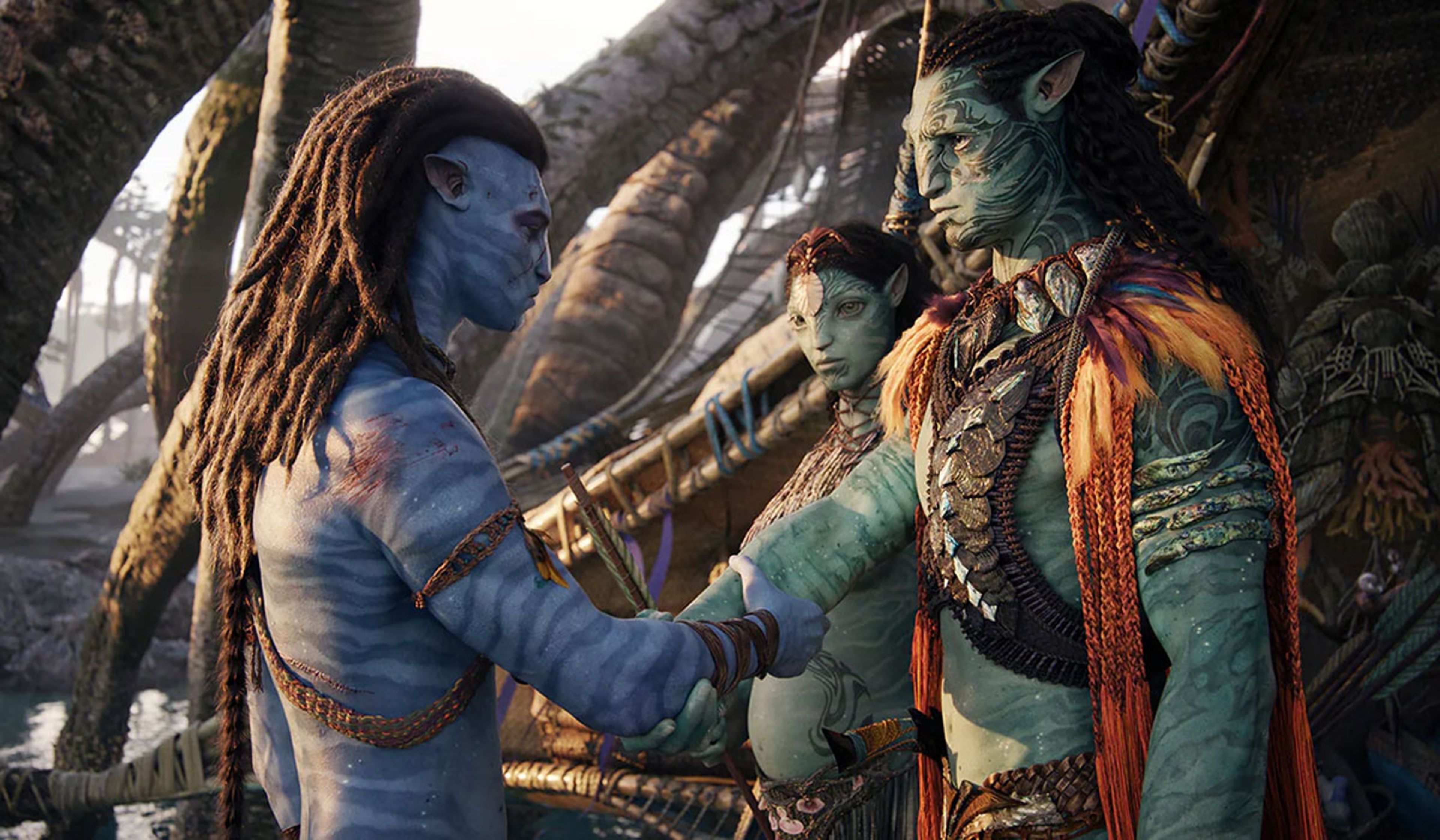
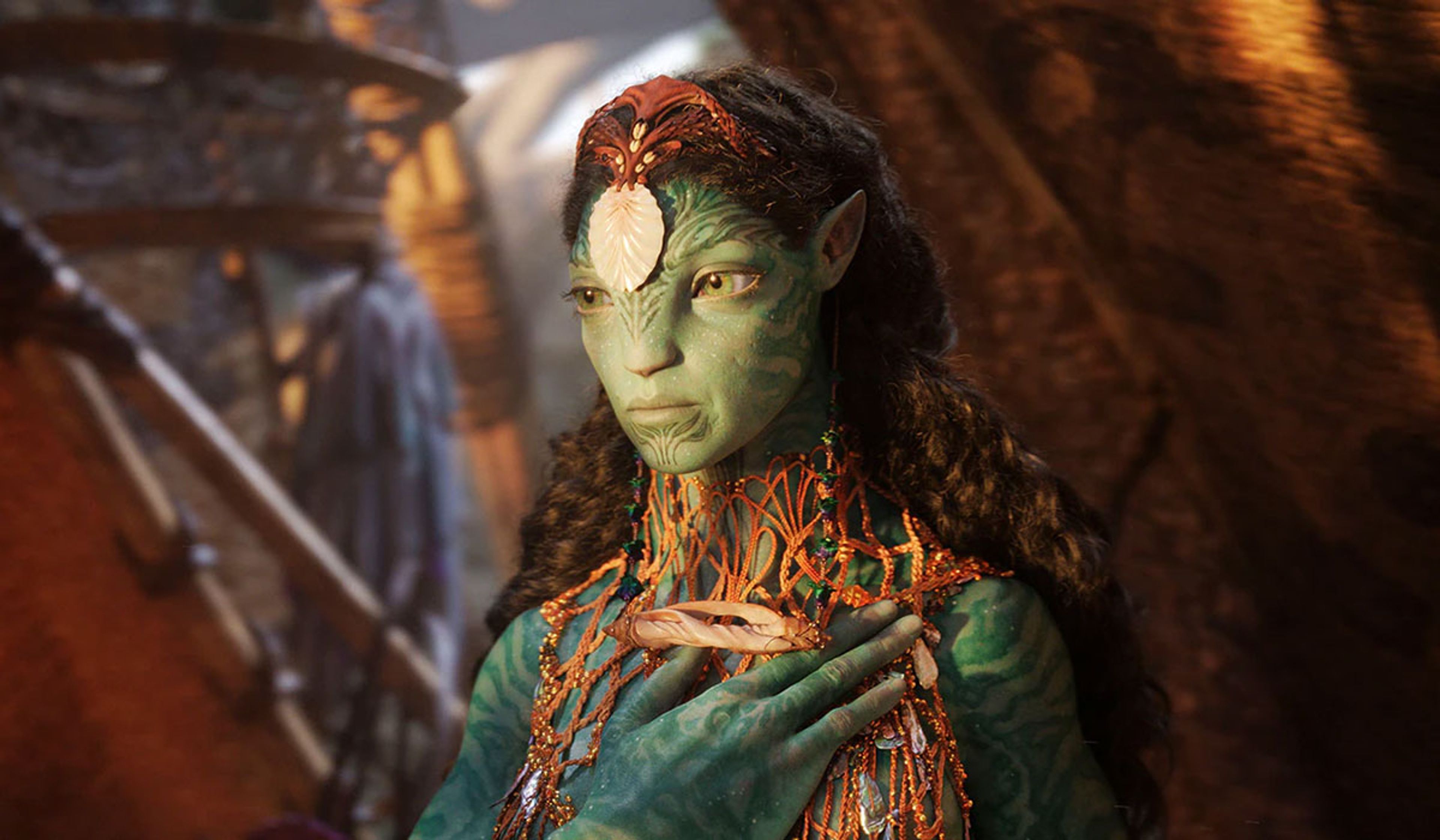
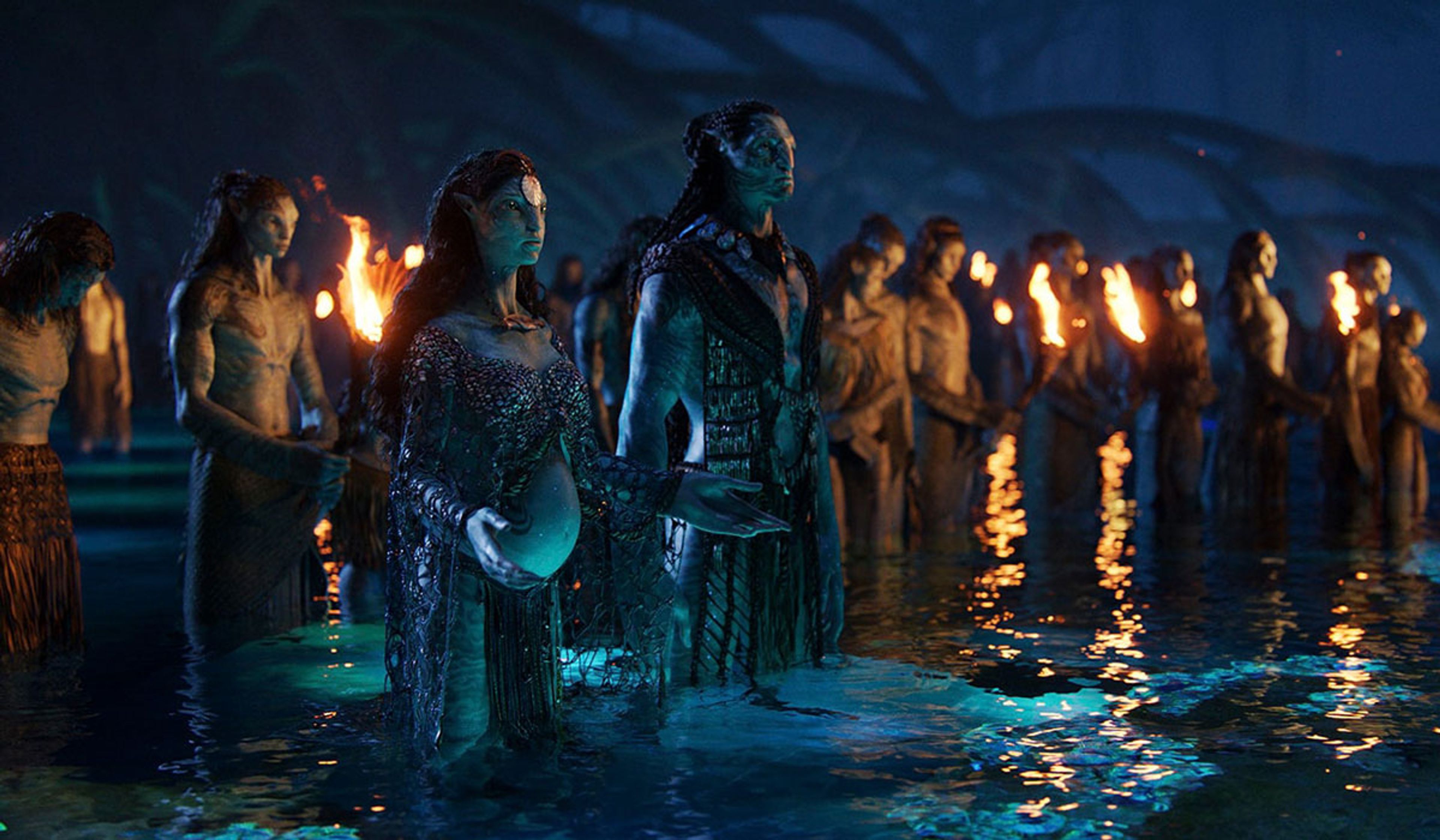
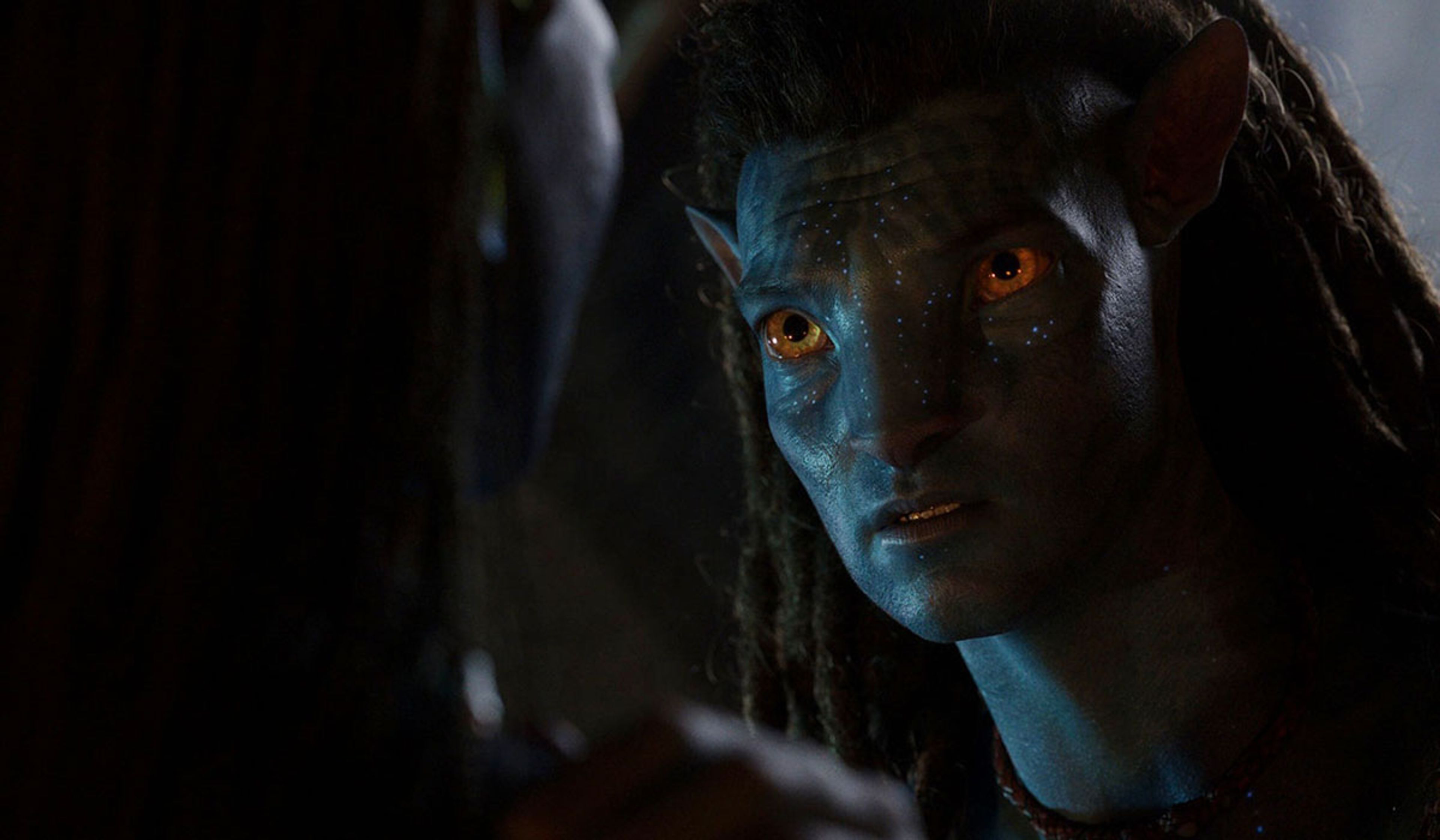
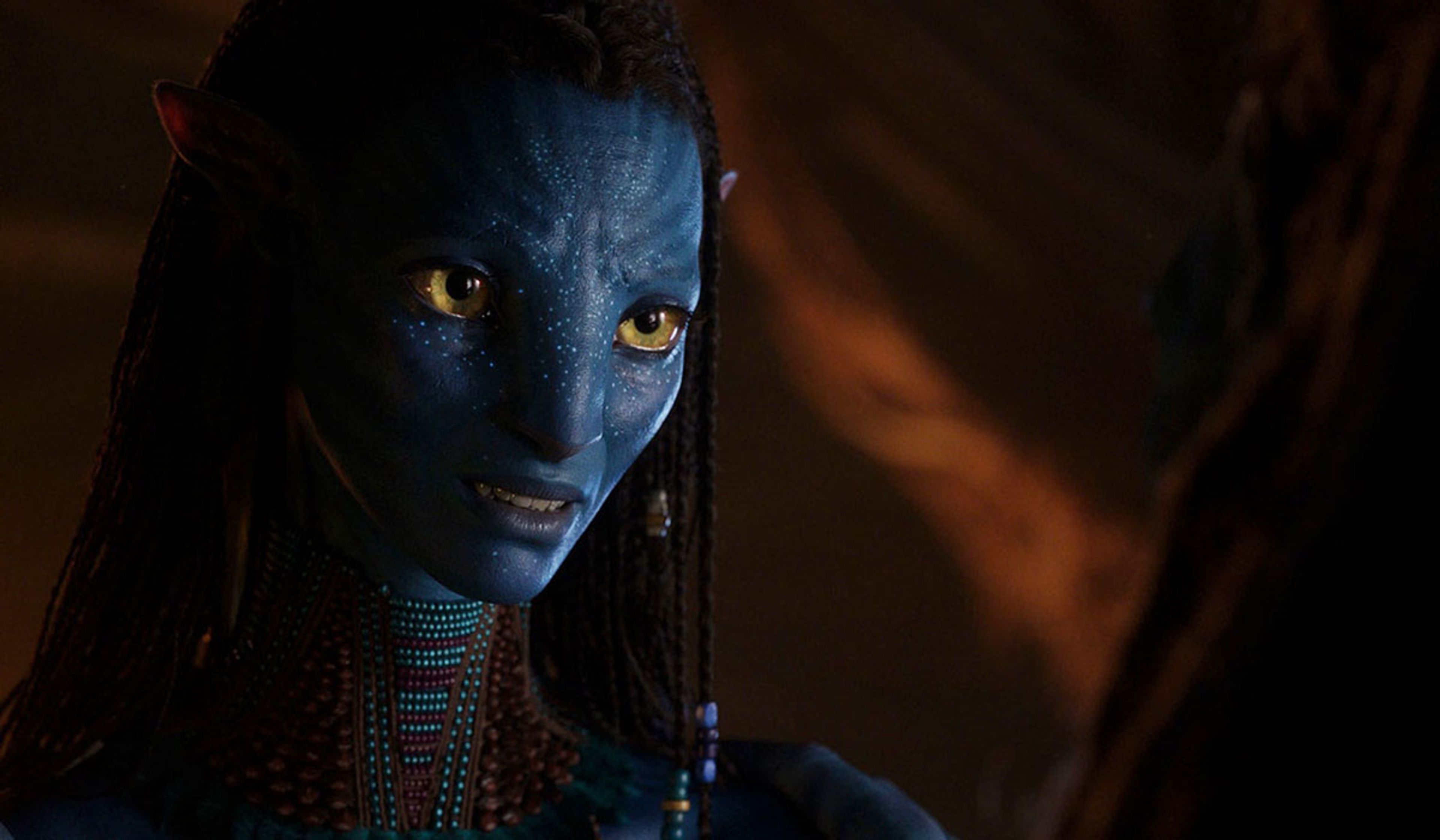
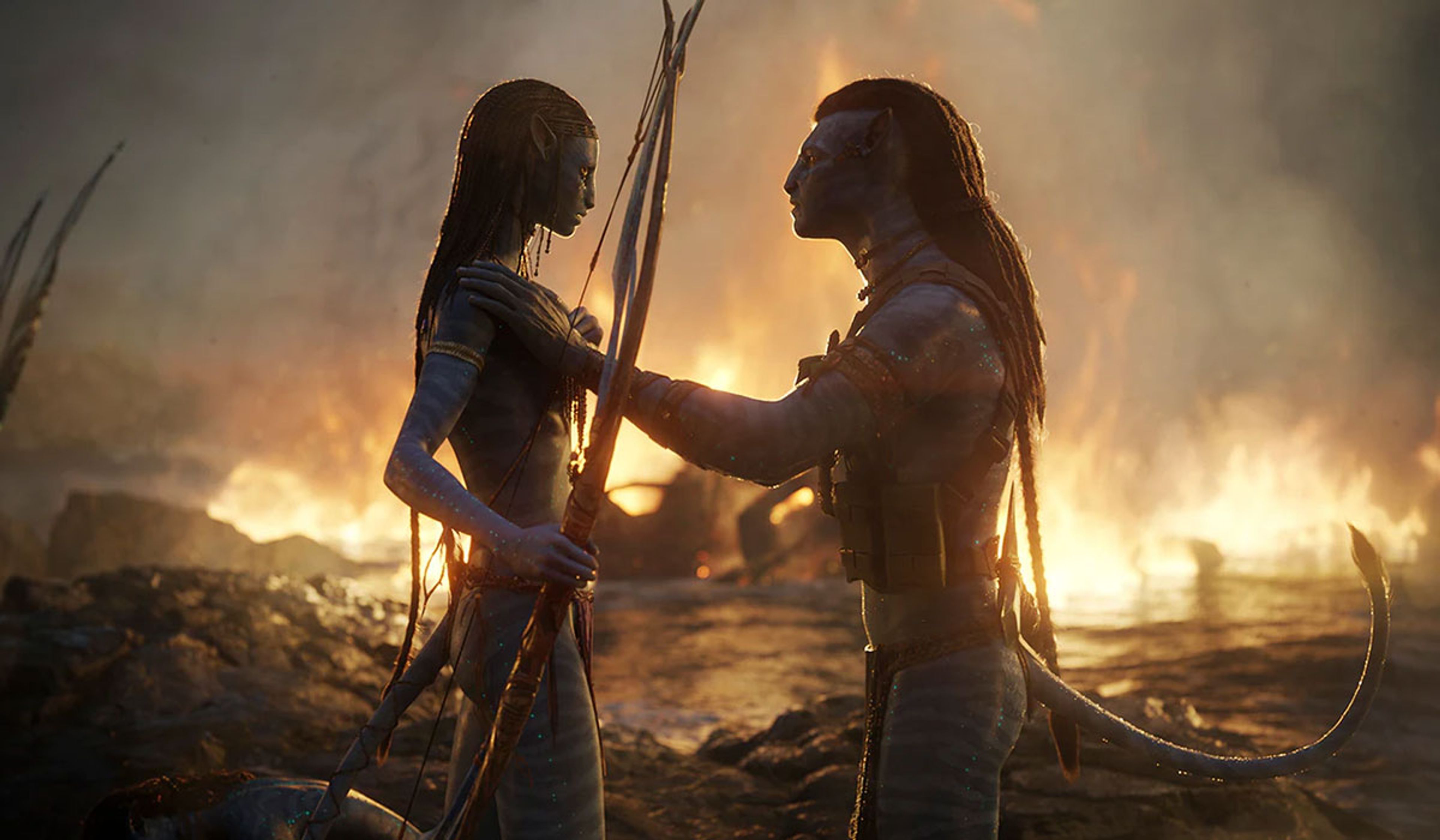
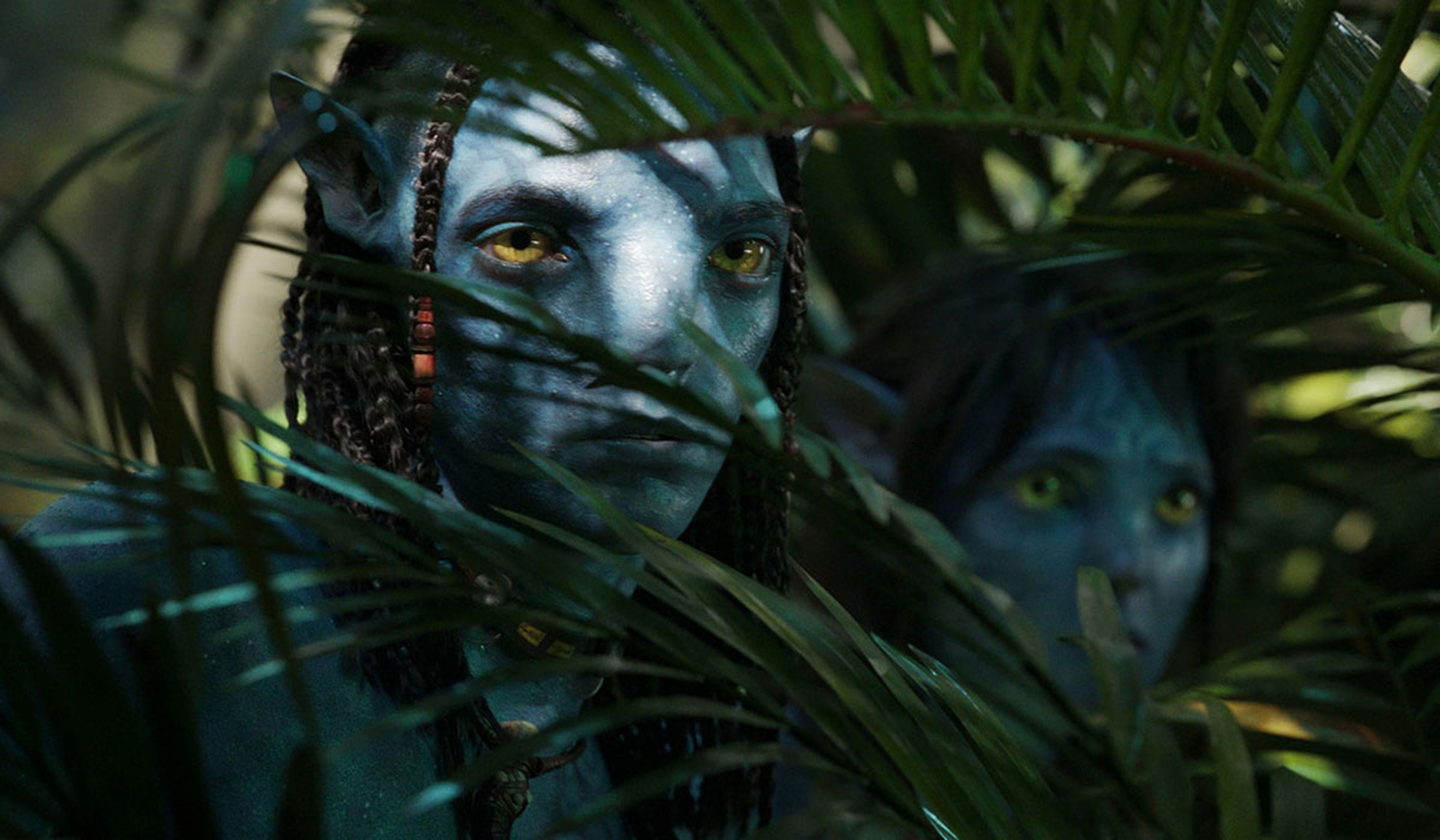
Jake (Sam Worthington) and Neteyam (Jamie Flatters) in Aavatar: The Way of Water.
20th Century Studios
Maybe it’s an inevitable function of making your heroes (and, this time, your villains) immense CGI aliens, or maybe it’s a function of writing and casting (Cameron is saddled with Worthington, a pure dud as Sully, in the space occupied by Arnie and Kate-and-Leo in his classics), but all the characters in these movies feel like, well, avatars — warm bodies that we, the audience, get to half-occupy for three hours and ten minutes for the sake of the Pandora Experience, but whose fates and faces fade as soon as we go back out into our world.
So if there’s an artistic defense of the saga as more than a theme-park ride, it has to rest on the experience itself — not so much the big action sequences but the slower moments of exploration and meditation, the parts where nobody’s shooting or talking and you just get to ride through the forests and swim through the seas. And here I do think you can make a case that Cameron comes closer than many artists, Christian and otherwise, to offering a compelling vision of an unfallen world, a lasting Eden — a world whose natural landscapes are more awesome than our own but also more harmonious and kindly, where the rain forest is less dangerous and the sea is less deadly and there are no obvious Malthusian traps, where death can happen but the continuation of life beyond the flesh is a given.
The grounding for this particular Eden, of course, is not a biblical one but a pseudoscientific pantheism, where the Mother Goddess of the Na’vi faith is a planetary hivemind that all its lifeforms can literally plug into. Which in turn raises theological questions about the movie’s devil figures, the awful invading humans. Did we somehow destroy our own potential connection with our own planet, way back in prehistory — Genesis 2, but with Mother Earth in the part of Yahweh? Or were we just denied a warm and holy home like Pandora and stuck with our own, more brutal Earth for no reason in particular — which surely makes our evil ways seem rather less our fault?
I suspect that the first one would be Cameron’s choice, that there’s a pantheist version of the Fall lurking behind his vision of despoiling humans spreading out across the galaxy. But I also know that theological intimations aren’t what he’s in this business for — which is why they too fade away, finally, with the characters and plot, and what remains is just the memory of the roller-coaster ride.












Comments