With a war, there is often an “information war,” as there is now, concerning Ukraine. The Kremlin has been information-warring for a long time. In 1923, the Bolsheviks set up a special office for dezinformatsiya, i.e., disinformation.
“Disinformation” is an interesting term. It signifies something other than misinformation, which can be an honest mistake. Disinformation is a knowing lie, usually intended to achieve a political purpose.
The United States founded Radio Free Europe in 1950 and Radio Liberty a year later. RFE delivered the news to the Soviet-dominated east of Europe, and RL did the same to the Soviet Union itself. Both “radios” were staffed by émigrés, broadcasting in their own languages to the homelands they had fled.
In 1976, the radios merged. Since then, the entire organization has been known as “RFE/RL.” And the medium of radio was eventually joined by the media of television, the World Wide Web, etc.
During the Cold War, the Kremlin had some great successes in the information war. Even today, many Americans believe, or suspect, that the AIDS virus was concocted by the U.S. government for the purpose of decimating black people, gay people, and other “undesirables.” It all began with a Kremlin-planted story in an Indian newspaper, the Patriot, on July 17, 1983.
The aim of Kremlin disinformation specialists is to “sow information chaos.” So says Jamie Fly, the president of RFE/RL (whose predecessors include James L. Buckley, Jeffrey Gedmin, and Thomas Kent).
Last March, the Russian ambassador to the United Nations, Vasily Nebenzya, made an accusation in the Security Council: The United States and Ukraine were plotting to use migratory birds to spread pathogens throughout Europe. “We call upon you to think about a very real biological danger to the people in European countries.”
This accusation did not really fly. But who knows what doubts even the most fantastical lies plant?
The Kremlin has always been more energetic in the information war than the West has. It has also spent a lot more on the effort. But RFE/RL has accomplished much good, across the eras.
As the Soviet empire was expiring, Lech Wałęsa, the Solidarity leader in Poland, was asked what help the radios had been. He said he was at a loss to describe it. “Would there be an earth without the sun?” The Czechs’ Václav Havel and other democratic leaders said much the same.
RFE/RL was based in Munich. After the Cold War, Havel invited it to come to Prague, which it did. It remains there. Post-Soviet governments were keen to have RFE/RL keep doing its job.
In 1991 — even before the dissolution of the Soviet Union — Boris Yeltsin, the Russian president, invited RFE/RL to open an office in Moscow. His successor, Vladimir Putin, proved something else.
Fifteen years into his reign, Putin annexed Crimea and launched war in eastern Ukraine. That was in 2014. In response, RFE/RL set up Current Time, a Russian-language TV network. This gave Russians an alternative to Kremlin-controlled media. One testimonial came from Vitaly Mansky, a well-known Russian filmmaker. Current Time, he said, is “the only television in the world that tells us, in Russian, the truth about the current state of affairs.”
Mansky, a critic of Putin’s war on Ukraine, is now in another country and on the Kremlin’s wanted list.
It was on February 24, 2022, that Putin launched his total war against Ukraine. At the same time, he essentially banned independent media in Russia. RFE/RL was forced to close its Moscow office, after 31 years. The Kremlin made any criticism of its war in Ukraine a criminal offense. Many Russians have been imprisoned under this new law.
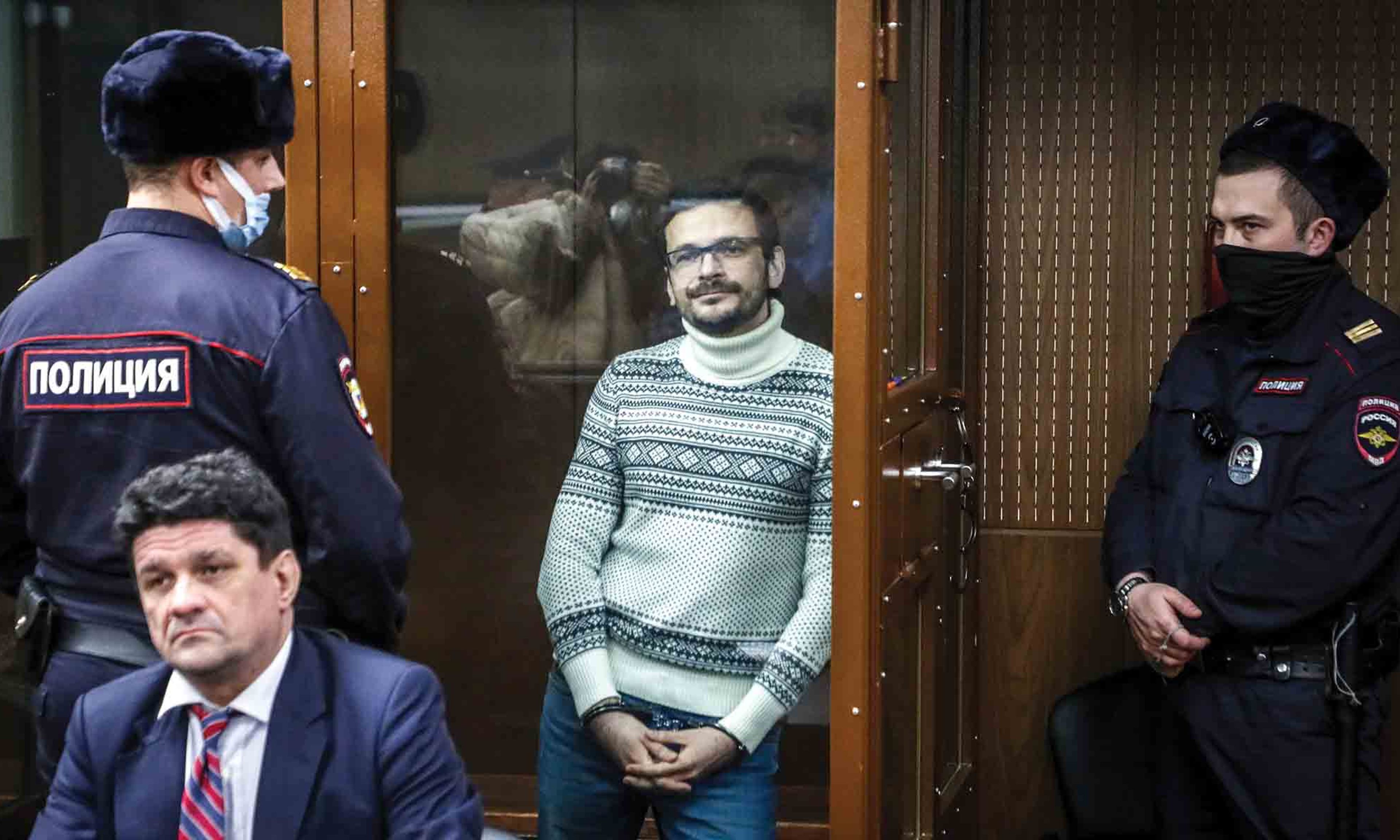
On December 9, Ilya Yashin, a politician and activist, was sentenced to eight and a half years. He had spoken publicly about the massacre of civilians in Bucha, Ukraine, by Russian forces. After Yashin was sentenced, Alexei Navalny, the leader of the Russian opposition, and also a political prisoner, managed to communicate a message to him: “Ilya Yashin, we are all proud of you. Russia will be free and so will you.”
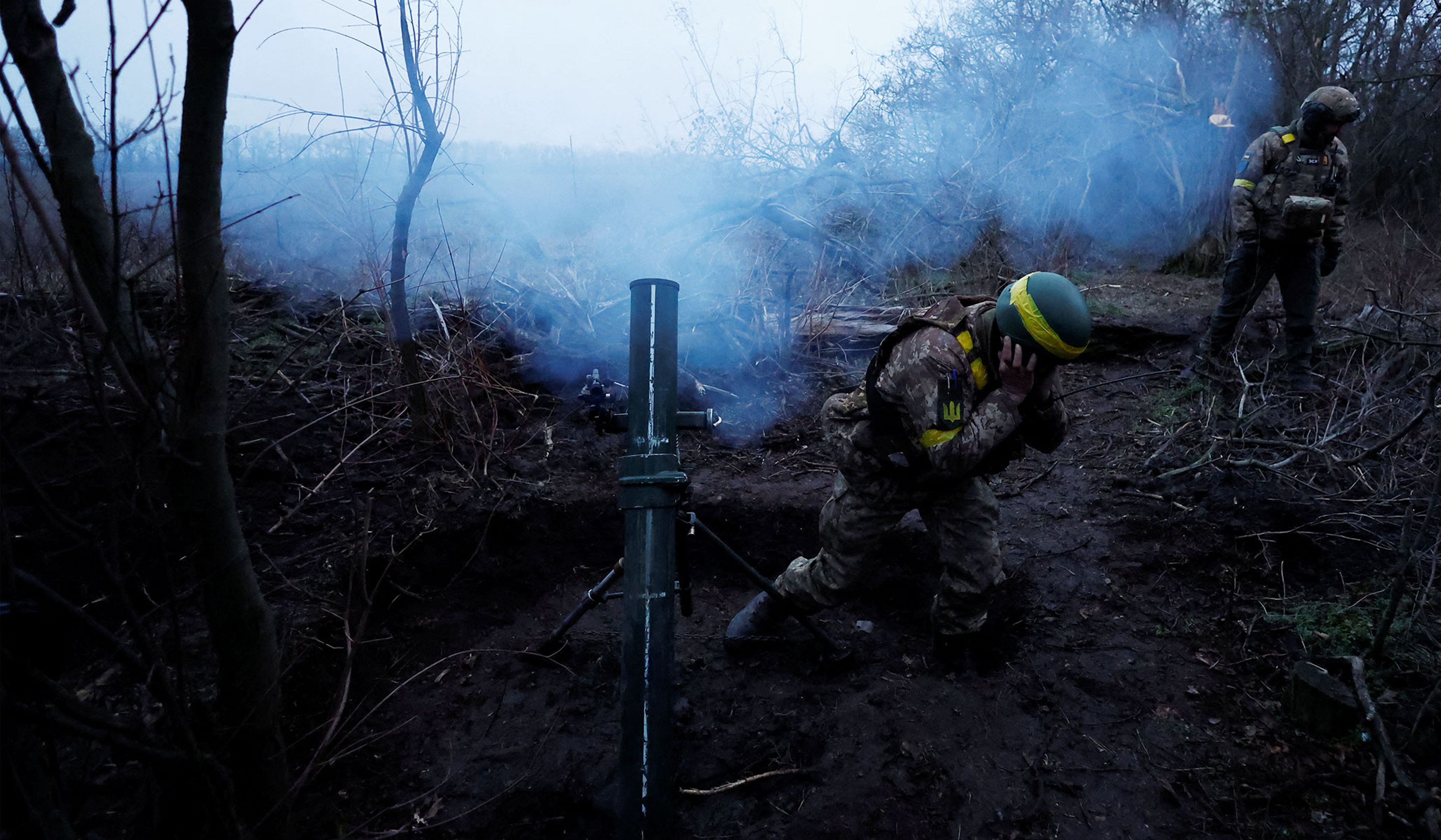
“This is perhaps the most important moment in our history,” says Jamie Fly. He is speaking of the organization he leads, RFE/RL. The Ukraine war is the first “major hot war” the organization has ever covered. (There have been other “hot” conflicts, but not on so great a scale.) RFE/RL has a “brave cadre” of journalists, says Fly, on the ground in Ukraine. Most of these journalists are Ukrainian. Some are embedded with the military. They provide “gripping video,” as Fly says, and they tell the stories of soldiers, families — everybody.
Are there RFE/RL journalists on the ground in Russia? Some, yes. But most have been moved out of the country, for their safety. (Russia and Ukraine are unsafe in different ways.) Those who remain, transmit their material surreptitiously.
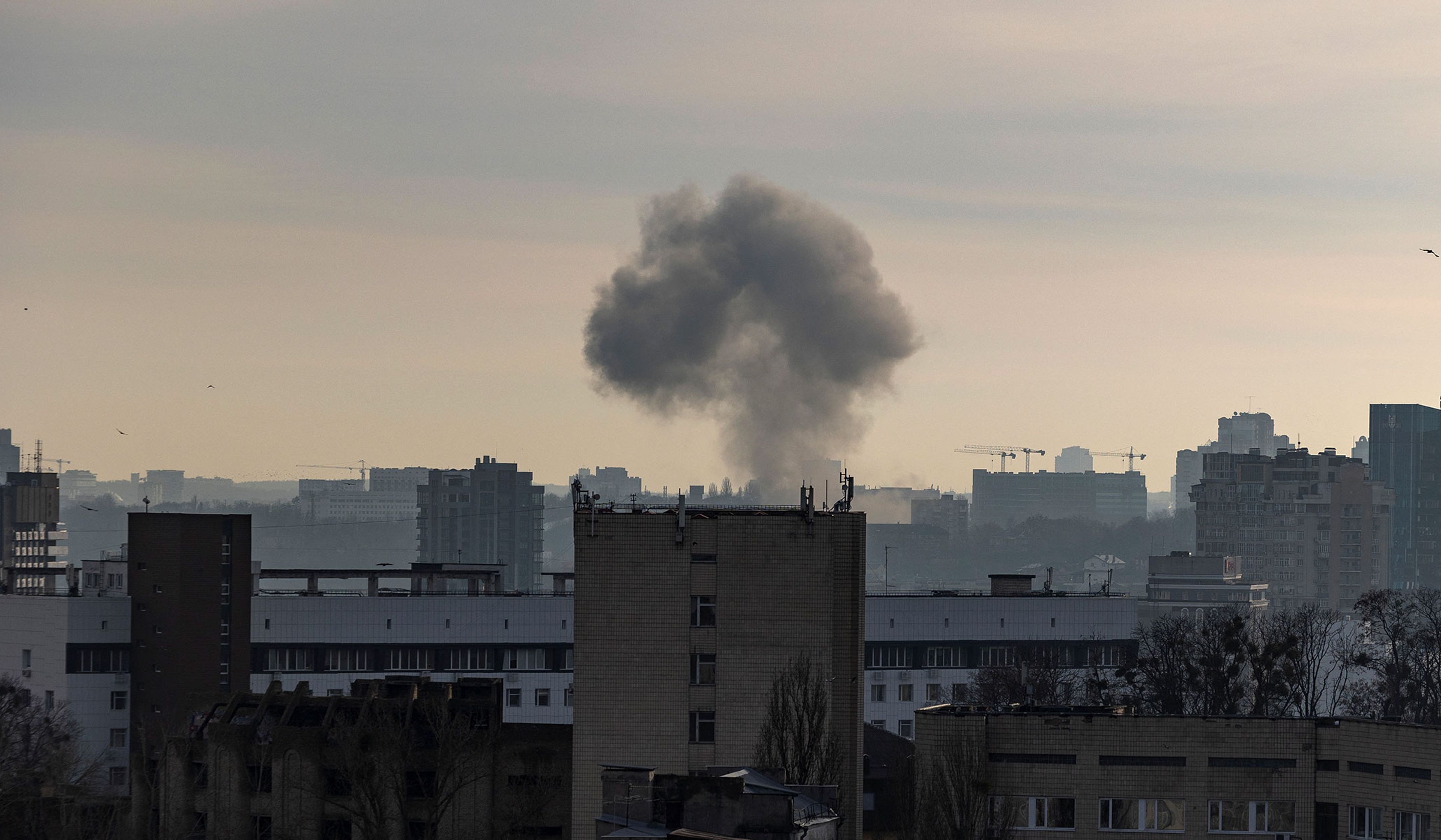
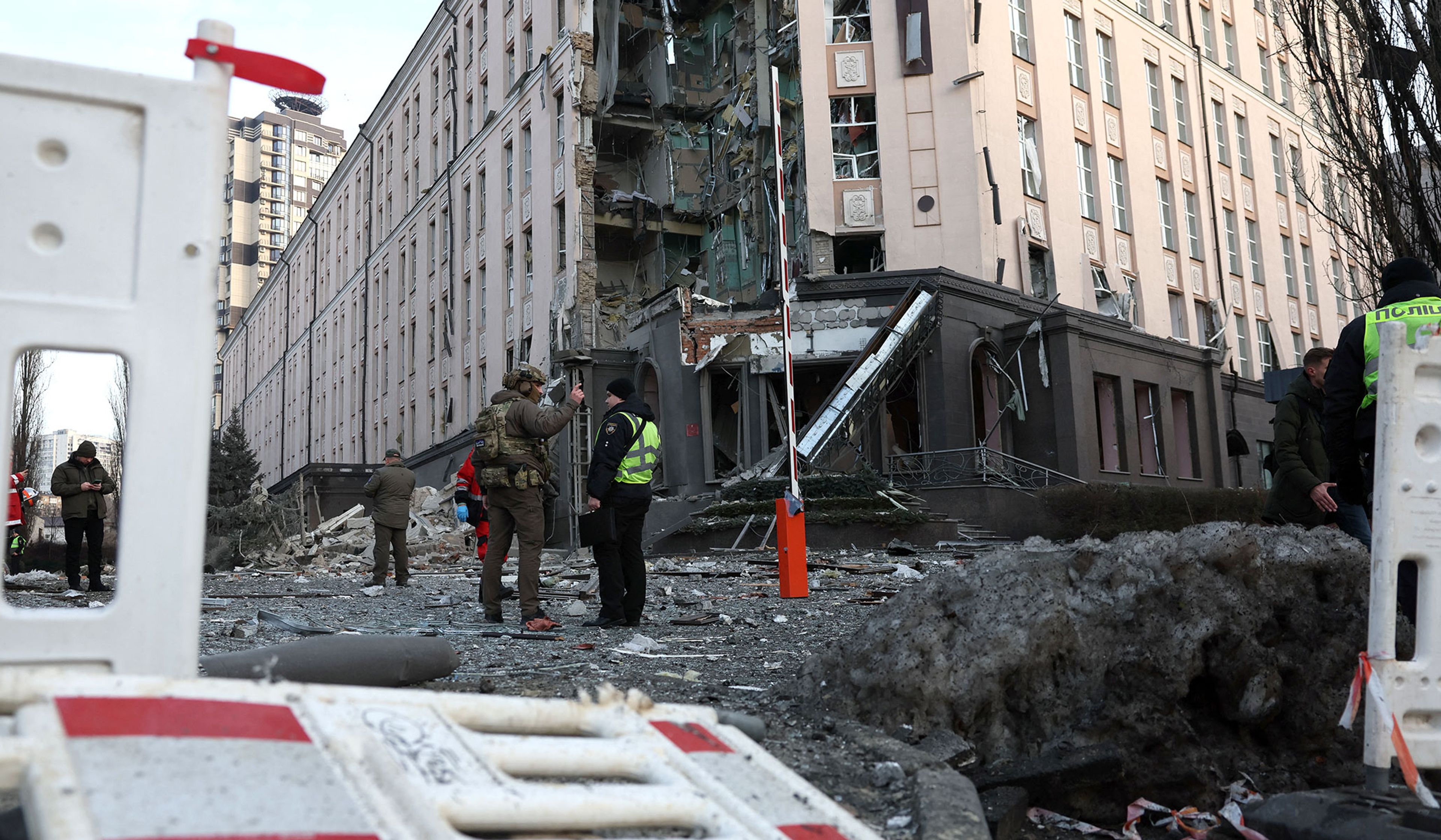
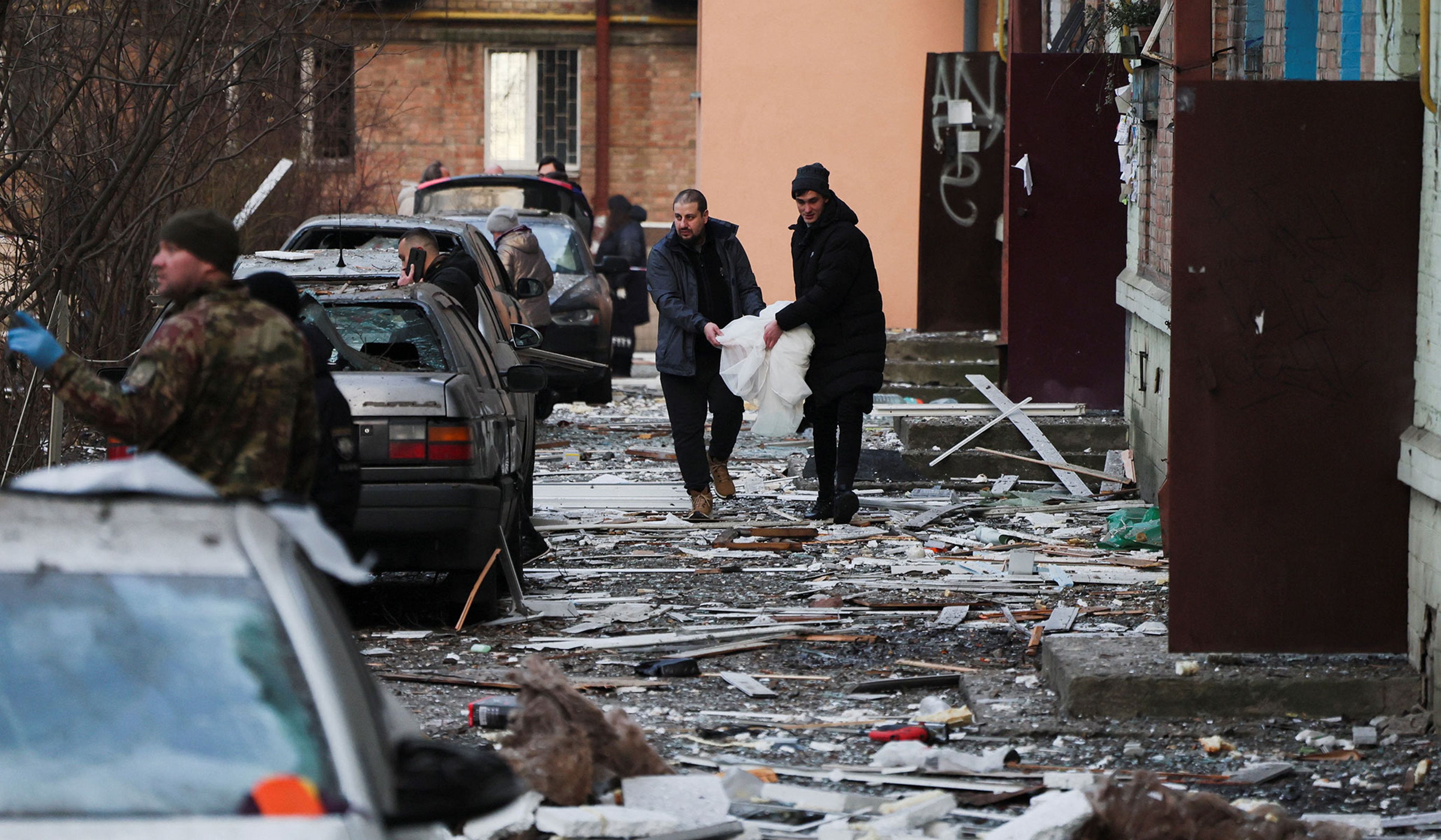
Like other news organizations, RFE/RL has had its casualties. Vira Hyrych, a Ukrainian who had been working for RFE/RL since 2018, was killed in Kyiv. Her apartment building was smashed by a Russian missile. Other journalists have been wounded on the front lines. Journalists in Ukraine have to cope with all sorts of challenges — including electricity. How do you broadcast when there is none available?
There is another challenge too. Personally, I consume the reports of RFE/RL as I sit in my reclining chair, far away in America. The reports are very hard to read, or watch. But how about the reporters? They must be very tough, mentally and emotionally. If you are Ukrainian, this is your country, these are your friends, this is your family — everything is at stake. Yet you must do your job as coolly as possible.
The same applies to RFE/RL’s Russian journalists, as Jamie Fly points out — whether they are at headquarters in Prague, at the office in Riga, or, of course, in Russia itself. They have seen their society close down. Tensions are very high.
Even a year ago, Russians could gain access to RFE/RL sites on the internet. But the Kremlin blocked these sites, and other news sites, last February. The Kremlin blocked social media, too. Still, Russians are adopting VPNs, or “virtual private networks,” which get around the bans. And RFE/RL’s Russian audience has doubled.
A couple of recent headlines will provide a taste of RFE/RL’s reporting overall. “Russian Mother and Daughter Overcome Fear to Protest the War.” The mother and daughter are Yekaterina and Alisa Korneicheva, in Perm. They are shockingly brave. “Russian Activist Accused of ‘Discrediting’ the Military Vanishes, Friends Say.” The vanished person is Aikhal Ammosov, from Yakutsk. He had warned in a social-media message, “If I disappear, it means they killed me.”
The material from Russian state media is eye-opening, and often eye-popping. The things they tell people . . . RFE/RL keeps track of this material, and responds to it. Other journalists in the West keep track of the Russian state media full-time. One of them is Francis Scarr, of the BBC. Another is Julia Davis, who created the Russian Media Monitor and writes for the Daily Beast.
Recently, Francis Scarr circulated a video of a state-television presenter who said, “The West is really disintegrating.” The presenter went on to say, “Children cultivated in a laboratory and controlled from a smartphone — this is the new trend of progressive Western society.”
Such a claim is typical, not atypical.
Julia Davis has made two major figures in the Russian state media very familiar. One is Margarita Simonyan, the infamous head of RT (once known as “Russia Today”). On December 20, she received a high decoration — the Order of Honor — from Putin himself. In a kind of acceptance speech, she said to Putin, “Thank you for slaying the cannibals” (meaning, the Ukrainians).
The other major figure whom many of us have gotten to know, through Julia Davis, is Vladimir Solovyov, who hosts a nightly TV show. Davis summarized a recent broadcast as follows:
Solovyov claims that Russia is embroiled in a holy war against Ukraine and the West. Solovyov asserts that nuclear strikes against the U.S. and Britain would be biblically justified. The weatherman concurs.
Particularly distressing, for some of us, is the Russian state media’s frequent use of video from the American media, in which Americans give something like the Kremlin line. What is that line? It might go like this: Ukraine is inseparable from Russia. An independent identity, or nationhood, is a fantasy. Ukrainian authorities have oppressed Russian-speakers, who need liberation. Russia needs a security buffer between itself and a threatening NATO. Democratic movements in Ukraine were essentially CIA operations. The Ukrainian government is exceptionally corrupt, and is a nest of fascists. Nazis. So is Ukraine at large.
There were echoers of the Kremlin line in the Cold War — some were witting, some not. The same must be true today.
Talking with Jamie Fly, I bring up a painful question: Many people, including in the United States, including people I know, simply won’t believe reports from Ukraine: reports of war crimes, and crimes against humanity. They say this is “war porn,” “anti-Russian propaganda,” “Russophobia,” and so on (just as in the Cold War, in fact). Can anything be done about it? Or is such denialism just a fact of life?
The best one can do, says Fly — the best RFE/RL can do — is to allow Ukrainians and Russians to speak for themselves. To turn over the microphone to them, or to point the camera at them and let them talk. Let victims, soldiers, defectors — -all and sundry — tell their stories.
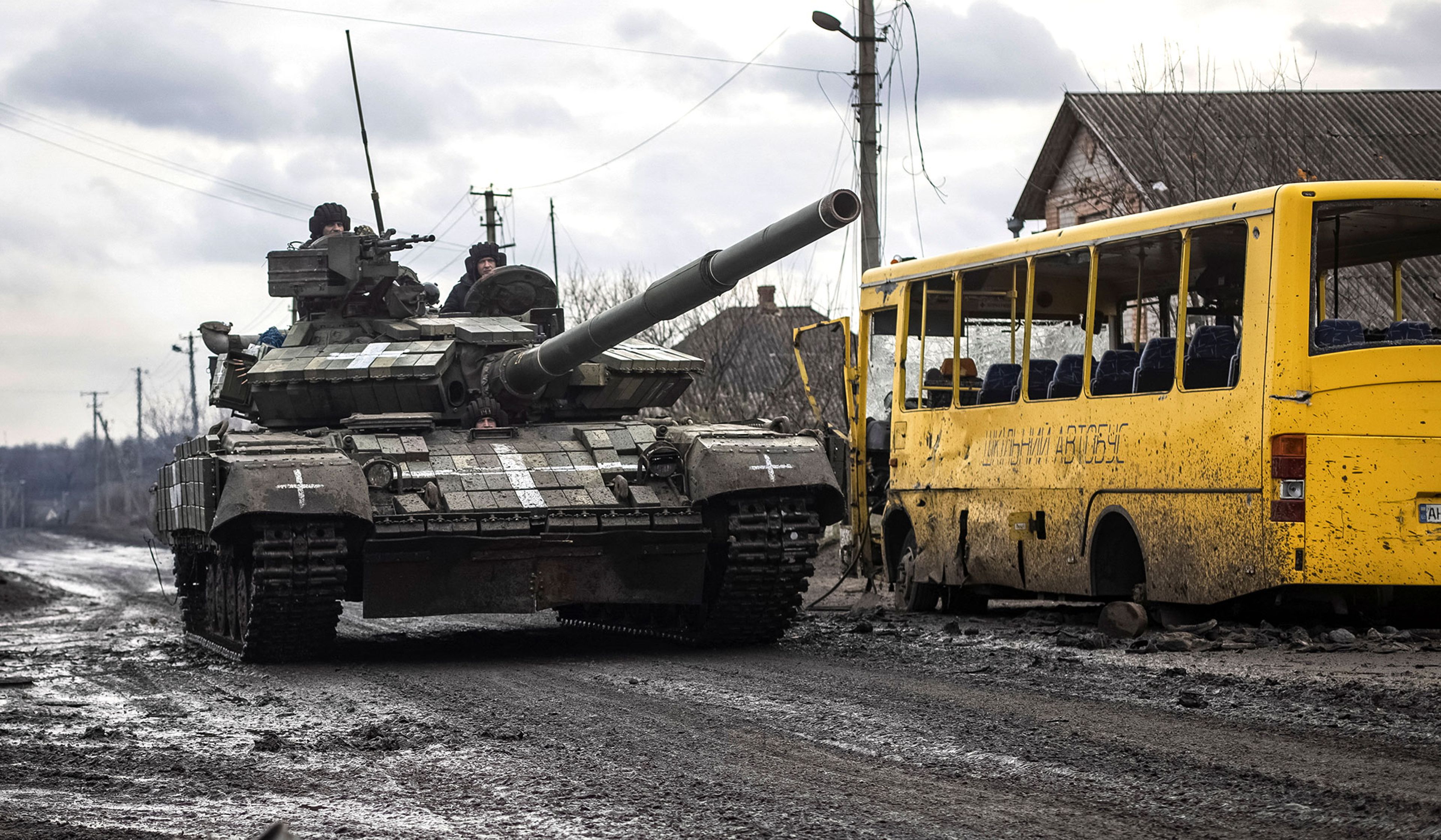
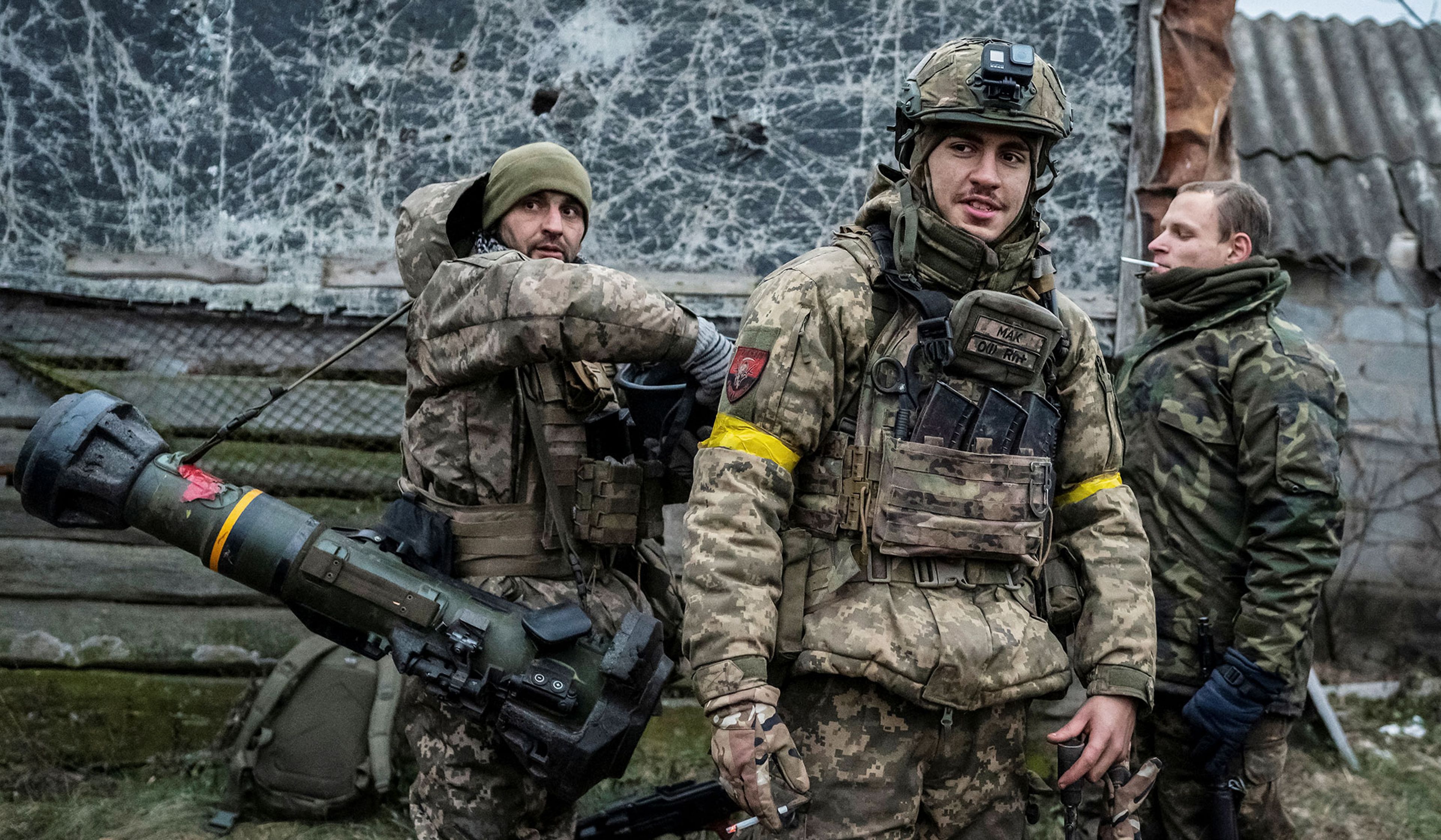
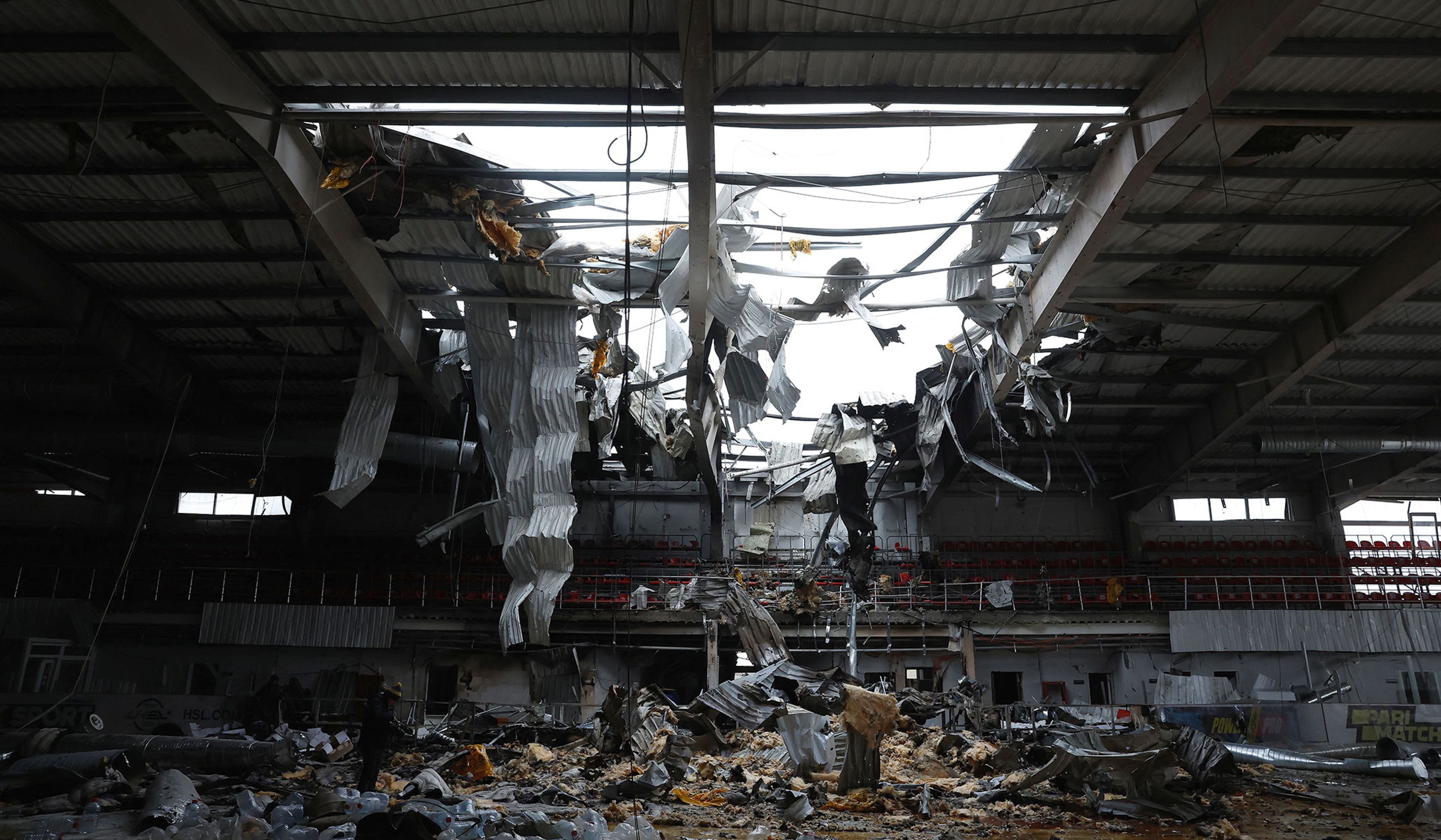
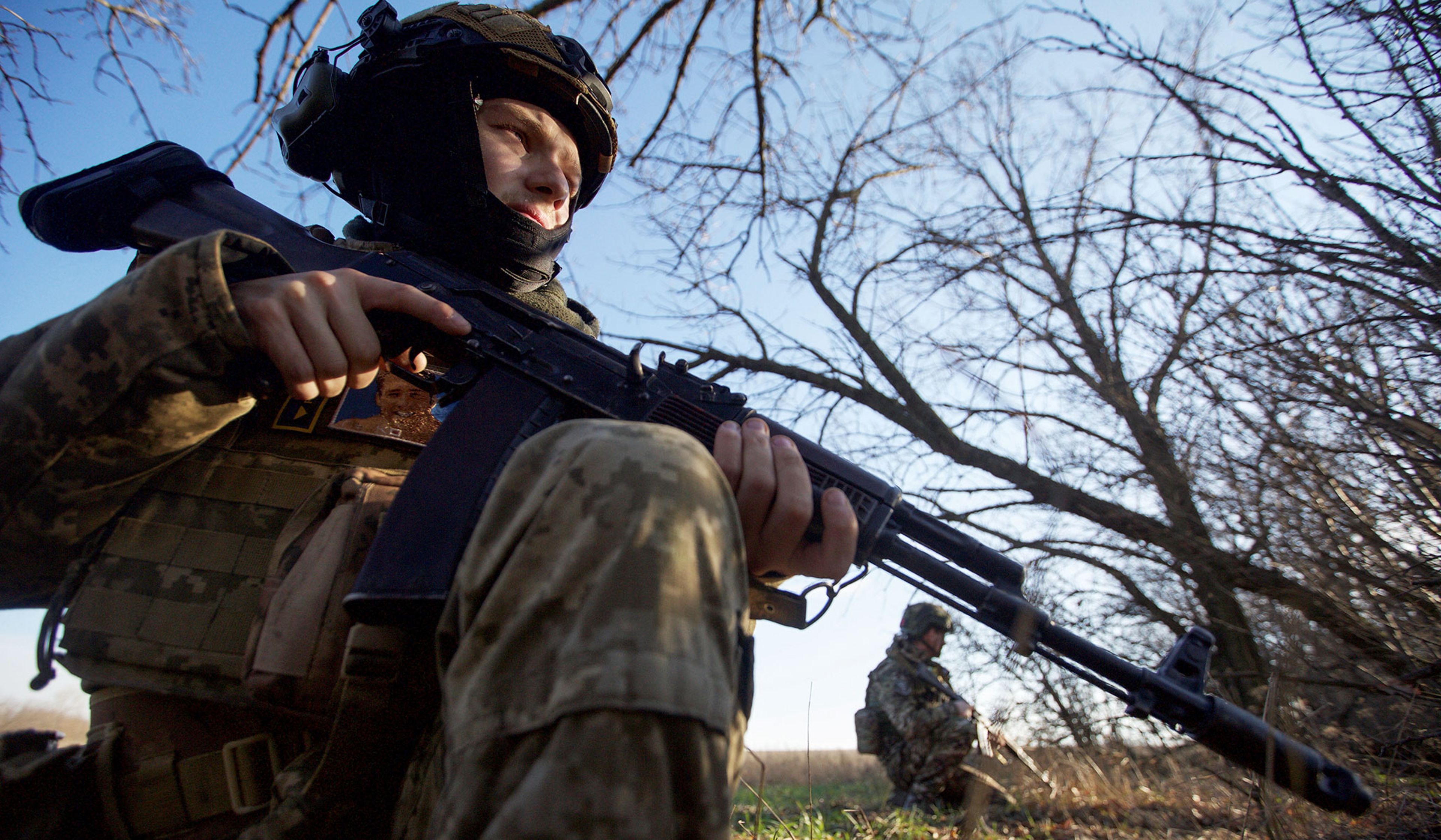
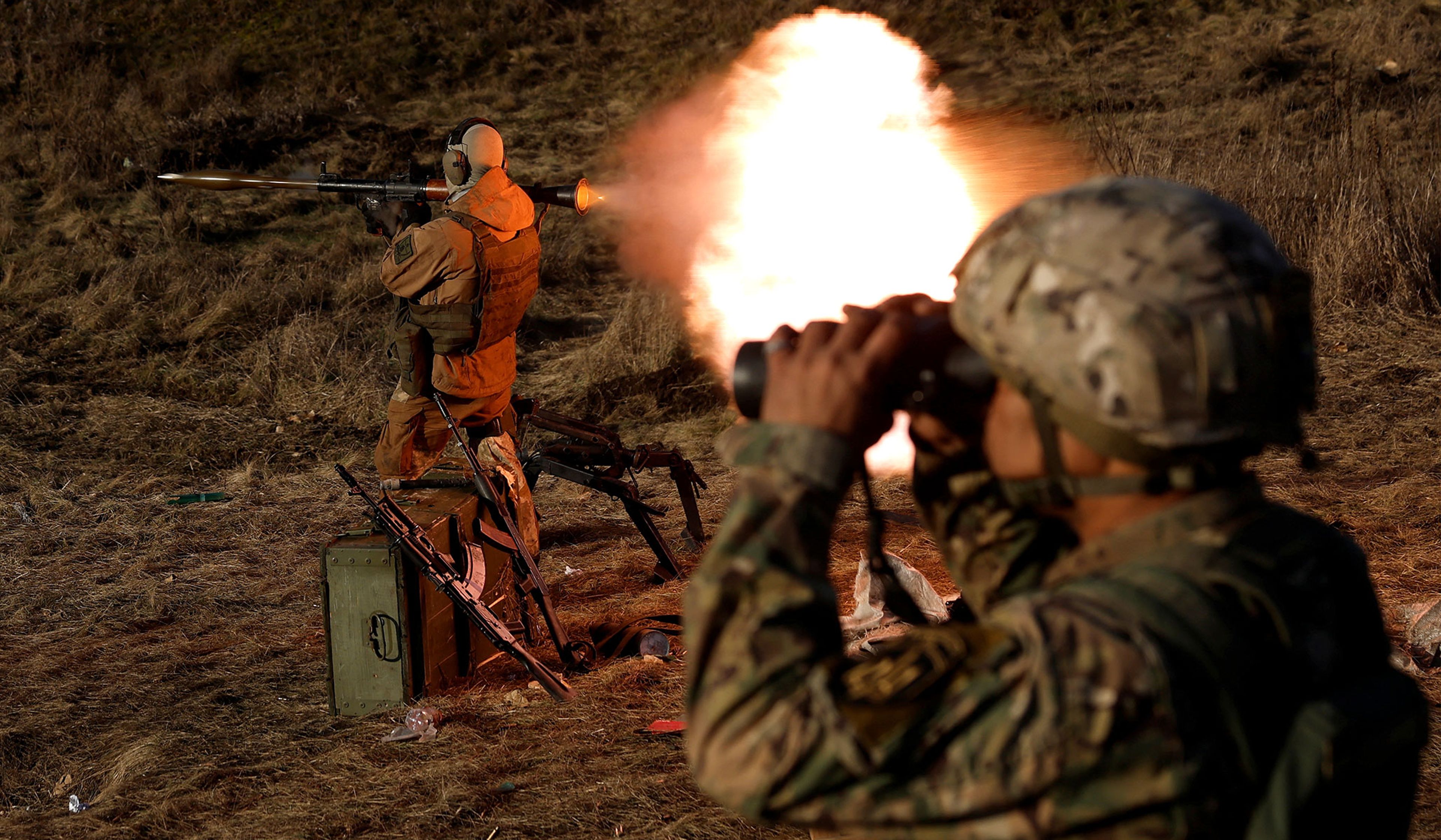
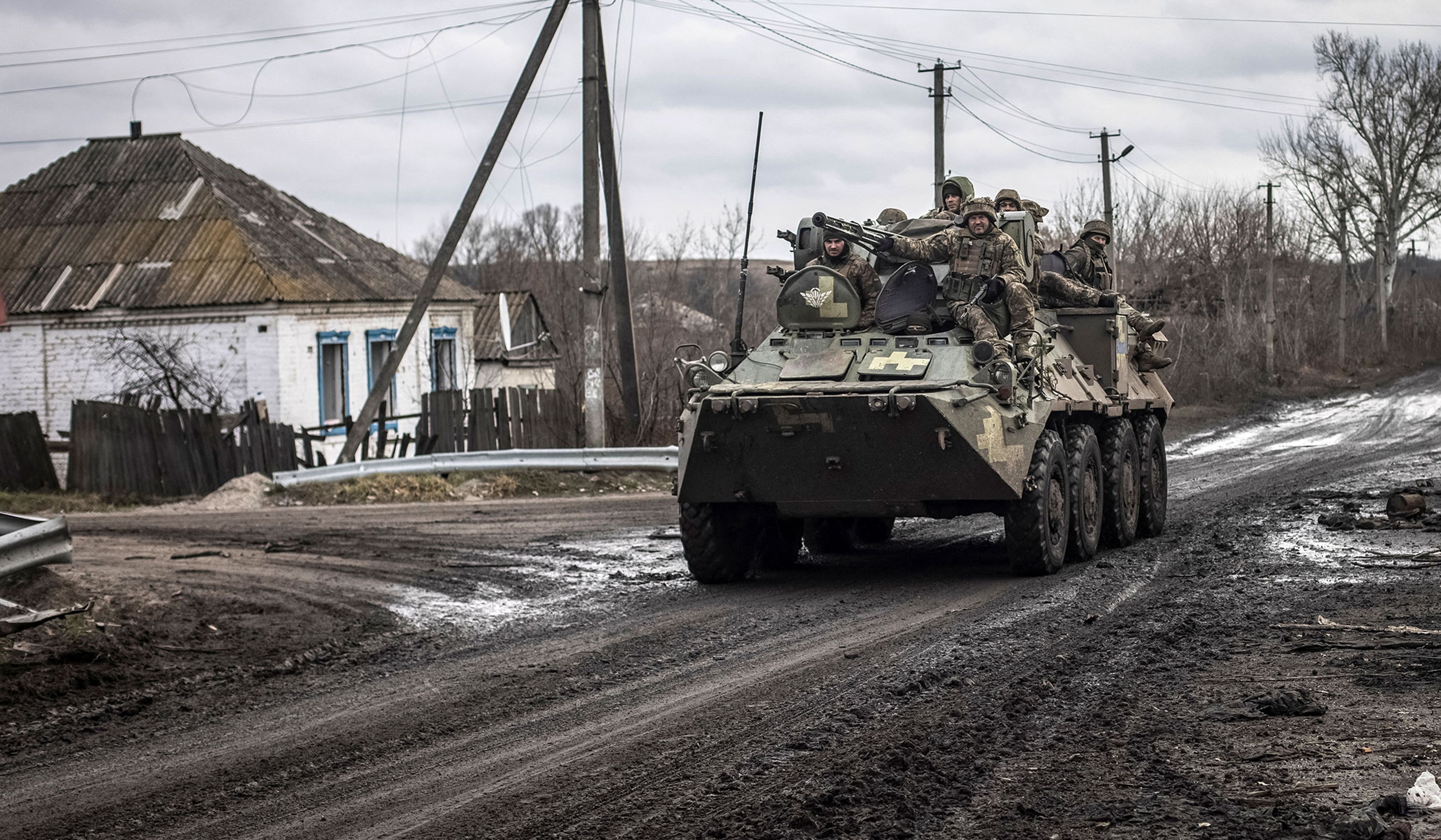
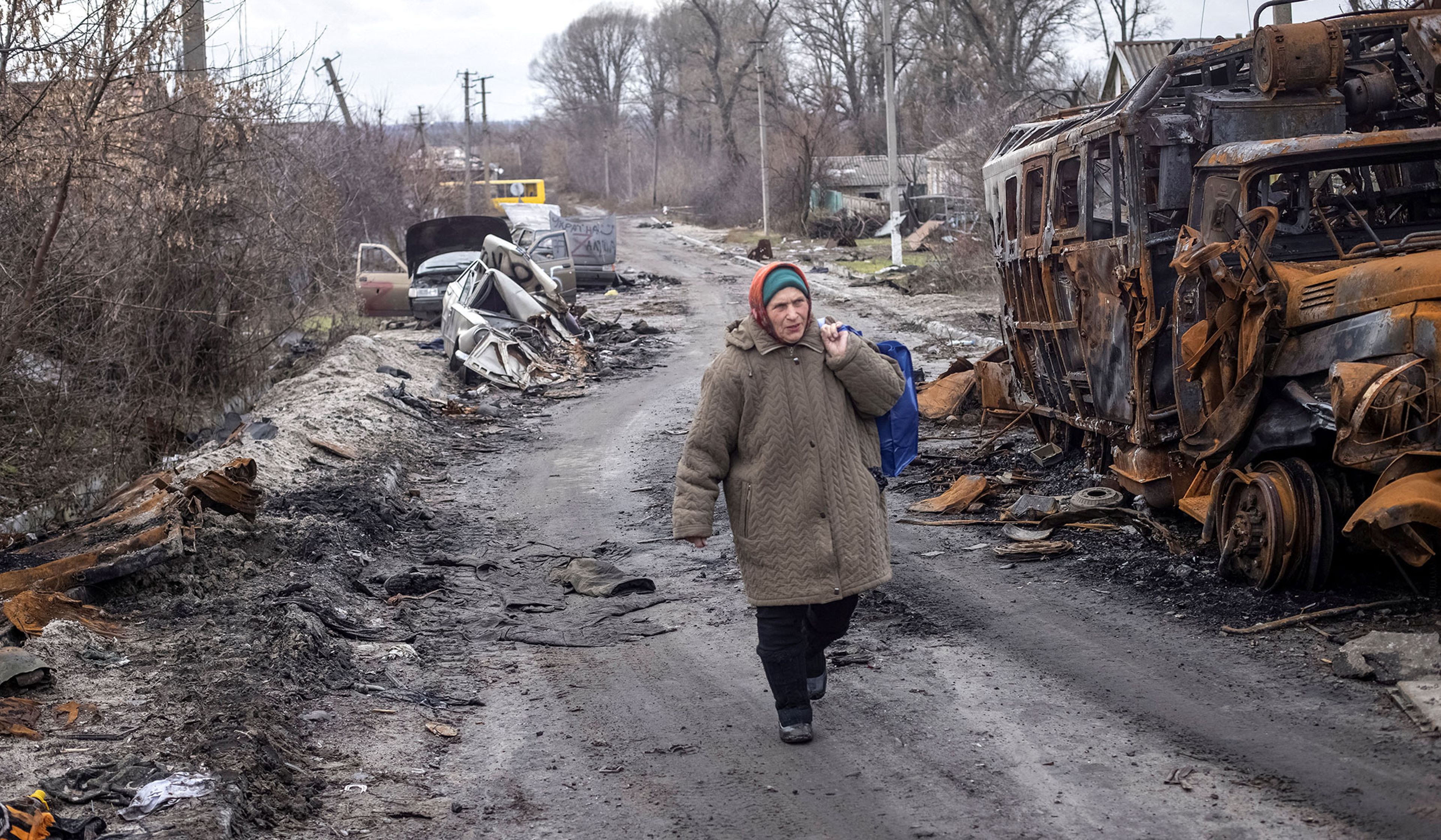
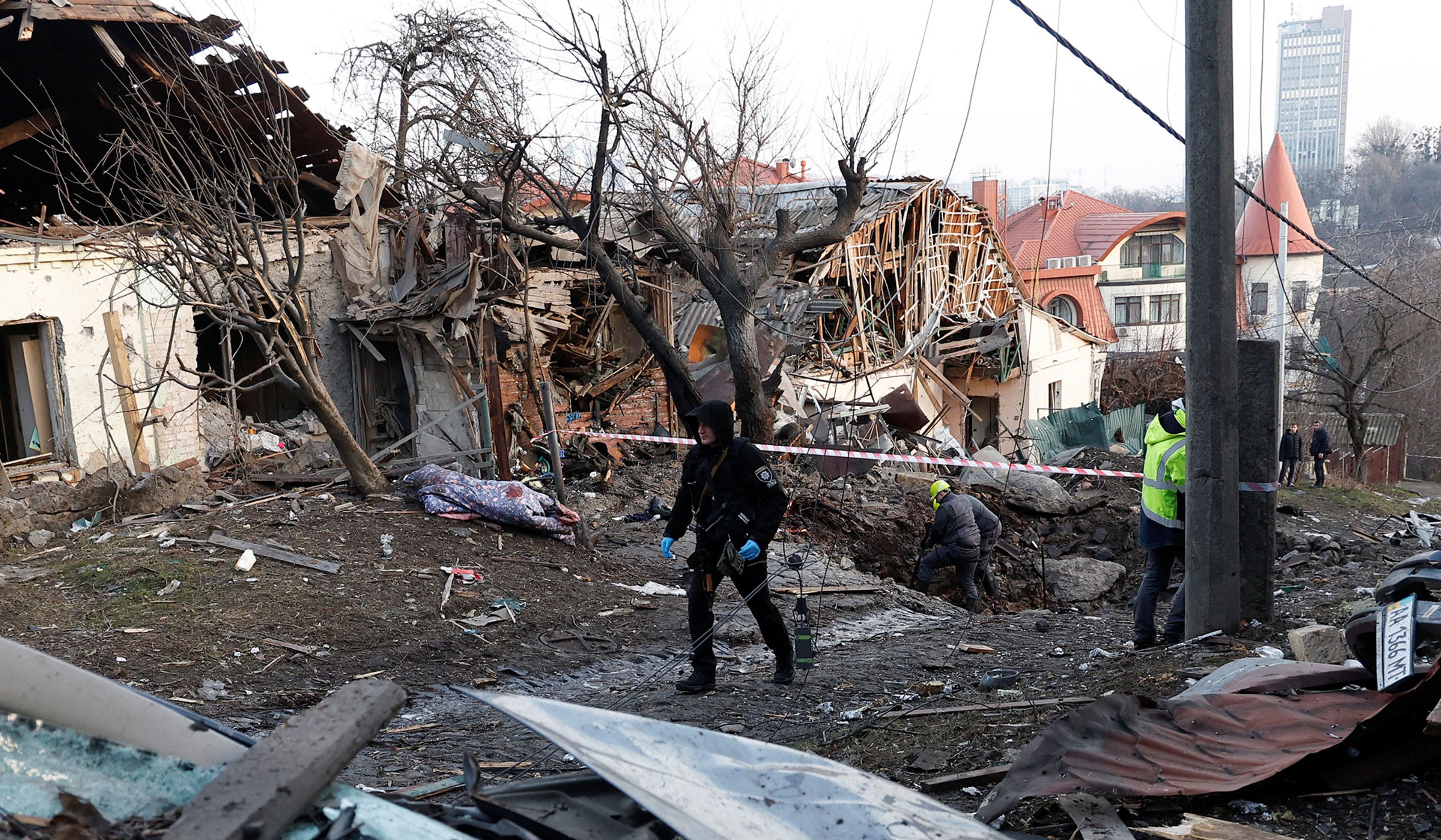
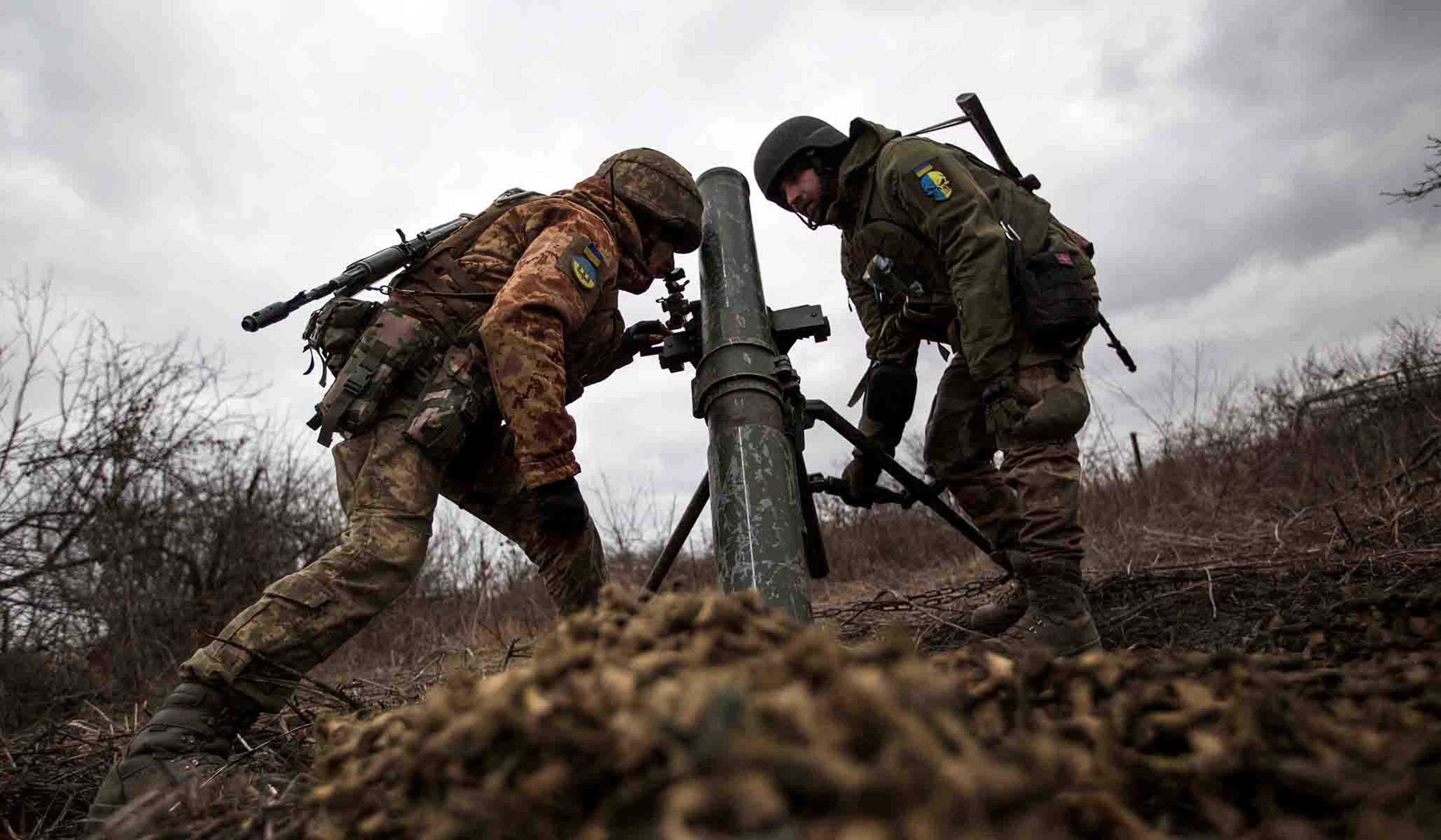
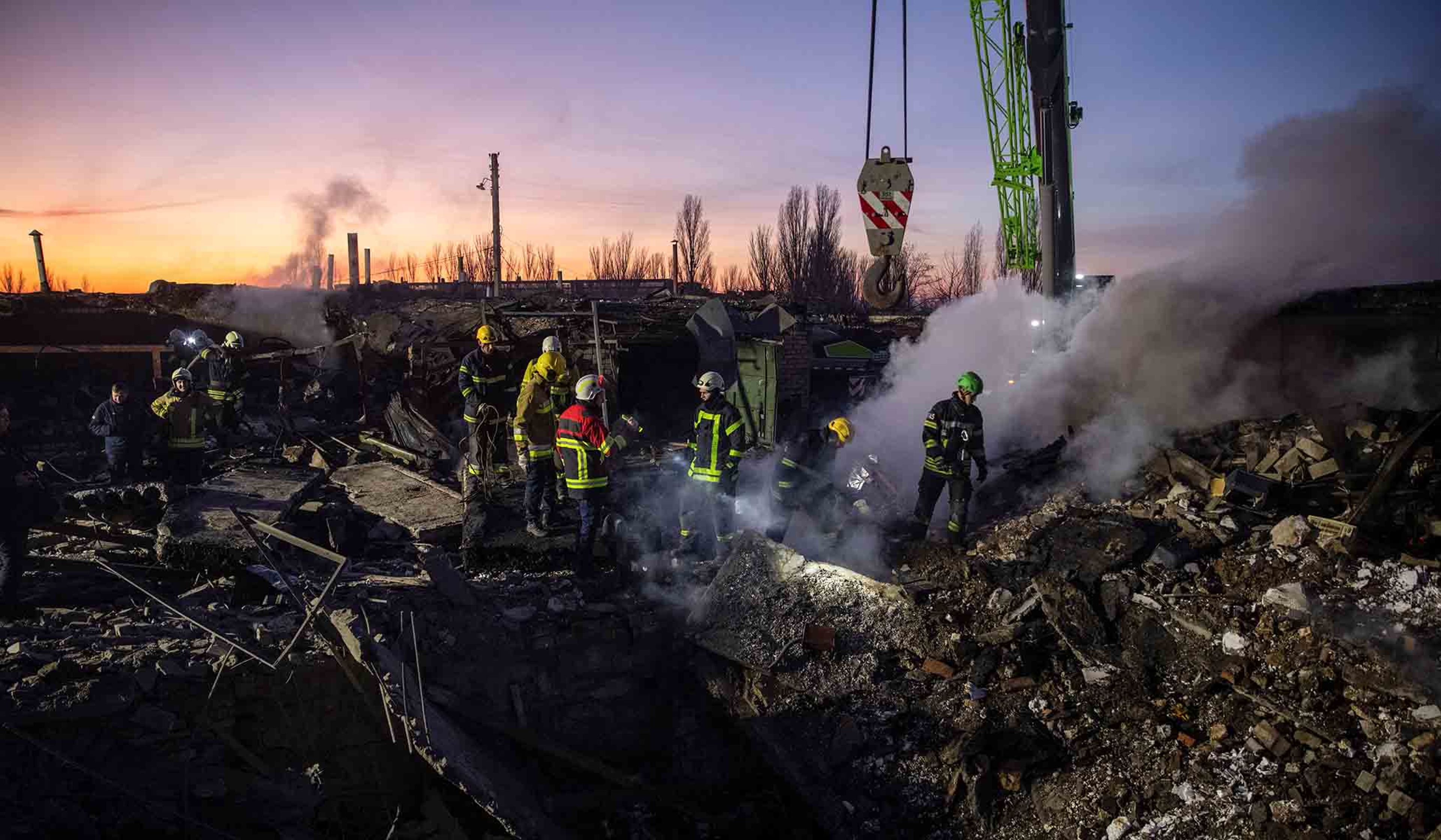
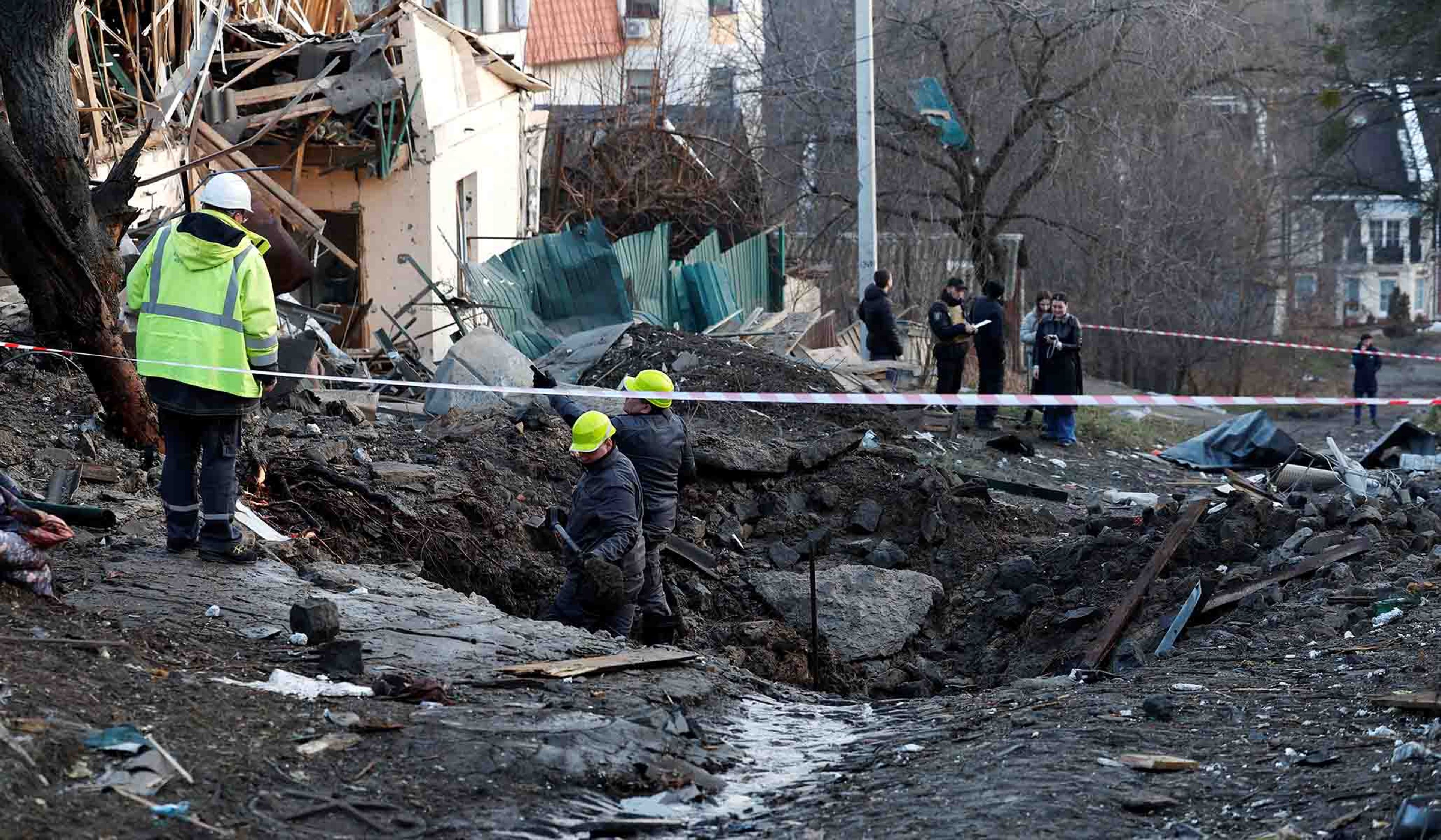
Ukrainian servicemen ride a tank in the village of Torske, Donetsk Region, Ukraine, December 30, 2022.
Yevhen Titov/Reuters
Fly mentions Serhiy Perebyinis, from Irpin, Ukraine, who in early March was away in another part of the country, caring for his ailing mother. His wife, Tetiana, and their children, Mykyta and Alisa, tried to evacuate, running with their luggage across a bridge. They were killed by a Russian bomb.
What do you do, if you’re a news organization? You can find Serhiy Perebyinis and let him talk. You can go into Kherson, as the Russians leave, and let the people talk — let them tell what they have experienced, at the hands of the occupiers. And if certain Westerners don’t believe it . . . well . . .
The Kremlin plays a pretty good propaganda game, worldwide, as it long has. But Tom Kent, the former RFE/RL president, makes a good point, in an article: “Increasingly, Russia seems less concerned about whether anyone believes what it says. Its main focus appears to be on forcing the world to accept Russia on its own terms.” He quotes Sergey Lavrov, Putin’s foreign minister, who told the BBC in June, “Russia is not white and fluffy. Russia is what it is. And we are not ashamed of showing who we are.”
Those words are something to get the blood of many a Russian nationalist stirring. But Russia is a vast country, and its people are not clones. Don’t write the Russians off, Jamie Fly says — even pleads. Many Russians, especially younger ones, are thirsty for honest information, thirsty for reform — yearning to live in a better, freer, more peaceful country.
An information war is merely one aspect of a “war war,” with its battalions and tanks and missiles. But information, and disinformation, play their part — a crucial part.










Comments