
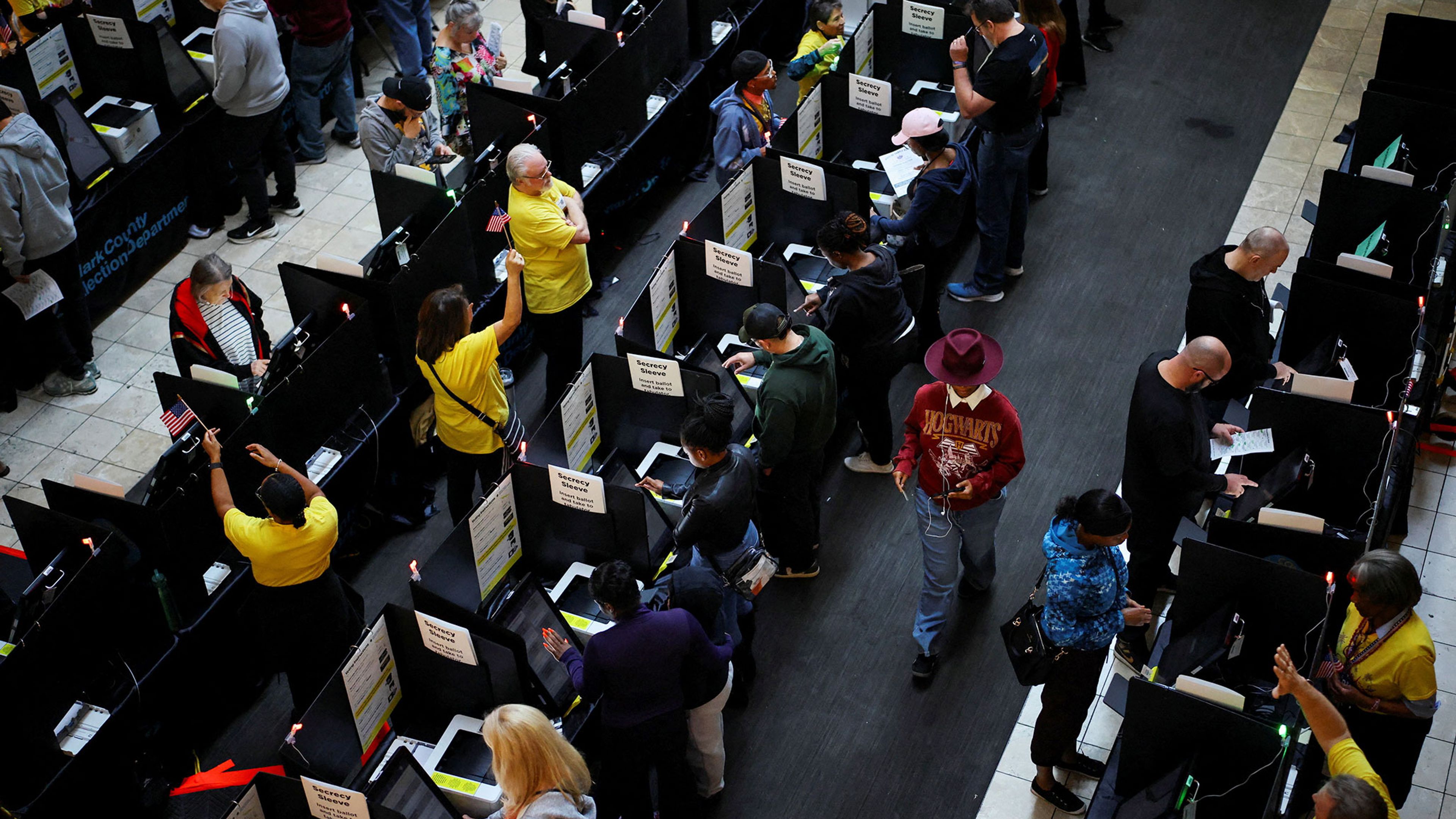
This is what democracy looks like.
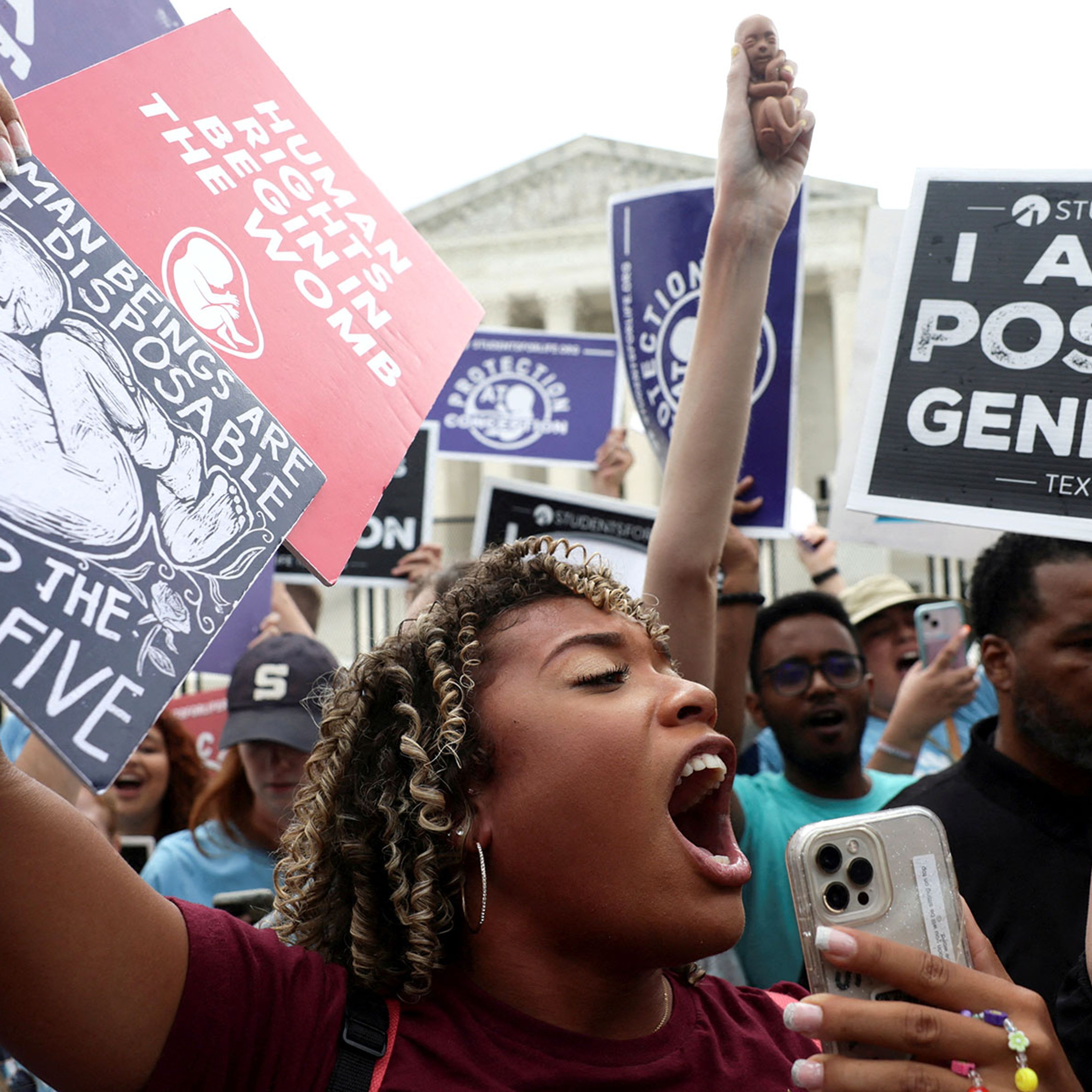
For nearly five decades, the United States Supreme Court denied the American people the ability to protect the lives of unborn children with meaningful laws enacted by their elected representatives. That all changed on June 24, when the Court’s Dobbs decision overturned Roe v. Wade. About half of all states now have significant limits on abortion, including more than a dozen where it is generally banned except in rare circumstances.
In the first national elections following the Dobbs decision, democracy produced some messy results. Democrats campaigned relentlessly on the issue and spent at least $415 million on TV ads about it, while receiving many times that amount in free advertising from the media. President Biden and congressional Democrats made voters a simple offer: Let us keep our House majority; give us the two more senators we need to gut the filibuster in the upper chamber; and we will pass a federal statute reinstating Roe. (The offer was misleading: The federal abortion bill Democrats were pushing, the inaptly titled Women’s Health Protection Act, would effectively have allowed abortion through all nine months of pregnancy, gutted conscience and religious-liberty protections, and struck down many minor state limits allowed under the Casey decision that modified Roe.)
On November 8, voters rejected Biden’s offer — but only by a slim margin. While control of the Senate is undetermined as this issue of National Review goes to press, Democrats have at least fallen short of the 52 Senate votes they’d need to end the filibuster. With Nevada not yet called and Georgia heading to a runoff, they could only win 51 seats at most. And Democrats appear likely to lose their House majority, but it is forecast to be washed away by a red ripple at most, not a wave.
Simply keeping congressional Democrats from 52 seats in the Senate should be enough to prevent them from enacting their extreme federal abortion bill, as well as a host of other radical policies, assuming Democratic senators Kyrsten Sinema and Joe Manchin remain stalwart defenders of the upper chamber’s 60-vote rule. But even with 51 seats in the Senate and a continuing House majority, Democrats would likely find a way to advance at least some left-wing priorities (including taxpayer funding of elective abortion) that have been stymied under existing budget-reconciliation rules allowing some legislation to pass with a simple majority. With 51 Senate votes, Democrats would no longer need the vote of Manchin, a pro-life Democrat, to pass a party-line bill.
The House Democrats’ midterm performance was surprisingly strong at a time when inflation was high and the incumbent Democratic president held a job-approval rating in the low to mid 40s. The prominence of the abortion issue surely helped House Democrats energize their base, peel off some independents, and limit their losses. But it was unclear just how much it mattered. On the day of the Dobbs decision, Republicans led Democrats in the FiveThirtyEight average of generic congressional-ballot polls by 2.3 points; they went into Election Day with a lead of 1.2 points. Nate Silver, the polling analyst who runs FiveThirtyEight, wrote that historically the lead has increased rather than decreased over the course of the summer for the party out of power, and that the abortion issue might partially explain why it went down a tick this time instead. Perhaps the most interesting result in a national exit poll was that independent voters, rather than breaking decisively in favor of the out-party as they tend to do, favored Democrats by two points.
On the other hand, there was strong evidence that candidate quality played a bigger role than abortion politics in key Senate races where the GOP underwhelmed.
In the first post-Roe national elections, pro-life incumbent GOP governors made a clean sweep, running far ahead of Senate candidates on the ticket in some states. In Georgia, a crucial swing state that Biden won in 2020, GOP governor Brian Kemp won by eight points after the state began enforcing the six-week abortion limit that he had signed into law. Georgia GOP Senate candidate Herschel Walker ran nine points behind Kemp. In Ohio, GOP governor Mike DeWine won reelection by 25 points after signing into law Ohio’s six-week limit on abortion, while Ohio GOP Senate candidate J. D. Vance won his race by only six points. It’s hard to see why, if the abortion issue were a decisive factor for any given voter, that person would cast a ballot against Vance and for DeWine.
Several Senate candidates Trump picked in the primaries proved to be weak, although their weaknesses varied. To win Trump’s endorsement in Ohio, the best-selling author and former “Never Trumper” Vance reinvented himself as a hard-edged Trumpist allied to Steve Bannon and Marjorie Taylor Greene. Walker was dogged by his very poor character and faced accusations that he had paid for abortions of ex-girlfriends. In New Hampshire, GOP Senate candidate Don Bolduc, an avid promoter of election conspiracies, trailed by ten points even as GOP governor Chris Sununu led by 17 points. In Pennsylvania, celebrity doctor Mehmet Oz lost to Democrat John Fetterman by at least three points in a state that Biden carried by only one point in 2020. In February of this year, a Democratic super PAC released a poll showing Fetterman leading Oz by nine points but trailing Oz’s GOP primary rival David McCormick by three points. Trump endorsed Oz, who defeated McCormick by 0.1 points in the primary. The endorsement was decisive and may have cost the GOP a Senate seat.
It’s true that Democrats made their own mistakes in some primaries. As we went to press, GOP senator Ron Johnson was projected to carry Wisconsin by just a point over Democrat Mandela Barnes, who has a very left-wing record on crime, immigration, and other issues. Johnson managed to survive in a state where abortion was generally banned under a pre-Roe law now in litigation. He said he favored a referendum on the issue in Wisconsin and opposed further federal limits.
But there was also no sign that Senate candidates had paid a price for embracing a 15-week abortion limit at the federal level. For years, congressional Republicans (joined by a few Democrats) have almost unanimously voted for a federal 20-week limit, but in mid September South Carolina senator Lindsey Graham proposed a 15-week limit. Predictions that his legislation would doom candidates who embraced it didn’t come true. Ted Budd, a House member from North Carolina, co-sponsored that bill and won his swing-state Senate race by nearly four points. Florida senator Marco Rubio, another co-sponsor of the bill, won by 16 points — running just four points behind Florida governor Ron DeSantis, who signed a statewide 15-week limit into law.
Pro-life GOP governors who enacted bans on all abortions except to protect the life of the mother also fared well on Election Day. Texas governor Greg Abbott, for example, beat Beto O’Rourke by double digits. Indiana enacted a law this summer effectively banning 95 percent of abortions, and while there was no gubernatorial election, Indiana GOP senator Todd Young coasted to reelection by more than 20 points.
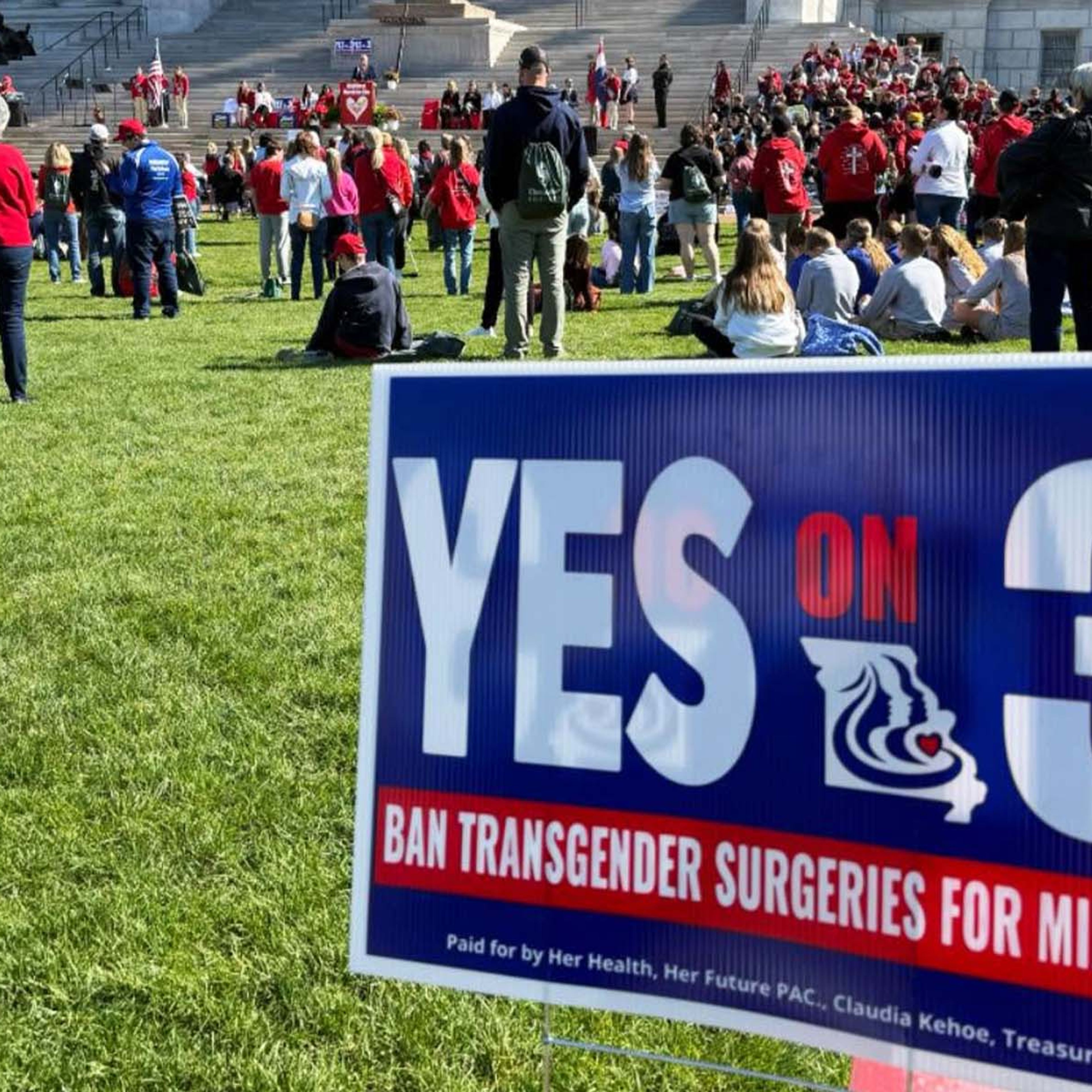
Abortion referenda were an expected bleak spot for pro-lifers. In Kentucky, a measure stating that there’s no right to abortion failed by several points. (A similar measure was rejected by 18 points in Kansas this summer.) And three states — Michigan, Vermont, and California — passed propositions that amend their state constitutions to allow abortion throughout pregnancy for any reason.
Pro-lifers were under no illusions that the end of Roe would mean the end of abortion. It simply restored the issue to the democratic process, with all that entails — the good, the bad, and the ugly. In the coming weeks there will be recriminations over how much the issue cost Republicans and debates about what can be done to strike prudent compromises that win the support of the public in various states for protecting life.
Yet for all the disappointment some Republicans felt on Election Night, a clean sweep for incumbent GOP governors was no small thing. By protecting the Senate filibuster at the federal level, pro-lifers ensured the survival of state laws that have taken effect since Roe — laws that may save 100,000 lives per year, according to one study — and lived themselves to fight another day.









Comments